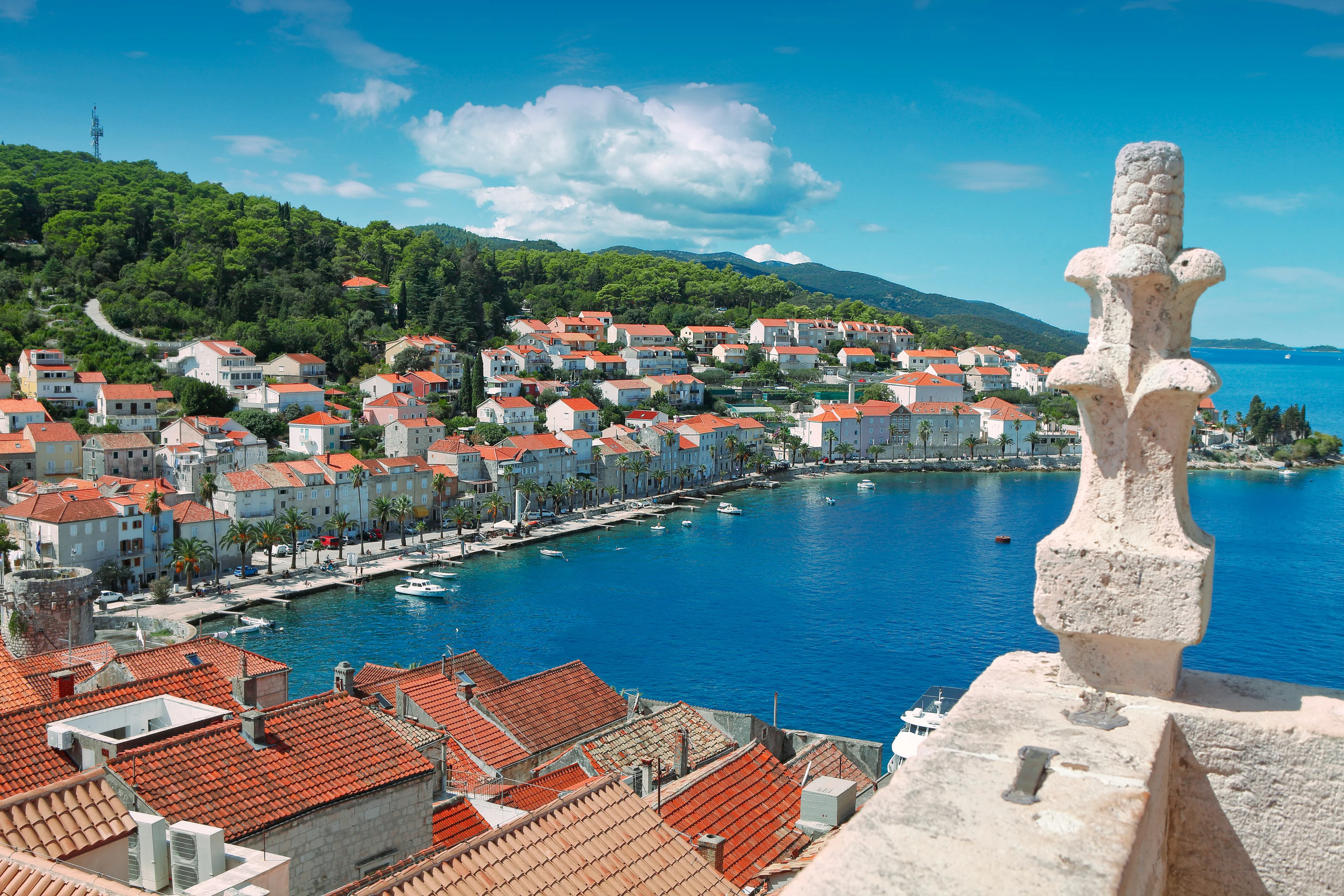
Korčula, the town that claims Marco Polo (or close to it)
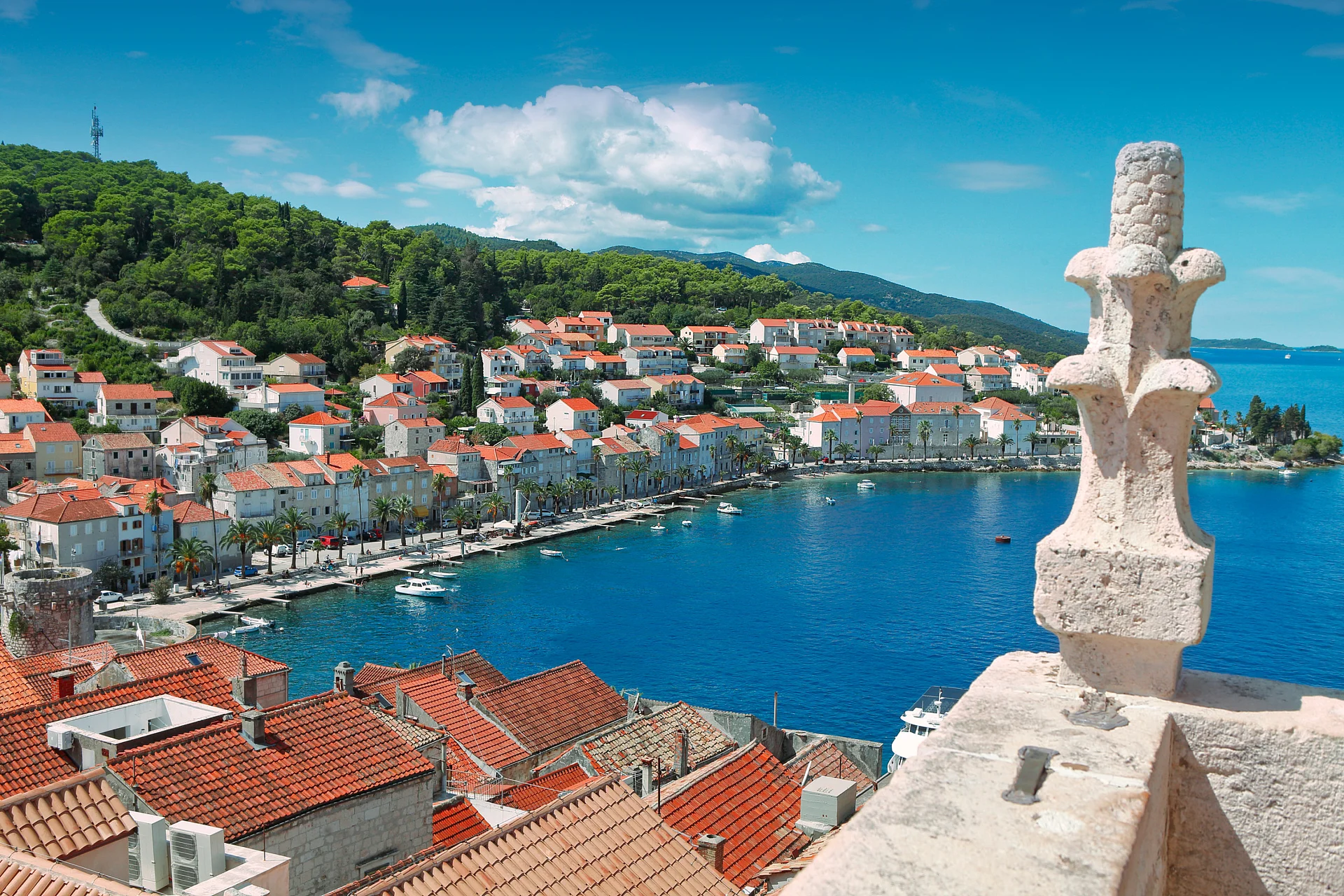
The alleys of the historic center branch out in a fishbone pattern from the main street, a medieval layout designed to break the wind and distribute shade evenly. In the square in front of the cathedral, the blonde limestone absorbs the afternoon heat and radiates it back well after sundown. Locals here will tell you straight-faced that the explorer Marco Polo was born in the house right across from the bell tower, even if historians remain skeptical.
A destination made for you?
Korčula suits anyone looking for a compact, car-free peninsula right in the middle of a fortified center, where a ten-minute walk takes you from a secluded cove to a waterfront aperitivo. Fans of local white wine, gentle island hiking, and Venetian architecture will easily find their rhythm here.
Those wanting high-octane nightlife or wide sandy beaches might end up disappointed, as the shoreline mostly consists of rocky slabs and pebble coves, and the general vibe leans more family-friendly than festive.
Great for:
- Travelers looking for a walkable, pedestrian, and traffic-free historic town
- Wine lovers and fans of Dalmatian cuisine, including oysters, grilled fish, and local grape varieties
- Families and couples seeking a relaxed pace with easy boat excursions
Not ideal for:
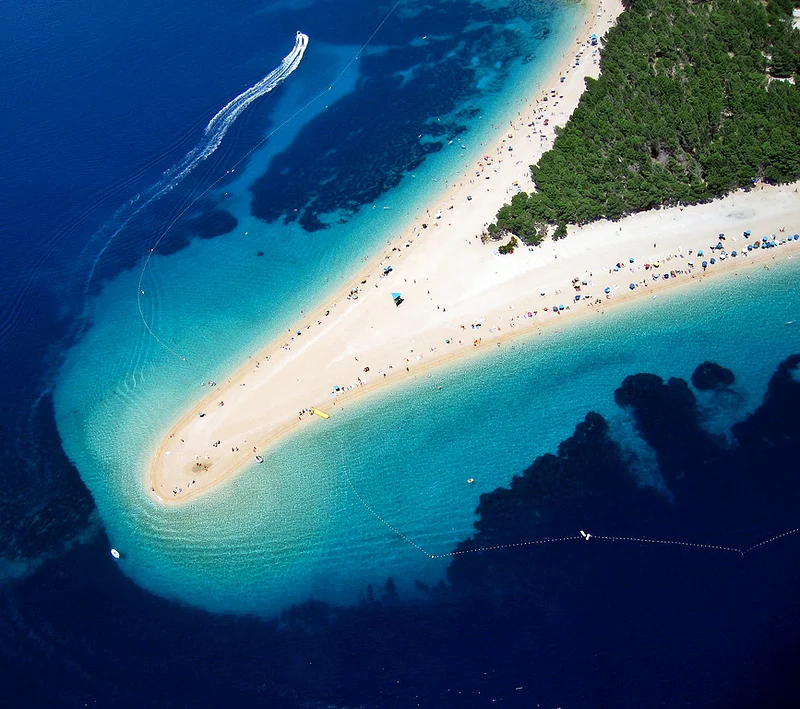
- Fans of fine sandy beaches, since this is strictly rock and pebble territory
- Anyone seeking a nightlife scene comparable to Hvar
- Rushed travelers, as the island is meant to be savored slowly rather than blitzed through on a quick day trip
A pretty reasonable budget outside of peak season
| Expense | Range |
|---|---|
| Night in a private room or guesthouse | $39 to $62* |
| Night in a comfortable hotel | $101 to $179* |
| Quick bite (burek, sandwich, ice cream) | $5.60 to $9* |
| Restaurant meal with fish or seafood | $23 to $39* |
| Glass of local white wine (Grk or Pošip) | $4.50 to $7.80* |
Estimated rates subject to seasonal variation
Practical realities to know before you go
The historic center is entirely pedestrian, and its cobblestone streets make wheeled suitcases a pain, so you are better off with a backpack or prepared to carry your bags for the final stretch. The island stays very busy from June to September, with an influx of cruise passengers who disembark mid-day and crowd the main lanes for a few hours.
English is widely understood in shops and restaurants in the center, though a bit less so in the villages further inland. Safety is rarely an issue, day or night.
The fortified old town, the beating heart of the peninsula
Saint Mark's Cathedral and its surroundings
Built from local stone, the Saint Mark's Cathedral dominates the main square with its rose window and bell tower, which you can climb for a sweeping view over the red-tile roofs and the Pelješac channel. Right next door, the small treasury museum houses a quirky collection, including a painting attributed to Tintoretto's school.
The birthplace of Marco Polo
Just a short walk away, the tower attributed to the explorer's family can be toured in a few minutes. The historical exhibit is modest, but the view from the top over the fishbone alleys makes the climb worthwhile.
Friendly tip: come wander the old town early in the morning or after 6pm once the cruise ships have departed. The low-angled light on the blonde stone is much better, and the streets regain their quiet atmosphere.
Beaches and coves around the peninsula
There is no sand here, just outfitted rock platforms and pebble coves reachable on foot from the center, like Banje about a ten-minute walk away. For clearer water and smaller crowds, head to the beaches of Lumbarda about 6 km away, known for rare sandy patches mixed with pebbles.
Vineyards and the island wine trail
The interior of Korčula produces two white grape varieties found almost nowhere else: Grk, grown around Lumbarda on unique sandy soil, and Pošip, more widespread around the village of Čara. Several small family wineries offer tastings by reservation, making for a pleasant half-day away from the coast.
- Grk wine tasting at a Lumbarda winery
- Pošip wine trail around Čara and Smokvica
- Morning market on the main square for local products
Where to eat and drink in Korčula?
The local specialty to look for is žrnovski makaruni, handcrafted small tube-shaped pasta traditionally served with a slow-cooked beef ragu, originating from the village of Žrnovo. Harborfront restaurants lean heavily into grilled fish and seafood, with a special nod to fresh oysters sourced from the Bay of Mali Ston less than an hour away by boat.
For a drink with a view, terraces set up on the old sea-facing ramparts provide a sunset backdrop that easily justifies the slightly higher drink prices.
Where to stay in Korčula and surrounding areas?
Staying in the historic center lets you walk everywhere, but rooms cost more and can get noisy at night. Residential neighborhoods just outside the walls, like Dominče or the Lumbarda area, offer quieter and less expensive guesthouses a few minutes away by foot or bus.
How to get to Korčula?
The island is served by small regional airports with seasonal flights from various European cities, but most travelers arrive by road followed by a ferry. From Split, expect about 3 hours by ferry or catamaran, with tickets running around $23 to $34* one way. From Dubrovnik, the boat ride takes roughly 2 hours.
How to get around Korčula?
The historic center is entirely walkable, which is your only option anyway since cars are barred from entering. To explore the rest of the island, a local bus connects the center to Lumbarda several times a day, though frequencies drop outside the peak season.
Renting a scooter or a compact car for a day is the most practical way to visit the inland villages and wine cellars, with daily rates hovering around $28 to $45* during high season.
When to go to Korčula?
The months of May, June, and September strike the best balance between pleasant weather, a warm sea, and moderate crowds. July and August bring the highest temperatures and heaviest foot traffic, accompanied by noticeably higher prices and crowded alleys during cruise ship hours.