
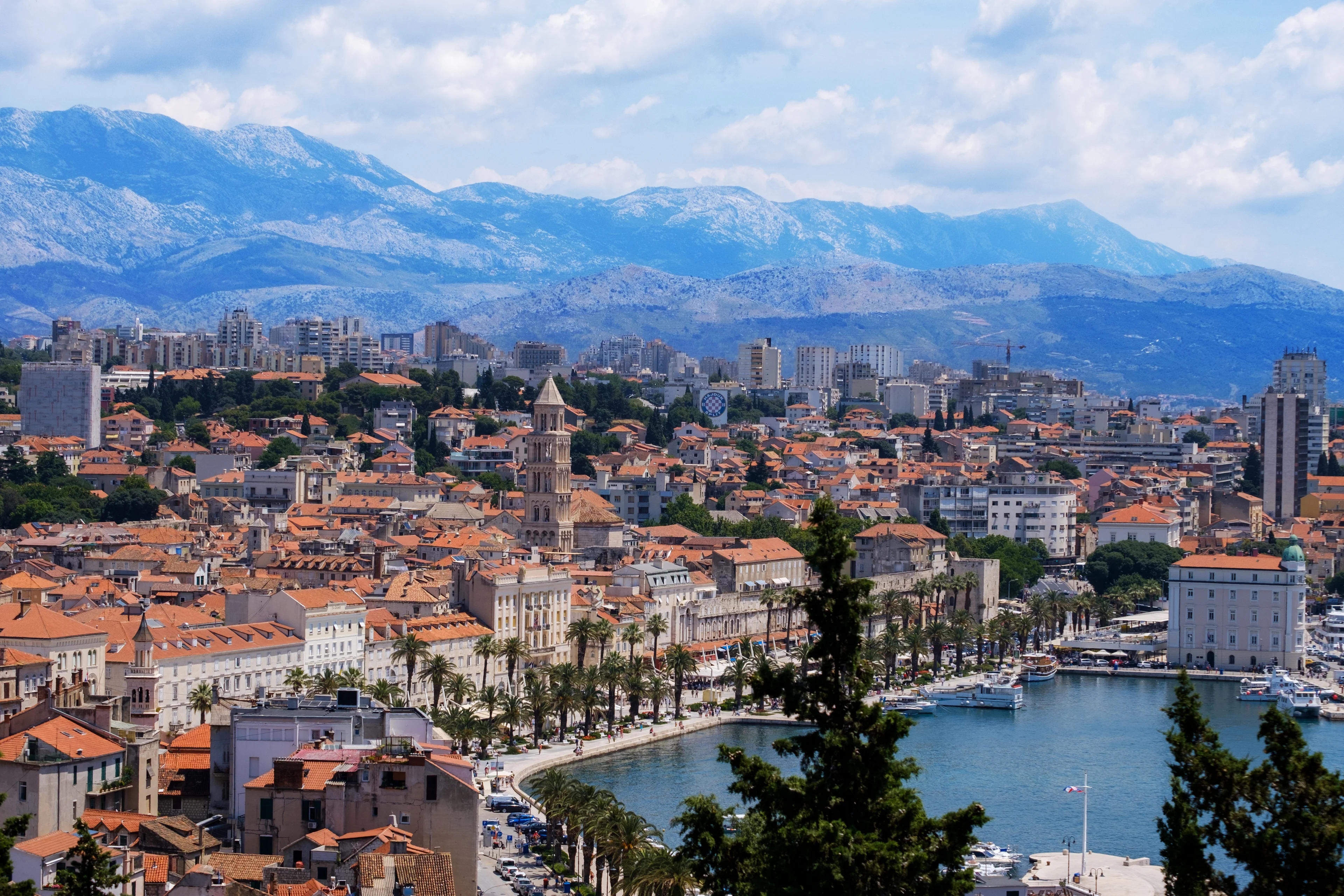
Split, the Roman Palace Where People Still Live
Emperor Diocletian had his retirement palace built right on the waterfront back in the 4th century. Seventeen centuries later, local families cook dinner within its ancient walls, stray cats sleep on its Roman columns, and bars pour Croatian wine out of vaulted cellars.
What sets this city apart is that it is not a museum piece. It is an inhabited neighborhood steeped in antiquity and protected by UNESCO, where laundry hangs out to dry between millennia-old stone arches.
The Ideal Base for Exploring Dalmatia
As Croatia's second-largest city, Split serves as a phenomenal jumping-off point for the Dalmatian islands and nearby national parks. But reducing the city to a simple transit stop misses the point. The historic center easily warrants two full days of exploration, packed with Roman ruins, a wooded hill, and a lively harbor front.
The city draws both history buffs and festival-goers heading to the Ultra Europe festival. Daily life moves at a relaxed Mediterranean pace: dinner runs late, coffee is sipped slowly over hours, and an evening stroll along the Riva promenade remains a sacred ritual.
Great destination for:
- History enthusiasts and Roman architecture fans
- Travelers looking to combine city sightseeing, beach time, and island hopping to Hvar, Brač, or Vis
- Couples seeking rooftop bars, stone alleyways, and waterfront dinners
- Summer festival fans, particularly those attending Ultra Europe
- Families, thanks to the shallow waters at Bačvice beach
Skip this destination if:
- You hate crowds: July and August see the historic center pack out completely
- You are looking for powdery sand beaches, as Split offers mostly pebble and concrete stretches
- You want total quiet in the off-season, since many restaurants close down from November through March
Reasonable Pricing for the Dalmatian Coast
Split is cheaper than Dubrovnik, but prices have climbed noticeably since Croatia adopted the euro in 2023. During peak season, lodging in the old town gets expensive. In the off-season, rates drop by 30 to 50 percent.
| Expense category | Price range |
|---|---|
| Hostel bed or private room in a guesthouse | $23 to $57* |
| 3-star hotel room or comfortable apartment | $68 to $146* |
| Quick bite on the go (burek, pizza slice, sandwich) | $3.40 to $9* |
| Sit-down restaurant meal (main course + drink) | $17 to $34* |
| Local transit and daily activities | $12 to $29* |
| Backpacker daily budget | $51 to $79* |
| Comfortable daily budget | $113 to $210* |
A Safe and Walkable City
Croatia is a remarkably safe country. Standard street smarts are all you need: keep an eye on your belongings in the crowded areas of Diocletian's Palace and along the Riva during peak season. Petty crime is rare. English is widely spoken by younger generations, and hospitality staff handle it effortlessly.
The Mediterranean climate brings very hot, dry summers, with temperatures pushing past 35°C in July and August. Locals lean into the heat by taking a mid-day break, meaning many shops and businesses close between 2 PM and 5 PM.
Bringing water and sunscreen is a given, but do not forget shoes with good traction because the old town's polished paving stones have been smoothed down by centuries of footsteps and can get slick.
Diocletian's Palace and the Historic Core
Diocletian's Palace is not a gated monument requiring an admission ticket. It is an entire neighborhood. You enter through the Golden Gate to the north, the Silver Gate to the east, the Iron Gate to the west, or the Bronze Gate opening out toward the waterfront.
Inside, narrow white stone alleys lead to tiny public squares, restored Roman cellars, artisan shops, and restaurants built right into ancient imperial masonry.
The Peristyle, the palace's central courtyard flanked by Corinthian columns and guarded by an Egyptian sphinx, serves as the pulsing heart of the city. After dark, a local restaurant sets out red cushions on the steps, acoustic music bounces off the stonework, and people sip wine in the evening breeze. It makes for one of the most unique places to grab a drink in Europe.
Friendly tip: climb to the top of the Saint Domnius Cathedral bell tower for panoramic views over the rooftops, harbor, and islands. A combined ticket for the cathedral, crypt, and baptistery costs around $7.90*. Go early in the morning to beat the line.
Varoš and Marjan Hill: The Local Side of Split
Just west of the palace sits Varoš, the oldest residential neighborhood in town. You will find stone houses with green shutters, narrow staircases, and cats lounging everywhere. There are no souvenir shops or crowds here. This is where locals grab their morning coffee at tiny, unmarked neighborhood bars.
From Varoš, a trail climbs up toward Marjan Hill, known locally as the green lungs of the city. This Mediterranean pine forest rises nearly 180 meters above the sea. Marked paths lead to great viewpoints, small medieval chapels, and secluded coves tucked along the southern slopes.
Friendly tip: head up to the Telegrin viewpoint at the very top of Marjan for sunset. The views out over the islands of Šolta, Brač, and Hvar are incredible, and you will share the space with very few other people.
Bačvice and the Waterfront
Bačvice beach, located a five-minute walk from the bus station, is a local institution. Locals gather here to play picigin, a homegrown game where players keep a small ball in the air without letting it touch the water. The water stays shallow for a long distance out, making it popular with families.
To be honest, Bačvice is not a picture-postcard tropical beach. It is mostly concrete slabs and pebbles, packed in the summer with loud beach bars humming in the background. Even so, the energetic atmosphere is infectious, and watching the sunset from one of the terrace bars is worth experiencing.
Day Trips to the Islands: Hvar, Brač, and Vis
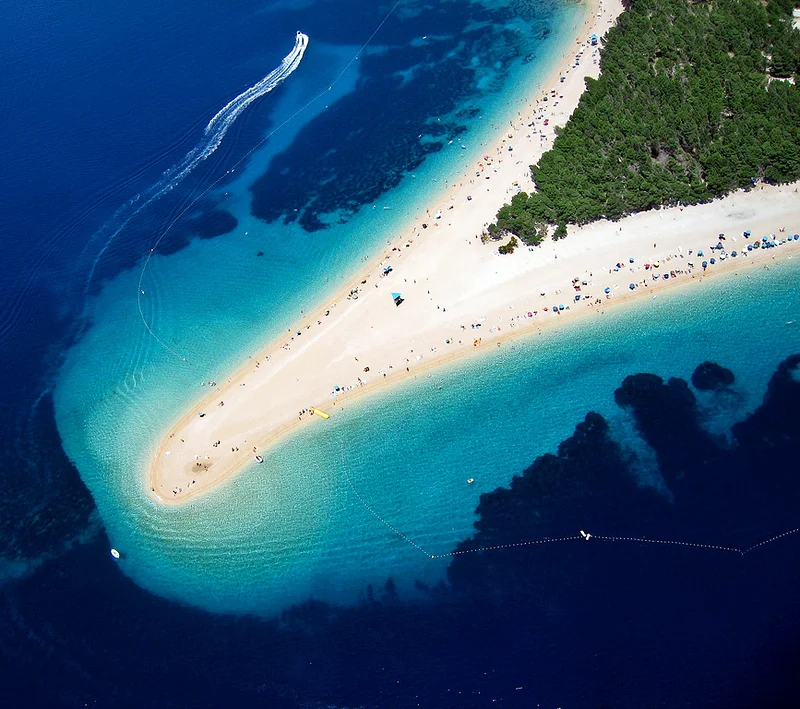
Split's ferry port acts as the main hub for reaching the Dalmatian islands. Brač and its famous Zlatni Rat beach, recognized by its distinctive horn shape that shifts with the ocean currents, sits an hour away by ferry.
Hvar, known for its nightlife and lavender fields, can be reached in an hour via high-speed catamaran. Vis, the furthest out and least commercialized island, is the springboard for trips to the famous Blue Cave on the neighbouring islet of Biševo.
Friendly tip: book your ferry tickets in advance through Jadrolinija or Krilo during peak season. High-speed catamarans to Hvar cost roughly $6.80 to $13* per person. If you are traveling with a car, note that vehicle ferries to Brač fill up fast.
Where to Eat and Drink in Split
Dalmatian cooking centers on grilled fish, olive oil, and wild herbs. Three specialties you need to try include pašticada, a slow-cooked beef stew simmered in a red wine, prune, and spice sauce served alongside homemade gnocchi; crni rižot, a black risotto colored with cuttlefish ink; and soparnik, a thin Swiss chard pie native to the Dalmatian coastline.
To find genuine local food, skip the tourist-trap terraces lining the Riva and seek out a konoba, the region's traditional taverns. The Michelin-recommended restaurant Šug hides near the Pazar market, serving up fresh pasta and seafood at fair prices. Over in the Varoš neighborhood, Konoba Hvaranin dishes out unpretentious, home-style meals.
Croatian Wine: A Pleasant Surprise
Only two percent of Croatia's wine production gets exported. Native grape varieties like plavac mali and pošip come as a complete surprise to most visitors. Wine bars tucked inside the palace walls host daily tastings for just a few euros, making it one of the best ways to understand the local culture.
Where to Stay in Split and Beyond
The historic center is the best pick for a first visit since everything sits within walking distance, and sleeping inside Diocletian's Palace is an experience in itself. Prices peak here, particularly from June through September. The adjacent Varoš neighborhood provides a quieter atmosphere and better value for money.
If you want a beach vacation, the Bačvice area puts you close to the shore while remaining near town. Families usually prefer the apartment rentals in the Firule district. Outside the city, Trogir sits just thirty minutes away and offers an appealing alternative with its UNESCO-listed medieval center and lower accommodation rates.
Getting to Split
Split Airport lies 25 km outside the center. Budget carriers like Ryanair, easyJet, Vueling, and Transavia fly in from major European hubs, especially between April and October. One-way off-season tickets generally range from $45 to $113*.
Getting From the Airport to Downtown
Bus line 37 runs from the airport to the Sukoisan bus station, located a 15-minute walk from the palace, for about $2.30 to $3.40*. The trip takes 40 to 50 minutes. The Pleso Prijevoz shuttle bus runs a more direct route, dropping passengers off right by the old town for about $5.70*. A taxi runs around $40*.
You can also reach Split by train via Zagreb or by driving down the A1 highway from the Slovenian border, which takes about six hours from Ljubljana. Taking the ferry from Ancona in Italy makes a scenic option if you are arriving from further south.
Getting Around Split
The historic center is entirely pedestrianized. For outlying neighborhoods like Firule or Žnjan, the Promet bus network is dependable, with tickets costing around $1.50* when bought at a newsstand. Marjan Hill is also an easy 15-minute walk from the palace.
Taxis are readily available and reasonably priced for short hops. Uber operates in Split and often beats standard taxi rates. To explore the wider Dalmatian coast outside the city, car rental or scooter hire works well, though parking in the center is scarce and expensive.
When to go
The shoulder months of May through June and September strike the best balance, delivering temperatures between 22°C and 28°C, water warm enough for swimming, and manageable crowds. Easter week brings notable local processions and cultural events. Winters stay mild, though many businesses close for the season.
Try to steer clear of the second half of July and all of August unless you love heavy crowds. Accommodation rates double, the palace streets get jammed, and the heat turns punishing. The Ultra Europe festival, typically held in July, brings in tens of thousands of partygoers and completely shifts the city's vibe.
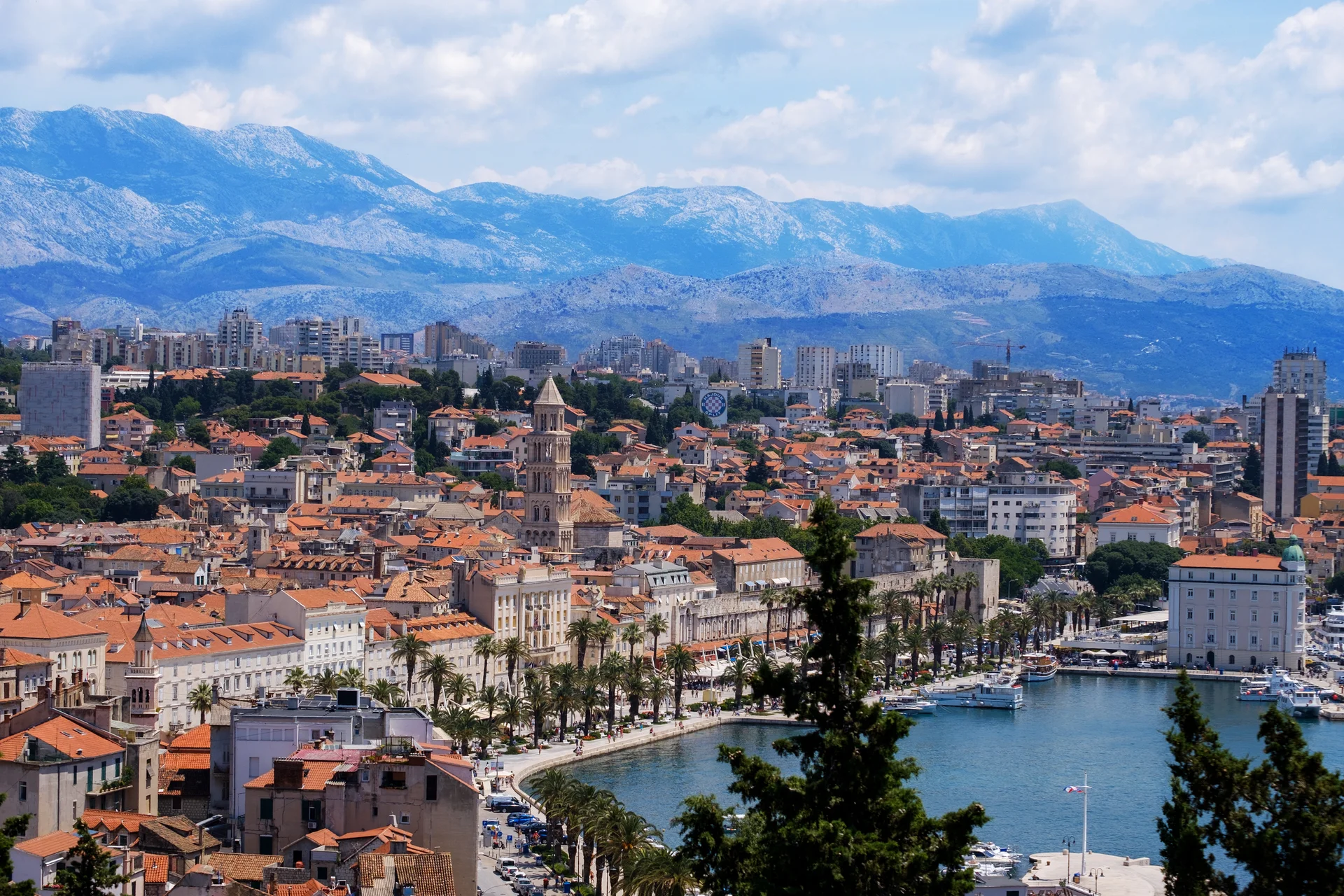
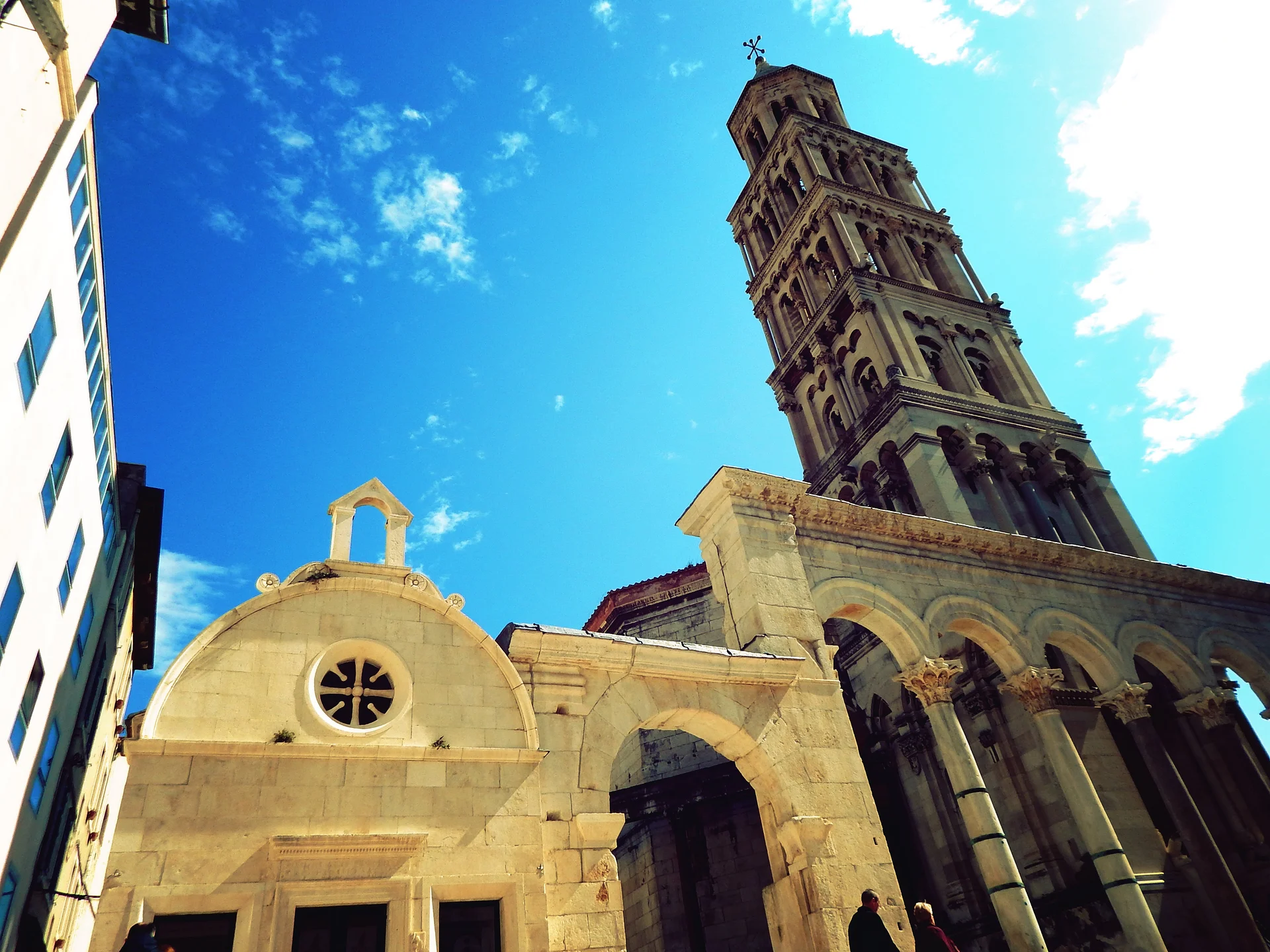
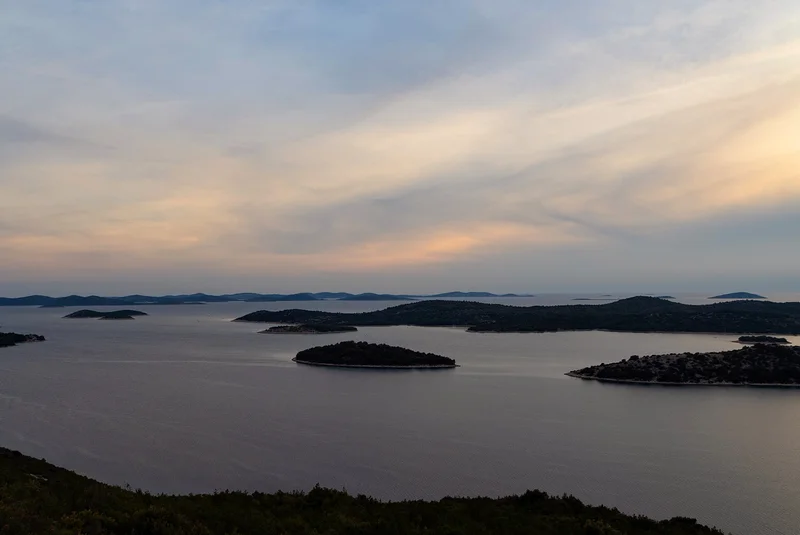
Along with Zadar and Dubrovnik, Split is a must-see seaside destination in southern Croatia. There are plenty of monuments to visit and alleyways with little taverns to enjoy the Mediterranean climate. The flip side is that it gets very crowded and prices jump in the summer.
Personally, I preferred the walled city of Dubrovnik. But Split is also a great starting point, especially for heading to the party island of Hvar.