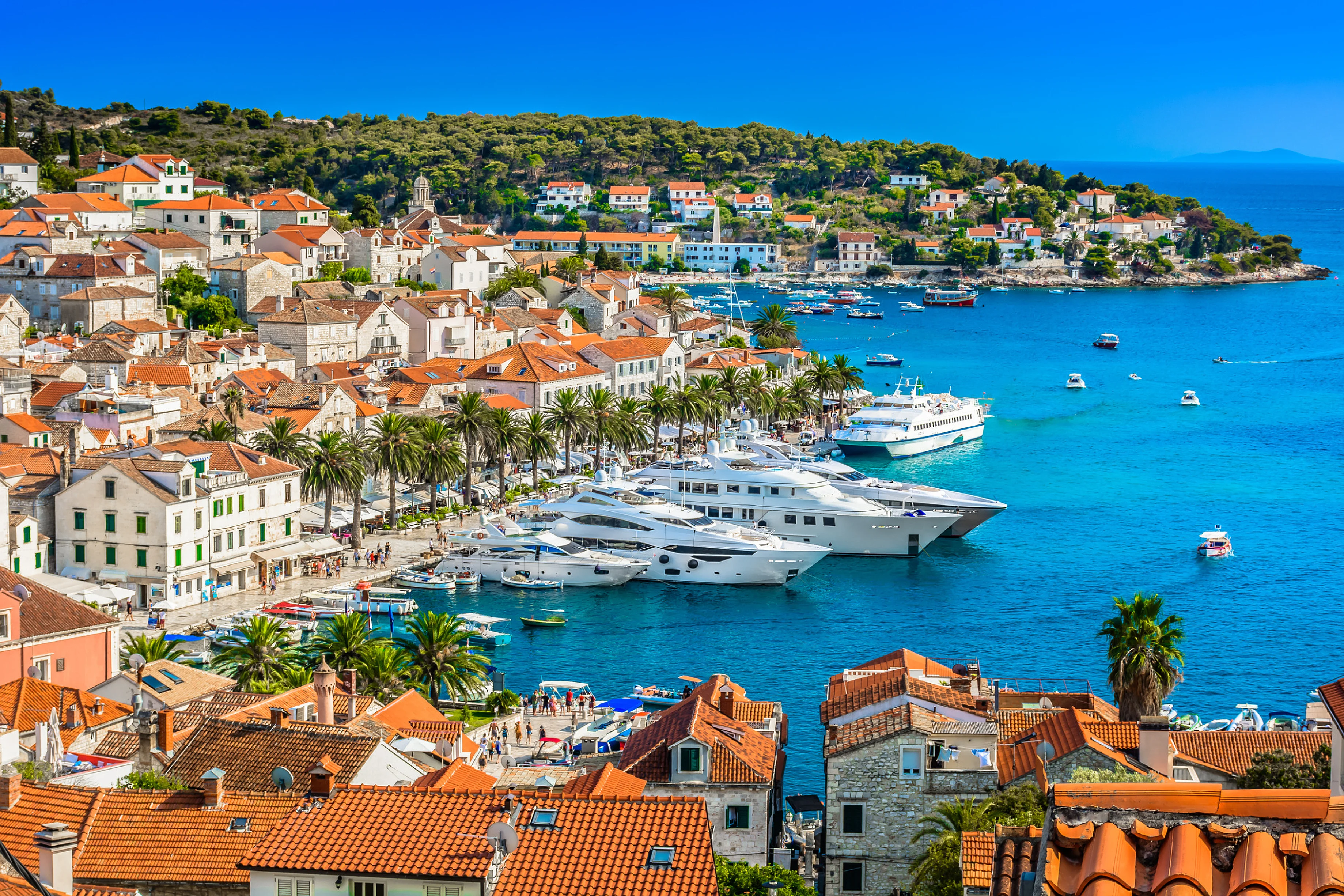

Hvar, where lavender dries on old stone
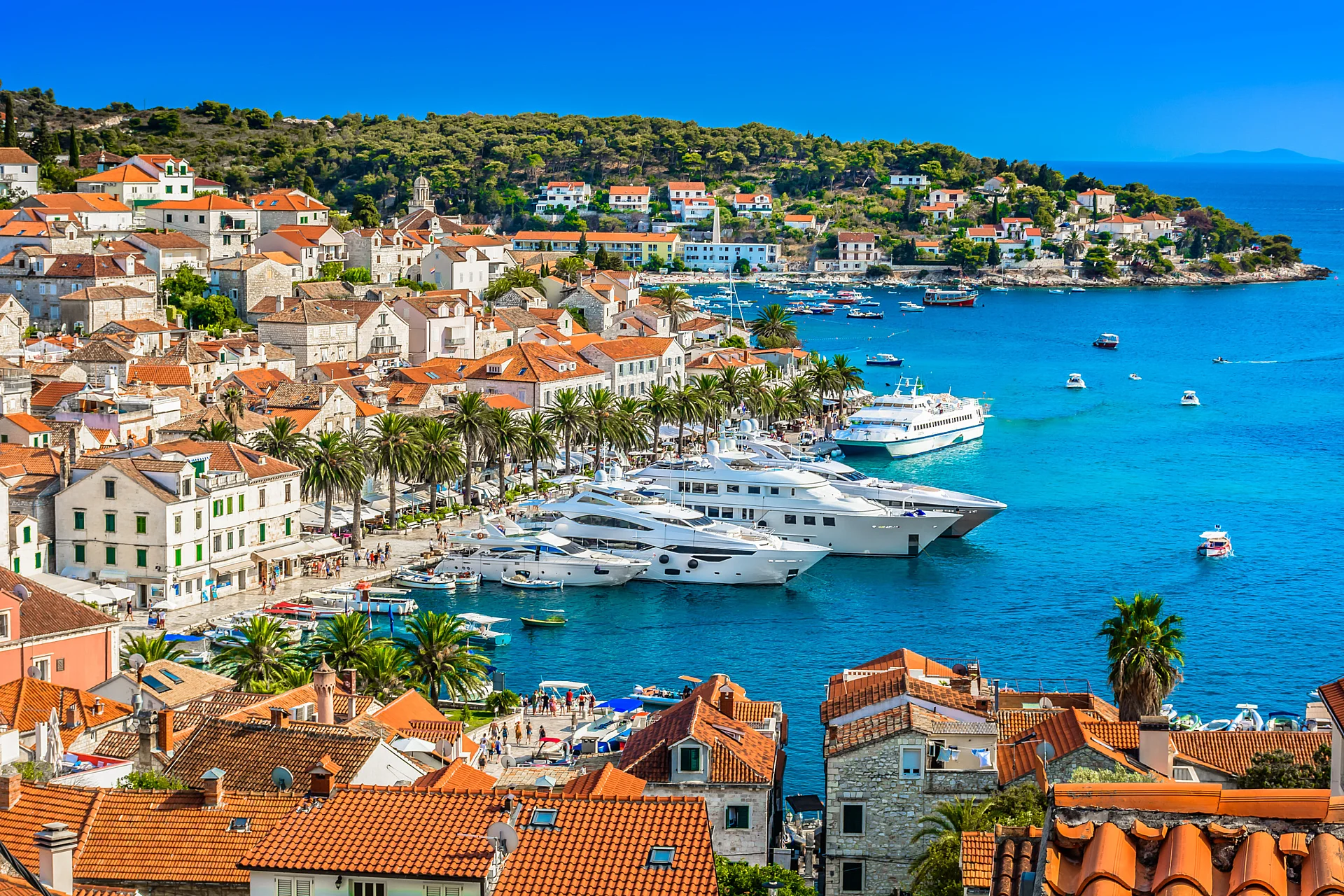
In late spring, the air drifting down from the hills above town smells of wild rosemary and lavender baked by the sun. That scent, mixed with the salt of the Adriatic, stays on your skin long after you leave. Hvar has spent centuries cultivating its reputation as a stylish island hub where luxury yachts share the harbor with polished limestone alleys worn smooth by centuries of footsteps.
Is this destination for you?
If you like lively evening harbors, outdoor tables where you can sip wine while watching sailboats drop anchor, and wild little islands just a short boat ride away, you will love it here. Hikers will also appreciate the trails that climb past the fortress and wind through the island interior.
On the other hand, if you are looking for a sandy beach within walking distance of downtown, or a quiet and inexpensive getaway, you might be disappointed. The shoreline is mostly rocky coves and pebble shelves, and prices jump significantly in peak season.
Great for:
- Nightlife and beach bar enthusiasts
- Couples looking for a romantic and upscale atmosphere
- Sailing fans and boat trips out to the Pakleni Islands
- Hikers curious about the island's lavender trails
Not ideal for:
- Travelers on a tight budget
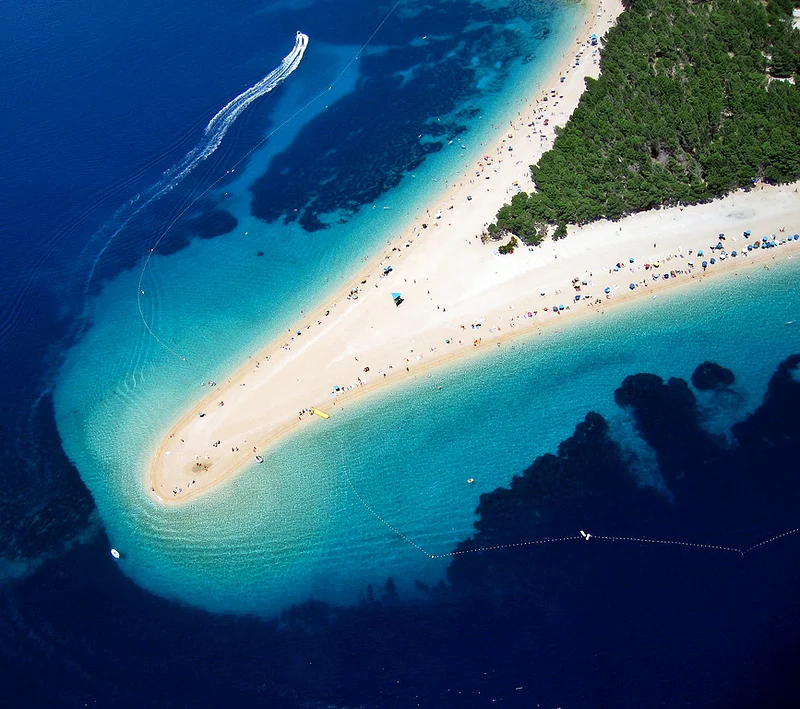
- Families looking for easy-access sandy beaches
- Anyone trying to escape the crowds in July and August
Prices that climb fast in the summer
Hvar ranks among the most expensive destinations in Croatia, especially between July and August. The rates below give you an idea of shoulder-season costs, which scale up noticeably during the peak summer months.
| Expense | Range |
|---|---|
| Hostel bed or private room | 25 to 45 € |
| Comfortable hotel room | 100 to 200 € |
| Quick bite (burek, sandwich) | 5 to 8 € |
| Sit-down dinner with local wine | 20 to 35 € |
| Backpacker day total | 50 to 70 € |
| Comfort day total | 150 € and up |
Estimated rates subject to change
Practical realities to know before you go
The island is reached by ferry from Split, and once you arrive, you can get around almost entirely on foot within the pedestrian-only historic center. English is widely spoken in shops and restaurants, though less so in the quieter inland villages.
In July and August, accommodations book up completely and the harbor quays fill the moment the ferries dock. The rest of the year moves at a much slower pace, turning nearly sleepy in the off-season.
The old town and the harbor, the beating heart of the island
Saint Stephen's Square (Trg Svetog Stjepana), paved with broad white limestone slabs, opens straight onto the harbor. It is one of the largest public squares in Dalmatia and the natural gathering spot as the sun goes down.
Saint Stephen's Cathedral
Its baroque facade dominates the square, and its romanesque bell tower, one of the most graceful on the Croatian coast, is worth a close look. Inside, you will find sacred art collected since the 16th century.
Fortica Fortress
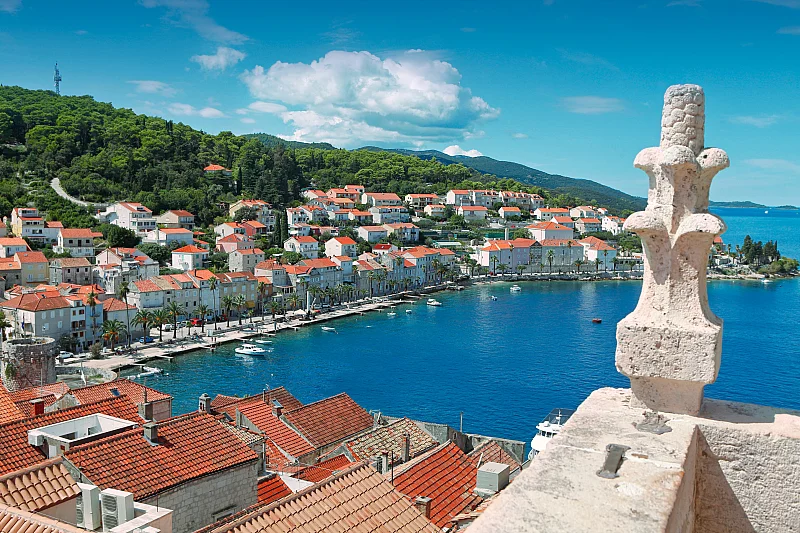
Overlooking the town from its hilltop perch, this Venetian fortress commands views across the entire harbor and out toward the Pakleni Islands. The walk up from the center takes about twenty minutes, ideally tackled early in the morning before the heat sets in.
Friendly tip: hike up to the fortress an hour before sunset. The low light hitting the stone and the red rooftops below makes the climb well worth it.
The Pakleni Islands, your escape on the water
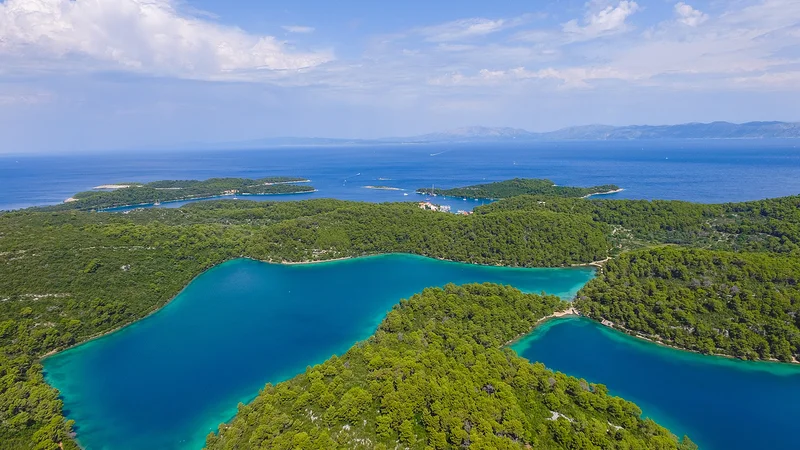
This archipelago of a dozen wooded islets sits right across from the harbor and is easily reached by water taxi or organized excursion, with departures every hour in season. Sveti Klement, the largest of the group, packs quiet coves and a few rustic waterfront taverns.
The shallow turquoise waters of the Pakleni provide a calm counterpoint to the busy harbor. People come here for a swim rather than lounging on sand, as most of the inlets are rocky or pebbled.
Lavender fields and the rugged interior
The quieter interior of the island hides lavender fields that bloom in June. The village of Velo Grablje, about twenty minutes by car from the center, preserves an old traditional distillery and a scattering of abandoned stone houses that feel almost ghost-like out of season.
Where to eat and drink in Hvar
Gregada, a slow-simmered fish stew with potatoes and white wine, appears on the menu at many harborfront taverns. Waterfront restaurants charge higher prices than the spots tucked away in the back alleys behind the main square.
As for wine, local grapes like plavac mali, grown on the steep southern slopes of the island, are served in the wine bars scattered around Saint Stephen's Square.
Where to stay in and around Hvar
The historic center packs in the most upscale hotels, many with harbor views, alongside the highest price tags. Neighboring villages like Jelsa or Stari Grad, a 15 to 20 minute drive away, offer more affordable lodging and quieter access to local beaches.
How to get to Hvar
The island is mainly accessed by ferry from Split, with the crossing taking about an hour on a high-speed catamaran. Split itself is reached via connecting flights through major European hubs from North American departure gateways.
How to get around Hvar
Downtown Hvar is completely walkable since the historic stone lanes are closed to vehicle traffic. Local buses and scooter rentals are the best options for reaching distant beaches or villages further afield.
When to go to Hvar
The months of May, June, and September strike the best balance between pleasant weather and manageable crowds. July and August bring lively nightlife along with soaring prices and heavy crowds, while winter plunges the town into a quiet stillness.