Visiting Dalmatia
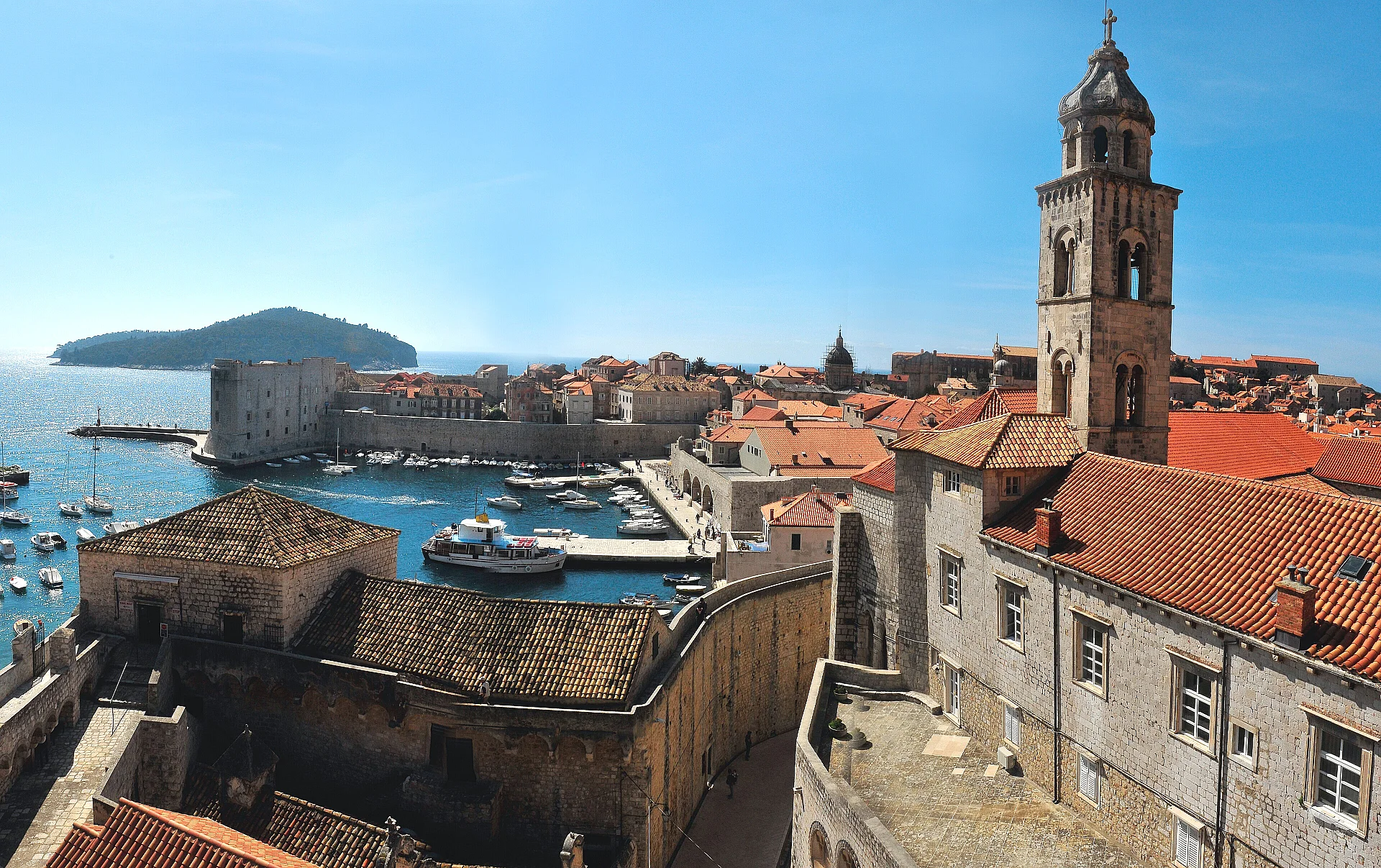
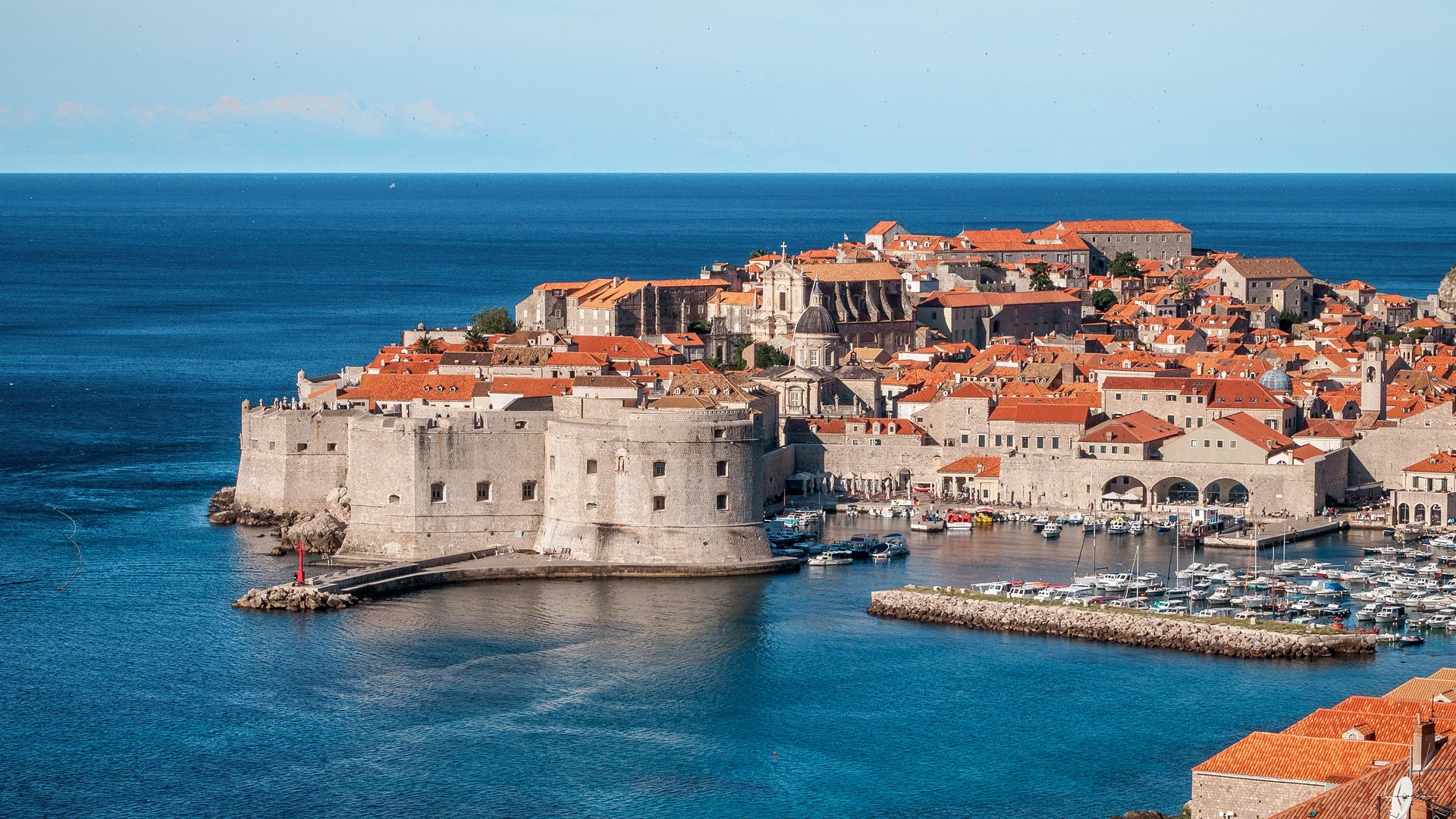
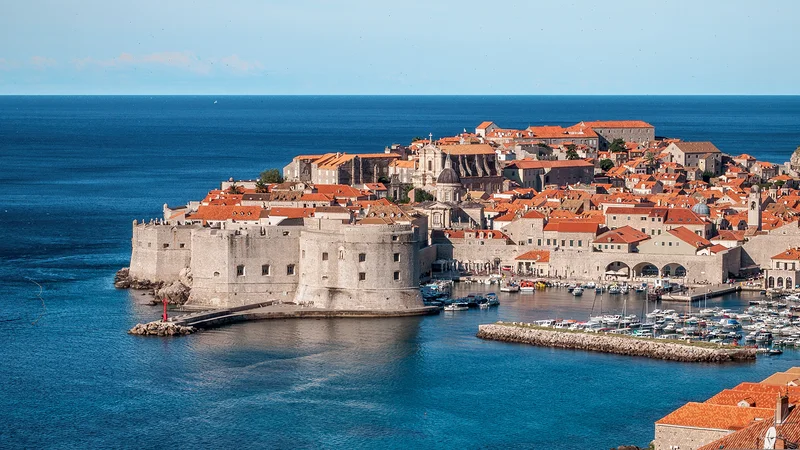
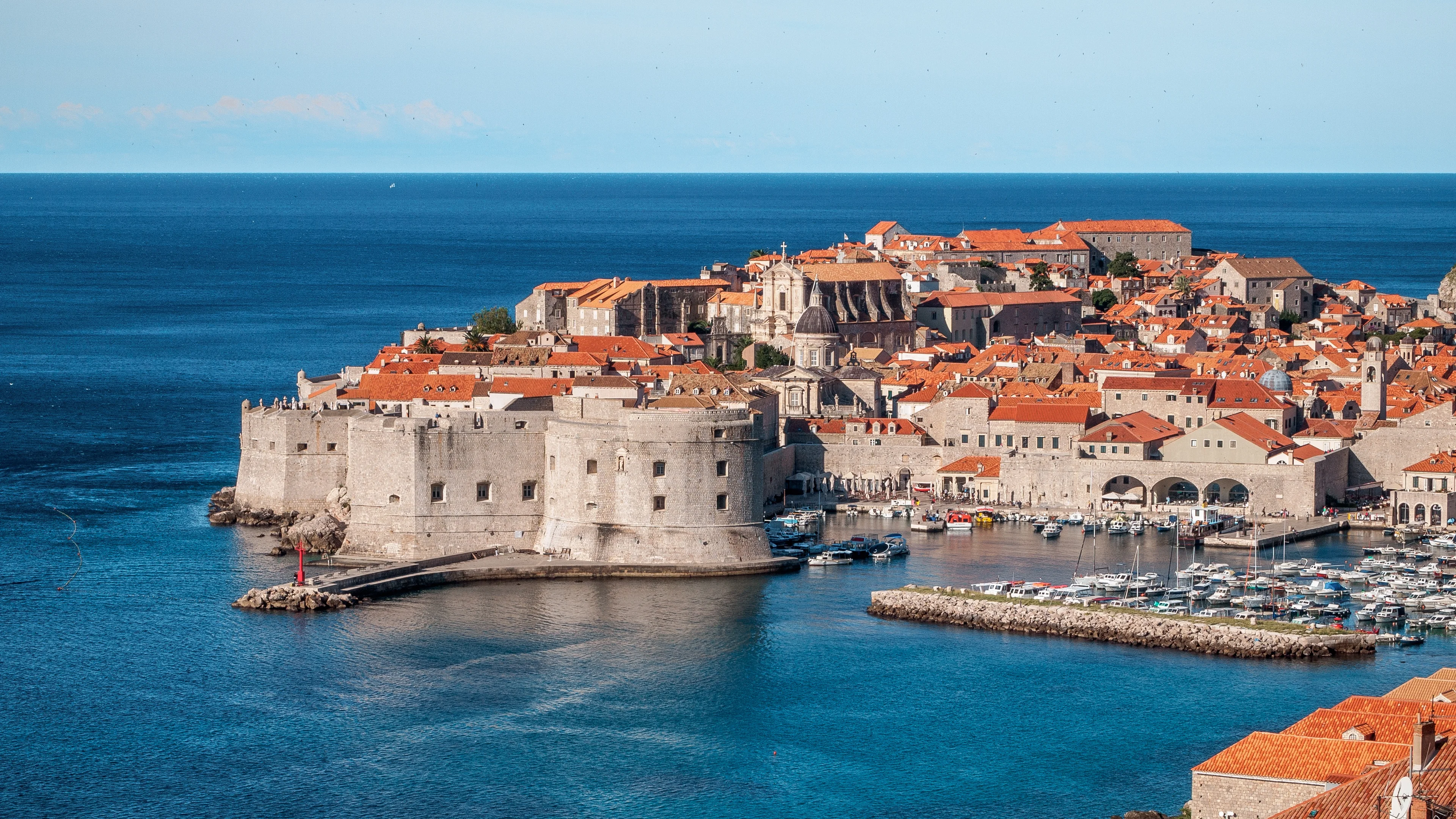
Dubrovnik is a closed city: two kilometres of complete walls, one straight street, and the rest in staircases. Four hours north by road, Split does the opposite: its old town is a Roman emperor's palace, still lived in.
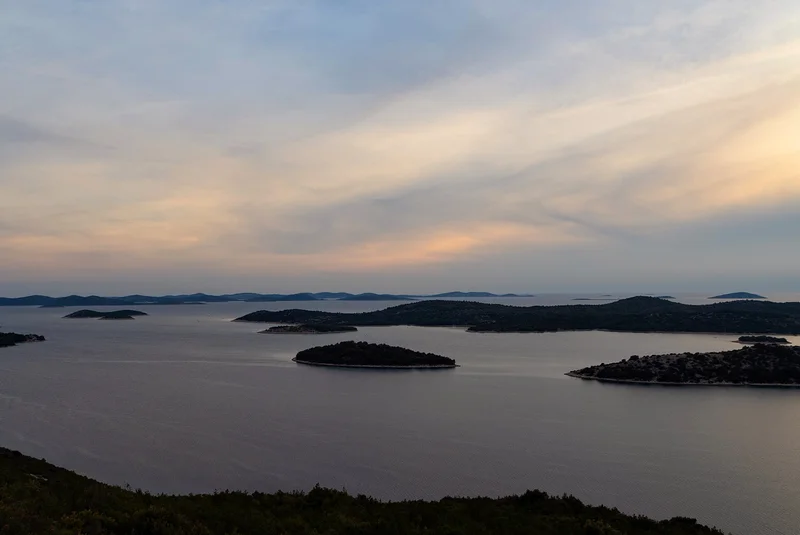
Between them the coast breaks up into islands. Mljet has two salt lakes and a monastery on an islet; Bol has the most photographed beach in the country. And behind it all, the limestone jumps straight to a thousand metres.
You will love it if
- You want clear water and old cities in the same trip
- Boats suit you: the islands are half the point
- You come in June or September, when the sea is warm and the streets passable
Look elsewhere if
- You are after sand: the coast is shingle and limestone slab
- Crowds wear you down: Dubrovnik takes several cruise ships a day in summer
- You plan to do it all by car: the ferries impose their timetable
The must-sees
The highlights
-
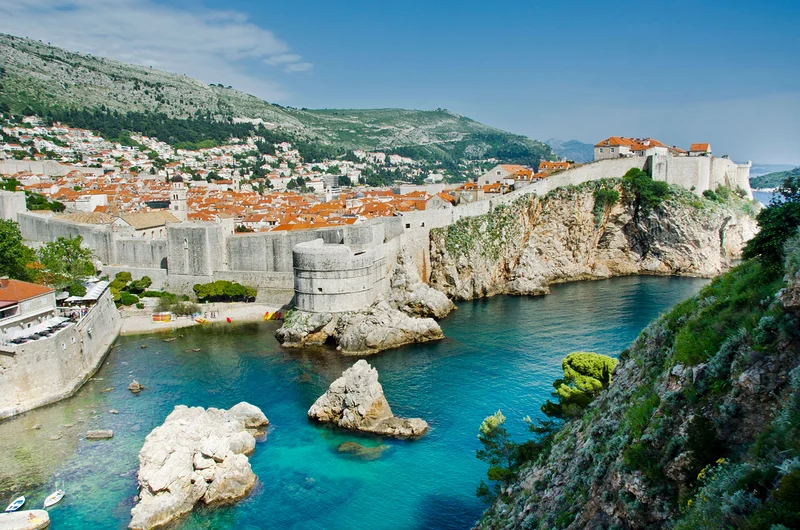
1 The City Walls of Dubrovnik +23 recs
Nearly two kilometres of walkway, complete and unbroken, up to twenty-five metres high. The circuit is one-way and takes two hours; the eight o'clock opening avoids both the heat and the groups.
-
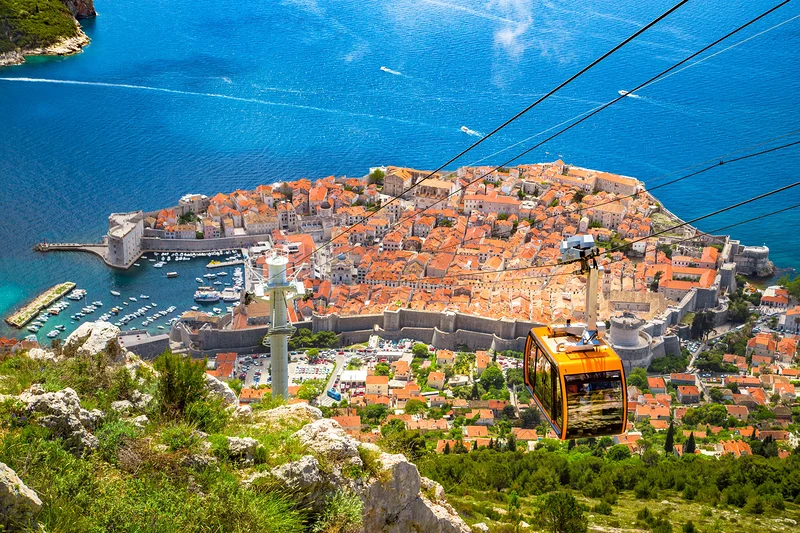
2 Mount Srđ +24 recs
Four hundred and twelve metres above the city, reached by cable car or by a zigzag path. The fort at the top, built by the French between 1806 and 1816, houses the museum of the war of independence.
-
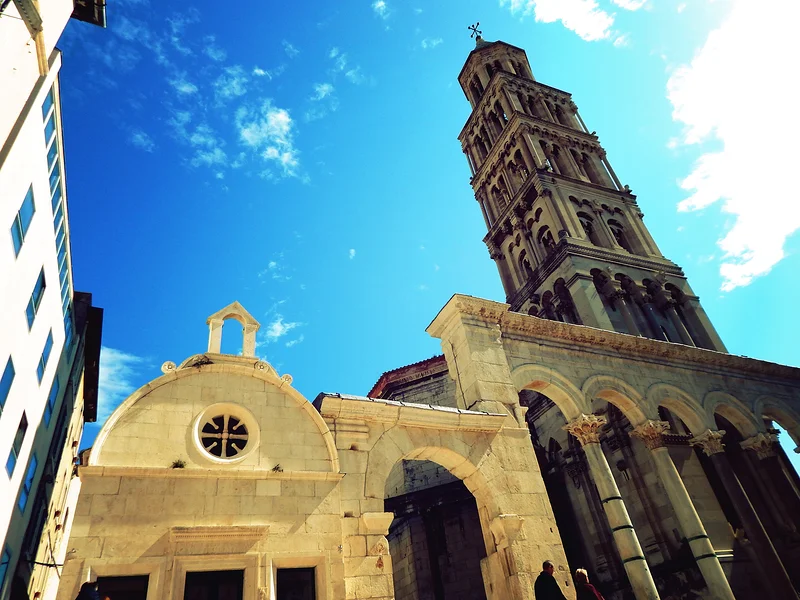
3 Diocletian's Palace +9 recs
Built around the year 300 for an emperor's retirement, it is not an archaeological site but the centre of Split: thousands of people live within its walls, and the cellars serve as a thoroughfare.
-
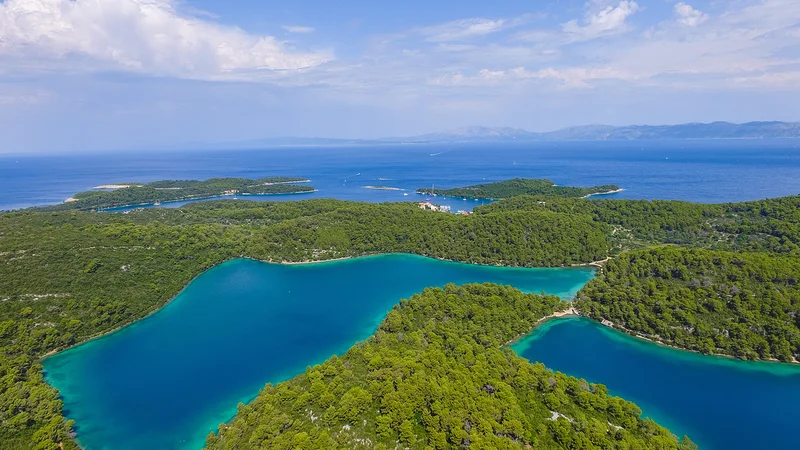
4 Mljet National Park +19 recs
Two seawater lakes joined by a channel, and on an islet in the larger one a twelfth-century Benedictine monastery. You cycle round it in two hours, and the swimming is warmer than in the open sea.
-
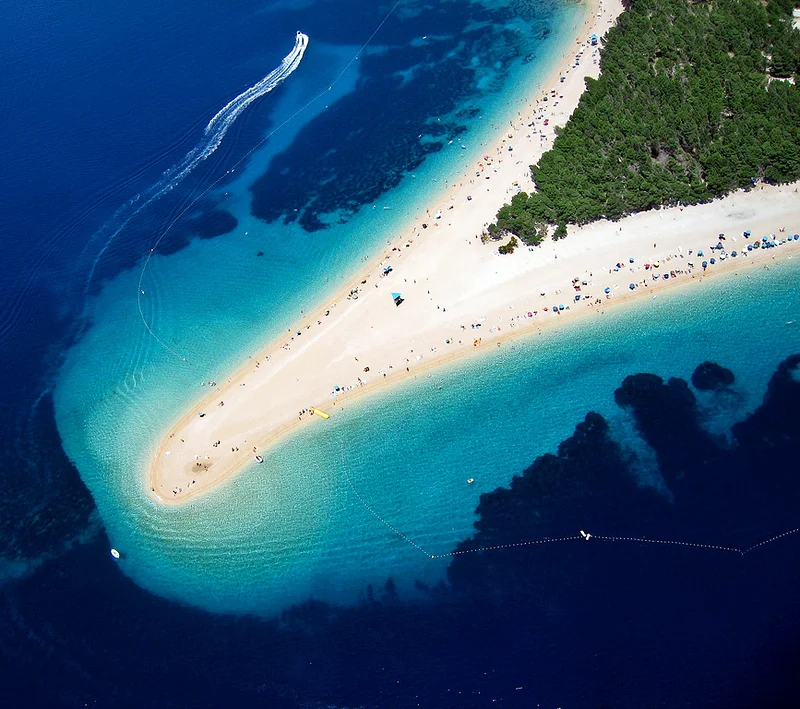
5 Zlatni Rat Beach +10 recs
A tongue of shingle reaching into the sea at Bol, whose tip changes direction with the winds and currents. The afternoon maestral makes it one of the country's windsurfing spots.
The classic mistake
Visiting Dubrovnik between ten and four in summer. That is the span of the cruise calls, and the old town goes from calm to impassable. Walls at opening, or the town in the late afternoon: the rest of the time, the coast is pleasanter.
Our itineraries in Dalmatia
| Length | Itinerary | What you see |
|---|---|---|
| Long weekend (3 days) | Dubrovnik › Cavtat | Walls, cable car, the next bay along |
| 1 week | Dubrovnik › Mljet › Split | Walled town, lake island, Roman palace |
| 10 days | Dubrovnik › Mljet › Bol › Split › Zadar | The whole coast south to north, two islands |
Ferries and catamarans are the backbone: Split is the central port, Dubrovnik the southern one. Sailings thin out sharply from October to May, and some islands drop to one departure a day.
A car helps for the back country and for coastal villages with no harbour, but it is expensive on the boats. Many leave it on the mainland and hire a scooter on the island.
When to visit Dalmatia
| Rating | Season | Weather | Crowds and prices |
|---|---|---|---|
| June and September | 24 to 29 °C, sea at 23 | Busy, mid-range prices | |
| May and October | 18 to 24 °C, sea cool in May | Moderate, fewer boats | |
| July and August | 29 to 35 °C, sea at 26 | Peak, very high prices | |
| November to April | 8 to 16 °C, bora possible | Quiet, islands on reduced service |
Our advice
The first half of September is the best moment of the year: the sea keeps August's warmth, the cruise calls space out, the ferries still run their summer frequency and prices drop a notch. By mid-October half the sailings have gone.
Getting to Dalmatia
-
1 By plane Fastest
Dubrovnik and Split take direct flights from across Britain, with easyJet and Ryanair on most routes, in under three hours. Ryanair also serves Zadar. The links are mostly seasonal, April to October.
-
2 Formalities Worth knowing
Croatia has been in the Schengen area and the euro zone since 2023, which removes the currency change but not the border check for British passports. Expect the queue you would get anywhere in the area.
-
3 By boat Most restful
overnight sailings link Italy to Split, from Ancona in particular. Combined with a flight to Bologna or Venice, it turns the crossing into a night's sleep rather than a travel day.
Getting around Dalmatia
Dubrovnik and Split are walkable, and both old towns are closed to cars. Coaches run along the coast between the cities, and boats serve the islands from both ports.
Worth knowing
The bora, the north-easterly that comes down off the mountains in winter and spring, can cancel crossings and close coastal roads for a whole day. It is forecast two days out, and the cancellation comes from the boat operator, not the port.
What to eat in Dalmatia
- Peka: meat or octopus and vegetables cooked under a cast iron bell covered in embers, three hours. Ordered the day before in a konoba, never on the spot.
- Crni rižot: a risotto blackened with cuttlefish ink, with garlic and white wine. It stains your teeth, and the cooks warn you as they serve it.
- Pašticada: beef marinated then braised in sweet wine with prunes, served with gnocchi. The celebration dish of Split, prepared over two days.
- Pršut: a ham dried in the wind rather than smoked, which the bora makes possible. The Dalmatian hinterland version is drier than its Istrian cousin.
- Pag cheese: a matured sheep's cheese from the nearby island, its flavour coming from herbs salted by the sea spray. The most decorated in the country.
- Plavac Mali: the red grape of the coast and the islands, powerful and warm. The Dingač vineyards, on the Pelješac peninsula, drop steeply towards the sea.
- Fritule: small fritters with citrus zest and brandy, served in a paper cone. Found year round in the south, and at every Christmas market.
The word konoba means a family tavern, often set in an old cellar, and that is where the country's real cooking is eaten. On the harbour front, a menu in five languages with photographs of the dishes is a reliable signal: try the next street.
Where to stay in Dalmatia
| Area | What it is for | Worth knowing |
|---|---|---|
| Dubrovnik, old town | Walls, lanes, Rector's Palace | All on foot, very expensive and noisy in summer |
| Cavtat | Quiet bay, Bukovac House, boat into town | Twenty minutes from Dubrovnik, half the price |
| Split | Roman palace, island port, market | The best connected base on the coast |
| Bol or Mljet | Beaches, cycling, diving | Low capacity, full in August |
| Starigrad | Paklenica, climbing, canyons | A mountain base, an hour from Zadar |
How much does a trip in Dalmatia cost?
| Style | Length | Budget per person |
|---|---|---|
| Budget (room in a private house, markets, free beaches) | 7 days | 400 to 600 € |
| Comfortable (hotel, restaurants, two excursions) | 7 days | 900 to 1,400 € |
| High end (seafront hotel, private boat) | 7 days | 2,500 to 4,000 € |
- The season: a room costs two to three times more in August than in May, and Dubrovnik is by far the most expensive town in the country.
- Sobe: rooms in private houses, signposted with that word, cost half a hotel and are often better placed.
- Scheduled catamarans: a few euros a crossing, where an organised island excursion asks sixty for the same journey.
- Public beaches: free everywhere, in town included. The paid sunbeds cover only a narrow strip in front of the hotels.
- The lunch menu: the daytime set meal is half the evening card, and konobas inland cost less than those on the quay.
Traditions and way of life in Dalmatia
Dubrovnik was an independent republic for more than four centuries, a rival of Venice, with its own fleet, embassies and laws. It abolished slavery in 1416, and its Rector's Palace shut its elected head inside for a month, with no right to leave.
The coast still carries the Venetian imprint in its architecture and its vocabulary, and the interior that of the Ottoman Empire, which stopped a few dozen kilometres inland. Two worlds you can read in the roofs and in the dishes.
Two useful habits. In the old towns, swimwear away from the beach is banned by municipal order, fine included, and the signs say so at the gates. And in the afternoon, between two and five, many shops close: do as the locals do and go for a swim.