
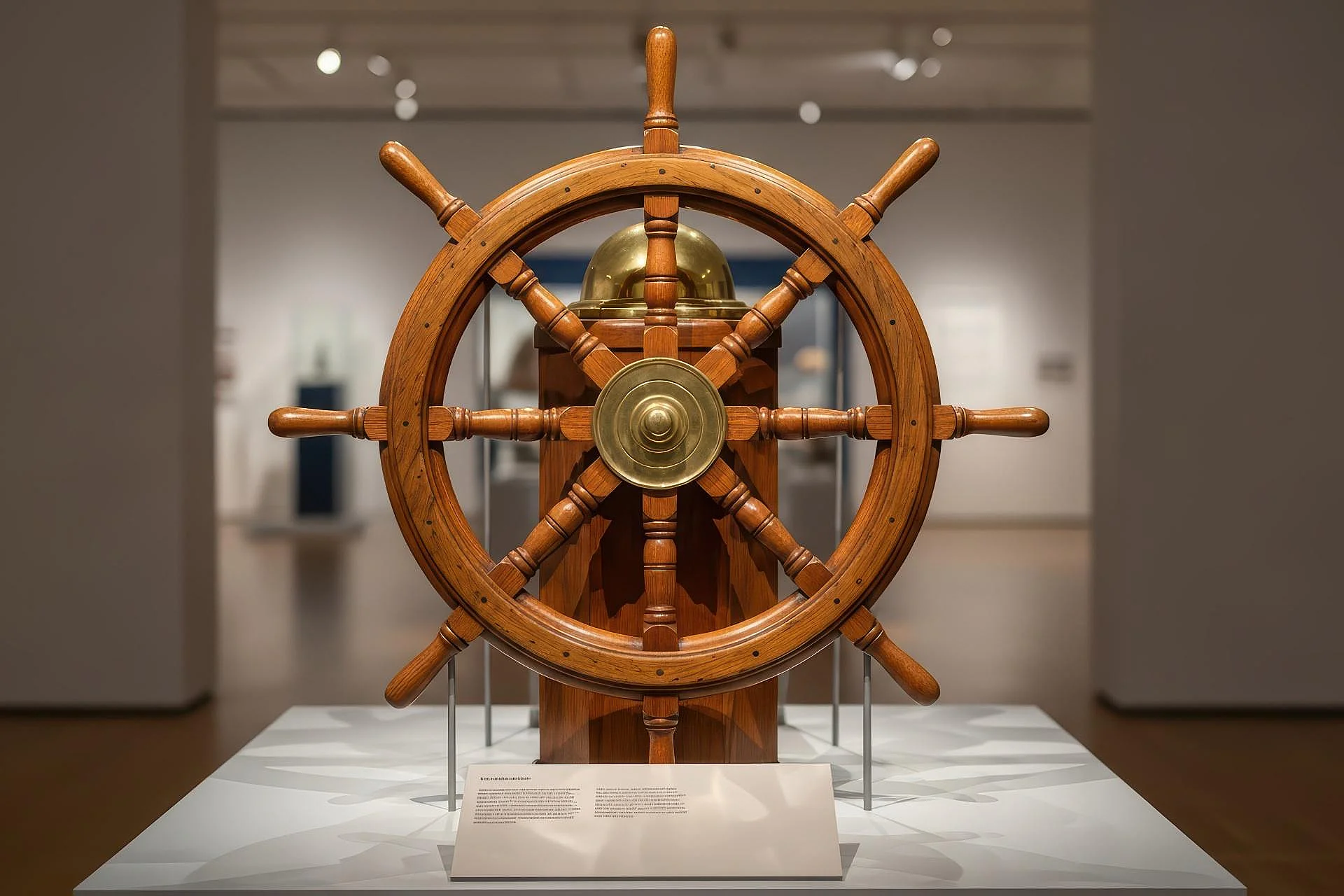
Inside the walls of Fort Saint-Jean, the Adriatic faces its maritime history
The scent of salt hits you at the entrance, before you even spot a fish. The cool, damp stone vaults of Fort Saint-Jean have housed two collections for decades, both telling the same story from different angles: the unbreakable bond between Dubrovnik and the sea.
Why visit the Dubrovnik Aquarium and Maritime Museum?
The building itself is worth the trip. Constructed in the 16th century to defend the entrance to the Old Town harbor, Fort Saint-Jean has survived for centuries before being repurposed as a cultural space. Its vaulted ground floor has hosted the aquarium since 1952, while the upper levels house the maritime museum, which tracks the history of the Dalmatian navy from antiquity through the 20th century.
This dual purpose makes it a unique stop in the Croatian museum landscape. You can view Adriatic wildlife in tanks built directly into the stone, then step back in time through ship models, uniforms, and navigation instruments.
What to expect in the tanks
The aquarium galleries feature species typical of the Adriatic Sea. Moray eels, seahorses, starfish, octopuses, and various Mediterranean fish swim in about 30 tanks.
The vibe is intimate and almost austere, a far cry from modern aquariums filled with glass and neon lights. That is exactly where its charm lies. You feel the thickness of the walls, the chill of the stone, and the atmosphere of a space designed for defense before it was ever meant for observation.
The informational placards are understated, with no flashy multimedia. The space is as much for marine biology enthusiasts as it is for fans of Venetian military architecture.
The maritime museum, memory of a city facing the open sea
Upstairs, the maritime museum traces the rise of the Republic of Ragusa (the former name of Dubrovnik), a trade power that once rivaled Venice. Models of galleys, antique maps, sailor uniforms, and artillery pieces tell the story of a city-state that owed its entire prosperity to its merchant fleet.
Friendly tip: Treat the aquarium and the museum as two separate visits within the same building. Plan time for both if naval history interests you as much as marine life. If not, prioritize the aquarium, which is faster to walk through.
Best for
- Fans of historical architecture and Venetian forts
- A cool break during a hot day in the Old Town
- Families looking for a short, walkable activity
Less ideal for
- Those looking for a large-scale, modern aquarium
- Express visits, as the museum portion requires time to read
Opening hours
Every day: 10:00 AM to 6:00 PM.
Closed on December 25.
How long for this activity
Plan on about 1 hour to explore the tanks and maritime collections at your own pace. A more thorough visit, taking the time to read every historical plaque, can last up to 1 hour and 30 minutes.
*Information subject to change

The Dubrovnik Maritime Museum and the aquarium are located in the same building, a very well-preserved old fortress. I suggest you take the opportunity to visit both. The museum is very interesting and teaches you a lot about the maritime history of the city, plan on about an hour. The aquarium is rich and features many species. Plan on another hour for that as well.