
Here is the story of my trip to Croatia at the end of September.
I stayed at a club hotel located in the Istrian region. This geographical area, predominantly Croatian, shares its territory with Italy and Slovenia. Open to the water on two-thirds of its sides, its coasts are bathed by the Adriatic Sea, stretching from the Gulf of Trieste to the Kvarner Gulf, which everyone knows, of course...
What to do and see in southern Istria in one week
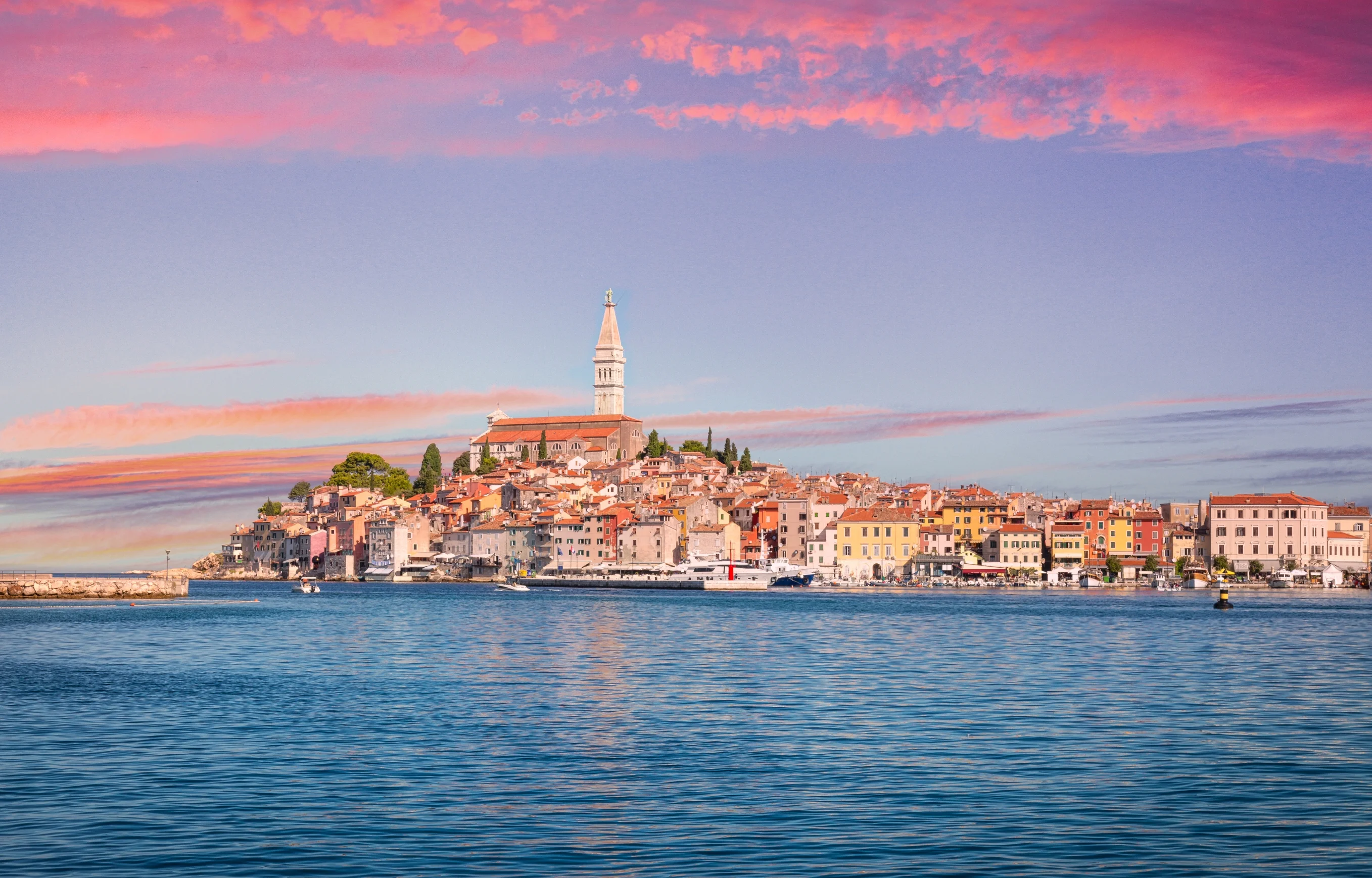
The town of Rovinj

History of Rovinj
Founded in the 4th century, the town saw its growth and expansion tied to its trade with Venice. Formerly an island, it made an agreement with the Most Serene Republic to defend itself against pirates. The Venetians therefore fortified the town so it could withstand various assaults from pirates as well as the Genoese. In the decades that followed, its shipyards faced stiff competition from those of Pula, which eventually supplanted them.
Later on, and like the rest of Istria, Rovinj experienced turbulent times: first under Austrian rule, it passed into French hands before returning to Austrian domination, then passed to Italy and the former Yugoslavia before gaining independence.
St. Euphemia's Cathedral, a jewel of baroque architecture

One of the sights not to be missed is St. Euphemia's Cathedral, which sits on the heights overlooking the town. Built in the early eighteenth century, it is presented as the largest baroque-style building in the entire Istrian region. The era of its construction coincides with the town's golden age, when it served as the bridgehead for the Venetian fleet and marked the region with its glory.
The basilica is therefore dedicated to Saint Euphemia, a Christian martyr whose legend says her remains reappeared one stormy evening off the coast of Rovinj after disappearing from Constantinople, where she was buried. She was then transferred to the church that preceded the current cathedral. Today, the tomb is located behind the right altar.
The cathedral features a bell tower built on the model of the one at St. Mark's Basilica in Venice. The weather vane placed at its summit represents Saint Euphemia. You should also visit the interior of the cathedral to discover a statue of Saint George slaying the dragon, along with impressive paintings.
Other attractions in Rovinj
Aside from the cathedral and the pleasant stroll to be had on the heights of the town, you can still admire the pretty Mediterranean fishing port with its multicolored boats, from which expeditions to the thirteen small local islands also depart.
You must also go see the Balbi Arch, built on the site of one of the old town gates. Three of the original seven gates are still standing. Strongly tied to the history uniting the town and the City of the Doges, the arch bears a representation of the winged lion, the emblem of Venice.
The town also offers a municipal aquarium, one of the oldest in the Mediterranean. I did not visit it, so I cannot recommend it to you.
The town of Pula

This town dates back more than three thousand years. The Roman remains present on the site attest to the importance of this place, which served as the administrative capital of a Roman region as early as the first century. Traces of this remain everywhere, notably in the form of magnificent buildings.
The Roman Amphitheater

Pula's most famous monument is undoubtedly the superb Roman amphitheater, one of the best-preserved in the Mediterranean. You really should not miss it, whether you care about history or not. Built by the Emperor Augustus in the 1st century, it was entirely rebuilt by Vespasian in 79 AD.
It is one of the largest amphitheaters built by the Romans: thirty-five metres high, it could hold up to 24 000 spectators during gladiatorial shows. For the comfort of the spectators, it could be covered by huge canvases stretched overhead from one end to the other. The stone spectator seats were demolished in the Middle Ages to provide materials for other buildings in the town.
Other Roman monuments in Pula
As I was saying, the town is packed with monuments inherited from its history:
- The Temple of Augustus, which was part of the Roman forum in Pula, is still relatively well preserved. Its construction spanned from the year two BC until the year fourteen AD.
- Besides this temple, the Capitol is still standing, today transformed into the communal palace and former town hall.
- The Triumphal Arch of the Sergii is also well worth a detour. It was built as a tribute to three members of the Sergii family who had distinguished themselves within the community.

Cultural discoveries
To round out your visit, feel free to check out the archaeological museum in Pula, which features wonderful pieces dating from prehistoric times all the way to the Middle Ages.
For those who also want to enjoy the city, you should know that it is renowned for its vibrant cultural life. The amphitheater, for instance, is regularly used for festivals, performances, and concerts. Check ahead before you arrive, as you might be able to book tickets for some interesting events.
But Pula is also lively streets, great restaurants, bars… I will tell you more later about the region's culinary specialties to discover.
The beaches of Istria

Given the geographical location of Istria, it would be a shame not to take advantage of its coastline for a swim!
Our hotel's page, a very good option
Our hotel, the Bi-Village Resort, is a 4-star vacation club built between Pula and Rovinj back in the days of Tito and the former Yugoslavia for Communist Party officials on vacation. Put that way, it does not sound like a dream, but we had an amazing stay there. I especially appreciated having access to a private beach, which even included a mini water park.
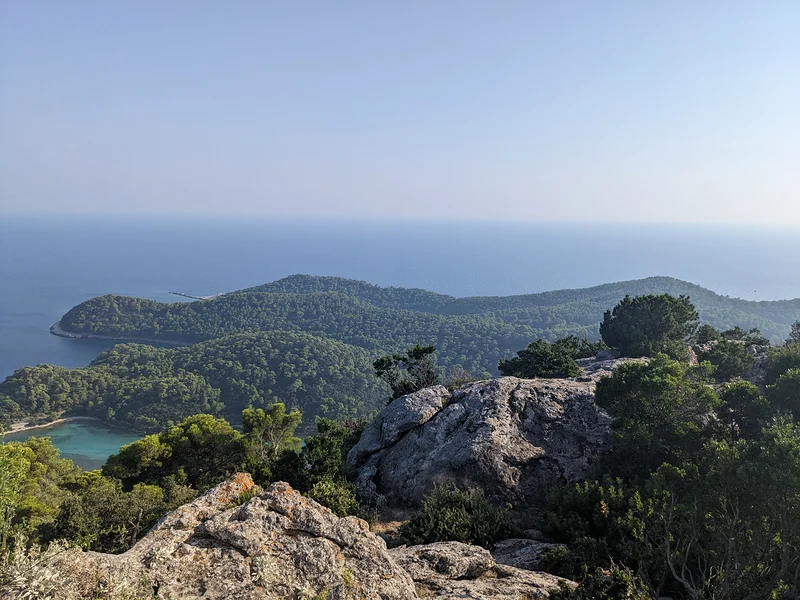
The setting of our resort perfectly reflected what Croatia is all about: a gorgeous and very green region. A path winding through the wooded park led down to the sea. The beach (made of round pebbles) sloped gently at first before dropping off very steeply.
And the water! What a joy to see water this transparent! Honestly, I had not yet had the chance to see a sea so pretty and that made you want to dive right in so badly. It is a real treat for amateur swimmers like me since, with a simple mask, fins, and a snorkel set, I was easily able to admire the coastal marine life: small fish and… an octopus! It came over to say hello quite peacefully, not too disturbed by my presence…

Debeljak, the only real sandy beach in southern Istria
The vast majority of the beaches are made of pebbles, but the Pula region offers the only true sandy beach in the area: Debeljak beach. You will still need to have a car since there is no public transportation and it is located about twenty kilometres from Pula. We were lucky enough to go there because it was included in the tour we had chosen at the hotel.
It is a pretty beach nestled in a bay. The sandy portion is not huge, but the sea is gorgeous. It certainly feels good not to walk on the large pebbles found everywhere else. You arrive there after walking through a forest. Several pleasure boats anchor there.
On the way, our guide quickly pointed out the Donji Kamenjak nature reserve located near Premantura, south of Pula. It can be visited for those who wish to do so. Locals, especially daring youngsters, go there to have cliff-jumping contests into the sea.
Istrian culinary specialties to try
To eat
The food reminded me a lot of that in Slavic countries, which, quite logically, makes complete sense…
Land dishes

Thus, stewed dishes, goulash, and small herb sausages were on menus everywhere. But there was also one of Istria's specialties: a vegetable and bean soup called "menestra", which looks a lot like the minestrone of neighboring Italy. And that is actually what characterizes Istrian cuisine: it has successfully taken various Slavic and Latin influences and blended them together.
Croatian cuisine features dishes made with truffles. Of course, you need to know how to cook them properly, which certainly wasn't the case for a small seaside restaurant that served us truffle pasta tasting strongly of gas. But, optimists by nature, we tried again two days later at a more refined restaurant whose chef completely reconciled us with this recipe!
Seafood dishes

Istria also uses its proximity to the sea to offer fish-based dishes and octopus (the one I ran into while swimming was lucky!). You will find plates of sardines, fried octopus, or marinated anchovies just about everywhere. I recommend the cuttlefish risotto, which is a real treat.
Be that as it may, the meals were very often hearty and quite high in calories.
Drinks
Don't look for tap water at the table, as there is only mineral water, wine, or beer. You can drink the tap water, however, since it is perfectly safe to consume. It's simply a cultural thing. The wine offered goes down easily without being a grand cru. Even so, it's quite easy to taste the sunshine that helped ripen the grapes. For a vacation, it works out just fine!
We were greeted on the first evening with a small glass of plum brandy served as an aperitif. Now that is definitely a bit stronger. I'm not entirely sure about the proportions, but the sweet sensation is definitely there, bordering on sickly sweet. Well, of course, all of this should be consumed in moderation. There are also good coffees ("kava") that can be Vienna-style or just slightly more rustic espressos.
Practical information
Administrative formalities
No worries about red tape for European citizens, especially since Croatia joined the European Union in July 2013 and even adopted the Eurozone in 2023. There are no particular formalities other than holding a passport or a national identity card for Europeans. No visa is required.
The flight and airport transfer
The trip was on an Airbus operated by Croatia Airlines. In total, the flight took just under five hours from Paris with a layover in Zagreb, but beware that some airlines offer flights lasting eleven hours! We took off from Roissy Charles-de-Gaulle and arrived at the Ljubljana-Pula airport, in the immediate suburbs of the city. Here is a link to compare flight prices to Pula.
The transfer to the club resort was by coach, chartered by the various tour operators who had filled the hotel. If needed, you should know that there are plenty of taxis and even Uber on site. You can also rent your own vehicle right at the airport.
Conclusion
In conclusion, I must admit I was blown away by the place. The beauty of the landscape is breathtaking, and the historical richness is incredible. And to think I didn't even have time to do everything! That is why I wanted to go back recently. Unfortunately, that's when I realized that prices had gone up. So, if you can, take advantage of it soon!
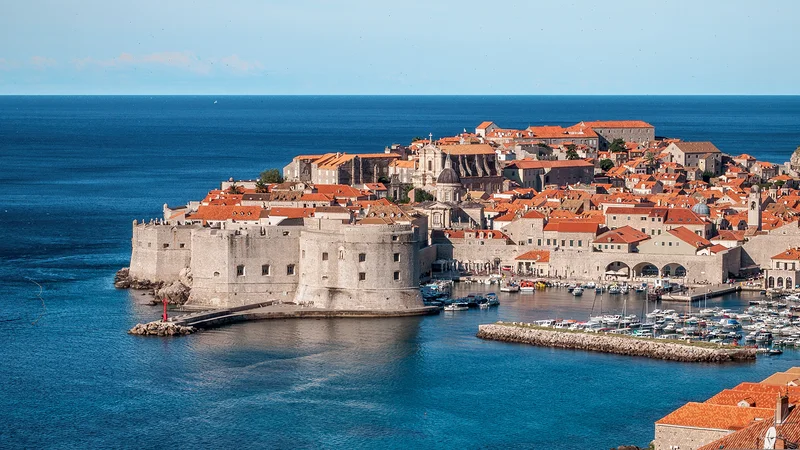
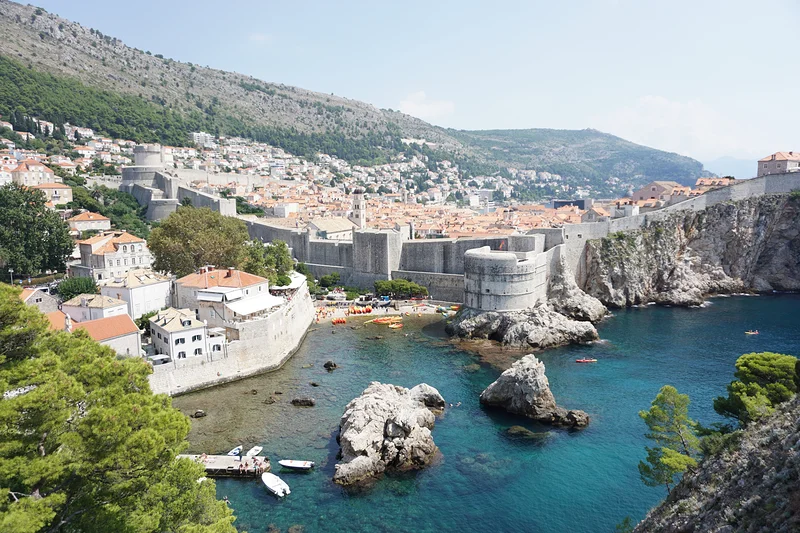
PS: To return the favor to Foggy, feel free to read their travel diary on Dubrovnik, further south in Croatia.
Comments (0)
No comments yet. Be the first!