
Visiting the Archaeological Museum of Pula
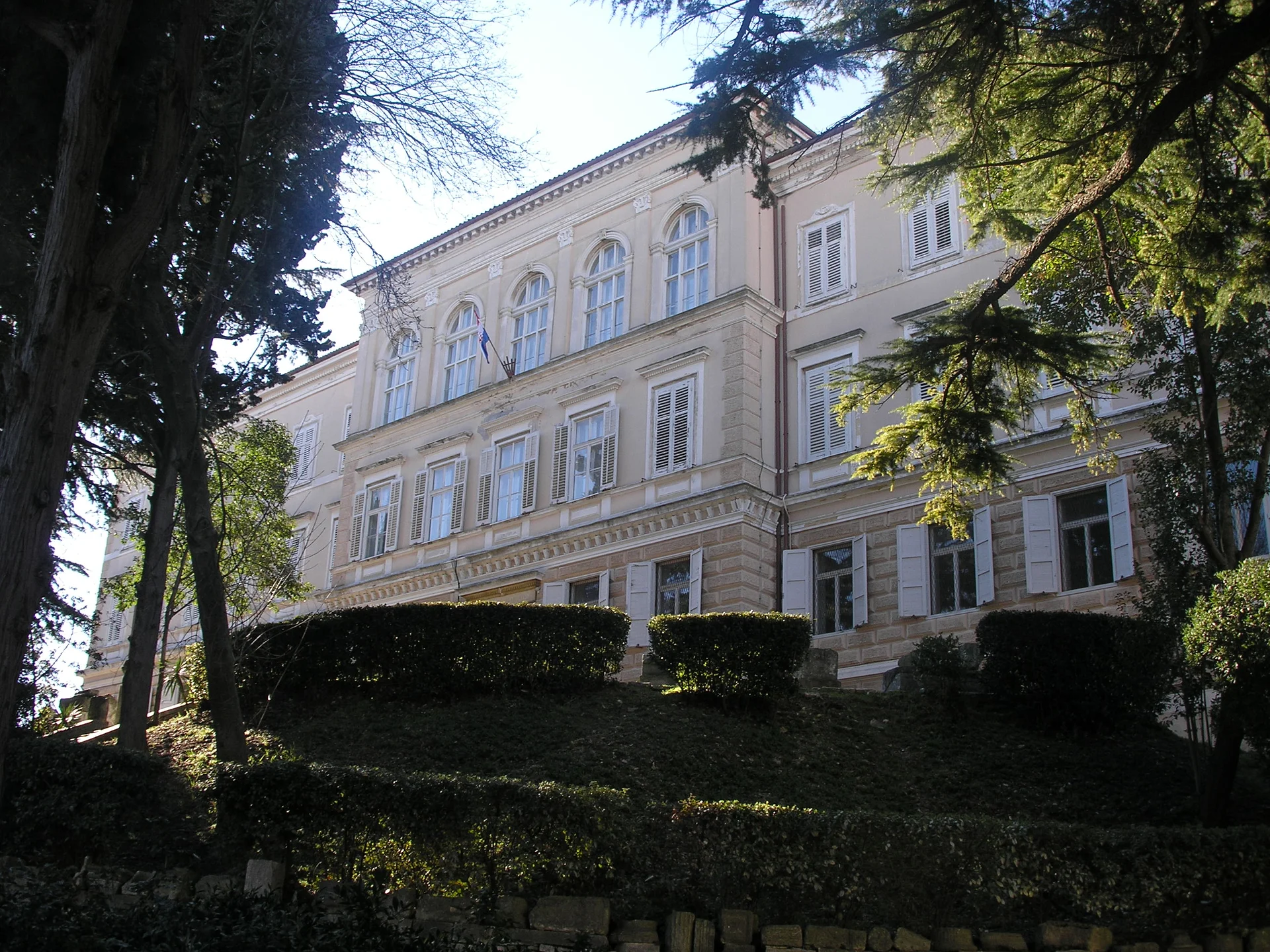
The Archaeological Museum of Pula is located in the city of Pula, on the peninsula of the same name. The collections are housed in the former gymnasium of the Imperial and Royal High School of Pula, built in 1890. The museum was established following the discovery of the archaeological site of Nesactium, an ancient town occupied by the Histri, a tribe formed at the beginning of the Iron Age that inhabited Istria until the Roman invasion.
A museum dedicated to the history of the Istrian peninsula
Within Croatia, Istria occupies a unique position. This is largely because it was repeatedly invaded by neighboring European powers, including the Republic of Venice, Italy, and the Austro-Hungarian Empire. This history makes Istria a distinct region, heavily influenced by Italian culture. Like many other parts of Croatia, its history also intersects with that of the Byzantine Empire, from its peak to its decline.
The exhibits include artifacts dating from prehistoric times through the Early Middle Ages. An entire room is dedicated to discoveries made during excavations at the Nesactium archaeological site. The section dedicated to the Byzantine Empire is also rich in archaeological remnants, including coins, oil lamps, ceramics, statues, and capitals.
The Archaeological Museum of Pula: a complex history
Founded in 1902, the museum did not open its doors to the public until 1930, after successfully consolidating several collections. Following the Second World War, the territory was temporarily under Allied administration, during which time many pieces were exported to Italy. The museum did not recover its holdings until the 1960s.
Today, some collections are distributed across several locations in the city that you can discover during your stay in Pula: the Temple of Augustus, the amphitheater, and the Sacred Hearts Museum.
Opening hours
Previous operating hours:
October to April: 9:00 AM to 3:00 PM
April to September: 9:00 AM to 8:00 PM
Weekends, school holidays, and public holidays: 9:00 AM to 3:00 PM

The history of Croatia and Istria is relatively unknown in France.
With its collections of ancient artifacts, you can dive into the different eras that followed one another: prehistory, the Romans, the Byzantines, the Venetians, the Austrians... Informative!