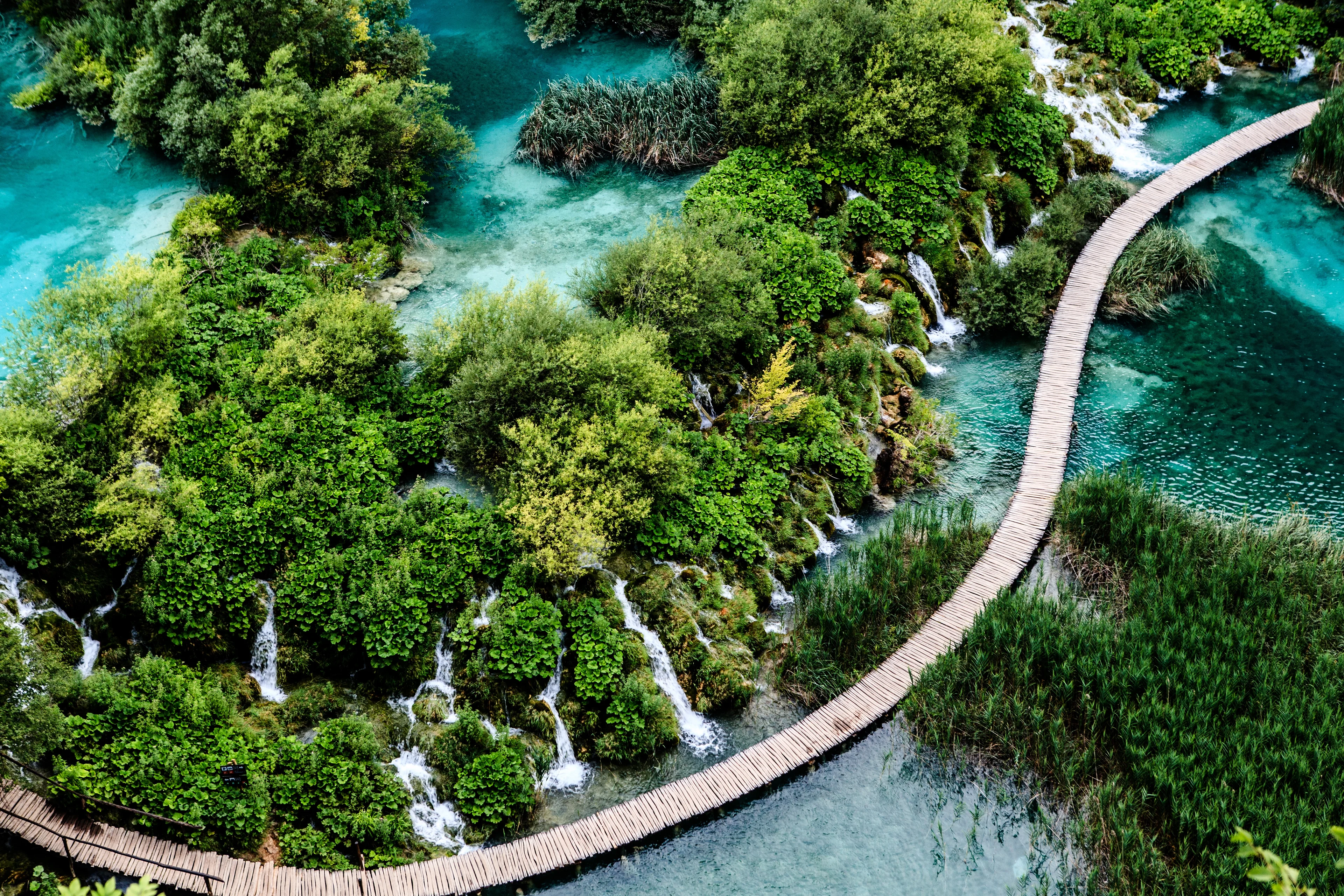
Lacs de Plitvice

Things to do in Croatia: 20 must-see attractions in 2026

Discover our members' favorite destinations in Croatia, plus reviews, practical info, and traveler photos...

The 5 most beautiful cities to visit in Croatia

#1 Zagreb +138 recs

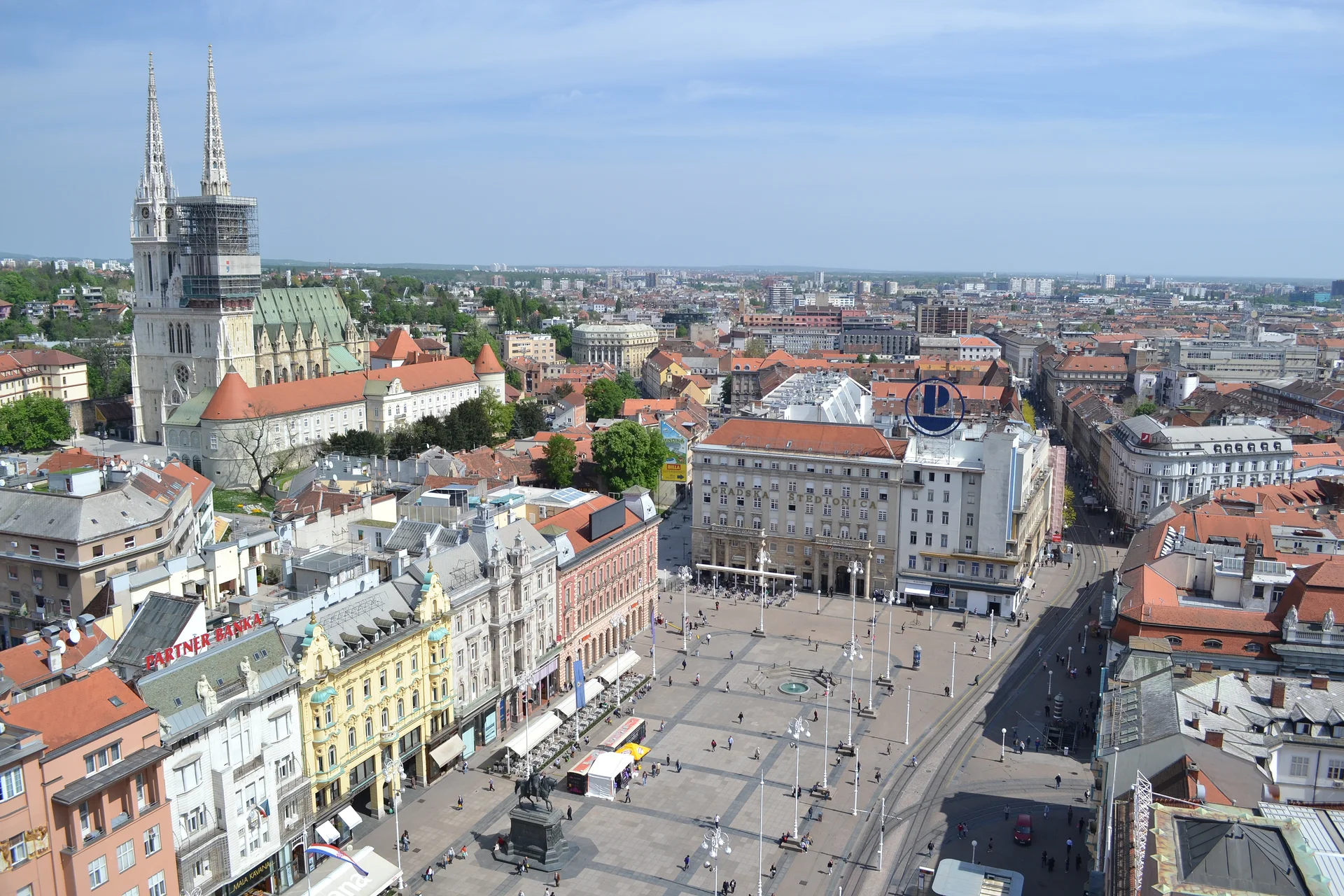
Zagreb has a low-key appeal that rewards those who linger. Between the medieval Upper Town with its cobblestone alleys, the green parks lined with Austro-Hungarian facades, and a sidewalk cafe culture that forces you to slow down, the Croatian capital feels refreshingly authentic. With quirky museums, hearty comfort food, and prices that often run 30-50 EUR for a solid dinner for two, it is a smart pick for travelers looking to avoid the crushing crowds of Western Europe.

#2 Dubrovnik +102 recs

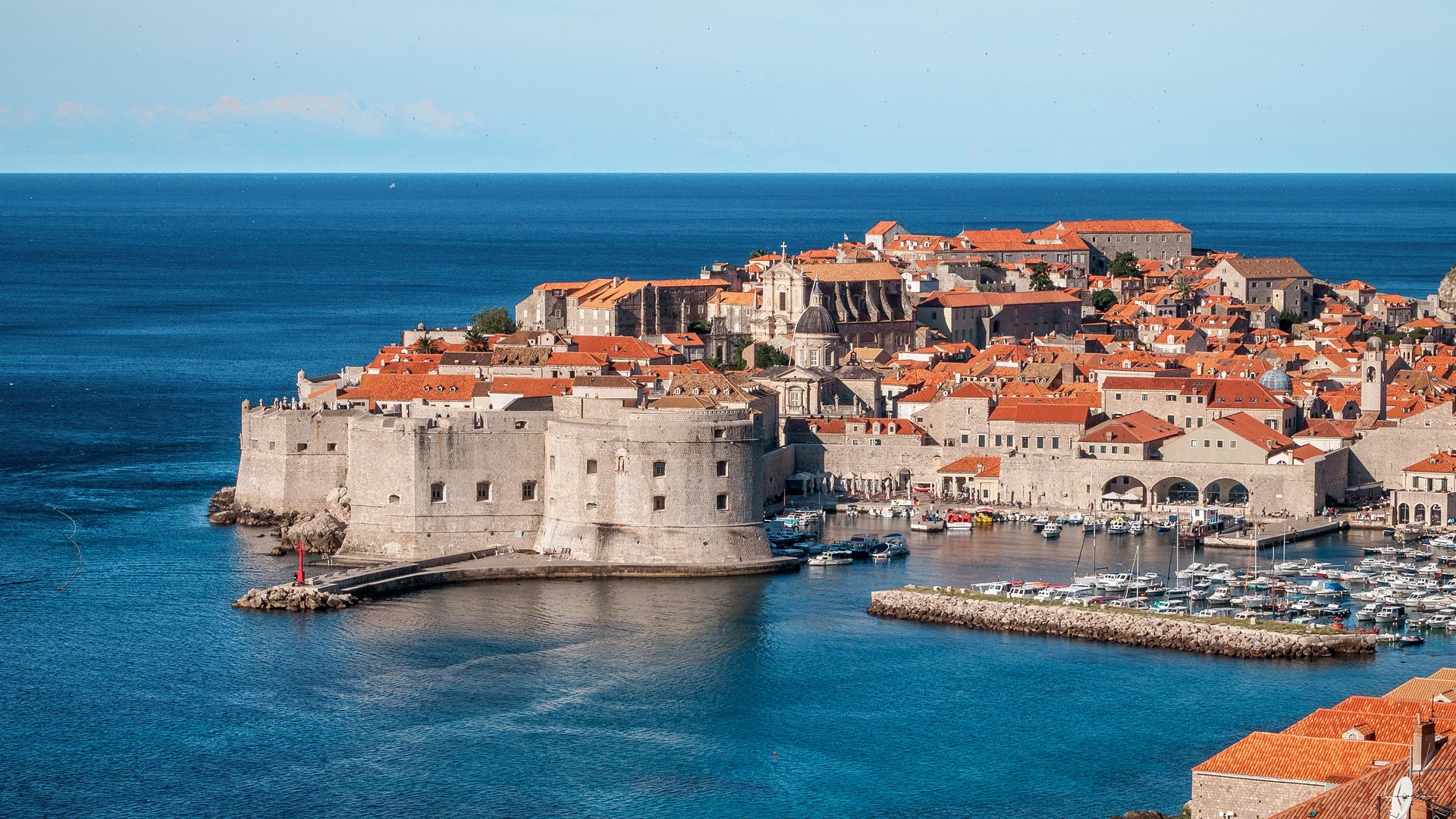
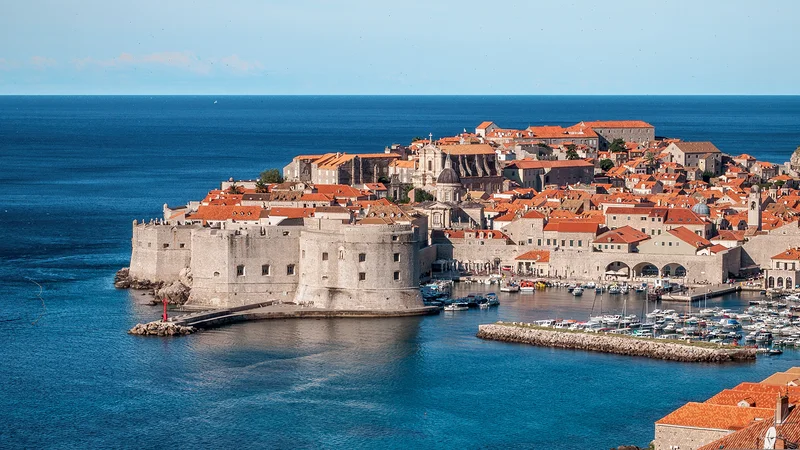
Enclosed by massive stone walls, the historic heart of this former maritime republic is a UNESCO World Heritage site where every block reflects a history of fierce independence. The contrast between deep turquoise Adriatic waters and orange-tiled rooftops is iconic, though the heavy crowds and high prices can be a reality check. Seek out quiet beaches, nearby islands, and sunset views from Mount Srđ to escape the intensity of the main thoroughfares.

#3 Cavtat +31 recs

Located 20 km south of Dubrovnik, Cavtat is a quiet coastal town known for its deep history and relaxed atmosphere. Founded by the Greeks and built up by the Romans, it preserves an old town of cobbled streets and landmarks like the Račić Mausoleum. Surrounded by beaches, hidden coves, and walking paths, the town suits both easy strolls and longer hikes. The Vlaho Bukovac Museum highlights the area's strong ties to Croatian art.

#4 Mljet +27 recs

A tangle of deep green forests and brilliant blue water, the island of Mljet is the southernmost of the major islands in Croatia. Since 1960, more than one third of the island has been protected as a national park. Its landscape is defined by five distinct forest ecosystems. According to The Odyssey, this is where the nymph Calypso lived and kept Ulysses captive for seven long years.

An island of myths and legends

Your trip begins at the docks in the villages of Pomena and Polače. You will find remnants of Illyrian fortifications here, alongside the ruins of one of the largest Roman palaces in Croatia. These villages serve as the trailheads for the Mljet National Park. During peak season, entry to the reserve costs about $20*. Within these woods, nature created two saltwater lakes, Veliko Jezero (the large lake) and Malo Jezero (the small lake), which are connected to each other and the open sea by narrow channels.

In the middle of the larger lake, you can explore a 12th-century Benedictine monastery perched on the islet of Saint Mary. The boat shuttle to reach the islet is included in your park entrance fee. Local lore credits the monks with the early preservation of the island's natural heritage. You can circle the lakes on foot or by bike, and swimming is permitted.

Near the village of Babino Polje, visit Ulysses' Cave. It is a natural karst formation with a collapsed ceiling, creating a deep pool filled with seawater. It is said to be the very spot where Ulysses took refuge after battling the rough currents of the Adriatic.

Immersing in nature

Mljet is well-suited for hiking. From the small village of Pristaniste, you can take a trail that climbs for about forty minutes to the top of the Montokuc viewpoint. From there, you get a clear view of the island, the surrounding coastline, and the deep blue sea.

If you have a car, head to the eastern half of the island to find sandy beaches, which are rare enough in Croatia to be notable. Saplunara beach offers several amenities, while for those seeking quiet, Blace beach is a solid spot to relax.

When to go

Mljet has a Mediterranean climate with hot, dry summers and plenty of sunshine from March through October. Be aware that July can see intense heat waves. Winters can be rainy.

How to get there

Numerous tourist boats and catamarans serve the island, docking in Pomena and Polače. You can make the crossing from Dubrovnik, the Peljesac peninsula, and the neighboring islands of Hvar and Korcula.

There are also car ferry connections from Dubrovnik to the island's ferry port of Sobra, operated by Jadrolinija. These trips take about two hours and allow you to bring your own vehicle.

#5 Split +25 recs

Split is built directly into and around a 4th-century Roman palace, making ancient history a part of your daily routine. You can dine inside imperial cellars, hike the narrow lanes of the Varoš neighborhood up to the pine forests of Marjan Hill, or catch a morning ferry to the islands of Hvar, Brač, or Vis. This is where Dalmatia begins.

Ranking of the 15 activities selected by our editors in Croatia

#1 Mount Srd (Dubrovnik) +24 recs 4.8/5

Mount Srd rises 412 meters above Dubrovnik, providing views of the city walls and the Adriatic Sea. Reach the summit by foot, cable car, or car to explore Fort Imperial, a site shaped by the Croatian War of Independence. It combines panoramic vistas, a history museum, and rugged trails for visitors.

See the guide See deals

#2 City Walls of Dubrovnik (Dubrovnik) +23 recs 5/5

The City Walls of Dubrovnik, a medieval masterpiece, stretch nearly two kilometers around the old town. These perfectly preserved fortifications offer sweeping views of red rooftops and the Adriatic Sea. Walk past bastions and towers like Minceta to explore the defensive history of this former republic. Game of Thrones fans will recognize King's Landing here.

See the guide See deals

#3 Mljet National Park (Mljet) +19 recs 4.8/5

With forests covering much of its terrain, Mljet is known as the Green Island. Over a third of its area is protected as Mljet National Park, one of the oldest nature reserves in Europe. It features two saltwater lakes connected to the sea, plus landmarks like the Monastery of Saint Mary on its islet.

See the guide See deals

#4 Museum of the City of Zagreb (Zagreb) +17 recs 4.3/5

The Museum of the City of Zagreb is a premier institution in Croatia. Located in the Upper Town, it occupies the former Poor Clares Convent, a massive building featuring unique trompe l'oeil windows. Explore thousands of artifacts and archaeological finds documenting local life from prehistory to today, alongside detailed architectural models of Zagreb.

#5 Maksimir Park (Zagreb) +16 recs 4.7/5

Maksimir Park is the oldest and largest public park in Zagreb. This green space covers 316 hectares of oak forests, meadows, and lakes designed in the English landscape style. It features historic monuments, walking trails, and the city's popular Zoološki vrt grada Zagreba (Zagreb Zoo), making it a top spot for nature lovers, families, and runners.

#6 Zrinjevac Park (Zagreb) +16 recs 3.7/5

Located in the heart of the Lower Town in Zagreb, Zrinjevac Park is the flagship of the Green Horseshoe. This relaxing cultural hub features a music pavilion from 1891, historic fountains, and elegant architecture. With year-round events like the Advent market, it serves as a sophisticated meeting spot for locals and visitors alike.

See the guide See deals

#7 Zagreb Cathedral (Zagreb) +15 recs 4/5

The tallest cathedral in Croatia has towered over Zagreb since the 11th century. Following the 2020 earthquake, it partially reopened in late 2025 for worshippers. Its neogothic spires sculpted by Hermann Bollé, an organ ranked among the world's top ten, and an Albrecht Dürer triptych make this landmark a key stop in Zagreb.

#8 Zlatni Rat Beach (Bol) +10 recs 4/5

Designated a geomorphological monument, Zlatni Rat Beach extends 500 meters into the Adriatic Sea from the island of Brač. Its V-shaped tip shifts with the currents, creating a rare natural spectacle. Fine pebbles, crystal-clear water, watersports, and shaded pine groves define the landscape. Access is free, just a 20-minute walk from Bol.

See the guide See deals

#9 Diocletian's Palace (Split) +9 recs 5/5

Built as a retirement villa for the Roman emperor, this 4th-century fortress now forms half of the Split old town. This UNESCO site remains home to 3,000 residents living among ancient ruins and cafes. Visit the cathedral inside an imperial mausoleum, intact cellars, and the Temple of Jupiter. Access to the palace is free, with fees only for specific monuments.

See the guide See deals

#10 Medvednica Nature Park (Zagreb) +8 recs 5/5

Towering over the north of Zagreb, Medvednica Nature Park features a mountain range webbed with hiking trails for all levels, offering expansive views from the Sljeme summit. The Veternica cave captivates with prehistoric remains, while the medieval Medvedgrad fortress provides a historic look at restored ramparts overlooking the city.

#11 Dominican Monastery (Dubrovnik) +8 recs 5/5

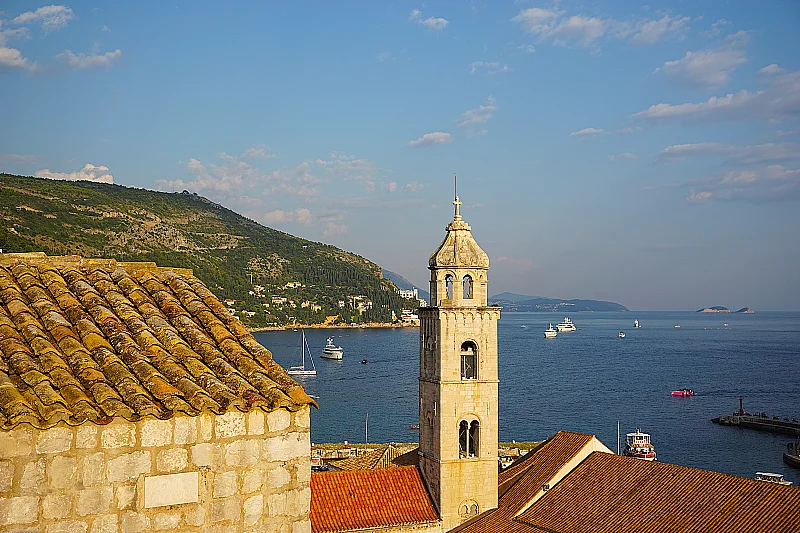
Built against the northern ramparts, this 13th-century Dubrovnik landmark surprises visitors with an asymmetric Gothic staircase originally designed to thwart attacks. Its Renaissance cloister offers a quiet retreat just steps from the city energy. The adjacent museum showcases Venetian paintings and precious reliquaries reflecting the historical wealth of the Republic of Ragusa.

See the guide See deals

#12 Dubrovnik Aquarium and Maritime Museum (Dubrovnik) +8 recs 5/5

Housed within the stone vaults of the fort Saint-Jean (Saint John Fortress), this unique space blends marine biology with naval history. View local Adriatic fauna in built-in tanks, then explore collections detailing the maritime power of the Republic of Ragusa. Experience a natural and historical immersion inside these iconic fortifications.

See the guide See deals

#13 Dolac Market (Zagreb) +8 recs 5/5

Open since 1930, Dolac Market is the main food hub in Zagreb, perched on a raised terrace just steps from Trg bana Josipa Jelačića (Ban Jelačić Square). You will find produce and flowers under red umbrellas outside, plus cheese and cured meats indoors. Visit early on a weekday morning for the best experience.

#14 Bukovac House and Gallery (Cavtat) +8 recs 5/5

Step inside the stone home where painter Vlaho Bukovac grew up. This museum displays personal items and canvases, tracing the journey of a sailor's son who became a celebrated artist. Explore rooms kept in their original state, offering a rare glimpse into 19th-century Dalmatian bourgeois life in Cavtat.

See the guide See deals

#15 Fort Lovrijenac (Dubrovnik) +7 recs 4/5

Fort Lovrijenac sits 121 feet above the sea, a historic sentinel for Dubrovnik. Built in the 11th century to defend the city, it provides clear views of the walls, the Old Town, and the Adriatic. The site hosts cultural events like Shakespeare performances and served as a filming location for Game of Thrones.

See the guide See deals
See the best activities in Croatia

Croatia, a country that spills way beyond its coastline

More than 1,200 islands. A Dalmatian coastline so jagged that astronauts can spot its lacework pattern along the Adriatic Sea from space. Yet most visitors only ever see Dubrovnik, Hvar, and the lakes of Plitvice. Even with its massive tourism boom, Croatia remains a place where you can still disappear, as long as you know where to look.

Stunning, but honestly: watch out for peak season mirages

Croatia is a victim of its own success. In July and August, Dubrovnik feels like an open-air theme park, with thousands of cruise passengers unloaded every single morning. Prices shoot up and finding a table without a reservation is tough. Outside of those peak weeks, though, the country reveals an entirely different personality.

Great destination for:

  • Beach lovers obsessed with crystal-clear water (the Adriatic Sea)
  • Travelers looking to combine beach time with medieval history
  • Hikers and nature park enthusiasts
  • Families with kids: the country is safe, well-equipped, and easy to navigate
  • Sailors and coastal boating fans
  • Travelers hunting for accessible Mediterranean food
  • City breakers wanting to mix the sea with culture

Skip this destination if:

  • You hate crowds: in July and August, the major spots are packed solid
  • You are on a very tight budget: Dubrovnik matches Western European prices during peak season
  • You prefer powdery sand beaches: the Croatian coast is mostly rocky or pebbled
  • You want an undiscovered spot: Croatia is one of the most visited destinations in the Mediterranean

European pricing with major regional differences

The overall cost of living in Croatia runs slightly lower than in France, but that average hides big gaps. Dubrovnik in the dead of summer charges rates comparable to Western Europe, sometimes even higher in tourist-heavy zones. Split, Zadar, and the interior stay much more reasonable.

Typical trip examples in Croatia and estimated budgets excluding international flights
What Where Duration Budget (excl. flights)
Dalmatian coast beach trip Split, Brač or Vis islands 1 week $700 to $1,400* / pers.
Coastal road trip Zagreb, Plitvice, Split, Dubrovnik 10 to 14 days $1,050 to $2,100* / pers.
Island hopping Hvar, Korčula, Mljet, Vis 10 days $930 to $1,750* / pers.
Cultural city break Zagreb 3-4 days $350 to $700* / pers.
Nature and hiking Plitvice, Krka, Velebit mountains 1 week $590 to $1,050* / pers.
Food and truffles Istria (Rovinj, Motovun, Pula) 4-5 days $530 to $1,050* / pers.

Logistics, language, and a few practical warnings

Croatia adopted the euro in January 2023, which makes traveling much easier. English is spoken widely in tourist areas. In inland villages or smaller islands, learning a few words of Croatian goes a long way. The ferry network is dense and well-run, coastal roads are in good condition, and overall safety is top-notch.

One critical thing to know before hiking off the beaten path: parts of the interior, particularly around the Velebit massif and certain areas of Slavonia, still contain landmines dating back to the wars of the 1990s. This reality does not affect tourist zones, but it demands caution from anyone planning wild itineraries away from marked trails.

Dubrovnik, Split, Zadar: cities that have it all

  • Dubrovnik earns its reputation. Its medieval ramparts running right along the water, white limestone pedestrian streets, and tiny old harbor make the city striking. What people mention less often is that cruise ships drop off thousands of passengers every morning between May and September. The trick is to arrive late in the evening, walk the walls right at opening, or head out in the late afternoon after the ships pull away. Walking the fortifications costs around $41*.
  • Split stands out because Diocletian's Palace, built in the 4th century, is not a preserved museum piece but a living neighborhood where locals actually live, sleep, and run errands. It ranks as one of the strangest urban setups in the Mediterranean.

Zadar often gets overlooked by rushed travelers. Its sea organ, a sound installation turning waves into music, and the Greeting to the Sun light installation along the promenade turn it into an unusual, quieter, and surprisingly cool stop.

Friendly tip: In Dubrovnik, explore the Lapad neighborhood, a few miles from the historic center. Less touristy and more residential, it offers spots where locals actually eat, with prices up to 40% lower than in the old town.

The islands: pick your own instead of following the crowd

Hvar is gorgeous, but it has also turned into a magnet for British stag parties and luxury yachts. If you want parties going until dawn, book a room there. For everything else, look elsewhere.

Brač is worth a detour for the Zlatni Rat beach, a spit of sand that shifts shape depending on the sea currents. Mljet, down south, holds a national park with two saltwater lakes and a 14th-century monastery sitting on an island inside the lake. Real peace and quiet.

Vis, a former Yugoslav military base closed to foreigners until 1989, kept an unspoiled island vibe. Very little concrete, coves you can only reach by boat, and local winemaking traditions that residents kept alive for decades away from mass tourism.

  • Cres Island: one of the largest Croatian islands and one of the least developed. Wild beaches, hilltop villages, and free-roaming griffon vultures.
  • Korčula Island: often compared to a miniature Dubrovnik, with significantly fewer crowds and a walled old town.
  • Lastovo Island: the farthest island from the mainland, running as a nature reserve with almost zero mass tourism.

Natural parks: way beyond Plitvice

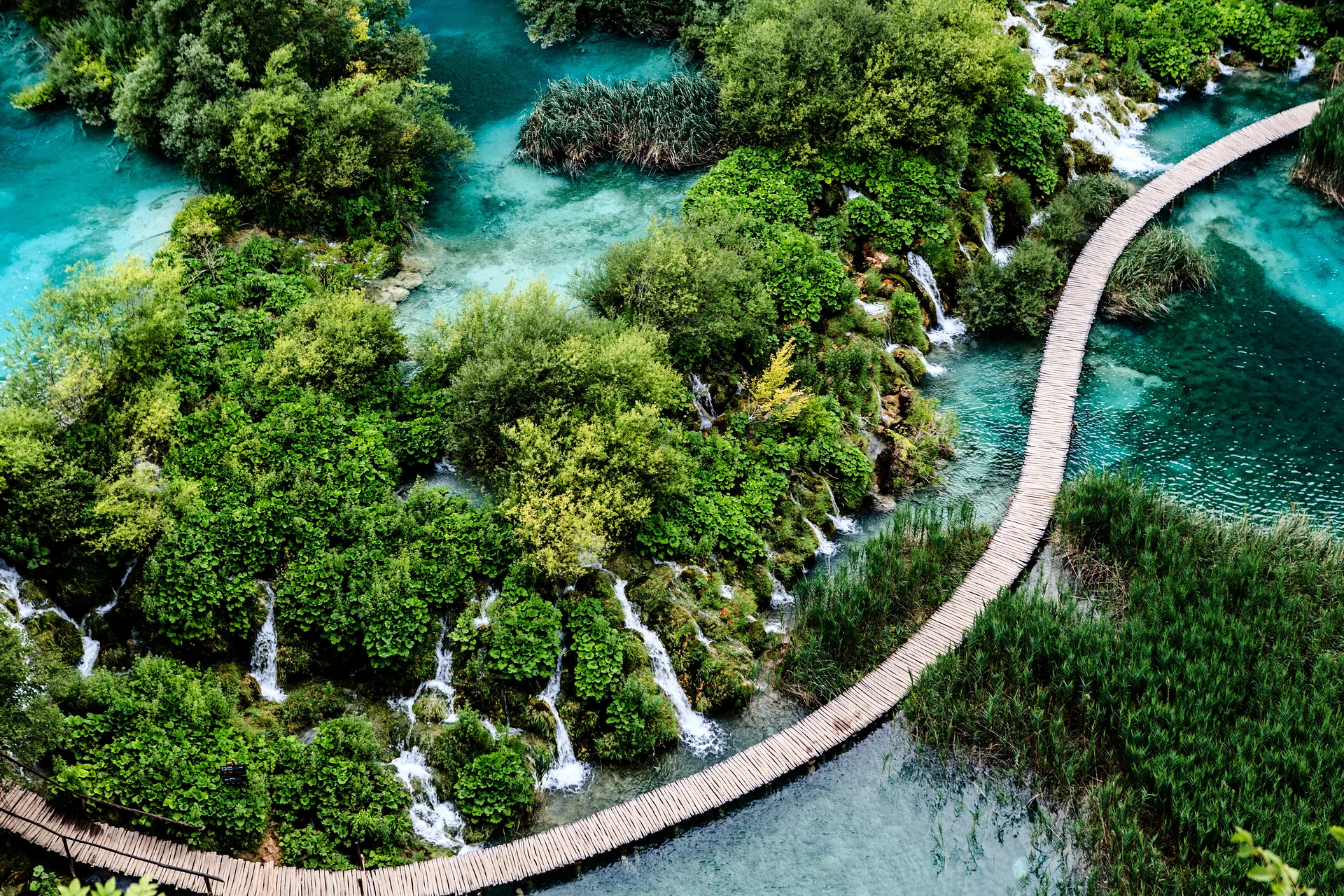
The Plitvice Lakes National Park is a stunner: sixteen turquoise lakes linked by waterfalls, wrapped in a dense forest backdrop. Admission costs between $12 and $47* depending on the season. In peak summer, the park pulls in thousands of visitors a day. Head out at opening time to catch some of the quiet that makes the place magical.

Krka National Park, featuring waterfalls you can walk to from the village of Skradin, is easier to reach from Split. It draws fewer crowds than Plitvice, though swimming right at the base of the waterfalls, allowed for years, is now restricted. Plan for a full day on-site.

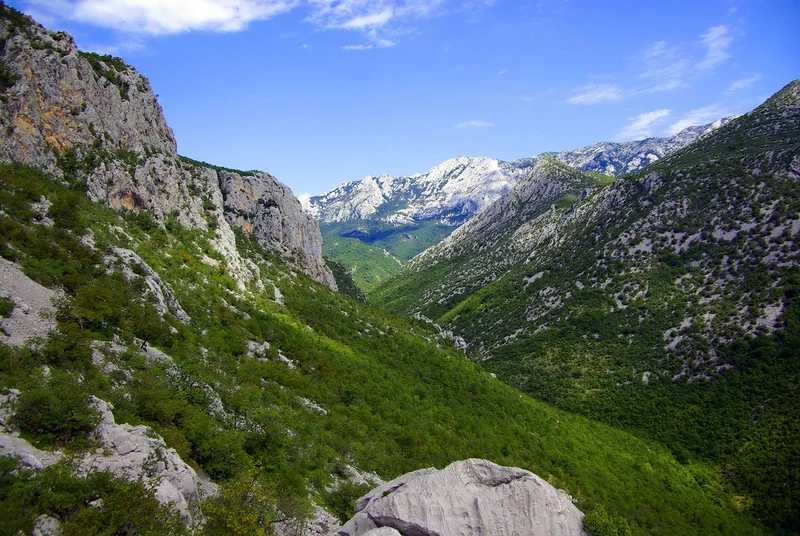
For hikers, the Velebit mountain range delivers some of the country's best mountain-meets-sea views. Few guidebooks mention it. That is precisely why you should go.

Istria and Zagreb: Austria and Italy rolled into one country

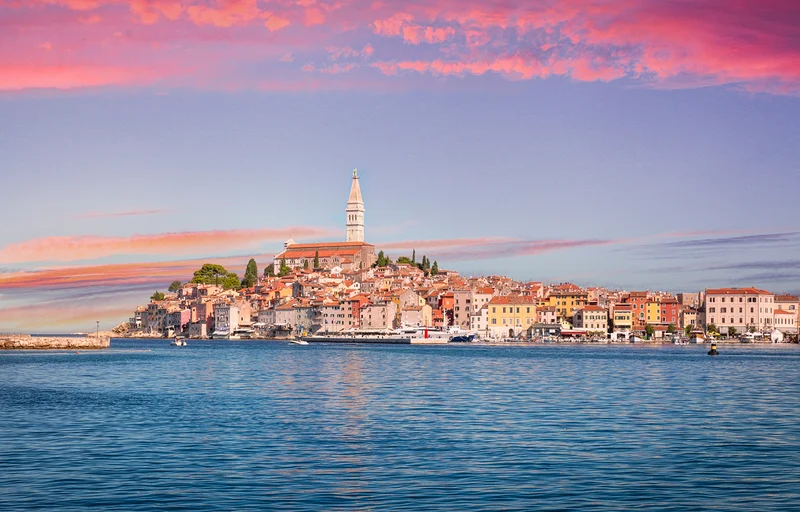
Rovinj, on the Istrian peninsula, spent centuries under Venetian rule. You hear it in the street names, taste it in the truffle- and olive-oil-heavy cooking, and spot it in the church bell towers overlooking the old town. It ranks as one of the prettiest towns in the country, and we think it deserves far more attention than travelers usually give it over the Dalmatian coast.

In the Istrian interior, the villages of Motovun and Grožnjan have overlooked their vineyard-covered hills since the Middle Ages. The region produces white and black truffles, local wines like Malvazija and Istrian Teran, and olive oil often superior to the Spanish or Greek bottles found on store shelves.

Zagreb, the capital, sees far fewer foreign travelers than Split or Dubrovnik, which is a shame. Its Dolac market, the Museum of Broken Relationships (displaying items from past romances alongside their stories, an idea as absurd as it is moving), and Austro-Hungarian architecture make it a top-tier city stop.

Friendly tip: If you visit Istria, do not leave without cheese from Pag Island. Connected to the mainland by a bridge, the island produces sheep's milk cheese aged in sea air charged with minerals blown off the Velebit range, making it one of the best cheeses in Europe. You will find it in every regional market.

Croatian cooking: from hot coals to black risotto

Along the coast, peka stands out as the ultimate Dalmatian dish: meat (lamb, veal) or whole octopus, slow-cooked in a wood fire under a metal bell covered in embers, along with potatoes and herbs. It takes time to make, often requiring a two-hour advance order, but it stays unforgettable. Crni rižoto, a cuttlefish ink risotto with squid, serves up another coastal classic with an intense marine flavor.

Brudet, a spicy braised fish stew, changes from one port to the next. Inland, Slavonia serves heartier rustic flavors: paprika, smoked sausages, and stuffed cabbage rolls (sarmas). Ćevapi, small grilled skinless sausages served with flatbread and onions, pop up all across the Balkans as a fast, cheap meal.

On the wine front, the Pelješac peninsula produces Dingač, a heavy red wine made from the Plavac Mali grape, rated among the best in Croatia. Istria offers Malvazija, a fruity white with a slightly saline finish. And rakija, a fruit brandy infused with herbs or honey, acts as the country's universal digestif. Locals will offer it everywhere, and turning it down feels like missing out.

When to visit Croatia?

June and September are the ideal months: the sea is warm, prices are reasonable, and crowds are much thinner than in midsummer. July and August pull in millions of tourists, coastal lodging books up months ahead, and major sites feel like a permanent open house.

Spring (April-May) is great for hiking and nature parks, especially for seeing snowmelt fill Plitvice and the Velebit alpine meadows. Autumn brings grape harvests in October, still-mild coastal temperatures, and a local atmosphere back on the islands as residents reclaim their villages.

Winter has its perks too: Zagreb runs one of Central Europe's top Christmas markets, winning awards repeatedly. The coast gets cold and gets hit by the bora, a fierce wind rushing down from the mountains. The islands are practically deserted, which offers its own kind of appeal for travelers who love off-season escapes.

How to get to Croatia?

Croatia is well-connected from major hubs. Direct flights link Paris to Dubrovnik, Split, Zagreb, and Zadar via carriers like Croatia Airlines, easyJet, Ryanair, and Transavia. A round-trip flight from Paris to Split runs between $93 and $300* depending on the season and booking window.

From Italy, several sea routes operate: ferries from Ancona or Bari head over to Split or Dubrovnik, with options to bring a car. Expect around $240 to $410* for two people plus a car. The overnight crossing from Ancona, taking about 9 hours, makes for a great way to wake up right on the coast.

US citizens traveling to Croatia for tourism do not need a visa for stays up to 90 days within any 180-day period. Your US passport just needs to be valid for at least 3 months beyond your planned departure date from the Schengen Area. Croatia has been part of the Schengen zone since 2023.

Getting around Croatia

The Jadrolinija ferry network serves as the backbone of coastal Croatian travel. Regular routes from Split, Dubrovnik, and Zadar connect to the main islands. Short crossings like Split to Brač cost just a few euros, while longer trips run $18-$35*. During peak season, book your crossings ahead of time.

Renting a car is the best way to explore the interior, Istria, and areas off the beaten track. Roads are generally in good condition, and toll highways help you cross the country fast. On the islands, local buses cover the main routes at fair prices, though schedules can be limited off-season.

The train network is not built for coastal travel: inland lines connect Zagreb to Split and a few continental cities, but they miss coastal Dalmatia. Buses provide the most common and practical intercity transit. They are comfortable, reliable on main lines, and way cheaper than renting a car for one-way trips.

Find the best travel deals in Croatia

Hotels and stays Flights Car rentals Custom trips

Top photos posted by members

Lacs de Plitvice
Place Ban Jelacic à Zagreb
Port de Dubrovnik

Articles about Croatia

Albums curated by the editors

Latest reviews

Very relaxing

I stayed in Zadar for a few days and I really loved the atmosphere. The city is pretty calm and peaceful. It is located right by the sea, which is super nice. The historic center is really pretty and…

108

Great home base

This village is cute and typical. What makes it so interesting is its proximity to the national park located right next door. You can find everything you need before heading into the park. I still rec…

87

For the national park

Jezerce is a pretty nice little village, but what makes it worth it is its proximity to the national park. The park is truly magnificent and offers breathtaking natural scenery. If possible, do not co…

69

Beautiful beach but very crowded

This beach is a must-see in Croatia, and it is even considered one of the most beautiful beaches in the world. It is true that it is magnificent. However, its fame makes it a super touristy spot. Duri…

45

Gorgeous beach

Bol is a pleasant island with plenty of things to discover. It is impossible to miss its beach, which is one of the most famous in the country. You have to admit it is dreamy with its white sand and t…

80