Visiting the United States: The Scale of It All
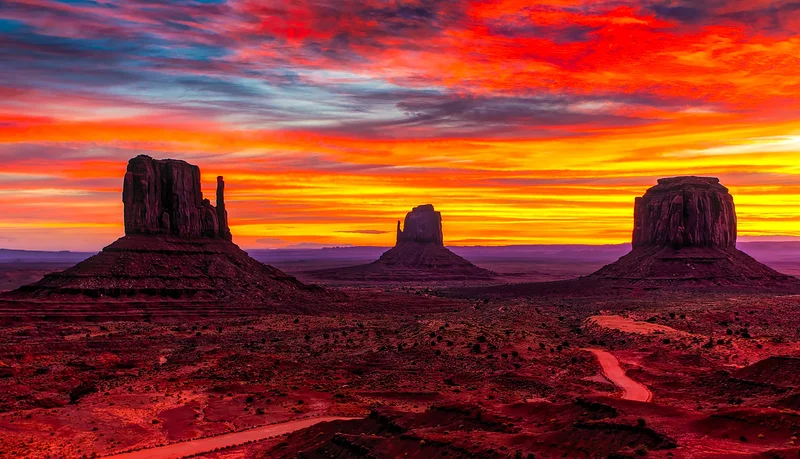
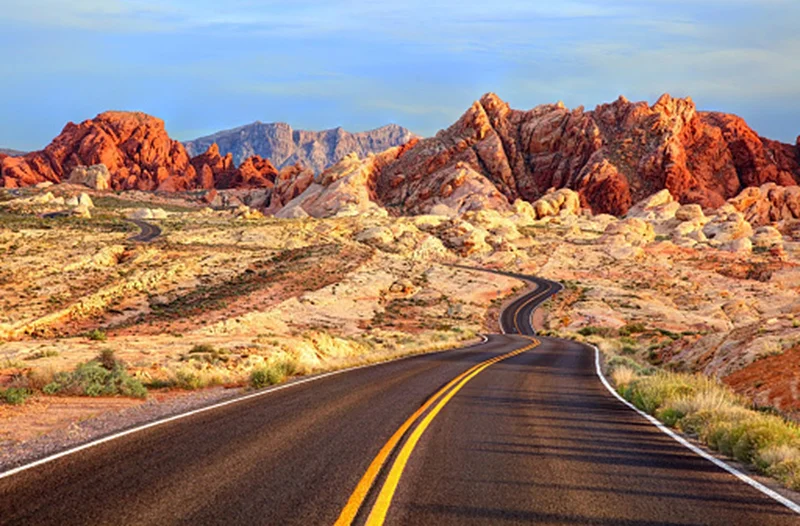
A green highway sign planted in the middle of the desert, a straight road vanishing into the horizon, the sun setting over orange mesas. The United States hits you first with its sheer scale. This country of 50 states and 9.8 million square kilometers packs in ecosystems that most continents spread across thousands of miles. From the Louisiana bayou to Alaskan glaciers, from Manhattan skyscrapers to giant California sequoias, every region demands its own dedicated trip.
Is This Destination Right for You?
This country suits travelers who accept long distances and unfamiliar social norms. Tipping 15 to 20% in restaurants is not optional, listed prices always exclude tax, and the casual "How are you?" from a stranger does not actually expect an answer. On the financial front, the US plays in the same league as Western Europe. Expect between $2,240 and $3,360* per person for a 15-day road trip, flights included.
Health insurance deserves close attention. A simple sprained ankle can generate a bill of several thousand dollars. American medical costs rank among the highest in the world, and no standard credit card covers this risk adequately. Purchase insurance with at least $335,790* in coverage before you leave.
The Metros That Shape the Collective Imagination
New York, the Epicenter
New York looks like no other American city. Its eight million residents live packed onto islands where verticality has ruled for a century. From Times Square to Central Park, from the MET to the Statue of Liberty, every neighborhood tells a different story. The city operates without a car, making it a notable exception in a country built for driving. An NBA game at Madison Square Garden or a show on Broadway completes the experience.
The West Coast and Its Contrasts
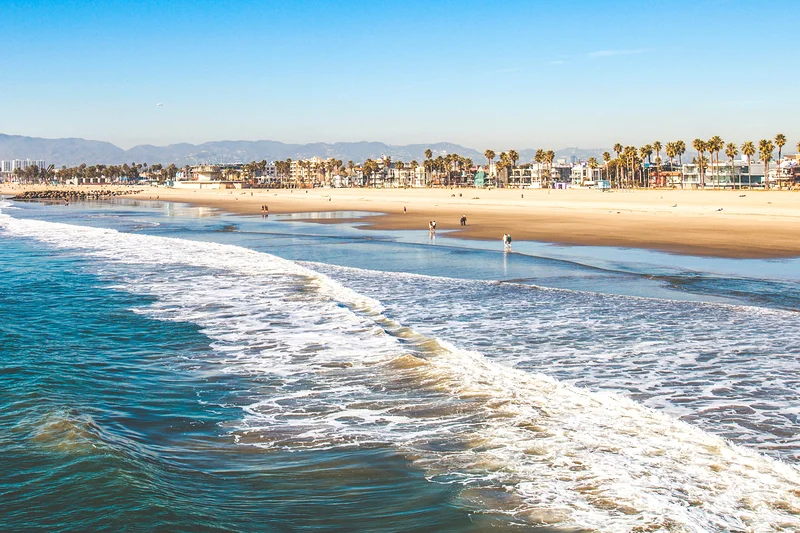
Los Angeles stretches across 80 km of suburbs linked by jammed freeways. Hollywood, Venice Beach, the hills of Silver Lake: the city is built for exploring behind the wheel. Further north, San Francisco offers a more compact layout with its steep hills and the Golden Gate. Chicago, often overlooked on itineraries, impresses with its architecture and world-class museums.
Friendly tip: in New York, show up at attractions right when they open. Lines build up fast after 10 AM, and this habit can save you hours during a weeklong trip.
The Great Outdoors That Leave a Mark
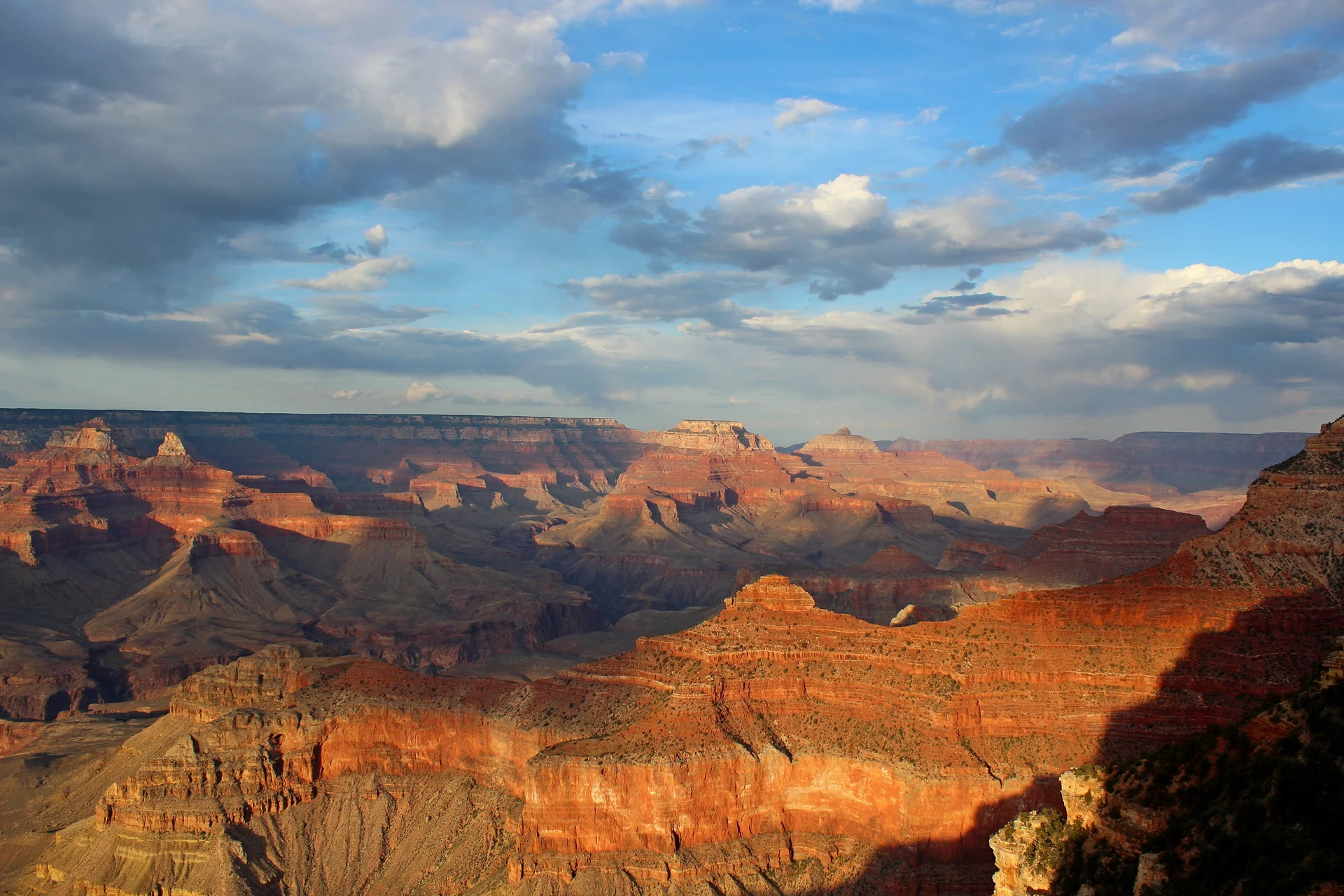
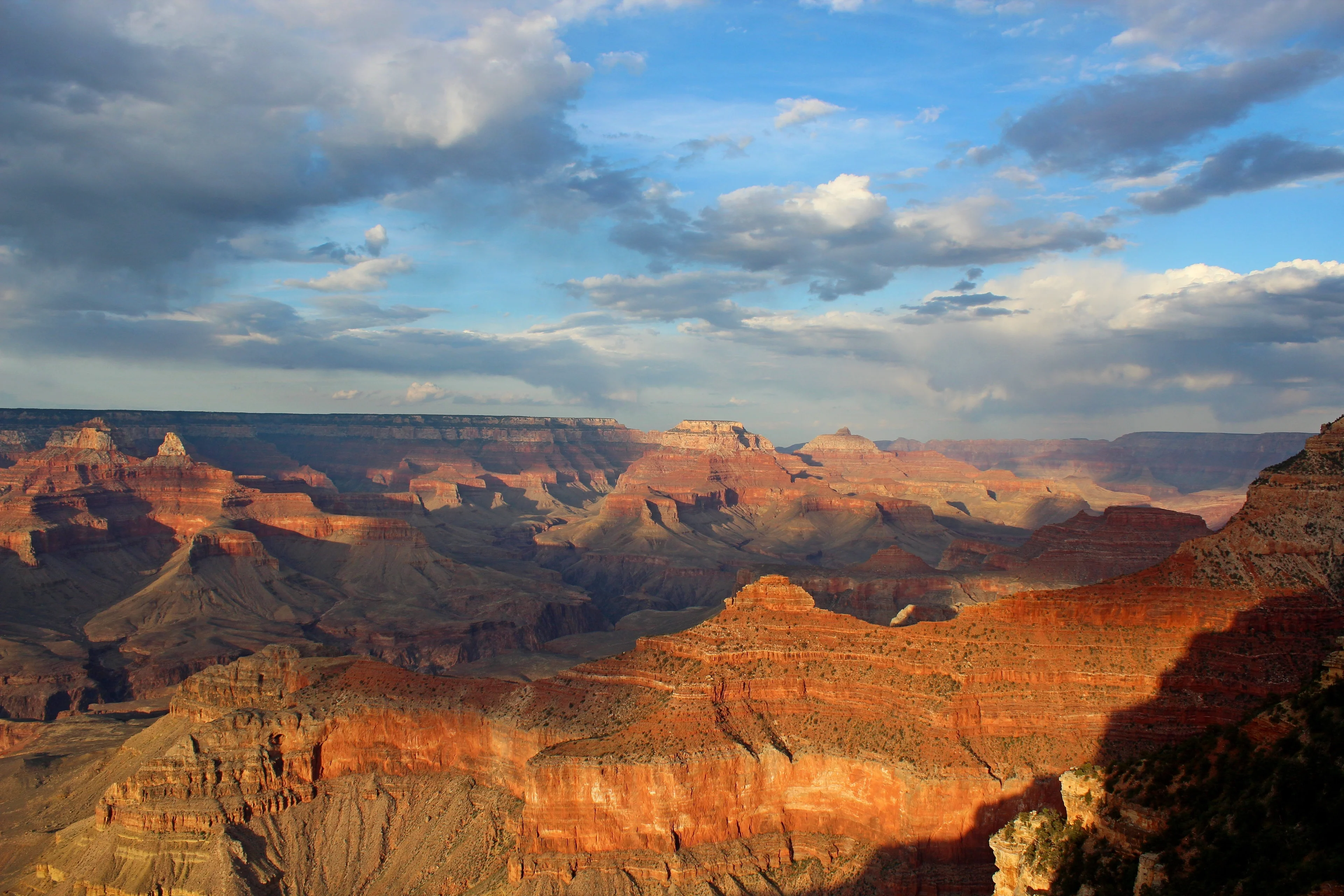
The Grand Canyon remains a dizzying experience. Its 1,600 meters of depth reveal two billion years of geology. The South Rim, which is easier to access, draws the vast majority of visitors. The North Rim, open only from May to October, offers a wilder atmosphere. The volcanic landscapes of Yellowstone and the waterfalls of Yosemite complete this essential trio.
The America the Beautiful pass, sold for 80 dollars to US residents and 250 dollars to non-residents, grants access to all national parks for a full year. It pays for itself by the third park you visit, all the more so as non-resident visitors aged 16 and over also pay 100 dollars per person to enter eleven parks, including the Grand Canyon, Yellowstone and Yosemite, unless they show this pass. Lodges located inside the parks book up months in advance during peak season. Book early or opt for campgrounds, which are often better situated and well-equipped.
Lesser-Known America
White Sands in New Mexico rolls out moon-white gypsum dunes. Sedona in Arizona draws travelers looking for red rock landscapes without the crowds of the Grand Canyon. The Texas Hill Country, between Austin and San Antonio, mixes vineyards, turquoise rivers, and small towns with German roots like Fredericksburg. In Michigan, Traverse City and its vineyards line Lake Michigan in a setting few international visitors ever see.
The Roads That Tell America's Story
Route 66, running from Chicago to Los Angeles, no longer officially exists, but preserved stretches let you relive the 1950s era. Vintage motels, chrome diners, and abandoned gas stations line the route. The Pacific Coast Highway delivers dramatic ocean and cliffside views over 900 km between San Francisco and Los Angeles.
For an immersion into the Deep South, a drive through Louisiana and Mississippi follows the roots of blues and jazz. Memphis celebrates Elvis at Graceland, while Nashville hums with country music.
Friendly tip: always allow more travel time than your GPS predicts. Photo stops, unplanned detours, and meal breaks stretch out driving times considerably. A 400 km day out West can easily take 8 hours.
Entertainment and Pop Culture
Orlando concentrates the world's most famous theme parks. Walt Disney World covers an area equivalent to San Francisco. Universal Studios draws millions of visitors every year. Plan for a substantial budget: tickets often exceed 150 dollars per day per person.
Miami mixes Latino influences, lively beaches, and Art Deco architecture in South Beach. The city serves as a launchpad for the Keys and the Everglades.
Eating in the US: From Texas Barbecue to the New York Bagel
American food goes far beyond fast-food clichés. The South keeps the art of barbecue alive, with local variations across states: beef in Texas, pork in the Carolinas, ribs in Memphis. New Orleans serves up Cajun cooking where gumbo, jambalaya, and powdered sugar-dusted beignets reign supreme.
In New York, a pastrami bagel and a slice of New York-style pizza are practically rituals. On the drink side, Kentucky bourbon and craft beer have earned serious respect. More than 9,000 craft breweries dot the country.
When to Visit the United States?
The sheer size of the country means drastically different climates. Fall turns New England stunning with its blazing forests, while spring favors California and Texas. Summer works well for the northern national parks, but places like Death Valley or Arizona turn sweltering.
Mardi Gras in February turns New Orleans into a giant street party. Independence Day on July 4th gives you a front-row seat to American patriotic fervor. Skip Thanksgiving and the year-end holidays if you want to avoid massive crowds and inflated prices.
How to Get to the United States?
A Paris-New York flight takes about 8 hours, with round-trip tickets starting around $450* in low season. For the West Coast, figure on 11 to 13 hours of flying time and higher fares. Low-cost carriers like French Bee or Norse Atlantic offer budget-friendly options to select destinations.
The ESTA authorization, required for tourist stays under 90 days, currently costs 21 dollars. This fee may nearly double soon. Fill out the application exclusively on the official US government website to avoid third-party sites that tack on extra fees.
Getting Around the United States
Car rentals remain essential once you leave the major metros. Gas costs between $0.79 and $1.40* per liter depending on the state, which is well below European prices. California and New York run the highest rates, while Texas and Louisiana stay cheapest. The highway network is generally toll-free, except for certain routes on the East Coast.
Domestic flights let you jump between distant destinations quickly, but ticket prices swing wildly. Amtrak trains offer scenic routes like the California Zephyr between Chicago and San Francisco, which you take for the experience rather than the speed. In cities like New York, Washington, or San Francisco, subways and buses handle everything you need.