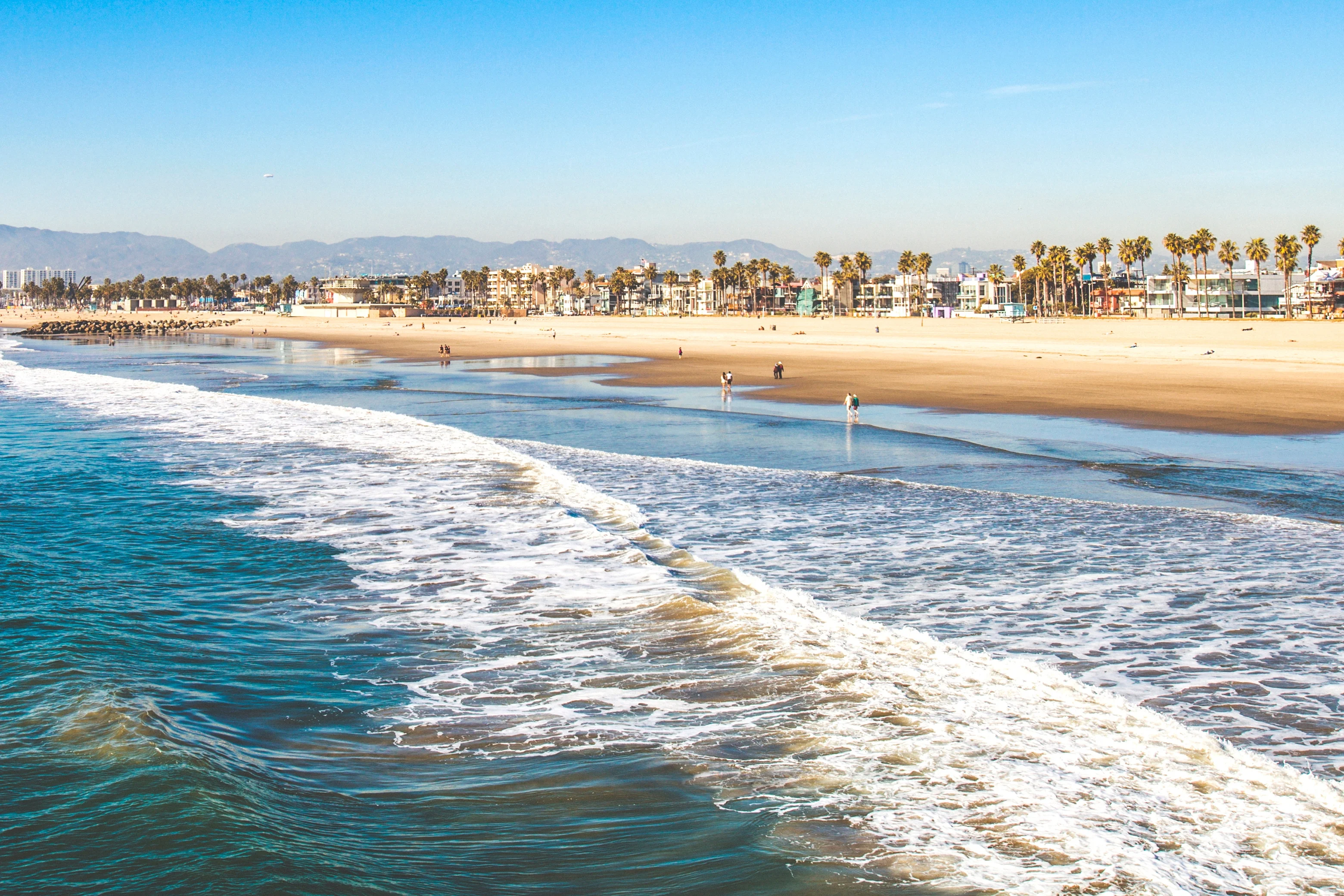
Visiting California
San Francisco sits on a peninsula twelve kilometres across, with its hills and its summer fog. Los Angeles, six hundred kilometres south, spreads over a plain with no centre, where distance is counted in driving minutes and never in kilometres.
Between the two, and around them, lies the rest: the sequoias, the Yosemite valley, the Mojave desert, and a coastline running down to the Mexican border. All of it fits in one state, which makes the trip long in kilometres and short on culture shock.
You'll love it if
- Driving is part of the trip for you
- You want cities and national parks on the same itinerary
- You'll book the parks and the tours well ahead
Give it a miss if
- Your budget is tight: this is one of the most expensive states in the country
- You expect to get around without a car outside San Francisco
- You picture California warm everywhere, all year
The must-sees
-
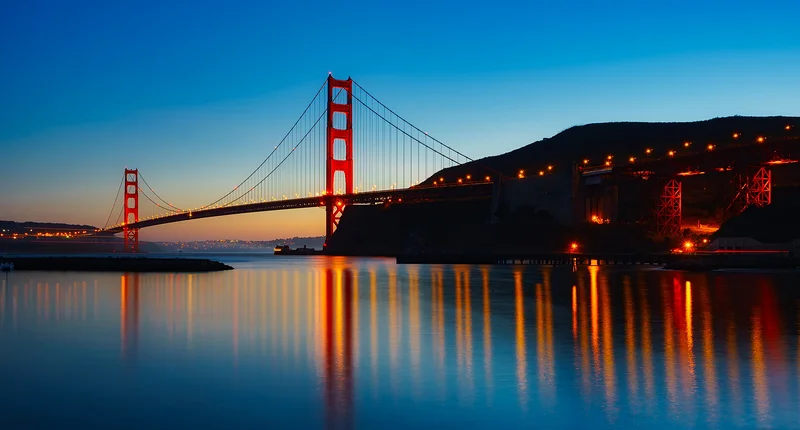
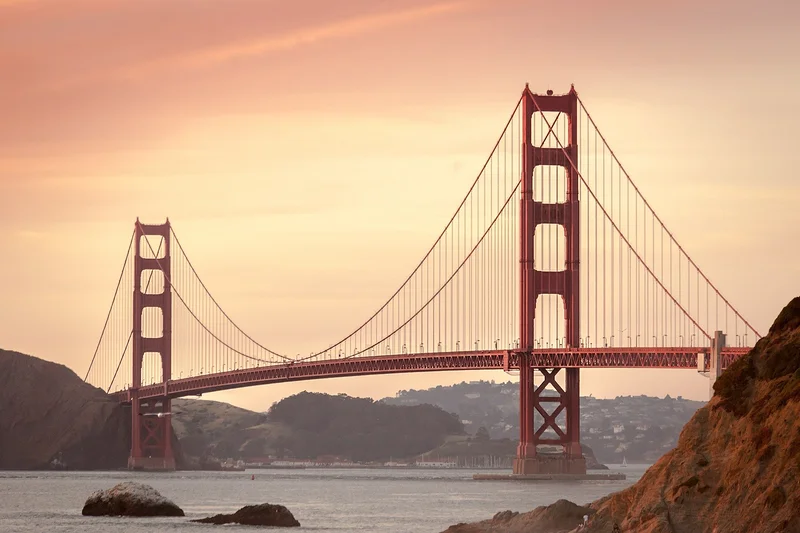
1 The Golden Gate Bridge +23 recs
Two thousand seven hundred metres, opened in 1937, painted an orange chosen to stay visible in fog. You cross it on foot or by bike on the eastern walkway, and the best views are from the Marin headlands on the north side.
-
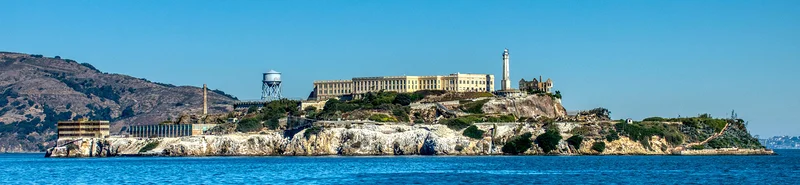
2 Alcatraz Island +16 recs
A federal penitentiary from 1934 to 1963, on a rock swept by the bay's currents. The ticket covers the ferry and the audio guide, narrated by former inmates and officers, and it sells out weeks ahead.
-
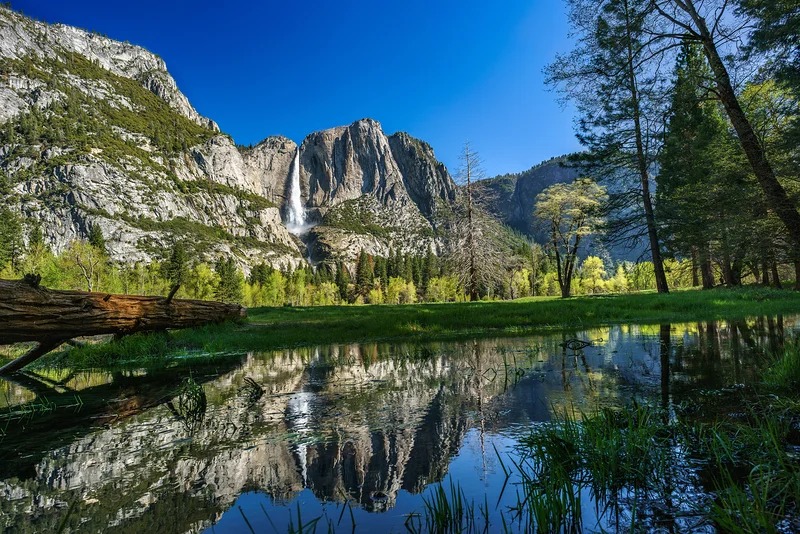
3 Yosemite National Park +18 recs
A glacial valley framed by El Capitan and Half Dome, protected since 1890. The waterfalls peak in May and June with the snowmelt and run nearly dry by late summer. Entry can require a reservation in high season.
-
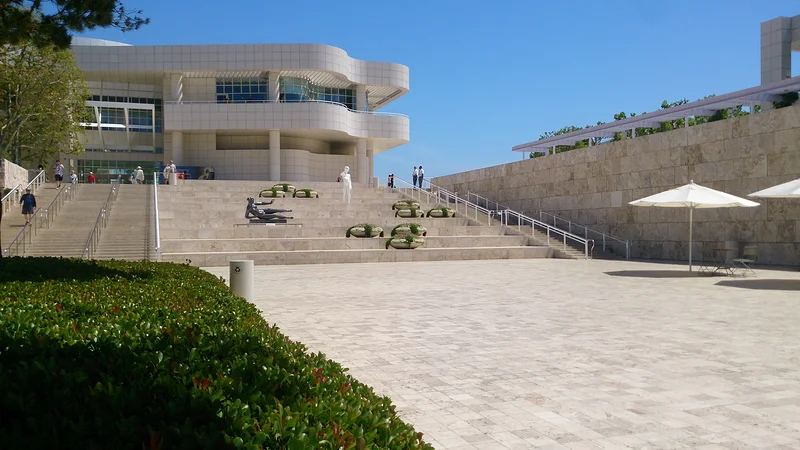
4 The Getty Center +13 recs
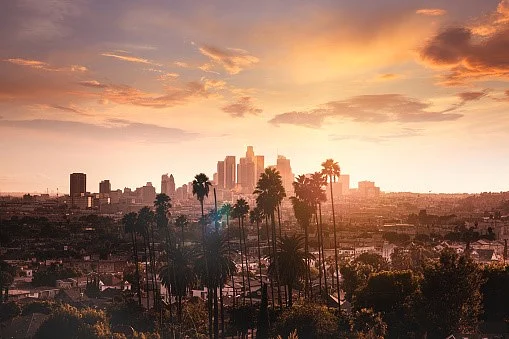
A set of white pavilions on a hill above Los Angeles, reached by tram. Entry is free, parking is not, and the view over the basin at sunset justifies the climb on its own.
-
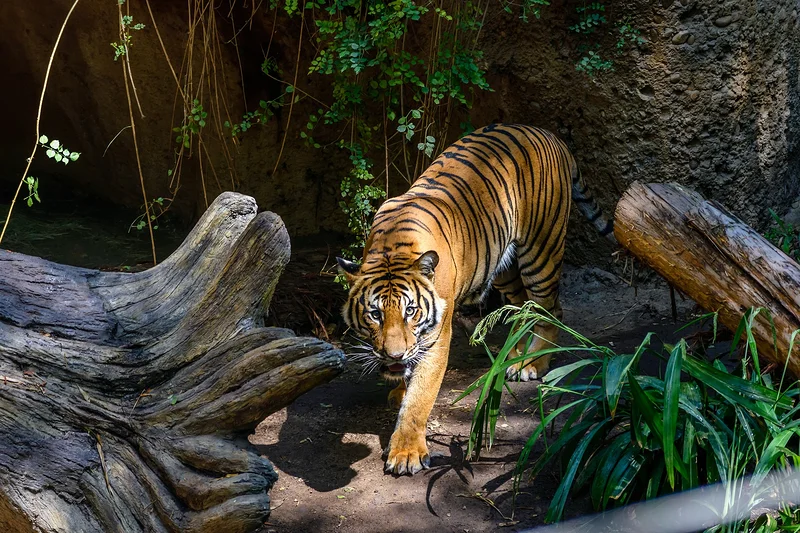
5 San Diego Zoo +10 recs
Opened in 1916 in Balboa Park, a pioneer of enclosures without bars. It takes a full day and is best walked downhill, starting at the top, so the climbing is done before the heat.
The classic mistake
Putting San Francisco and Los Angeles in the same weekend. Six hundred kilometres separate them by the interstate, eight hundred by the coast, and the coast road takes two days if you actually want to see it.
Our itineraries in California
| Length | Route | What you see |
|---|---|---|
| One week | San Francisco › Mariposa › San Francisco | The city and Yosemite |
| 10 days | San Francisco › the coast › Los Angeles › San Diego | The three cities and Highway 1 |
| 3 weeks | San Francisco › Mariposa › Furnace Creek › Los Angeles › San Diego | Cities, mountains, desert, coast |
A one-way run from north to south works better than a loop: rental companies accept one-way drop-offs for a fee that is often less than the cost of driving back empty.
Count distances in hours, not kilometres. San Francisco to Yosemite takes four hours, Yosemite to Death Valley six more, and crossing Los Angeles an hour and a half at peak times.
When to visit California
| Rating | Season | Weather | Crowds and prices |
|---|---|---|---|
| May, June and September | 18 to 28 °C by latitude | Steady, mid-range prices | |
| April and October | 15 to 24 °C, dry | Moderate, good prices | |
| July and August | Hot in the south, fog in San Francisco | Peak, high prices | |
| November to March | Rain in the north, mountain passes closed | Light, low rates |
Our advice
Aim for September: Yosemite's waterfalls are low, but the coast is clear and San Francisco has its brightest days of the year. The summer fog there is a daily fact, not an exception: pack a jacket even in July.
Getting to California
-
1 By plane Fastest
San Francisco and Los Angeles take direct flights from every major hub, San Diego from most. Domestic fares often beat the drive once you count two days of road and a night on the way.
-
2 By rental car Most flexible
picked up at the airport and never given back. Outside San Francisco no itinerary holds without one, and the gap between two stops is measured in half-days.
-
3 By train Simplest
a line runs down the coast between the big cities, slow but spectacular on its seaboard stretch. It replaces one leg of driving, not a whole trip.
Flying into one city and out of another saves a full day of backtracking, and most carriers price the open-jaw no higher than the return. Check the rental drop-off fee before booking it: on some routes it wipes out the saving.
Getting around California
A car is the condition of the trip everywhere except San Francisco, where it becomes a handicap: scarce parking, fifteen per cent gradients and good transit. In Los Angeles it is the other way round, there is no alternative.
Worth knowing
In the national parks there is no mobile signal across most of the territory. Download your maps offline before you go in, and fill the tank: the next petrol station can be a hundred kilometres away.
What to eat in California
- Sourdough: San Francisco's sour, dense bread, tied to the gold rush. Served as a hollowed bowl filled with clam chowder, down on the waterfront.
- Mexican food: tacos, burritos and carne asada are local cooking here, not foreign cooking. The best addresses are trucks and neighbourhood counters.
- Dungeness crab: the Pacific crab, fished from November to June, served whole and picked by hand. The season is short and chalked up on boards at the piers.
- In-N-Out: the local burger chain, with a deliberately tiny menu and unwritten variations that regulars order from memory.
- Avocados and citrus: the Central Valley supplies a large share of the country's produce, and it shows at the farmers' markets, held weekly in almost every town.
- Napa and Sonoma wines: an hour north of San Francisco, estates are visited by appointment and tastings are paid for, often deducted from a purchase.
- Fortune cookies: invented in California's Chinese-American communities, not in China. A small factory still welcomes visitors in San Francisco's Chinatown.
Two habits change the bill. Listed prices exclude sales tax, added at payment, and restaurant tipping runs from fifteen to twenty per cent, often pre-set on the card reader.
Where to stay in California
| Area | Good for | Worth knowing |
|---|---|---|
| San Francisco, downtown | Everything on foot or by transit | Expensive, and parking adds to the night |
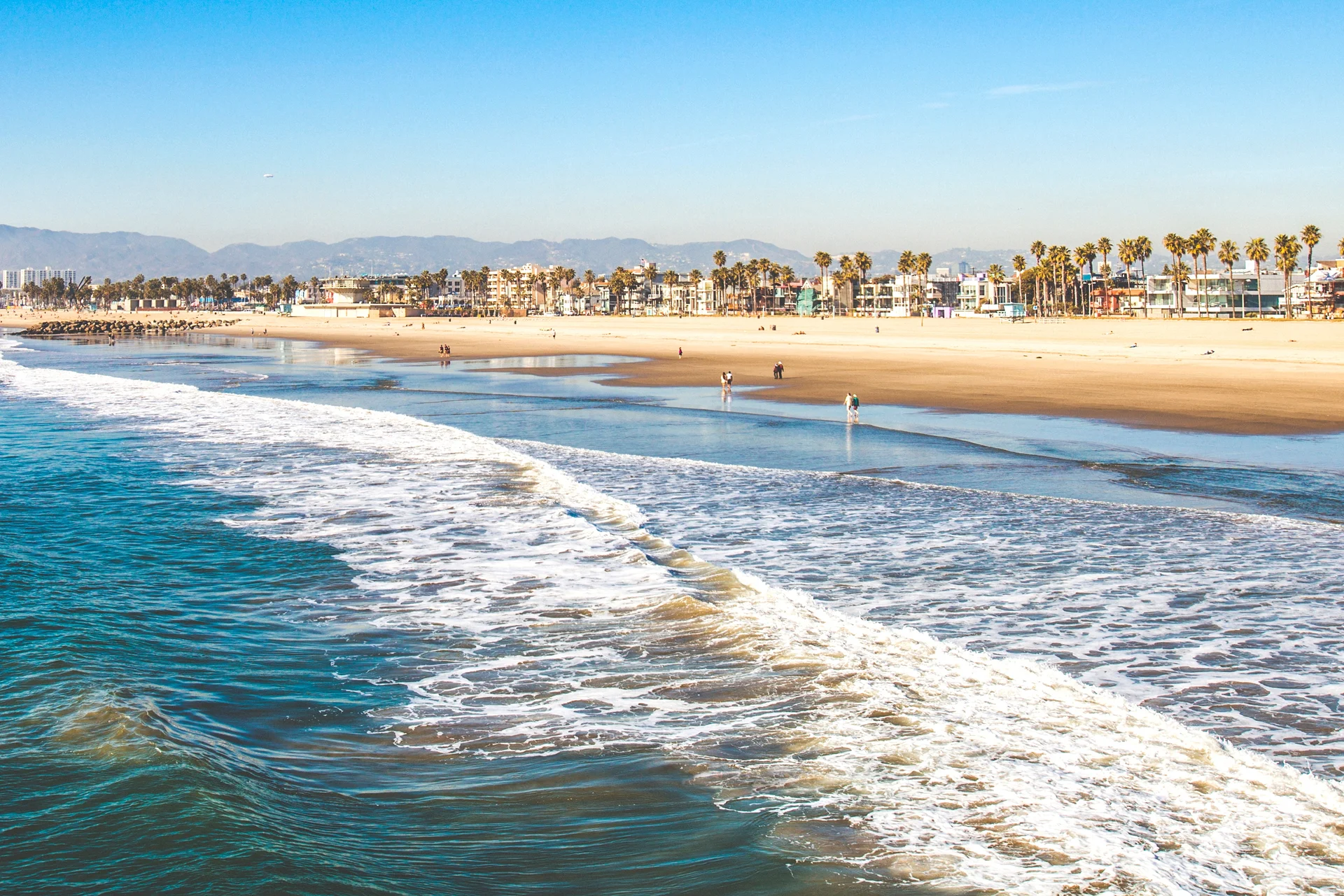
| Santa Monica or Venice | Beach, cycling, access to Los Angeles | More pleasant than downtown Los Angeles |
| Beverly Hills or West Hollywood | Museums, restaurants, nightlife | Central for the city, high rates |
| Mariposa | Gateway to Yosemite | Books up months ahead for summer |
| San Diego | Zoo, beaches, steady climate | The mildest of the three cities year-round |
Three bases for a classic itinerary, one per major city, plus a night near each park visited. Sleeping at a park entrance changes the day: you go in before the queues form and come out after sunset.
Lodges inside the national parks run on a separate reservation system, opening several months ahead, and they go on the day the windows open.
How much does a trip in California cost?
| Style | Length | Budget per person |
|---|---|---|
| Budget (motels, cooking in, parks) | 14 days | €1,400 to €1,900 |
| Comfortable (hotels, restaurants, paid attractions) | 14 days | €2,800 to €3,800 |
| High-end (smart hotels, notable tables) | 14 days | €6,000 to €9,000 |
- The car: hire, fuel, tolls and parking make the heaviest line after accommodation. The insurance offered at the desk sometimes doubles the rate quoted online.
- The national parks pass: an annual pass covers entry to every federal park for one vehicle. It pays off from the third park visited.
- Tax and tipping: count fifteen to twenty-five per cent above listed prices, between sales tax and service.
- The season: a room costs 40 to 70% more in July and August, and more still at the park gateways.
- Free museums: the Getty Center and the Griffith Observatory charge no admission, only parking.
- The distances: every major leg eats half a day and a tank. An over-ambitious route is paid for in fuel as much as in fatigue.
Traditions and way of life in California
California was Mexican before it was American, and Spanish is heard everywhere, in place names as in the street. One resident in four was born abroad, which explains something you notice on arrival: the range of neighbourhood cooking, and the absence of a single downtown where everything concentrates.
Conversation is direct and easy, strangers talk to each other in queues, and that friendliness presumes no relationship. It is not feigned either: it is a social convention, returned rather than remarked on.
Two practical rules. Alcohol is sold and drunk from twenty-one, and ID is asked for systematically, whatever your apparent age. And wildfires are a late-summer reality: park roads can close overnight, which is checked the day before on the official sites.