
Where to stay in California: the 8 areas to know in 2026
Our members disagree about California, and their disagreement is the best compass in this guide. "San Francisco is without a doubt the city I liked the most. You can walk around there", writes one; "I much preferred Los Angeles", writes another, because San Francisco "does not feel like the United States, but rather like Europe".
So they are not choosing between two cities: they are choosing between walking and driving. Eight areas below, two per metropolis and four that are stops along a road, from Yosemite to Death Valley.
Compare hotel prices in California
In a hurry? Find the best accommodation deals in 3 clicks.
Compare live deals from Booking, Expedia, Agoda and other partners.
The down side is that San Francisco does not feel like the United States, but rather like Europe. And when you travel, you want to feel a change of scenery. So I much preferred Los Angeles.
One base or several?
Six hundred miles separate San Diego from San Francisco Bay, and a car is compulsory everywhere but one city. Here is what works, by length of stay.
- A long weekend: One city only, and it is San Francisco: it is the only one you can do on foot, so the only one that fits in three days without renting a car.
- A week: Two bases and the road between them: three nights in San Francisco, one on Highway 1, three in Los Angeles. The coastal drive is half the trip.
- Ten days: Three bases, adding two nights at Yosemite between the two cities. The valley books a year ahead, and that is what sets the trip's dates.
- Two weeks: Four or five bases, adding San Diego in the south and two nights in Death Valley. Beyond that, you spend more time on the freeway than anywhere else.
How much driving between two bases?
By road, outside rush hour: in Los Angeles a drive can double between 4 and 7 p.m.
| Route | Driving time | Good to know |
|---|---|---|
| San Francisco → Yosemite | 4 hr | 195 miles, via Manteca |
| San Francisco → Monterey | 2 hr | Via the 101, faster than the coast |
| Monterey → Morro Bay | 3 hr 30 | Highway 1, 125 miles of cliff |
| Morro Bay → Santa Barbara | 2 hr | 100 miles along the coast |
| Santa Barbara → Los Angeles | 2 hr | 95 miles, traffic on the way in |
| Los Angeles → San Diego | 2 hr | 120 miles, up to 4 hr at rush hour |
| Los Angeles → vallée de la Mort | 4 hr | Via Barstow and Calico |
| Yosemite → vallée de la Mort | 5 hr 30 | Via Lone Pine, pass closed in winter |
At a glance: our picks by traveller type
Pick the profile that fits you and go straight to the recommended area.
Map of the areas in California
See how the areas sit relative to one another before choosing your base. Click a name to jump to its description.
San Francisco: the hills and downtown Union Square, Nob Hill, North Beach
for the only big city in California you can do on foot
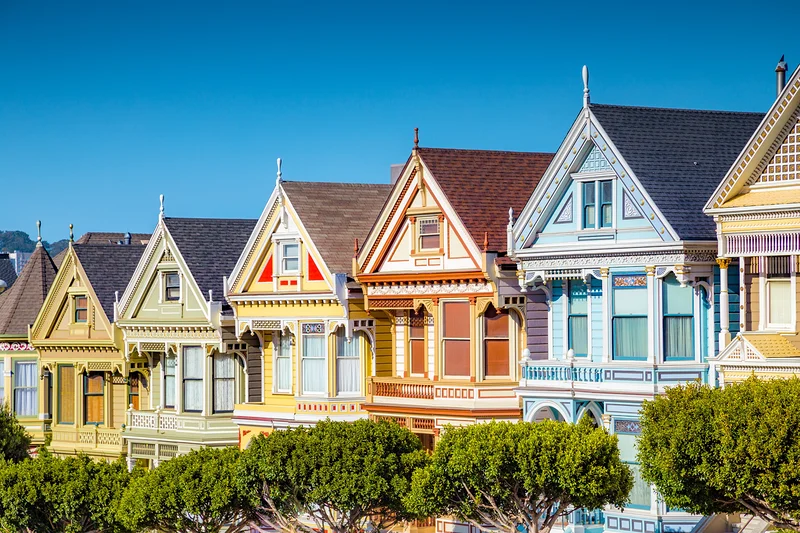
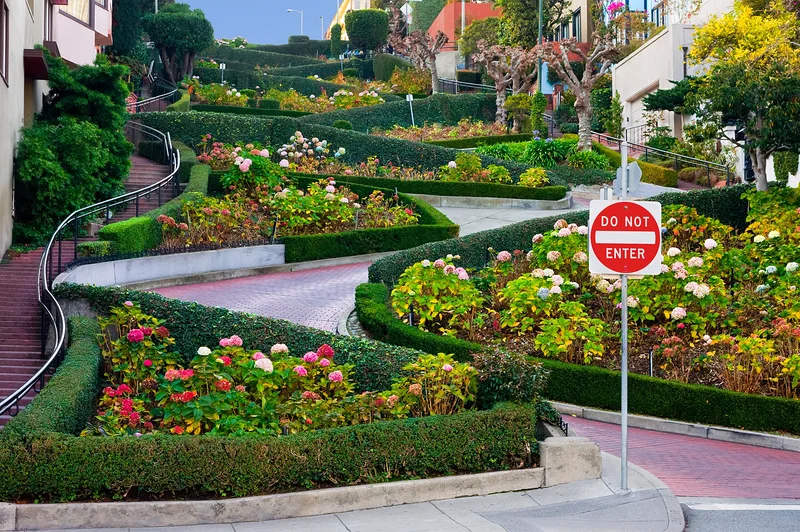
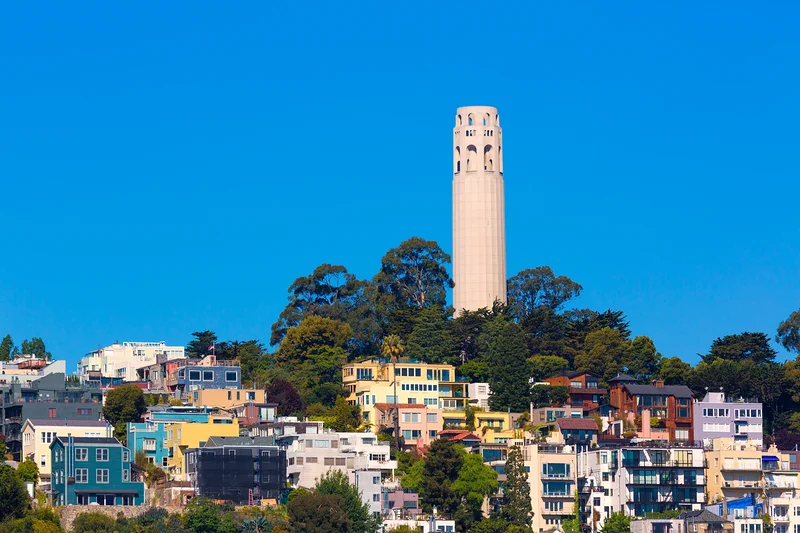
This is where our reviews agree: "you can walk around there", and "it is by getting lost in the streets that you end up amazed at how beautiful some neighborhoods are". The forty-three hills, the cable cars from 1873 still running, the bends of Lombard Street, the Painted Ladies of Alamo Square, Chinatown and North Beach. The flip side, said by two members: the price of accommodation, and streets that "climb steeply".
After traveling through a bit of the American West, San Francisco is without a doubt the city I liked the most. You can walk around and relax there.
The towns in this area
What to see and do in this area
Where to stay in this area
Fairmont San Francisco Luxury
At the top of Nob Hill, six hundred and six rooms in a 1907 palace, with the bay below the windows. The cable car passes the door, which settles the question of the hills.
Nob Hill Hotel Mid-range
Two hundred yards from Union Square, in a restored Victorian building. The sensible compromise in a city our reviews find expensive.
Pros
- The only Californian metropolis where a car is useless
- The cable cars and the historic center on foot
Cons
- Two of our reviews flag excessive accommodation prices
- The streets climb hard, and the fog rolls in in the afternoon
San Francisco: the waterfront and the bay Fisherman's Wharf and the Presidio
for the Golden Gate, Alcatraz and the sea lions
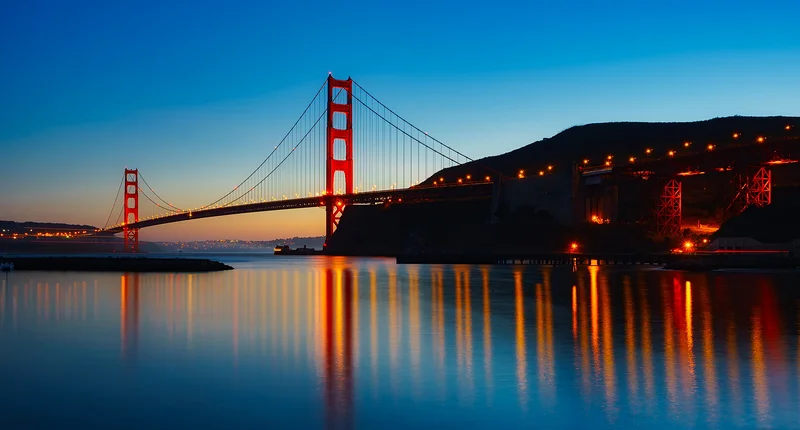
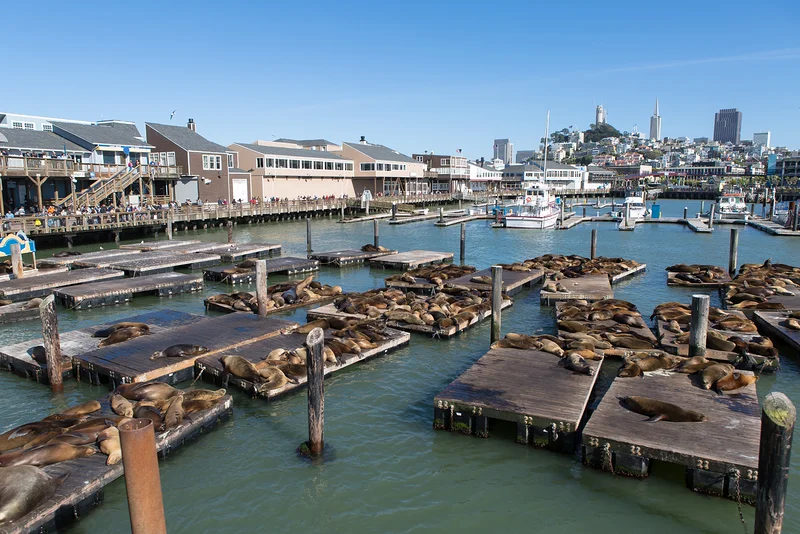
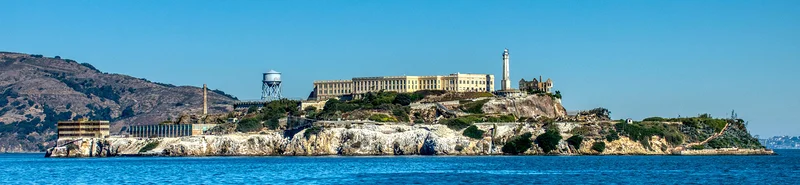
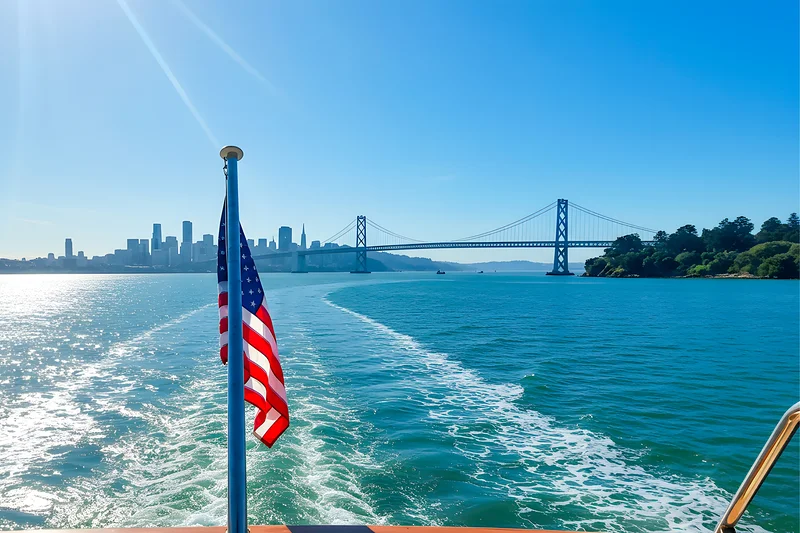
Everything you came to see is here: the Golden Gate Bridge, a span of four thousand two hundred feet, and the fog that "sometimes hides it and sometimes reveals it", as one of our members writes. Alcatraz twenty minutes away by boat, the sea lions of Pier 39 that moved in in 1989 and never left, and the Presidio, a former military base turned national park. Be warned: one of our reviews notes the bridge is often seen in fog.
gazing at the Golden Gate Bridge and the fog that sometimes hides it and sometimes reveals it to the crowd, taking a cruise to see it up close and also get near the legendary Alcatraz prison, listening to the deafening barks of the sea lions at the harbor
The towns in this area
What to see and do in this area
Where to stay in this area
Argonaut Hotel Luxury
In a 1907 warehouse on Fisherman's Wharf, exposed beams and a National Park Service museum on the ground floor. Pier 39 and the sea lions are five minutes away.
Hotel Zephyr San Francisco Mid-range
Three hundred yards from Pier 39, nautical décor and an outdoor yard with games. The compromise on the waterfront, without the grand-hotel rate.
Pros
- Alcatraz, the Golden Gate and the sea lions within the same radius
- The boats leave at the hotel door
Cons
- Fog hides the bridge for part of the summer
- The most touristy part of town, and its restaurants
Los Angeles: Hollywood The north-center of the city
for the one lodging instruction our reviews give outright
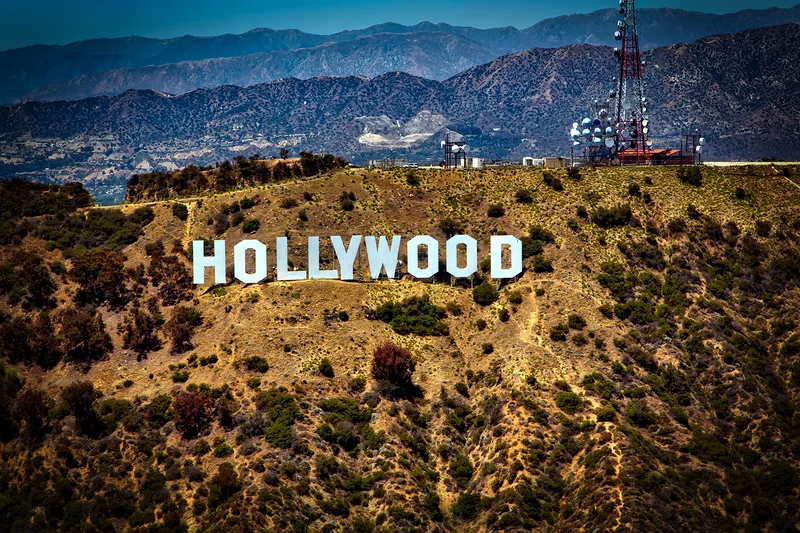
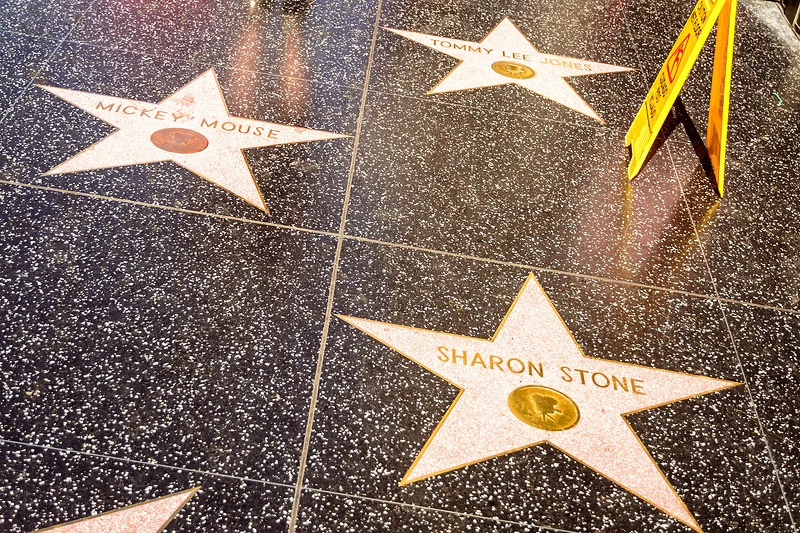
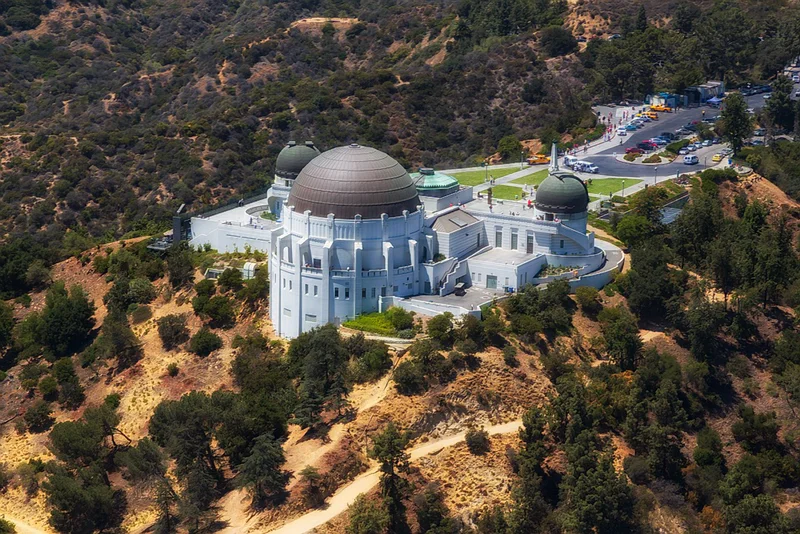
One of our members writes the most direct sentence in the corpus: "I recommend staying in that neighborhood to be in the heart of the action". The Walk of Fame and its two thousand seven hundred stars, the Chinese Theatre and its handprints, Paramount Studios, the only one still operating inside Hollywood itself, and the Griffith Observatory from which you see the sign. The flip side, said by two other members: the atmosphere after dark, and a transit network that "is not very easy to figure out".
You can spend a day in Hollywood, see the Walk of Fame on Hollywood Boulevard, and visit movie studios. I recommend staying in that neighborhood to be in the heart of the action.
The towns in this area
What to see and do in this area
Where to stay in this area
The Hollywood Roosevelt Luxury
Opened in 1927 on Hollywood Boulevard, financed among others by Mary Pickford and Douglas Fairbanks, and host of the first Academy Awards ceremony. The Walk of Fame runs along the sidewalk.
Pros
- The only explicit lodging recommendation in all our reviews
- A studio tour, which two of our members recommend
Cons
- Two of our reviews did not feel at ease there after dark
- The transit network takes some working out in advance
Los Angeles: Santa Monica and Venice The west, on the Pacific
for the beach, and for the vibe our reviews prefer
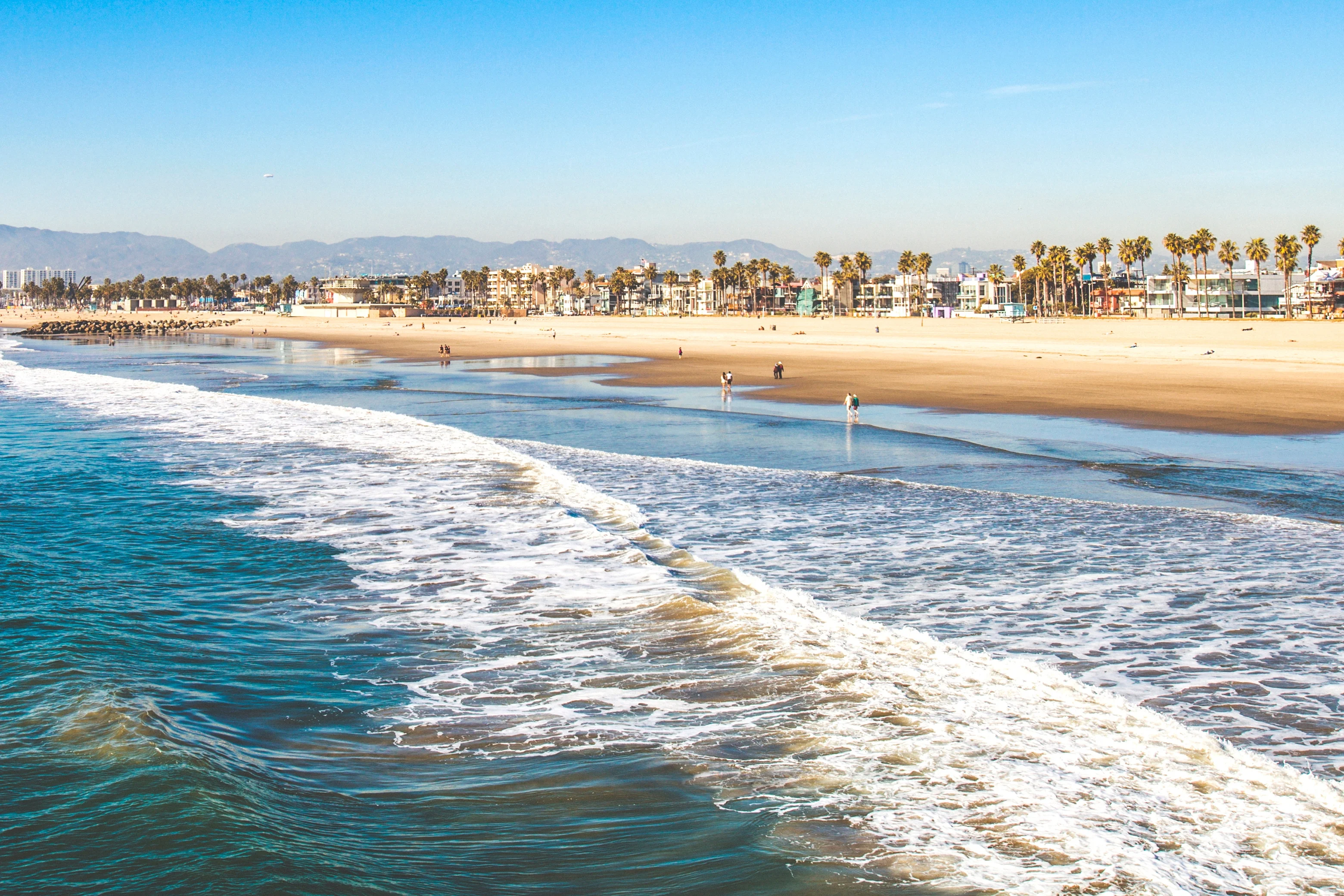
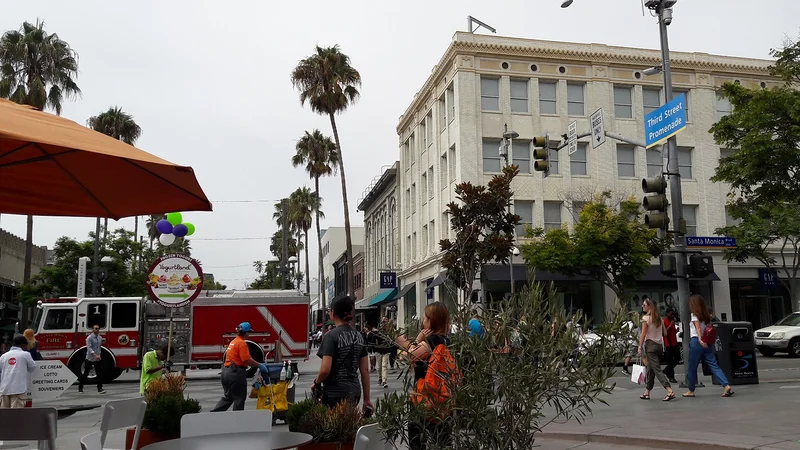
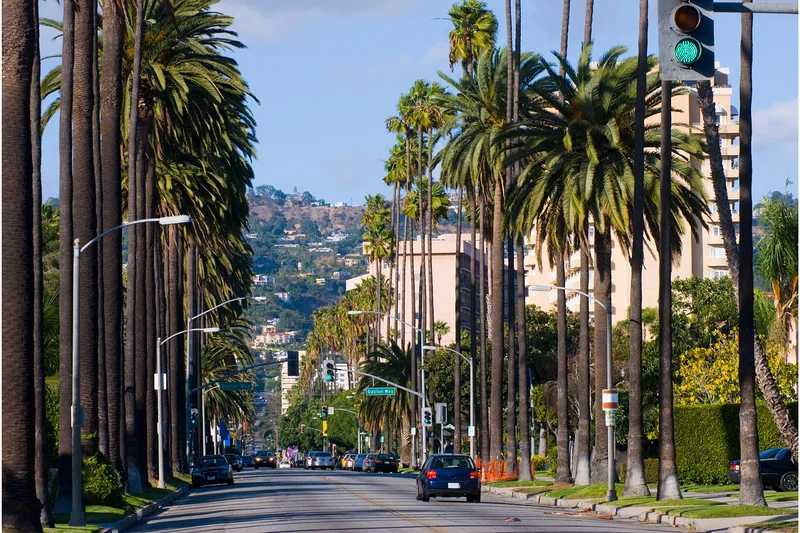
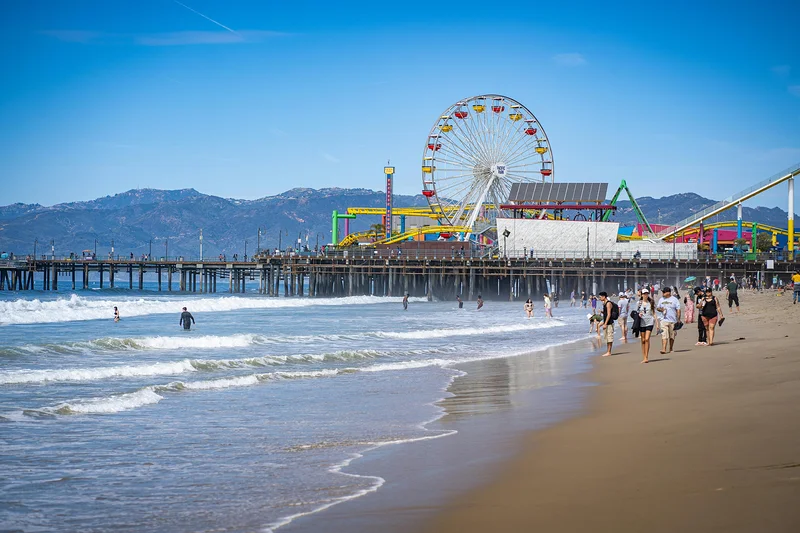
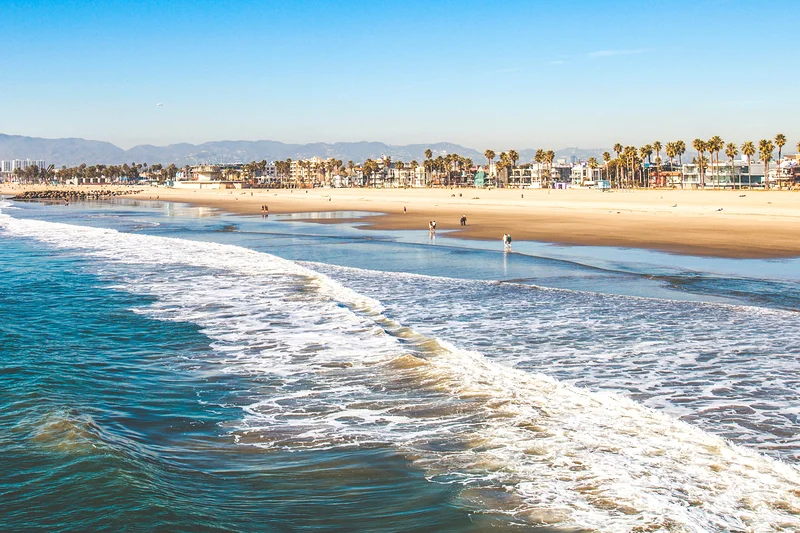
One of our members gives the difference in two sentences: "Santa Monica is more family-friendly, with its amusement park. Venice Beach is THE cool beach in the area". Two miles of boardwalk link the two, between the Santa Monica Pier, its solar Ferris wheel and the historic end of Route 66, and the Venice canals dug in 1905. Ten minutes away, Beverly Hills and Rodeo Drive. The flip side: it is the priciest part of Los Angeles, and the most gridlocked at rush hour.
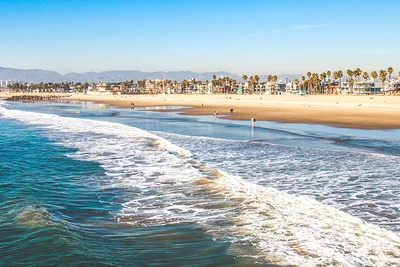
Santa Monica is more family-friendly, with its amusement park. Venice Beach is THE cool beach in the area. Street art, tattoo artists, medical marijuana vendors.. A cool, athletic vibe where people bring their own speakers and music fills the place.
The towns in this area
What to see and do in this area
Where to stay in this area
Shutters on the Beach Luxury
Right on the sand at Santa Monica, one hundred and eighty-six rooms in a Craftsman-style building. The Venice boardwalk starts below the terrace.
Pros
- Both beaches and the boardwalk on foot, without getting back in the car
- Beverly Hills and Rodeo Drive ten minutes away
Cons
- The most expensive part of Los Angeles
- An hour of traffic to reach Hollywood at the end of the day
San Diego The far south, at the Mexican border
for the steadiest climate in the state, and a foretaste of Mexico
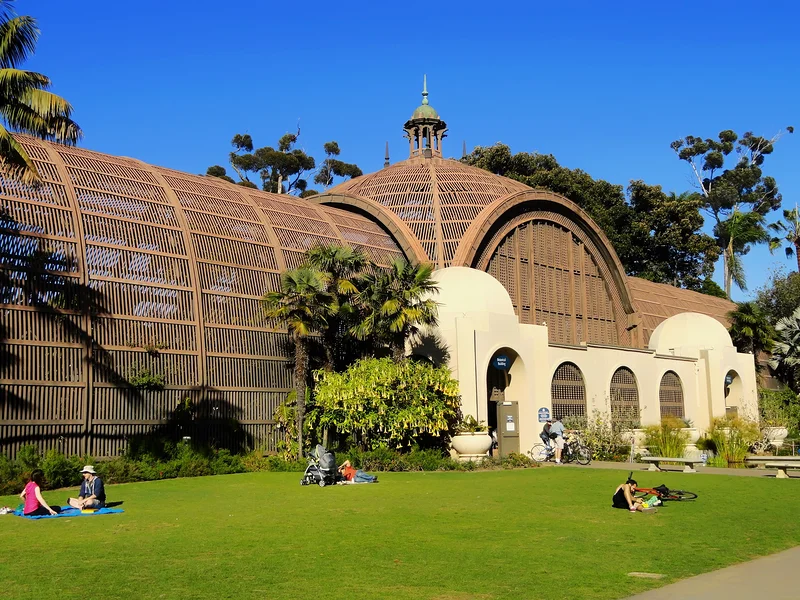
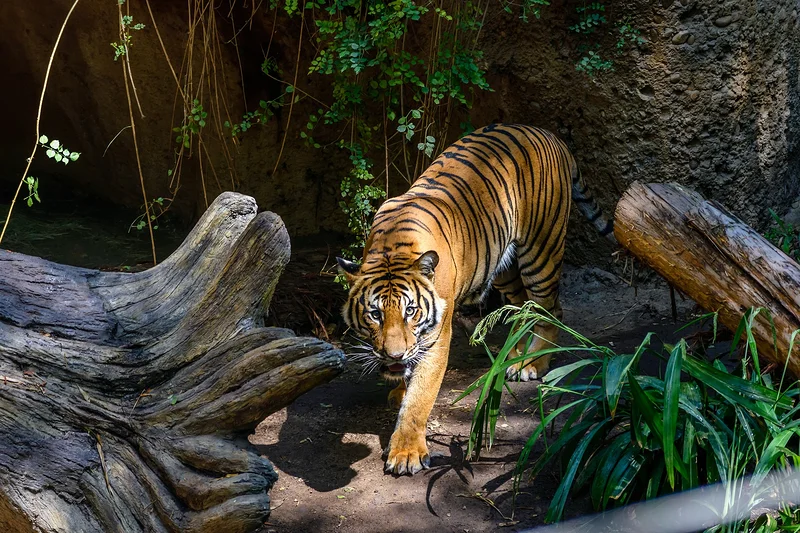
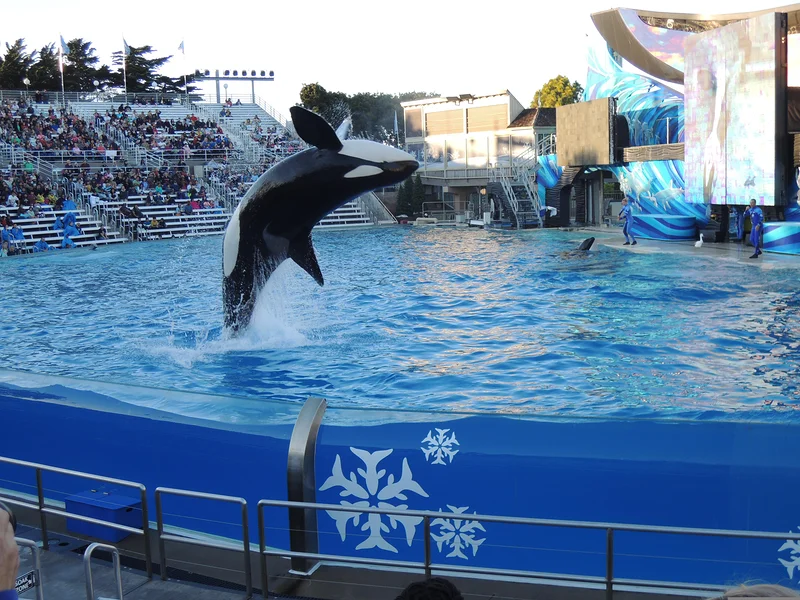
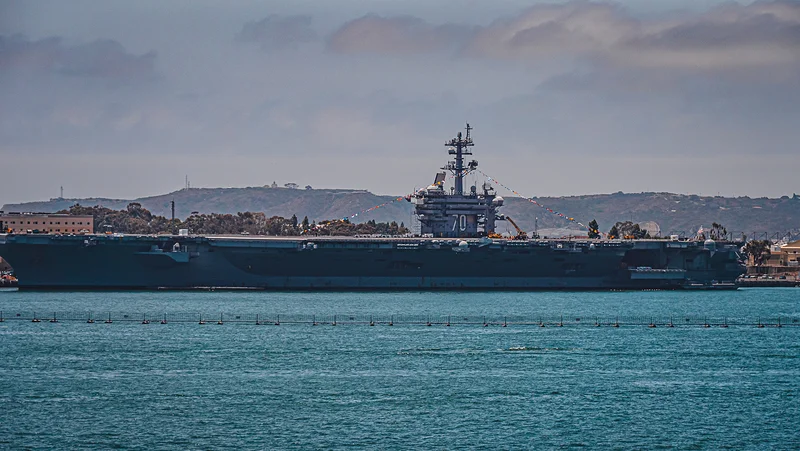
One of our reviews sums it up: "not too far from the Mexican border, San Diego gives you a taste of it: the food, the climate, the natural environment". The zoo, four thousand animals over a hundred and seventy acres, remains the site our members cite most in the city. Around it, Balboa Park and its seventeen museums, the USS Midway, a 1945 aircraft carrier moored downtown, and twelve miles of waterfront. Be warned: one of our reviews says the theme-park prices "really sting".
Not too far from the Mexican border, San Diego gives you a taste of it, from the food and the climate to the natural environment.
The towns in this area
What to see and do in this area
Where to stay in this area
Hotel del Coronado Luxury
Opened in 1888 on the Coronado peninsula, all red wood and white turrets, facing the Pacific. It is the set of Some Like It Hot, and it has not changed.
Wyndham San Diego Bayside Mid-range
On the waterfront, facing the USS Midway and Seaport Village. The only place to stay in all of California that our database knows, and it is well placed.
Pros
- The steadiest climate on the coast, all year round
- The zoo and Balboa Park in the same city park
Cons
- Theme-park rates, which our review finds high
- Two hours' drive from Los Angeles, sometimes four in traffic
Yosemite The Sierra Nevada, four hours from San Francisco
to sleep in the valley, not two hours from the entrance
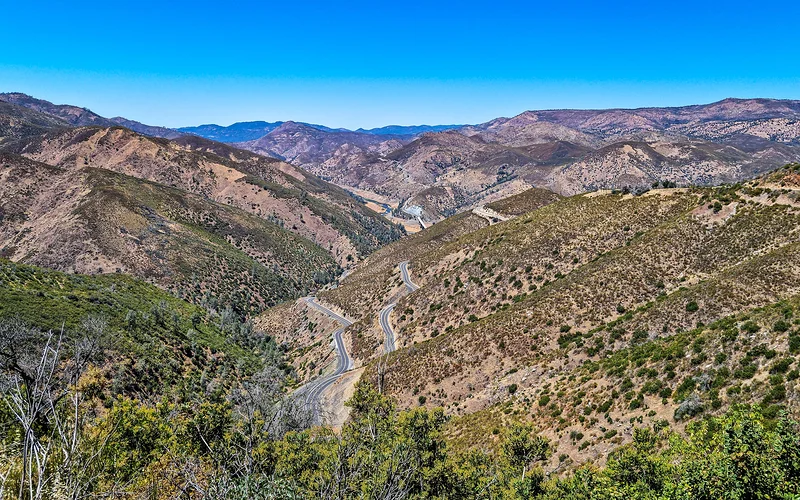
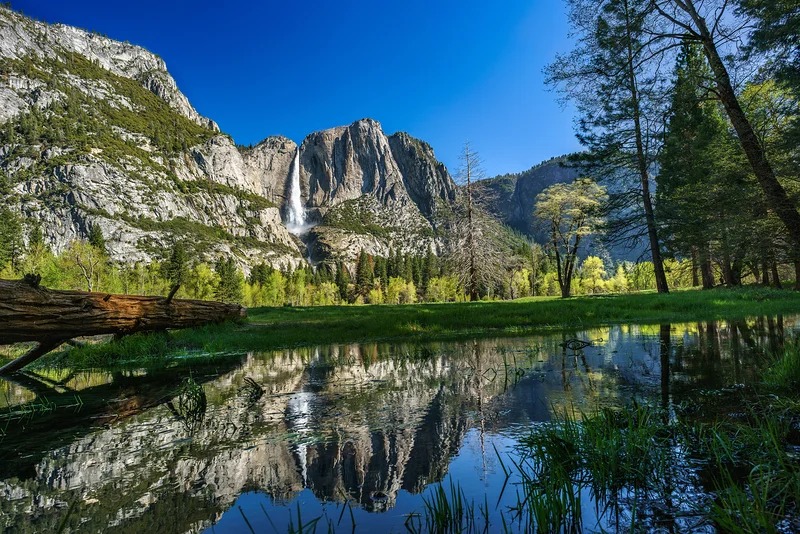
A glacial valley seven miles long, closed off by the three thousand feet of granite of El Capitan and the sheared dome of Half Dome, and Yosemite Falls, two thousand four hundred and twenty-five feet, the highest in North America. It is the natural site our members cite most in the whole state. The question is not whether to visit it, it is whether to sleep in it: the valley lodgings book a year ahead, and those outside add two hours of driving a day. The flip side: the waterfalls dry up from August.
The towns in this area
What to see and do in this area
Where to stay in this area
The Ahwahnee Luxury
Opened in 1927 on the valley floor, made a National Historic Landmark in 1987, with original granite, timber and stained glass. You see Half Dome from the dining room.
Pros
- Sleeping in the valley saves two hours of driving a day
- The natural site our members cite most in California
Cons
- Valley lodgings book a year ahead
- The waterfalls dry up from August onward
Death Valley and the desert The east, on the Nevada line
for the lowest point in America, and for the silence
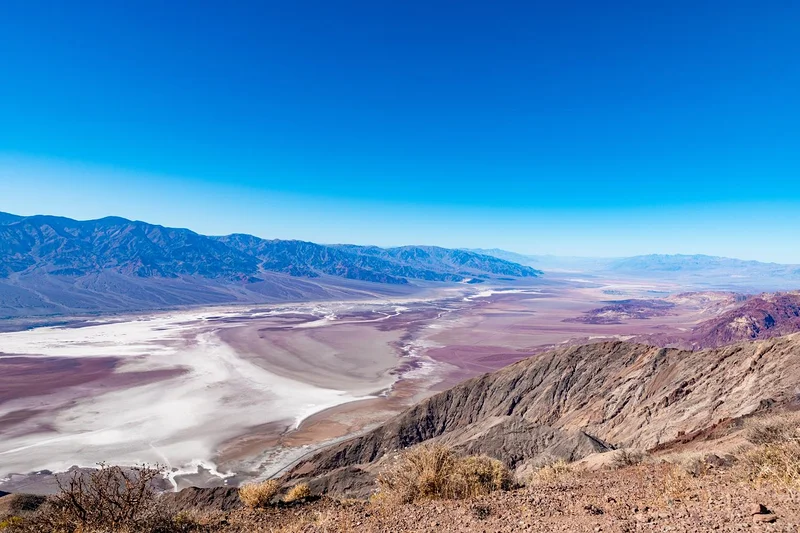
Badwater Basin drops to two hundred and eighty-two feet below sea level, and the thermometer there recorded 134 °F in 1913, a world record never broken. Death Valley is also the largest national park in the United States outside Alaska, and one of the darkest: its dark-sky certification is the highest awarded. On the way, Calico is a restored 1881 ghost town. Be warned: there are only two lodgings in the whole park, and from May to September the heat makes the day unusable.
What to see and do in this area
Where to stay in this area
The Inn at Death Valley Luxury
Built in 1927 on a rise at the mouth of Furnace Creek Wash, sixty-six rooms and a spring-fed pool. The view reaches across the valley to the Panamint range.
The Ranch at Death Valley Mid-range
The park's second lodging, further down, with stables and a golf course at two hundred and fourteen feet below sea level, the lowest in the world. The family option in the area.
Pros
- The darkest sky in the United States, certified
- Two lodgings inside the park, so no morning drive
Cons
- From May to September, the day is unusable
- Two addresses only: book months ahead
The coast, from Big Sur to Santa Barbara Highway 1, between the two metropolises
for the road stop our reviews describe as love at first sight
Four hundred miles of Highway 1 link the two metropolises, and the drive is what makes the trip. Big Sur hangs the road on the cliff face for ninety miles, with Bixby Bridge and McWay Falls dropping straight onto the beach. Morro Bay sets its five-hundred-and-eighty-foot volcanic rock at the harbor mouth, and one of our members calls it "love at first sight". Santa Barbara closes the road with its red roofs. The flip side: Highway 1 closes regularly after landslides.
I absolutely fell in love with the little coastal town of Morro Bay, a one-night stop on a California road trip between San Francisco and Los Angeles.
The towns in this area
Where to stay in this area
Post Ranch Inn Luxury
Forty-one rooms perched on the Big Sur cliff, all with an ocean or mountain view, adults only. It is the address that justifies the stop.
Hotel Californian Luxury
On State Street, one block from the Santa Barbara beach, one hundred and twenty-one rooms behind a Spanish colonial façade, with a rooftop pool and a Moroccan-inspired spa.
Pros
- The road IS the destination, over ninety miles of cliff
- The otters of Morro Bay harbor, which our review advises seeing at dawn
Cons
- Highway 1 closes after every landslide
- Big Sur has very few rooms, and they are expensive
Our tips for booking the right place
- San Francisco or Los Angeles: our reviews decide both ways: "San Francisco is without a doubt the city I liked the most [...] In comparison, Los Angeles is way too spread out", writes one. "San Francisco does not feel like the United States, but rather like Europe [...] so I much preferred Los Angeles", writes another. Both are saying the same thing differently: you choose between walking and driving.
- In Los Angeles, the neighborhood decides the hours lost in the car: One of our members warns: "given the distances in this gigantic city [...] the car is king, and so are the traffic jams". Between Hollywood and Santa Monica, count twenty minutes in the morning and an hour at five in the afternoon. Choosing the area where you will spend most time saves two hours a day.
- Yosemite lodgings book a year ahead: Valley rooms open for booking on a fixed date, thirteen months ahead, and sell out within hours for summer. Sleeping outside costs half as much but adds two hours of driving a day, and park entry requires a timed reservation from May to September.
- Summer fog is a season, not an accident: From June to August, the marine layer covers San Francisco and the coast for much of the day: one of our reviews never saw the Golden Gate "in full light". September and October are the bay's clear, warm months, the opposite of the rest of the country.
- Trying to do San Francisco and Los Angeles in a week with Yosemite: that is fifteen hours of driving for seven days, and two of our reviews say as much in their own words.
- Booking Los Angeles without looking at where you will spend your days: between Hollywood and the beach, an hour of traffic separates two hotels twelve miles apart.
- Aiming for Death Valley between May and September: the thermometer passes 113 °F in the shade, and the trails close at ten in the morning.
- Counting on Highway 1 without checking: the Big Sur road closes for weeks after every landslide, and the detours add three hours.
FAQ: where to stay in California
San Francisco or Los Angeles to sleep in?
Where should you stay in Los Angeles on a first visit?
How many bases should you plan for a week in California?
Should you sleep inside Yosemite park?
Where can you stay cheaply in California?
What is the best time to stay in California?
Our city guides in California
 Keep exploring
Things to do in California
Keep exploring
Things to do in California
Comments (0)
No comments yet. Be the first!