
Santa Barbara, the American Riviera That Means It
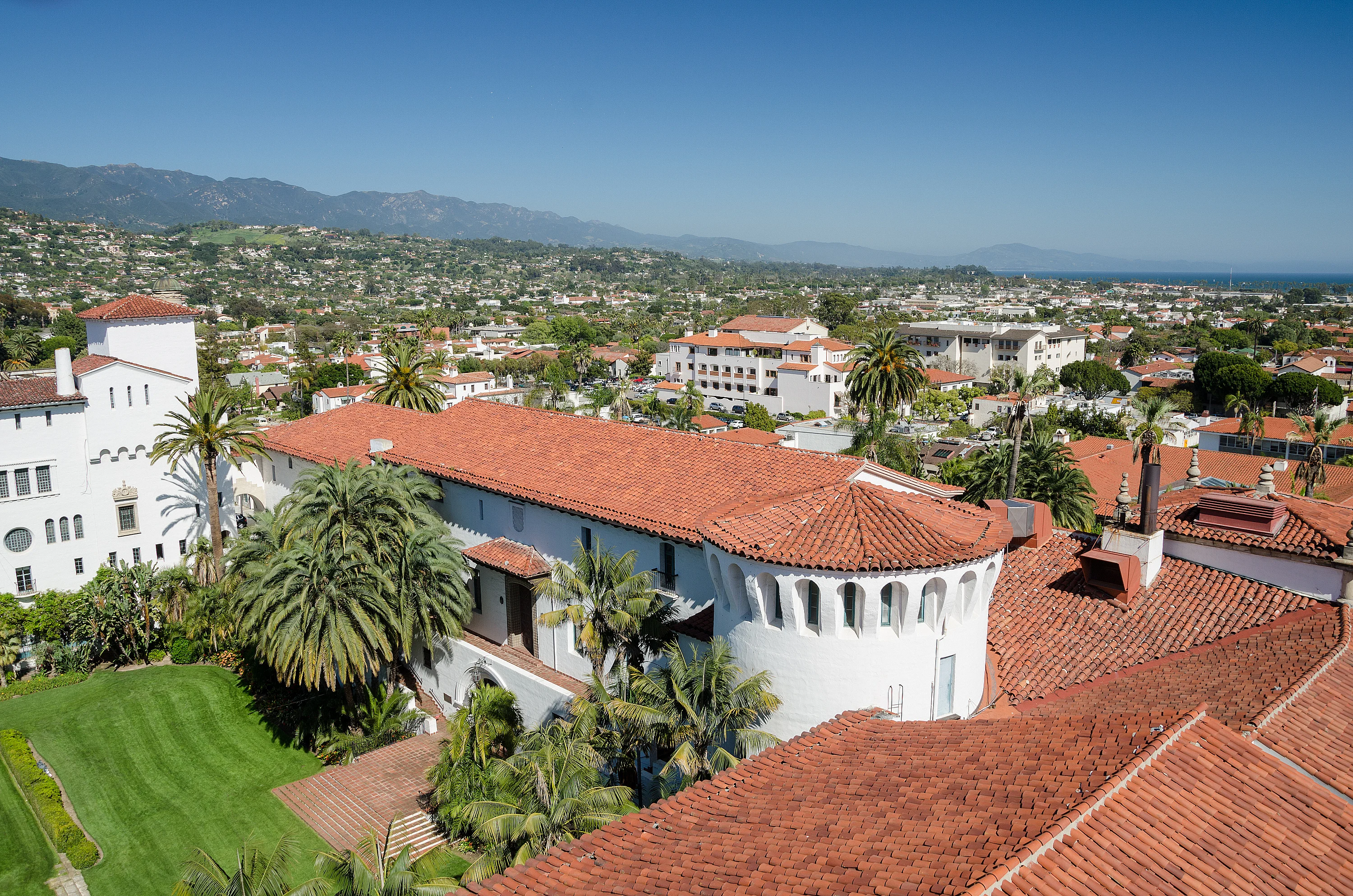
Palm trees line the ocean, dry foothills tumble nearly into the surf, and white stucco buildings with red tile roofs give State Street the feel of an Andalusian town dropped onto the Pacific coast.
That is no accident. Following the earthquake of 1925, the city mandated a Spanish Colonial Revival style for all reconstruction. The result holds firm today, and it disarms.
Is This Destination for You?
You will love Santa Barbara if you want an elegant stopover between Los Angeles and San Francisco, a slow pace, wine, the sea, and cohesive architecture from the first block to the last. It is a city for walking, sitting on outdoor patios, and taking your time.
You might find it dull if you are looking for intense nightlife, bargain prices, or a sprawling city full of urban surprises. Santa Barbara is small, expensive, and light on major world-class museums.
Best suited for:
- Wine lovers who want to hop between tasting rooms without driving for hours
- Couples looking for an elegant and romantic weekend getaway
- Families wanting a mix of beach, nature, and comfort
- Travelers driving the coast between Los Angeles and San Francisco who need a detour that is actually worth it
Not suited for:
- Tight budgets, as this is one of the priciest cities in California
- Fans of bustling big cities and late-night party scenes
- Anyone looking for heavy cultural immersion
Watch Out for Steep Prices
Santa Barbara prices rival those of Los Angeles, and peak summer lodging rates often top them.
| Expense | Daily Range |
|---|---|
| Night in a simple motel or inn | 90 to 150 $ |
| Night in a comfortable hotel near downtown | 250 to 450 $ |
| Quick bite (food truck, sandwich) | 12 to 18 $ |
| Sit-down restaurant meal | 30 to 55 $ |
| Wine tasting at a winery | 20 to 35 $ per tasting |
Estimated rates subject to change
Practical Realities
The center is easy to navigate on foot or by bike, but a car is essential for reaching the vineyards of the Santa Ynez Valley or remote beaches. The climate stays mild year-round, hovering around 18 to 24°C, with heavy morning coastal fog in late spring that locals jokingly call "June Gloom." Safety is rarely an issue, even at night in the downtown area.
The Waterfront and State Street
Things usually start at Stearns Wharf, the oldest working wooden pier on the California coast, built in 1872. You can fish here, grab an ice cream cone, and watch sailboats head into the adjacent marina.
State Street then stretches inland for nearly two miles, lined with boutiques, galleries, and restaurants framed by the quintessential covered arches of Spanish colonial design. The pedestrian-only stretch, created during the pandemic, stays lively well into the evening with illuminated patios.
Friendly tip: rent a bikeshare bike near the pier to cruise the coastal bike path east toward East Beach, which tends to be much quieter than the main downtown stretch.
The Old Spanish Quarter and Missions
Santa Barbara Mission
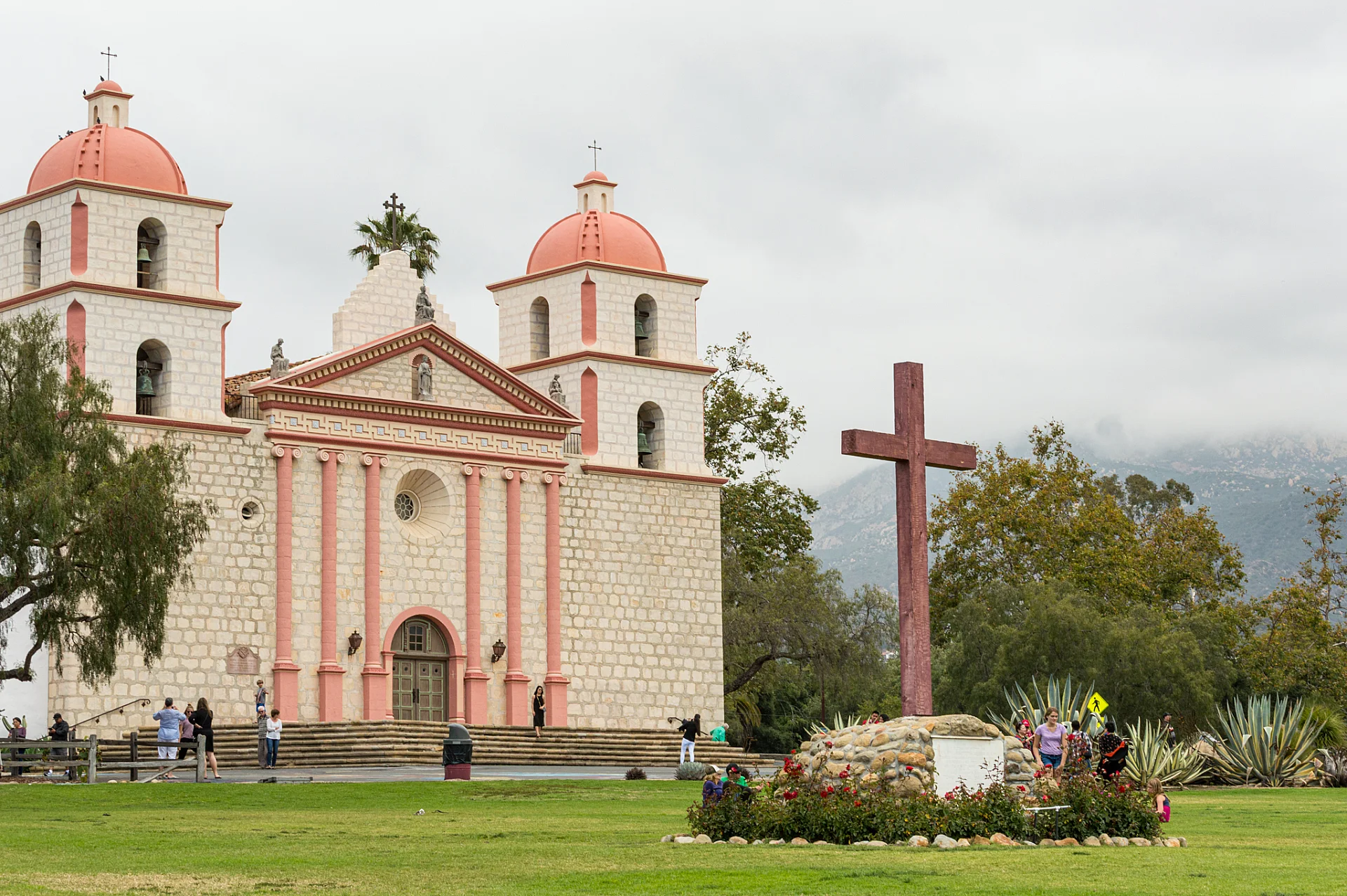
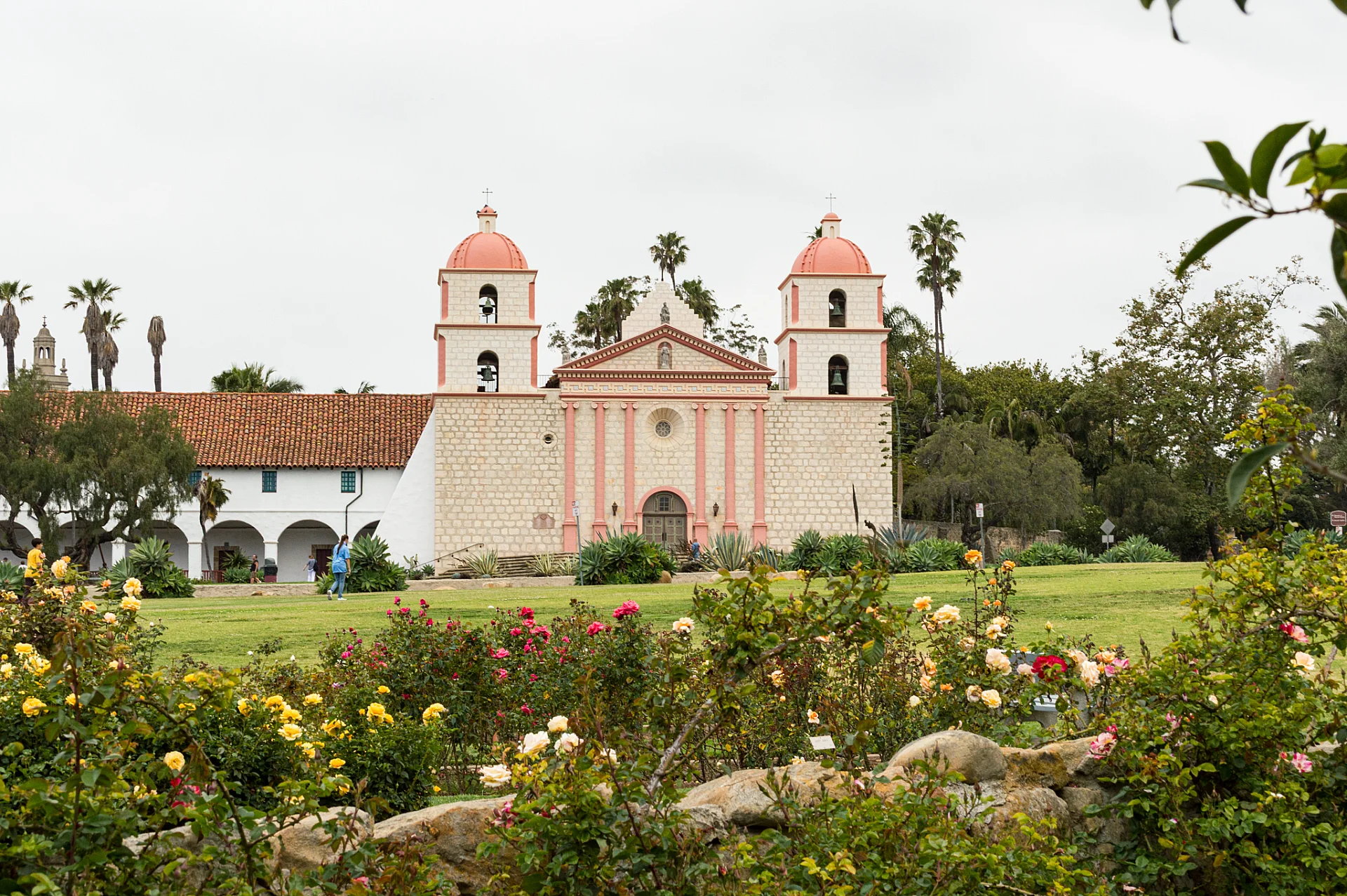
Dubbed the "Queen of the Missions," this Franciscan outpost founded in 1786 looks down over the city from a hillside. Its neoclassical facade, rose gardens, and adjoining cemetery take less than an hour to explore for a modest admission fee.
El Presidio and the Courthouse
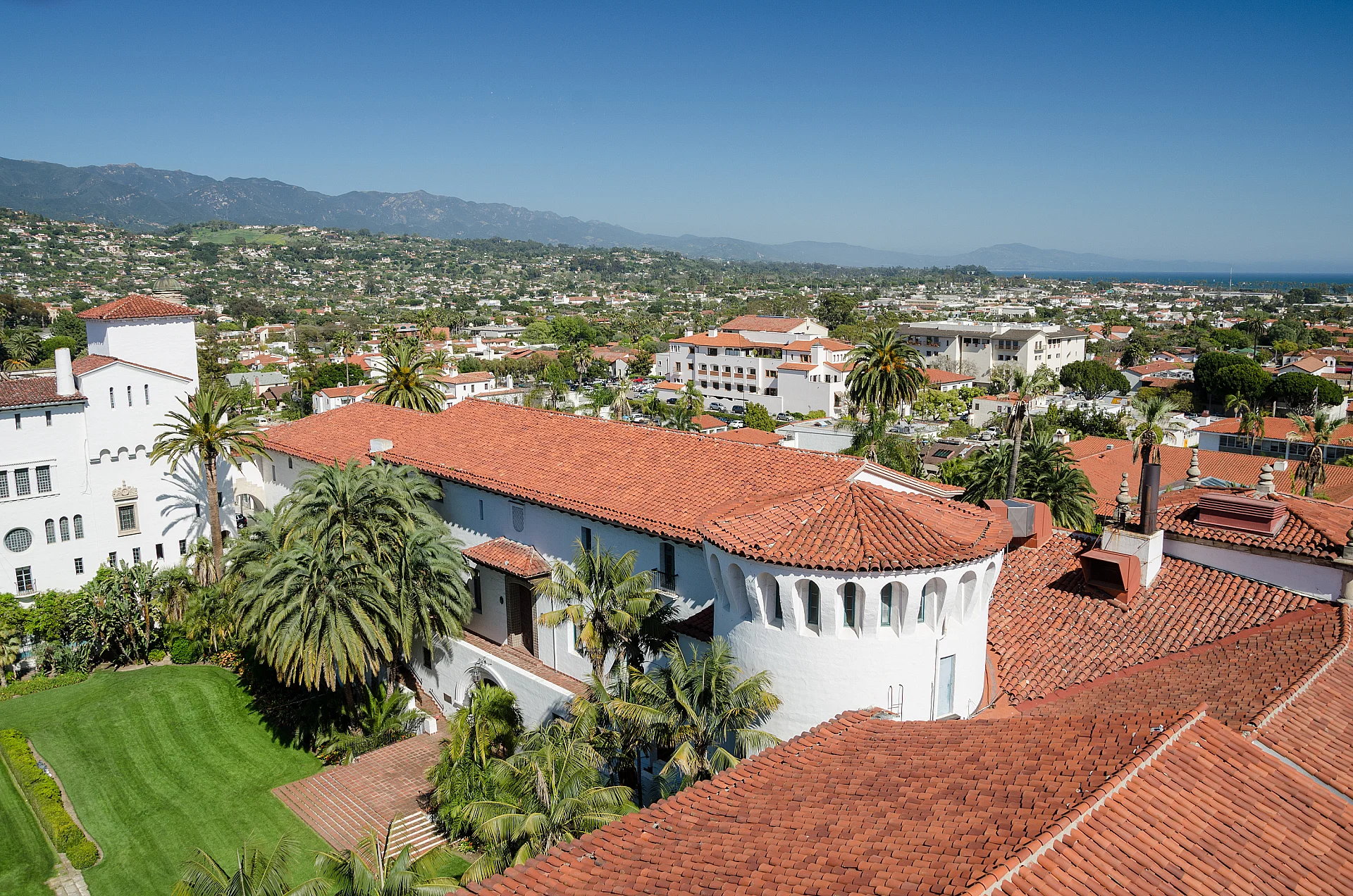
The Santa Barbara County Courthouse, finished in 1929, is worth the climb up its clock tower for free views across the red tile roofs to the ocean. Just steps away, the old Spanish presidio serves as a reminder that the town started as a military outpost long before it became a resort destination.
The Wine Trail Just Past the Hills
Less than 45 minutes north, the Santa Ynez Valley packs dozens of wineries into a landscape of golden rolling hills. Pinot noir and chardonnay lead the way here, shaped by morning Pacific mists. The small town of Los Olivos lets you sample multiple vintages on foot without needing to drive between cellars.
Why visit:
- Wineries within walking distance of downtown Los Olivos
- Family-run estates open year-round, mostly without requiring reservations
- Hillside views that shift colors with the seasons
The Beaches, Each with Its Own Vibe
Butterfly Beach, sitting right in front of the Montecito estates, wins you over with its calm water and fine sand. Hendry's Beach feels wilder, pulling in surfers and off-leash dogs. The contrast between the two captures the dual nature of the region: quiet luxury on one side, raw shoreline on the other.
Where to Eat and Drink in Santa Barbara?
The Saturday morning farmers market on Santa Barbara Street brings together local growers and avocados farmed in the nearby valley. When it comes to dining, fresh fish tacos from the food trucks near the harbor district deliver big flavor for the price. For a sit-down meal, the seafood spots around the port often serve sea urchin and crab caught that very morning.
Where to Stay in and Around Santa Barbara?
Downtown around State Street works best if you want to walk everywhere without a car. Montecito, just to the east, offers a more residential and upscale setting favored by celebrities. For tighter budgets, the motels lining Highway 101 on the outskirts are straightforward and well connected.
How to Get to Santa Barbara?
Santa Barbara Airport (SBA) handles direct flights from several major US hubs, with easy connections through Los Angeles or San Francisco for international travelers. From Los Angeles, plan for about a 2-hour drive or an Amtrak train ride along the coast, a scenic route popular with visitors traveling without a car.
How to Get Around Santa Barbara?
You can cover the downtown core on foot in half a day. The free electric Downtown-Waterfront Shuttle runs between State Street and the pier every 10 to 15 minutes, which helps when the sun gets intense.
For the vineyards or outlying beaches, a rental car is your best bet for flexibility. Rideshares work fine in town, but they get complicated and expensive in the wine valley where tasting rooms are spread far apart.
When Is the Best Time to Visit Santa Barbara?
September and October hit the sweet spot: warm weather, less morning fog than in June, and smaller crowds now that summer is over. July and August bring heavy traffic and peak room rates, while winter brings mild days with occasional rain, perfect for travelers who prioritize quiet, sunny coastal walks.
C'est la ville de la (vieille) série tv ?