
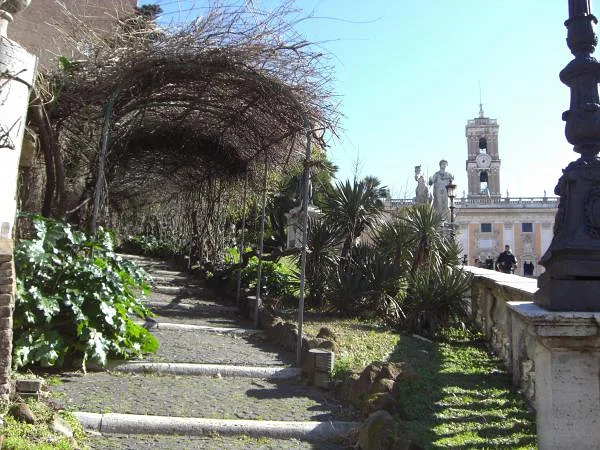
Rome, 28 centuries of history and an espresso on every corner
Every morning right around 6:30 AM, a blank cannon shot rings out from the top of the Janiculum hill. The sound rolls across the entire city. This daily tradition, kept alive since 1847, originally served to synchronize church clocks all over Rome. It captures the spirit of the Italian capital pretty well: an ancient gesture that is still very much alive, and one that most visitors completely miss.
A city that goes far beyond postcards
Rome is not an open-air museum. Above all, it is a living capital of nearly three million residents that is loud, chaotic, and sometimes exhausting. Ancient ruins sit right next to double-parked motor scooters. Cafe terraces spill right over the sidewalks. The real charm happens in that exact contrast between the grandeur of the past and the messy energy of the present day.
Great destination for:
- History and architecture enthusiasts, covering everything from antiquity to the Baroque period
- Italian food lovers, from authentic carbonara to fried supplì rice balls
- Couples looking for romance and long evening walks at dusk
- Solo travelers: the city is safe, well-connected, and easy to figure out
Skip this destination if:
- You hate crowds: major tourist sites are packed from April through October
- Travelers with limited mobility: uneven cobblestones, a lack of ramps, and subway stations often missing elevators
- Travelers on strict tight budgets: central lodging gets expensive
A budget that depends on your choices
Rome remains more approachable than Paris or London, but prices have climbed visibly over the last few years. Here are a few benchmarks per person, per day:
| Expense category | Price range |
|---|---|
| Hostel bed or 2-star hotel night | $45 to $79* |
| Well-located 3 to 4-star hotel night | $113 to $210* |
| Quick bite on the go (pizza al taglio, supplì) | $5.70 to $12* |
| Sit-down trattoria meal | $17 to $29* |
| Public transit plus one major attraction | $23 to $40* |
| Backpacker daily total | $90 to $135* |
| Comfortable daily total | $180 to $290* |
Preparing for practical realities on the ground
The historic center is easy to walk across, but distances can fool you. Count on a solid 25-minute walk between the Colosseum and the Trevi Fountain over pavement that is occasionally uneven. During summer, temperatures regularly top 95 degrees, making outdoor sightseeing brutal between noon and 4:00 PM. As for safety, pickpockets are the main hazard, mostly clustered in the subway and around heavy tourist spots. Keep your bags zipped and in front of you, and you will be fine.
The language barrier is practically nonexistent in tourist zones. On the other hand, local business hours often catch visitors off guard: many shops shut down between 1:00 PM and 4:00 PM, and restaurants do not open for dinner until 7:30 PM at the earliest.
The ancient center: where it all started
The Colosseum is just as massive in person as it is in photographs. Its 50,000-seat capacity, labyrinthine corridors, and remaining pulley system tracks let you picture the sheer scale of the spectacles held there. Right next door, the Roman Forum spreads out the ruins of what used to be the political core of the Empire. A single combo ticket covers both sites plus the Palatine Hill, valid for 24 hours.
Friendly tip: book your tickets online ahead of time without fail, and aim for a time slot before 9:00 AM or after 3:00 PM. Lines routinely stretch past an hour during midday. State-run museums offer free entry on the first Sunday of every month, but the crowds are even worse.
The Pantheon, a ten-minute walk away, remains one of the best-preserved ancient buildings on the planet. Its 140-foot concrete dome features a central 30-foot oculus that lets in a shifting beam of natural sunlight across the interior as the hours pass. Entry requires a ticket now: expect to pay $5.70*. It is a small price to pay for that view.
Trastevere, Monti, and Testaccio: three neighborhoods, three distinct vibes
Trastevere, located across the Tiber River, is the neighborhood every guidebook pushes for its village atmosphere. Keep expectations grounded: by evening, the narrow streets around the Piazza di Santa Maria get completely overrun. To find some quiet, head toward the southern end of the neighborhood near the Via di San Francesco a Ripa. The trattorias there cost less and the outdoor tables are far less crowded.
The Monti neighborhood, an old working-class enclave that turned into a haven for independent designers and wine bars, offers a completely different feel. The Via del Boschetto packs independent boutiques and cafes where actual locals hang out. It also serves as an ideal base for walking over to the Colosseum or Termini station.
Testaccio is where Romans go to eat well. The old slaughterhouse district now hosts the Mercato Testaccio, a covered market where you can grab some of the absolute best carbonara and cacio e pepe in the city at formica counters for fair prices.
The surprises that classic guidebooks skip
The Coppedè district, wedged between Via Tagliamento and Piazza Buenos Aires, looks like a fantasy movie set. The buildings mix Art Nouveau, Gothic influences, and medieval motifs into a completely unique visual mashup. It stands out as one of the most photogenic corners of the city, and it stays remarkably quiet.
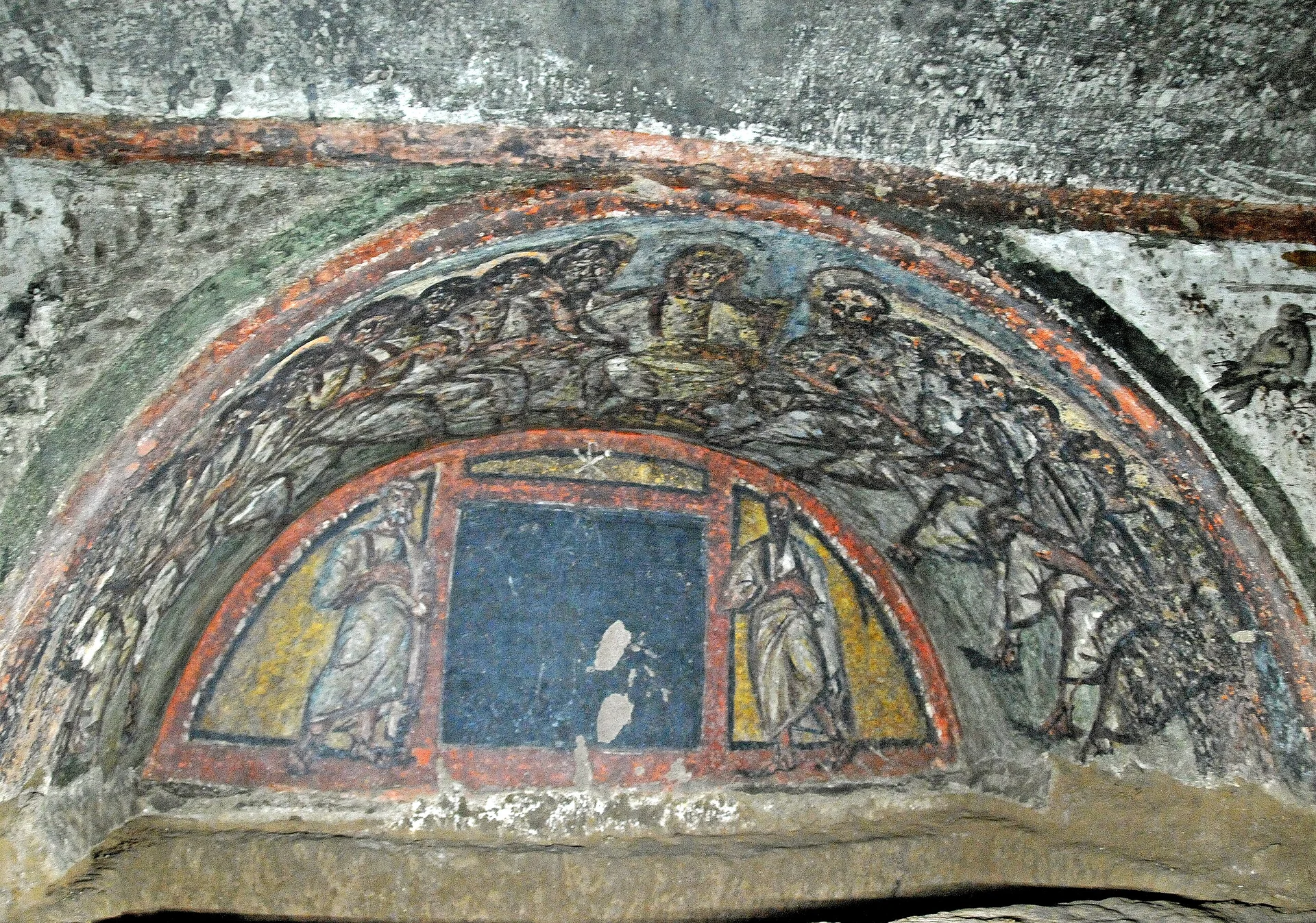
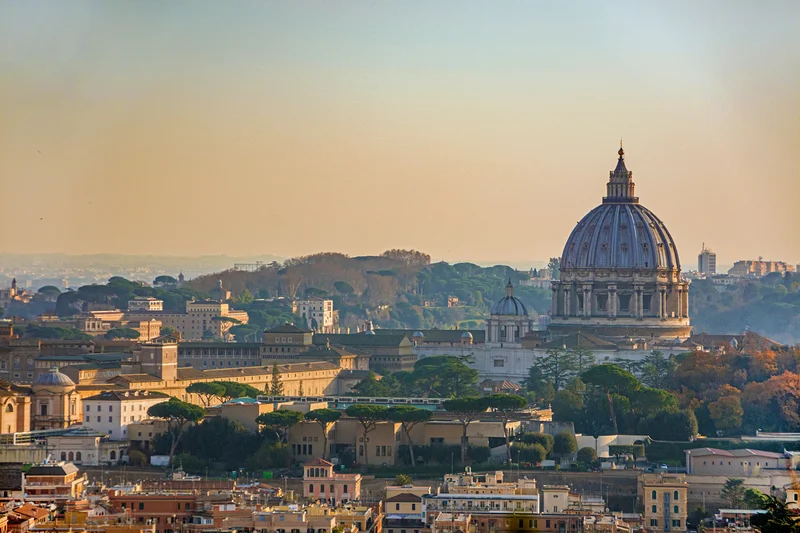
Up on the Aventine Hill, the famous keyhole of the Priory of the Knights of Malta frames the dome of St. Peter's Basilica perfectly through a tunnel of cypress hedges. Right nearby, the Orange Garden offers a panoramic city view that is unbeatable at sunset. For an underground option, the Basilica of San Clemente drops down three distinct levels, taking you from a medieval church down to a 2nd-century pagan temple of Mithras.
The Borghese Villa, a massive park north of the center, holds one of Italy's top art collections. The Borghese Gallery displays works by Bernini, Caravaggio, and Raphael in an intimate setting. Advance reservations are mandatory, structured in two-hour entry blocks.
Fountains, piazzas, and walks at dusk
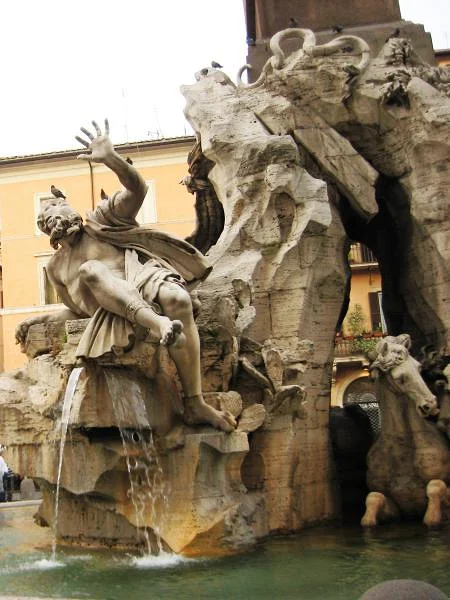
The Trevi Fountain is undeniably spectacular. However, the daytime experience gets ruined by a wall-to-wall crowd. Show up after 10:00 PM when the night lighting turns the marble gold and the square finally clears out. Piazza Navona, featuring Bernini fountains and grand baroque facades, is much nicer in the late afternoon when the low sun stretches long shadows across the paving stones.
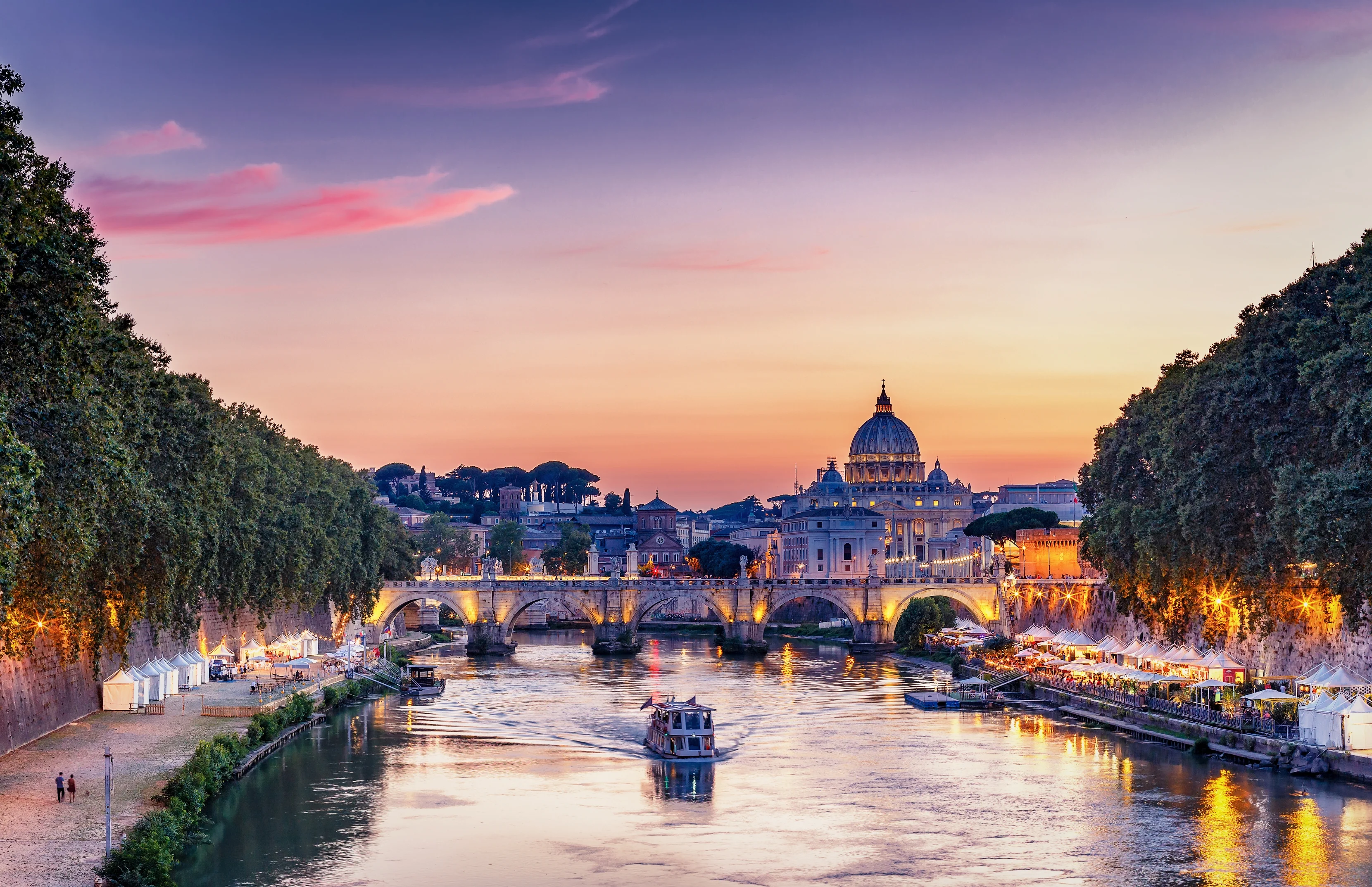
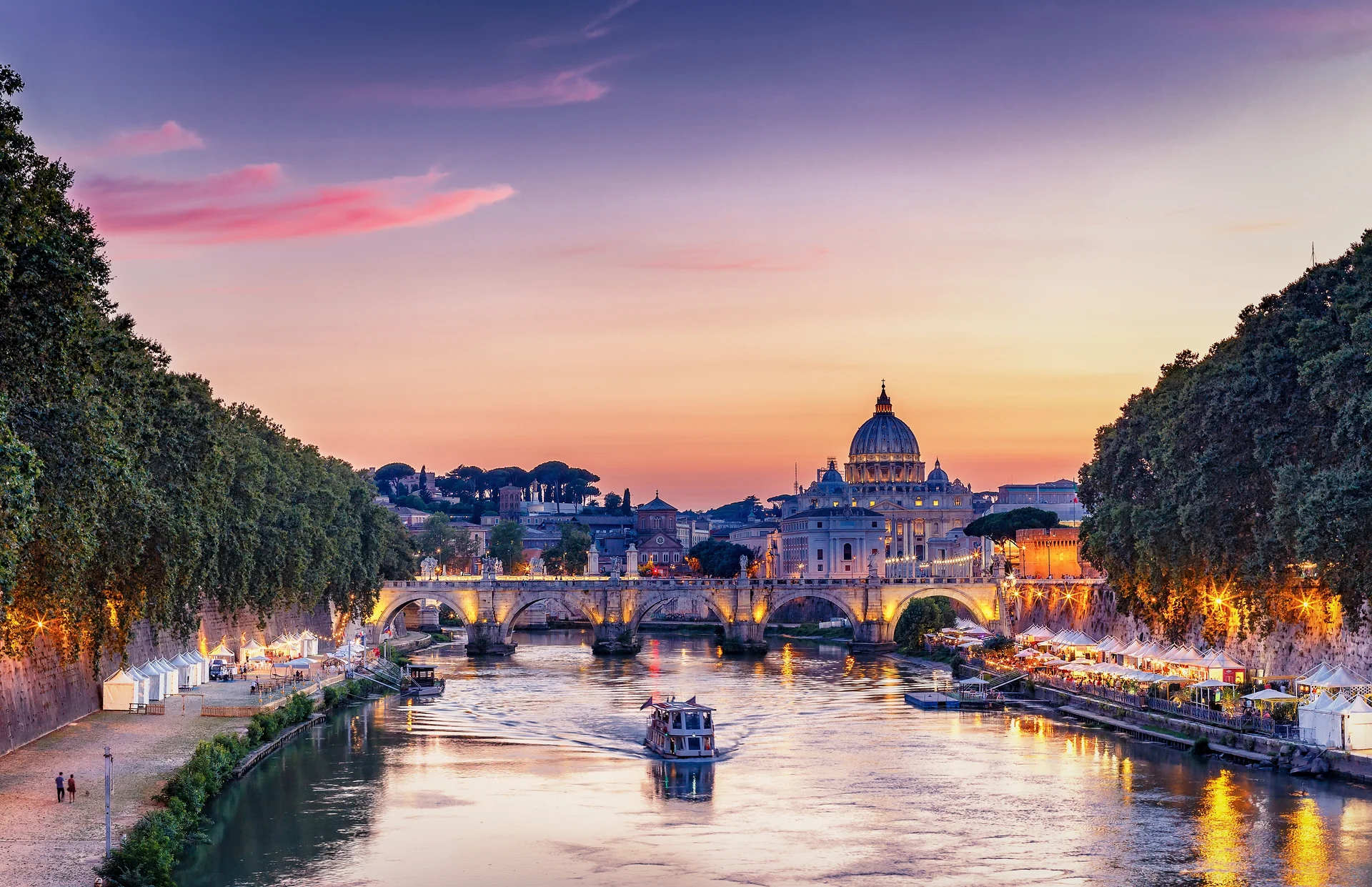
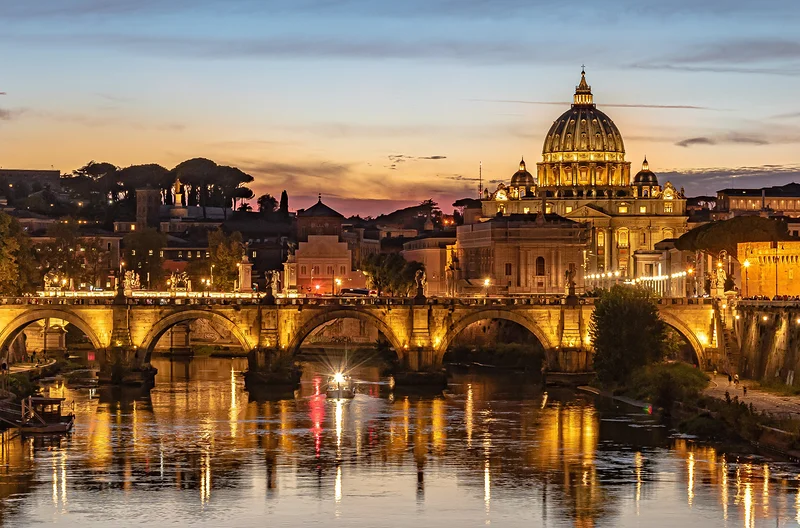
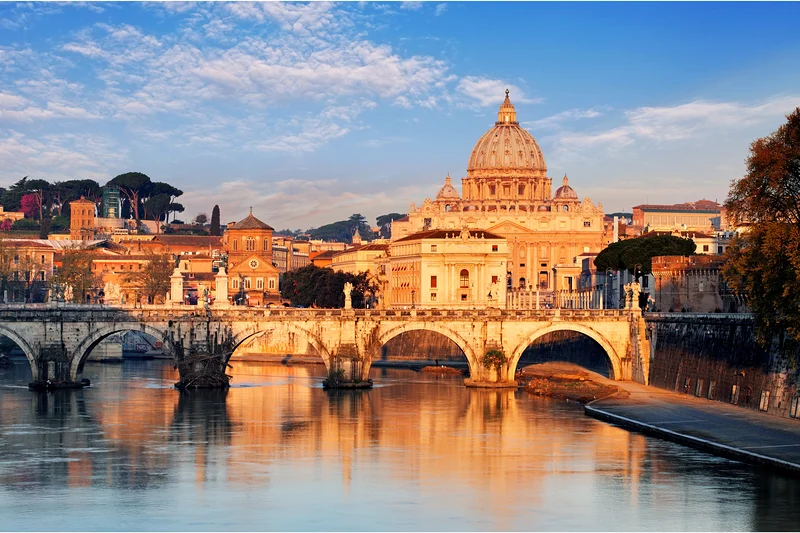
Piazza di Spagna with its monumental steps leading up to the Trinità dei Monti church is a mandatory stop. For a less crowded stroll, walk along the Tiber River at dusk starting from Ponte Sant'Angelo down to Ponte Sisto, where the golden light hitting the ochre building facades beats any standard monument.
Where to eat and drink in Rome
Roman cooking relies on a few core pillars: carbonara made with cured pork jowl and pecorino romano cheese, deceptively simple cacio e pepe, and tomato-and-chili-spiked amatriciana. The supplì, a fried rice croquette stuffed with gooey mozzarella, is the undisputed king of street snacks. On the sweet side, the maritozzo, a split sweet bun stuffed with a mountain of whipped cream, pairs with your morning coffee.
Friendly tip: order your coffee standing up at the bar counter just like the locals do. The price jumps from $1.40* up to $3.40* or $4.50* the moment you sit down at a table outside. Also, if a bread basket lands at your table without you ordering it, know that it will show up on the bill. Just say "no pane" to avoid the surprise.
A few reliable spots include Roscioli in the historic center for handmade pasta and an extensive wine cellar, Da Enzo al 29 in Trastevere for no-frills traditional cooking, Pizzarium near the Vatican for the city's finest pizza al taglio, and Trattoria Pennestri in Testaccio for an updated spin on the classics. Avoid any restaurant with photos of food posted on the front door because it is a reliable warning sign.
How to get to Rome?
Fiumicino Airport, the main international hub, links to the center via the Leonardo Express, a direct train that reaches Termini station in 32 minutes for $16*. Departures run every 15 minutes. A more budget-friendly alternative is the FL1 regional train, which stops at Trastevere, Ostiense, and Tiburtina stations for roughly $9*. From the budget carrier hub at Ciampino, shuttle buses connect to Termini in 40 minutes for $5.70 to $7.90*.
By train, the high-speed Frecciarossa line connects Rome to Florence in 1 hour and 30 minutes, Naples in 1 hour and 10 minutes, and Milan in under 3 hours.
How to get around Rome?
The historic center is entirely walkable. For longer hops, the ATAC transit network combines subways, buses, and streetcars. A single ticket costs $1.70* and remains valid for 100 minutes. The 72-hour Roma Pass priced at $71* covers unlimited transit and free admission to two museums, which makes financial sense if you plan to hit the Colosseum and the Borghese Gallery.
Official taxis are white and display the SPQR logo on the side doors. A cross-town ride typically runs between $9 and $17*. Uber operates in Rome, but only via Uber Black, making it pricier than standard street cabs. Avoid driving a personal car inside the center entirely since the camera-monitored limited traffic zones hit non-residents with heavy fines.
When to go?
The best windows for a visit are April through May and September through October, when temperatures sit comfortably between 64 and 77 degrees, lighting is ideal, and crowds remain manageable. Summer is stifling, packed, and partially shuts down around August 15th when locals head out of town for vacation and many local spots close. Winter delivers lower rates and empty monuments, but rain shows up often and daylight hours are short.
Il paraît que tous les chemins mènent à cette ville... et pourtant, je marche je marche, je ne l'ai toujours pas trouvée ! 😁