Visiting Vatican City, the World's Smallest Country
You can walk across Vatican City in about 20 minutes, yet it holds more significant art per square foot than almost anywhere on earth. Technically an independent state sitting inside Rome, it functions simultaneously as a sovereign nation, the headquarters of the Catholic Church, and one of the most densely packed art collections you'll ever encounter. The experience is extraordinary, but it comes with serious crowds and a logistical discipline you need to embrace upfront.
Is Vatican City the Right Trip for You?
If you're drawn to art history, religious architecture, or Renaissance masterworks, this is as good as it gets. Michelangelo, Raphael, and Bernini all left major work here, concentrated in a space smaller than most US city parks. But go in with clear expectations: long lines, packed galleries, and a steep museum admission are all part of the deal.
If you're looking for a relaxed, nature-focused trip, this isn't it. But if you want the feeling of standing inside one of the most historically loaded places in Western civilization, it delivers.
Sacred Art on a Scale You Won't Find Anywhere Else
The Vatican Museums hold one of the largest art collections in the world, spanning ancient Roman sculpture, Greek antiquities, and wall-to-wall Renaissance painting. The complex is genuinely labyrinthine, and museum fatigue is real. Plan your priorities before you go.
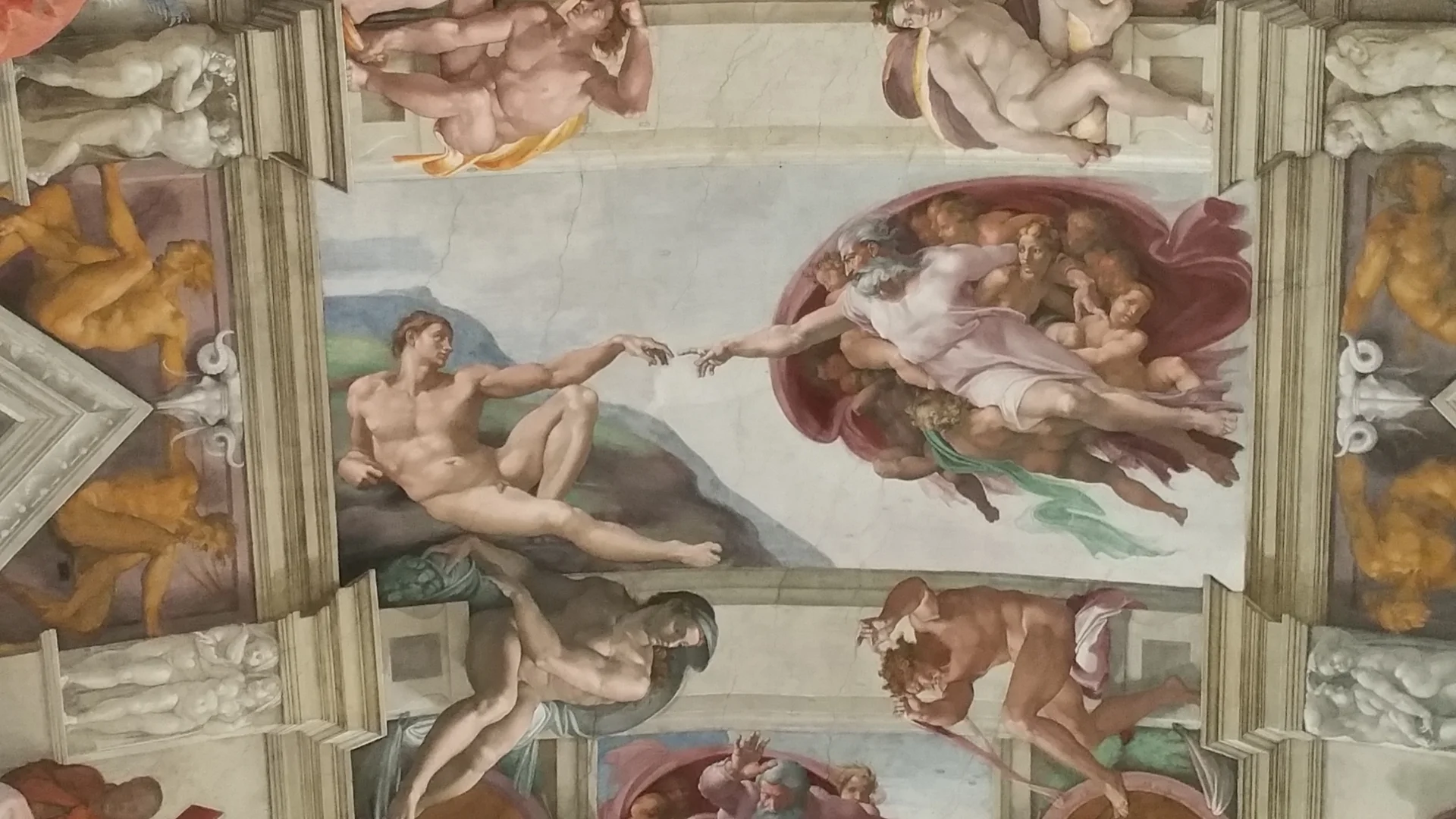
The undisputed highlight is the Sistine Chapel, where Michelangelo painted the ceiling and the Last Judgment on the altar wall. You'll be craning your neck alongside hundreds of other visitors, but seeing it in person still hits differently than any photo or textbook.
Friendly tip: Book your tickets online in advance. First entry slots (right at opening) or late-afternoon sessions are noticeably less packed than midday. Walk-up lines can add two or more hours to your visit.
St. Peter's Basilica, the Centerpiece
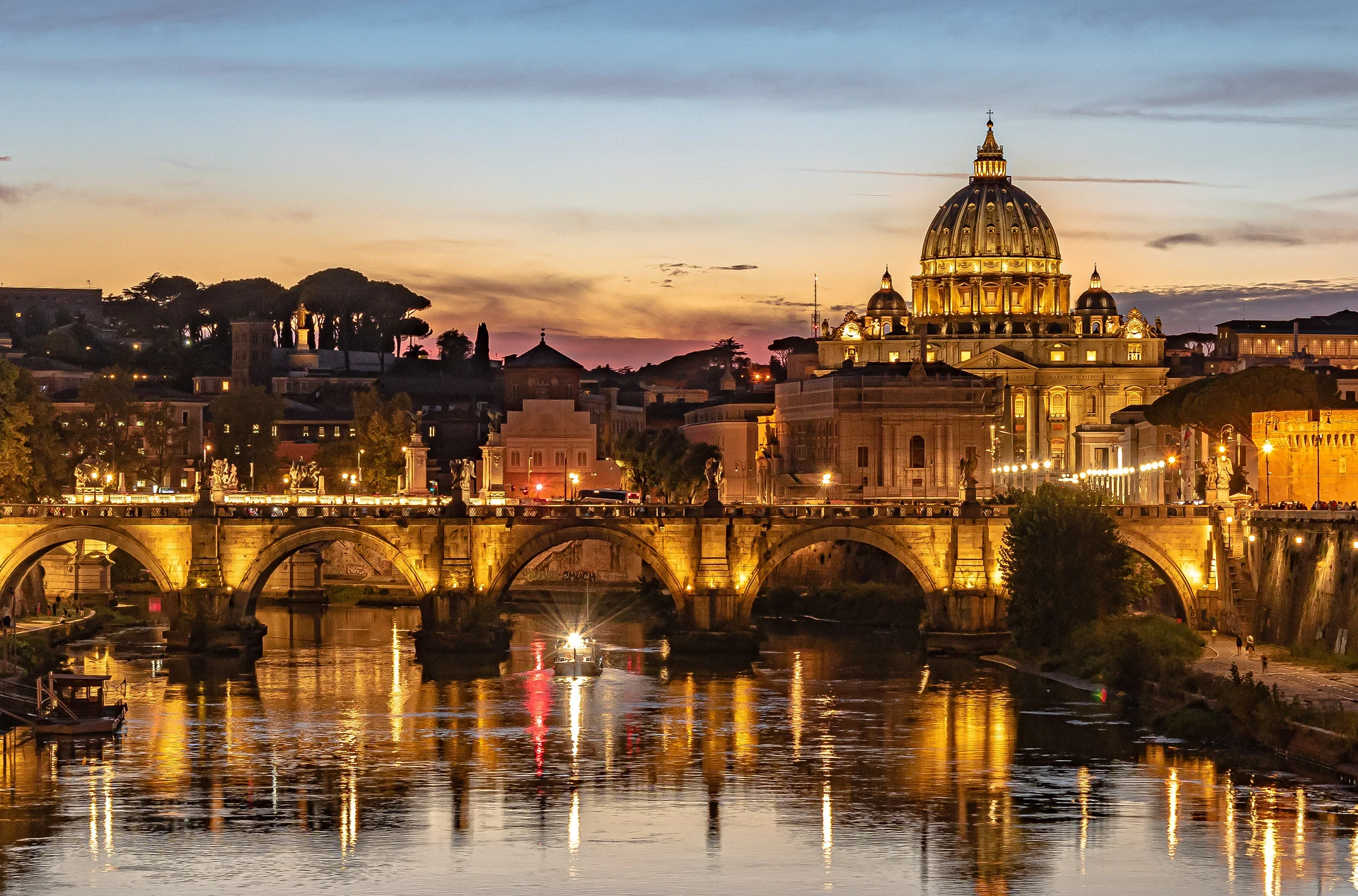
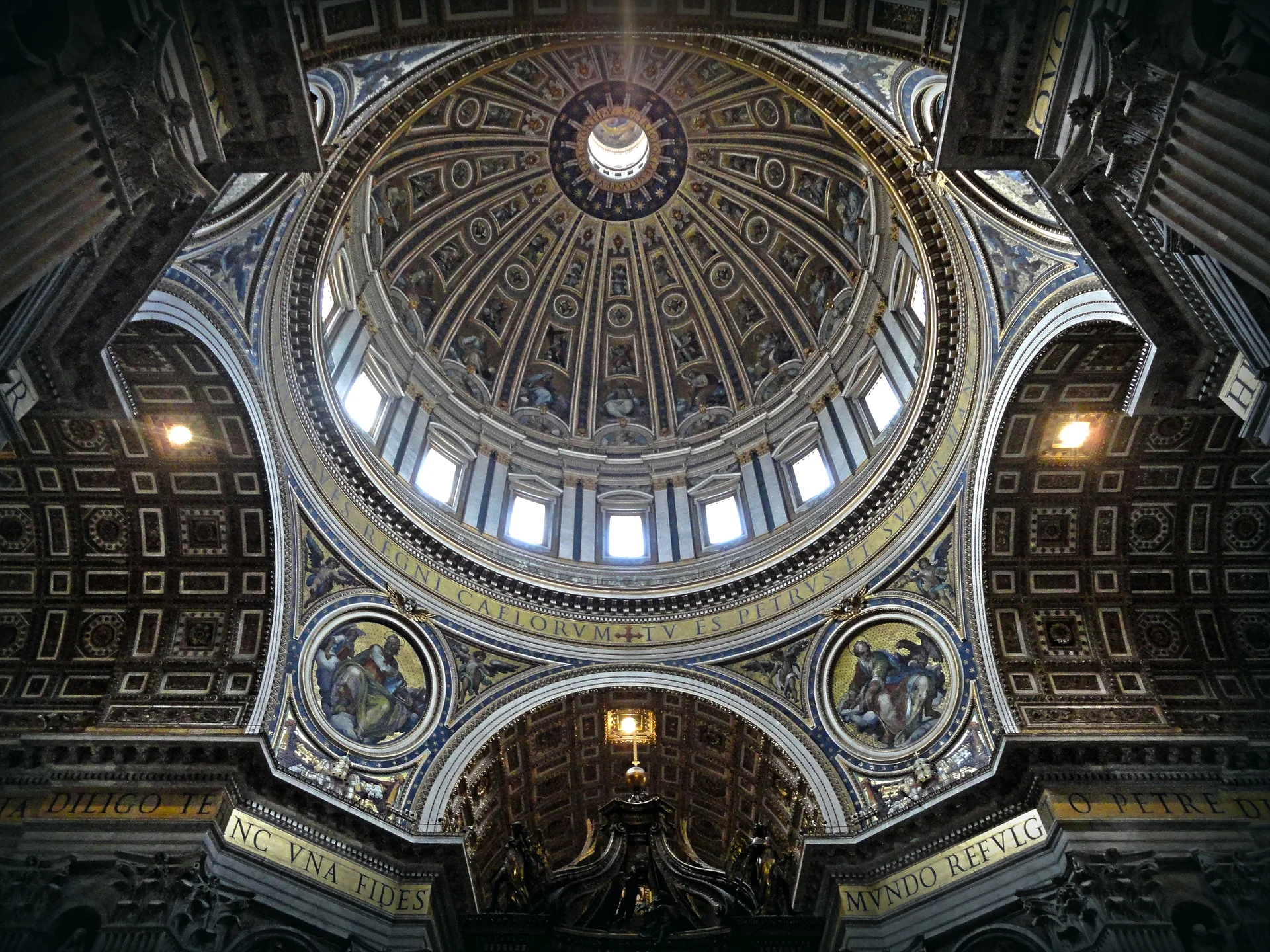
St. Peter's Basilica is the largest Catholic church in the world, and its dome dominates Rome's skyline. Climbing to the top via stairs gives you a panoramic view of the city that's worth the effort. Budget around 30 minutes for the climb.
Inside, Michelangelo's Pietà, Bernini's towering bronze baldachin, and the sheer scale of the nave are genuinely hard to process at first glance. One important note: entry to the basilica is free, which means the crowds here can actually rival those inside the paid museums.
St. Peter's Square
The plaza in front of the basilica, framed by Bernini's sweeping colonnades, is where papal audiences and major Catholic events take place. Even if you have no religious connection, standing in that space during a large gathering is something you won't easily forget.
The Vatican Gardens and the Quieter Side
Most visitors never realize that the Vatican Gardens cover nearly half the country's total land area. Access is restricted to guided tours only, but if you want a break from the crowds and a more contemplative side of Vatican City, it's worth pursuing.
The gardens include fountains, statues, and some of the best angles on St. Peter's dome you'll find anywhere. It's a reminder that this is also a functioning place of residence and reflection, not just a tourist site.
Friendly tip: Garden tour slots are limited and fill up fast. Book several weeks ahead, especially if you're visiting in spring or fall.
A Functioning State with Real Quirks
Vatican City has its own postal service, issues its own euro coins (which are technically legal tender but rarely circulate outside collectors' hands), and even fields an amateur soccer team. The Swiss Guard, in their distinctive striped uniforms, have been protecting the Pope and the Vatican since the early 1500s. For a lot of travelers, the intersection of faith, history, and geopolitics here is just as interesting as the art.
Eating Near the Vatican: Roman Food, Roman Rules
Vatican City has no cuisine of its own, but it sits in Rome, so the food situation is excellent if you know where to look. The trattorias immediately surrounding St. Peter's Square tend to be overpriced and tourist-oriented. Walk five to ten minutes in any direction and you'll find spots where Romans actually eat, serving proper carbonara, amatriciana, and pizza al taglio (Roman-style pizza sold by the slice) at reasonable prices. A full sit-down lunch there costs far less than the same meal served in sight of the basilica.
Best Time to Visit Vatican City
You can visit year-round, but the experience varies significantly by season. Spring (April-May) and fall (September-October) offer the best balance of comfortable temperatures and manageable crowds. Summer is brutal, both for the heat and the lines. July and August are peak tourist season in Rome, and the Vatican feels it. Winter is the quietest time and gives you the most breathing room inside the museums, though some days are rainy and gray.
Getting to Vatican City
Most US travelers fly into Rome's Fiumicino airport (FCO), which handles the majority of international flights, with Ciampino (CIA) as a secondary option for budget carriers. From either airport, you can reach central Rome by train, bus, or taxi.
Once in Rome, Metro Line A gets you to Ottaviano station, a short walk from St. Peter's Square. It's the most direct option. If you're staying in central Rome, walking to the Vatican through the city is also a good choice and lets you take in the neighborhoods along the way.
Getting Around Vatican City
The entire country is walkable. Everything, the basilica, the museums, the gardens, is within a compact perimeter. That said, plan for a full day. Lines and crowd density consistently push visit times well beyond what the map suggests. For getting around Rome itself while you're based near the Vatican, Metro Line A and the bus network are your most practical options, though this is a city where walking rewards you at every turn.