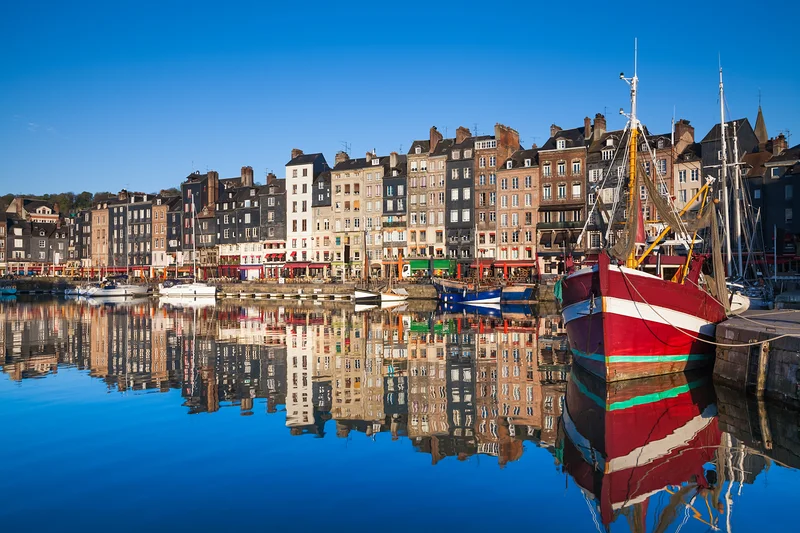
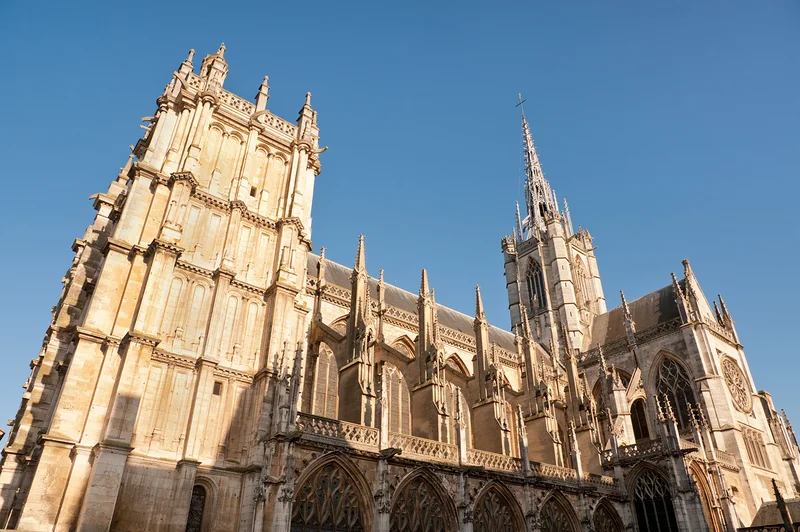
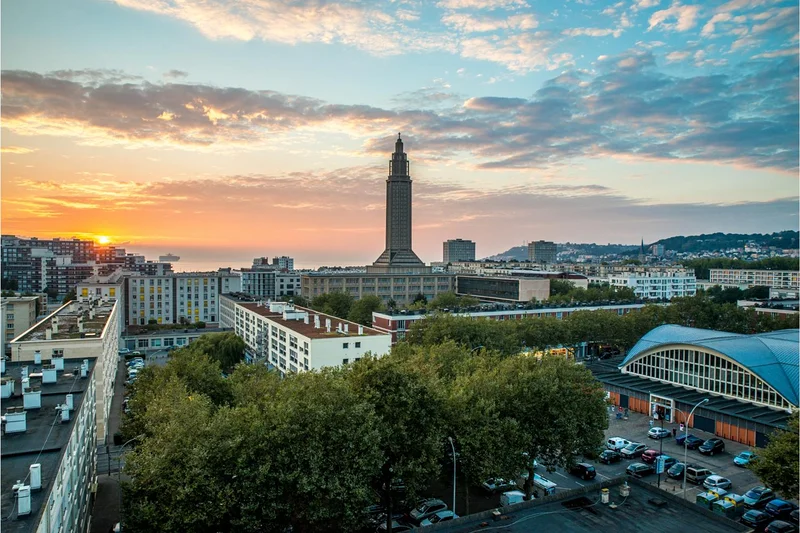
Rouen et ses maisons à colombage

Top 10 most beautiful cities in Normandy to visit2026 ranking

Discover the most appreciated cities in Normandy by our members. Feel free to publish your own reviews to take part in this collaborative ranking.

The most beautiful cities in Normandy

#1 Rouen +116 recs

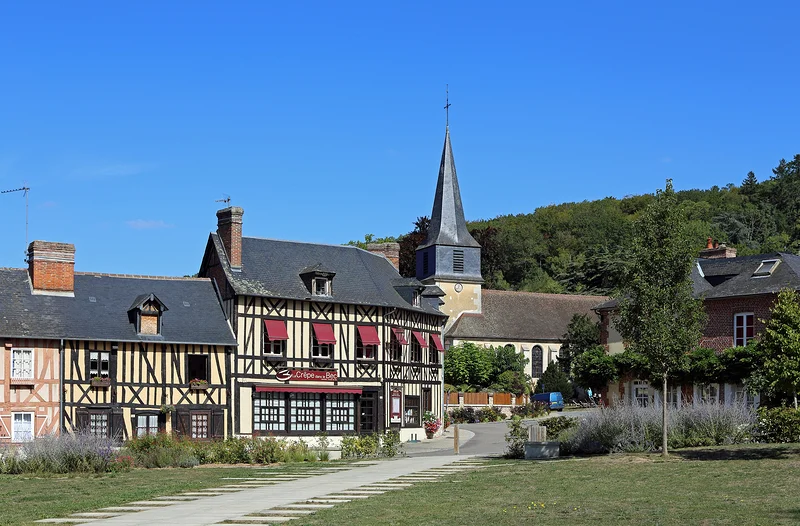
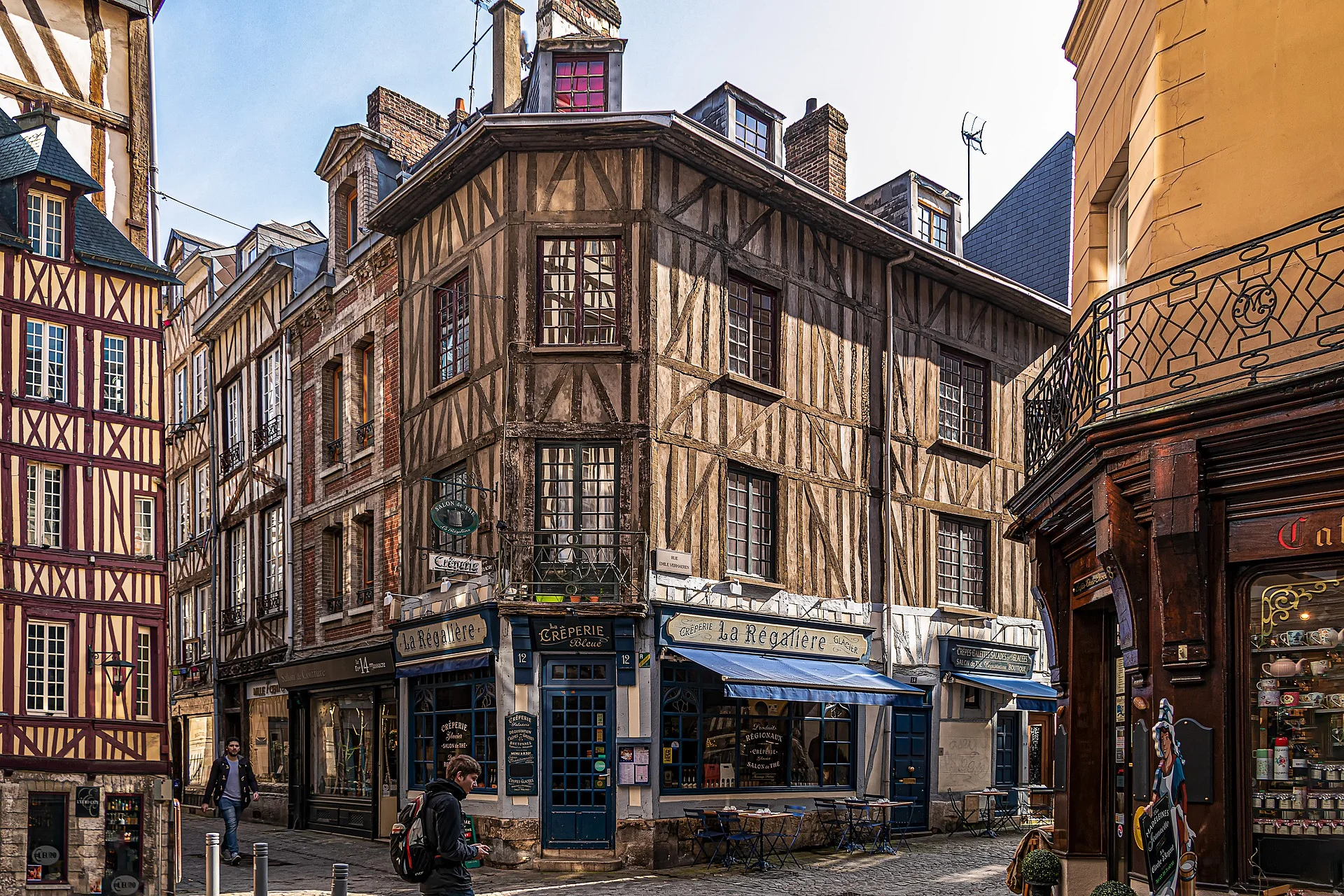
Rouen features one of France's best-preserved medieval centers, where half-timbered houses cluster around the cathedral famously painted by Monet. From the square where Joan of Arc met her end to the macabre Aître Saint-Maclou ossuary, the Norman capital reveals centuries of history on every block. It is a dense, stone-filled city perfect for a culture-focused weekend just one hour from Paris.

Must-sees

#2 Etretat +89 recs

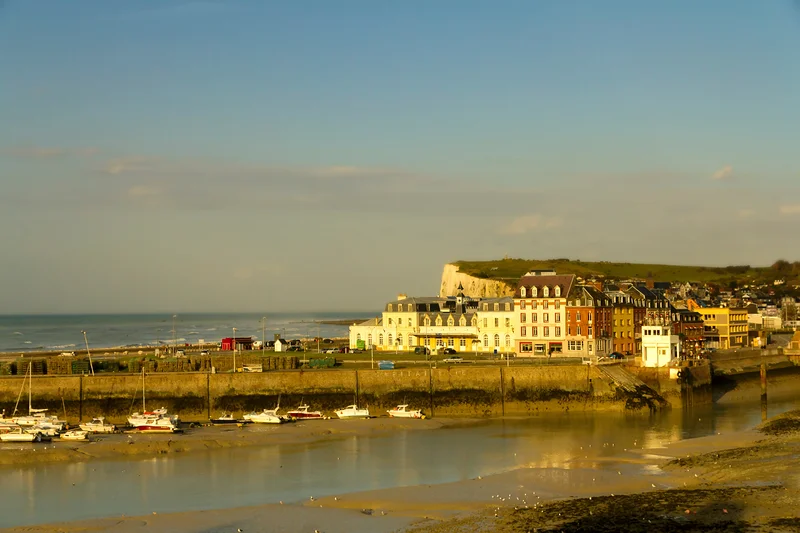
The cliffs of Etretat obsessed the Impressionists, with Monet returning over 80 times to paint the shifting light against the white chalk. The 55-meter Aiguille (Needle) rock formation juts out of the surf, famously cited by author Maurice Leblanc as the secret hiding place for the lost treasure of the French kings. Three monumental stone arches have stood against the sea for 100 million years, creating a natural spectacle that continues to shift daily due to constant erosion.

Must-sees

#3 Mont Saint-Michel +85 recs

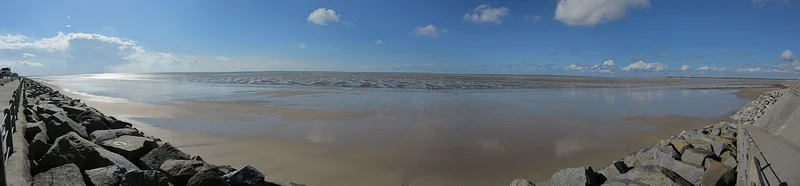
Mont Saint-Michel rises from the tidal flats as a stone pyramid between sky and sea, home to some of Europe's most dramatic tides. This abbey perched on a granite outcrop features dizzying medieval architecture and narrow, winding cobblestone streets. Whether you are walking barefoot across the bay, eating salt-meadow lamb, or watching the tidal bore, the experience is distinct. While the site draws heavy crowds, it remains rewarding at sunrise or after dark when the day-trippers head home.

Must-see

#4 Deauville +62 recs

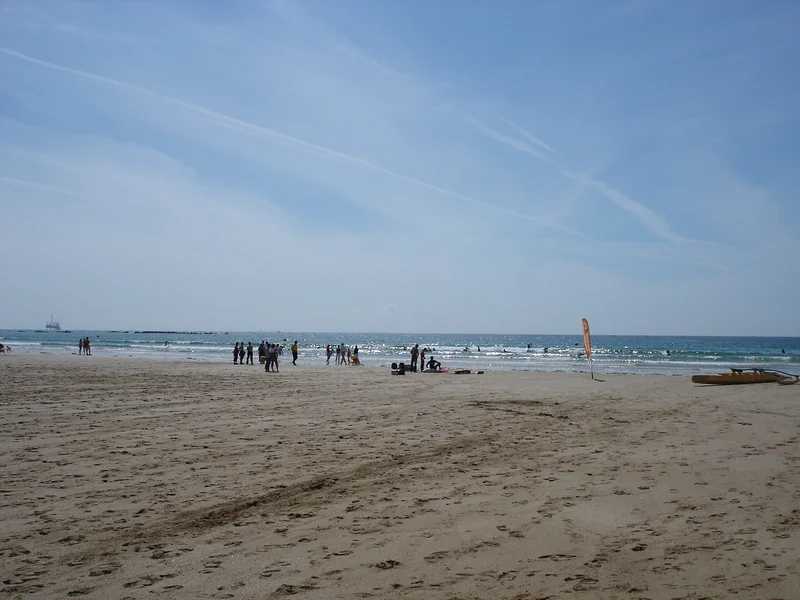
Located in the Calvados department, Deauville is arguably the most recognizable seaside resort in Normandy. With its casino, expansive sandy beach, horse racing tracks, and convention center, it has cultivated a reputation for elegance and high-end charm that resonates far beyond France.

Coastal breezes

The main attraction is the two-kilometer stretch of sand along the Côte Fleurie. During the 19th century, the adjacent town of Trouville sought to establish itself as a premier destination. By altering the local sandbanks, the town inadvertently redirected currents to create a wide beach perfect for swimming and water sports. The wind here is consistent, making it a reliable spot for kite-surfing, sailing, and wakeboarding. Deauville is also a go-to destination for those wanting to ride horses along the shore at sunset, with several equestrian centers offering guided rides for all skill levels.

If you prefer a slower pace, take a walk along the famous Planches, the boardwalk that serves as the town's calling card. Built in 1923 to keep high-fashion hemlines clean from the sand, the path is lined with 450 Art Deco beach cabins, most of which are rented out for the full season or the entire year. The wooden partitions between these cabins are etched with the names of celebrities who have visited for the American Film Festival, a tradition held here every September since 1975.

Architectural heritage

To see the town's roots, head up to the Vieux Deauville neighborhood. The historic homes and the Saint-Laurent church remain key parts of the local landscape. Deauville underwent massive expansion throughout the 19th century, resulting in the construction of numerous luxury villas. For the best examples, head to the peninsula or explore the area around place Yves-Saint-Laurent and place Morny. The villa Strassburger, a classic example of Norman architecture, is particularly striking.

Deauville projects its signature glamour through landmarks like the Casino Deauville Barrière, which houses restaurants and a performance venue. Many travelers visit specifically for the local thalassotherapy and spa culture, which has been a staple here for decades. Finally, the hippodrome de la Touques remains a major draw, hosting high-profile horse races throughout the year.

When to go

If you prefer to avoid gray skies and rain, aim for a visit between June and September. The period from November to March is often gloomy, though it does offer a chance to see the town without the typical tourist crowds.

Getting there

If you are flying, Caen is the nearest major city, located about a 50-minute drive away. You can also take a regional train to the Trouville-Deauville station. If you are coming from Paris, the drive via the A13 takes about 2 hours and 20 minutes, or you can take a direct train, which typically takes 2 hours.

#5 Giverny +56 recs

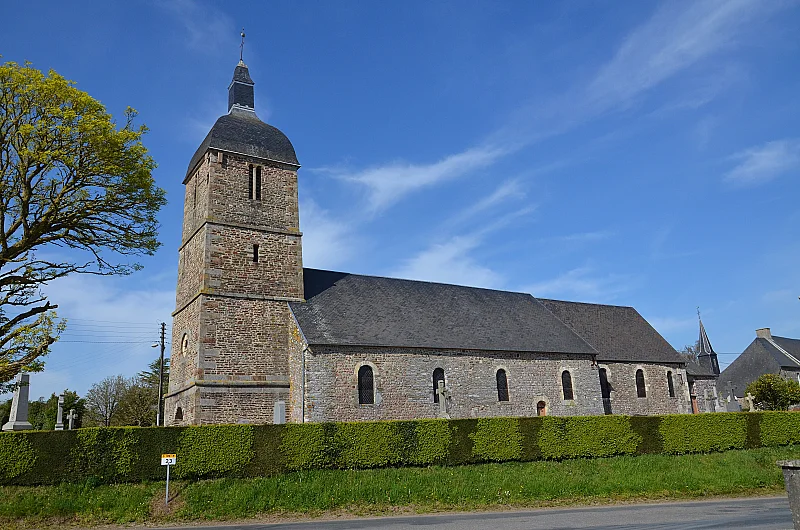
Giverny is the birthplace of Impressionism and the site of Claude Monet's famous gardens. Located less than two hours from Paris, this Normandy village features flower-lined lanes and a quiet, rural atmosphere similar to the sleepy towns found in the Hudson Valley. Make sure to visit the Sainte-Radegonde church, where the artist is buried, for a quiet look at local history.

#6 Bayeux +40 recs

Bayeux is one of the most significant towns in Normandy and serves as an ideal home base for exploring the region. Because the town was largely spared from the bombings of World War II, it retains much of its original architectural character, a rarity in this part of France.

A world-famous tapestry

The main attraction is the Bayeux Tapestry. This embroidered masterpiece from the late 11th century is listed on the UNESCO Memory of the World Register. It documents the conquest of England by William the Conqueror, the Duke of Normandy. You can view the tapestry in a dedicated museum that includes extensive historical context regarding its creation.

Originally designed to hang in the Bayeux Cathedral, the building itself is the second essential stop in town. Consecrated in the 11th century by Bishop Odo of Conteville, the half-brother of William the Conqueror, the cathedral is visible from a distance thanks to its two 75-meter towers. It is a prime example of Gothic and Romanesque architecture, featuring intricate stained glass and a well-preserved 15th-century crypt.

Continue your historical tour at the Musée Baron Gérard, which traces the history of the town and its artistic evolution from prehistoric times to the present day.

Battlefields and nature walks

A stroll through Vieux Bayeux (Old Bayeux) offers a look at traditional timber-framed houses and 18th-century private mansions. If you are focused on World War II history, head to the Musée Mémorial, which is dedicated to the Battle of Normandy. The British military cemetery and the nearby D-Day landing beaches are sobering sites. On the coast at Longues-sur-Mer, you can still see a German battery that remains largely as it was during the war.

For fresh air, the Jardin botanique et historique, founded in 1859 by the Bühler brothers, is a popular spot for a local walk. Further out, trails along the Aure river wind through the marshes, making it a good area for hiking, cycling, or birdwatching.

When to go

Bayeux experiences a mild climate due to oceanic influences. Aim for the summer months between June and September for the most reliable weather. July hosts the Medieval Festival, while May and June see crowds gathering for the D-Day commemorations.

How to get there

The most efficient way to reach the town is by train, with the journey from Paris taking about 2 hours and 30 minutes. You can also arrive by car, with drive times of approximately 3 hours from Nantes, 4 hours and 20 minutes from Lille, or 6 hours from Bordeaux.

Must-see

#7 Caen +35 recs

The City of a Hundred Spires stands as one of the most significant urban centers in Normandy. While nearly 75 percent of the downtown area was destroyed during World War II bombardments, Caen remains a place of deep historical weight and impressive architecture.

A City of History

Caen is widely recognized as a pivotal site during the Allied landings of World War II. On June 6, 1944, the city endured intense bombing before its liberation. Today, the city has been rebuilt and enjoys a renewed sense of purpose. To ensure the past is never forgotten, a Memorial was opened in 1988. This museum honors the history of the Battle of Normandy and serves as a vital record of 20th-century history, while also working to promote international peace.

If you want to look further back in time, the Musée de Normandie is located within the grounds of the Caen Castle, which ranks among the largest fortified structures in France. Ongoing archaeological excavations continue to shed light on the medieval era of William the Conqueror, who built the fortress in the 11th century and transformed Caen into one of the most powerful cities in the region. The Abbaye aux Hommes and the Abbaye aux Dames hold the tombs of the Duke and his wife, Mathilde. Both sites have been repurposed and now serve as the City Hall and the headquarters of the Regional Council.

Churches, Cuisine, and Strolls

The best way to get a feel for Caen is on foot or by bike. Check in with the local tourism office to find themed walking routes that fit your schedule and interests. True to its nickname, the City of a Hundred Spires is filled with religious monuments, including the striking Église Saint-Pierre-de-Caen. Its Gothic and Renaissance architecture makes it a dominant feature of the skyline. Caen is also a destination for food lovers, with a month-long celebration of gastronomy held every November. The medieval Vaugueux district, with its timber-framed facades, is the place to go for restaurants. This is your chance to try local specialties like tripes à la mode de Caen, andouillette sausage, or savory buckwheat crêpes.

If you prefer the outdoors, head to La Prairie or the Jardin des Plantes. Locals often spend their free time walking or picnicking at the Colline aux Oiseaux, a former public landfill that has been transformed into a landscaped park.

When to Go

As is common in Normandy, the climate in Caen is typically cool and damp. This is especially true in the fall and winter, when frequent rain can interfere with your plans. For this reason, late spring and summer are the best times to visit this capital of the Calvados department.

How to Get There

Caen is a 90-minute drive from Rouen and about 2 hours and 45 minutes from Paris by car. You can also arrive by train from the capital, as well as from cities like Bordeaux, Nantes, Lisieux, and Cherbourg. A network of TGV and TER regional trains makes the Caen train station accessible from across France.

Must-see

#8 Trouville +25 recs

Trouville-sur-Mer is a town on the Côte Fleurie located in the Calvados department of Normandy. The name Trouville likely traces back to the Viking invader Thorulfr. This small fishing port first surged in popularity during the Belle Époque as painters flocked here, drawn by the coastal landscapes and wide sandy beaches. Trouville remains an active port today, serving as the leading mackerel fishing hub in Normandy. The town has long been a retreat for literary and artistic figures, including Gustave Flaubert, Marcel Proust, and Marguerite Duras.


A historic seaside destination on the Côte Fleurie

Trouville-sur-Mer expanded significantly during the 19th century as the medical community began touting the health benefits of ocean air and sea bathing. The wealthy elite commissioned grand villas and luxury hotels, such as the famous Hôtel des Roches Noires, which was immortalized in a painting by Claude Monet. The villa Montebello, built in 1865 by architect Jean-Louis Célinsky de Zaremba, now houses a museum dedicated to the history of seaside leisure. Inside, you will find a collection of artifacts and posters by Raymond Savignac, who lived in Trouville for over two decades.

The 1863 opening of a rail line connecting the town to Paris accelerated development along this stretch of the Normandy coast. A casino was built in Trouville in 1912, though it was eventually eclipsed by the one in Deauville. That neighboring town grew rapidly under the influence of the Duc de Morny, who specifically courted an upscale crowd. Today, the former casino building houses the Cures Marines, a high-end spa and thalassotherapy center.


What to do in Trouville-sur-Mer

Once you arrive at the Deauville-Trouville train station, cross le pont des Belges, named in honor of the Belgian soldiers who helped liberate the coast in August 1944. You can also bypass the bridge by taking a ferry across the Touques river, which takes just a few minutes. Walking the waterfront is a rite of passage here, specifically along the historic boardwalk, or promenade Savignac, which dates back to 1867. Beyond the beach, you can rent kayaks, stand-up paddleboards, or windsurfing gear.

Make sure to stop by the fish market, or Halle aux poissons, a 1935 structure designated as a historic monument. It is a great spot to grab fresh seafood and eat it right on the premises. If you want a better vantage point, several overlooks have recently opened to the public. Since the town is built on a hillside, many of the local walking paths offer excellent views of the English Channel.


When to go

The best time to visit the Côte Fleurie is between May and October. If you prefer to avoid crowds, try to visit outside of the peak summer months.


Getting there

Trouville is easily accessible by car, train, or bus via the Deauville-Trouville train station.

Must-see

#9 Cabourg +16 recs

Cabourg is a seaside town on the Côte Fleurie in Normandy, sitting right on the English Channel. Once a small fishing village, it began to transform in the mid-19th century under the direction of Henri Durand-Morimbau, who envisioned a resort town for the Parisian bourgeoisie to escape to. The town was designed with a radial street plan, almost like a Greco-Roman theater, with a wooden casino at its heart. In 1879, the arrival of the railway connected Cabourg to Paris, sparking a second wave of growth that filled the town with the opulent, varied villas characteristic of the Belle Epoque.


A bourgeois seaside resort

Early 20th-century hotel construction brought the Grand Hôtel de Cabourg, rebuilt in 1908 and famously frequented by Marcel Proust. He used Cabourg as the inspiration for the town of Balbec, which serves as the setting for characters in his novel In the Shadow of Young Girls in Flower. If you are a Proust fan, do not miss the Villa du Temps Retrouvé, a museum in Cabourg that explores his work and immerses visitors in the historical and artistic context of the Belle Epoque.

In 1887, a promenade was built along the beach to prevent erosion and encourage tourism. Today, the walk is marked by the Meridian of Love, a sculpture featuring five columns inscribed with the word love in 104 official world languages. Other local highlights include race days at the hippodrome, evenings at the casino, and thalassotherapy sessions at dedicated local facilities.


Cabourg and nature

Beyond its elegant architecture and monuments, Cabourg has a surprising natural side. The expansive beach is the perfect place to enjoy the English Channel. You can try land sailing, kite-surfing, or stand-up paddleboarding. Several parks and gardens offer quiet walking paths, including the town hall gardens, the casino gardens, and the rose garden.

Head to the northern end of the avenue de la Divette to find trails through the marshes and dunes of the pointe de Cabourg. The salt meadows stretch as far as the eye can see and provide nesting grounds for migratory birds like storks. You can also take a ferry to explore the estuary of the Dives, and the surrounding area is packed with cycling paths if you want to explore on two wheels.


When to go

The Côte Fleurie is at its best between May and September. Be aware that July and August are peak tourist months. In June, the town hosts the Cabourg Film Festival, which celebrates romantic cinema.


Getting there

Cabourg is easy to reach by car via the A13 or A29 highways. Regional trains connect the town to the station at Deauville - Trouville or Caen. You can also find bus connections from Paris.

Must-see

#10 Saint-Laurent-sur-Mer +15 recs

Saint-Laurent-sur-Mer is a small seaside town in the Calvados department of Normandy. Since 2010, it has operated as part of a tourism collective alongside the neighboring towns of Colleville-sur-Mer and Vierville-sur-Mer. The town is defined by its history, as its shoreline served as a primary landing site during the D-Day invasion.

Omaha Beach, a place marked by history

Saint-Laurent-sur-Mer is globally recognized for its role in the Second World War. It is one of three municipalities bordering the famous Omaha Beach, the stretch assigned to American troops who later dubbed it "Bloody Omaha." Walking the beach today is a somber experience, offering a chance to reflect on the sacrifice of the soldiers and the magnitude of that day in 1944. The site is designated as a Grand Site National. You can view the Signal monument on the waterfront and the Les Braves monument on the sand, both built to commemorate the landings. For a deeper look, head to the Musée Mémorial d'Omaha Beach. Located just 200 meters (about 650 feet) from the water, the museum is well-curated, housing artifacts, films, and personal accounts across 1,400 square meters (about 15,000 square feet) of space.

Nature and the outdoors in Saint-Laurent-sur-Mer

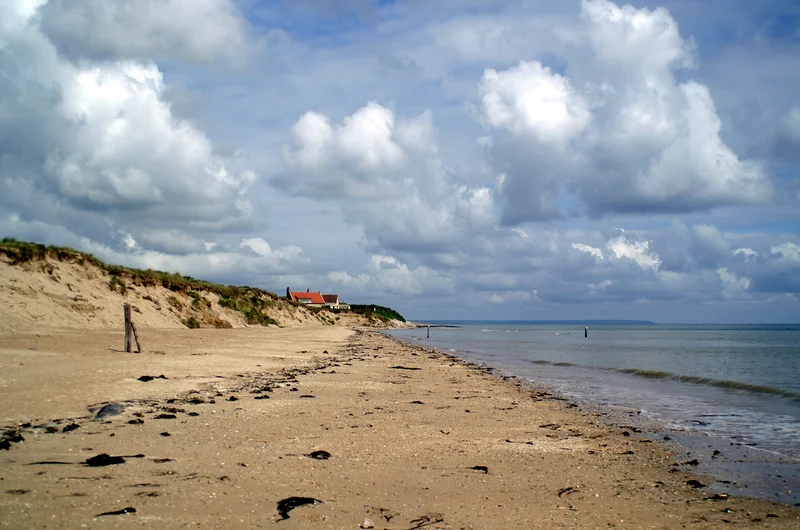
While the history of Saint-Laurent-sur-Mer is heavy, the region offers more than just its war-time past. The coastal sand dunes create a striking landscape for walkers. There are numerous trails suited for both casual strollers and serious hikers. The dune heath is protected by the Conservatoire du Littoral due to its environmental value, with ecosystems that shift significantly depending on the soil composition. Local equestrian centers offer horseback riding in the area, providing a way to take in the salt air and expansive sea views from the saddle.

If your schedule allows, consider extending your trip to visit the nearby towns of Bayeux, Arromanches, and Creully.

When to go

Visitors come to Saint-Laurent-sur-Mer year-round for its historical significance. However, if you want to combine cultural exploration with outdoor recreation, summer is the best window. The milder temperatures make coastal walks more comfortable, and the water is warm enough for swimming if you do not mind a chill.

How to get there

The most straightforward way to reach Saint-Laurent-sur-Mer is to fly or take the train to Caen. From there, the town is just a 40-minute trip by car, bus, or regional train. If you are driving from Paris, plan for a trip of approximately 3 hours and 20 minutes.

Must-sees

Latest reviews

Undeniably rich in history

I lived in Rouen for 3 years, and while it is not necessarily always the easiest place to live (mostly because of the many factories in the surrounding area), the city remains perfect for history buff…

91 0

A multifaceted city worth exploring

I had the chance to live there for a few years, and it is a small town with incredible charm. It has everything from the Haute-ville, which is still well-preserved and guarded by its drawbridge, to th…

176 0

The little Venice of Normandy

A former city of tanners, Pont-Audemer is now nicknamed the little Venice of Normandy. The local river, the Risle, splits here into several canals. The numerous bridges give it that little Venice vibe…

44 0

Becoming an increasingly popular spot

Often, when people mention the beaches of Normandy, they think of the D-Day landing beaches or seaside resorts like Deauville or Cabourg. But the pebble beaches of the towns along the Alabaster Coast…

44 0

Between Suisse Normande and Pays d’Auge

The built heritage of the city where William the Conqueror was born is very interesting, especially for lovers of old stone. The medieval castle built for the Dukes of Normandy, the Kings of England a…

44 0

Rankings by travellers, for travellers

Our rankings are powered by thousands of reviews from travelers like you, not the arbitrary pick of a single editor. Every positive review you publish raises the destination’s score.

1 positive review = +1 reco

Your voice matters!

Have you travelled and discovered amazing places? Share your experience and help the community rank the most beautiful destinations! Sign up for free to post reviews and make your voice heard.