
Visiting Caen
The City of a Hundred Spires stands as one of the most significant urban centers in Normandy. While nearly 75 percent of the downtown area was destroyed during World War II bombardments, Caen remains a place of deep historical weight and impressive architecture.
A City of History
Caen is widely recognized as a pivotal site during the Allied landings of World War II. On June 6, 1944, the city endured intense bombing before its liberation. Today, the city has been rebuilt and enjoys a renewed sense of purpose. To ensure the past is never forgotten, a Memorial was opened in 1988. This museum honors the history of the Battle of Normandy and serves as a vital record of 20th-century history, while also working to promote international peace.
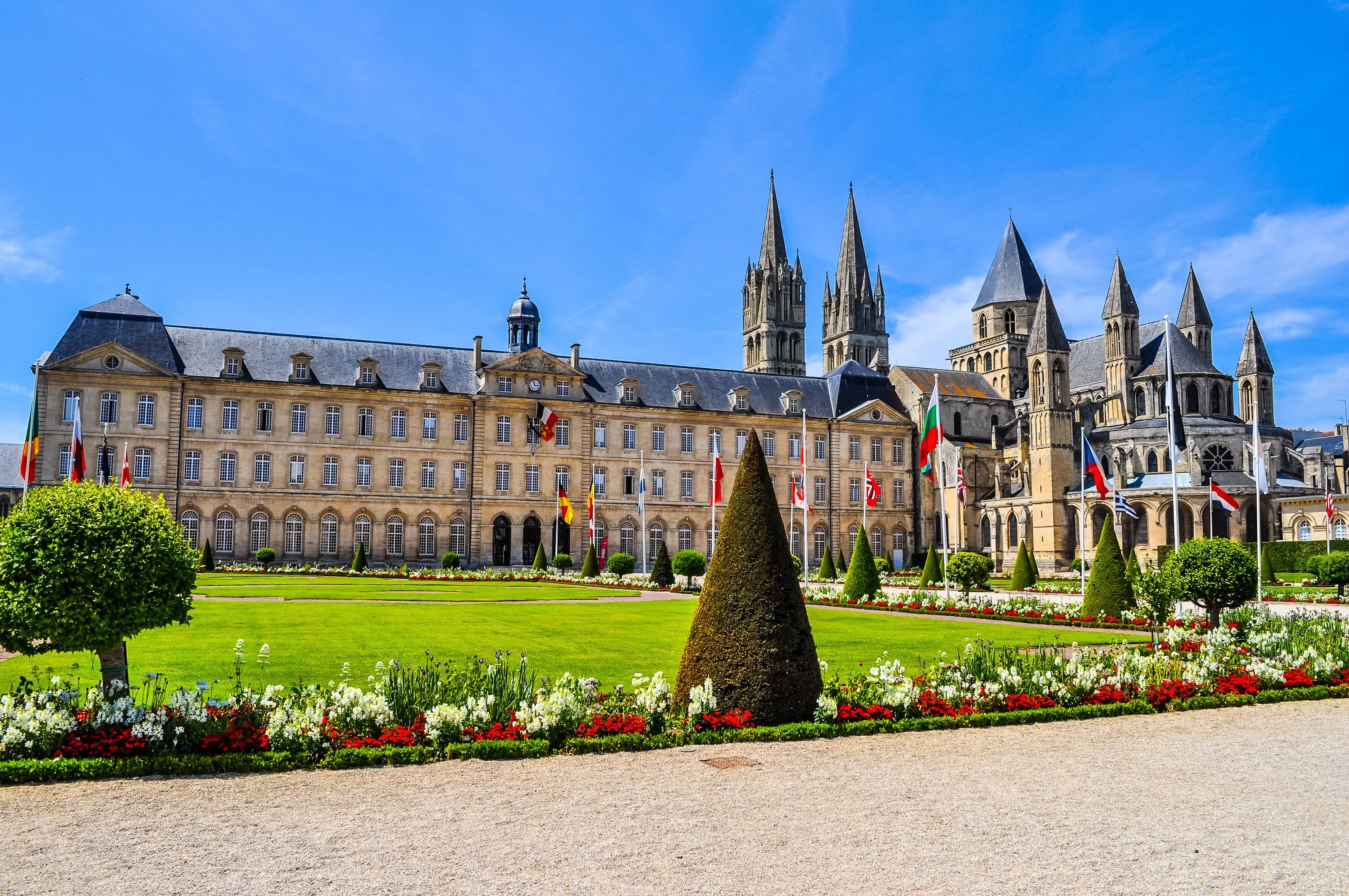
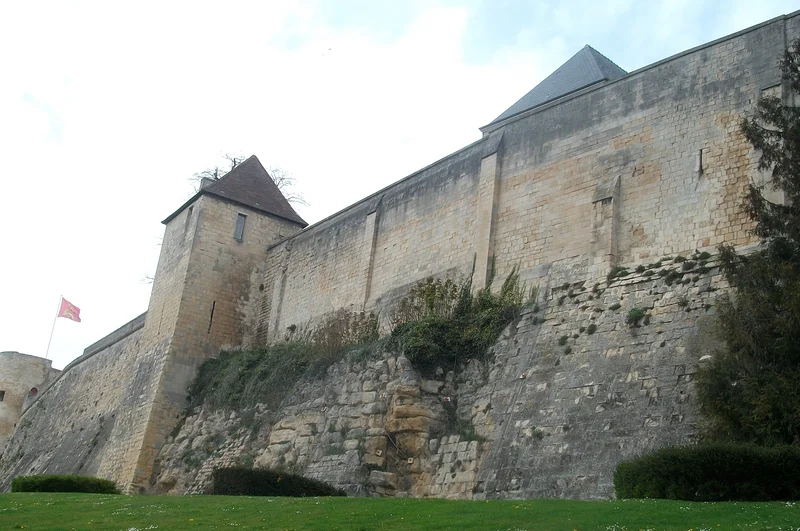
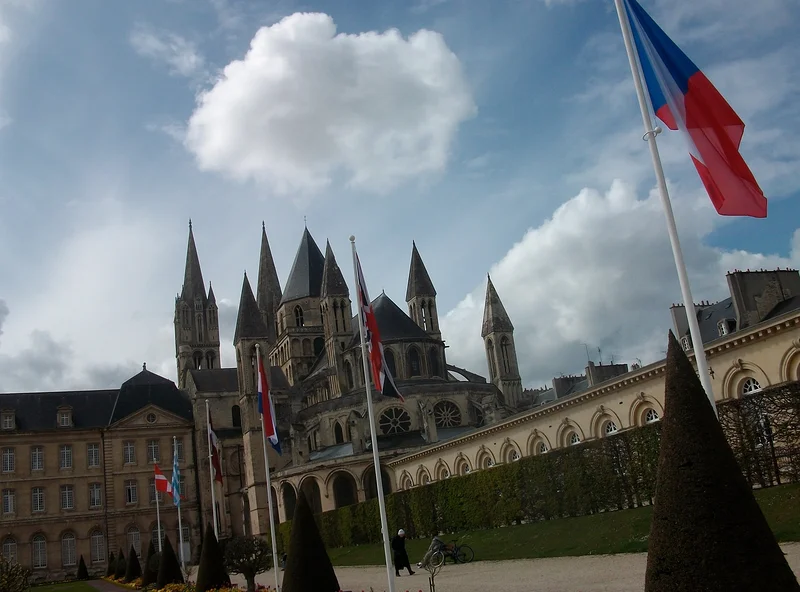
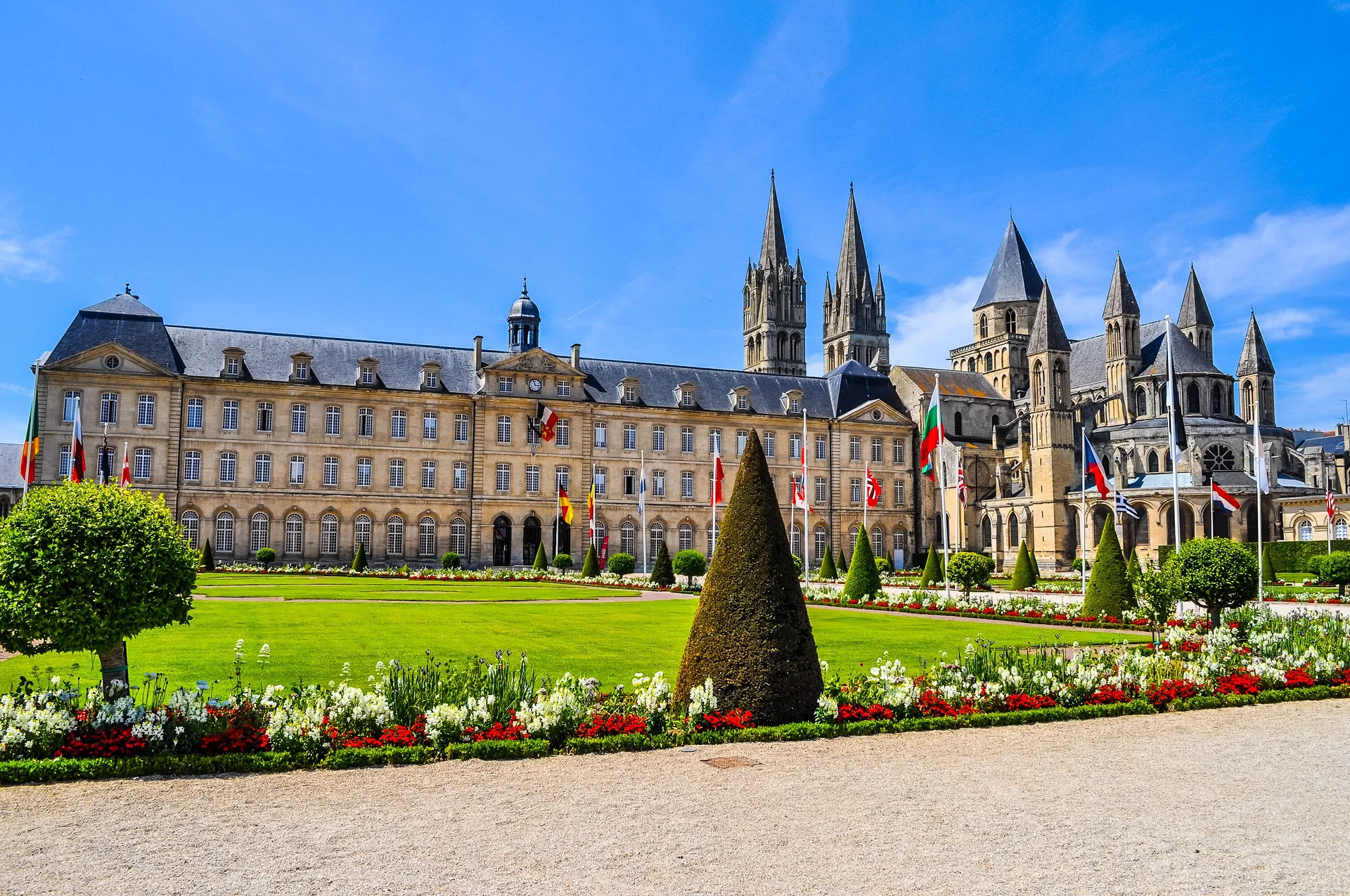
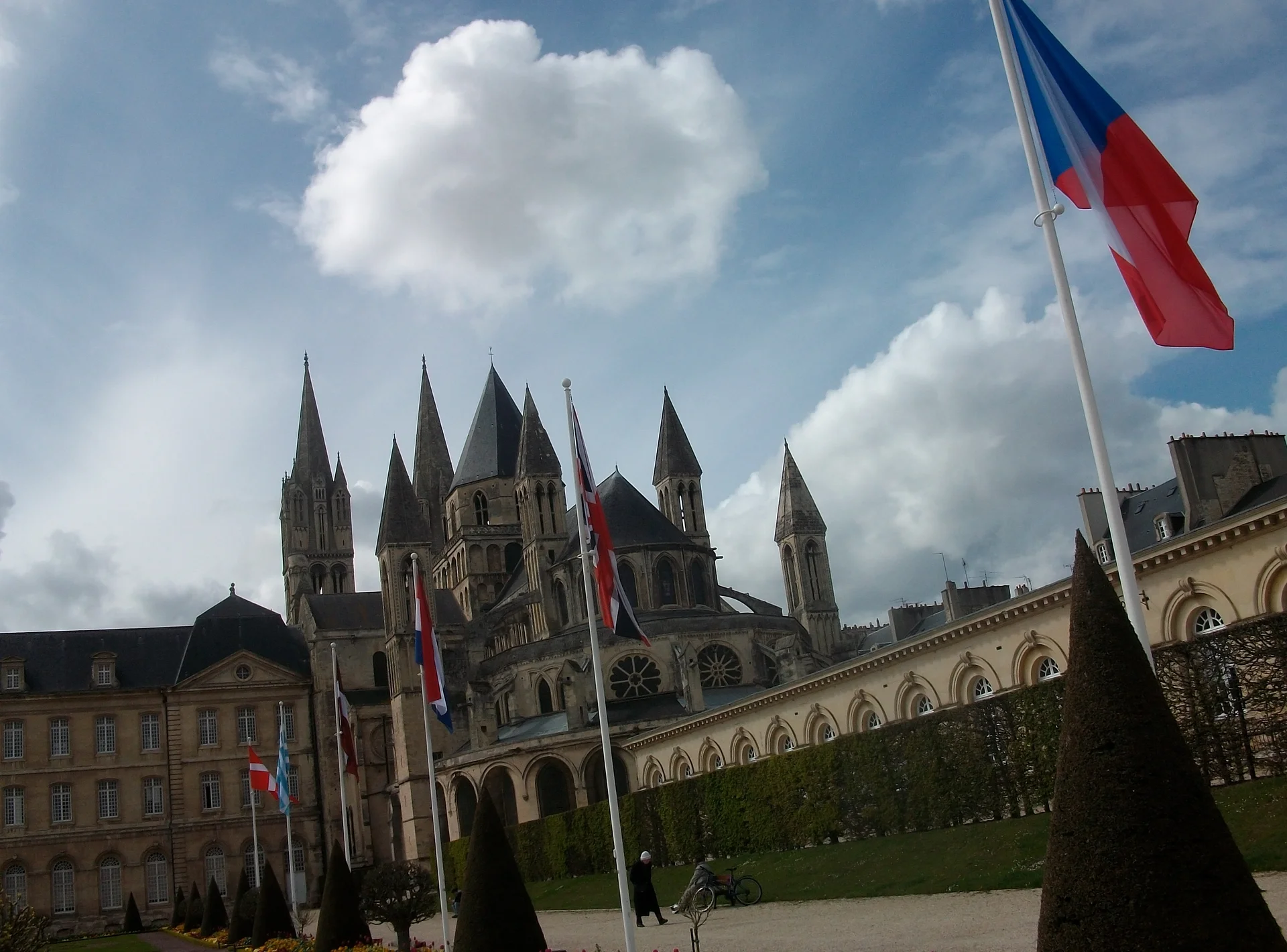
If you want to look further back in time, the Musée de Normandie is located within the grounds of the Caen Castle, which ranks among the largest fortified structures in France. Ongoing archaeological excavations continue to shed light on the medieval era of William the Conqueror, who built the fortress in the 11th century and transformed Caen into one of the most powerful cities in the region. The Abbaye aux Hommes and the Abbaye aux Dames hold the tombs of the Duke and his wife, Mathilde. Both sites have been repurposed and now serve as the City Hall and the headquarters of the Regional Council.
Churches, Cuisine, and Strolls
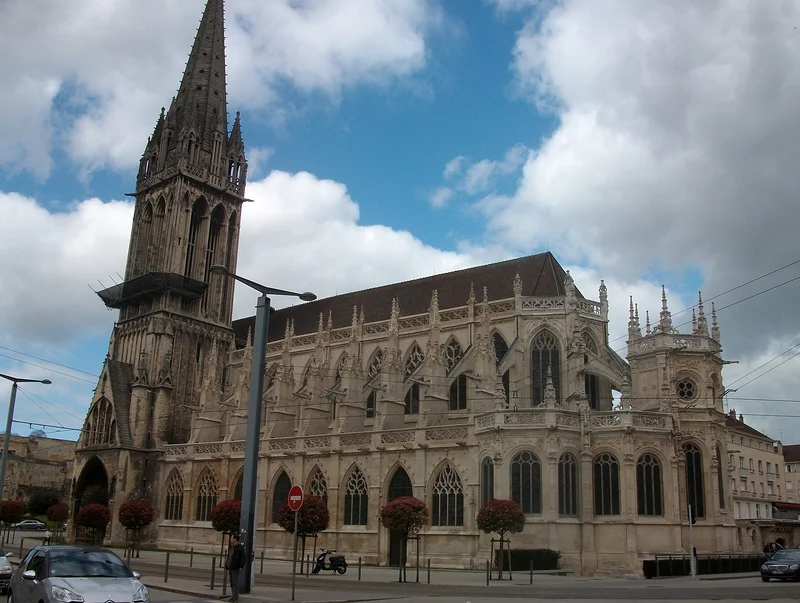
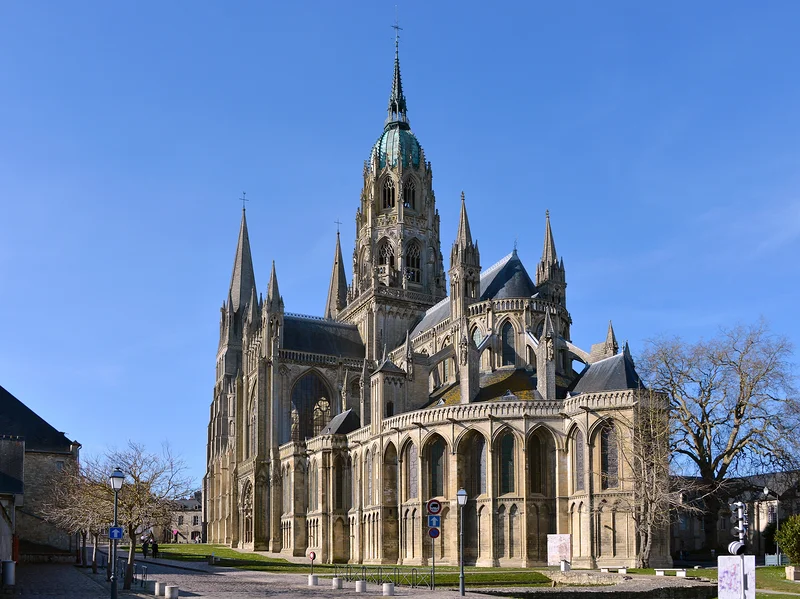
The best way to get a feel for Caen is on foot or by bike. Check in with the local tourism office to find themed walking routes that fit your schedule and interests. True to its nickname, the City of a Hundred Spires is filled with religious monuments, including the striking Église Saint-Pierre-de-Caen. Its Gothic and Renaissance architecture makes it a dominant feature of the skyline. Caen is also a destination for food lovers, with a month-long celebration of gastronomy held every November. The medieval Vaugueux district, with its timber-framed facades, is the place to go for restaurants. This is your chance to try local specialties like tripes à la mode de Caen, andouillette sausage, or savory buckwheat crêpes.
If you prefer the outdoors, head to La Prairie or the Jardin des Plantes. Locals often spend their free time walking or picnicking at the Colline aux Oiseaux, a former public landfill that has been transformed into a landscaped park.
When to go
As is common in Normandy, the climate in Caen is typically cool and damp. This is especially true in the fall and winter, when frequent rain can interfere with your plans. For this reason, late spring and summer are the best times to visit this capital of the Calvados department.
How to get there
Caen is a 90-minute drive from Rouen and about 2 hours and 45 minutes from Paris by car. You can also arrive by train from the capital, as well as from cities like Bordeaux, Nantes, Lisieux, and Cherbourg. A network of TER regional trains makes the Caen train station accessible from across France.


Unlike other cities of the same type, you will not find an old center here with a harmonious collection of ancient houses and picturesque narrow streets. The reason? The bombings from the D-Day landings. I am not going to complain about them since those landings allowed for the liberation of the country. The fact is that Caen has lost a bit of its splendor.