
Visiting Bayeux
Bayeux is one of the most significant towns in Normandy and serves as an ideal home base for exploring the region. Because the town was largely spared from the bombings of World War II, it retains much of its original architectural character, a rarity in this part of France.
A world-famous tapestry
The main attraction is the Bayeux Tapestry. This embroidered masterpiece from the late 11th century is listed on the UNESCO Memory of the World Register. It documents the conquest of England by William the Conqueror, the Duke of Normandy. The dedicated museum, which sets out the extensive historical context of its creation, is closed for renovation until autumn 2027.
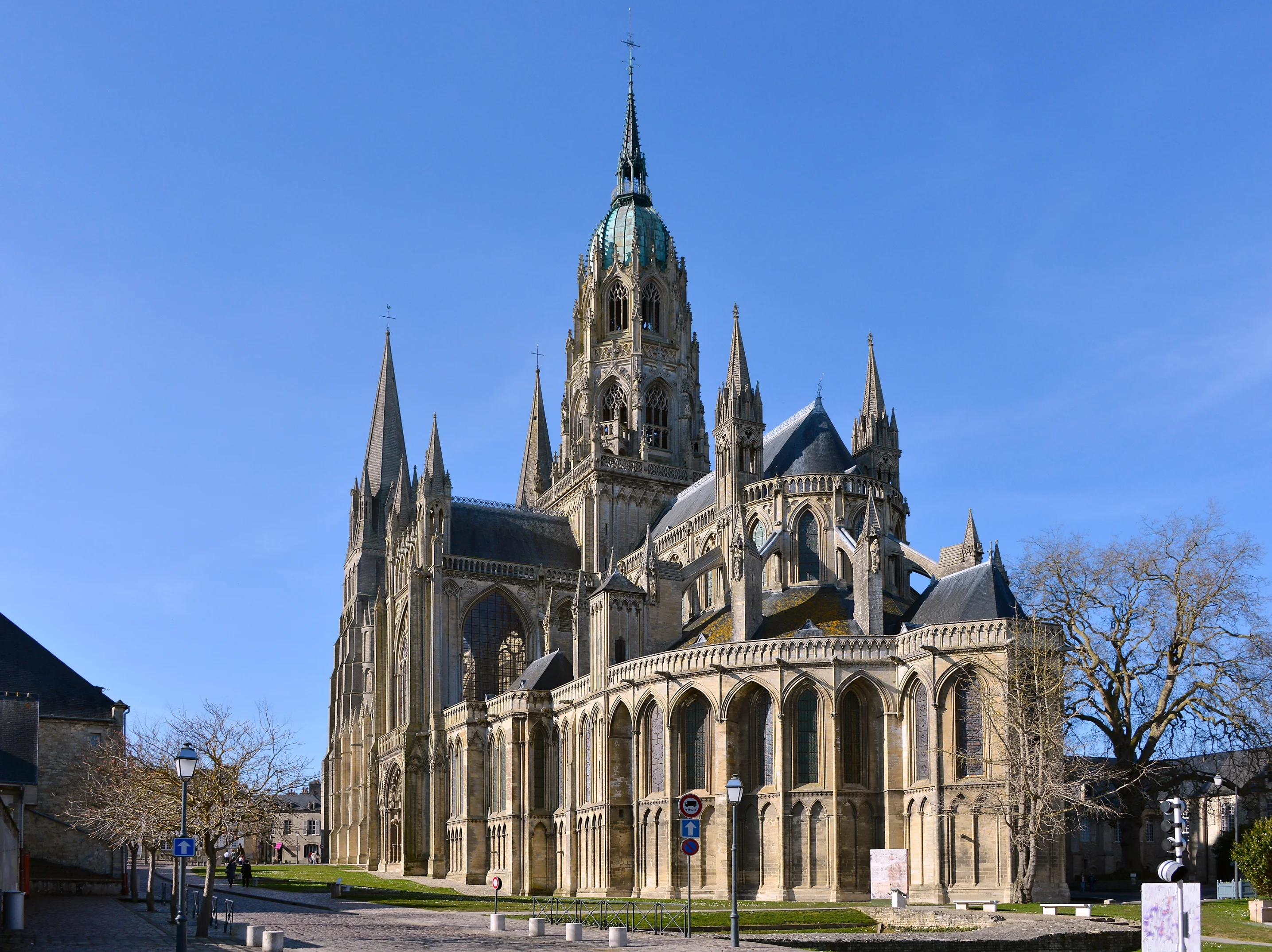
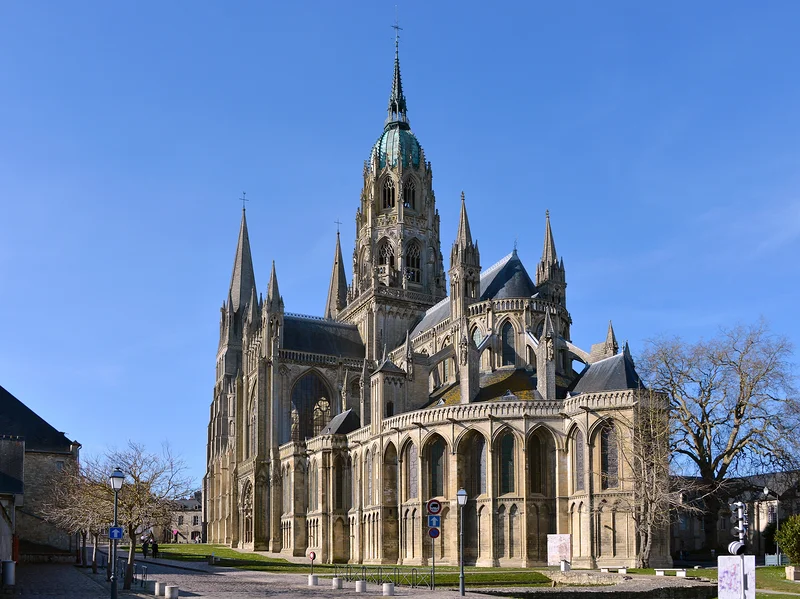
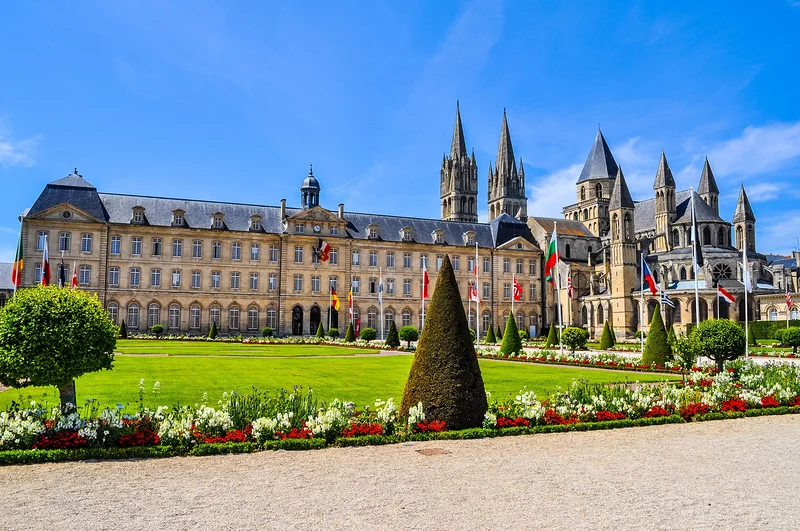
Originally designed to hang in the Bayeux Cathedral, the building itself is the second essential stop in town. Built in the 11th century by Bishop Odo of Conteville, the half-brother of William the Conqueror, the cathedral is visible from a distance thanks to its two 75-meter towers. It is a prime example of Gothic and Romanesque architecture, featuring intricate stained glass and a Romanesque 11th-century crypt with well-preserved 15th-century frescoes.
Continue your historical tour at the Musée Baron Gérard, which traces the history of the town and its artistic evolution from prehistoric times to the present day.
Battlefields and nature walks
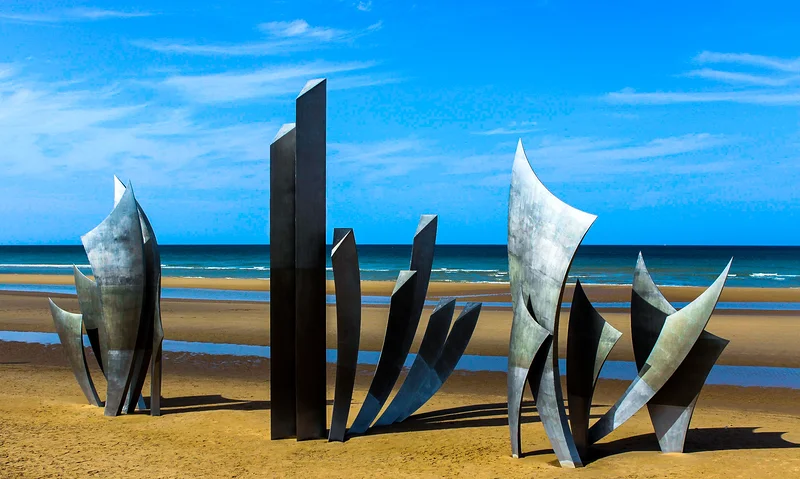
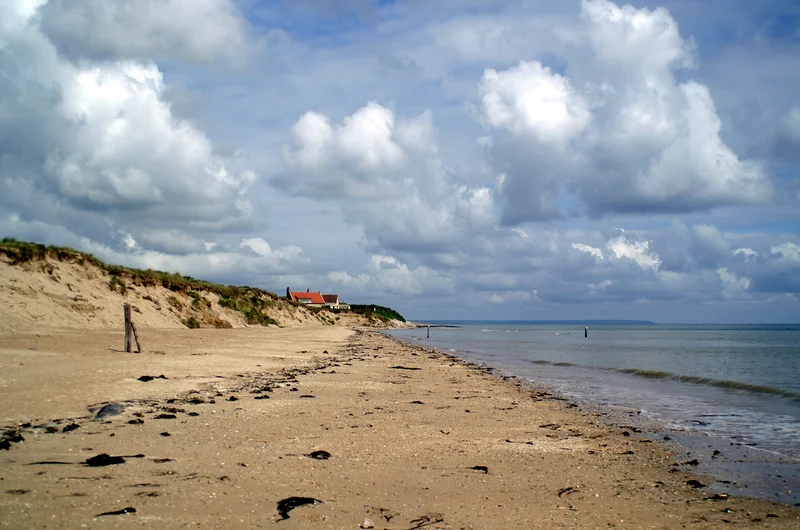
A stroll through Vieux Bayeux (Old Bayeux) offers a look at traditional timber-framed houses and 18th-century private mansions. If you are focused on World War II history, head to the Musée Mémorial, which is dedicated to the Battle of Normandy. The British military cemetery and the nearby D-Day landing beaches are sobering sites. On the coast at Longues-sur-Mer, you can still see a German battery that remains largely as it was during the war.
For fresh air, the Jardin botanique et historique, founded in 1859 by the Bühler brothers, is a popular spot for a local walk. Further out, trails along the Aure river wind through the marshes, making it a good area for hiking, cycling, or birdwatching.
When to go
Bayeux experiences a mild climate due to oceanic influences. Aim for the summer months between June and September for the most reliable weather. July hosts the Medieval Festival, while May and June see crowds gathering for the D-Day commemorations.
How to get there
The most efficient way to reach the town is by train, with the journey from Paris taking about 2 hours and 30 minutes. You can also arrive by car, with drive times of approximately 3 hours from Nantes, 4 hours and 20 minutes from Lille, or 6 hours from Bordeaux.
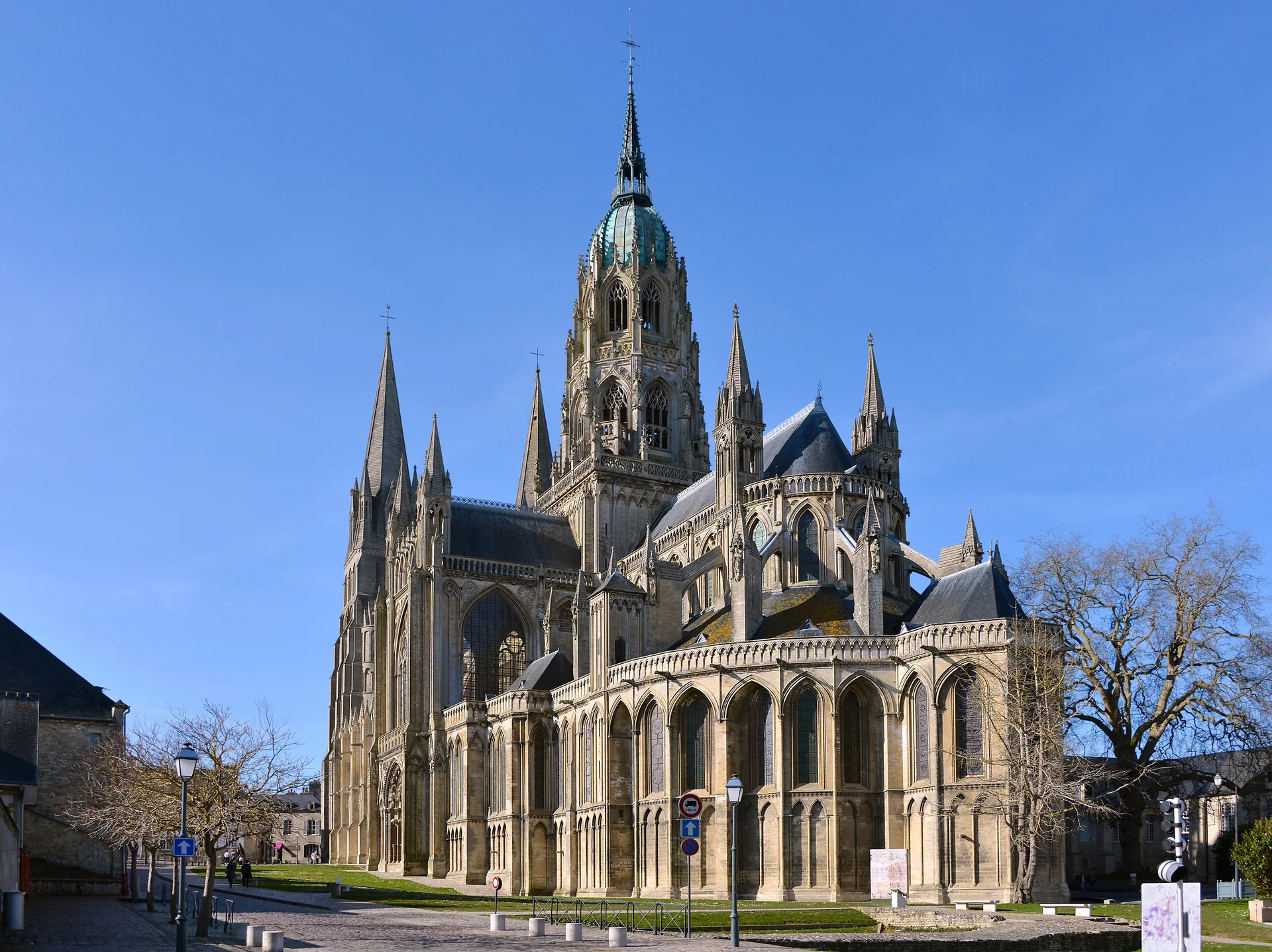

The town of Bayeux is a wonderful discovery. I went there a bit by chance and was immediately won over by the medieval center with its little cobblestone streets and beautiful stone buildings. The cathedral is also magnificent and impressive. You will find plenty of restaurants and shops. The atmosphere there is warm and welcoming.