Visiting Sainte-Marie-du-Mont
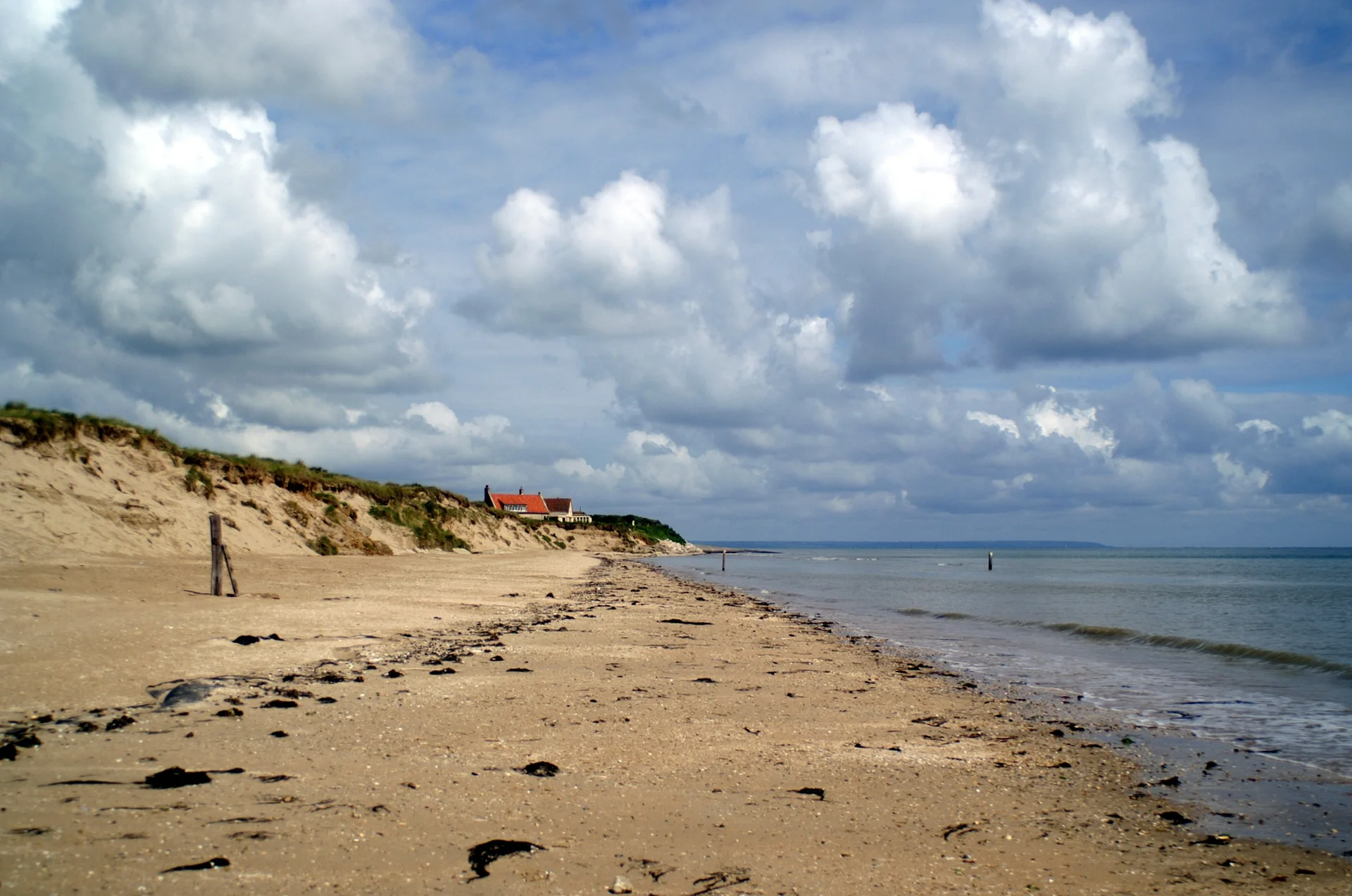
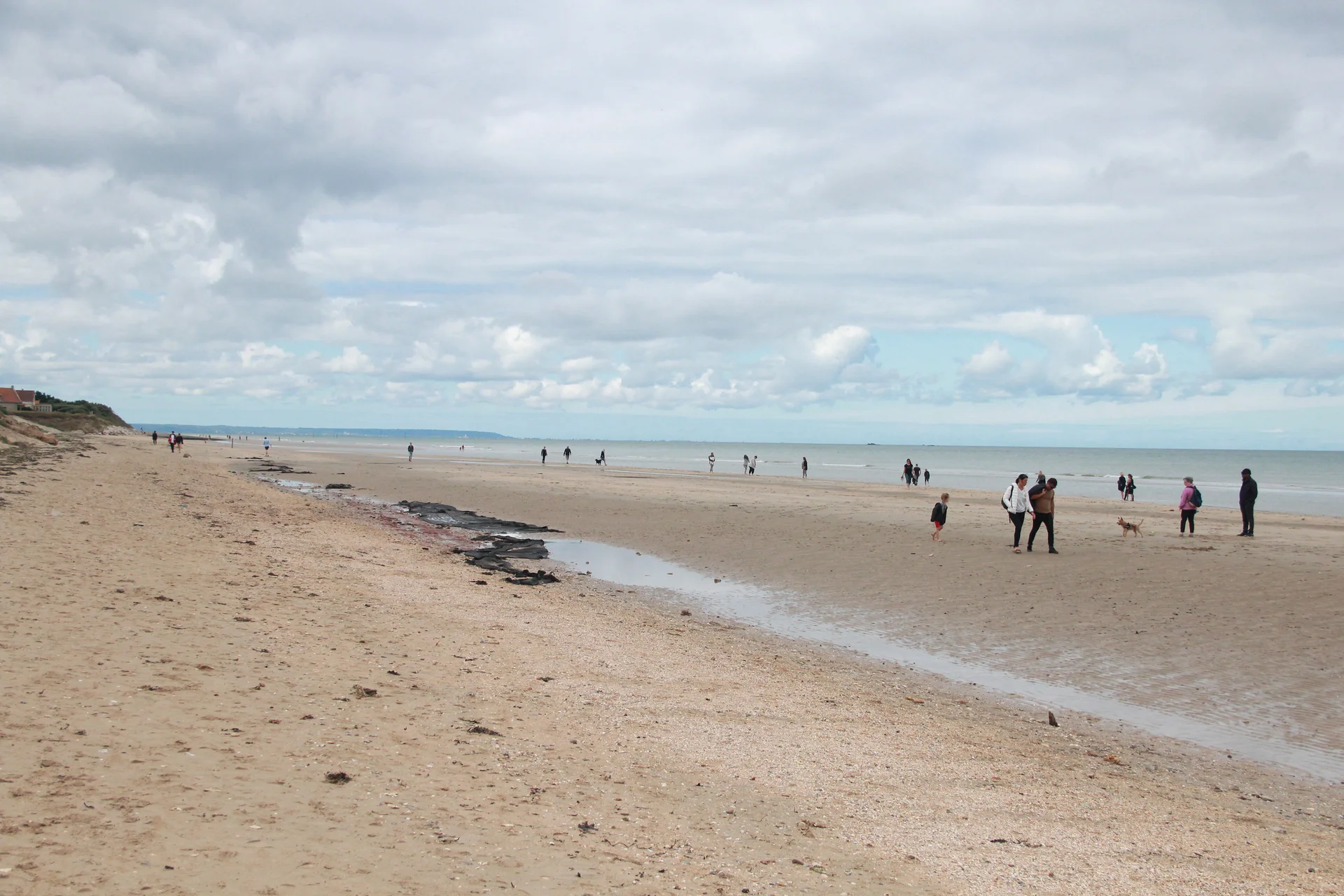
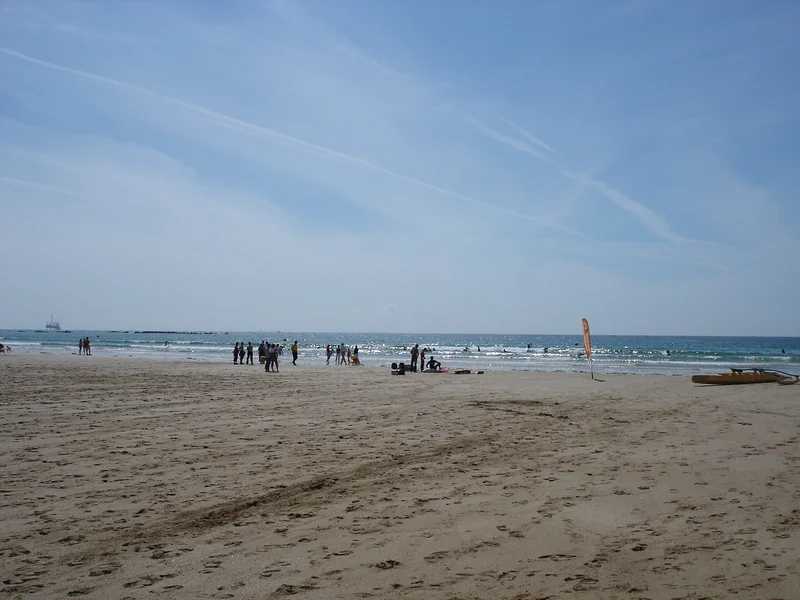
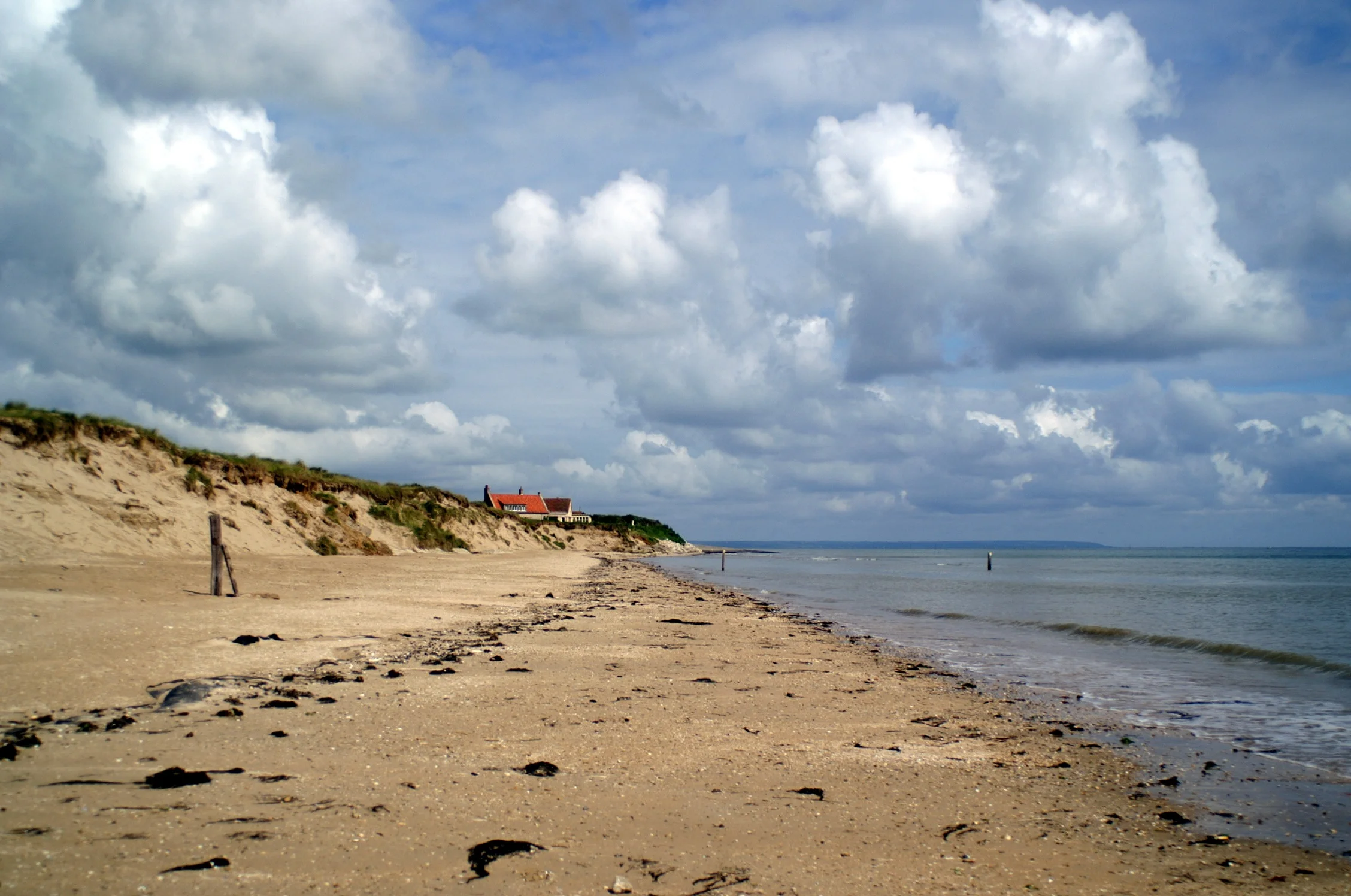
Sainte-Marie-du-Mont is a small town located on the southeastern edge of the Cotentin Peninsula in Normandy. Set among floodplains and marshes, it is primarily known for its beach, the famous Utah Beach, named after the code word used by the U.S. Army. On June 6, 1944, 23,000 men from the 4th Infantry Division landed at Utah Beach to breach the Atlantic Wall. In total, a million men would pass through Sainte-Marie-du-Mont, making it one of the very first villages on the French mainland to be freed from German occupation.
D-Day Remembrance Sites
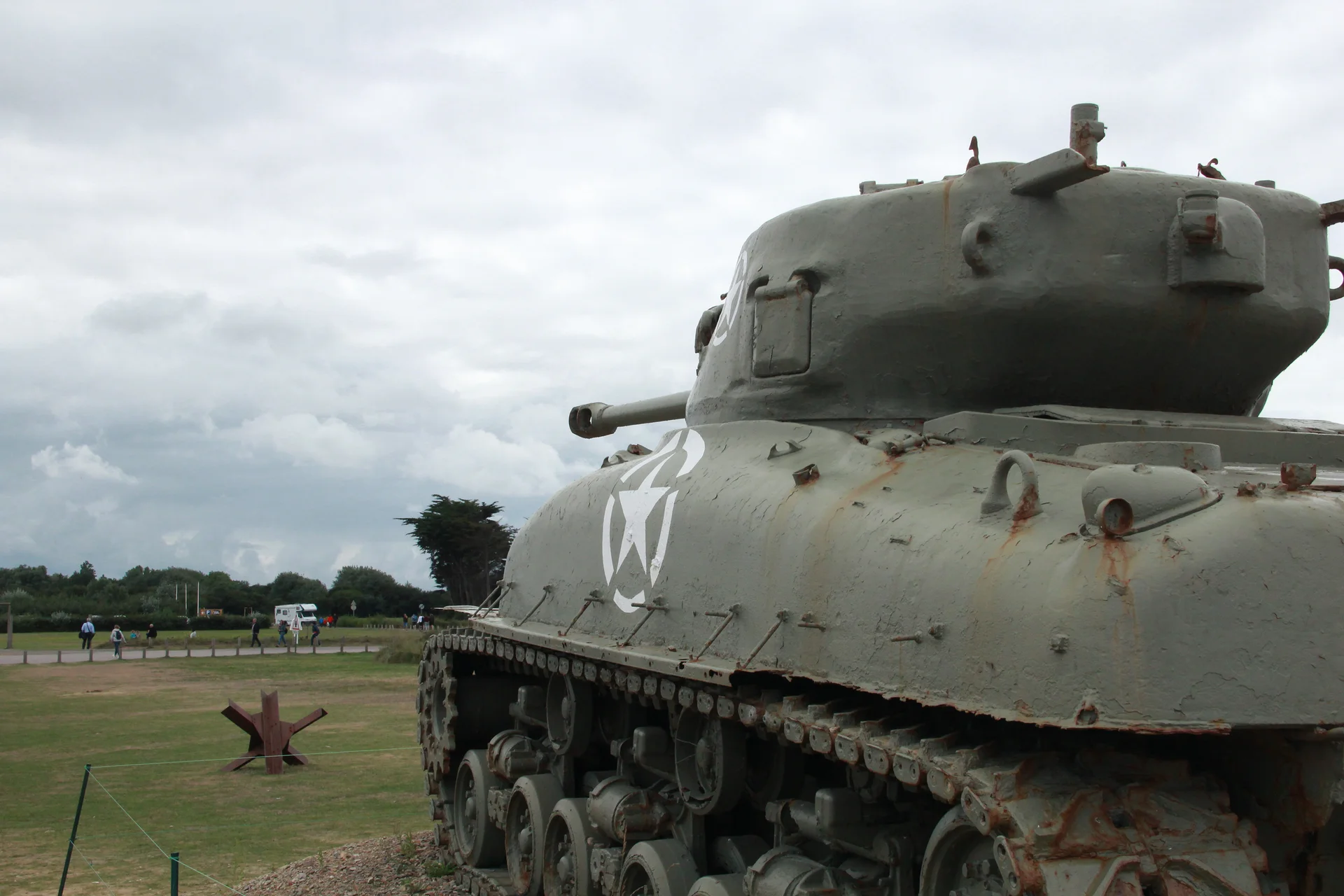
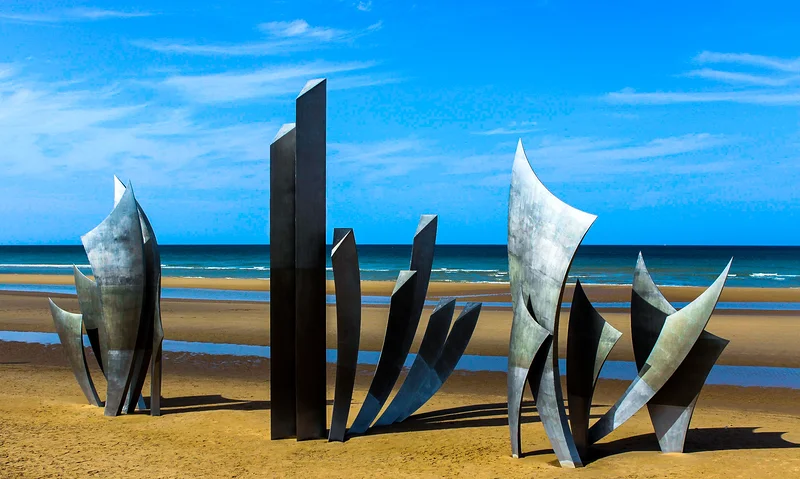
Utah Beach stands as a significant site of World War II history. Several statues pay tribute to the American soldiers who arrived to support the continent, including the Major Richard Winters statue, the US Navy Monument, and the Marker No. 0 of the Liberty Road. Near the beach, you will find the Utah Beach Landing Museum, which covers the D-Day events in ten sequences. The collection features veteran testimonies, a film documenting the event, the Victory Beach, and a rare, authentic B-26 bomber.
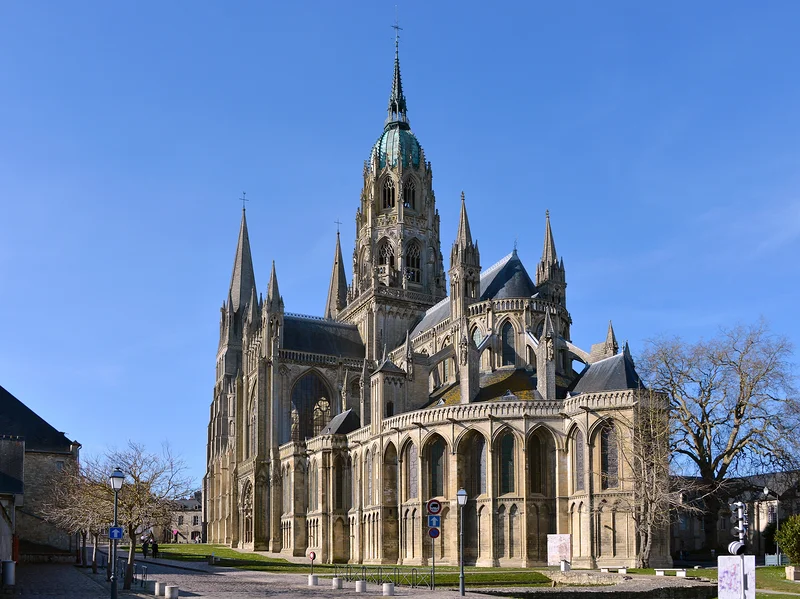
The town previously operated an Occupation Museum in the former German garrison, which featured propaganda murals painted by soldiers during the war. While classified as a historical monument, it closed its doors in 2014, followed shortly by the Liberation Museum in 2015. Sainte-Marie-du-Mont is notable for the beautiful church that gave the town its name, built in the 11th century and modified between the 12th and 19th centuries, as well as the Madeleine Chapel, which was reconstructed from its ruins after the destructive combat of 1944.
Cotentin and Bessin Marshland Regional Natural Park
Sainte-Marie-du-Mont is integrated into landscapes typical of this part of the Cotentin, a vast territory of approximately 146,650 hectares composed largely of marshes and floodable meadows. The Beauguillot National Nature Reserve, located at the gates of Sainte-Marie-du-Mont, is one of the most important sections of the park. It protects a vast expanse of wetlands, mudflats, and salt marshes, which are ideal for water birds, with 35,000 birds staying there each winter. The reserve also houses a protected colony of harbor seals. Everything can be viewed from educational trails and dedicated observation points.
Other local curiosities include the Baie des Veys and its oyster farms, along with a local heritage of roughly 700 structures built in cob, a building material made of raw earth. Finally, the town is home to the Château de l'Islet, originally a simple wooden castle built by the Dane Vieul Aux-Epaules in the year 900, which has since been transformed into a stone castle and is now a private property.
When to go
Take advantage of the warmer months to explore Sainte-Marie-du-Mont. A stop here is essential if you are touring the D-Day landing beaches. Every June 6, the town hosts commemorations for the D-Day anniversary.
How to get there
Driving is the easiest way to reach Sainte-Marie-du-Mont via the A13 motorway and then the N13. The closest train station is the TER station in Carentan, which is only a ten-minute drive away.