
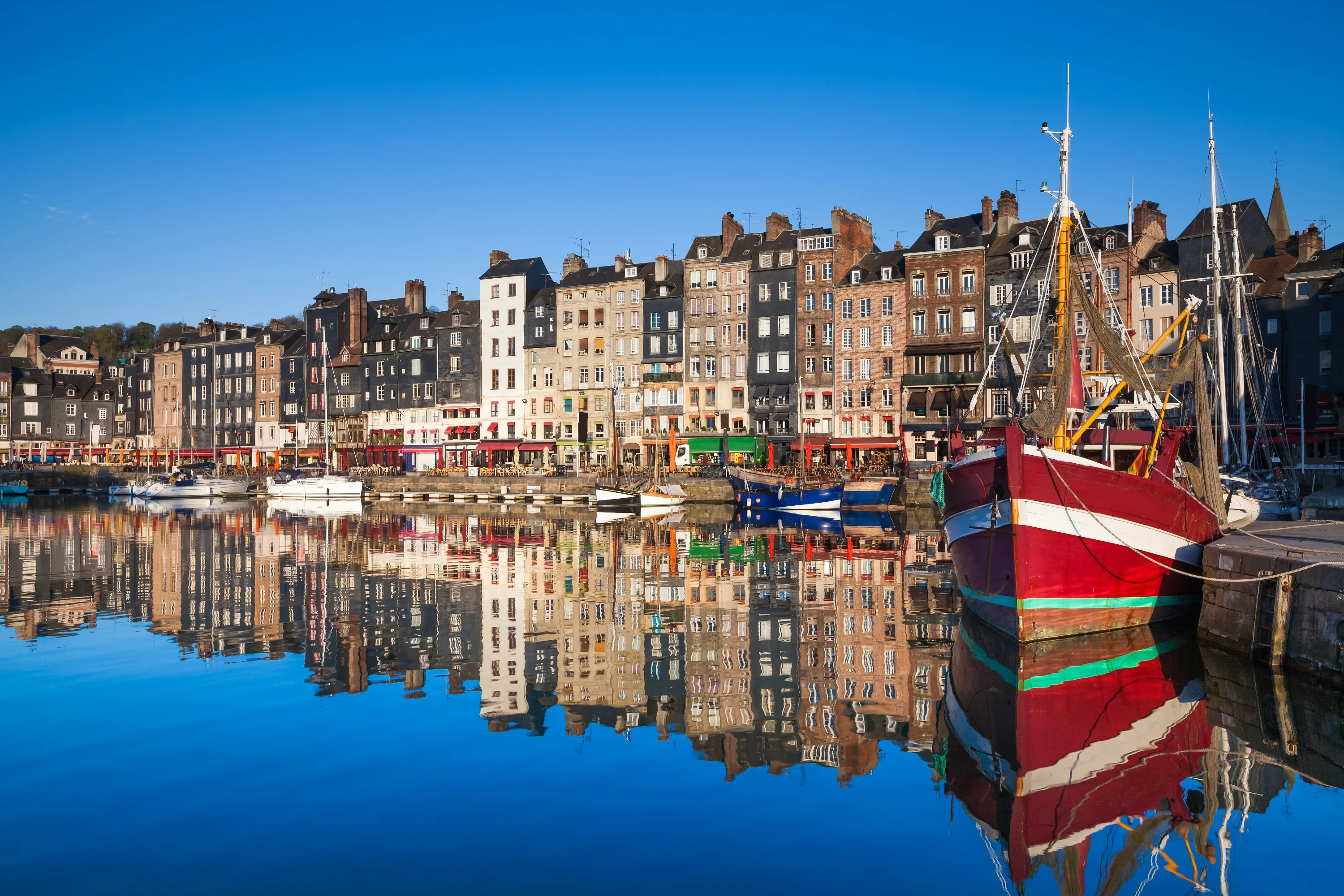
Honfleur, where the Seine meets the Channel
Samuel de Champlain set sail from this very harbor in 1608 to establish Quebec. Centuries later, the narrow, colorful facades of the Vieux Bassin still reflect in the shimmering water. Despite what the name implies, Honfleur has nothing to do with flowers; the suffix comes from the Old Norse word "flod," meaning a watercourse. This Norman port town sits right at the mouth of the Seine and counts the painter Eugène Boudin, mentor to Monet, and composer Erik Satie among its native sons. The shifting light of the estuary gave birth to Impressionism long before Paris caught on.
Who is Honfleur for?
This town draws travelers looking for a romantic weekend, art enthusiasts, and anyone seeking a charming getaway less than two hours from Paris. The cobblestone alleys, galleries, and medieval atmosphere suit visitors who prefer a slower pace and quiet contemplation.
On the flip side, if you want late-night bars or wide sandy beaches, skip it. The historic center is compact, so half a day is plenty to see everything if you are not big on wandering. Summer weekends draw heavy crowds of second-home-owning Parisians and tourists, which can strip the town of its quiet charm.
Budget planning
Expect to pay between $90 and $169* a night for a decent hotel in the town center, and closer to $230* for a boutique spot with a harbor view. A meal at a harborside brasserie runs around $29 to $40*, while a seafood platter for two easily climbs to $79*. Museum admission is reasonable, generally around $9 to $12*.
The Vieux Bassin and immediate surroundings
Start in the beating heart of the town at the Vieux Bassin. This rectangular harbor lined with six- and seven-story slate-faced townhouses makes for a classic postcard view. On weekdays, only a few fishing boats bob quietly. On weekends, the outdoor café terraces overflow and artists set up their easels.
At the harbor entrance, the Lieutenance stands as a reminder of the old fortifications. This 17th-century building now houses an architecture interpretation center and offers panoramic rooftop views from its terraces.
Friendly tip: arrive early in the morning before 9 AM to photograph the harbor without the crowds and catch the stunning raking light hitting the old facades.
Saint Catherine's Church and the arts district
Just steps from the harbor, Saint Catherine's Church stands out with its entirely wooden architecture. Built in the 15th century by marine carpenters, it resembles a pair of overturned ship hulls. The builders lacked the funds to work in stone, so they used the techniques they knew best. The bell tower, separated from the main building, can be visited along with the Eugène Boudin Museum.
The streets around Place Sainte-Catherine are packed with art galleries and craft shops. Rue de l'Homme de Bois and Rue Haute feature half-timbered houses warped by time. Fans of outsider art will enjoy La Forge, the home and studio of artist Florence Marie, where recycled sculptures and colorful murals create an eccentric world.
Grace Hill and its lookouts
To escape the hustle of the center, walk up to Mont-Joli via the path winding from Saint Catherine's Church. The climb is moderate and the payoff is huge, with the entire Seine estuary spread out below you, dominated by the sleek silhouette of the Normandy Bridge.
Friendly tip: the Normandy Bridge is free for pedestrians and cyclists. A 2 km walk above the Seine offers views and thrills most tourists miss.
The Chapel of Notre-Dame de Grace, built in the early 17th century, is worth a stop. Inside, sailor ex-votos and model ships suspended from the ceiling tell stories of centuries of gratitude toward the sea. The outdoor bells play Bizet's L'Arlésienne theme every hour.
Gardens and the beach: breathing room outside the center
The Garden of Personalities, laid out over 10 hectares of former marshland, honors famous figures connected to the town like Baudelaire, Monet, and Satie. Busts line the flower-filled paths and little bridges. This park stays surprisingly quiet even in peak season.
The quieter Jardin Retrouvé hides a short walk from the Vieux Bassin. Fountains, statues, and flower-covered arches create a peaceful refuge. For a beach break, Butin Beach offers sand, lifeguards in the summer, and free parking. It lacks the glamour of Deauville, but its authenticity makes up for it.
Where to eat and drink in Honfleur?
Local cooking mixes seafood with Norman culinary traditions. Moules marinières served with crispy fries are the staple dish. Oyster fans can head to the Bar à Huîtres d'Entre Terre et Mer right on the harbor.
La Fleur de Sel, set slightly back from the quays, serves upscale dining at reasonable prices. Chef Vincent Guyon works with local ingredients with precision. La Cidrerie, hidden down an alley near Place Hamelin, serves loaded crêpes with cider and calvados from the Pays d'Auge. For a sweet break, Maison Blondel behind Saint Catherine's Church serves homemade cakes and hot chocolate poured from a teapot.
Keep in mind that many restaurants close on Mondays and Tuesdays, and almost all shut down in January and February. Make reservations ahead of time for the weekend.
Where to stay in Honfleur and nearby?
The historic center packs boutique hotels into old buildings. Hôtel l'Écrin occupies an 18th-century mansion with a garden and pool. L'Absinthe faces the harbor and puts you in an ideal spot inside a half-timbered building.
For tighter budgets, hotel chains sit on the outskirts about a 5-minute drive from the center. The ibis Styles in town strikes a good balance between price and location. Luxury seekers can look at the Ferme Saint-Siméon, a former hangout for impressionists turned Relais & Châteaux property overlooking the estuary.
The surrounding area offers alternatives like Trouville-sur-Mer, 20 minutes away, which has a relaxed beach vibe, while the countryside of the Pays d'Auge is full of bed and breakfasts in traditional farmhouses.
How to get to and around Honfleur?
Honfleur has no train station of its own, so most North American visitors land at Paris Charles de Gaulle and pick up a rental car there. Driving from Paris is the most practical option, taking about 2 hours via the A13 and A29 highways. Tolls and gas run between $29 and $45*. Street parking in the center costs money, but several free lots sit on the outskirts.
Without a car, FlixBus runs direct trips from Paris in about 2 hours and 30 minutes for $17 to $29*. Trains require a transfer: take the train from Paris Saint-Lazare to Le Havre or Deauville-Trouville, then catch a Nomad coach. The total trip takes around 3 hours and 30 minutes and costs between $45 and $68*.
Once you arrive, you can cover everything in the historic center on foot. To explore the countryside or reach nearby beaches, you will need a car. The Deauville-Normandie airport is 15 minutes away but serves only a handful of destinations.
When to go?
Spring and fall offer the best balance of pleasant weather and manageable crowds. May and September let you enjoy the terraces without the summer rush. Summer draws big crowds, so if you visit in July or August, aim for early mornings or late afternoons.
Winter brings a moody charm, especially during the Christmas market that fills the Vieux Bassin from mid-December to early January. Avoid January and February, however, since many shops and restaurants close for annual leave.
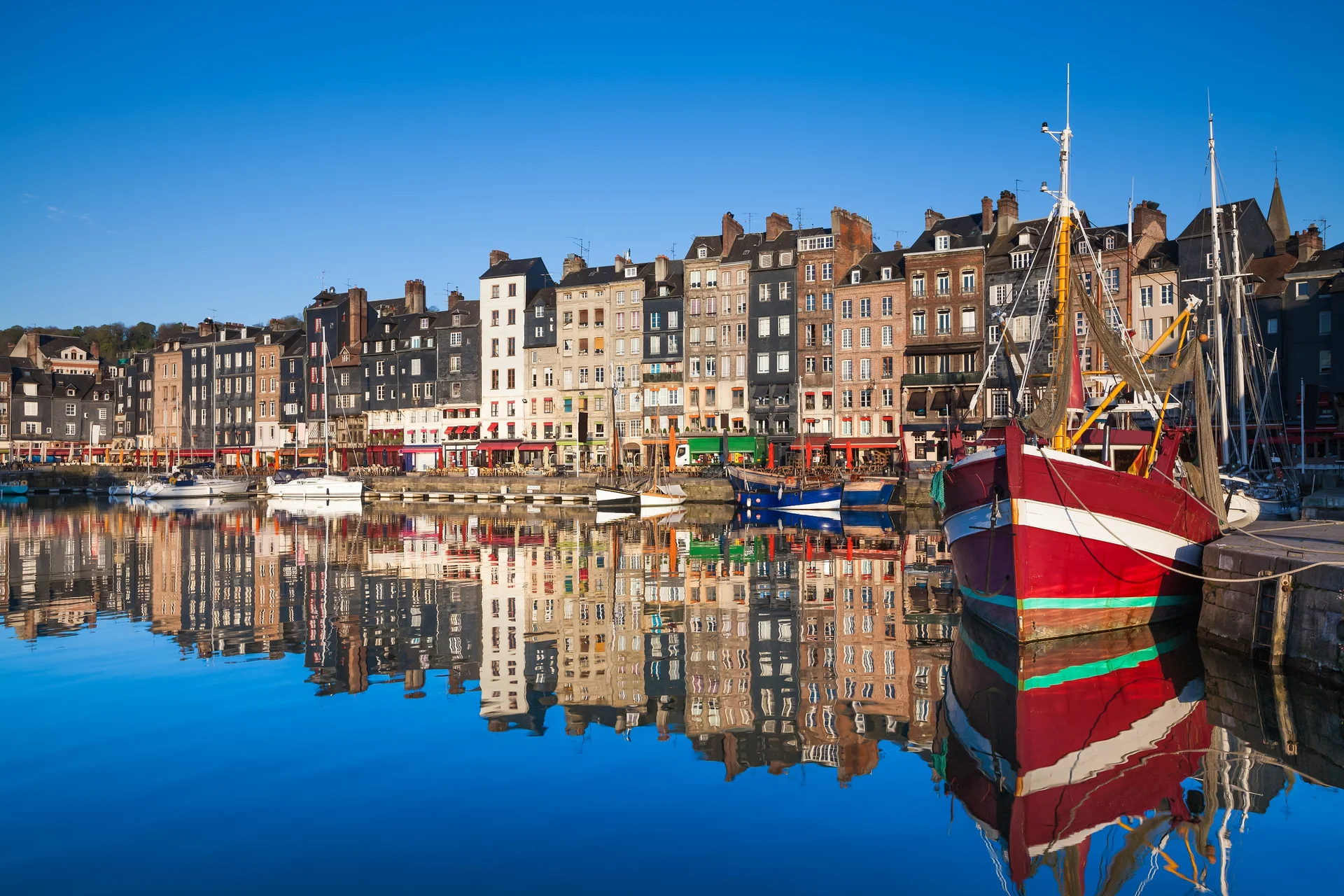
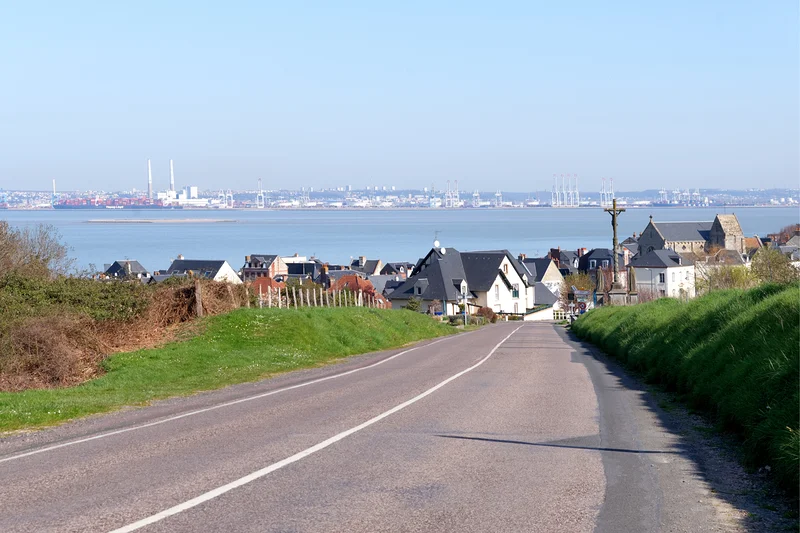
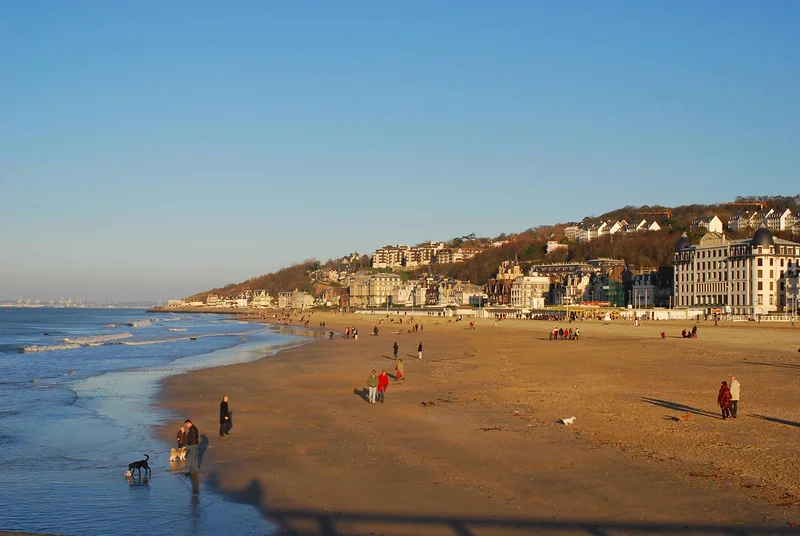
For me, Honfleur is simply the most beautiful city in the Seine estuary and the Côte Fleurie. I love wandering along the old narrow streets, appreciating the half-timbered houses sometimes covered in slate. I love drinking a beer or a coffee by the edge of the old harbor. There is something for everyone in Honfleur: museums, gardens, a playground for kids, a butterfly greenhouse, a beach... Throughout the year, there is always something to do in Honfleur.