
Visiting Trouville-sur-Mer
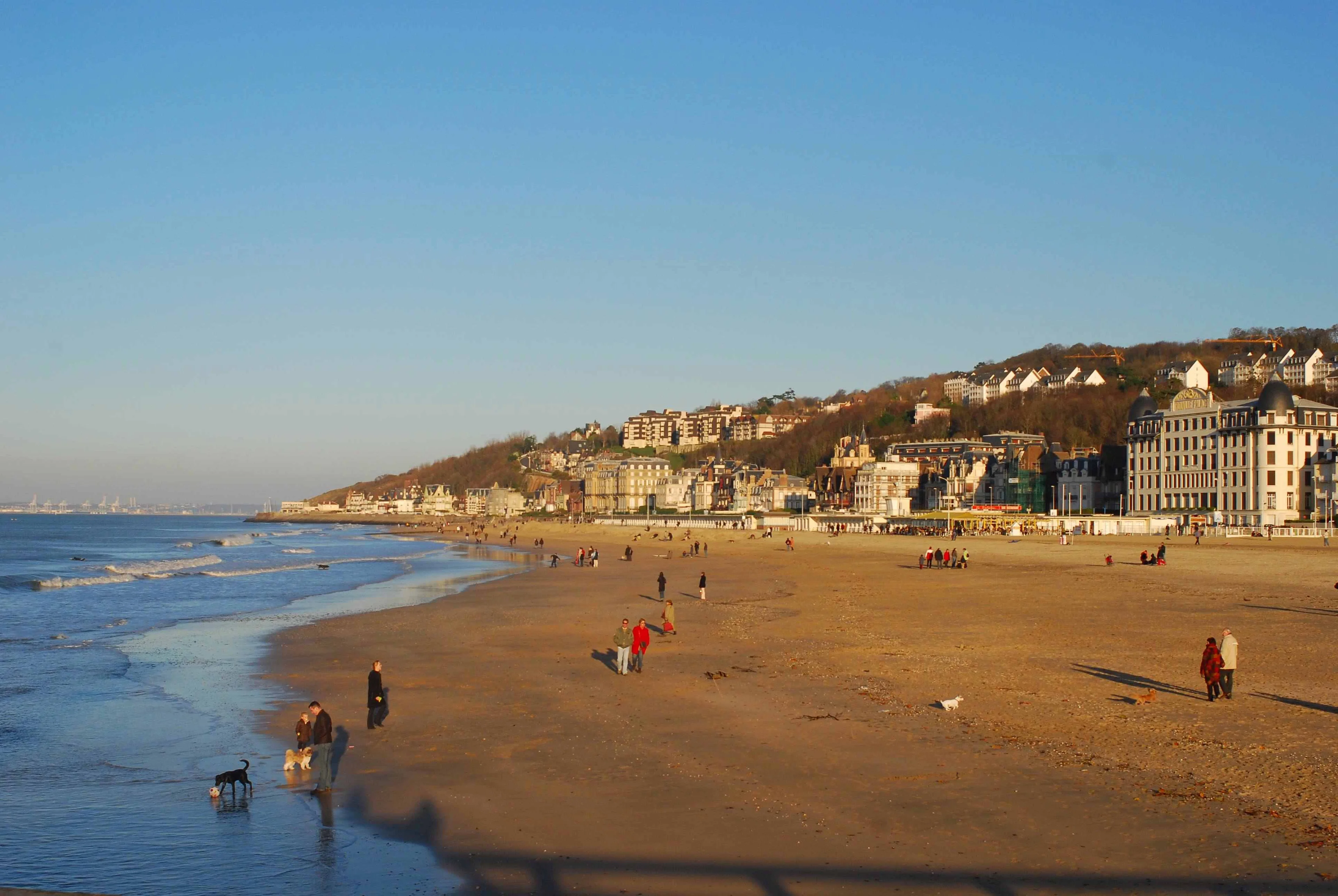
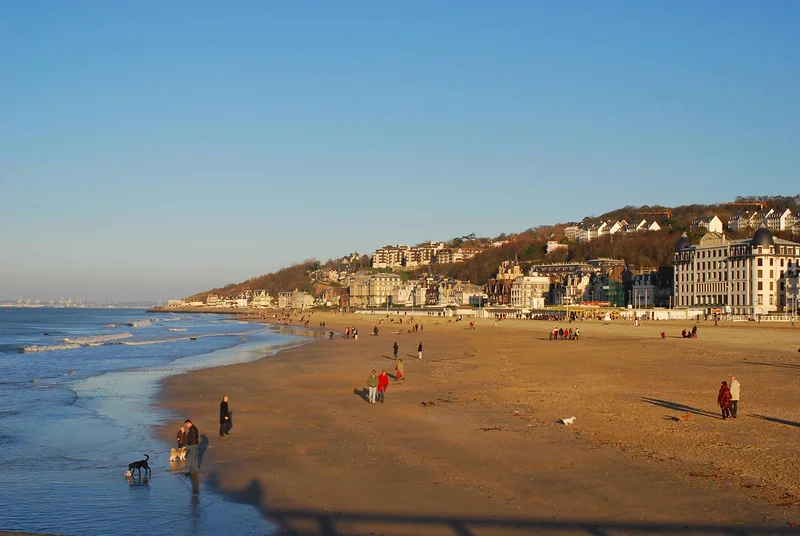
Trouville-sur-Mer is a town on the Côte Fleurie located in the Calvados department of Normandy. The name Trouville likely traces back to the Viking invader Thorulfr. This small fishing port first surged in popularity during the Belle Époque as painters flocked here, drawn by the coastal landscapes and wide sandy beaches. Trouville remains an active port today, serving as the leading mackerel fishing hub in Normandy. The town has long been a retreat for literary and artistic figures, including Gustave Flaubert, Marcel Proust, and Marguerite Duras.
A historic seaside destination on the Côte Fleurie
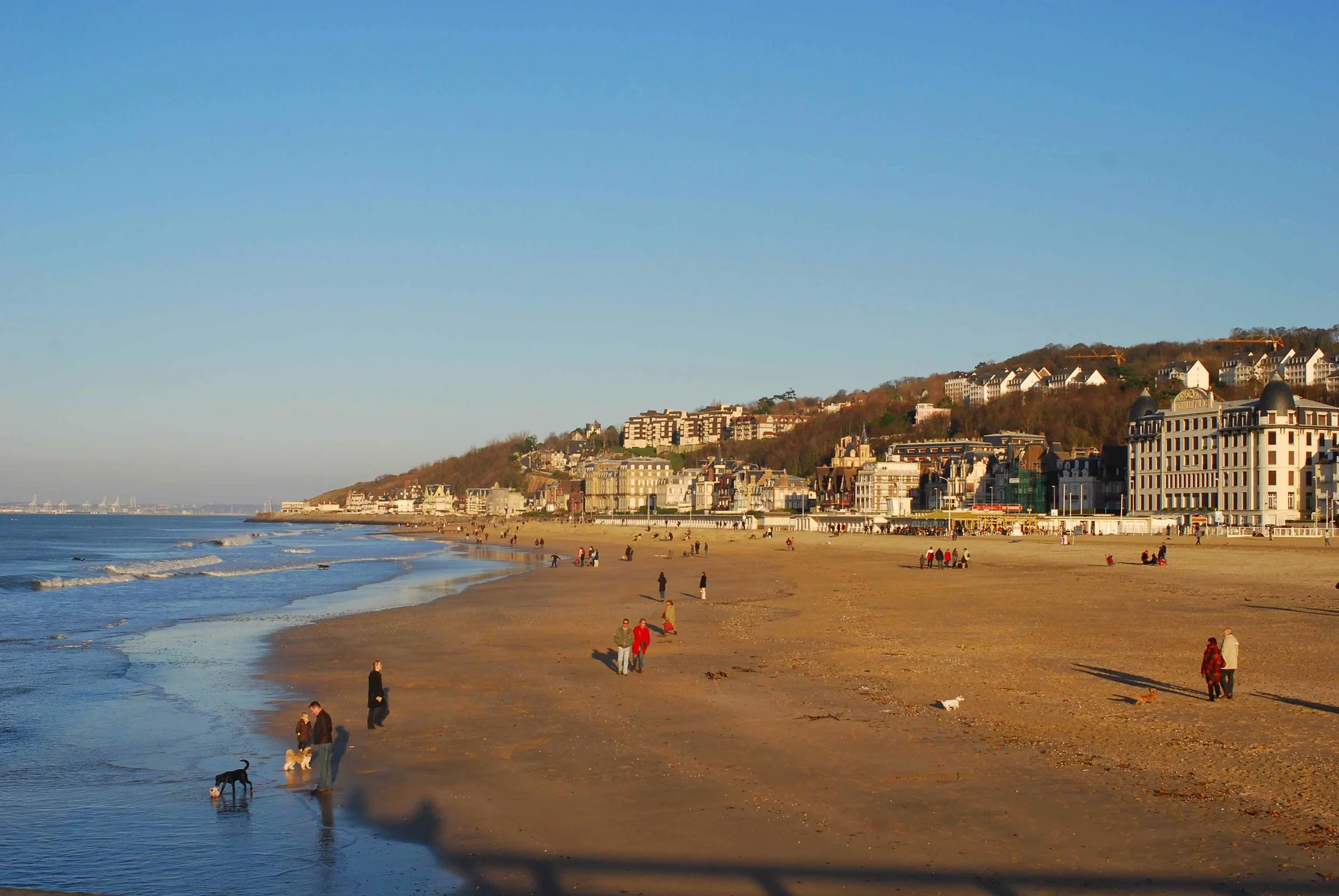
Trouville-sur-Mer expanded significantly during the 19th century as the medical community began touting the health benefits of ocean air and sea bathing. The wealthy elite commissioned grand villas and luxury hotels, such as the famous Hôtel des Roches Noires, which was immortalized in a painting by Claude Monet. The villa Montebello, built in 1865 by architect Jean-Louis Célinsky de Zaremba, now houses a museum dedicated to the history of seaside leisure. Inside, you will find a collection of artifacts and posters by Raymond Savignac, who lived in Trouville for over two decades.
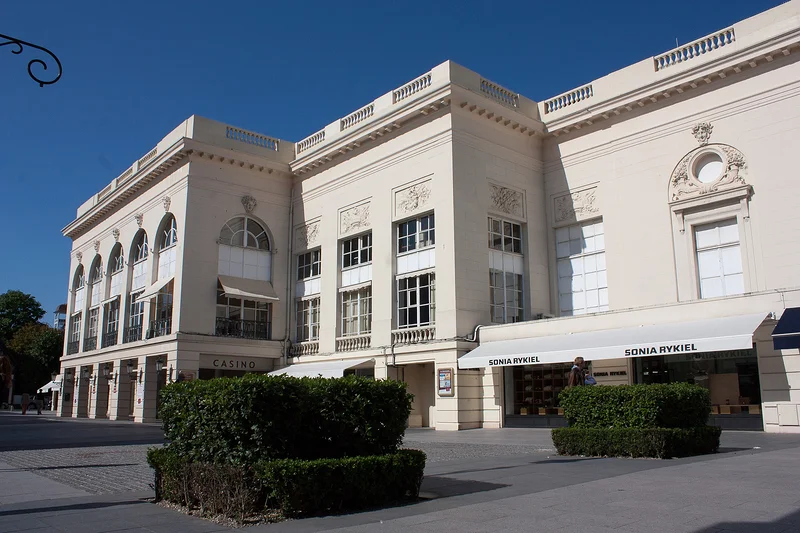
The 1863 opening of a rail line connecting the town to Paris accelerated development along this stretch of the Normandy coast. A casino was built in Trouville in 1912, though it was eventually eclipsed by the one in Deauville. That neighboring town grew rapidly under the influence of the Duc de Morny, who specifically courted an upscale crowd. Today, the former casino building houses the Cures Marines, a high-end spa and thalassotherapy center.
What to do in Trouville-sur-Mer
Once you arrive at the Deauville-Trouville train station, cross le pont des Belges, named in honor of the Belgian soldiers who helped liberate the coast in August 1944. You can also bypass the bridge by taking a ferry across the Touques river, which takes just a few minutes. Walking the waterfront is a rite of passage here, specifically along the historic boardwalk, or promenade Savignac, which dates back to 1867. Beyond the beach, you can rent kayaks, stand-up paddleboards, or windsurfing gear.
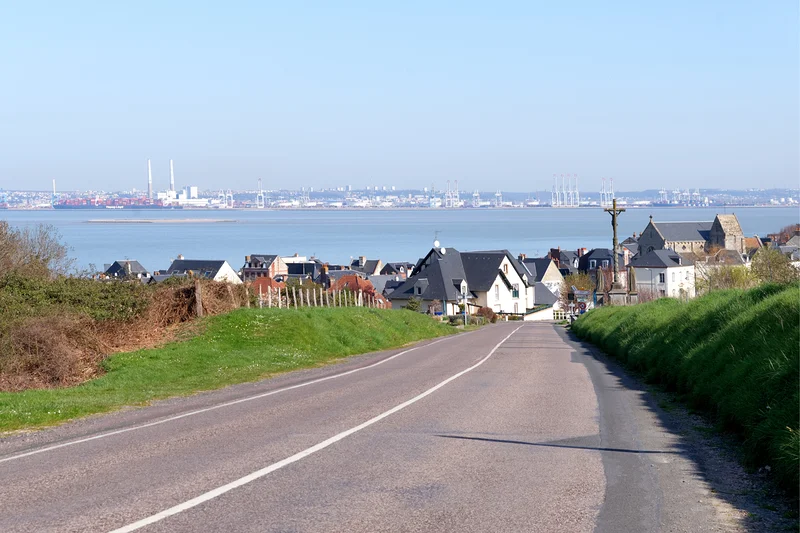
Make sure to stop by the fish market, or Halle aux poissons, a 1935 structure designated as a historic monument. It is a great spot to grab fresh seafood and eat it right on the premises. If you want a better vantage point, several overlooks have recently opened to the public. Since the town is built on a hillside, many of the local walking paths offer excellent views of the English Channel.
When to go
The best time to visit the Côte Fleurie is between May and October. If you prefer to avoid crowds, try to visit outside of the peak summer months.
Getting there
Trouville is easily accessible by car, train, or bus via the Deauville-Trouville train station.
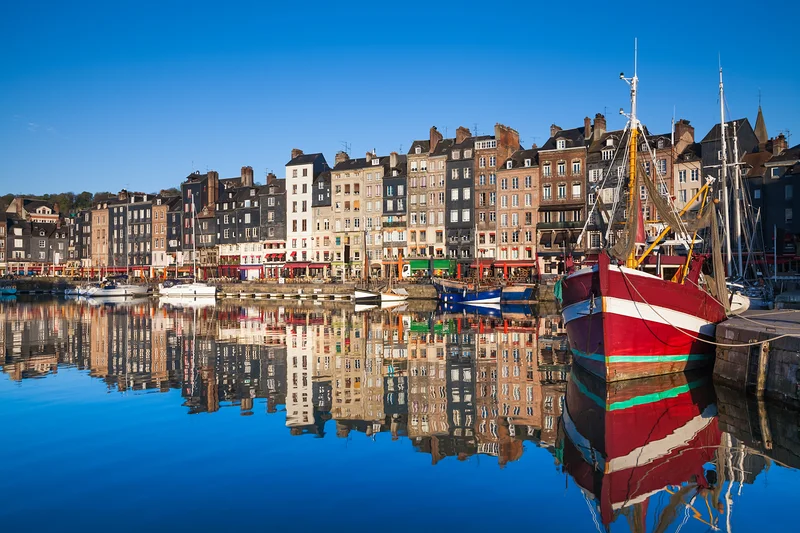
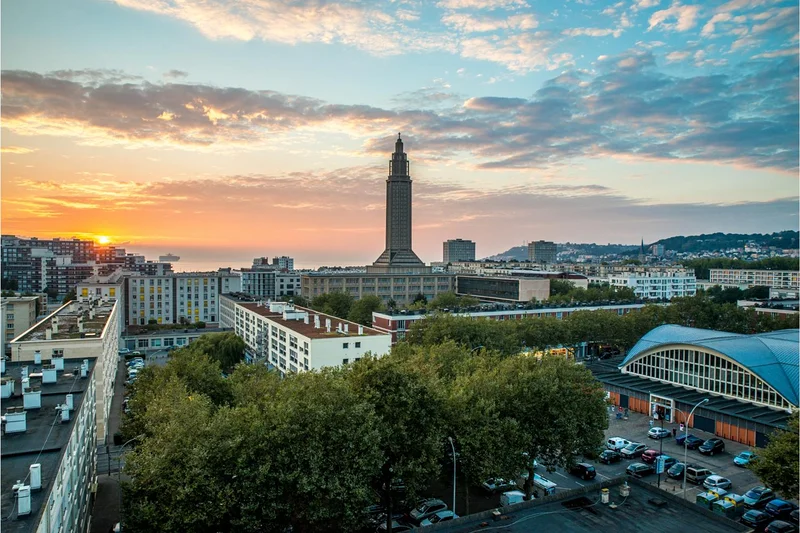
I love Trouville-sur-Mer for its authenticity, a fishing port converted into a seaside resort in the middle of the 19th century. A seaside resort yes, but still a port today too, with its fish market, its sea festival at the end of July and beginning of August. Trouville-sur-Mer is often overrun during the big weekends in May and June, so it is not always the best time to go there.