
Rouen, the city of a hundred spires where Joan of Arc was burned
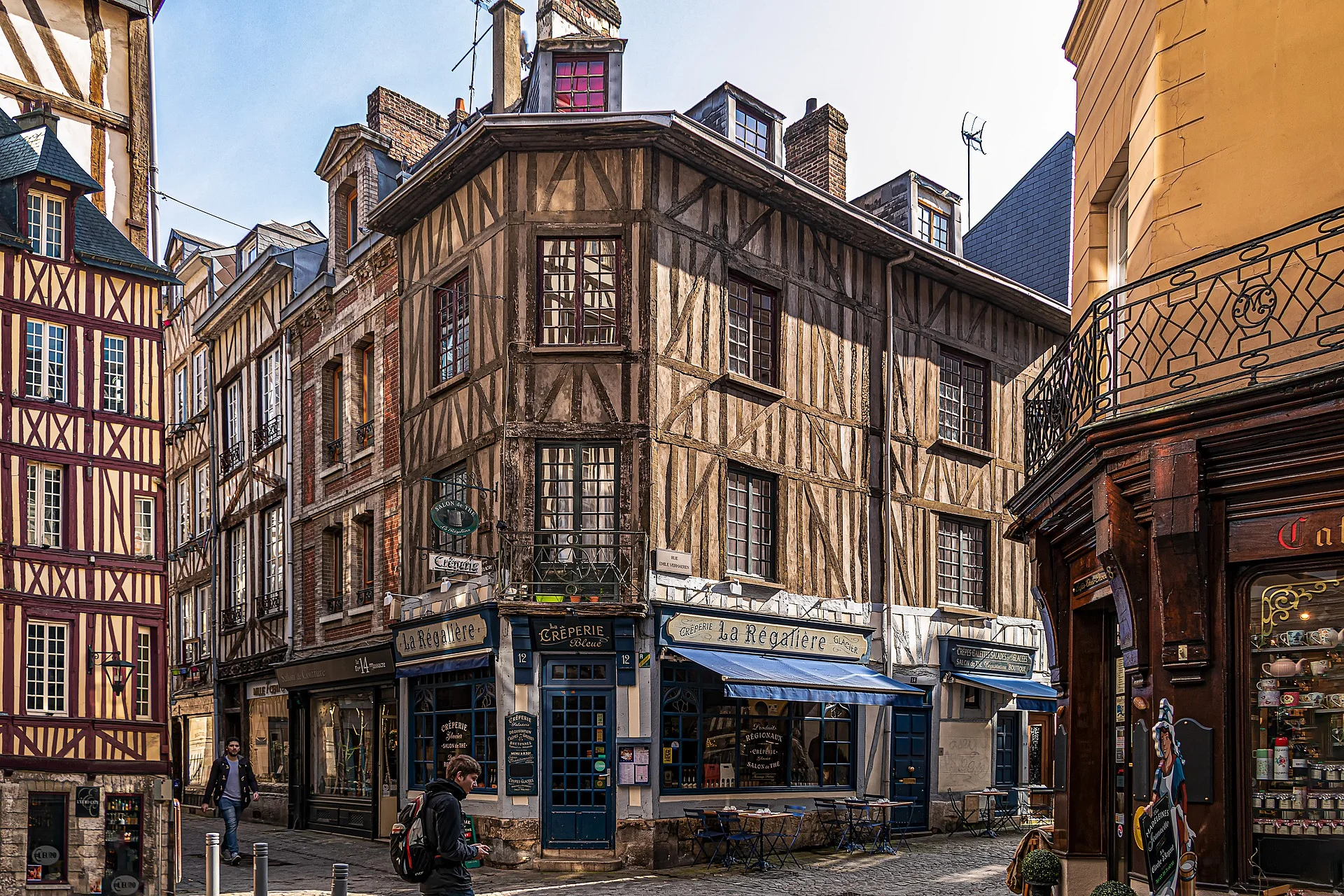
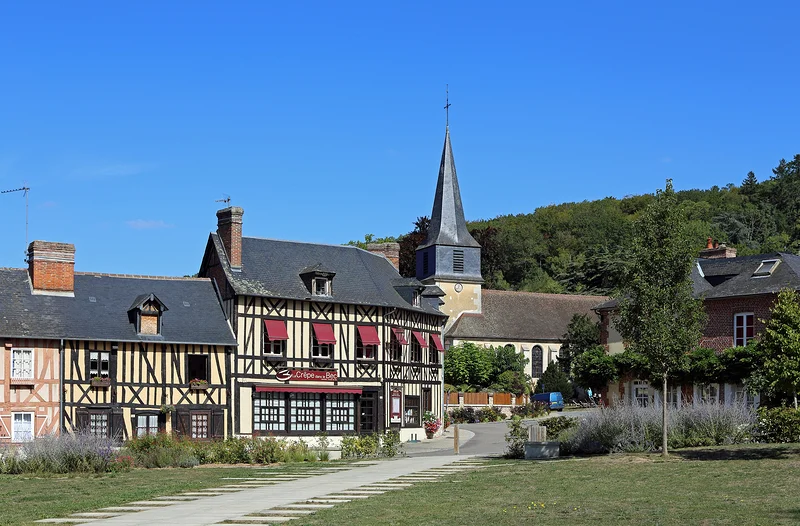
It is 8:00 AM on the place du Vieux-Marché. Market stalls overflow with farmhouse Camembert and Reinette apples, while the modern, wave-shaped church stands right where Joan of Arc met her end in 1431. This stark juxtaposition of tragic history and daily life sums up Rouen better than any guidebook. As the capital of Normandy, this city of 110,000 residents features a remarkably dense medieval center, where half-timbered houses lean tightly against one another as if shielding themselves from the passage of time.
Rouen: a destination for history and stone lovers
If you want a destination where simply walking around feels like time travel, Rouen delivers. Every alley in the center holds carved facades, hidden courtyards, and wrought-iron signs. Fans of medieval and Renaissance architecture will find an exceptional playground here. Impressionism enthusiasts will too, since Monet painted the cathedral more than thirty times under changing light.
On the other hand, if you dream of beaches or vast natural spaces, skip this stop. Rouen is a city of stone and built heritage, not a nature destination. Tourism stays concentrated within a fairly compact perimeter. Over an intense weekend, you will easily see all the major sites.
A reasonable budget for a regional capital
Plan for $79 to $135* per day for two people, lodging included. A decent downtown hotel room runs around $90* a night, and a restaurant meal costs between $17 and $34* per person. Municipal museums are free on the first Sunday of the month.
The medieval core: where it all happens
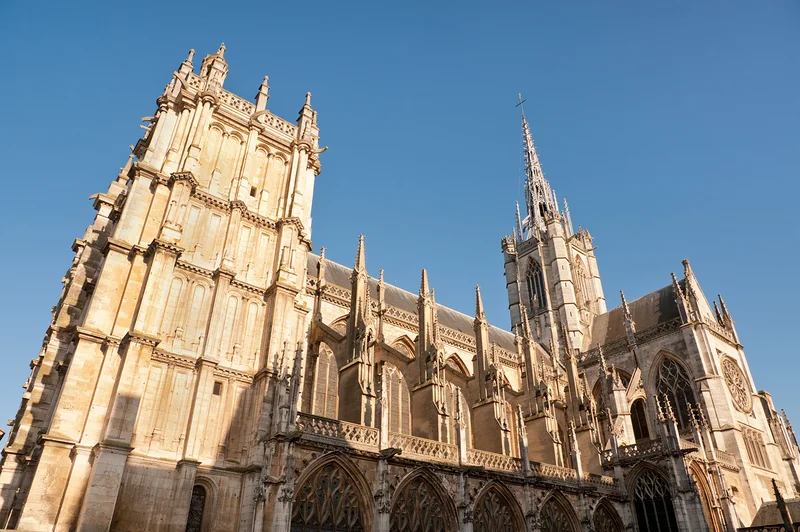
Rouen’s historic center can be explored on foot in a few hours, but it rewards slow wandering. The Notre-Dame Cathedral displays a facade of carved stone lace, a Gothic masterpiece made famous by Monet. Inside, the tour de Beurre (Butter Tower) recalls how wealthy citizens paid to eat butter during Lent. That money helped fund the 246-foot spire.
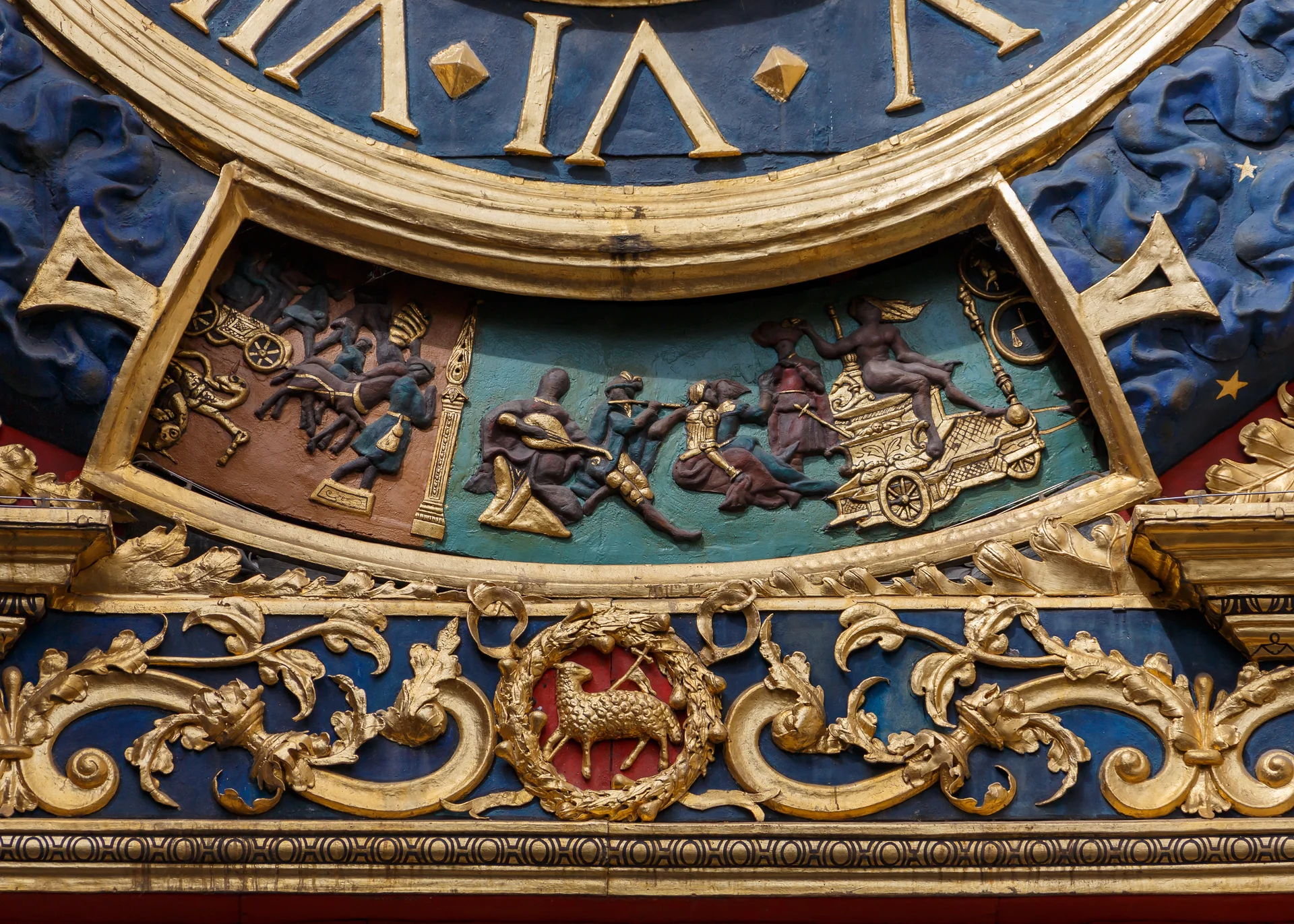
Just steps away, the Gros-Horloge arches over the pedestrian street of the same name. This 14th-century astronomical clock, gilded with fine gold, tracks moon phases and days of the week. Climb the belfry to inspect the mechanism and take in the rooftops of the city.
Friendly tip: Come back to see the cathedral at dusk during the summer. The free sound and light show projects Monet's paintings directly onto the facade. The effect is striking and lasts about twenty minutes.
L’Âtre Saint-Maclou: Normandy's strangest site
Few travelers venture to this hidden cloister behind the Saint-Maclou church. Yet it remains Rouen's most singular spot. Built as a plague pit during the 16th-century epidemics, this former charnel house features wooden columns carved with skulls, crossbones, and gravedigger tools. The atmosphere feels surprisingly peaceful. Today, the galleries house the School of Fine Arts.
Saint-Maclou church itself is worth a detour for its flamboyant porch, considered one of the finest examples of late Gothic architecture in France. The five carved wooden doors date from the Renaissance and depict biblical scenes with unsettling realism.The Left Bank: Rouen's creative side
Cross the Seine to discover another side of the city. The Saint-Sever neighborhood and the old docks have been transforming over the last decade. Le 106, a former industrial warehouse converted into a concert hall, symbolizes this renewal. The warehouses now host art galleries, wine bars, and restaurants that feel less formulaic than those in the tourist center.
Panorama XXL offers an original immersive experience with a 32,000-square-foot circular canvas that plunges you into life-sized historical reconstructions, like ancient Rome or the Great Barrier Reef. The concept divides opinion, but kids love it.Friendly tip: On Sunday mornings, the market at place Saint-Marc on the Left Bank draws fewer tourists than the Vieux-Marché. Prices run lower and the vibe is much more local.
Beyond the center: tram-accessible trips
The jardin des Plantes, reached easily by tram, offers a welcome green break. Its tropical greenhouses shelter remarkable botanical collections, and admission is free. To dive into the region's industrial history, head out to the Musée de la Corderie Vallois in Notre-Dame-de-Bondeville, a former cotton spinning mill that still operates.
Fans of Flaubert can visit the pavilion where the author was born on the grounds of the former Hôtel-Dieu. The museum traces his life and work in a preserved setting. Madame Bovary was written just a few miles away in Croisset, where another pavilion museum still stands.
Where to eat and drink in Rouen
Rouen cuisine centers around duck, prepared "à la rouennaise" with a blood and red wine sauce. The dish is rich and intense, best tried in traditional spots like La Couronne, the oldest inn in France, operating continuously since 1345. Expect to pay at least $45* for this culinary rite of passage.
For a simpler meal, ficelles picardes (crepes stuffed with ham, mushrooms, and cheese) and mirliton (a small almond pastry) are local standbys. Local cidre bouché from the Pays de Bray pairs best with Norman specialties. For drinks, rue Martainville and its surroundings hold the liveliest bistros, frequented by students and locals rather than tour groups.
Getting to and around Rouen
Trains from Paris to Rouen take 1 hour and 20 minutes from Gare Saint-Lazare, with frequent departures and tickets running between $17 and $34*. From Lille, allow 2 hours and 30 minutes with a connection in Paris. Travelers coming from Belgium or the Netherlands can also take the A28 highway, as Rouen sits 2 hours and 30 minutes from Brussels.
Within the city, the tram and buses cover the metro area efficiently. A single ticket costs $2.10*. The pedestrian center is easy to navigate on foot, which remains the best way to discover the medieval alleys. Underground garages downtown charge about $2.30* per hour.
When to go
Spring and early autumn strike the best balance between pleasant weather and moderate crowds. May and September are particularly agreeable. Summer brings the sound and light shows on the cathedral facade, but also vacation crowds. In winter, the Christmas market transforms downtown, complete with an ice rink set up right in front of the cathedral.
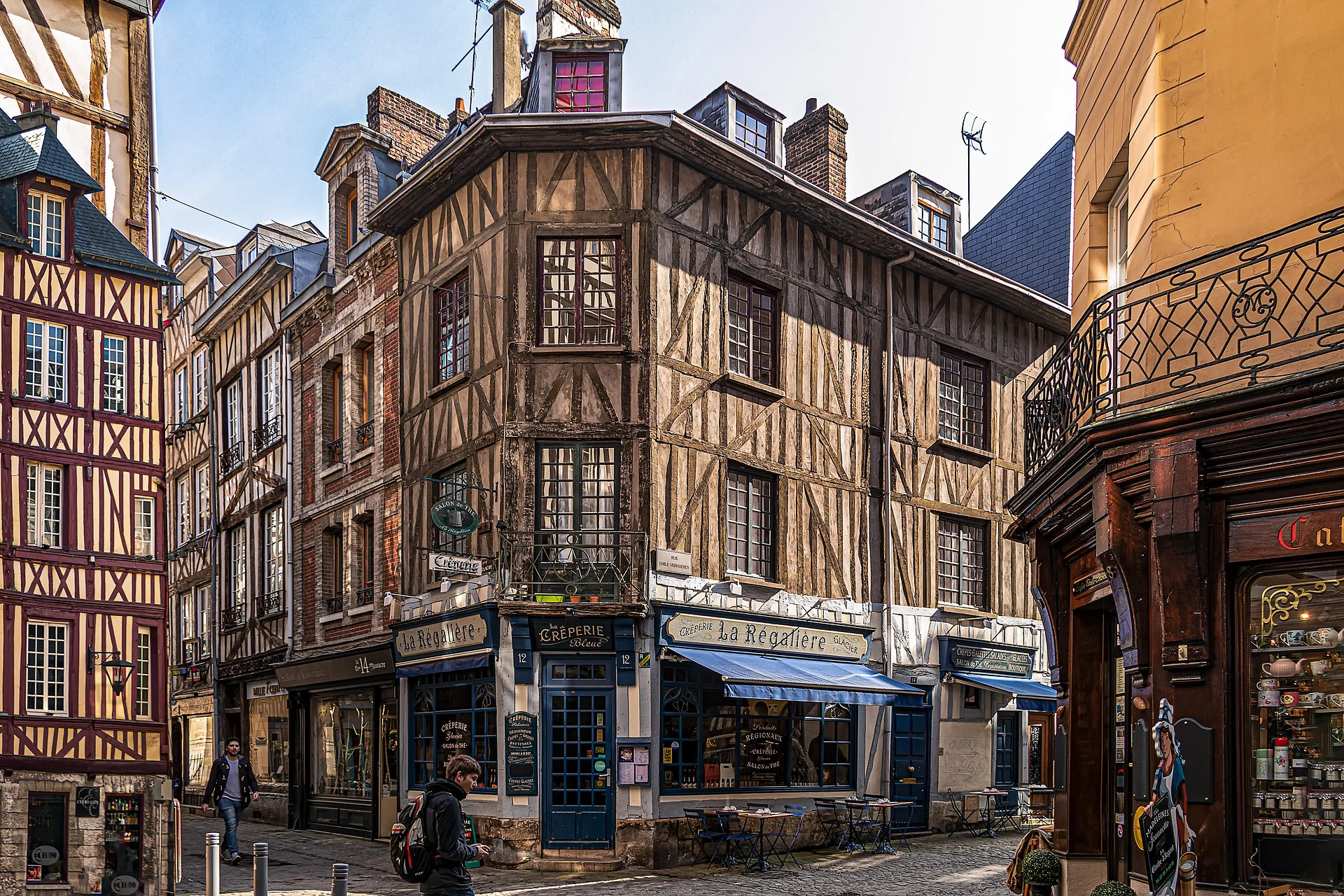
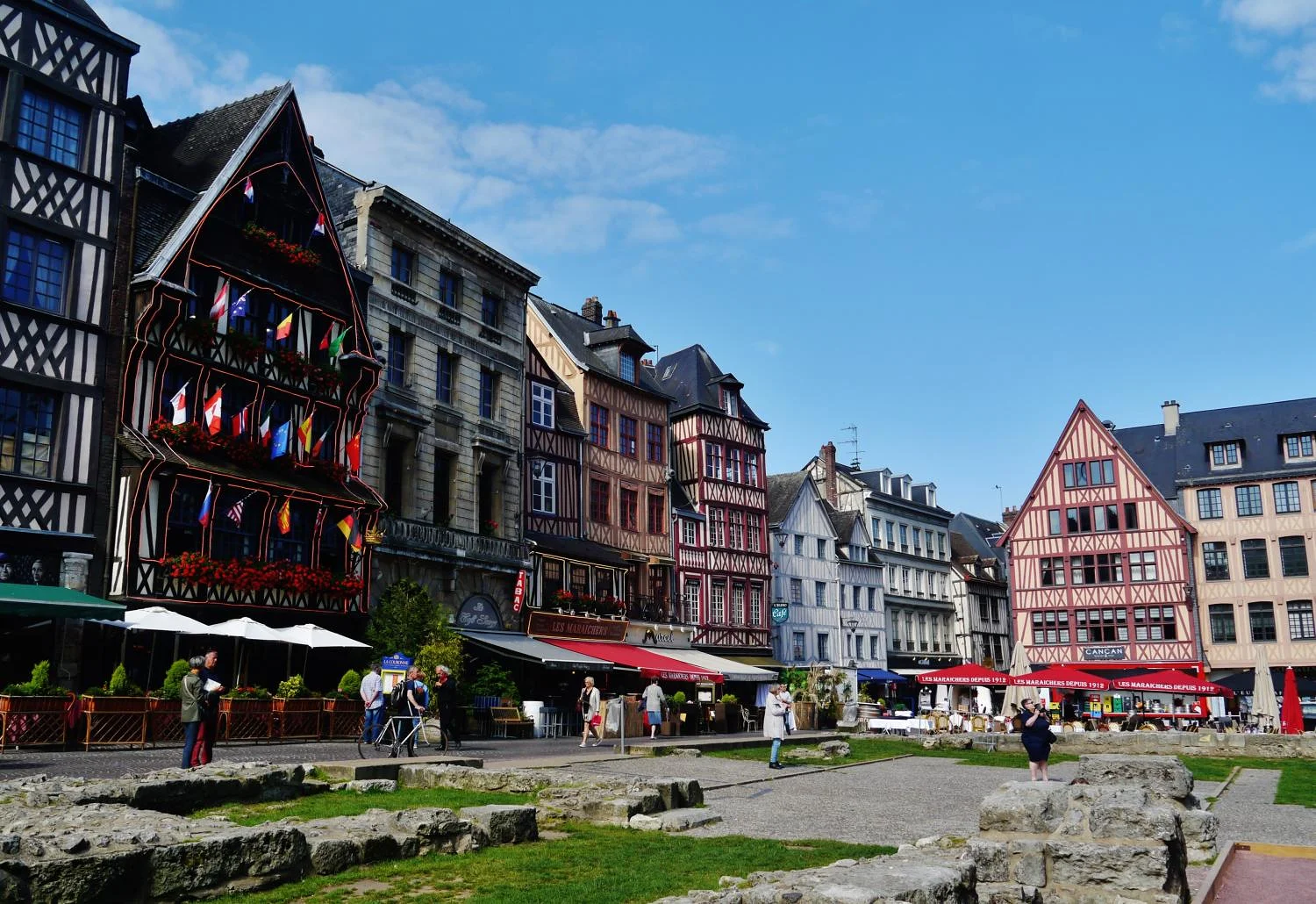
I lived in Rouen for 3 years, and while it is not necessarily always the easiest place to live (mostly because of the many factories in the surrounding area), the city remains perfect for history buffs. Between the Dukes, the Second World War (the city hall still has bullet holes), Joan of Arc, the Impressionists, Flaubert's house, the battles against Prussia, Corneille's house... you will not have any reason to be bored!