

Giverny, the village that changed the history of painting
564 residents, two streets tumbling down a Norman hillside, pink and green houses buried under wisteria. Nothing about this village suggested it would become one of the most photographed places in France. And yet Claude Monet changed everything when he moved in back in 1883.
Is this destination for you?
Giverny is above all for lovers of painting and gardens, but also for anyone after a countryside escape less than two hours from Paris. You see the village on foot, the air smells of roses in June, and the light off the nearby Seine explains on its own why the Impressionists were obsessed with this region.
On the other hand, if you're traveling with toddlers, can't stand crowds or are hoping for nightlife, skip it. Giverny is tiny, dining options are limited, and in high season the Monet gardens draw lines long enough to discourage you.
Great for:
- Fans of Impressionist art and botanical gardens
- Couples on a romantic getaway from Paris
- Photographers chasing Norman light
- Travelers who want to combine Giverny with Vernon or Les Andelys in a single day
Not ideal for:
- Travelers without a car who don't want to rely on a shuttle from Vernon
- Anyone looking for nightlife or a varied dining scene
- Families with young kids who aren't interested in gardens and painting
- Off-season visitors: most businesses close from October to March
Budget: manageable, but watch the extras
Giverny stays a reasonable destination as long as you don't pile up meals in the village, where the tourist-oriented spots charge high prices for quality that can disappoint. Packing a picnic from Vernon is a smart move.
| Item | Typical range |
|---|---|
| Night in a B&B / gîte (nearby) | $66 to $110* |
| Night in a comfortable hotel (Vernon or nearby) | $110 to $176* |
| Quick bite / picnic | $11 to $17* |
| Sit-down meal in the village | $28 to $50* |
| Admission to Monet's gardens and house | $14 to $17* (adult) |
| Admission to the Museum of Impressionisms | $7.70 to $11* (adult) |
| Total for a tight-budget day | $44 to $66* |
| Total for a comfortable day | $88 to $143* |
Prices are estimates and subject to change
Practical realities
Giverny is a village, not a town. There's no pharmacy, no ATM, and shops are scarce beyond the main street. Bring cash and anything you might need before you arrive.
Getting around inside the village is entirely on foot: everything sits within a few hundred meters. To get to Giverny from the Vernon train station, though, figure about 5 km. Seasonal shuttles and rental bikes are available at the station, so you don't have to depend on a car.
Friendly tip: if you're driving from Paris, avoid arriving on a weekend in May or June between 10am and 2pm. The village parking lot fills up fast and the gardens are packed. Aim to get there at opening, 9:30am, on a weekday.
Monet's gardens: beyond the cliché
The house and gardens of Claude Monet are the main reason to come here, and they fully live up to their reputation. The house itself, with its kitchen tiled in blue faience and walls covered in Japanese prints, says as much about Monet as his canvases do.
The Clos Normand, the big flower garden in front of the house, bursts with color from May to September: hollyhocks, nasturtiums, iris, peonies. Every path is laid out like a painted composition. Then walk through the tunnel under the road to the water garden, with its famous Japanese bridge and the water lily pond. It's here, in the light filtered through the weeping willows, that everything clicks.
The Museum of Impressionisms
Steps from the gardens, the Museum of Impressionisms Giverny often gets overshadowed by Monet's house, unfairly. Its temporary exhibitions explore Impressionism and its legacies with real scholarly rigor. A former museum of American art, it's a reminder that Giverny drew an entire colony of American painters in the late 19th century, drawn by Monet and by the Norman light.
The village beyond the gardens
Once you've seen the gardens, take your time wandering the village's two streets. The half-timbered houses, pink walls and gardens spilling onto the sidewalks make a backdrop that even the most rushed tourists notice.
The Sainte-Radegonde church, a historic monument of Romanesque origin, holds the graves of Claude Monet and his family in its cemetery. Plain and unadorned, it contrasts with the colorful excess of the gardens.
A few kilometers away, the château of La Roche-Guyon and the chalk cliffs rising above it are worth the detour. The Vernon-Giverny-La Roche-Guyon loop makes for a lovely day by car or by bike along the Seine.
Where to eat and drink in Giverny
Dining in Giverny is limited and heavily tourist-oriented. The few places in the village charge high prices, especially around the gardens. The terrace of the Museum of Impressionisms serves decent food in a pleasant setting, but it's still a tourist option.
Our advice: do your shopping in Vernon before you come and picnic in the village or along the banks of the Seine. For a proper meal, Vernon has a far more varied and honest selection, less than 10 minutes away by car.

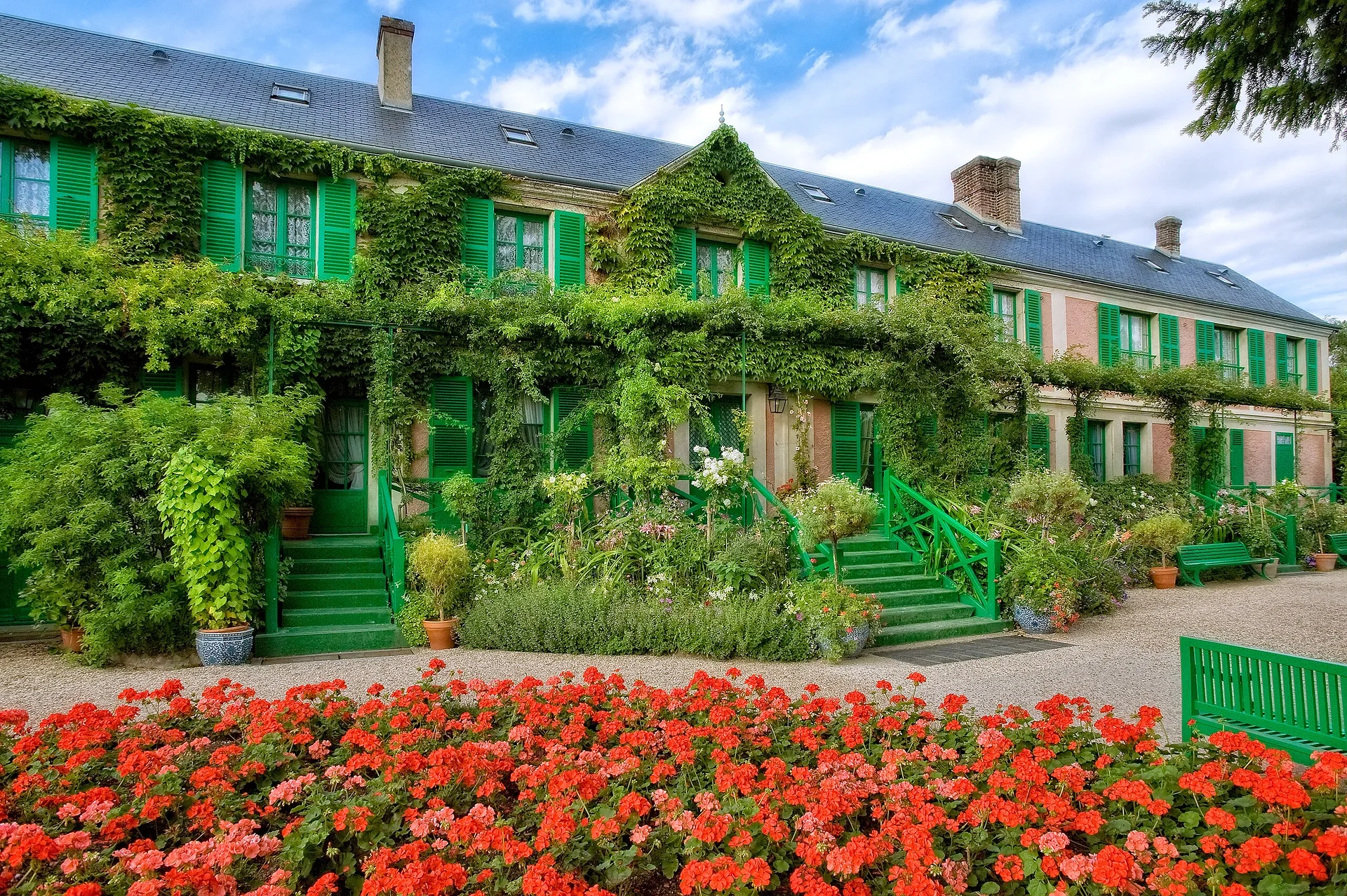

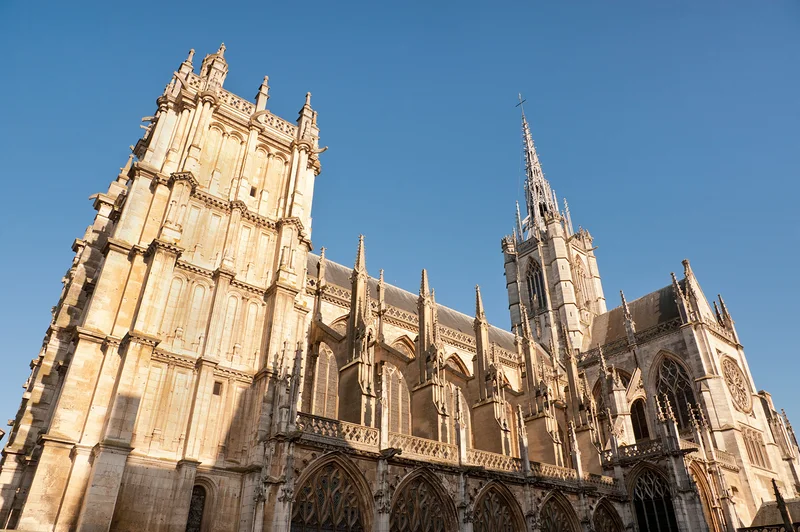

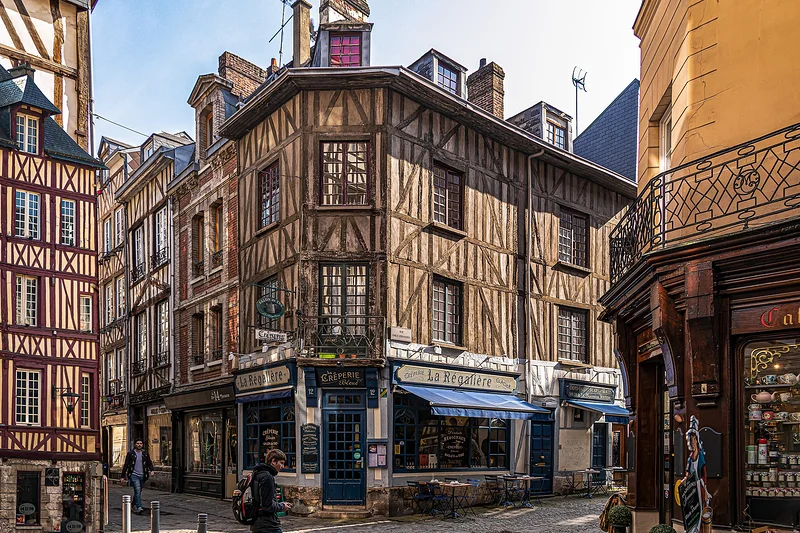
Giverny is the must-do outing for Parisians looking for a change of scenery without getting too far from the capital. Located in the Eure department, Giverny is known as the village of the Impressionists. You can visit Claude Monet's house and gardens as well as the Museum of Impressionism. Booking in advance is a must. I recommend going in the spring, when you have the most flowers.