
Visiting Claude Monet's Garden and House in Giverny
In Giverny, Normandy, opens a world where nature and art fuse together: Claude Monet's Garden and House. This is where the master of impressionism lived, created, and drew inspiration for his most famous canvases, offering an intimate look into his genius.
Why visit Claude Monet's Garden and House?
Touring this iconic site is a direct immersion into the work and life of Claude Monet. The meticulously maintained gardens are much more than a simple green space, they are a living palette, an endless source of light, colors, and shapes that gave birth to the famous series of Water Lilies, Haystacks, or Poplars.
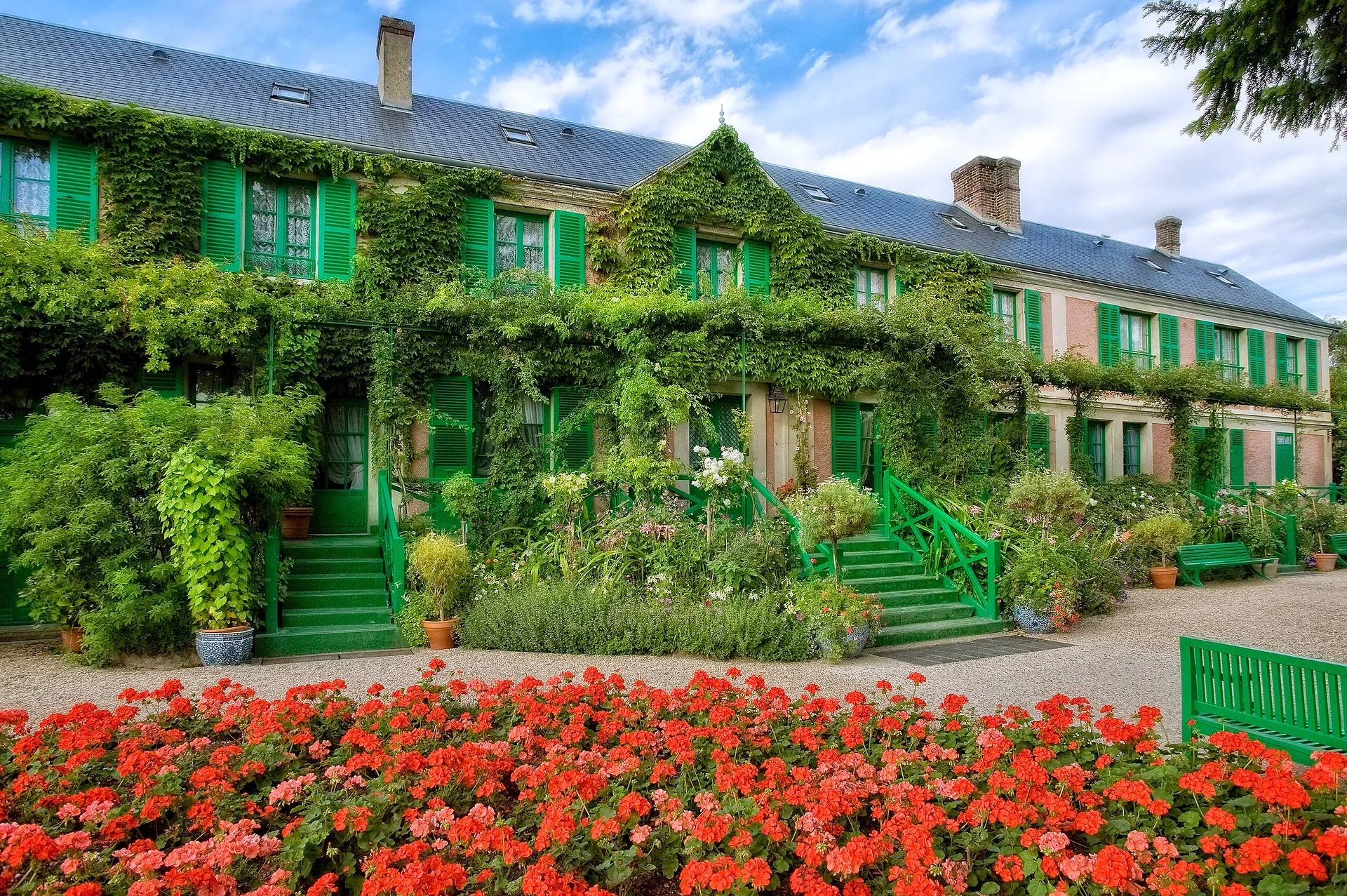
Strolling through these paths means understanding how the artist observed, felt, and translated nature onto canvas. The tastefully restored house reveals Monet's personal environment, his collections of Japanese prints, his furniture, and plunges us into the intimacy of the man who revolutionized the perception of light in painting.
The Clos Normand: a floral explosion
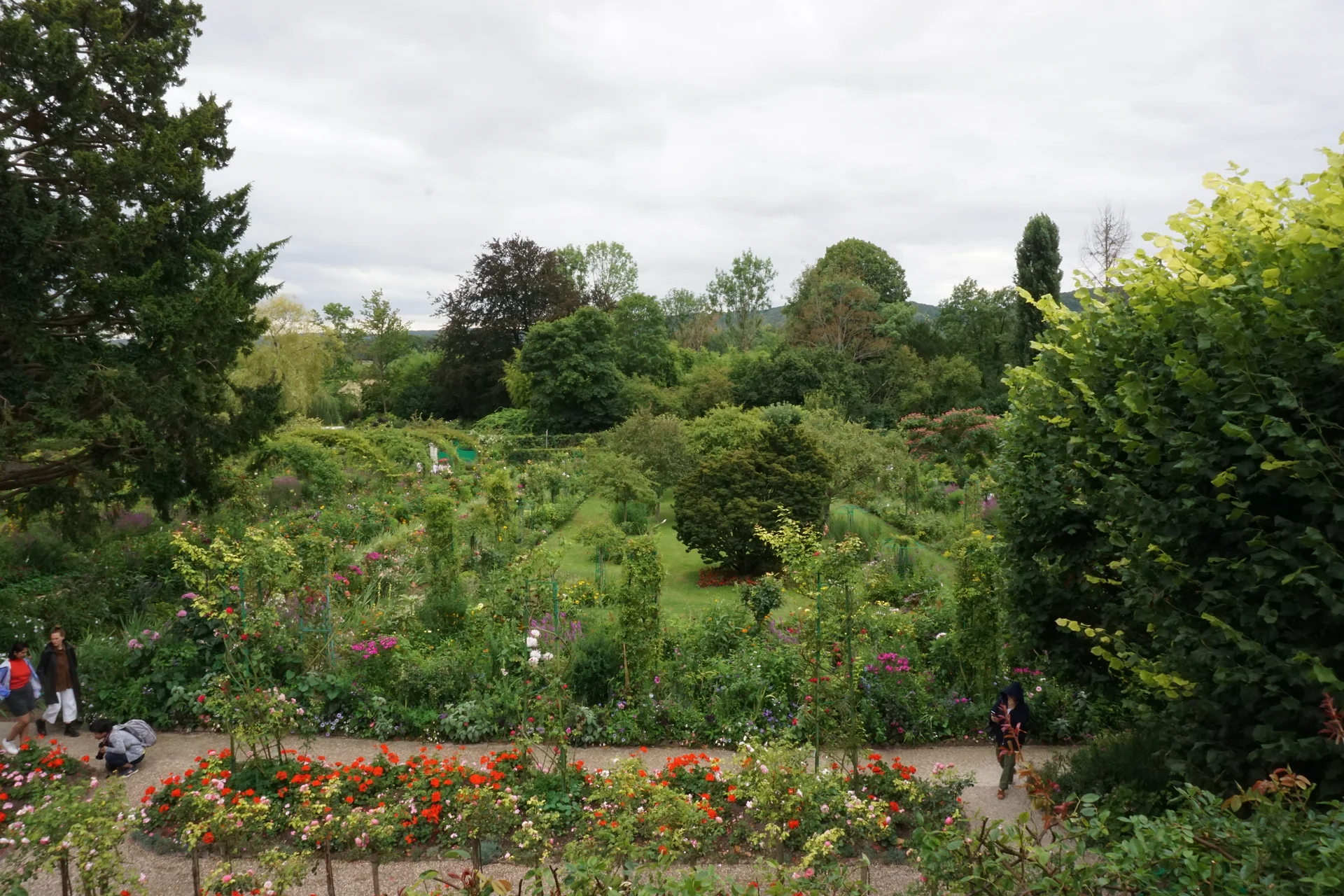
The Clos Normand is the first garden Monet laid out upon his arrival in Giverny. It is a flower garden where the flowerbeds are organized in rectangular blocks, crossed by small paths. Here, climbing flowers mingle with rare shrubs, and colors explode in bold harmonies, orchestrated with a mastery worthy of a painter. From climbing roses to nasturtiums, tulips, iris, poppies, and lupines, each season brings its share of spectacular blooms. This is a garden where floral abundance and diversity captivate the gaze and awaken the senses, a true three-dimensional painting, vibrating with life and color.
The Water Garden: the realm of the Water Lilies
On the other side of the road, accessible via an underground tunnel, lies the famous Water Garden, a work of art in its own right and one of Monet's greatest sources of inspiration. With its pond of Water Lilies, its green Japanese bridge, its weeping willows, and its bamboos, this garden is an invitation to contemplation.
This is where the artist spent the last thirty years of his life painting, capturing the plays of light, reflections, and atmospheric variations on the water's surface. The prevailing calm, the murmur of the wind in the foliage, and the dance of dragonflies create a nearly meditative atmosphere, allowing visitors to connect deeply with the world of Monet's famous series.
Friendly tip: To avoid the crowds, especially in peak season, try to arrive right at opening in the morning or in the late afternoon. The light is often softer then, and the gardens reveal a more intimate and magical atmosphere.
Claude Monet's House: an artist's privacy
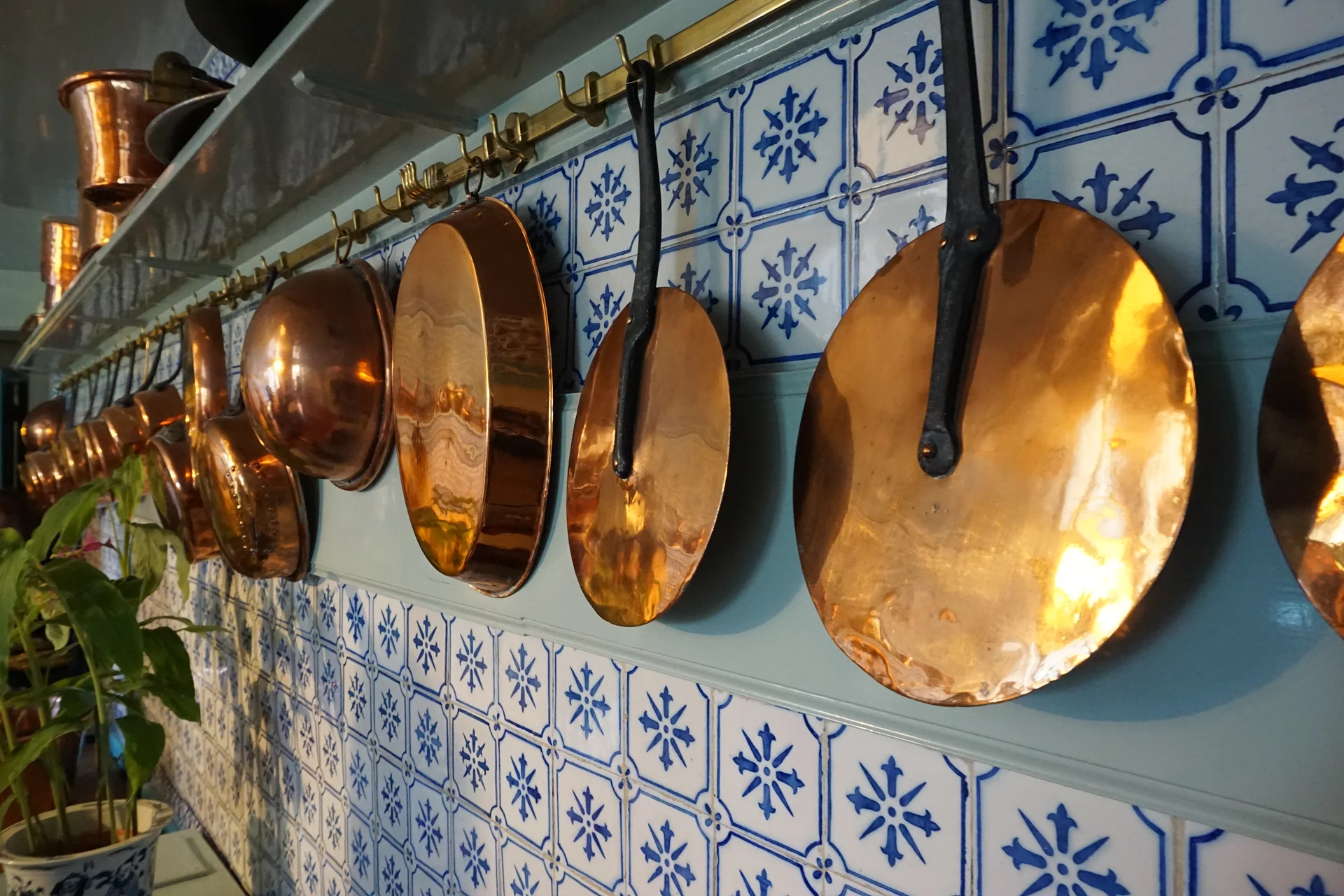
Visiting the house lets you discover the interior where Claude Monet lived with his family. The rooms are set up as they were back then, featuring the famous studio-sitting room, the bright yellow dining room, the blue kitchen with its Rouen tiles, and the bedrooms. Visitors can admire Monet's impressive collection of Japanese prints, which greatly influenced his work. Each room testifies to the artist's taste for color and arrangement, reflecting his aesthetic down to his daily life. This is a touching immersion into the painter's personal environment, offering precious insight into the man behind the work.
Opening hours
*Information subject to change

Claude Monet's house and especially the gardens are absolutely, truly magnificent places, whether you like Impressionist painting or not. Touring the house is also very pleasant, with colorful rooms and a studio that lets you imagine the painter's life back when he lived there.