La Ferrière-Harang, a Norman Village on the Banks of the Vire
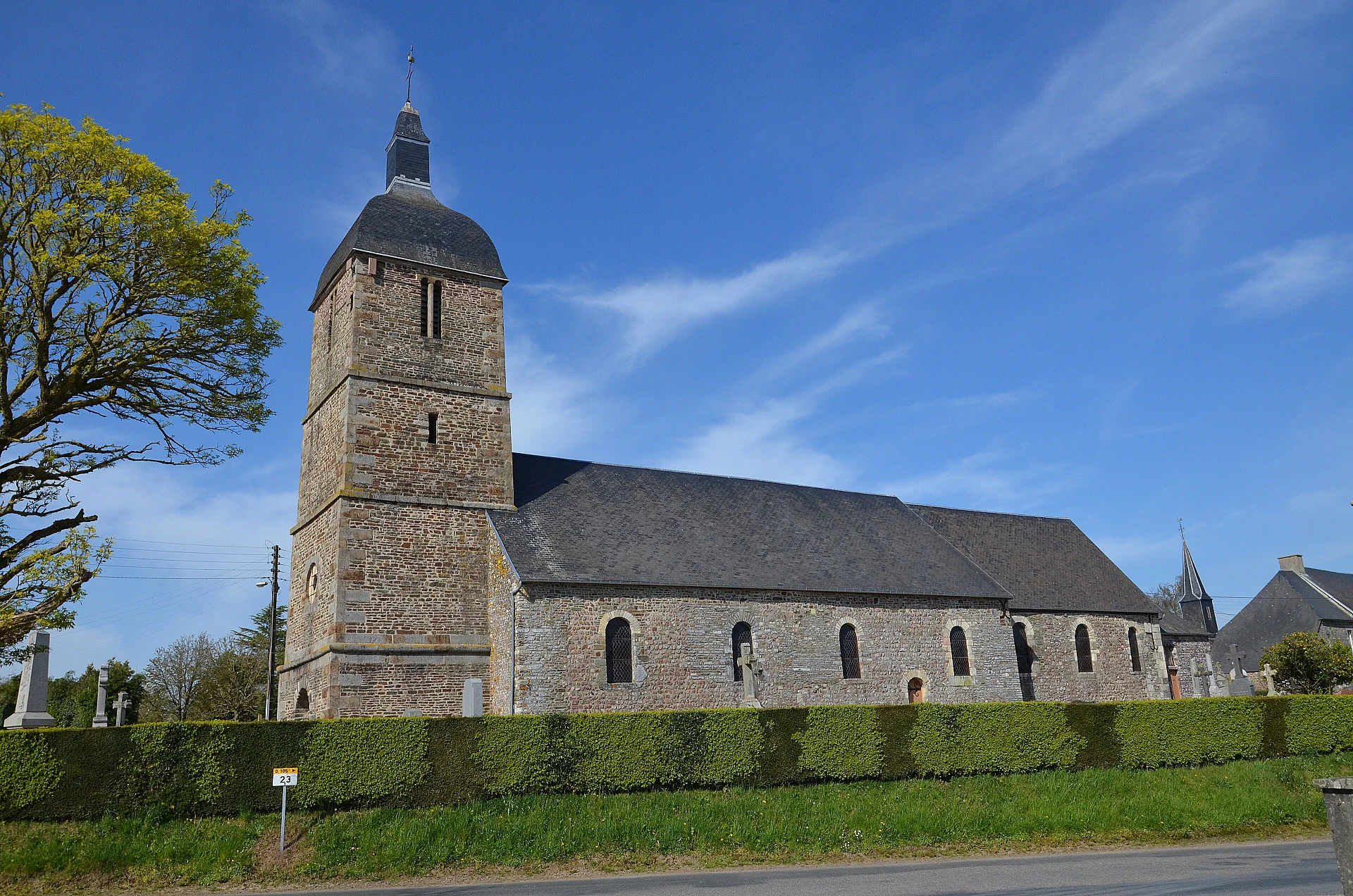
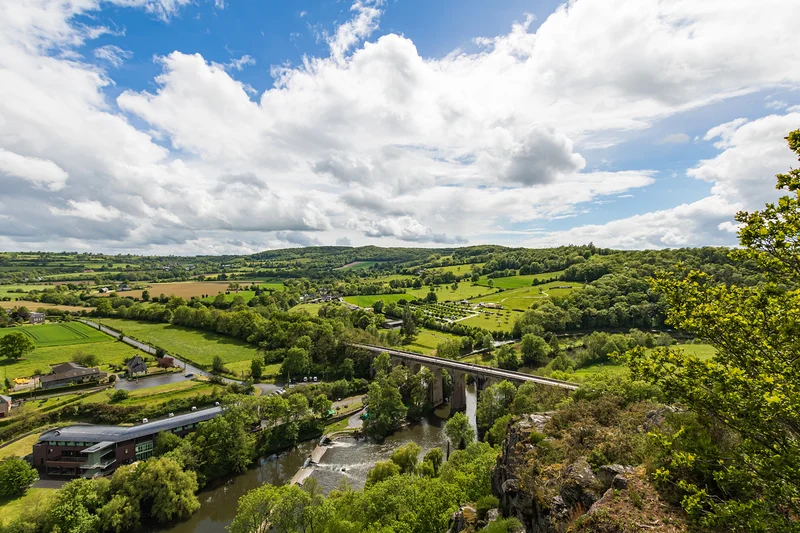
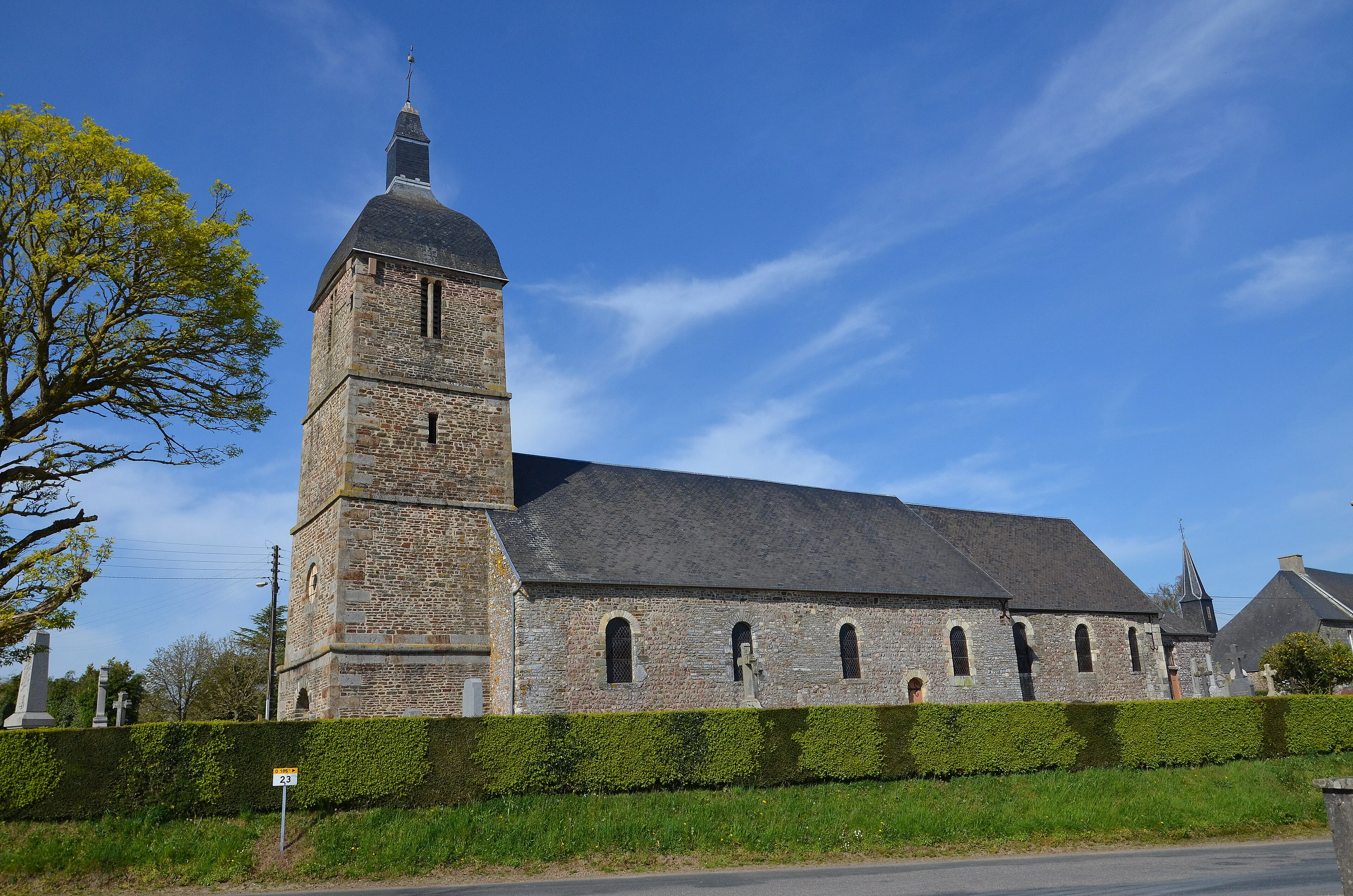
About fifteen miles southeast of Saint-Lô, La Ferrière-Harang stretches along the bends of the Vire river amid a dense, quiet network of hedgerows and sunken lanes. With a population under 300, hollow paths bordered by centuries-old hedges, and a gray granite church, this is the deep Calvados countryside, the kind drivers pass right through without stopping, which is a mistake.
Is This Destination Right for You?
This village appeals primarily to travelers looking for quiet nature and rural tourism, including hikers, cyclists, anglers, and families wanting a weekend away from noise. The proximity to the Vire river and the trails of the Norman countryside makes it a solid base for exploring the Norman bocage countryside on foot or by bike.
On the other hand, if you are looking for nightlife, museums, fine dining, or constant energy, La Ferrière-Harang will not meet those expectations. The nearest town for that kind of scene is Saint-Lô, about twelve miles away.
Good fit for:
- Hikers and cyclists seeking quiet routes through the Norman countryside
- Anglers drawn to the banks of the Vire
- Families or couples looking to unplug in an authentic rural setting
- Travelers exploring inland Normandy far from standard tourist tracks
Poor fit for:
- Car-free travelers, as public transit is practically nonexistent
- Fans of urban culture, museums, and restaurant dining
- Travelers trying to pack everything into a single day trip from Paris without a local base
A Very Accessible Budget
La Ferrière-Harang is a rural Norman village, meaning prices remain among the lowest in the region. Lodging is mostly available as rural gîtes and bed-and-breakfasts in the surrounding towns, often well below the rates charged right on the Normandy coast.
| Expense | Estimated Range |
|---|---|
| Night in a gîte or B&B (surrounding area) | $46 to $92* per person |
| Quick bite (bakery, market) | $5.80 to $12* |
| Restaurant meal (Saint-Lô or neighboring towns) | $18 to $29* |
| Activities (hiking, cycling, fishing) | to $18* |
| Total daily budget for a budget traveler | $64 to $115* |
Estimated rates subject to change
Practical Realities
La Ferrière-Harang has no tourist infrastructure of its own, with no visitor center or permanent shops in the village itself. Having a car is essential. The country roads through the hedgerows are narrow but well-maintained, and parking is straightforward.
The Norman climate sets the rules with frequent rain from October through March and mild summers that are never guaranteed. Pack a waterproof layer regardless of the season. Language is certainly not an obstacle, and the pace of life follows that of the French countryside, meaning it is calm, slow, and shuts down on Sundays.
The Norman Countryside on Foot and by Bike
This is the main activity around La Ferrière-Harang. The area sits within the bocage virois, a landscape of enclosed fields separated by earthen banks planted with trees that heavily shaped the fighting here in the summer of 1944. The sunken lanes offer shaded walking even in the peak of summer, with brief, intimate views of pastures and grazing livestock.
The GR 221 trail and several marked hiking paths cross the area. The Vire greenway, which runs alongside the river for miles, can be accessed from neighboring towns and provides one of the most pleasant cycling routes in the Manche department.
Friendly tip: Before you head out on a hike, download the GPX tracks available on the website of the Vire Normandie tourist office or of the local intercommunal authority. Trail markers on the ground can occasionally be faded along shorter stretches.
The Vire River and Fishing
The Vire is a classified trout river, regularly drawing anglers from across the region, especially in the spring and early summer. The banks around La Ferrière-Harang offer quiet access points far from the busier sections downstream.
A fishing license is mandatory. Check in with the local AAPPMA fishing association or purchase your annual permit online before you leave. Trout fishing season generally opens in March.
The Memory of the 1944 Countryside Battles
The Vire sector was the site of intense fighting during the summer of 1944 in the battle of the hedgerows that followed the D-Day landings. Allied advancement was exceptionally slow and costly precisely because of the network of hedgerows and earthen banks that neutralized mechanized advantages.
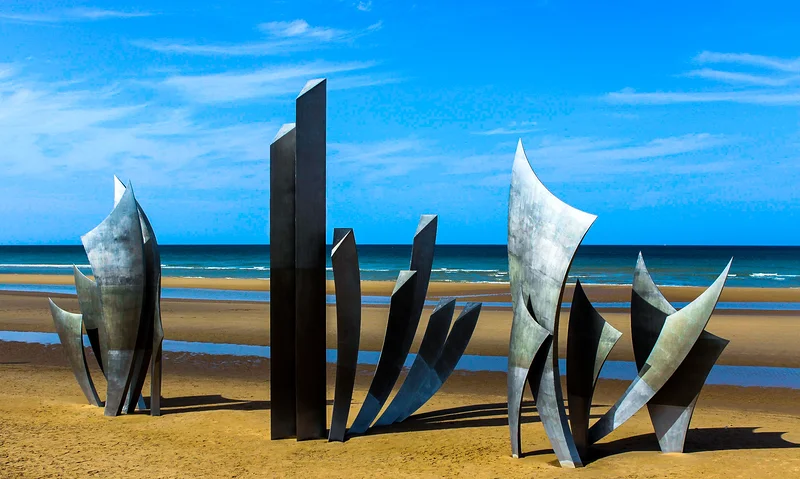
Several nearby towns preserve memorial sites and military cemeteries. Saint-Lô, nicknamed the capital of ruins after the bombings of June 1944, serves as a major historical stop to include in your trip.
Where to Eat and Drink Around La Ferrière-Harang
The village has no permanent restaurant or café. To eat on site, you need to rely on provisions bought ahead of time or head to neighboring towns. Tessy-Bocage and Saint-Lô offer the widest selection in the district.
Local markets remain the best way to sample regional food, including Norman butter, Camembert cheese, hard cider, and andouille de Vire. This last specialty, a firm and smoked pork chitterling sausage, is the pride of local butchers. Vire-Normandie, about ten miles away, even has a dedicated brotherhood for it.
Where to Stay in and Around La Ferrière-Harang
Lodging options are concentrated in nearby towns in the form of rural gîtes, bed-and-breakfasts, and farm campsites. It fits the character of the region, letting you sleep in a former Norman farmhouse and eat breakfast with produce from the garden.
For higher comfort, Saint-Lô offers standard hotels. Villedieu-les-Poêles, about twenty-five miles away, is another pleasant base with more architectural charm.
How to Get to La Ferrière-Harang
A car is the only practical way to get here. From Paris, plan for about a 3-hour drive via the A13 and then the A84 toward Caen and Saint-Lô. From Caen, the drive takes about an hour. From Rennes, expect roughly 1.5 hours.
The closest airport is Caen-Carpiquet, with seasonal flights from select French and European cities. Paris-CDG remains the main entry point for long-haul travelers, where you can pick up a rental car.
How to Get Around La Ferrière-Harang
Once you arrive, everything is done on foot or by bike along local paths and roads. There is no public transit serving the village. A car is necessary to reach shops, restaurants, and sights in the area.
Electric bike rentals are available through some regional tourism offices, notably in Saint-Lô. It is a worthwhile option for exploring the countryside without struggling on the rolling hills.
When to go
Spring, from mid-April to June, is the best time to visit because the hedgerows are lush, rivers run high for fishing, and crowds remain small. July and August are pleasant but can be wet.
Avoid November through February if you are coming for outdoor activities, since paths get muddy and the days are very short.