Paris

Things to do in Île-de-France: top 20 highlights in 2026

Paris at the centre, and all around it royal châteaux, sandstone forests and painters' villages, an hour away by RER. The rankings below are made by travellers like you.

Our members' favourite places in Île-de-France

Ranked on recommendations from travellers who went there

#1 Paris +1.6K recs

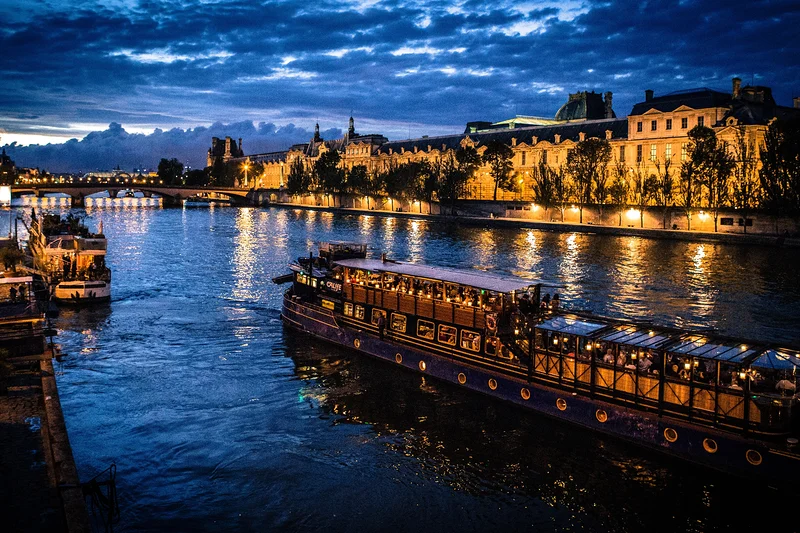
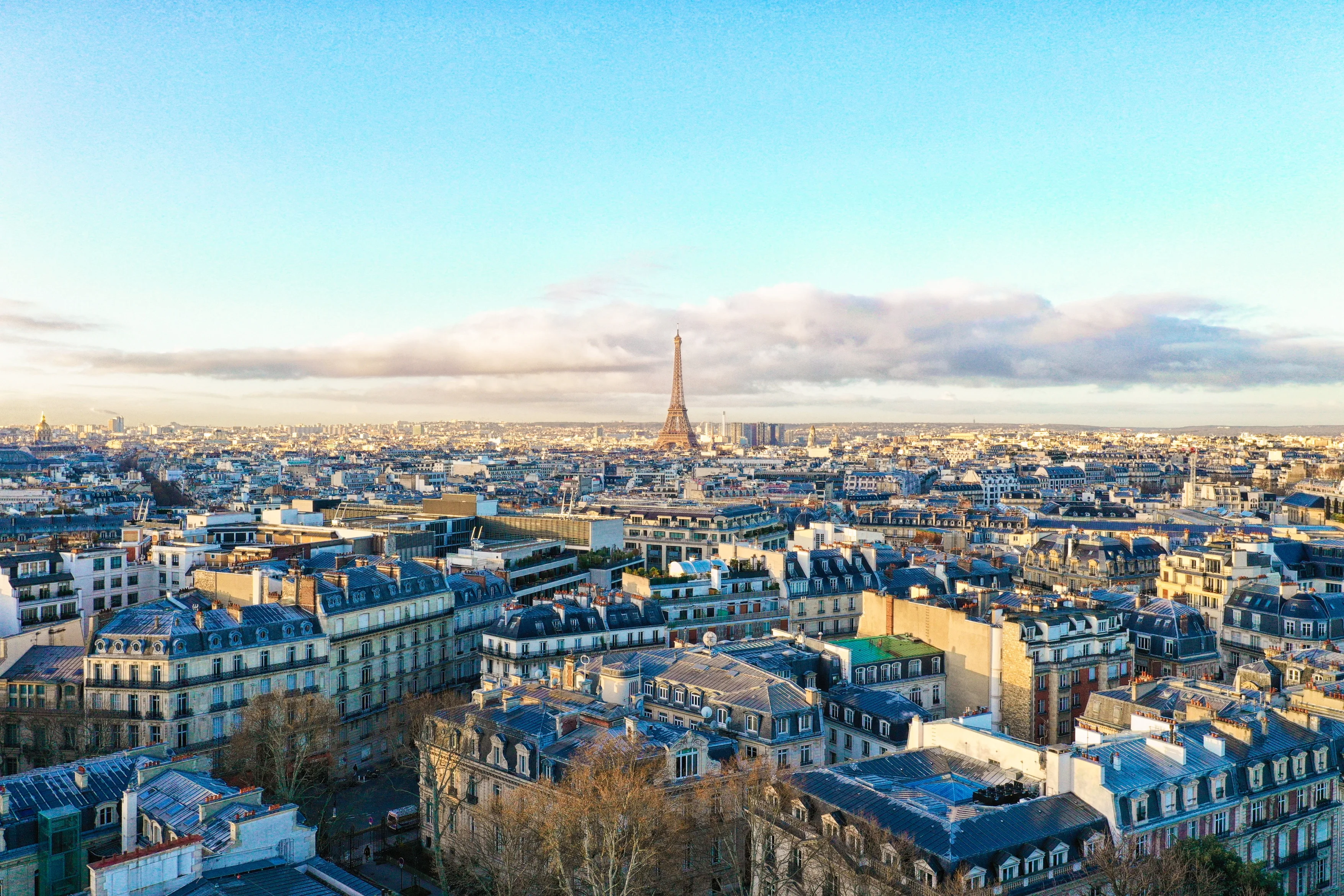
Paris is more than just the Eiffel Tower and the Champs-Élysées. You experience the city by walking through neighborhoods like Le Marais and Belleville, stopping at sidewalk bistros, small museums, and along the Seine at sunset. With the reopening of Notre-Dame and a streamlined transit network, the city feels fresh again. It is an expensive destination, but the combination of high-end dining, art, and history justifies the cost.

#2 Chessy +48 recs

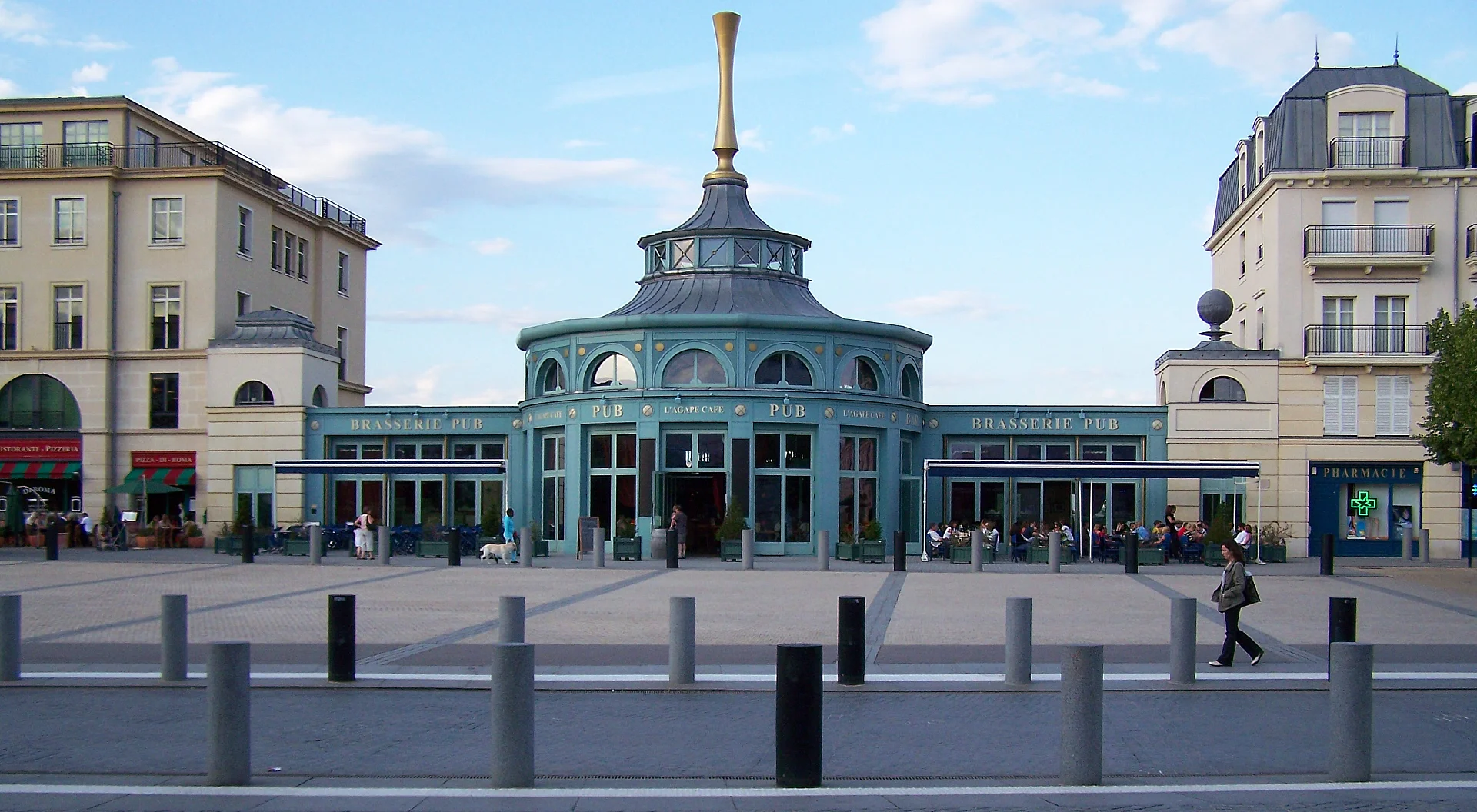
Before Mickey arrived, Chessy was a quiet village in the Brie region where the character Babar was first imagined by two children. Since 1992, this small Seine-et-Marne town has operated in the shadow of fifteen million annual visitors drawn to the Sleeping Beauty Castle spires and the rides at Big Thunder Mountain. Beyond the main attractions, a few local secrets remain, including a dragon roaring in the underground caverns, quiet Victorian-style galleries, and a sculpture garden built from the ruins of a bombed-out aqueduct.

#3 Provins +35 recs

Provins offers a deep dive into medieval history less than two hours from Paris. Its fortified upper town, historic reenactments, and underground tunnels make it a unique destination in the Île-de-France region for those who enjoy well-preserved stone architecture and wandering through narrow, historic streets. It is an easy trip that provides a genuine historical escape in an active setting, usually avoiding the heavy crowds found in major tourist hubs outside of special event weekends.

#4 Versailles +35 recs

Aim for the milder months between April-May and September-October to dodge the rain. If your schedule allows, try to avoid July and August, as the crowds visiting the palace are at their peak.

How to get there

Numerous public transit options connect Paris to Versailles. The RER C train stops at the Versailles-Château-Rive-Gauche station. You can also take the bus 171 from Paris, which drops you in the city center, or drive, which takes about 34 minutes depending on traffic.

#5 Boulogne-Billancourt +28 recs

Ten minutes by metro from central Paris, Boulogne-Billancourt holds a little-known treasure: the Archives de la Planète, 72,000 color photographs taken before 1931 across every corner of the globe. The Musée Albert Kahn sits within four hectares of gardens where Japanese bamboo, English rhododendrons, and Vosges fir trees grow side by side. On Île Seguin, once Renault's industrial stronghold, La Seine Musicale has swapped assembly lines for world-class concerts.

#6 Fontainebleau +23 recs

Fontainebleau was the royal retreat where French kings hunted, loved, and governed away from the court spectacle of Versailles, under centuries-old oaks. The château, with its 1,500 rooms, kept what the Revolution stripped elsewhere: original furniture, frescoes, and a sense of privacy. Around it spreads a vast forest where climbers from around the world test themselves on sandstone boulders polished smooth by generations of hands.

#7 Nanterre +22 recs

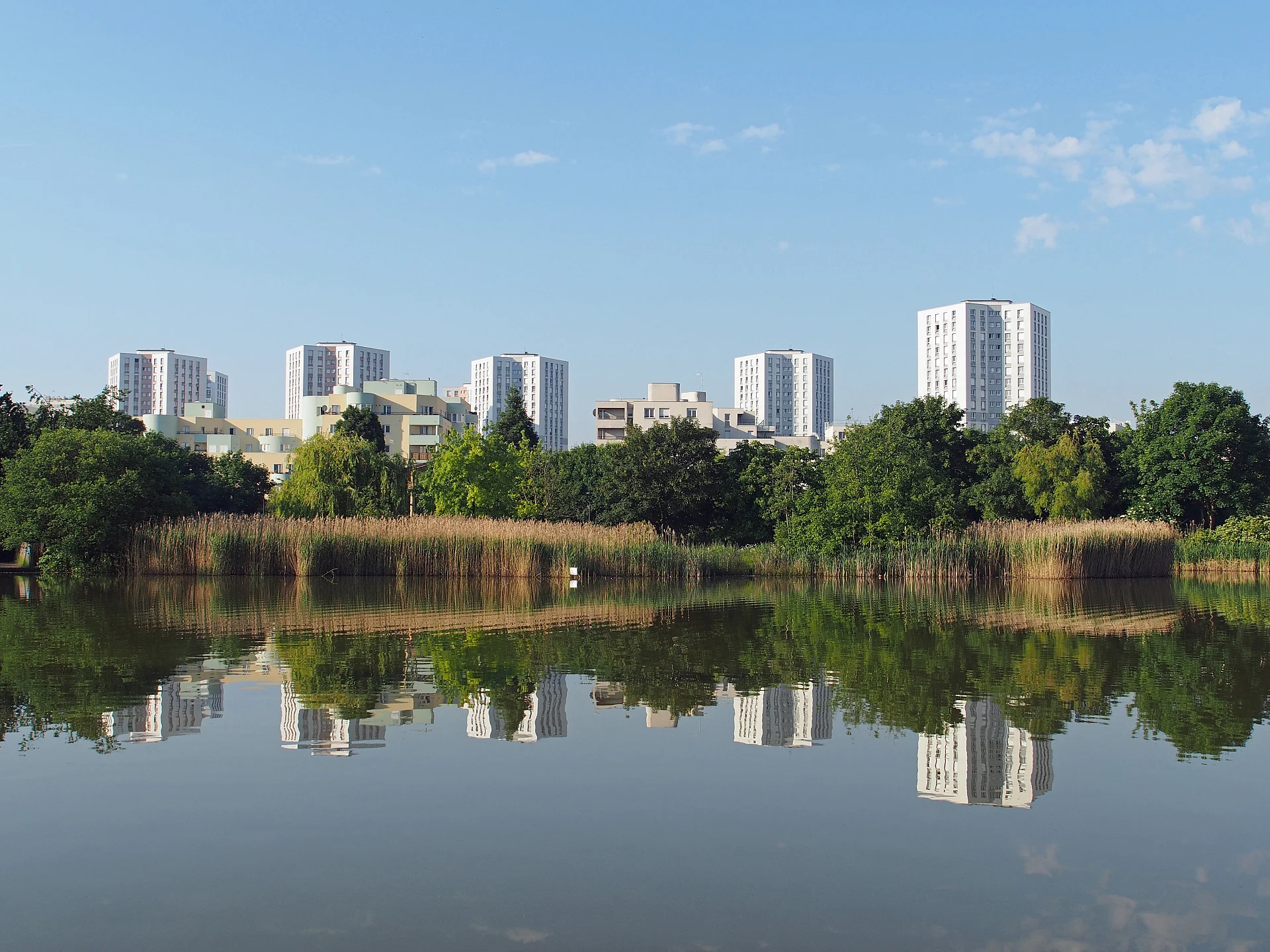
Here, the skyscrapers of La Défense sit right next to old churches, suburban residential blocks, and public housing projects. Several times a week, a bustling local market brings together North African, Portuguese, and West African food traditions. On weekends, the business suits clear out of the esplanade, leaving behind an open space that feels like a movie set.

It makes for a practical base to visit Paris on a budget, as long as you are not expecting postcard charm.

#8 Saint-Denis +19 recs

Sitting right on the edge of Paris, Saint-Denis offers a mix of royal history and raw urban energy. You come here for the Basilica of Saint-Denis, the final resting place of French monarchs, before shifting focus to the modern pulse of the Stade de France and the city's active arts scene. It is a place that rewards those who look past the surface to find a distinct, evolving authenticity.

#9 Lumigny-Nesles-Ormeaux +15 recs

Located 50 kilometers from Paris, Lumigny-Nesles-Ormeaux holds one of the best-kept secrets in the Seine-et-Marne department: a specialized zoo housing 26 feline species, free-roaming lemurs, and polar bears. Formed by three merged Brie villages featuring pick-your-own produce fields and medieval churches tucked between woods and plains, this quiet countryside offers a sharp break from the capital, blending muffled roars with fresh strawberry baskets.

#10 Vincennes +14 recs

Just outside Paris, Vincennes balances royal history with protected green space. Its medieval castle, anchored by the tallest keep in Europe, sits right next to a 995-hectare forest where locals head to get some fresh air. With a renovated zoo, the Parc Floral, and lively downtown terraces, this town offers a quiet change of pace from the city center, all just 20 minutes away by metro.

Our members' favourite things to do in Île-de-France

Ranked on recommendations from travellers who did them

#1 Louvre Museum (Paris) +56 recs 4.9/5

The Louvre Museum is a cornerstone of Paris. As one of the world's largest art institutions, it draws millions of visitors annually. Its collections span centuries and civilizations, featuring icons like the Mona Lisa and the Venus de Milo. Plan ahead to navigate the three wings and appreciate this historic site.

See the guide See deals-7%AVYGEO7

#2 Sacré-Cœur Basilica (Paris) +50 recs 4.8/5

The Sacré-Cœur Basilica sits atop the Montmartre hill in Paris. Completed in the late 19th century, this landmark features Romano-Byzantine architecture and an 83-meter dome with expansive city views. Inside, find a massive mosaic of Christ in glory and a statue of Saint-Michel slaying the dragon. It remains a major site for pilgrims and travelers.

See the guide See deals-7%AVYGEO7

#3 Disneyland Paris (Chessy) +48 recs 4.5/5

Disneyland Paris features two side-by-side parks, home to Sleeping Beauty Castle, family-friendly rides, and high-intensity thrills. Travel from Main Street USA into the worlds of Pixar, Marvel, or Arendelle. Expect parades, stage shows, and long lines, especially during peak travel periods.

See the guide See deals

#4 Tuileries Garden (Paris) +47 recs 4.8/5

Stunning 25.5-hectare park right in downtown Paris, nestled between Place de la Concorde and the Louvre. Created in the 16th century by Catherine de' Medici, Tuileries Garden has evolved into a favorite walking spot for locals and visitors. Featuring straight pathways, statues, and grand ponds, it is the oldest formal French garden in the capital. Several museums sit right nearby, including Musée de l'Orangerie and Jeu de Paume National Gallery.

See the guide See deals

#5 Orsay Museum (Paris) +46 recs 4.8/5

Once a train station, now a gallery for Impressionist masterpieces along the Left Bank of the Seine, the Orsay Museum holds the world's largest collection of Impressionist and Post-Impressionist paintings, from Monet to Van Gogh. Its towering glass ceiling and iconic clocks provide a unique backdrop for nearly 4,000 works. An essential stop for any 19th-century art lover in Paris.

See the guide See deals-7%AVYGEO7

#6 Notre-Dame Cathedral (Paris) +43 recs 4.8/5

Notre-Dame Cathedral stands as a primary landmark in Paris, France. Located on the Île de la Cité, this 12th-century structure is celebrated for its Gothic architecture, intricate gargoyles, and rose windows. A medieval masterpiece witnessing centuries of history, it holds sacred relics and sculptures. Following the 2019 fire, the cathedral reopened to the public in December 2024.

See the guide See deals-7%AVYGEO7

#7 Buttes-Chaumont Park (Paris) +43 recs 4.9/5

Opened in 1867 on a former gypsum quarry, Buttes-Chaumont Park is the steepest green space in Paris. Artificial cliffs, a 1.5-hectare lake, a suspension bridge designed by Gustave Eiffel, and the Rosa Bonheur beer garden span 25 hectares in the 19th arrondissement. Free admission, open year-round.

Note: the central island and its waterfalls remain closed for renovations in 2026.

See the guide See deals

#8 Luxembourg Gardens (Paris) +43 recs 5/5

Tucked between Saint-Germain-des-Prés and the Latin Quarter, Luxembourg Gardens spans 23 hectares of formal French parterres, English woodlands, and southern lawns. Free entry, iconic green chairs, and the grand sailing boat basin make this the place where Paris catches its breath. The freshly restored fontaine Médicis and over a hundred statues make it far more than just a park.

See the guide See deals

#9 Eiffel Tower (Paris) +40 recs 4.5/5

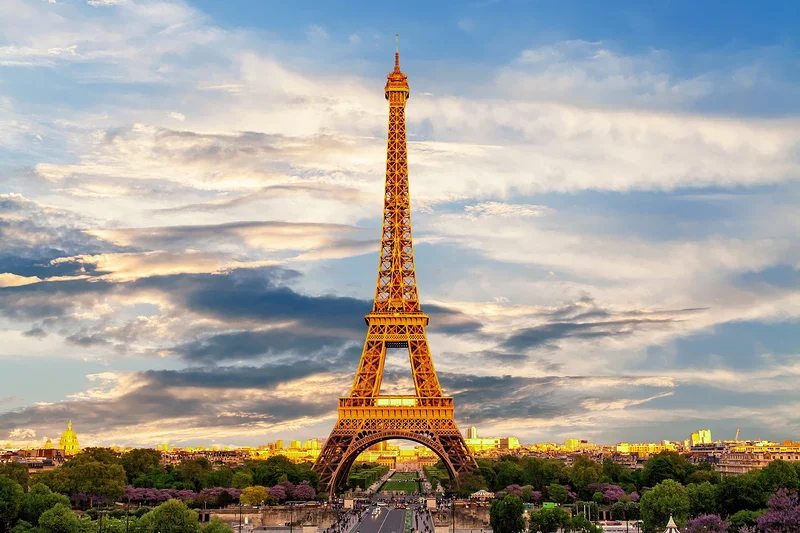
Once criticized and nearly demolished, the Eiffel Tower is now the defining icon of Paris and France. Built by Gustave Eiffel for the 1889 World's Fair, it was the tallest structure globally at the time. Now 330 meters tall, it draws over 7 million annual visitors to its three levels to see the city or dine onsite.

See the guide See deals-7%AVYGEO7

#10 Gallery of Evolution (Paris) +40 recs 4.4/5

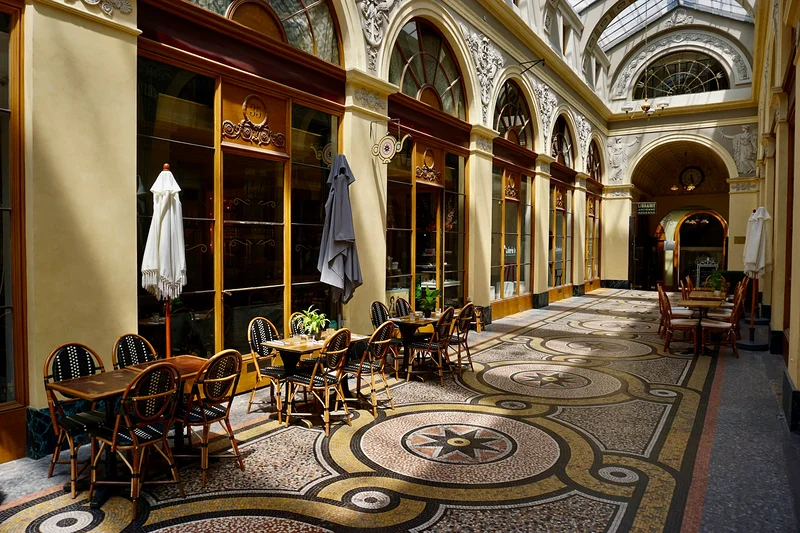
The Gallery of Evolution, part of the Muséum national d'Histoire naturelle (National Museum of Natural History), is a landmark dedicated to biodiversity. Opened in 1889 and renovated in 1994, this cast-iron and glass structure inside the Jardin des Plantes offers an immersive look at life on Earth. Its massive, sunlit nave houses thousands of taxidermy specimens.

See the guide See deals

Map of Île-de-France

Visiting Île-de-France

The region around Paris fits inside a circle about a hundred kilometres across. At its heart, the capital and its museums. All around, the residences that kings built to escape the city: Versailles, Fontainebleau, Saint-Germain-en-Laye, Vincennes. Further out, a countryside of wheat fields, forests and rivers, the Seine, the Marne, the Oise, where the Impressionists came to set up their easels.

You are probably coming for Paris. Keep a day or two to get out of it: a château without the Versailles crowds, a whole medieval town in Provins, sandstone boulders to climb in the forest of Fontainebleau.

You will love it if

  • You love museums and châteaux: the region has more of them than many countries
  • You want to do everything by public transport, from the Louvre to Disneyland
  • You like walking in the forest an hour from a big city

Give it a miss if

  • Crowds wear you down: Versailles and the big Paris museums are packed from opening time
  • You are after the sea or the mountains: the nearest coast is two hours away by train
  • Your budget is tight: staying in Paris costs more than anywhere else in France

The must-sees

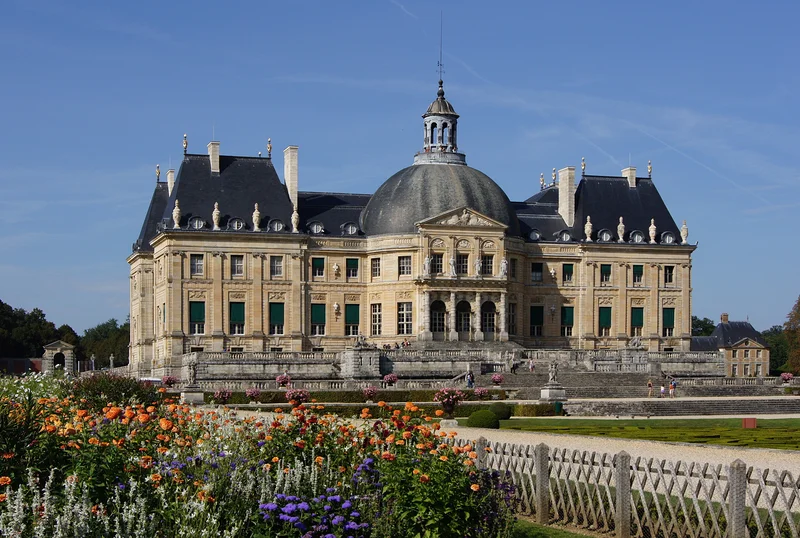
  1. The Château de Vaux-le-Vicomte

    1 The Château de Vaux-le-Vicomte +14 recs

    The château Nicolas Fouquet had built by Le Vau, Le Brun and Le Nôtre, the three artists Louis XIV then took to Versailles. On 17 August 1661, Fouquet threw a party so lavish that the king had him arrested three weeks later. Come on a summer Saturday evening: the château and gardens are then lit by thousands of candles.

  2. Provins, the medieval town

    2 Provins, the medieval town +10 recs

    A medieval trade-fair town that has survived almost intact, with its ramparts, its underground passages and Caesar's Tower overlooking the upper town. It has been a World Heritage Site since 2001. Allow a full day: an hour and a half by train from Gare de l'Est, then the town is explored on foot, between knights' shows and cobbled streets.

  3. 3 The Médiévales de Provins In June

    One weekend in June, the upper town fills with markets, parades and jousts, and many visitors come in costume. It is the busiest festival in Provins: book your train and room early, or come another weekend if you prefer quiet ramparts.

  4. 4 The forest of Fontainebleau Hiking and climbing

    Twenty thousand hectares of oaks, pines and jumbled sandstone in the south of the region. The boulders are climbed without ropes, bare-handed, on circuits colour-coded by difficulty. Trails leave from Barbizon, the village of the painters who invented open-air landscape painting here. Come on a weekday: at weekends the car parks fill up early.

  5. The Château de Versailles

    5 The Château de Versailles +33 recs

    The palace, the Hall of Mirrors, Le Nôtre's gardens and the Trianon estate. Arrive at opening time, or start with the gardens and the Trianon and visit the palace late in the afternoon, once the groups have left. The palace is closed on Mondays. On weekends in the warmer months, the fountains in the gardens play to music.

The classic trap

You will only see Paris and Versailles if you never leave the city, and you will miss everything else. The Château de Fontainebleau was home to almost every French monarch, and it is far less crowded than Versailles. Provins and Vaux-le-Vicomte each make an easy day trip from Paris.

Our itineraries in Île-de-France

Our itineraries by length of stay
LengthItineraryWhat you see
3 daysParis › VersaillesMuseums, neighbourhoods, château
5 daysParis › Versailles › Fontainebleau › BarbizonTwo royal châteaux, the forest
1 weekParis › Versailles › Vaux-le-Vicomte › Provins › Auvers-sur-OiseChâteaux, the medieval town, the painters

Keep Paris as your base and head out on day trips: Versailles, Saint-Germain-en-Laye and Auvers-sur-Oise by RER or suburban train, Fontainebleau and Provins by train from Gare de Lyon and Gare de l'Est. Only Vaux-le-Vicomte needs a car or a shuttle from Melun station.

When to visit Île-de-France

When to go, season by season
AppealSeasonTemperaturesWhat's onCrowds and prices
WinterDec to Feb2 to 8 °CMuseums, Christmas lightsMedium
SpringMar to May6 to 20 °CGardens in bloom, Versailles fountainsHigh
SummerJune to Aug15 to 26 °CCandlelit evenings, MédiévalesHigh
AutumnSept to Nov7 to 21 °CRusset forests, cultural seasonMedium

Our advice

Aim for May, June or September: the château gardens are at their best, and it is mild enough to walk in the forest. In August, many Parisians go on holiday and some restaurants close, but the museums and châteaux stay full of visitors.

Getting to Île-de-France

  1. By train The easiest

    The Eurostar links London St Pancras to Gare du Nord in around two hours and twenty minutes, city centre to city centre. From the rest of Europe, high-speed trains arrive at one of Paris's six main stations.

  2. By plane The quickest from afar

    Two main airports: Paris-Charles-de-Gaulle to the north-east and Paris-Orly to the south. The RER B links Charles-de-Gaulle to central Paris, and the metro serves Orly. Allow forty-five minutes to an hour to the centre.

  3. By car Best avoided for Paris

    From the Channel ports, the motorways lead to the Boulevard Périphérique, often jammed at rush hour, and parking in Paris is expensive. A car only makes sense for châteaux and forests that public transport serves badly, such as Vaux-le-Vicomte.

From the UK, take the Eurostar: you arrive in the centre, and the rest of the region is a RER ride away. If you bring your car, leave it in your hotel car park while you are in Paris.

Getting around Île-de-France

The metro, the RER and suburban trains cover the whole region. The weekly Navigo pass, Monday to Sunday, gives you all zones, from Versailles to Disneyland and Fontainebleau, for a single price. In Paris, walk: many journeys take less time on foot than by metro.

Good to know

The weekly Navigo pass is loaded onto a card that needs an ID photo, or straight onto your phone. It always starts on a Monday: if you arrive on a Thursday, single tickets will cost you less.

What to eat in Île-de-France

  • Brie de Meaux and brie de Melun: the region's two bries, one creamy, the other stronger and saltier.
  • Paris-Brest: a ring of choux pastry filled with praline cream, created for the cycle race of the same name.
  • Jambon de Paris: cooked ham, served in a baguette with butter in the classic jambon-beurre.
  • French onion soup: the dish of the old Paris market halls, served in a bowl under a crust of melted cheese.
  • Moutarde de Meaux: an old-style wholegrain mustard sold in stoneware pots.
  • Champignons de Paris: button mushrooms, originally grown in the old quarries beneath the city.

In Paris, have lunch in a bistro near where you are staying: the set lunch menu often costs half the price of dinner. On a Saturday in Meaux, or at the Paris markets, buy a brie cut from the wheel.

Where to stay in Île-de-France

Where to base yourself
AreaWhat forGood to know
ParisMuseums, neighbourhoods, every outingThe base for most trips
Marne-la-ValléeDisneyland, Val d'EuropeHandy for the parks, far from everything else
VersaillesThe château, a quiet town40 minutes from Paris by RER
FontainebleauChâteau, forest, climbingOne or two nights, in peace
ProvinsThe medieval townOne night to see the ramparts at dusk

Read the full guide: where to stay in Île-de-France

How much does a trip in Île-de-France cost?

Indicative budget per person, excluding travel to the Paris region
TripLengthBudget per person
Budget (youth hostel, Navigo, bakeries)4 days€300 to €450
Comfort (3-star hotel, restaurants, two museums a day)4 days€750 to €1,300
Luxury (palace hotel, starred restaurants, private tours)4 days€2,500 and up
  • Accommodation: this is the item that will tip your budget; a room in Paris costs far more than in Versailles or Fontainebleau.
  • Museums: the Louvre, the Orsay and Versailles each have their own ticket; some national museums are free on the first Sunday of the month, but book anyway.
  • Theme parks: a day at Disneyland costs more than a week of museums, especially during school holidays.
  • Transport: the weekly Navigo pass works out cheaper than single tickets as soon as you leave Paris.
  • Free outings: parks, forests, the banks of the Seine and churches cost nothing.

Traditions and way of life in Île-de-France

For centuries, the kings of France lived around Paris rather than in it: at Vincennes, Saint-Germain-en-Laye, Fontainebleau, then Versailles, where Louis XIV moved the court in 1682. The basilica of Saint-Denis, north of Paris, holds the tombs of most of them.

In the 19th century, painters took the train to the countryside: the Barbizon school in the forest of Fontainebleau, then the Impressionists on the banks of the Seine and the Oise. Vincent van Gogh spent the last weeks of his life in Auvers-sur-Oise, in 1890; he is buried there next to his brother Theo, and you can walk up to their two graves in the cemetery above the fields.
Top photos posted by members

Serris (photo de Rcsmit)
Parc André Malreaux à Nanterre
Tour César à Provins

Articles posted by members

Traveler reviews

Everything you need for a long stay at the Disney parks

Sometimes we end up spending several days at the Disney parks and in the Seine-et-Marne area. In that case, we prefer an Airbnb rental, which is more affordable. We regularly choose Magny-le-Hongre be…

154

Our "old" Iron Lady is suffering!

Even though the Eiffel Tower is still the iconic, must-see Parisian monument today, we have to admit that it is suffering! The passage of time is really taking its toll. Looking a bit closer, you can…

82

A city that never sleeps!

It is always with the same enthusiasm that we head to Paris as a family, each time for new discoveries! The Christmas season, the monuments, the museums, the art galleries and shopping malls, the icon…

159

Small but impressive stained glass windows

I've walked past Sainte-Chapelle many times in the past without even noticing this little religious monument, literally stuck right up against the Palais de Justice. To be completely honest, the pric…

527