
The Palace of Versailles, theater of absolute power
Three kings, fifty years of construction, and 2,300 windows arranged around 700 rooms. Versailles is not just another palace. It is the physical manifestation of an outsized ambition, that of Louis XIV, who transformed a modest hunting lodge into a brilliant symbol of the French monarchy.
Why visit the Palace of Versailles?
Beyond its status as the most visited historic monument in France, Versailles tells the story of a power that sought to dazzle the world. Every gilded surface, every garden perspective, and every fountain bears witness to an era when art served the glory of the Sun King. The palace shaped the French art of living and inspired European courts for over a century.
A UNESCO World Heritage site since 1979, this architectural gem continues to fascinate with its unapologetic extravagance and perfect proportions. It is also the site where the treaty ending World War I was signed, etching another chapter of history into these walls.
The Hall of Mirrors and the Grand Apartments
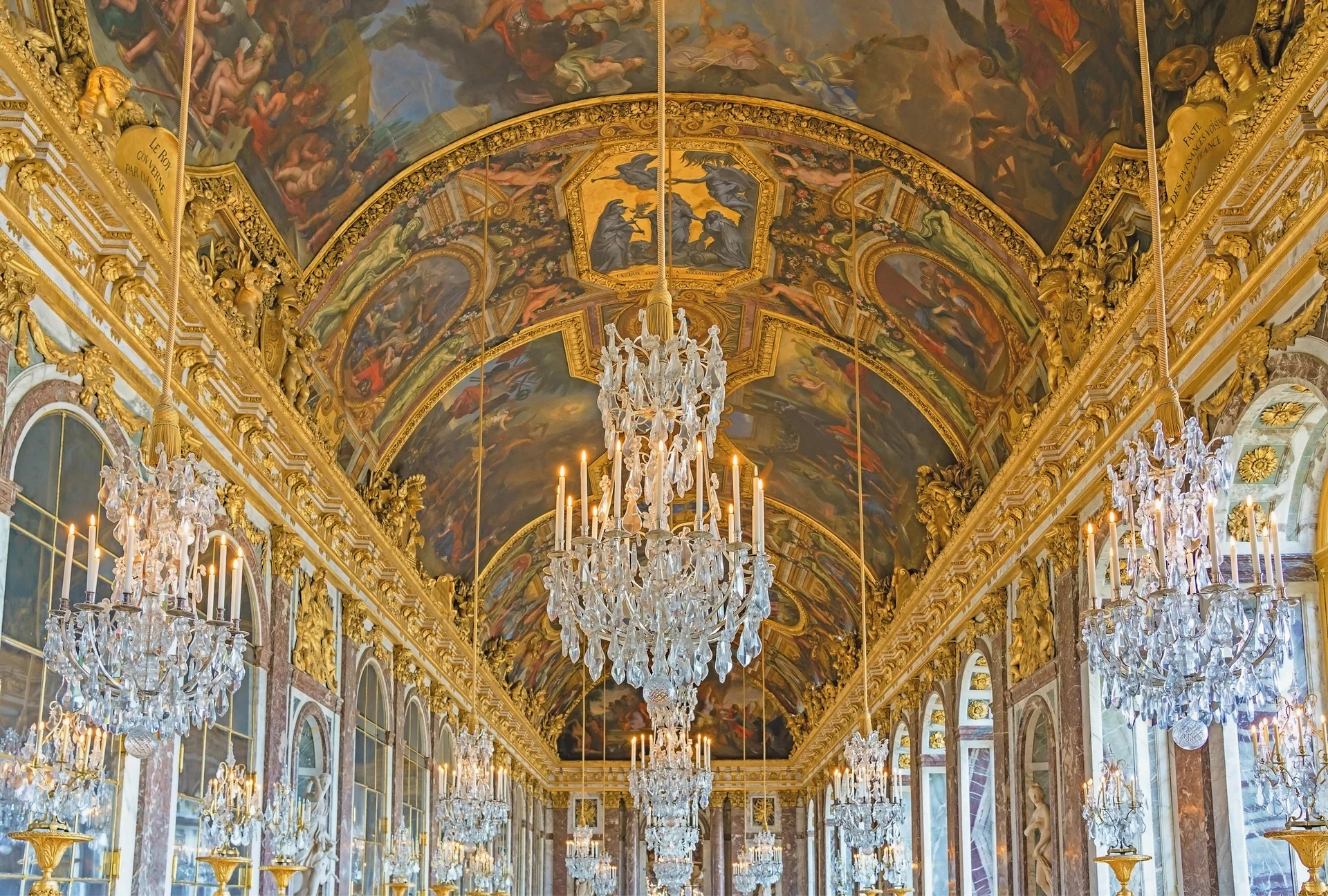
The Hall of Mirrors remains the beating heart of the palace. Stretching 73 meters, it lines up 357 mirrors opposite 17 windows overlooking the gardens. At the time of its creation, mirrors were an unheard of luxury, and this display of reflections was designed to literally multiply light and royal grandeur.
The Grand Apartments of the King and Queen reveal a succession of thematic salons dedicated to ancient deities. Each room rivals the next in opulence with ceilings painted by Charles Le Brun, polychrome marbles, and gold-leaf woodwork.
Key works to see
- The ceiling of the King's Chamber where Louis XIV passed away in 1715
- The War Room and its spectacular bas-relief of Louis XIV on horseback
- The Royal Chapel, a masterpiece of 18th-century religious architecture
- The Royal Opera, a gilded wood setting that can accommodate 700 spectators
The French-style gardens, a perfect geometry
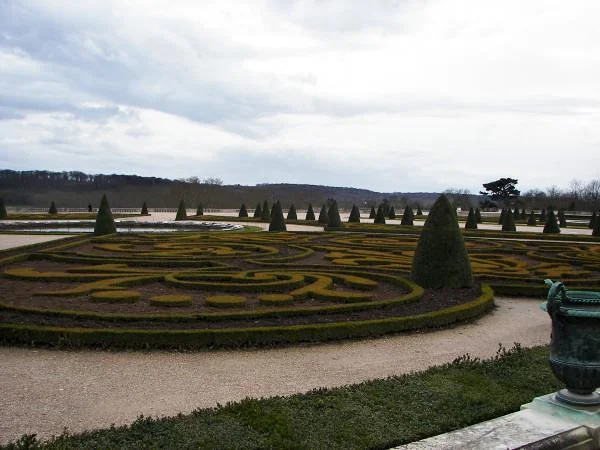
André Le Nôtre designed these 815 hectares of gardens as an extension of the palace. The perspectives seem infinite, and the basins are linked with millimeter precision. This is nature tamed, sculpted, and brought to heel.
The Musical Fountains Show turns a visit into a sensory spectacle. From late March to October, on weekends, the fountains come alive to the rhythm of baroque music. The Neptune Fountain then displays 99 water jets in an impressive aquatic choreography.
Friendly tip: To avoid the crowds in the palace, start your visit at the estate of Marie-Antoinette, accessible with the palace ticket. The Petit Trianon and the Queen's Hamlet offer an intimate, almost rural atmosphere, the polar opposite of the Versailles pomp. You will be practically alone there on weekdays before 11am.
Planning your visit effectively
Versailles welcomes over 7 million visitors per year. Booking a time slot online is mandatory and helps you avoid waiting for several hours. Aim for a Tuesday or Thursday, and arrive as soon as it opens.
Plan for at least 3 hours for the palace alone, or a full day if you include the gardens, the Trianons, and the Hamlet. Audio guides are available in 11 languages to accompany your tour of the palace.
Opening hours
- April to October: 9:00 AM to 6:30 PM
- November to March: 9:00 AM to 5:30 PM.
Closed on Mondays, January 1, May 1, and December 25.
The gardens are open daily: 8:00 AM to 8:30 PM (peak season), 8:00 AM to 6:00 PM (off-season).
*Information subject to change

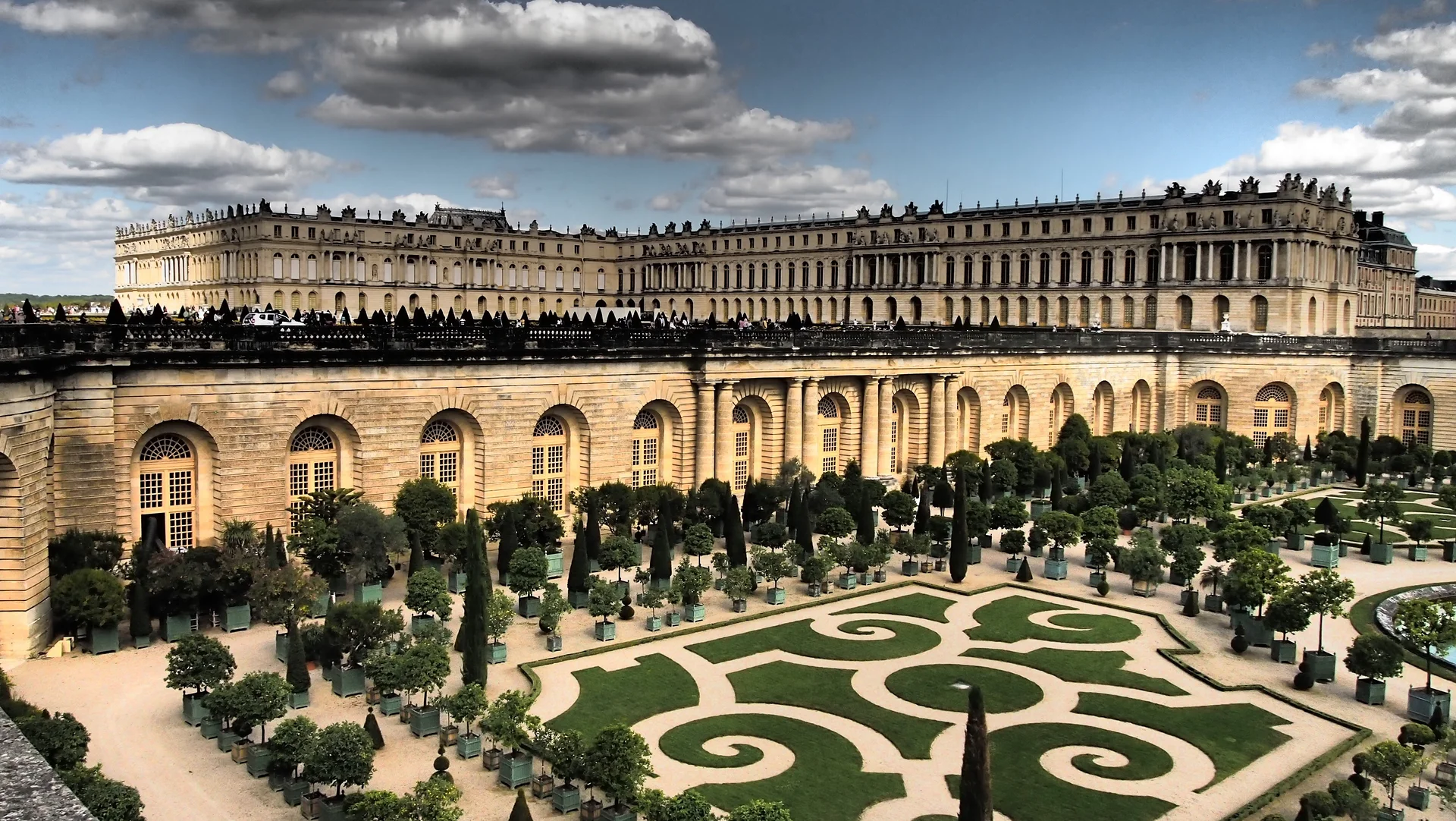
Obviously, the Palace of Versailles is splendid, from the outside as well as the inside. Walking along the Hall of Mirrors or visiting the Gallery of Battles are musts. But above all, take the time to discover the gardens. The different groves each have their own unique vibe, and they are far enough apart that even with big crowds, you can enjoy the visit in total peace.