Lumigny-Nesles-Ormeaux, the Briard getaway where big cats roar
Picture a quiet rural village where a philosopher friend of Voltaire retreated to write, where a hero of New France was born, and where more tigers live today than local residents. Less than an hour from Paris, three merged hamlets make up an unusual community on the edge of the forêt de Crécy. Here, centuries-old oaks stand alongside African lions, strawberry fields sit next to snow leopard enclosures, and medieval church steeples watch over one of the largest wildlife parks in Europe.
Who is this trip actually for?
To be direct, you are not coming to Lumigny-Nesles-Ormeaux to stroll across a cobblestone square or sip coffee at a sidewalk cafe. This town is primarily a nature and family destination centered around the Lumigny Safari Reserve, formerly known as the Parc des Félins. Animal lovers, families with children, and wildlife photographers will find plenty to keep them busy, as will fans of farm berry-picking and forest hikes.
On the other hand, if you are looking for downtown buzz, Michelin-starred dining, or late-night bars, look elsewhere. The community is resolutely rural, spread across three distinct centers sitting a few miles apart. Having a rental car is practically mandatory for exploring the area, even though a local bus does connect the town to the Marles-en-Brie train station.
Keeping family costs in check
Expect to pay $29 to $34* per adult for a full day at the wildlife park with the Monkey Land add-on. Overnight lodging stays fairly reasonable at around $90-$135* per night for a bed and breakfast or guesthouse, though prices jump up to $510* for a room looking right out at the lions at Le Royaume des Lions hotel. A casual lunch inside the park runs $17-$23*, but you are welcome to pack your own picnic.
The realm of big cats: 71 hectares of Parisian-region savanna
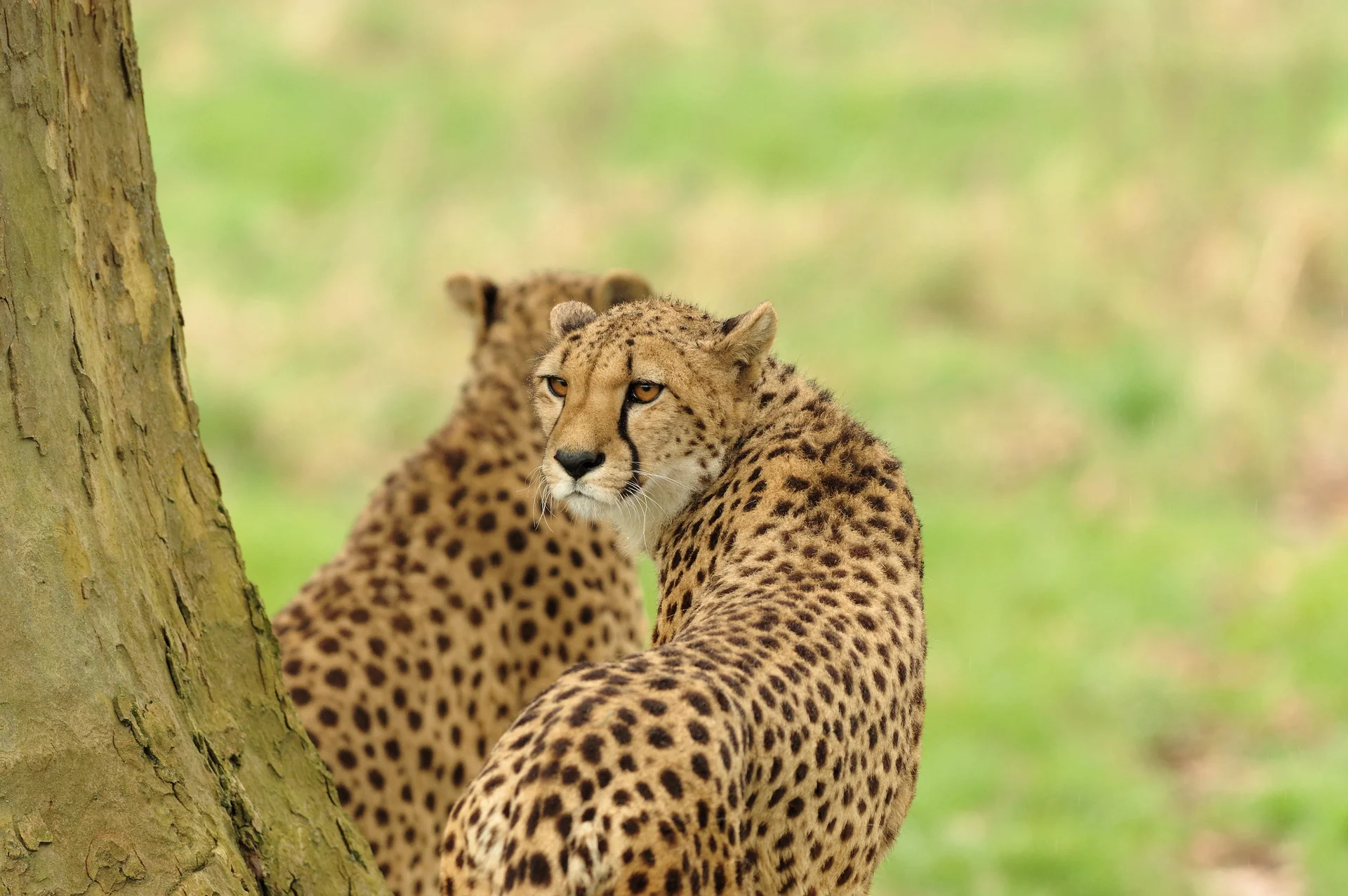
The Lumigny Safari Reserve is the main draw for good reason. This park houses 26 feline species out of the 36 still roaming the Earth. From sand cats to Malayan tigers, black jaguars to snow leopards, the variety is striking. The setup breaks away from traditional zoos because the enclosures are massive, tree-filled, and built with animal well-being in mind. You are stepping into their world rather than putting them on display.
Four walking trails let you explore cats native to Africa, Asia, America, and Europe. The Trans'Félins miniature train takes visitors on a 25-minute safari right up close to the animals. Over on l'île des Lémuriens, around sixty lemurs from Madagascar roam completely free and have no problem coming right up to visitors.
Friendly tip: arrive right when the gates open at 9:30. The animals tend to be more active in the morning hours, and you will beat the weekend crowds. The newer Nordic expansion featuring polar bears and Arctic wolves is well worth checking out.
Terre de Singes: getting eye-to-eye with macaques
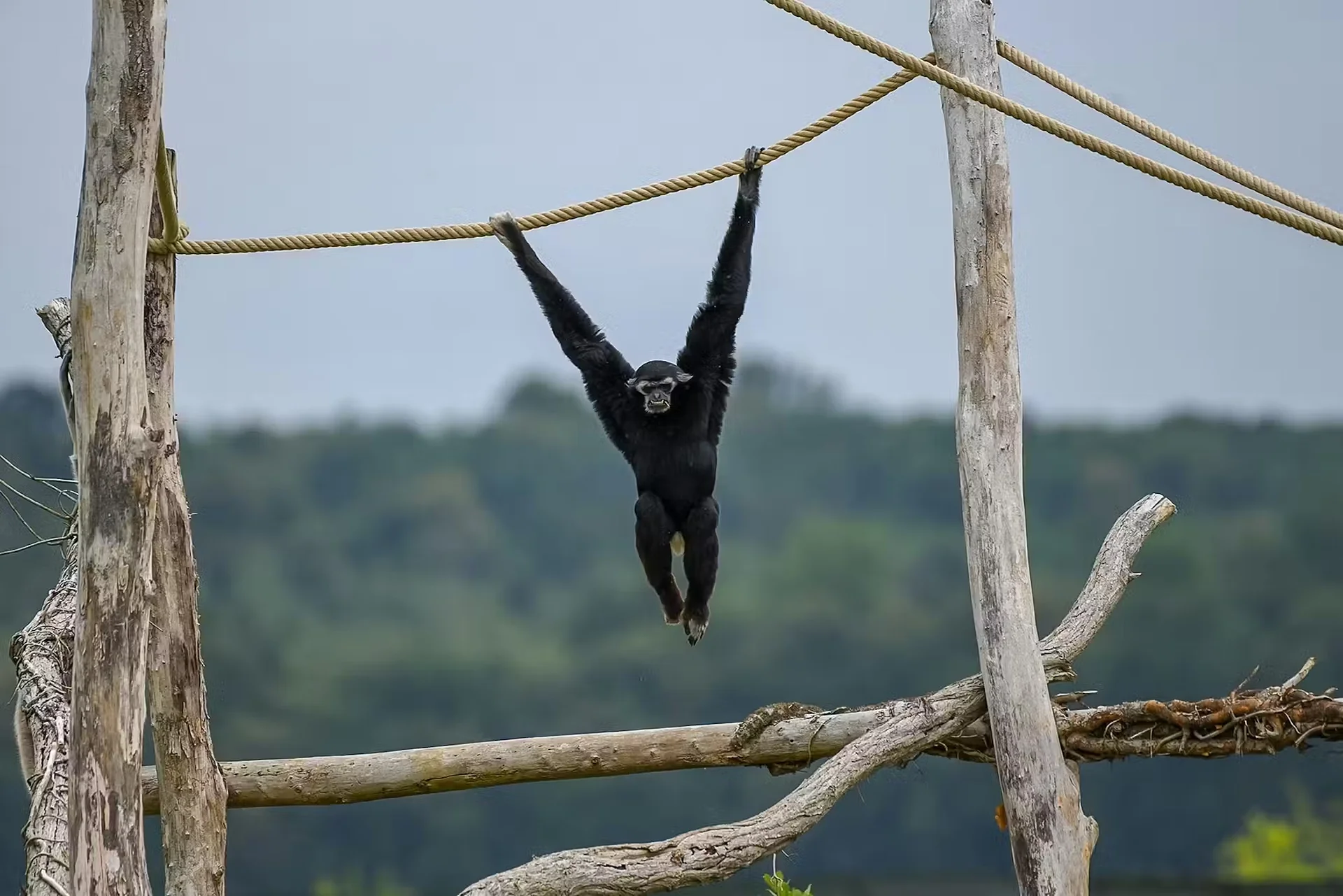
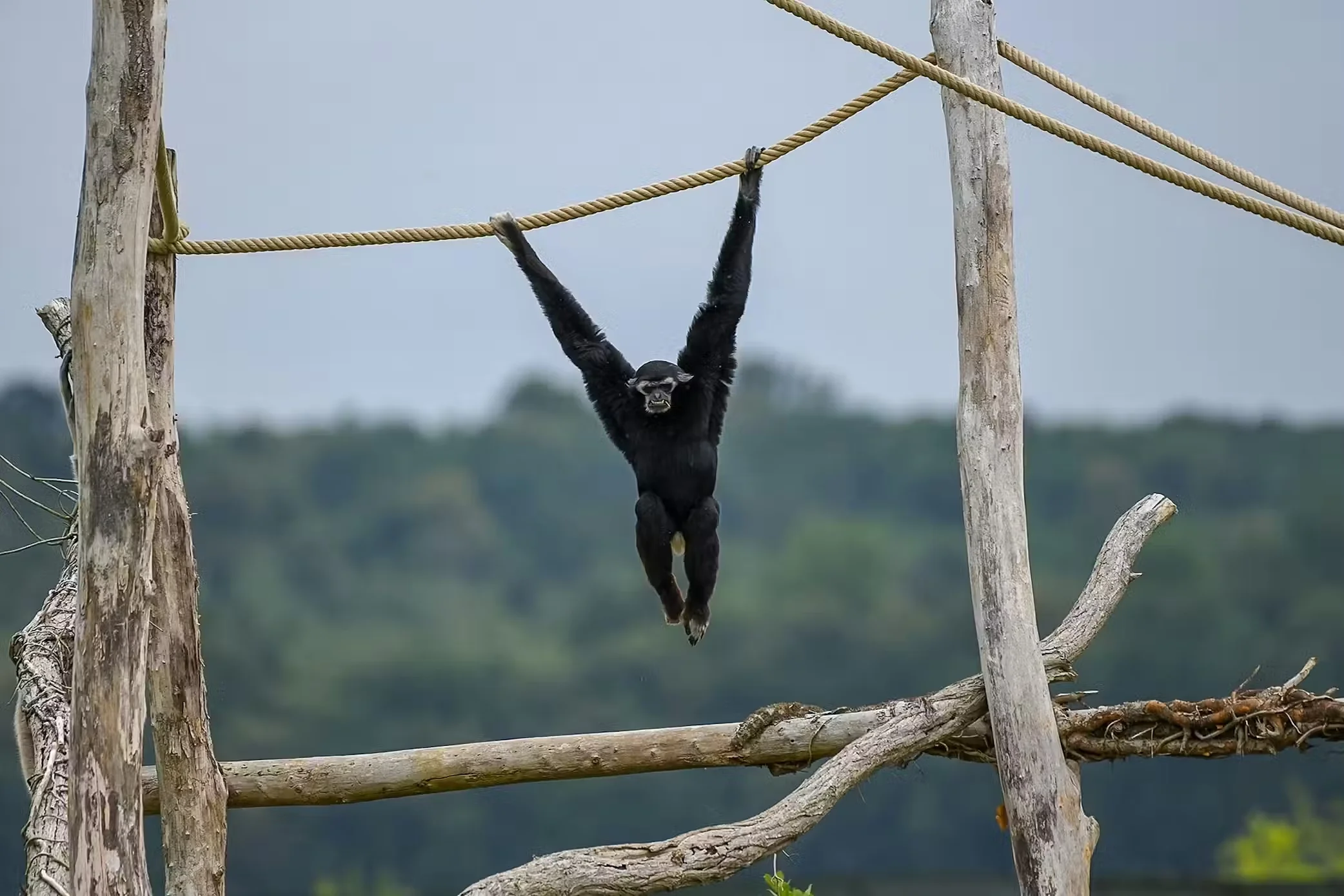
Right across the road, Terre de Singes offers a totally different experience. The Safari Magots puts you directly inside an enclosure with 50 Barbary macaques roaming freely. These curious and playful monkeys will approach, play, and scurry right past you. The Safari Perroquets and Safari Loriquets aviaries add a bright splash of color to the visit.
Plan for at least 2 hours and 30 minutes here if you buy the combo ticket. The daily keeper talks offer a great chance to learn more about these primates throughout the day.
Cueillette du Plessis: getting your hands dirty in the Brie countryside
Just minutes from the wildlife park, the Cueillette du Plessis has kept up a family farming tradition since 1978. Spread across 40 hectares, you can pick your own strawberries, tomatoes, green beans, squash, apples, and flowers depending on the season. The farm, partly certified organic, grows more than fifty different varieties.
The farm shop is worth a stop for aged Brie cheeses, country charcuterie, and Plessis Pomm' apple juice, which has earned medals at the national agricultural show. It makes for a tasty stop that reminds you what produce is actually supposed to taste like.
Friendly tip: the pick-your-own fields are closed from November to April. In the summer, come early before the midday heat hits and bring a hat and water. The paths can get muddy after a rainstorm, so pack boots just in case.
Heritage and history: following in the footsteps of Helvétius and the Templars
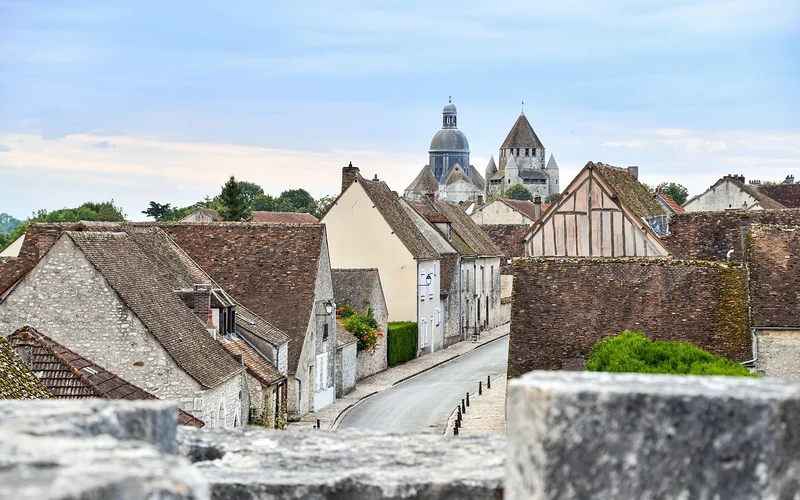
Three villages, three historic churches. The Saint-Pierre church in Lumigny, rebuilt and altered since the 13th century, holds colorful 15th-century statues. In Nesles, the Notre-Dame de l'Assomption church preserves a Romanesque portal from the 12th century tucked under its porch. These modest stone buildings tell a thousand-year story of the Brie region.
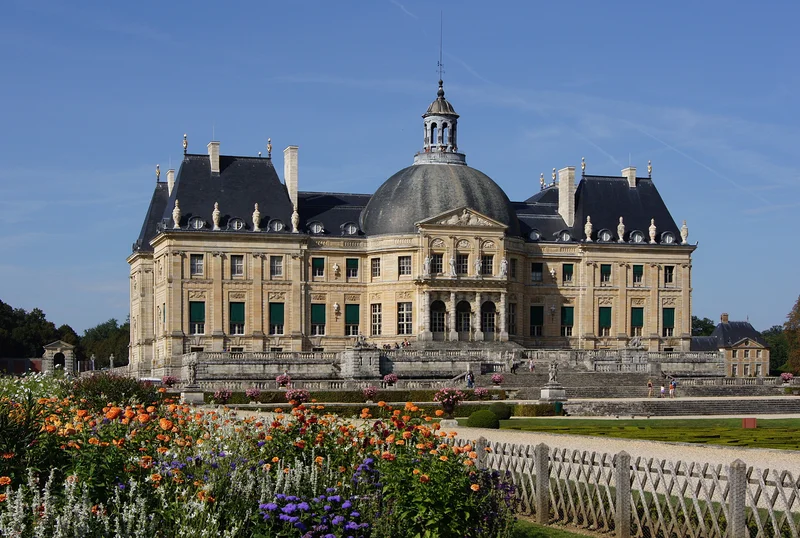
The hamlet of Rigny once served as the headquarters for a commandery of the Knights Hospitaller founded before 1227. Of the château de La Fortelle, rebuilt under Louis XIII, only traces remain in what used to be a sprawling park. More unexpected is the Tour Helvétius, which marks where the philosopher Claude Adrien Helvétius lived. As a wealthy tax farmer and friend of the French Encyclopedists, he reportedly drafted his treatise De l'Esprit here during the 18th century.
A 14 km walking trail links the three settlements and guides you past local washhouses, old stone crosses, and traditional farmsteads.
Where to eat and drink in Lumigny-Nesles-Ormeaux
Dining options directly in town are fairly basic. Inside the Lumigny Safari Reserve, a few snack bars dish out sandwiches, pizza, and hot plates. It is fine for a quick bite, but nothing memorable. The restaurant at Le Royaume des Lions hotel provides a slightly more refined menu for guests staying overnight. For a great picnic, stop by the Cueillette du Plessis farm store to put together a spread of local brie de Meaux, farmhouse cured meats, and freshly picked fruit.
If you want a proper restaurant meal, head out to Coulommiers or Crécy-la-Chapelle, located 15 and 20 minutes away by car, where you will find a much wider culinary scene.
Where to stay in and around Lumigny-Nesles-Ormeaux
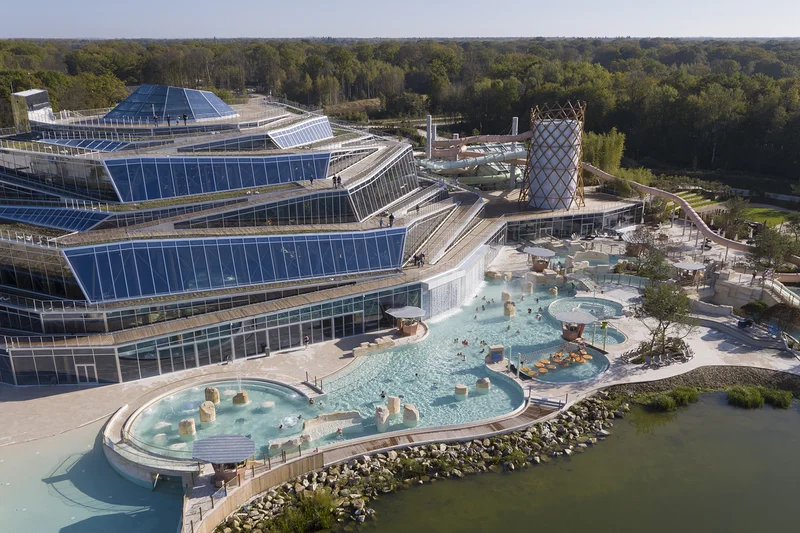
The most unique experience is staying overnight at Le Royaume des Lions, a 3-star hotel opened in the heart of the park. The guest rooms look straight into the lion enclosure, meaning you are guaranteed to wake up to the sound of roaring cats. Expect to pay around $510* a night during peak season, breakfast included. Booking well ahead of time is essential.
For tighter budgets, a handful of chambres d'hôtes and gîtes dot the town and surrounding villages. La Chabrière, a charming regional farmhouse, offers quiet rooms with a garden. Toward Chaumes-en-Brie or Fontenay-Trésigny, standard chain hotels become more common. For campers, des Bondons in La Ferté-sous-Jouarre and the Country Park near Crécy offer budget-friendly pitches surrounded by nature.
How to get to and around Lumigny-Nesles-Ormeaux
Driving is by far the easiest method. From Paris, plan for a 45 to 50 minute drive down the A4 highway toward Metz, take the Coutevroult/Esbly exit, and follow the D231 and D402. Parking is free and plentiful at both the wildlife park and the farm.
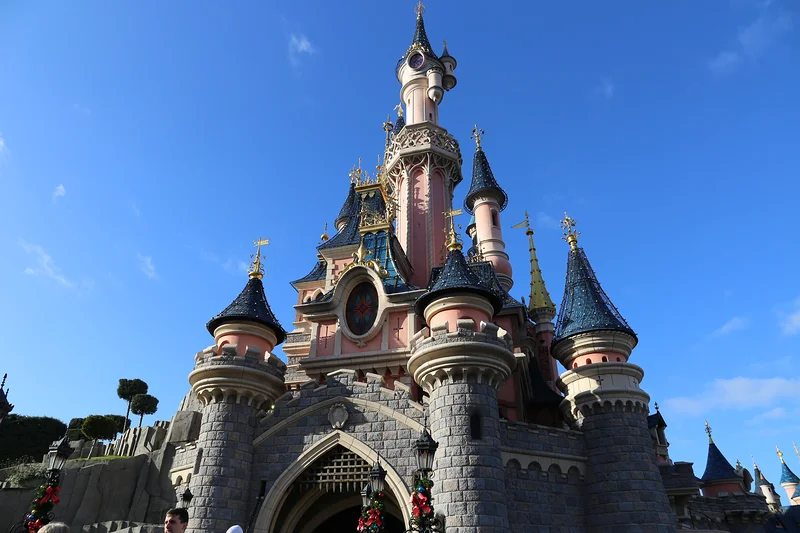
Without a car, getting here requires some patience. The Transilien commuter train from Paris Gare de l'Est reaches the Marles-en-Brie station in 35 minutes. From there, bus line 33 connects to Lumigny in 15-20 minutes, though departures are infrequent. Total travel time usually runs 1h15 to 1h45. Coming from Disneyland Paris, the drive takes about 30 minutes.
For international travelers flying in, Paris-CDG and Orly airports sit roughly 45 and 50 minutes away by car. Renting a vehicle upon arrival is strongly recommended.
When to go
The Lumigny Safari Reserve operates from February through November. The sweet spot for a visit runs from April to June and September to October, when temperatures are pleasant, animals are active, and crowds remain manageable. July and August draw heavy family crowds and longer lines at the gates. The farm picking season peaks from May to October, starting with spring strawberries, moving into summer tomatoes and vegetables, and finishing with squash and apples in autumn. Skip clear-sky Sundays if you want to avoid the heaviest weekend traffic.