Maincy: The Village That Inspired Versailles
On an autumn morning in 1879, Paul Cézanne set up his easel on the banks of the Almont, facing a small stone bridge framed by foliage. He did not know it yet, but this canvas would mark a turning point in his work.
Two centuries earlier, in that exact same spot, Nicolas Fouquet dreamed so big that Louis XIV commissioned Versailles out of sheer jealousy.
Maincy, a Brie region village of 1,800 residents located 50 km southeast of Paris, carries both of these histories. One belongs to a painting genius in search of light, and the other to a powerful official who fell into disgrace after building the most magnificent estate in France.
A Getaway for History Buffs and Quiet Seekers
This village suits heritage enthusiasts, families looking for a cultural day trip outside Paris, and hikers who enjoy walking between forests and crop fields. The Château de Vaux-le-Vicomte draws about 300,000 visitors a year, but the rest of the village remains remarkably peaceful. You are far more likely to cross paths with chickens than tourists.
If you are looking for nightlife, shopping, or a diverse dining scene, the village will feel a bit deserted. Maincy is a place for contemplation, not consumption. The town center takes an hour to explore, while the château requires half a day. It makes an ideal format for a day trip from Paris or a weekend getaway in the countryside when combined with Fontainebleau and Blandy-les-Tours.
An Accessible Village, But Plan for a Car
Local visitor infrastructure remains modest. There is no official tourist office, few shops, and public transit connections require some planning. The Brie countryside lends itself wonderfully to driving or bicycling. Safety-wise, you have nothing to worry about in this quiet Île-de-France village.
A Very Reasonable Budget
Expect to pay $21* per adult for admission to the Vaux-le-Vicomte estate, or $17* for reduced tickets. A guesthouse or gîte in Maincy runs between $79 and $135* a night, and lunch around Melun hovers between $17 and $29*. A full day totals roughly $57-$90* per person, including transportation from Paris.
Vaux-le-Vicomte: The Château That Triggered the Sun King's Wrath
Nicolas Fouquet's Estate
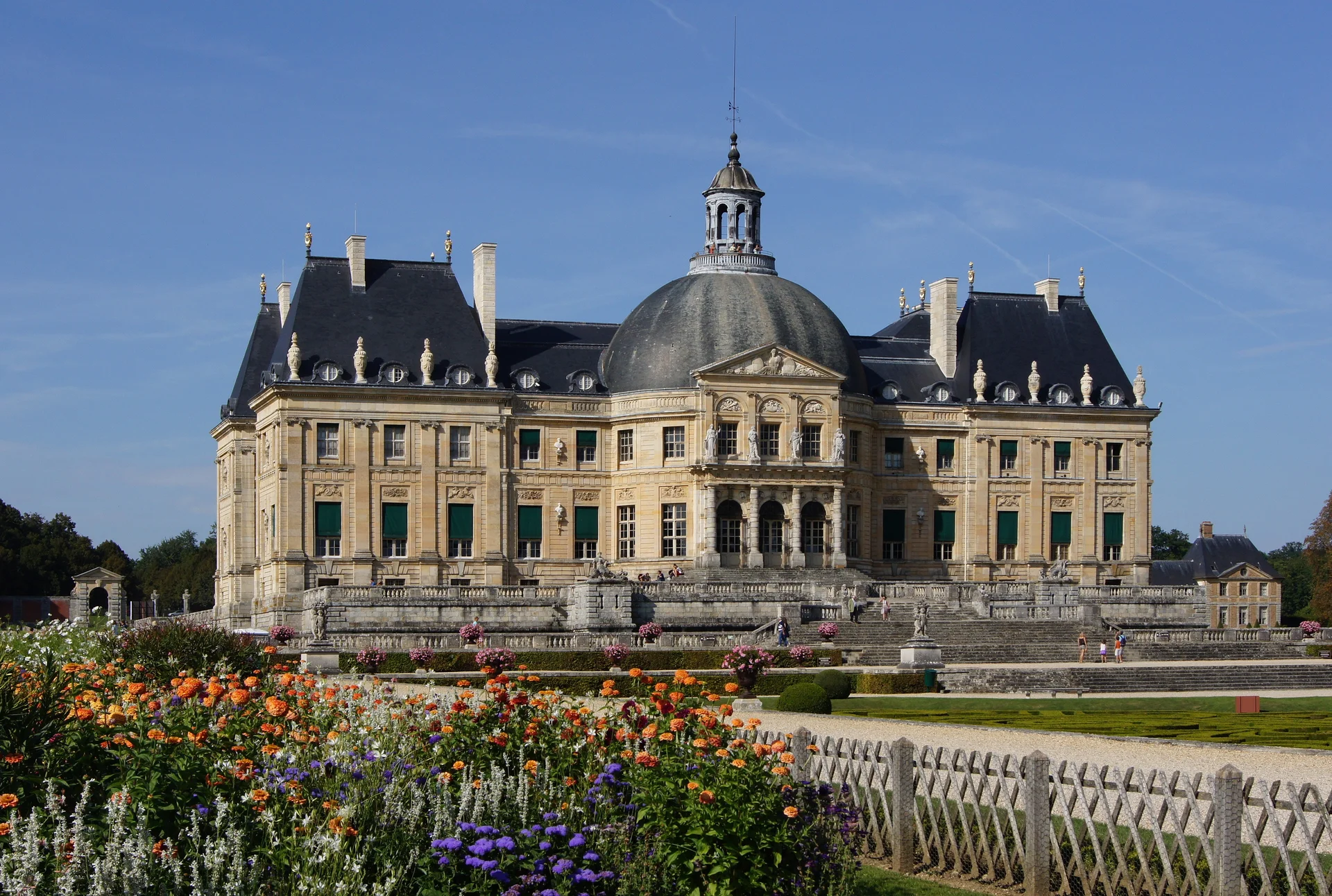
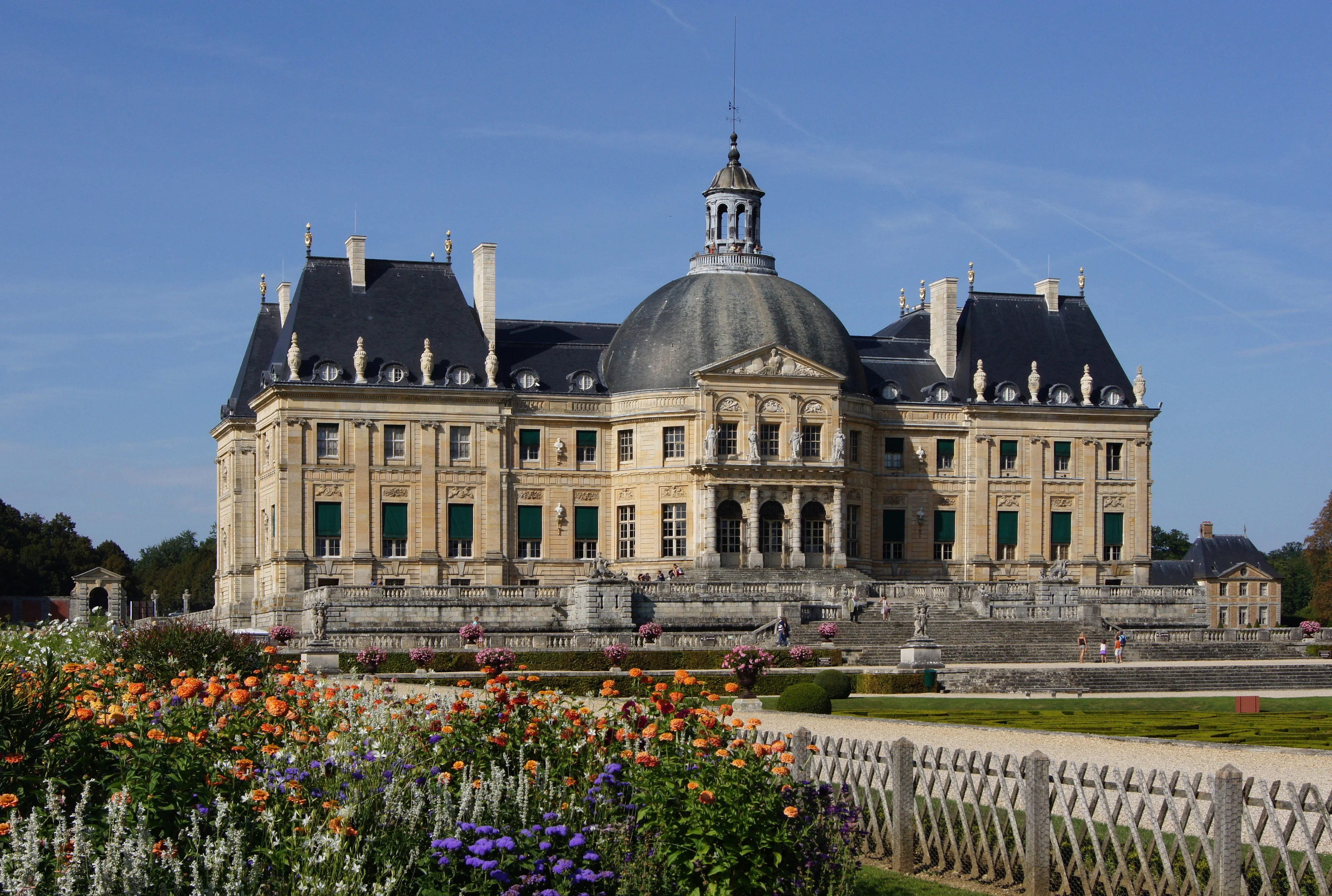
The story is famous and yet never gets old. On August 17, 1661, Nicolas Fouquet, the superintendent of finances, hosted a lavish party at his new château. Molière performed a play there, Vatel orchestrated the banquet, and Le Nôtre designed gardens of unprecedented perfection. Louis XIV, the guest of honor, was dazzled, and furious. Three weeks later, Fouquet was arrested and never left prison.
Revolutionary Architecture
What remains of this outsized ambition is striking. The Château de Vaux-le-Vicomte is the joint work of three geniuses: architect Louis Le Vau, painter and decorator Charles Le Brun, and landscape gardener André Le Nôtre. It marked the first time in French architectural history that these three disciplines merged on this scale. The resulting design served directly as the model for Versailles.
What to See On Site
The tour covers around a hundred rooms spread across three floors, all furnished and decorated. The Grand Salon and its dome rising 25 metres high is worth the trip alone. The formal French gardens, featuring water fountains and forced perspectives, span 33 hectares. Visitors can explore them on foot or rent an electric golf cart on site.
Friendly tip: grab the audio guide, as it is excellent. Actor voices narrate Fouquet's story in an immersive way, far from the usual monotonous tone of audio guides. If you visit on a summer Saturday, the candlelit evenings transform the estate with more than 2,000 candles placed throughout the gardens. The atmosphere is magical, so book in advance.
Maincy Village: Water Alleys and Working-Class Heritage
In late 2022, Maincy earned the Petite Cité de Caractère label, a first for the Île-de-France region. The village deserves a good hour of wandering after visiting the château. Its narrow streets are crossed by the waters of the Almont and the Bobée, two small streams that give the town a quiet charm.
The Saint-Étienne Church, built between the 12th and 13th centuries and later remodeled in the 17th, is worth a look. Its bell tower actually started as a 12th-century defensive tower. Further down, the Maison des Carmes reveals an overlooked piece of history: this is where Fouquet set up tapestry workshops run by Le Brun in 1658. Following his disgrace, Louis XIV had these workshops moved to Paris, where they became the Gobelins Manufactory.
At the Trois Moulins hamlet, the bridge over the Almont immortalized by Cézanne's painting is still standing. The artwork, housed in the Orsay Museum, marked the painter's definitive break with Impressionism. An informational sign on site lets you compare the real view with the canvas.
Hiking and Nature in the Brie Countryside
The countryside surrounding Maincy offers great walking options. The commune covers over 1,000 hectares, with 40% farmland and 37% forests. Marked trails connect Maincy to Melun along the banks of the Almont, or lead into the French Brie plain crossed by the Ancoeur river.
The premier event for hikers is the Rando des 3 Châteaux, organized each spring by the Seine-et-Marne department. Seven free trails ranging from 4 to 42 km connect the châteaux of Blandy-les-Tours, Vaux-le-Vicomte, and Fontainebleau. The 2023 edition gathered over 15,000 participants. The 14 km route starting from Melun, which passes through the château park and Maincy village, is the most accessible.
Friendly tip: the Vaux-le-Vicomte estate is certified as Accueil Vélo with dedicated bike parking. From Melun station, the bike ride to the château covers about 6 km along quiet roads. It makes for a pleasant arrival, especially in the spring.
Where to Eat and Drink in Maincy?
Let's be frank: dining options within the village itself are limited. The Vaux-le-Vicomte estate has its own restaurant, La Poule de Vaux, for lunch or dinner on site. A champagne bar named Le Songe de Vaux opens in the gardens during candlelit evenings, though you must pay estate admission to access it.
For better food choices, head to Melun, 3 km away. The town offers a variety of spots: Crêperie de la Place on Place Jacques-Amyot for a simple and good lunch, Félicita for careful French-Italian fare, or Le 77e, a Parisian-style bistro. The local specialty to look for at market stalls or cheese shops is Brie de Melun AOP, the ancestor of all bries, which is punchier and fruitier than its Meaux cousin and features a characteristic reddish-orange rind.
Where to Stay in and Around Maincy?
The château does not offer lodging on the estate, but the village features a few charming gîtes. Clos des Lilas, a 3-star municipal gîte, sits in a great spot just steps from the center. Several furnished rentals are also available on booking platforms, running between $79 and $135* per night.
For more choices, look toward Melun and its surroundings. The Ibis Styles in Rubelles sits less than 2 km away. For an upscale stay, the Hôtel de l'Aigle Noir in Fontainebleau, a 4-star property facing the royal château, is a 20-minute drive away. The Manoir de Beaumarchais in Les Chapelles-Bourbon offers a guesthouse vibe in a historic setting.
How to Get to and Around Maincy?
From Paris, take the Transilien R line from Gare de Lyon to Melun. The direct train ride takes 25 minutes. From Melun station, a shuttle bus named Chateaubus runs daily round-trips to the château. A taxi costs between $21 and $29* depending on direction and time. Bus line T also connects Maincy village square to Melun station in 17 minutes, though frequency is limited to weekday rush hours.
By car from Paris, expect 45 minutes to an hour via the A5 or A6, taking the Voisenon exit. Parking at the château is free. Travelers from North America mostly land at Paris-CDG (75 km away); Paris-Orly (36 km) sits closer to Maincy. Vaux-le-Vicomte also offers a combined ticket including a shuttle from Paris for about $34*.
When to go?
The château is open daily from mid-March to early November. The best period runs between May and September, when the gardens are in full bloom and candlelit evenings take place every Saturday. The Grand Siècle Day in late May brings out hundreds of visitors dressed in 17th-century costumes.
In winter, the estate reopens for Grand Noël with holiday decor and lights from mid-November to early January. Avoid French long holiday weekends in May if you want to dodge the crowds.