
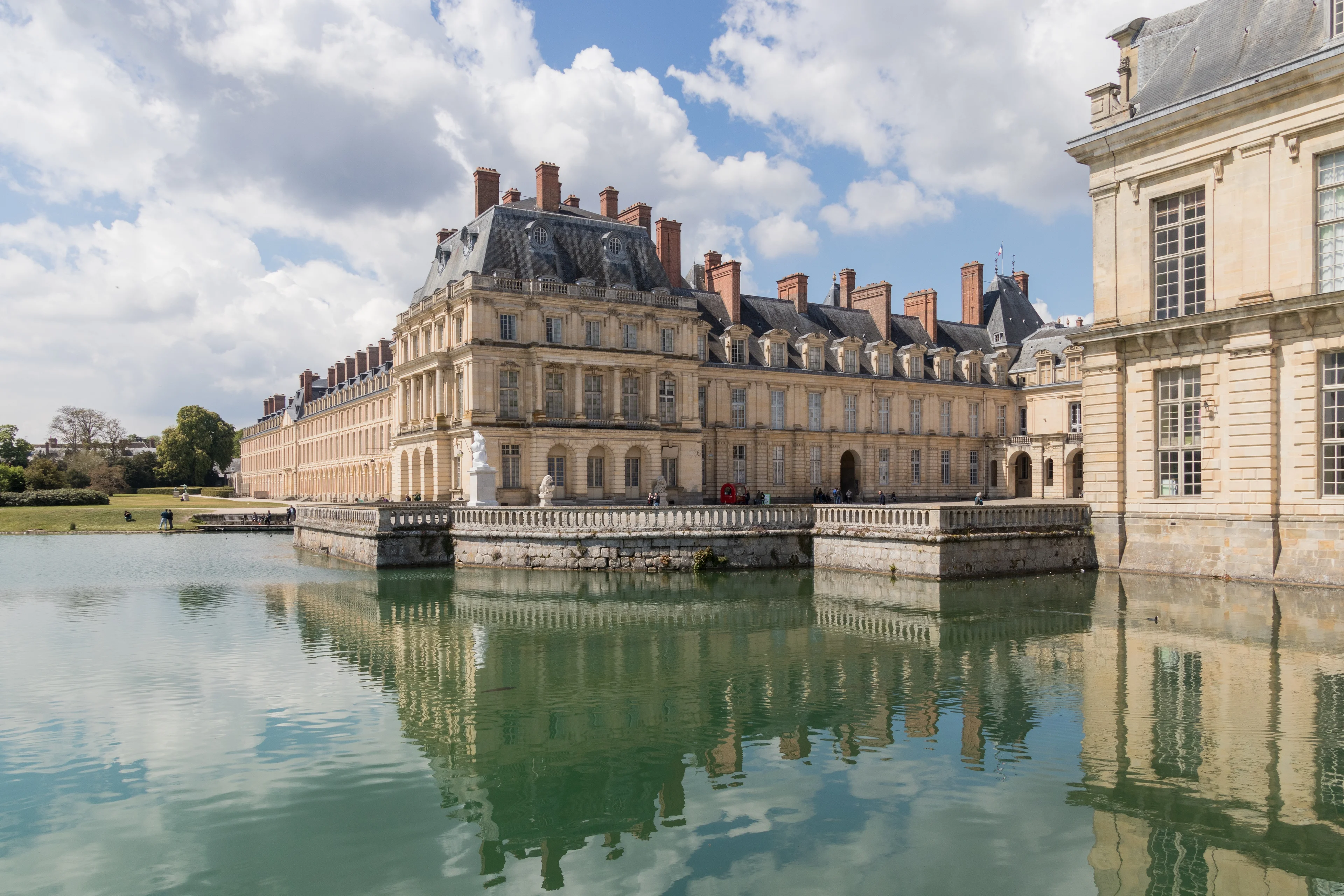
Fontainebleau, where kings came to forget Versailles
Napoleon called it the true home of kings. It was not a courtier's compliment, but an admission. While Versailles put on a show for the rest of Europe, French sovereigns retreated here to hunt, breathe, and actually live.
Thirty-four kings and two emperors slept within these walls over eight centuries. Unlike its rival down the road, the Palace of Fontainebleau kept almost all of its original furnishings. It is perhaps the only place in France where you can mentally sit in Francis I's armchair and look out the exact same window.
Fontainebleau, the anti-Versailles for discerning travelers
If you are looking for overwhelming pageantry and endless lines, skip this stop. Fontainebleau is for curious visitors who prefer intimacy over spectacle. History buffs will find a density of furniture and decor that Versailles, emptied during the Revolution, can no longer match. Rock climbers from around the globe head here for the forest, widely considered the world capital of bouldering.
On the flip side, families with toddlers might find it tough going: the chateau requires a long attention span, and the forest demands sturdy footwear. The town itself remains quiet and upscale. If you want nightlife, head back into Paris.
A reasonable Île-de-France budget
Expect to pay $20* for entry to the chateau, which is free for EU residents under 26. A 3-star hotel room starts around $102* a night, and a full meal runs between $29 and $45*. The train ride from Paris costs $18* round trip, or nothing if you have a Navigo pass.
The chateau: eight centuries across 1,500 rooms
The chateau of Fontainebleau, a UNESCO World Heritage site since 1981, is staggering in its sheer scale. There is no strict symmetry here: every king added a wing, a style, or a whim. The result reads like a textbook on architectural history, mixing medieval, Renaissance, and classical elements.
The Gallery of Francis I is worth the trip alone. Its Mannerist frescoes, painted by Italian artists in the 16th century, shaped French interior design for generations. Further along, the recently restored apartments of Napoleon III offer a striking contrast with their heavy yet fascinating Second Empire decor. The Napoleon I Museum displays uniforms, swords, and even the Emperor's bidet.
Friendly tip: book your tickets online the day before. The chateau is closed on Tuesdays. To see the Imperial Theater and Marie-Antoinette's Turkish Boudoir, you must book a guided tour in advance on the official website.
The gardens: Le Nôtre before Versailles
The Grand Parterre, laid out by André Le Nôtre before he tackled Versailles, spans 35 hectares. It is the largest formal French garden in Europe. Its clipped boxwoods, reflecting pools, and endless sightlines deserve at least an hour of wandering.
The Carp Pond, right behind the chateau, offers a classic pastime: rowboat rentals. You can also grab a Berthillon ice cream while watching the ancient, oversized carp. The English Garden, with its exotic trees and winding paths, provides a quiet escape after the geometric strictness of the parterre.
The forest: 25,000 hectares of open space
The forest of Fontainebleau, designated a UNESCO biosphere reserve, is one of the most diverse natural areas in France. Century-old oaks, pine groves, marshy pools, boulder fields, and sandy clearings change the scenery every mile. It is also the ultimate playground for bouldering enthusiasts worldwide, with over 30,000 problems spread across 200 sectors.
For hiking, the Gorges de Franchard trail offers a 6 km loop accessible to everyone, featuring dramatic rock formations and a historic hermitage along the way. Experienced hikers tackle the 25 Bosses Circuit, a grueling 14 km route of steep technical climbs and descents. The 19th-century Denecourt Tower offers views all the way to Paris on a clear day.
Bouldering: a global pilgrimage
The sectors of Bas Cuvier, Apremont, Franchard, and Trois-Pignons draw thousands of climbers every year. The colored circuit system, invented here in the 1940s, guides climbers of all levels: yellow for beginners, orange and blue for intermediates, and red and black for experts. The Elephant boulder, near La Chapelle-la-Reine, is the most photographed rock in the forest.
Friendly tip: rent your crashpads at Karma or S'Cape in Fontainebleau. Visit in autumn for the best friction on the sandstone. Local climbers still use "pof," a traditional resin bag, instead of standard chalk.
Barbizon, the village that paved the way for Impressionism
Ten minutes away by car, the village of Barbizon gave birth to the painting school of the same name, which paved the way for Impressionism. Corot, Millet, and Rosa Bonheur lived and painted here. Ganne's Inn, now a museum, preserves the frescoes and graffiti left by artists on their bedroom walls. The main street, lined with galleries and studios, retains a bohemian charm that Fontainebleau has lost.
Where to eat and drink in Fontainebleau?
The town has a few standout spots that make the trip worthwhile. Frédéric Cassel, a recipient of the prestigious Meilleur Ouvrier de France title, opened his pastry shop here in 1994, and his modern takes on French classics deserve a sweet break. For lunch inside the chateau itself, Les Petites Bouches de l'Empereur serves a buffet overlooking the Carp Pond. The Caveau des Ducs, set in 17th-century vaulted cellars on rue Ferrare, serves refined regional cuisine.
Hikers and climbers usually gather at La Dame Jouanne, a rustic forest tavern where you will spot Parisians in muddy boots and local boulderers covered in chalk. The Fontainebleau market on Saturday mornings in place de la République is one of the region's best spots for local farm produce.
Where to stay in and around Fontainebleau?
Hotel L'Aigle Noir, right across from the chateau, embraces an Empire style with themed rooms. For something sleeker, La Demeure du Parc offers 4-star lodging just steps from the gardens. For a tighter budget, the Ibis Chateau de Fontainebleau is centrally located.
Climbers often prefer guesthouses around Milly-la-Forêt or the La Musardière campsite, open from February to November, right next to the bouldering zones. Several local hosts even rent out crashpads alongside their rooms.
How to get to and around Fontainebleau?
From Paris, catch a train from Gare de Lyon heading toward Montargis, Montereau, or Laroche-Migennes. Get off at Fontainebleau-Avon after a 40-minute ride. The Navigo pass covers this trip. Right outside the station, bus line 1 takes you to the chateau in 10 minutes.
If you are driving, plan for about 1 hour and 10 minutes from Paris via the A6 highway, taking the Fontainebleau exit. Watch out for Sunday evening traffic jams: leave before 3:00 PM or stay for dinner. Downtown Fontainebleau is easily explored on foot, but a car is essential for exploring the forest. You can rent e-bikes at Blow Cycles by the station or Velectrik Moov in town, with half-day rentals starting at $44*.
When to go?
Spring and autumn bring the best conditions: mild temperatures, great light in the forest, and ideal rock friction for climbers. Summer works well for touring the chateau, but the heat makes hiking tough. In July, the Festival of the American Art Schools brings concerts and exhibitions to the chateau grounds.
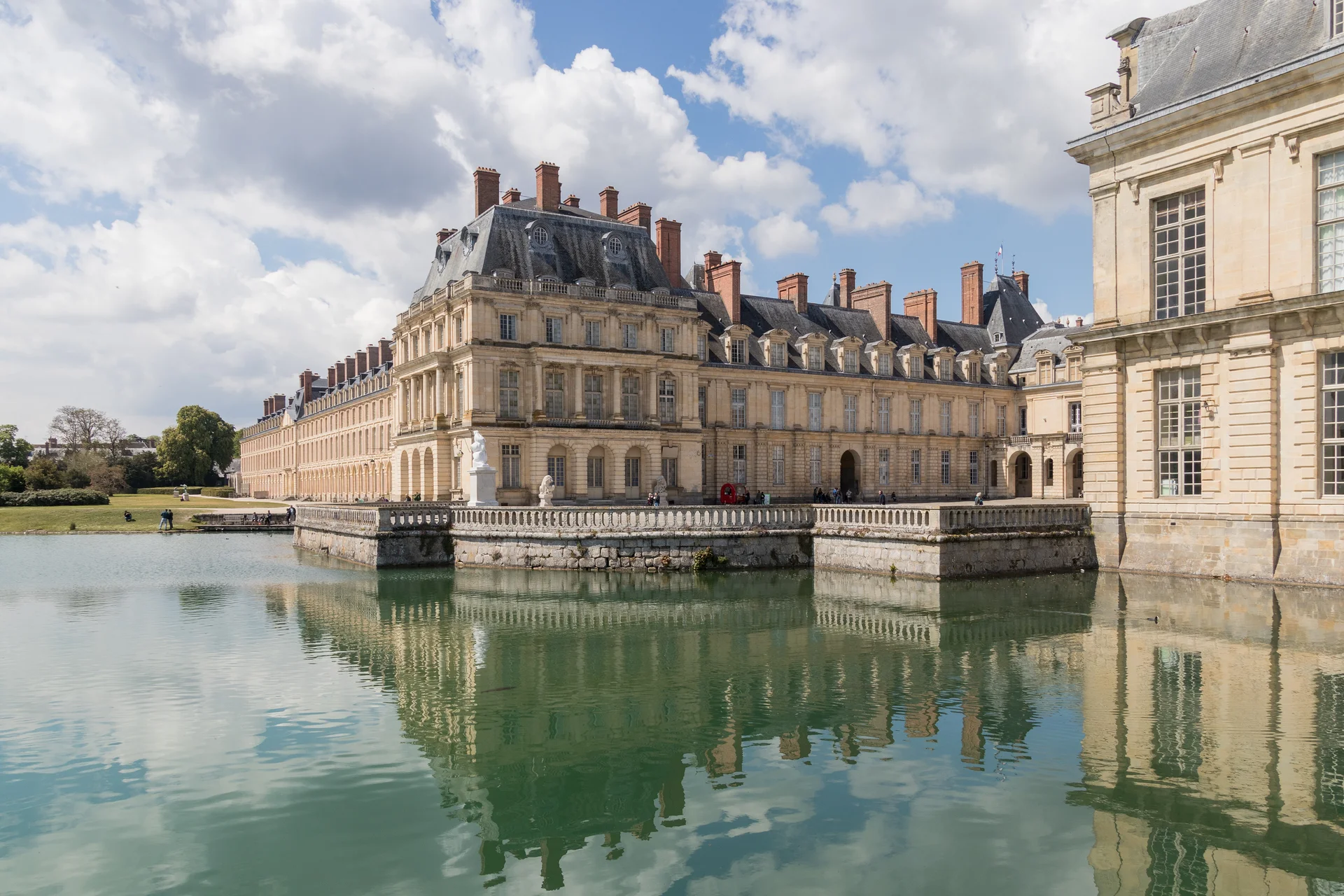
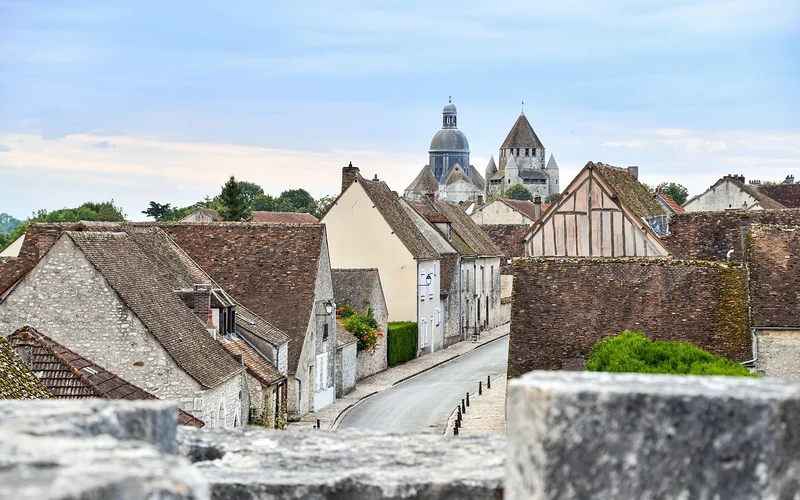
Pretty quick to get to from Paris, this town makes for a nice day trip. The interior of the castle is gorgeous and the forest has tons of hiking trails that are marked and vary in difficulty. During Covid, it was a real breath of fresh air for me. The downtown area is also really pleasant for window shopping or grabbing a drink on a patio. I also recommend the firefighter museum, it is not always open but it is fascinating.