
Orsay Museum, a cathedral of light for Impressionism
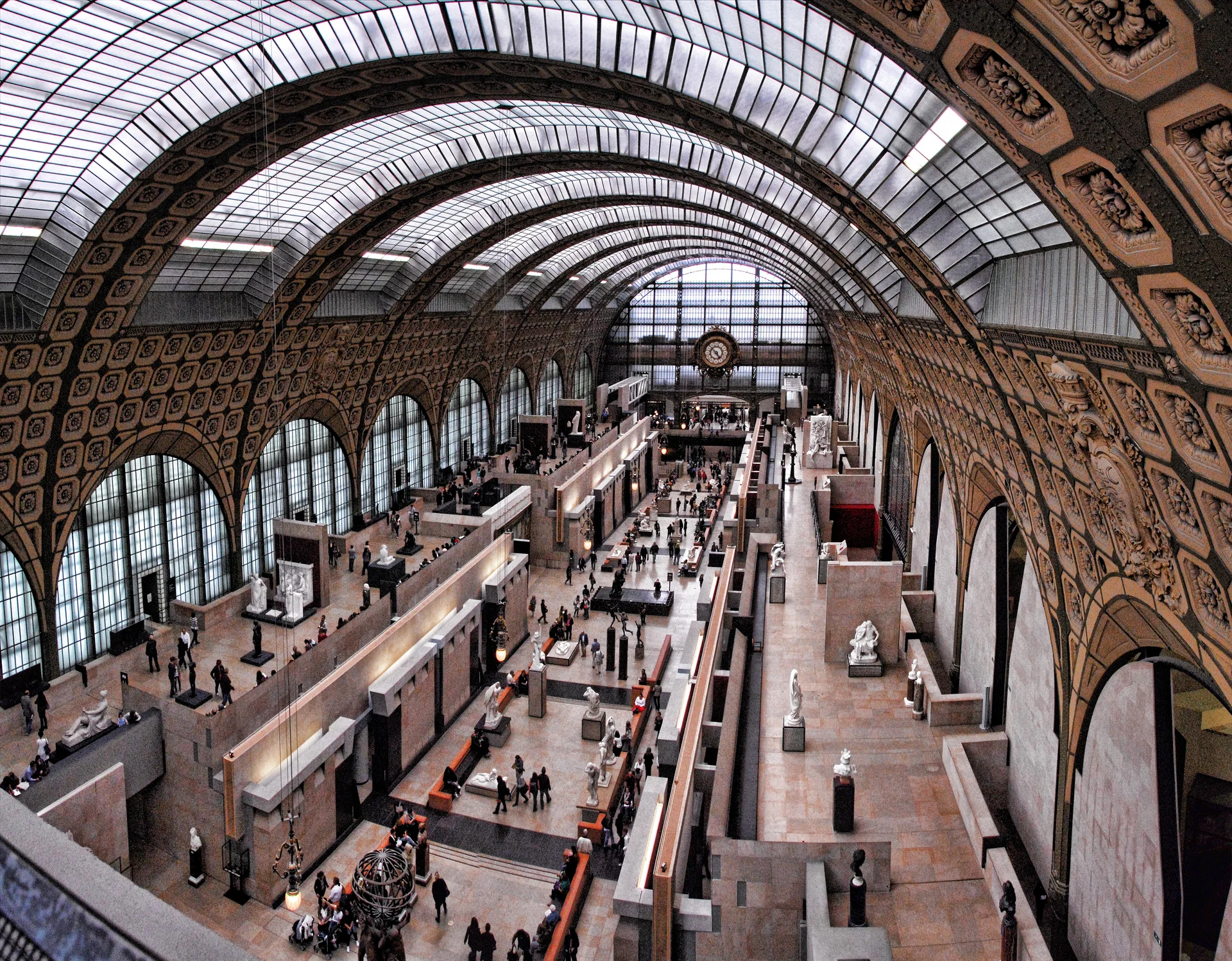
It is 9:30 a.m. and the doors have just opened. Morning light pours through the massive glass roof, flooding the 138-meter-long nave and illuminating the sculptures lining the center aisle. On the fifth floor, the blues of Monet and the yellows of Van Gogh wait for the first visitors. This temple of art, where time seems to hang on the hands of the monumental clocks, houses the largest collection of Impressionist and Post-Impressionist works in the world.
Why visit the Orsay Museum?
The Orsay Museum holds nearly 4,000 works spanning from 1848 to 1914. This collection bridges the chronological gap between the Louvre and the Centre Pompidou. You will find Manet, Renoir, Cézanne, Degas, and Gauguin, alongside sculptors like Rodin and Art Nouveau masters such as Émile Gallé.
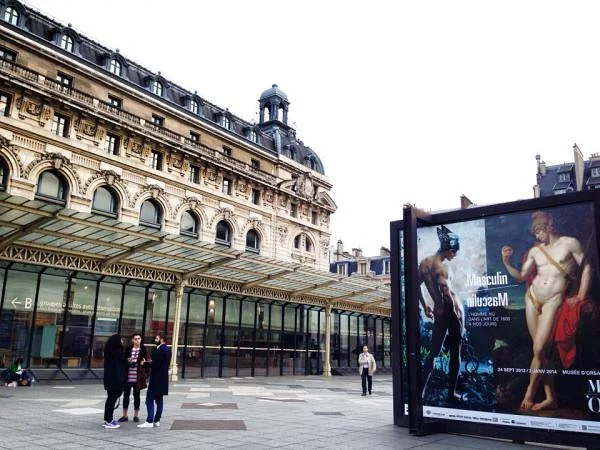
Beyond the paintings, the architecture itself is a work of art. The former train station, built by Victor Laloux for the 1900 World Fair, elegantly blends its 12,000-ton metal structure with a carved stone facade. The vault reaches 32 meters high, bathing the galleries in natural light that is ideal for viewing the art.
A station saved from the wrecking ball
The Gare d'Orsay station served southwestern France until 1939. Its platforms, too short for modern trains, led to its abandonment. It nearly faced demolition in the 1960s. A theater company occupied the space for six years, sparing it from destruction. Its designation as a historic monument in 1978 sealed its fate. The architect Gae Aulenti designed the interior layout, which was inaugurated in 1986 under the direction of Valéry Giscard d'Estaing.
Masterpieces to look for
On the fifth floor: the Impressionist heart
The top-level galleries hold the most famous canvases. Dance at Le Moulin de la Galette by Renoir captures the joy of a Parisian Sunday. Starry Night Over the Rhône and the self-portraits by Van Gogh are mesmerizing in their intensity. Poppies and Rue Montorgueil by Monet vibrate with bright colors. The Little Dancer of Fourteen Years by Degas, a sculpture made of wax and fabric, is striking for its realism.
On the ground floor: realism and its bold strokes
The Origin of the World by Gustave Courbet remains the most controversial work in the museum. Painted in 1866 for an Ottoman diplomat, it was hidden for over a century, passing through the hands of psychoanalyst Jacques Lacan. It has only been on public display since 1995. Luncheon on the Grass and Olympia by Manet reflect the scandals that shook official Salons.
Friendly tip: Head straight to the fifth floor as soon as you arrive. Tour groups usually arrive around 10:30 a.m. and the Impressionist gallery fills up quickly. During the Thursday evening extended hours, the crowds thin out significantly after 6:00 p.m.
The clocks and the view of Paris
The three monumental clocks are reminders of the building's railway past. The one in the main hall is richly gilded and sets the pace for your visit. The two large glass clocks on the Seine side offer a spectacular frame to photograph the view of the Louvre, the Tuileries, and the Sacré-Coeur. Their transparent dials, measuring 2.5 meters in diameter, frame the Right Bank like a living painting. The cafe on the fifth floor, located just behind one of them, offers a break with a panoramic view.
Planning your visit
The museum spans five levels. The ground floor houses sculptures, realism, and temporary exhibitions. The second floor features decorative arts and Art Nouveau furniture, which is often quiet mid-day. The fifth floor is dedicated to Impressionism. An auditorium with 347 seats hosts concerts and lectures.
Also keep an eye out for:
- The Artist's Studio by Courbet, a monumental canvas nearly 6 meters wide
- The Rodin terrace with The Gates of Hell
- The Tahitian canvases by Gauguin
- The historic restaurant and its painted ceilings
Two entrances provide access to the museum. Entrance A serves visitors without tickets. Entrance C, reserved for those who bought tickets online, significantly reduces wait times. Combined tickets with the Orangerie Museum or the Rodin Museum allow you to extend your exploration.
Opening hours
| Monday | Closed |
|---|---|
| Tuesday | 09:30-18:00 |
| Wednesday | 09:30-18:00 |
| Thursday | 09:30-21:45 |
| Friday | 09:30-18:00 |
| Saturday | 09:30-18:00 |
| Sunday | 09:30-18:00 |
Last entry at 5:00 PM (9:00 PM on Thursdays). Closed on May 1st and December 25th.
*Information subject to change

The Orsay Museum is one of my favorites. If you love Impressionism as much as I do, you will not be disappointed. The museum houses one of the largest collections of Impressionist paintings, including superb works by Monet and Renoir. Remember to book your spot in advance.