
Boulogne-Billancourt, from the assembly line to the garden
Seventy-two thousand color photographs taken before 1931 across sixty countries worldwide. That trove is kept ten minutes by subway from Paris, inside a museum most Parisians overlook. Albert Kahn, a turn-of-the-century banker and philanthropist, assembled the original Archives of the Planet, which earned a spot on UNESCO's Memory of the World register in 2025. His former estate now holds a ten-acre garden where a Japanese village, a Vosges mountain forest, and English rhododendrons all share the same grounds.
That is the core of this Hauts-de-Seine municipality: a place of surprises, just a subway ride away.
A stop for the curious, not a main destination
Nobody boards a plane just to come here. The town appeals to contemporary architecture fans, vintage photography buffs, music lovers drawn to La Seine Musicale, and strollers hunting for greenery. Anyone looking for a Provençal village vibe or medieval alleyways will walk away disappointed. The urban fabric mixes 1930s apartment blocks, modern housing complexes, and a few industrial remnants.
A car is completely unnecessary. Metro lines 9 and 10 serve the various neighborhoods smoothly, and the T2 tramway runs along the banks of the Seine. A half-day is enough to cover the Albert-Kahn Museum and its gardens. A full day lets you add a concert or a walk around Île Seguin.
Parisian pricing, naturally
Prices mirror the inner western suburbs: expect $113 to $210* a night at a 3- or 4-star hotel, $17 to $29* for lunch, and $45 to $68* for dinner with wine. Admission to the Albert-Kahn Museum costs $12*, and it is free for visitors under 26 from the European Union.
The Albert-Kahn Museum: a world tour in ten acres
Japanese architect Kengo Kuma completely re-envisioned the museum following six years of renovations. The 2,300-square-meter contemporary building draws inspiration from the engawa, the covered wooden veranda of traditional Japanese houses. Inside, a wall of 2,000 still and moving images charts the world as Albert Kahn captured it between 1909 and 1931. The autochromes, among the earliest color photographs, render long-gone faces and landscapes with startling precision.
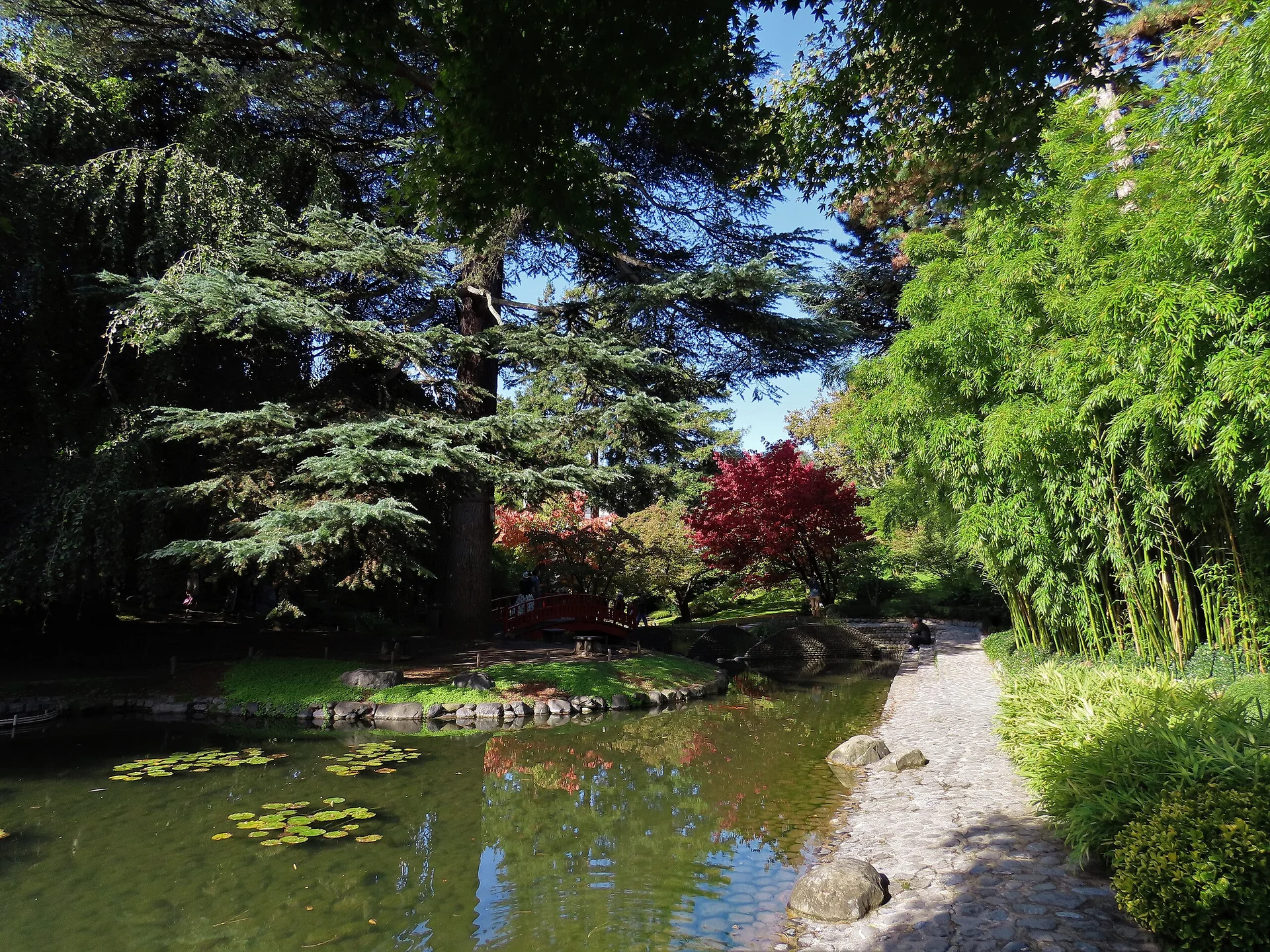
The garden deserves just as much attention as the collections. Each plot corresponds to a distinct garden design tradition: the French garden laid out by landscape architects Duchêne, the romantic-style English garden, two Japanese gardens complete with wooden bridges and koi carp, and a Vosges forest planted with conifers to recall the banker's Alsatian childhood. A grove of blue cedars rounds out the grounds.
Friendly tip: book online for the weekend, as the museum frequently sells out. Spring and autumn offer the most striking light inside the Japanese garden.
Île Seguin: from Renault to Shigeru Ban
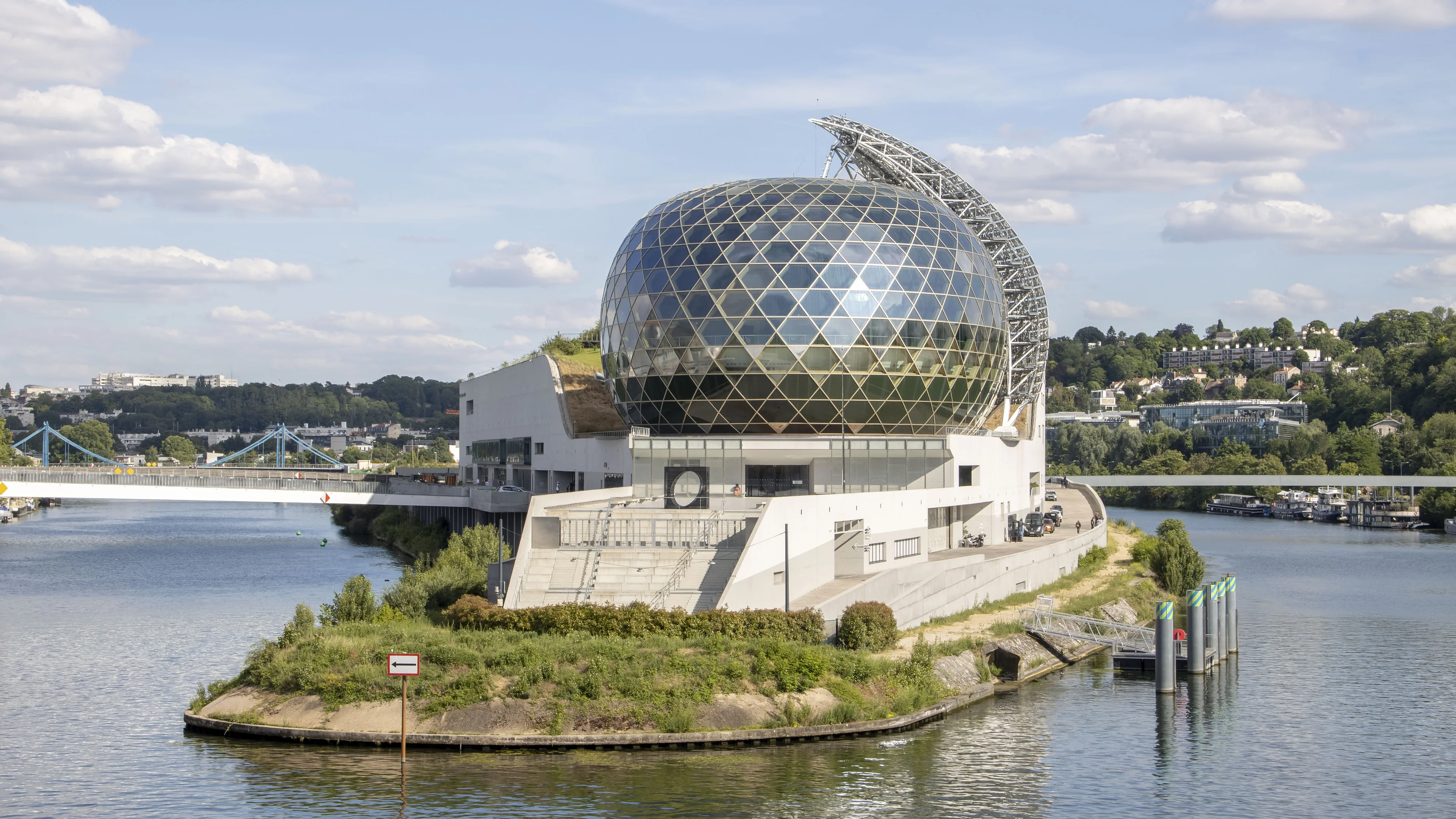
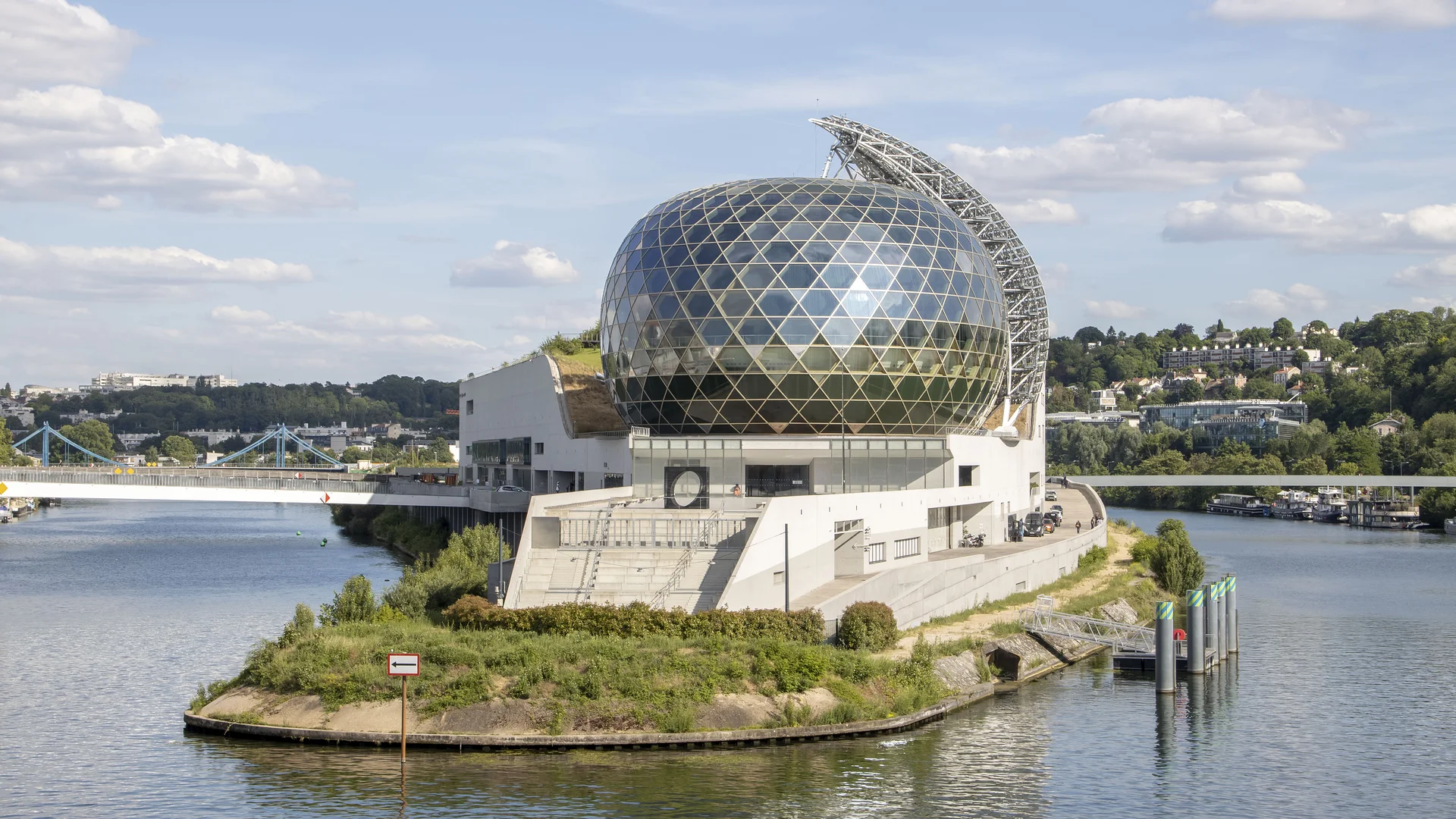
This island in the middle of the Seine hosted Renault assembly plants from 1929 to 1992. Thirty thousand workers built the 4CV and R4 models here before the buildings were demolished in 2004. Today, La Seine Musicale occupies the downstream tip, identifiable by its solar sail that pivots to track the sun. The 1,150-seat auditorium, wrapped in a woven spruce wood shell, hosts classical and jazz concerts. The larger Grande Seine hall holds up to 6,000 spectators for amplified music events.
The rest of the island continues to transform. A contemporary art hub, a cinema, and office spaces are currently under construction. Walking the rooftop garden atop La Seine Musicale reveals views across both riverbanks: Meudon on one side, and the newer Trapèze neighborhood on the other. At night, the illuminated structure casts reflections across the water.
Art Deco and industrial heritage
The Musée des Années 30 chronicles the town's history through the interwar period. Boulogne-Billancourt once drew filmmakers Abel Gance and Jean Renoir alongside architects Le Corbusier and Mallet-Stevens. The collections combine Art Deco furniture, sculptures by Paul Landowski, and documents detailing the movie studios and aircraft factories that once drove local prosperity. Admission is $9*.
The Musée Paul Belmondo, housed in the Château Buchillot, displays sculptures by the actor's father. Busts, medals, and preparatory sketches highlight the work of an academic artist who deserves wider recognition.
Parks and the banks of the Seine
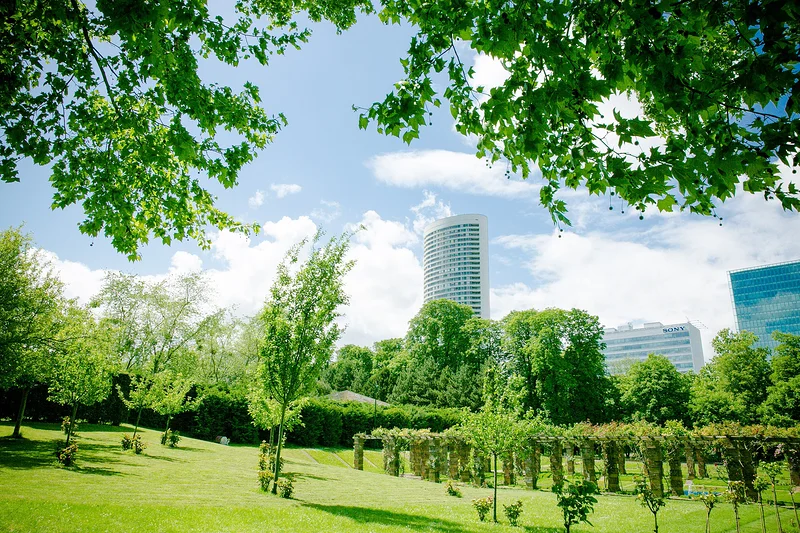
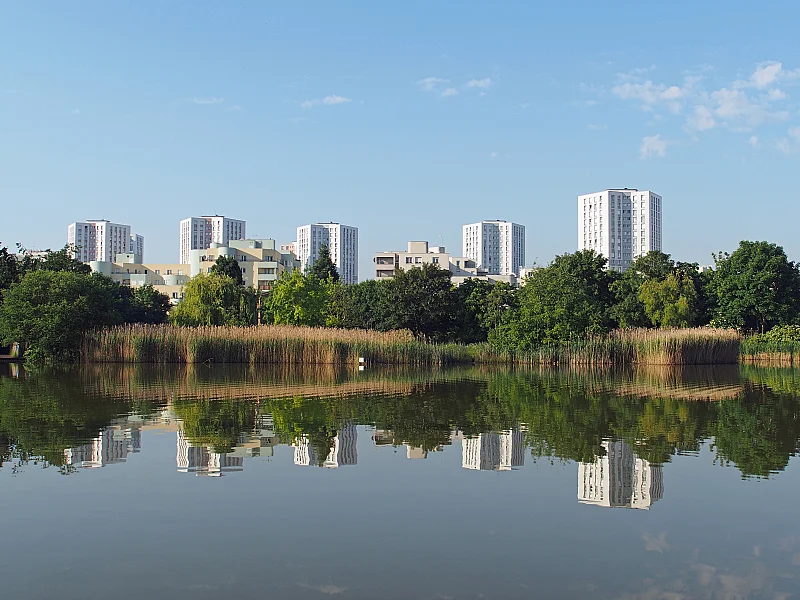
The Parc Edmond de Rothschild spans 37 acres in the northern part of town. Laid out around 1860 following plans by Joseph Paxton, the landscape architect behind London's Crystal Palace, it preserves an artificial grotto, waterfalls, and a pond edged with Japanese bridges. Sixteen designated heritage trees punctuate the pathways. The Japanese garden, installed by a gardener named Hatta between 1900 and 1930, has lost its original hardscaping but retains its foundational plantings.
The riverbanks have been completely redeveloped in the Trapèze district, the former industrial heartland of Renault. Billancourt Park, opened in 2013, captures rainwater runoff and features wild, naturalized vegetation. The surrounding residential architecture deliberately shifts in style from one city block to the next.
Where to eat and drink in Boulogne-Billancourt
The dining scene goes well beyond standard neighborhood bistros. Baca'v, run by chef Émile Cotte, focuses on traditional French repertoire dishes like pâté en croûte, vol-au-vent, and sweetbreads. Bonnotte pays tribute to the island of Noirmoutier with plant-forward bistro cooking. For something more intimate, La Machine à Coudes seats only about a dozen guests and serves natural wines alongside Caribbean and South American-inspired small plates.
Fans of global cuisines will find highly regarded Lebanese spots clustered around place Jean-Jaurès. The area around La Seine Musicale features restaurants and bars with direct river views.
How to get to and around Boulogne-Billancourt
From Paris proper, metro line 9 stops at Marcel-Sembat, Billancourt, and Pont de Sèvres. Line 10 stops at Boulogne Jean-Jaurès and Boulogne Pont de Saint-Cloud. Expect 20 to 30 minutes from central Paris. The T2 tramway runs along the Seine waterfront and serves La Seine Musicale directly.
By car, the town is reachable via the beltway at either Porte de Saint-Cloud or Porte d'Auteuil. Street parking remains scarce and paid. From Paris-Orly Airport, budget 30 minutes by taxi. From Roissy-CDG, figure on about an hour.
When to go
Spring makes the Albert-Kahn gardens shine, particularly when the Japanese cherry trees bloom in April. Autumn brings vibrant foliage color to Rothschild Park. Summer can feel stifling, but open-air concerts at La Seine Musicale help offset the heat. Skip the month of August if you want to sample the local dining scene, as many establishments close for annual holiday breaks.
It is a very pleasant city for a day trip outside of Paris. The setting is perfect for lovely strolls along the Seine and in the Edmond de Rothschild park. I also really liked the museums, especially the Albert-Kahn museum, with its temporary exhibitions and beautiful gardens, as well as the Musee des Annees Trente, a real dive into the interwar period. Boulogne also has a lot to offer in terms of culture. I highly recommend you experience the auditorium at La Seine Musicale, as the acoustics are exceptional.