Puteaux, the other side of Paris
Right at the foot of the skyscrapers in La Défense, a small 16th-century church stands its ground against time. This exact image sums up Puteaux: a town that held onto its roots while becoming the antechamber for Europe's largest business district. Here, you move seamlessly from a century-old rose garden to an open-air contemporary art museum, and from a 1648 windmill to glass-and-steel towers.
An unexpected stop just outside Paris
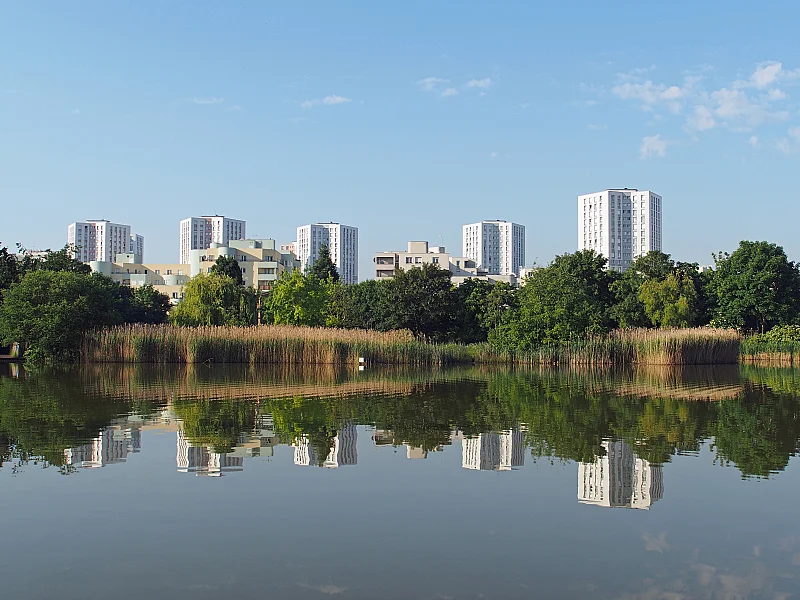
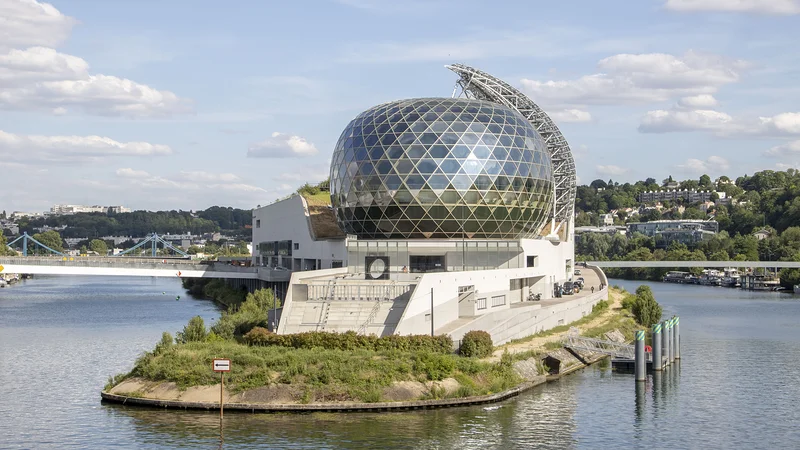
Let us be upfront: few travelers plan a dedicated trip to Puteaux. This community of 45,000 residents mostly serves as a landing pad for people working in La Défense or looking for lodging that costs less than staying in Paris. That is a mistake. This town in the Hauts-de-Seine department offers a welcome breather between heavy days of sightseeing in the capital, thanks to its Seine riverbanks, a leafy island, and overlooked heritage sites.
If you hate skyscrapers and concrete, the outskirts of La Défense will not appeal to you. But if you appreciate architectural contrast, modern art, and walks along the water, Puteaux deserves a few hours of your time. A car is completely unnecessary since the metro and tramway serve the area efficiently.
Moderate budget for the Paris region
Expect to pay $90 to $169* a night for a decent hotel, which is easier on the wallet than central Paris. A restaurant meal ranges from $17 to $45* depending on your choices. Access to the roof of the Grande Arche costs $21*, but most local attractions are free.
Île de Puteaux and its secret gardens
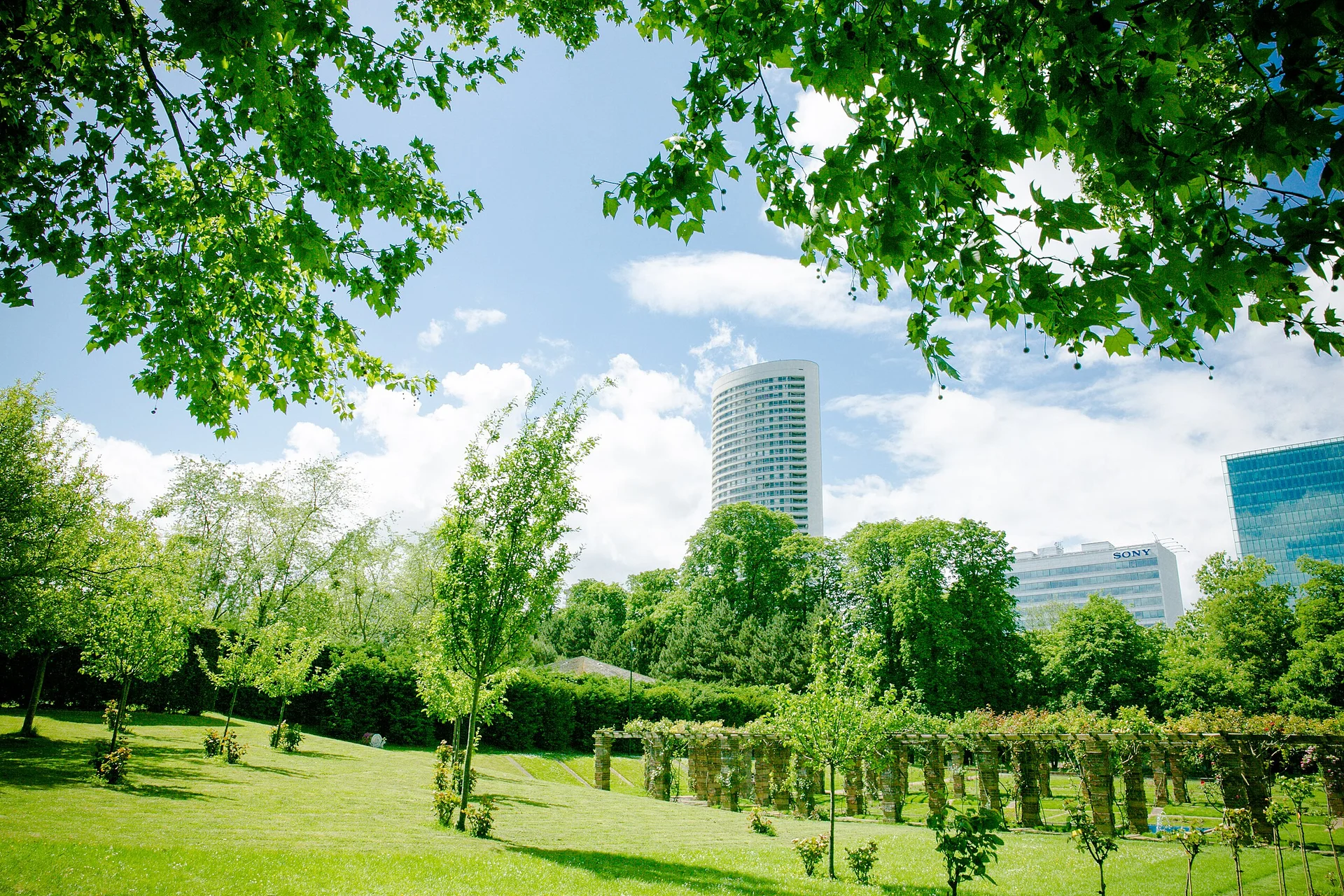
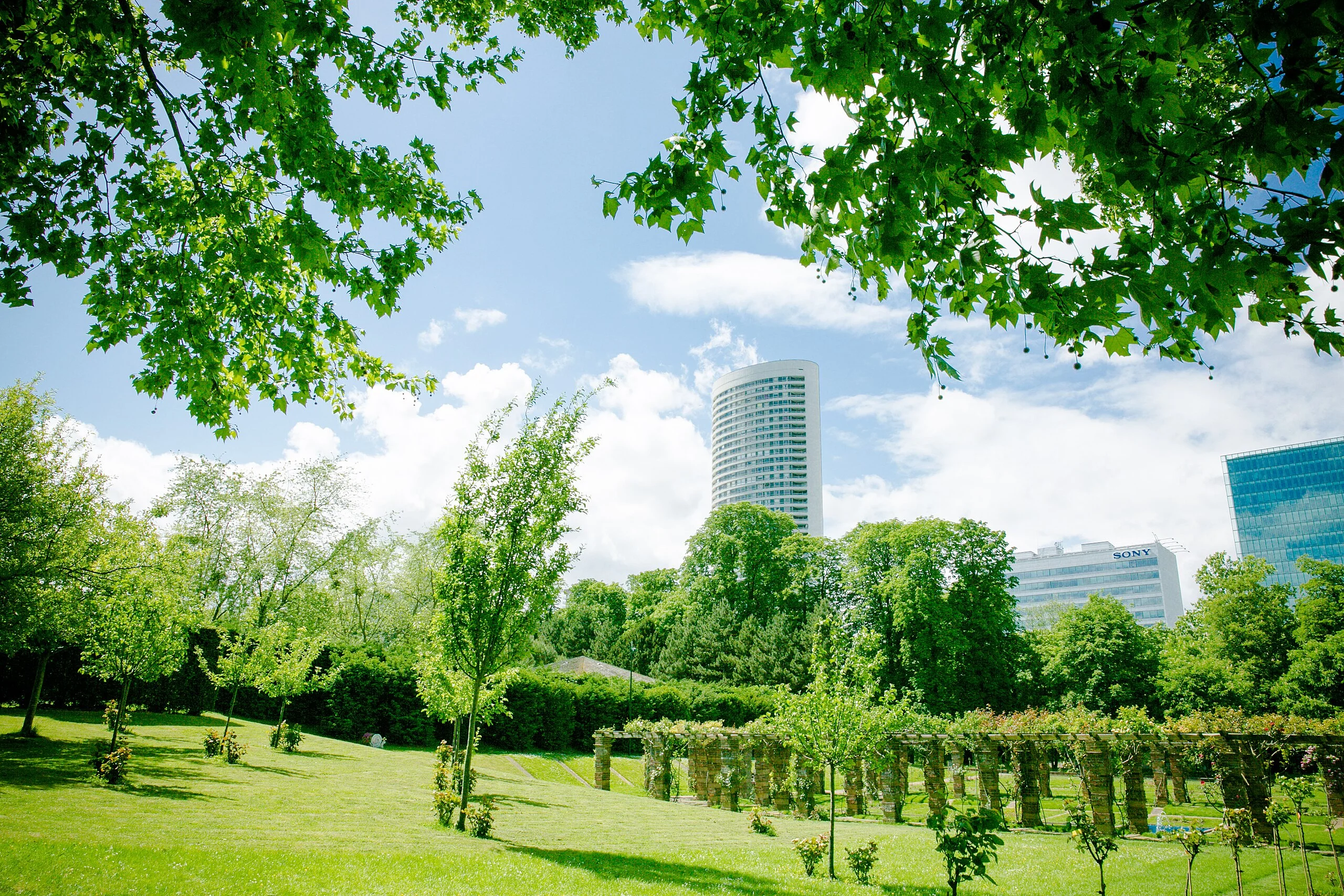
Few Parisians know this two-kilometer-long island wedged between Puteaux and Neuilly-sur-Seine. The Parc Lebaudy, donated in 1942 by the widow of a sugar magnate, shelters a rose garden featuring 1,600 bushes spread across 200 varieties. The Puteaux rose, also known as Rosa Damascena, still grows here. At the turn of the 20th century, perfume houses like Coty bought it for its captivating scent.
The best time to admire this rose garden runs from May to June when the blooms pop with color. The rest of the year, the park remains a peaceful haven with its bandstand, fitness trail, and butterfly meadow. Local beehives produce a small batch of honey each year sold in limited quantities.
Friendly tip: on summer Sunday afternoons, free concerts animate the park bandstand. Arrive early to snag a spot on the benches.
La Défense, an open-air museum
The business district, straddling Puteaux, Courbevoie, and Nanterre, catches visitors off guard. Behind glass facades, more than 60 contemporary artworks dot the esplanade. Alexander Calder's 15-meter-tall Araignée Rouge stands alongside Joan Miró's Personnages Fantastiques and César's famous Pouce, a giant 12-meter thumb.
The Bassin de Takis closes out the eastern edge of the concrete slab with its enigmatic metal signals planted right in the water. The Cheminée de Moretti, a 32-meter column wrapped in colorful fiberglass, lights up in a striking display at night. All of these works are completely free to view at any hour.
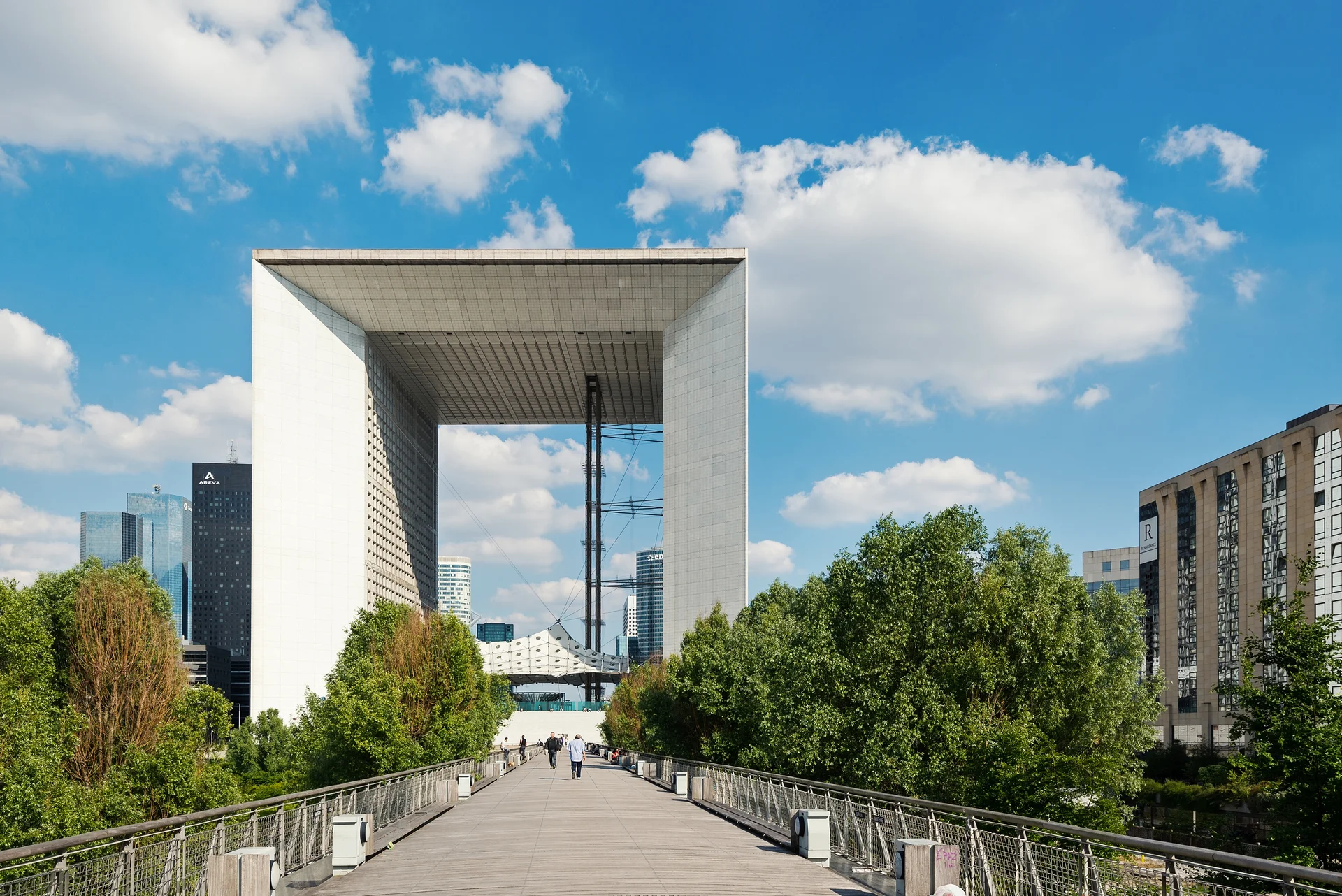
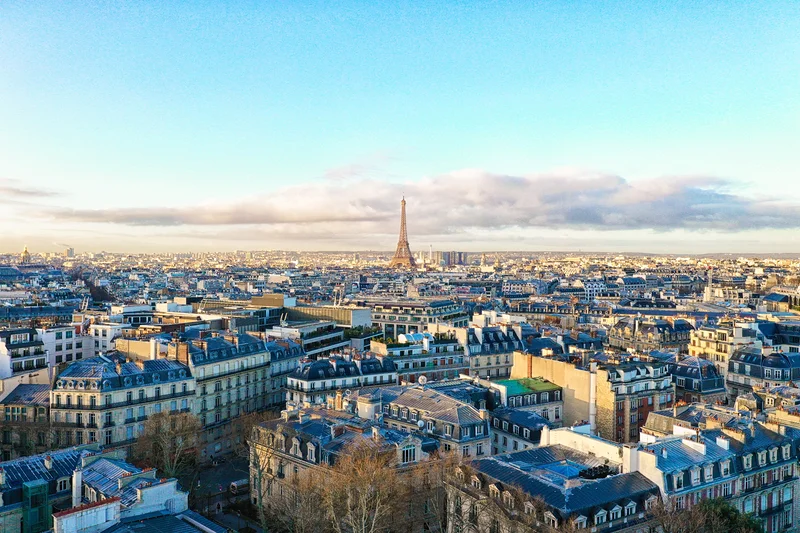
The highlight of the route remains the trip up to the roof of the Grande Arche. The glass elevator launches you to an altitude of 110 meters. From up there, the Historical Axis stretches out before you: the Arc de Triomphe, the Champs-Élysées, and the Louvre line up in perfect order. On a clear day, your sightline reaches all the way to the Eiffel Tower.
Old Puteaux and its forgotten heritage
Just a short walk from La Défense, the historic center of Puteaux holds quiet treasures. The Notre-Dame-de-Pitié church, a classified historic monument, dates back to 1523. Its 16th-century stained glass windows survived wars and clumsy renovations. The bell tower, rebuilt in 2012, recalls the one that Jean-Baptiste Lully had chiming back in the 17th century.
The Hôtel de Ville (Town Hall), inaugurated in 1934, is worth a detour for its Art Deco architecture designed by Jean and Édouard Niermans. The ironwork by Raymond Subes, Louis Bouquet's fresco in the grand staircase, and the mosaic parquet floors bear witness to a bygone era of craftsmanship. Access is open during municipal office hours.
Up on the heights, the Moulin de Chantecoq has overlooked the town since 1648. This windmill, the oldest in the Hauts-de-Seine department, ground wheat for local residents for two centuries before operating as a printing ink factory. The Jardin des Vignes vineyard planted nearby in 2009 keeps Puteaux's winemaking tradition alive with 170 Chardonnay vines. Every autumn, the harvest yields the Clos Chantecoq cuvée.
Where to eat and drink in Puteaux?
The town's standout fine dining spot is L'Escargot 1903. This century-old establishment, run by chef Yannick Tranchant, is listed in the Michelin guide. His instinctive, generous, and creative cooking elevates seasonal ingredients in an elegant setting featuring a shaded terrace. Expect to pay $62* for the set lunch menu. Business executives from La Défense flock here, so reservations are a must.
For a more casual meal, L'Andouille serves French bistro fare inside a renovated old brasserie. At the Les Quatre Temps shopping mall, finding a quick bite between stops is easy. The Thursday and Sunday street markets offer a great chance to sample regional Île-de-France products.
Where to stay in and around Puteaux?
Hotels cluster tightly around La Défense. The Mama Shelter Paris La Défense draws trendsetting travelers with its colorful design and rooftop scene. The Social Hub features an outdoor swimming pool, which is a rare find in this business sector. For tighter budgets, chains like Ibis Styles offer functional rooms at reasonable rates.
If you prefer the quiet pace of old Puteaux, a few guesthouses operate near the Seine riverbanks. Quick metro connections get you into central Paris in 15 minutes, making this a smart financial alternative to central Parisian lodging.
How to get to and around Puteaux?
Metro line 1 connects central Paris to La Défense in under 20 minutes from Châtelet. The RER A commuter train also serves the business district. The Transilien train from Gare Saint-Lazare reaches Puteaux station in 10 minutes, where the T2 tramway also stops.
From the airports, plan for 45 minutes to an hour via public transit. Orly Airport connects via metro line 14, then line 1 at Châtelet. Roissy-Charles-de-Gaulle is reachable via the RER B to Châtelet followed by line 1. Driving via the A14 and A86 highways leads straight to La Défense, but parking is expensive.
When to go?
Spring remains the prime season to enjoy the blooming rose garden and the Seine riverbanks. In summer, the Puteaux en plage event animates the island with sports activities and free concerts. Skip weekday business hours if you dislike heavy crowds of La Défense office workers at lunch time.