India, a country that leaves a mark
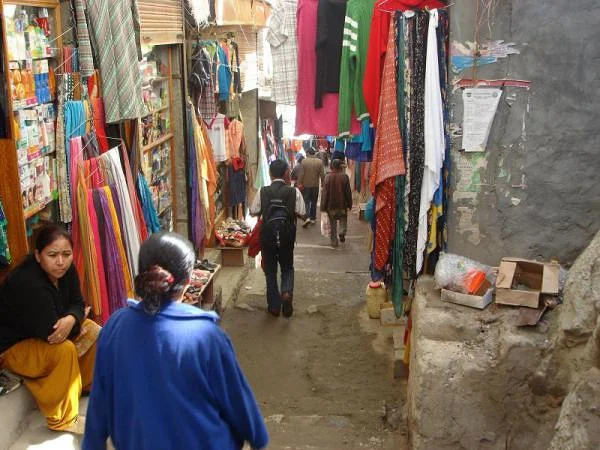
Every morning in Varanasi, hundreds of people walk down the ghats to bathe in the Ganges at sunrise while funeral pyres burn just a few feet away. This is the only place on Earth where life and death coexist so frontally and so naturally. You do not just "visit" India. You confront it.
India, for those ready to be rattled
India is not a destination for comfort. It is a country that constantly stimulates all your senses, tests your patience, and blows past expectations in both directions. Those who go knowing this return transformed. The others return exhausted.
Good fit for:
- Curious travelers looking for a true cultural immersion
- Fans of spirituality, yoga, and meditation
- Buffs of architecture, palaces, and Mughal fortresses
- Food lovers: India is home to one of the world's great culinary traditions
- Travelers on a tight budget: India remains very affordable on the ground
- Photographers and fans of color, festivals, and street life
- Adventurers and trekkers (Himalayas, Ladakh, Western Ghats)
Not a good fit for:
- Anyone who needs comfort, quiet, and predictability
- Travelers uncomfortable with crowds, pollution, and urban chaos
- Solo female travelers not ready to handle persistent male attention in certain regions
- Travelers who want to "see it all" in 10 days: India is a continent, not a country
- People very sensitive to hygiene standards or prone to digestive issues
A budget among the most accessible in Asia, but with huge gaps
India is one of the least expensive destinations in the world for international travelers. A full meal at a good local restaurant rarely costs more than $3.40 to $5.70*. A decent guesthouse starts around $9 to $17* a night. However, major tourist sites charge foreigner admission fees that are much higher than local rates, and boutique hotels in popular regions like Rajasthan or Goa can reach Western price points.
| Type | Where | Duration | Budget (excl. flights) |
|---|---|---|---|
| Palaces and forts circuit | Rajasthan (Delhi, Jaipur, Jodhpur, Udaipur) | 2 weeks | $680 to $1,690* / person |
| Beach and relaxation | Goa (North and South beaches) | 1 week | $450 to $1,130* / person |
| Nature and backwaters | Kerala (Kochi, Munnar, Alleppey) | 10 to 12 days | $570 to $1,350* / person |
| Trekking and high altitude | Ladakh, Spiti Valley, or Himachal Pradesh | 2 to 3 weeks | $790 to $2,030* / person |
| Spirituality and yoga | Varanasi, Rishikesh | 10 days | $340 to $790* / person |
| Wildlife safari | Ranthambore, Bandhavgarh, Jim Corbett | 1 week | $680 to $1,690* / person |
Visas, logistics, and realities to anticipate
An Indian tourist visa is required for US citizens traveling on a US passport. The e-Visa must be applied for online through the official Indian government website before departure, for stays up to 90 days. The cost is about $29* depending on the duration. Processing typically takes 3 to 5 business days. Getting a local SIM card at the airport upon arrival is strongly recommended, as nearly everything in India runs through WhatsApp and online booking apps require a local number for OTP verification.
Distances are massive. From New Delhi to Mumbai is about 1,400 kilometers. India is the size of a continent. Trying to hit too many stops in too little time is the most frequent mistake first-time visitors make. You are better off exploring two or three regions thoroughly than skimming the entire country in two weeks.
Is it dangerous to travel in India?
India is generally safe for tourists regarding violent crime. On the other hand, scams are common in tourist areas: fake guides, fake tourist offices, and rickshaw drivers who claim your hotel burned down last night. The golden rule is to ignore anyone who approaches you proactively near tourist sites and verify all information yourself.
Solo female travel in India
This subject deserves to be addressed without sugarcoating. Street harassment, staring, and groping in crowded places are documented realities, particularly in the north. Southern India, Kerala, Goa, and major metros like Bangalore or Mumbai generally feel more relaxed. Traveling solo as a woman in India is entirely doable, with thousands doing it every year, but it requires heightened vigilance: stick to women-only train cars, dress modestly, and know how to intervene firmly if needed.
The Golden Triangle and Rajasthan: The India of palaces
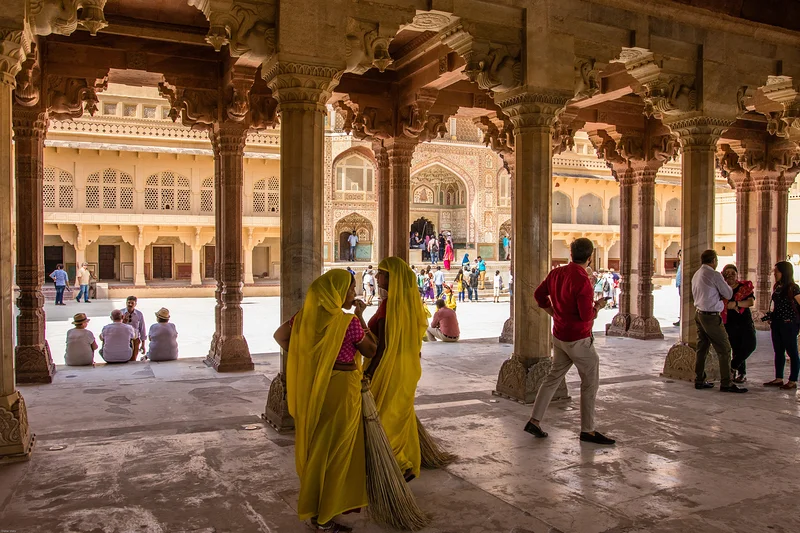
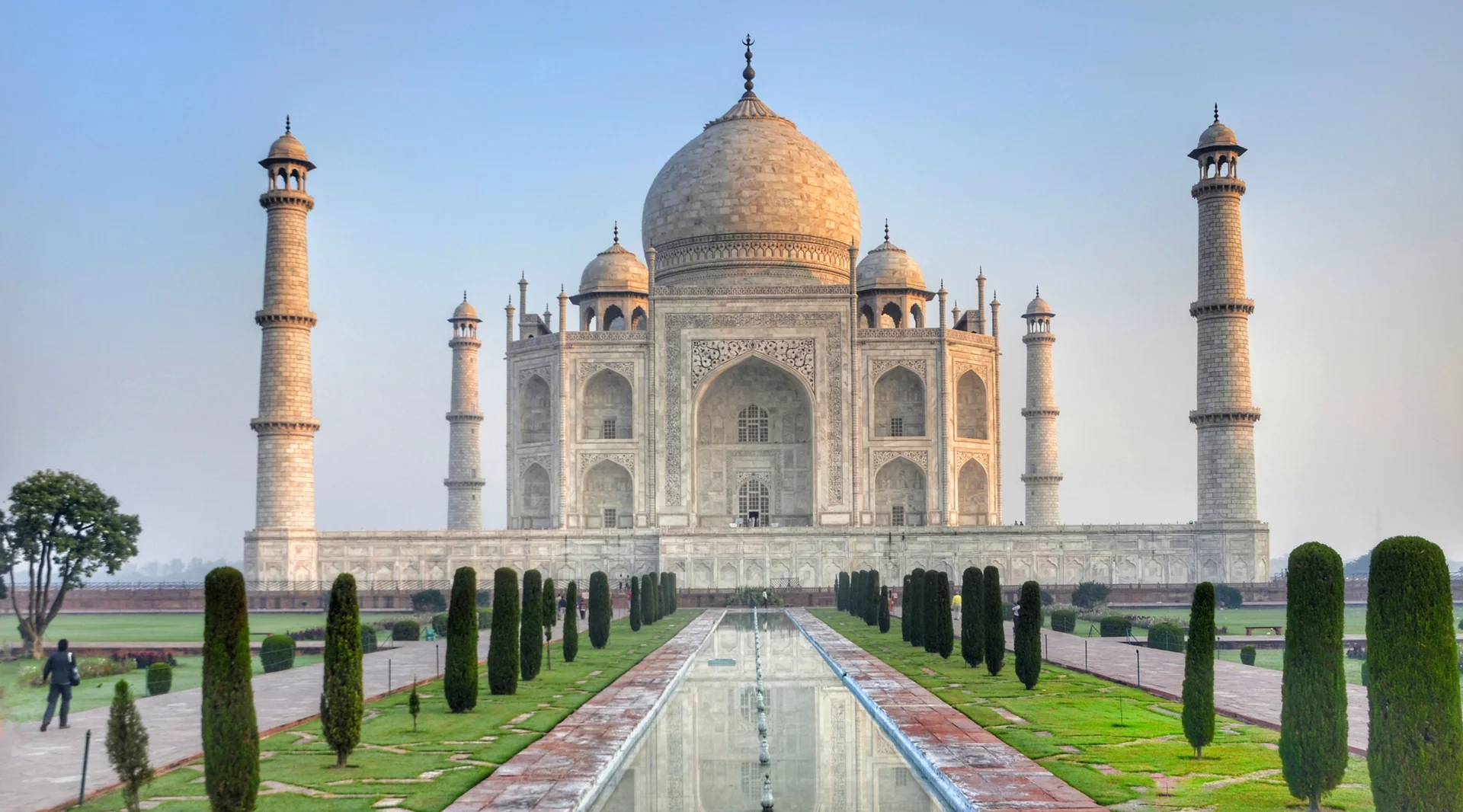
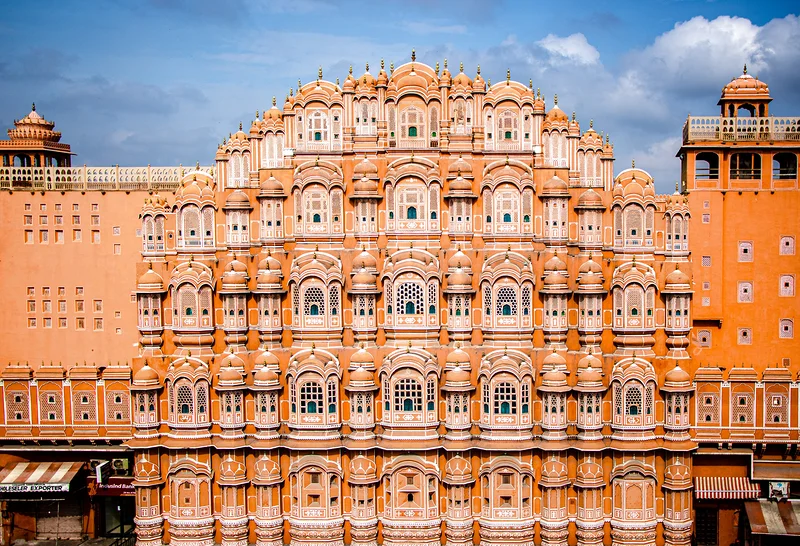
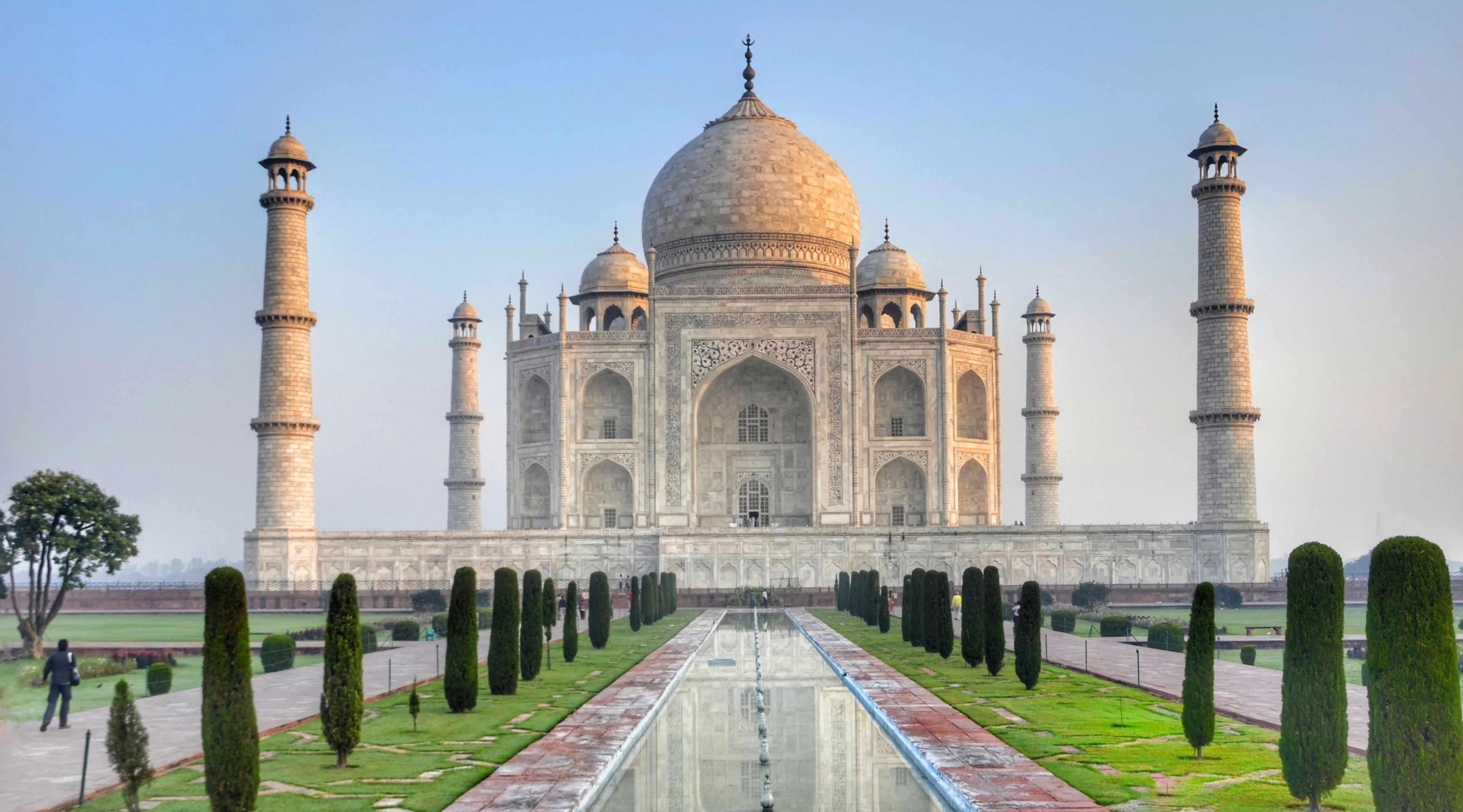
The Delhi-Agra-Jaipur circuit, known as the Golden Triangle, remains the standard itinerary for a first trip. It packs an unusual density of historic monuments: the Red Fort and the Chandni Chowk bazaar in Delhi, the Taj Mahal in Agra, and the pink forts and palaces of Jaipur. Three cities, and at least two weeks so you do not have to rush.
Beyond Jaipur, Rajasthan displays some of the most spectacular architecture on the planet. Jodhpur, the Blue City, features the Mehrangarh fort perched on a rocky ridge. Udaipur boasts water palaces and marble-paved alleys. Jaisalmer is the golden citadel on the edge of the Thar Desert, where residents still live inside the medieval fortress walls.
Friendly tip: At the Taj Mahal, arrive right when the gates open at dawn. Indian tourists arrive in droves two to three hours later. You will have the monument almost to yourself for an hour in the soft morning light. That is the exact moment when the beauty of the place hits you.
Varanasi, Kerala, and South India: Two countries in one
Varanasi, on the banks of the Ganges, is often described as the oldest continuously inhabited city in the world. It is also the most unsettling. The ceremonies on the ghats, the open-air cremations at Manikarnika Ghat, and the crowds of pilgrims at sunrise are unlike anything else. One night in Varanasi counts for a thousand.
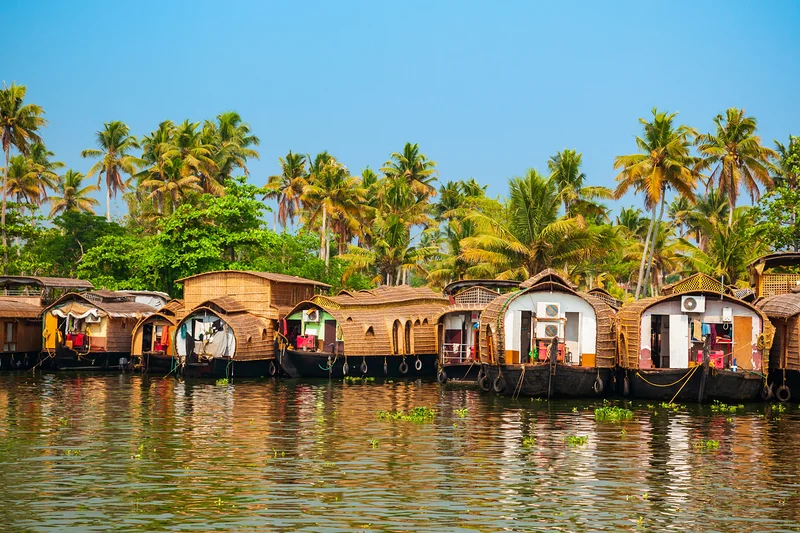
Southern India feels like an entirely different country. Kerala is best experienced through the backwaters, a network of palm-fringed canals and rice paddies where houseboats spend the night anchored. The Western Ghats, a mountain chain covered in forests and tea plantations around Munnar, offer hiking far from the lowland bustle. Kochi, with its Chinese fishing nets along the waterfront and art galleries, is the most cosmopolitan city in the south.
In Chennai and the state of Tamil Nadu, Dravidian temples featuring gopuram (pyramidal towers decorated with thousands of colorful carvings) represent an architectural tradition distinct from anything in the north. The temple of Madurai, dedicated to the goddess Meenakshi, is one of the most impressive religious complexes in Asia.
The Indian Himalayas: Ladakh, Spiti, and the world above the clouds
Ladakh, sitting at over 3,500 meters of elevation, is a Buddhist region tucked between the glaciers of the Himalayas and the Karakoram. Its cliffside monasteries, high-altitude desert of ochre and purple, and high-altitude lakes like Pangong Tso (which touches Tibet on the eastern side) create lunar landscapes. Leh, the regional capital, is accessible by a roughly one-hour flight from Delhi.
The Spiti Valley in Himachal Pradesh is even more remote. It is only accessible from June to October when the mountain passes thaw. Villages like Kaza or Tabo (home to a millennium-old monastery) offer access to a timeless Himalayan India.
Avygeo considers Ladakh to be India's most spectacular and unpredictable region. However, the elevation must be taken seriously: planning for 2 to 3 days of acclimatization in Leh before any strenuous hiking is essential.
Friendly tip: Across India, tourist sites charge foreigners a much higher admission fee than locals. Arriving early in the morning (before 8 AM) not only helps you beat the crowds, but also lets you enjoy the softest light. No hour of the day compares to the early morning at Indian temples and monuments.
Off the beaten path in India: The Northeast, Goa, and lesser-known circuits
Northeast India (Assam, Meghalaya, Nagaland, and their six neighboring states) is a region the vast majority of travelers never visit. It resembles Southeast Asia more than the rest of the country, featuring dense forests, tribes with living traditions, and hilly landscapes with waterfalls. The region is accessible through Guwahati (with flights from Delhi) and requires special permits for certain states.
Goa remains the premier beach destination. The southern beaches (around Palolem or Agonda) are much quieter than the northern ones packed with tourists. The Portuguese colonial architecture of Panaji and Margao, alongside the UNESCO-listed baroque churches of Old Goa, gives the peninsula appeal beyond its beach bars.
India on your plate: A continent of flavors
A cuisine far more varied than you think
The Indian food most people know abroad (often limited to tikka masala or northern curries) represents only a fraction of what the country offers.
Each state has its own distinct culinary identity, much like the difference between regional cuisines in Europe. In the south, dosas (crispy fermented rice crêpes stuffed with spiced potatoes) are eaten for breakfast with lentil soup. In Rajasthan, dal baati churma (ember-baked wheat balls served with lentil sauce and sweet breadcrumbs) reflects the lifestyle of desert nomads.
Lively street food
Street food is one of the great joys of India, provided you choose wisely.
Stalls that cook in front of you over live coals and draw heavy local crowds are the most reliable. Pani puri, hollow fried dough balls filled with spiced tamarind water, may be the ultimate street bite in the subcontinent. The thali, a metal platter of small portions of various dishes, is the most affordable and representative meal of regional cuisine, usually costing between $2.30 and $6.80* at a local eatery.
Alcohol is available in tourist areas and Goa, but subject to varying state restrictions. Gujarat, Bihar, and Nagaland are completely dry. Chai (spiced milk tea brewed with cardamom and ginger) is the national drink, served in small terracotta cups at every railway station across the country.
When to visit India?
The optimal window for most of the country runs from October to March. Temperatures are pleasant in the northern plains and along the coast, and rainfall is minimal. This is also the peak season, meaning prices go up and accommodations book out in advance in popular areas like Rajasthan.
The monsoon season (June to September) makes travel difficult in the north but turns Kerala into an intensely green paradise. Some travelers head specifically to Kerala during the monsoon to experience this unique atmosphere and take advantage of Ayurvedic treatments traditionally practiced during this time. Ladakh and the Spiti Valley are only accessible between June and October when the mountain passes clear.
Festivals are worth factoring into your plans. Holi (March) and Diwali (October or November depending on the year) are extraordinary visual and cultural experiences, though the influx of travelers drives prices up. The Pushkar Fair, held in November in Rajasthan, is one of the most spectacular camel fairs in Asia.
How to get to India?
The primary international entry points are New Delhi (Indira Gandhi Airport) and Mumbai (Chhatrapati Shivaji Airport). From major European hubs, direct flights take about 8.5 hours to Delhi. Numerous carriers offer one-stop flights (via Dubai with Emirates, Doha with Qatar Airways, or Abu Dhabi with Etihad) for $450 to $790* round-trip depending on the season and how far in advance you book.
The tourist e-Visa is mandatory and must be requested on the official Indian government website prior to departure. It is valid for 90 days and costs about $29*. Processing takes 3 to 5 business days. Keep in mind that peak season (December-January) pushes airfares up by roughly 30% on average.
How to get around India?
The Indian railway network is one of the most extensive in the world, operating more than 13,000 daily trains. It is the most practical way to travel long distances. Booking is handled through the IRCTC website, which requires an Indian phone number for validation. The 3AC and 2AC classes (air-conditioned sleeper cars) offer a good balance of comfort and budget for overnight journeys.
Domestic flights have become very accessible and essential for covering long distances (like Delhi to Goa or Delhi to Kochi). Airlines like IndiGo, Air India, and SpiceJet offer frequent connections starting at $34 to $90* depending on the route and booking window. To explore Rajasthan, hiring a car with a driver is the most flexible option: it costs between $57 and $90* per day and allows you to stop freely in villages.
In cities, ride-hailing apps like Ola and Uber operate in most major metropolitan areas and help you bypass negotiations with rickshaw drivers. Long-distance bus networks cover the entire country, with quality varying wildly by state and operator. For overnight bus trips, stick to reputable operators rather than buying last-minute tickets off the street.