
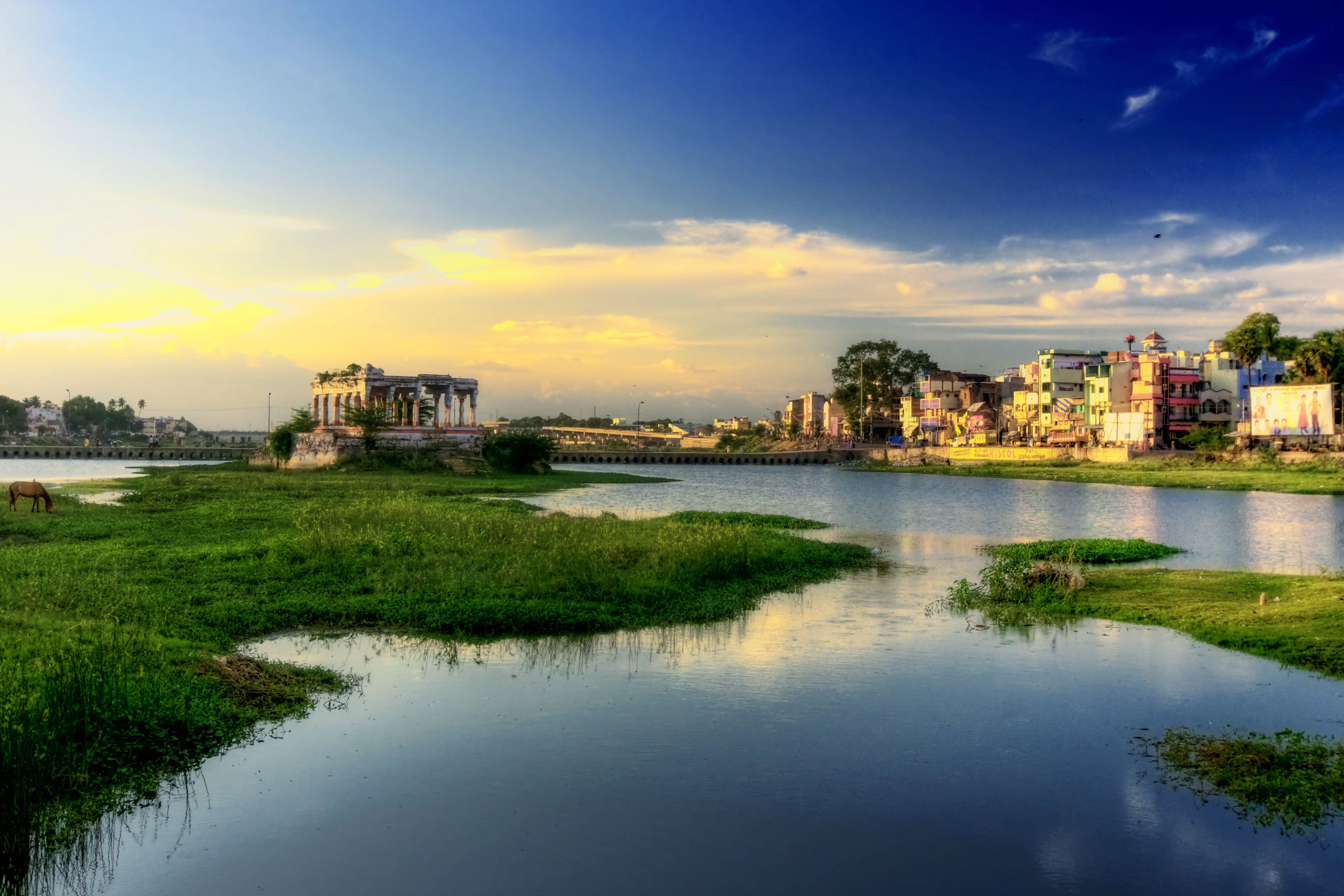
Visiting Madurai, Where the Gods Have Danced for 2,500 Years
Bronze bells echo through the warm, humid air as the scent of jasmine and incense drifts overhead. A temple elephant, its forehead painted with red and yellow powder, blesses pilgrims with a gentle sweep of its trunk. Welcome to Madurai, a Tamil city in southern India where time feels suspended for millennia, where every stone tells a story, and where the sacred touches every street corner. This is where mystical India reveals its most authentic face.
Madurai, a Spiritual Pilgrimage for Curious Souls
This ancient city is built primarily for culture and spirituality enthusiasts. Fans of Dravidian architecture and religious art will find an exceptional playground here, while families discover a fascinating and accessible side of India. On the other hand, travelers who expect Western comfort or prefer to avoid heavy crowds may find themselves overwhelmed by the sheer intensity of this metro of 1.5 million residents.
Budget-wise, expect to spend $34 to $57* per day for a comfortable stay featuring boutique lodgings and delicious food. The historic center is easy to cover on foot, though rickshaws and taxis remain necessary for reaching outlying sights. English is widely spoken, making it simple to chat with locals who are always eager to share their hometown pride.
Meenakshi Temple, a Sacred Labyrinth in the Heart of the City
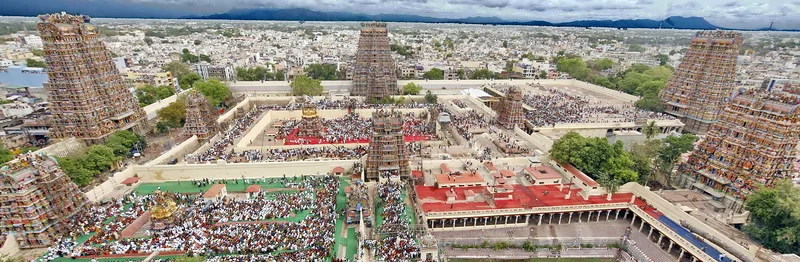
The Meenakshi Amman Temple towers over Madurai with its fifty-meter pyramid towers, carved with thousands of colorful deities. This sprawling six-hectare complex houses fourteen gopurams and a hall of a thousand pillars where every column tells a different story. The energy here is electric: priests in white dhotis, nadaswaram music, processions of the faithful, and constant ceremonies create a nonstop spectacle.
The Shiva bedtime ceremony, held every evening around 9:30 PM, is the most magical moment of all. Priests carry the god's image to his wife Meenakshi's bedroom in a torchlit procession that practically sets the temple corridors on fire. The emotion is palpable, even for first-time visitors.
Friendly tip: arrive early in the morning around 6:00 AM to beat the crowds and catch the golden morning light on the stone carvings. Cameras are prohibited inside, but allowed in the outer courtyards.
Thirumalai Nayak Palace and Royal Heritage
Two kilometers from the temple, the ruins of the Thirumalai Nayak Palace show off the former glory of the dynasty that ruled Madurai in the 17th century. Only a quarter of the original palace remains, but its monumental arches, domes, and perfectly geometric courtyards still impress. The nightly sound and light show, hosted in English and Tamil, brings the lavish era of the maharajas back to life.
The Gandhi Memorial Gardens offer a breath of fresh air with shaded pathways and a small museum dedicated to the Mahatma. The modern architecture of the memorial, inspired by southern temples, contrasts with the older monuments while blending smoothly into the urban landscape.
Friendly tip: tour the palace in the late afternoon to enjoy the golden hour light hitting the white stone, then stick around for the evening show at 6:45 PM.
Traditional Markets and Crafts
The alleys surrounding the temple buzz with artisan workshops keeping centuries-old skills alive. The flower vendors on Masi Street weave jasmine and rose garlands for offerings, creating fragrant carpets right on the sidewalks. The bronze workshops of the neighbourhood still hand-craft deity statuettes with perfect proportions according to traditional Dravidian art rules.
The Puthu Mandapam market overflows with Kanchipuram silks, gold-embroidered sarees, and freshly ground spices. The atmosphere is high-octane, mixing lively Tamil bargaining with demonstrations of artisans carving sandalwood or chiseling silver with stunning dexterity.
Friendly tip: haggling is expected in the bazaars! Cut the first quoted price down to a third and bargain with a smile. Fixed prices only exist in government-run shops.
Spiritual Outskirts: Caves and Sacred Hills
Twenty-one kilometers to the north, the Alagar Koil caves shelter a temple dedicated to Vishnu in a striking natural setting. Carved right into the rock of the Alagar hills, these shrines offer panoramic views over the Madurai plains and green rice paddies. The site stays off the main tourist radar, guaranteeing a more intimate experience.
The Pazhamudhir Solai temple, perched high up, marks one of the six sacred abodes of the god Murugan. The local bus ride from Madurai takes 45 minutes, winding through coconut groves and banana plantations that highlight rural Tamil Nadu.
Friendly tip: head out early in the morning to beat the heat and bring plenty of water. Local buses to Alagar depart every 30 minutes from the central bus station.
Where to Eat and Drink in Madurai?
Madurai cuisine excels at traditional Tamil Nadu vegetarian dishes. The Madurai dosa stands out for its impressive size and longer fermentation time, giving it a unique tangy flavor. Jigarthanda, a cold drink made from almond gum, crushed ice, and rose syrup, offers sweet relief when the local spices heat things up.
At Murugan Idli Shop, a local institution since 1987, three generations have served the best idlis in town, fluffy steamed rice cakes served with spicy sambhar and fresh coconut chutney. The casual vibe and pocket-friendly prices make this a must-visit stop to understand the soul of Tamil food.
Where to Stay in Madurai and Around?
The neighborhood around the Meenakshi Temple holds most of the boutique guesthouses and upscale hotels with views of the illuminated gopurams. For more quiet surroundings, look toward Anna Nagar or Goripalayam, residential neighborhoods located a ten-minute rickshaw ride from the historic center.
Heritage palace hotels like Heritage Madurai offer a lavish setting with a pool and tropical gardens, ideal for unwinding after intense days of sightseeing. Expect to pay $90 to $169* a night for this type of property.
How to Get to and Around Madurai?
Madurai Airport handles domestic flights from Chennai (1 hour 15 minutes), Bangalore (1 hour 30 minutes), and Delhi (2 hours 45 minutes). The central railway station runs direct trains to Chennai (7 hours), Bangalore (8 hours), and Kochi (4 hours 30 minutes) using comfortable sleeper cars. Government buses connect all major southern cities at very affordable rates. Madurai also takes international flights from Dubai, Colombo and Singapore; from North America you connect through the Gulf or through Chennai.
Once you arrive, rickshaws with fares negotiated upfront are the easiest way to get around. Ride-hailing apps like Ola and Uber also work smoothly and offer transparent upfront pricing.
When to go?
October to March brings the best weather, with manageable temperatures (77-86°F) and low rainfall. Avoid April and May entirely, when the thermometer regularly climbs past 104°F. The monsoon season from June to September makes the city humid, though it turns the surrounding countryside into a lush green oasis.
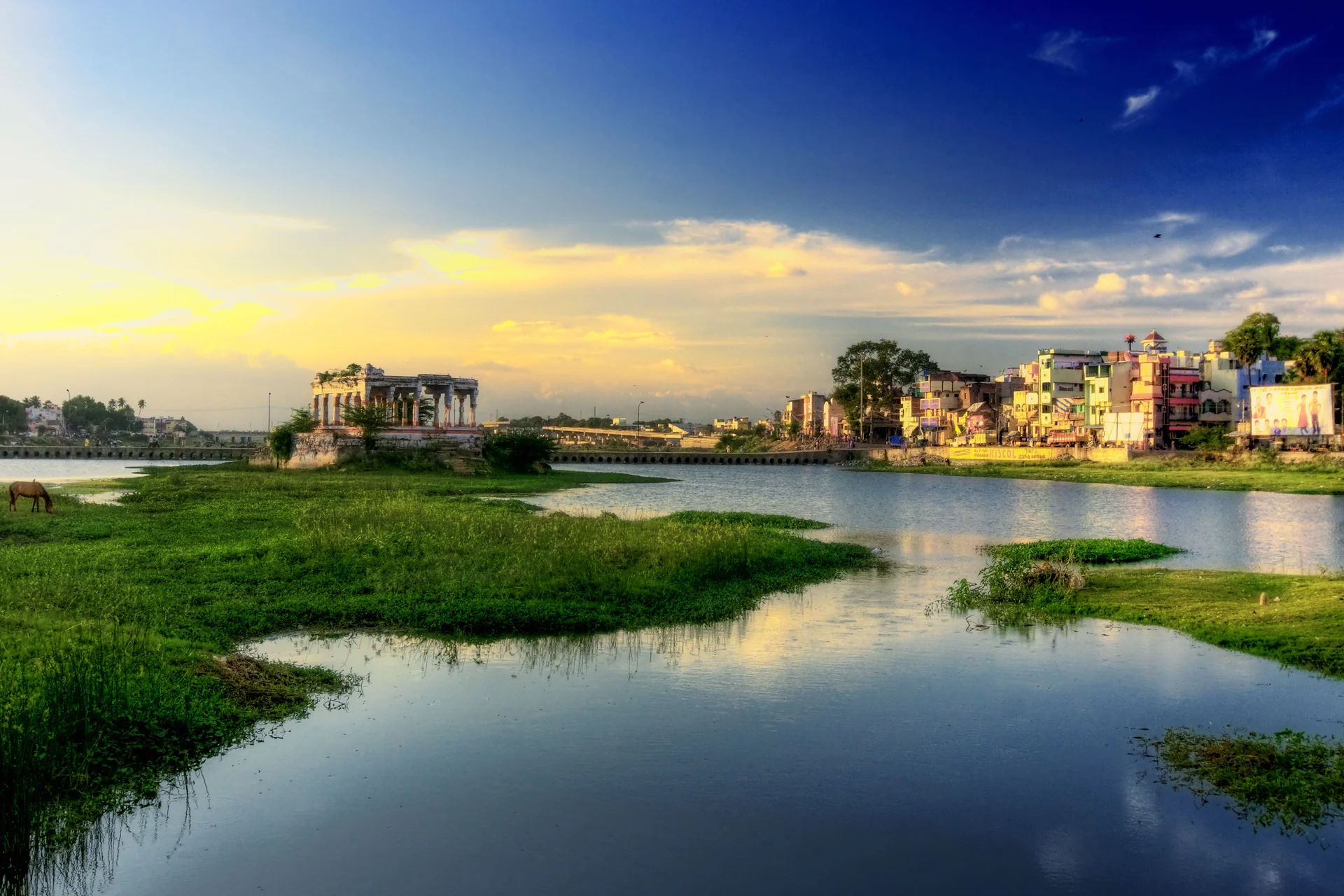
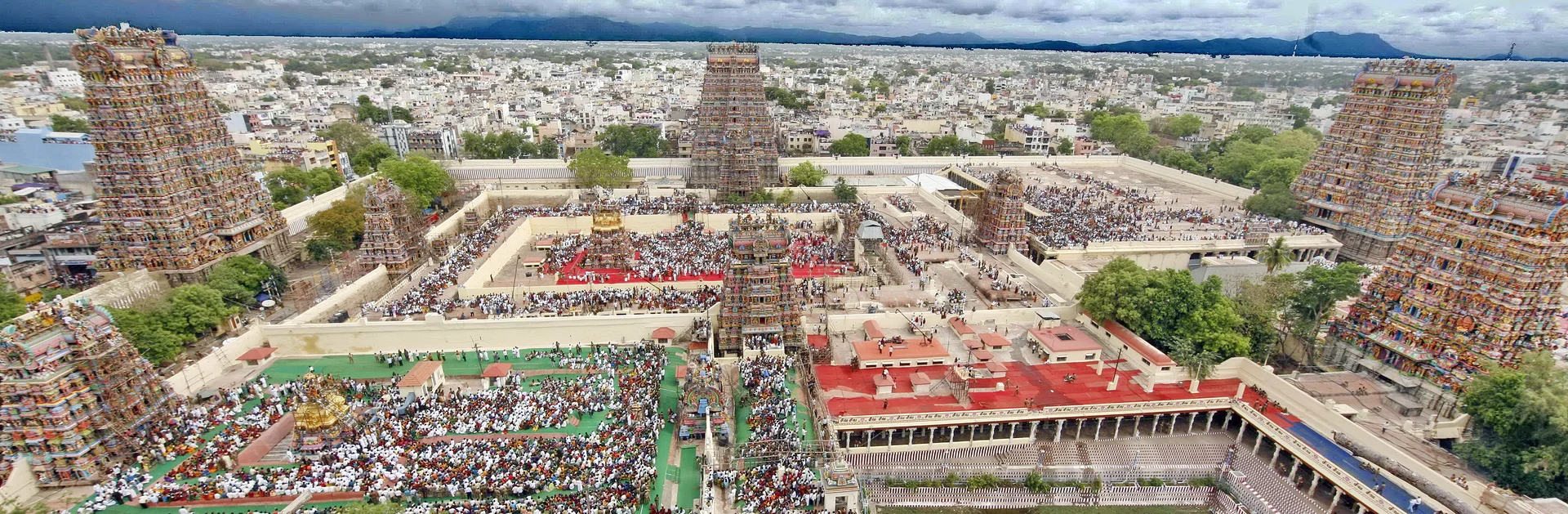
I did not really enjoy the city of Madurai itself. While the Meenakshi Temple is magnificent, that is not the case for the rest of the city, which is very noisy and polluted. Watch out for scams as a tourist. I was followed for nearly twenty minutes by a street vendor. I do not recommend lingering there.