
Bombay Before Mumbai
A commuter train can carry more than 4,500 people during rush hour with the doors wide open and bodies pressed against bodies. That is perhaps the most honest image of Mumbai: a city that never stops moving, built across a string of seven islands reunited around 1845 and handed over to the Portuguese as early as 1534.
India's economic capital also houses Bollywood and was the city where Gandhi launched the Quit India movement in 1942.
A Destination Made for You?
Mumbai appeals to those who enjoy having their certainties shaken. You will absorb the chaos, humid heat, and glaring inequalities in exchange for an urban energy that few cities in the world possess.
If you are looking for calm, cleanliness, or a relaxed sightseeing pace, this city will wear you out rather than charm you. It is better to pass through quickly before heading off to Goa or Kerala.
Suitable destination for:
- Fans of colonial history and Victorian architecture
- Lovers of street food and lively markets
- Immersive travelers ready to deal with noise and crowds
Unsuitable destination for:
- Family trips with very young children
- Relaxing or beach vacations
- Those who dread pollution and heavy human density
A Higher Budget Than Elsewhere in India
Mumbai remains much more affordable than European capitals, but it costs significantly more than the rest of India, particularly regarding lodging and restaurants geared toward foreign visitors.
| Item | Range (per day) |
|---|---|
| Street food (snacks, simple thali) | 1 to 3 € |
| Tourist restaurant meal | 8 to 15 € |
| Metro or commuter train ride | less than 1 € |
| Rickshaw or taxi ride (short distance) | 2 to 5 € |
Indicative rates subject to change
Practical Realities: What to Know Before You Go
The Mumbaikar pace of life is frantic, especially during rush hour in transit. The language barrier is minimal: English is widely spoken in businesses and by drivers, a direct legacy of British colonization.
On the safety front, Mumbai is considered one of the safest cities in India for travelers, including solo female travelers, provided you keep the standard precautions of any large metropolis (avoiding certain isolated areas at night, staying vigilant in crowded transit).
The Heart of the Mumbai Experience
Colaba and Marine Drive, the Colonial Showcase
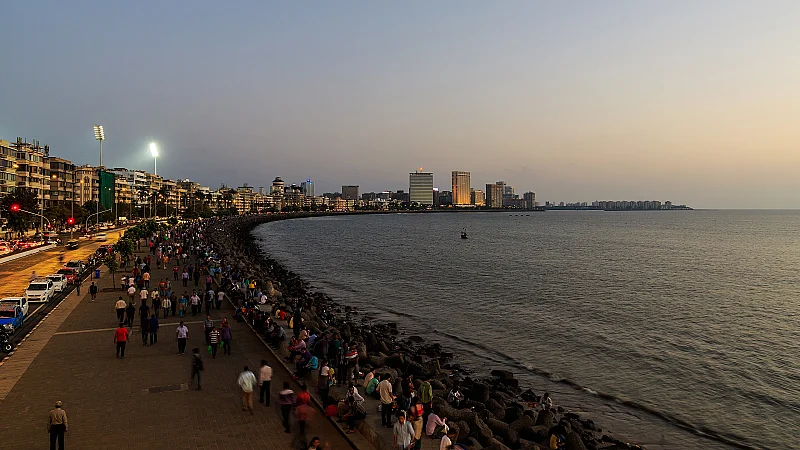
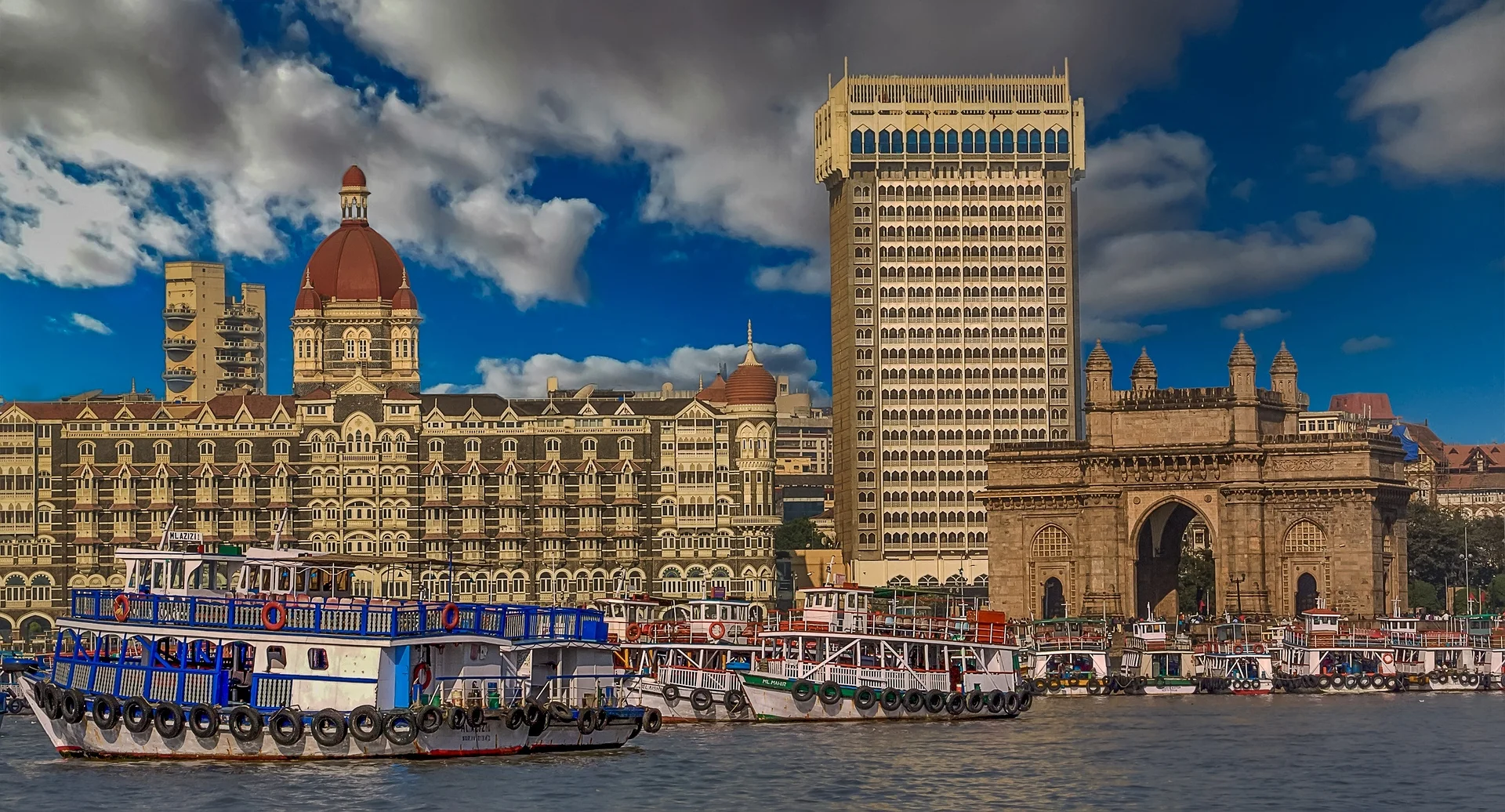
In the southern part of the city, the neighborhood of Colaba and the Marine Drive waterfront concentrate most of the tourist activity. This is where the city symbol stands, the Gateway of India, built in honor of King George V. Right across the street, the Taj Mahal Palace hotel blends Mughal and Victorian architecture with a self-assurance that never leaves visitors indifferent.
Fort and Oval Maidan
A bit further north, around Oval Maidan park, an impressive collection of Gothic Revival and Art Deco buildings still stands. You will find the Bombay High Court, the university, and the Rajabai Clock Tower, which brings to mind Big Ben in London.
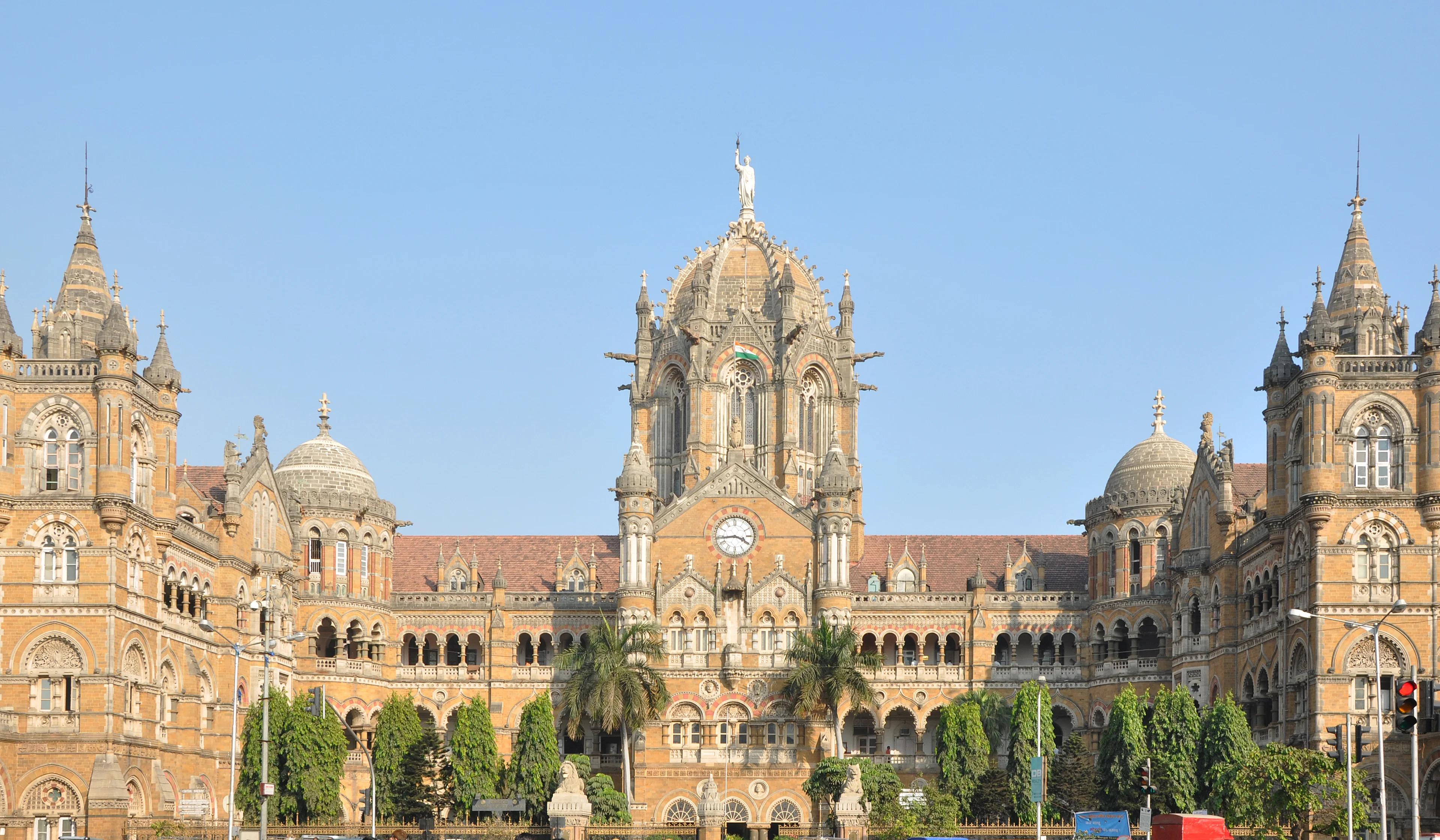
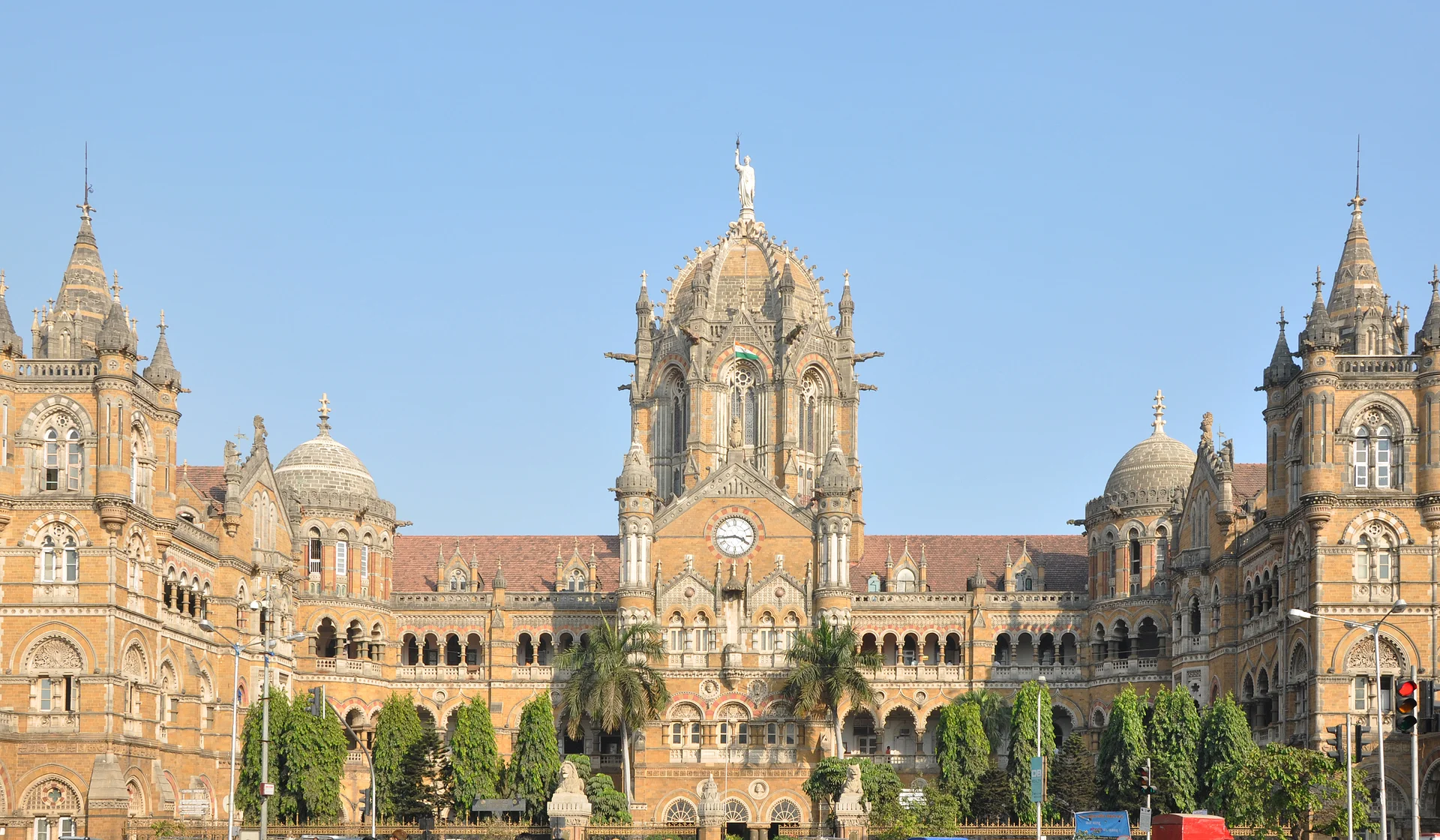
Just a short walk away, the Chhatrapati Shivaji Station, a UNESCO World Heritage site, and the Chhatrapati Shivaji Maharaj Vastu Sangrahalaya (formerly the Prince of Wales Museum) complete this architectural chapter inherited from the British administration, which took hold in 1857.
Markets and Street Life
Like many Indian cities, Mumbai buzzes with open-air markets. Chor Bazaar, literally the thief market, lets you grab a quick bite amid a jumble of secondhand goods, antiques, and clothing.
Friendly tip: avoid Chor Bazaar in the middle of the afternoon, as the heat and crowd density there are exhausting. In the morning, between 9am and 11am, the atmosphere stays lively without being overwhelming.
Inequalities remain stark across the city, with over half of all residents living in slums, including the famous Dharavi, visible from certain rail lines.
Malabar Hill and Oases of Calm
On the western side of Marine Drive hide a few pockets of tranquility, starting with the Ferozeshah Mehta hanging gardens, perched on Malabar Hill. Nearby, Banganga Tank is a sacred basin surrounded by Hindu temples, where the city bustle suddenly feels paused.
Elephanta Island and Sanjay Gandhi National Park
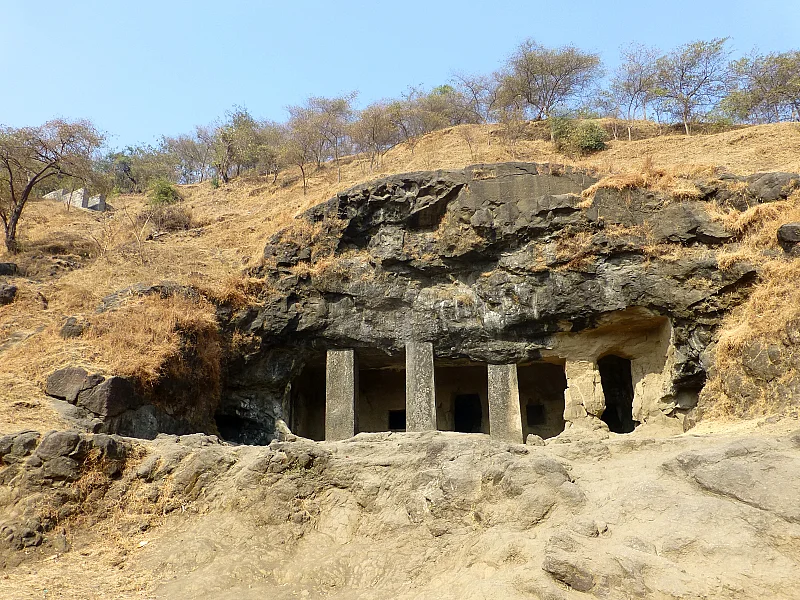
An excursion to Elephanta Island reveals a collection of 6th-century Hindu sculptures and temples, reachable by boat from the Colaba waterfront. More adventurous travelers can push onward to Sanjay Gandhi National Park in the northern part of the city, a nature reserve that also houses a significant Buddhist archaeological site.
Where to Eat and Drink in Mumbai
The city is famous for its vada pav, a spiced potato fritter tucked inside a small bun and sold on every street corner for pennies. Pav bhaji, a mashed vegetable blend spiked with butter and served with bread, is another local institution, much like bhel puri, a crunchy puffed rice snack often enjoyed along the Marine Drive promenade at sunset.
How to Get to Mumbai
Mumbai has an international airport receiving direct flights from several major European cities, with a flight time generally between 8 and 9 hours from France.
How to Get Around Mumbai
The metro network and commuter trains (locals) remain the fastest ways to cross the city, especially during rush hour when road traffic gets very heavy. Traditional rickshaws are banned in downtown, so you will need to rely on taxis and ride-hailing apps for short trips in tourist zones.
When to Go?
Mumbai is located in a tropical zone, so the most favorable season for a visit is the dry season, between November and February, when temperatures are manageable and humidity is lower. Avoid the monsoon between June and September, which can seriously disrupt travel around the city.
Once you arrive in Mumbai, prepare yourself for a major culture shock. The city is very different from anything you know. There are an incredible amount of people, traffic, noise, and pollution. The inequality is also very present. I would not necessarily recommend stopping here during your trip to India.