
Puducherry, Where France Left Its Mark on the Indian Coast
It is 6 AM on Promenade Beach. Dozens of locals are power walking along the Bay of Bengal while vehicle traffic is blocked off until 7:30 AM. This morning scene captures what makes this city so unique: habits inherited from 300 years of French rule grafted onto a daily life that is resolutely Tamil.
Here, you still pass street signs in French, play petanque under the bougainvillea, and enjoy croissants before heading to an ashram to meditate. A former trading post for the French East India Company starting in 1674, Puducherry was only returned to India in 1954.
A Peaceful Indian Escape for Those Seeking a Break
This destination suits travelers looking for spirituality, coffee and brunch lovers who enjoy colonial settings, and anyone wanting to experience southern India without getting immediately overwhelmed by the chaos of major cities. Fans of colonial architecture will find plenty to love here, as will anyone interested in yoga and meditation. The proximity of Auroville, an experimental township founded in 1968, also draws a crowd looking for alternative ways of living.
On the flip side, anyone hoping for wide white sand beaches will be disappointed. The beaches in Puducherry are modest, and swimming is not really part of the local custom. If you are after intense nightlife or varied beach resort activities, you are better off looking elsewhere. The city is compact and easily seen in two or three days max.
Can a Woman Travel Solo in Puducherry?
Puducherry is considered one of the safest destinations in India for solo female travelers. The town boasts a low crime rate, residents who are used to tourism, and well-lit streets in the French quarter. Standard precautions apply: avoid isolated areas at night, dress respectfully according to local customs, and stay alert in transit. White Town and its surrounding streets offer a particularly reassuring environment.
An Easy Budget for Southern India
Plan for between $34 and $57* a day for a comfortable stay: $17-$29* for decent guesthouse lodging, $9-$17* for meals in French quarter cafes and restaurants, and a few euros for rickshaw rides. Upscale properties in historic colonial mansions drive the price up, with rooms starting around $90-$113*.
The French Quarter: White Town
The canal cutting through the city separates two different worlds. On the seaside, White Town lays out its grid-patterned streets inherited from 17th-century Dutch urban planners. Ochre, mustard, and pale pink facades line rue Romain Rolland and rue Suffren. Bougainvillea spills over compound walls, and closed shutters block out the harsh sun. You could easily mistake it for a village in the south of France, were it not for the intense heat and the rickshaws darting between scooters.
The Sri Aurobindo Ashram, founded in 1926, remains the spiritual heart of the city. Thousands of visitors come here every year to pay their respects at the samadhi, the tomb of Sri Aurobindo and Mirra Alfassa, known as "The Mother." Admission is free, but silence and quiet reflection are strictly enforced. Just steps away, the baroque-style Church of Our Lady of the Angels stands as a testament to the city's Catholic heritage.
Friendly tip: Early in the morning or late in the afternoon, walking along Beach Road is ideal when traffic is barred. It is the best time to watch local life unfold.
The Tamil Quarter: Black Town
Across the canal, the atmosphere shifts completely. Colorful temples, noisy markets, and traditional Tamil homes with verandas and wooden pillars take over. Goubert Market, the covered market in Puducherry, deserves a morning visit for its flower market, spice vendors, and fresh fish stalls.
Nehru Street, the main commercial thoroughfare, packs in textile shops, silk stores, antique furniture, and local handicrafts. On Sundays, a sprawling market takes over Mahatma Gandhi Road, selling clothes, toys, books, and souvenirs at negotiable prices. For a complete immersion, slip into the Indian Coffee House, a local institution where time seems to have stood still.
Auroville and the Matrimandir
Located 10 km north of Puducherry, Auroville is an experience unlike anywhere else. This experimental township founded in 1968 by Mirra Alfassa now gathers more than 3,000 residents from all over the world who live according to principles of human unity and sustainable development. The golden dome of the Matrimandir, a sphere covered in golden discs, serves as the focal point of the community.
Visiting the Matrimandir takes a bit of planning. Viewing it from the outside is free: pick up a pass at the Visitor's Centre after watching a short video, then take a 15-minute walk to the viewing platform. To enter the inner chamber for a meditation session, you need to book at least 10 days in advance on the official website. Children under 10 are not permitted.
Friendly tip: After visiting the Matrimandir, stop by Bread & Chocolate, a cafe known for its smoothie bowls and almond croissants, located a 10-minute scooter ride from the Auroville center.
Beaches and Day Trips
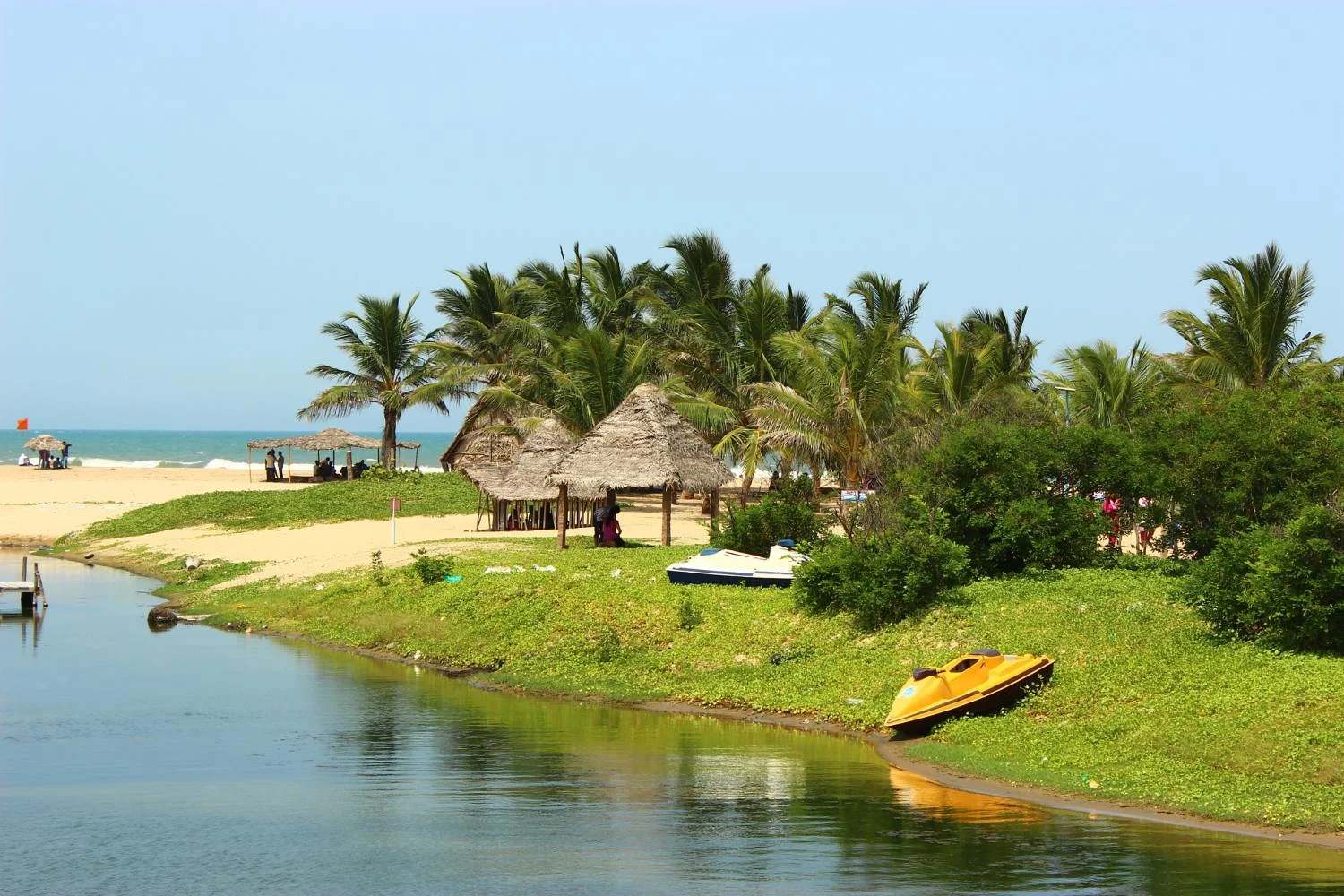
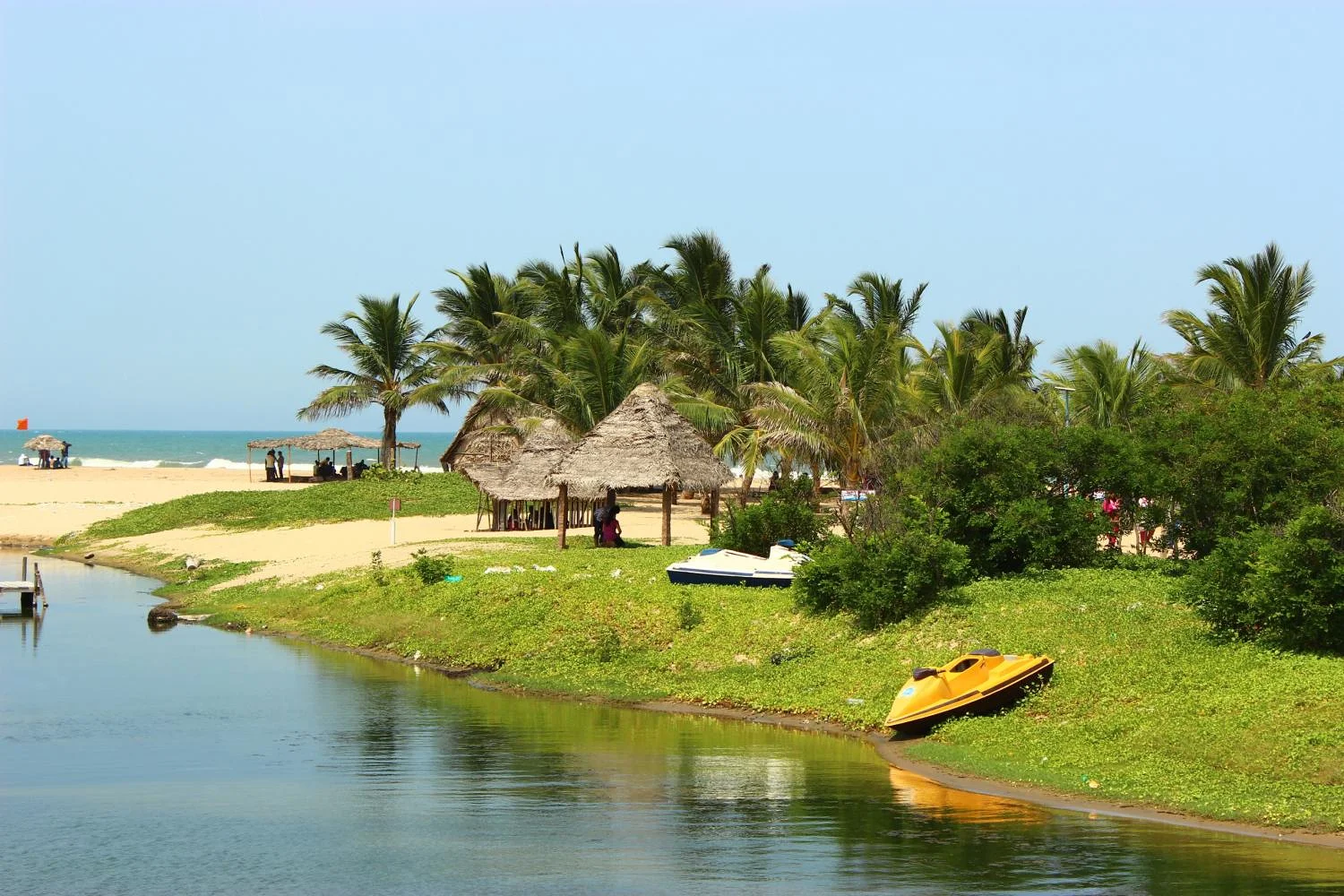
Puducherry's beaches do not compete with those in Goa or Kerala. Promenade Beach, lined with boulders, is not great for swimming, but it makes for a pleasant late-afternoon stroll. Serenity Beach to the north draws surfers and those looking for a quieter vibe. For fine sand and coconut trees, head to Paradise Beach, reachable only by boat from the Chunnambar Boat House. The 30-minute crossing through the backwaters is worth the trip, but watch out for the currents since swimming remains dangerous there.
7 km to the south, the archaeological site of Arikamedu reveals the ruins of a 1st-century Roman trading post. History buffs will find fascinating remnants of the ancient maritime silk road here.
Where to Eat and Drink in Puducherry
Local cuisine blends French and Tamil influences. The result, known as Puducherry Creole cooking, sometimes swaps tamarind for French-style vinegar or incorporates coconut and turmeric into gratins. Puyabaise, the local take on bouillabaisse, showcases this culinary crossover. On the sweet side, Franco-Tamil pastries and cardamom-scented rice cakes are worth seeking out.
Baker Street on Bussy Street opens as early as 7:30 AM for flaky croissants and pains au chocolat that would put certain Parisian bakeries to shame. Café des Arts, with its yellow walls and vintage rickshaw parked in the courtyard, remains a brunch classic despite occasionally uneven quality. For a more refined Franco-Tamil meal, Maison Perumal serves a memorable shrimp rasam inside a traditional home setting. In the evening, Villa Shanti serves polished French dishes in a colonial setting.
How to Get to and Around Puducherry
The nearest international airport is in Chennai, 150 km away. From there, expect a 3-hour drive by bus or 2.5 hours by private taxi. The coastal East Coast Road runs right along the sea and makes for a scenic drive. Buses run regularly from the Koyembedu bus station in Chennai. From Bangalore, plan for a 6 to 7-hour drive covering about 320 km.
Once you are there, cycling is the ideal way to explore White Town. Rentals cost just a few rupees a day. For longer trips, rickshaws and ride-hailing apps like Ola and Uber work well. Local buses serve Auroville and the beaches, but their schedules can be unpredictable.
When to Go
The best time to visit runs from November to March, when temperatures hover between 68 and 86°F. Starting in April, the heat turns oppressive and can peak at 108°F in May and June. The monsoon hits from October to December with sometimes violent downpours. Absolutely avoid the summer months if you struggle with tropical humidity.
I was pretty surprised by my visit to Puducherry, especially the French Quarter. It is quite surprising for India, but the vibe there is pretty calm, almost quiet. It is a nice change from the other cities I visited during my trip. I recommend staying there for two or three days, it is very pleasant.