Visiting Kerala
Kerala is a strip of land fifty kilometres wide, wedged between the Arabian Sea and a mountain range. That corridor was the arrival point of the spice trade for two thousand years, and everyone passed through: Romans, Arabs, Chinese, Portuguese, Dutch, British.
Kochi keeps those layers stacked across a few streets. Further south, Alleppey opens onto nine hundred kilometres of canals, and Varkala onto a red cliff that drops into the sea.
You will love it if
- You want a slow, green India without the constant horns
- Mixtures of religions and languages interest you
- You come between December and February, the one dry season
Look elsewhere if
- You hate humidity: 30 °C and 80 % moisture almost all year
- You want monumental monuments: everything here is small and discreet
- You come in June or July: the monsoon shuts the beaches and floods the roads
The must-sees
The highlights
-
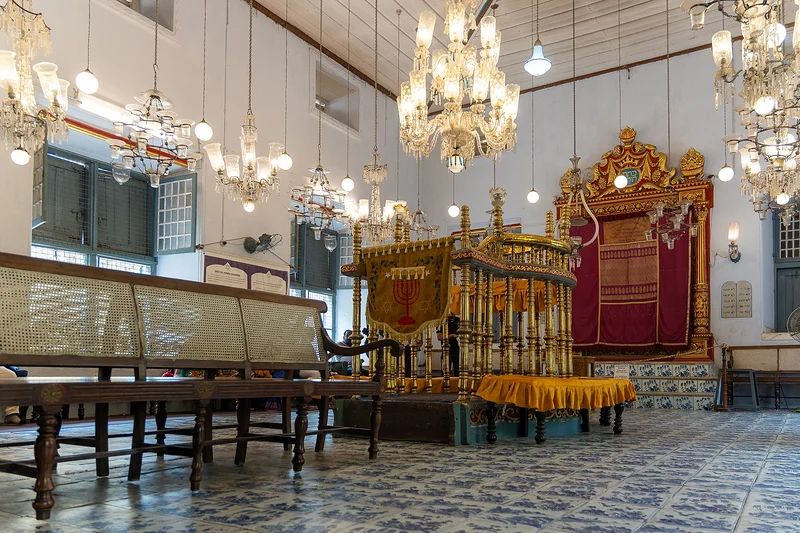
1 The Paradesi Synagogue +10 recs
Built in 1568 in Mattancherry, it is the oldest still-active synagogue in the Commonwealth. The floor is made of eleven hundred hand-painted Chinese porcelain tiles, every one different, walked barefoot by visitors for four centuries.
-
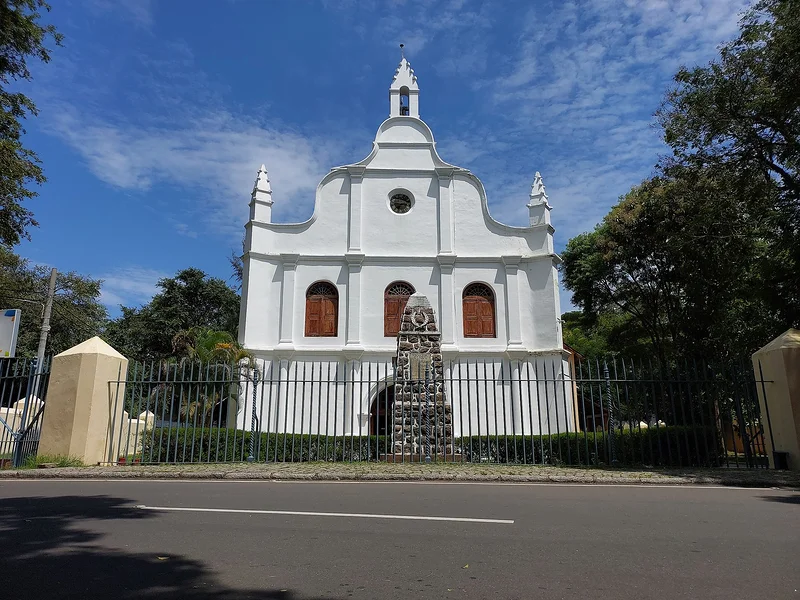
2 San Francesco Church +10 recs
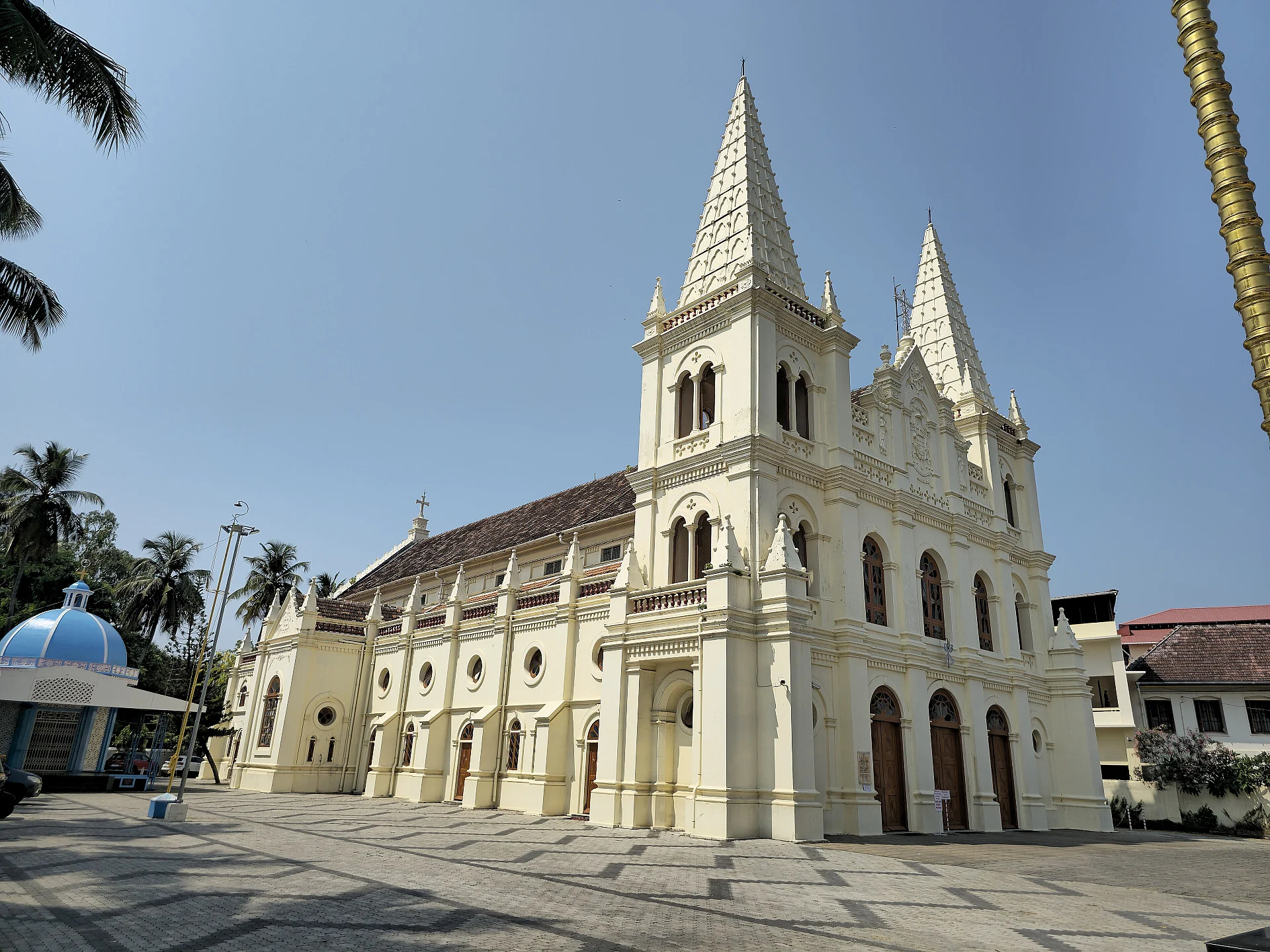
Standing in Fort Kochi since 1503, this is the oldest European church in India. Vasco da Gama was buried here in 1524, then exhumed fourteen years later to return to Portugal: the slab stayed, with his name and without him.
-
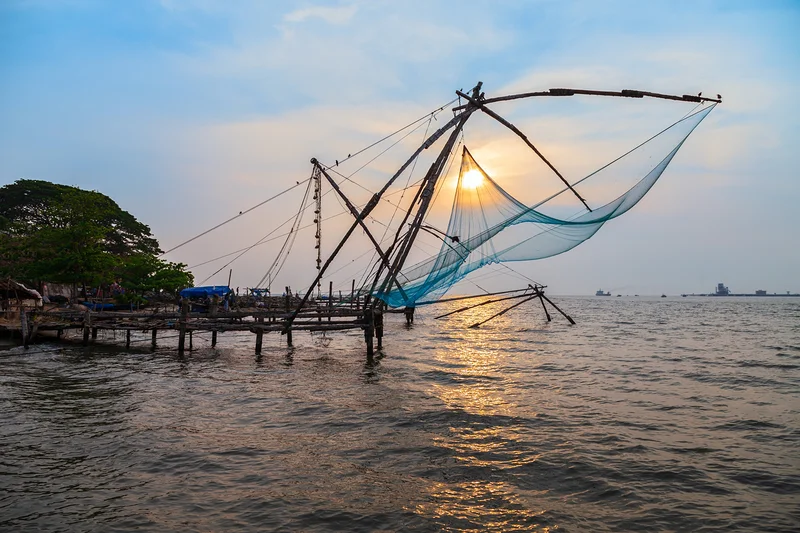
3 The Chinese fishing nets +10 recs
Ten-metre cantilevers of wood and bamboo along the Fort Kochi waterfront. It takes six to eight men to lower one net, and they do it every twenty minutes, at sunset as at dawn.
-
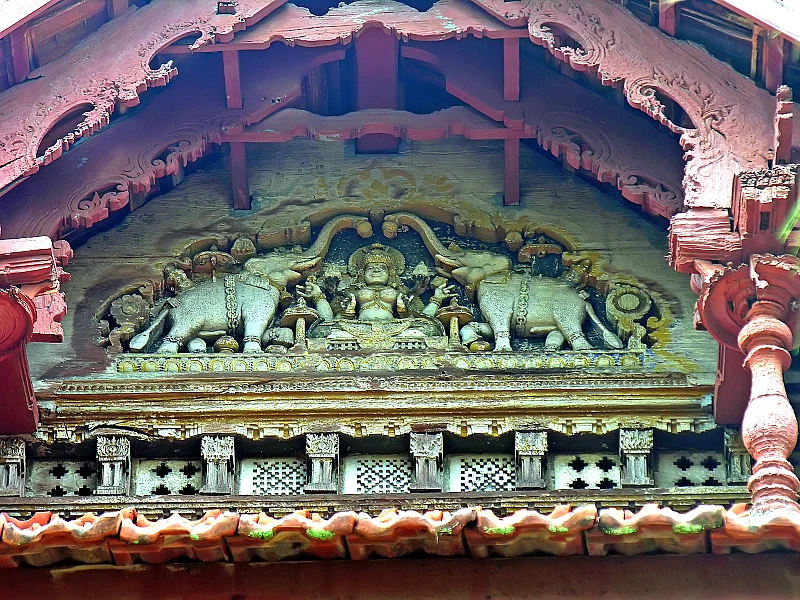
4 Mattancherry Palace +8 recs
Built around 1555 by the Portuguese for the raja of Kochi, in compensation for a temple they had looted, and renamed the Dutch Palace by the Dutch who enlarged it. Ramayana murals run across the walls of the royal bedchamber.
-
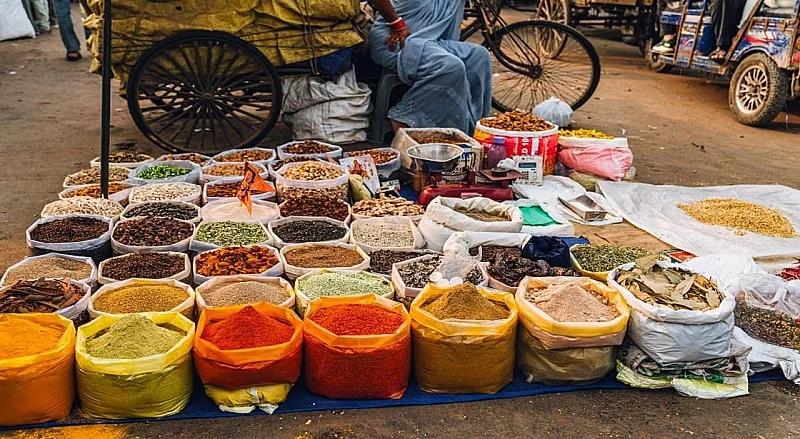
5 Kochi's spice market +8 recs
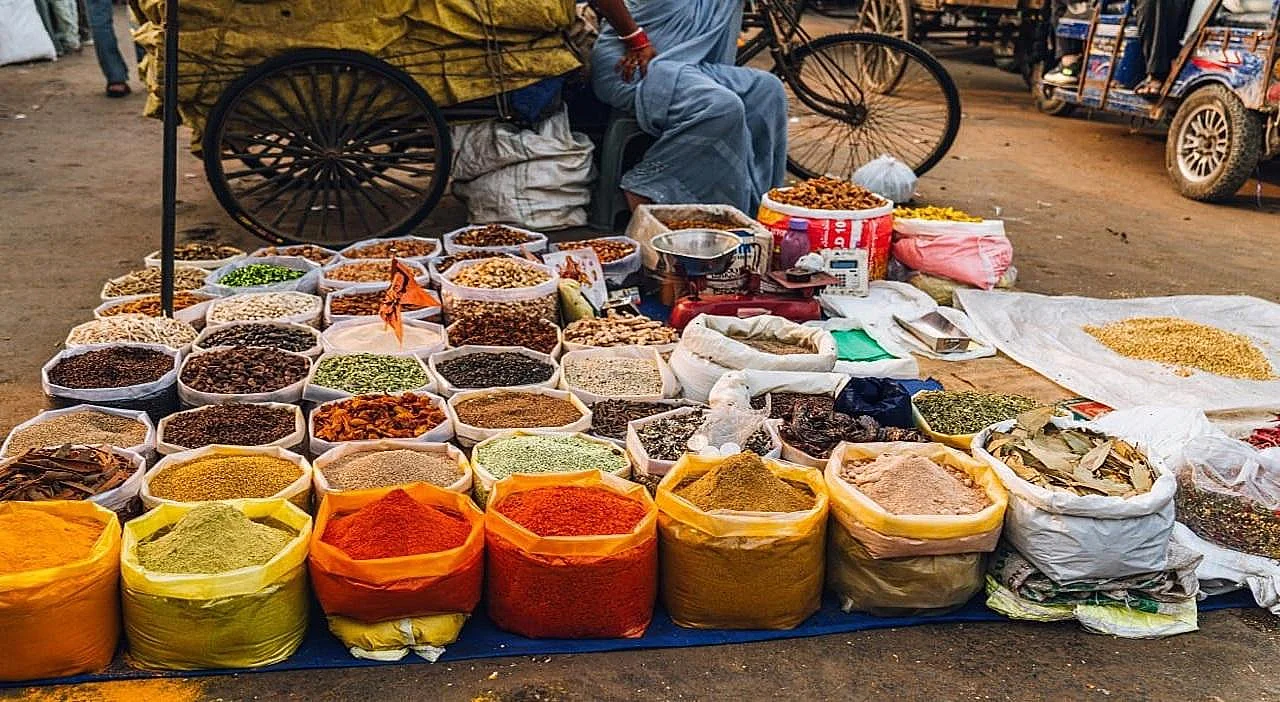
The warehouses of Mattancherry, jute sacks stacked on the pavements, where pepper, cardamom and turmeric are still weighed out. The smell warns you before you turn the corner, and it stays on your clothes.
The classic mistake
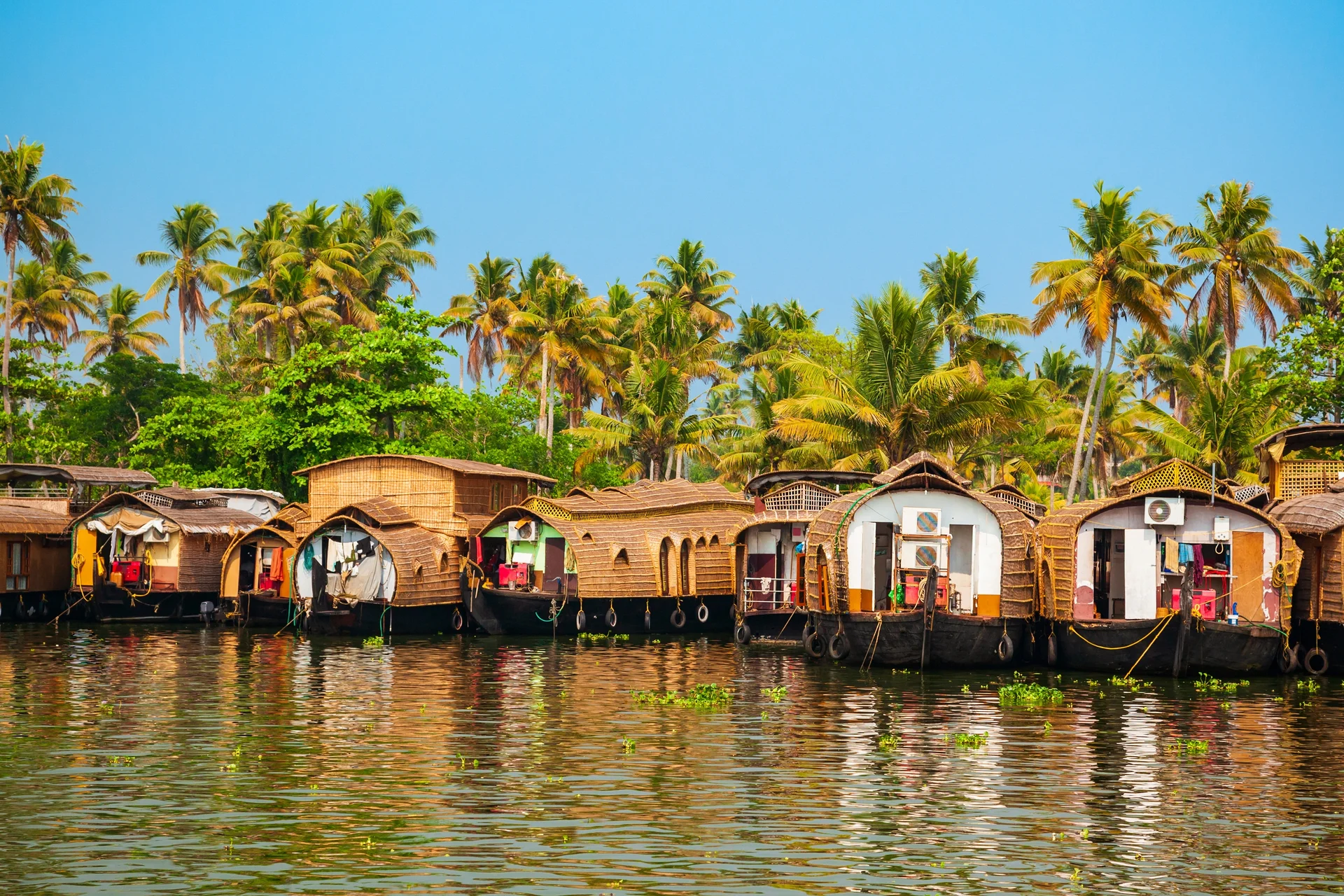
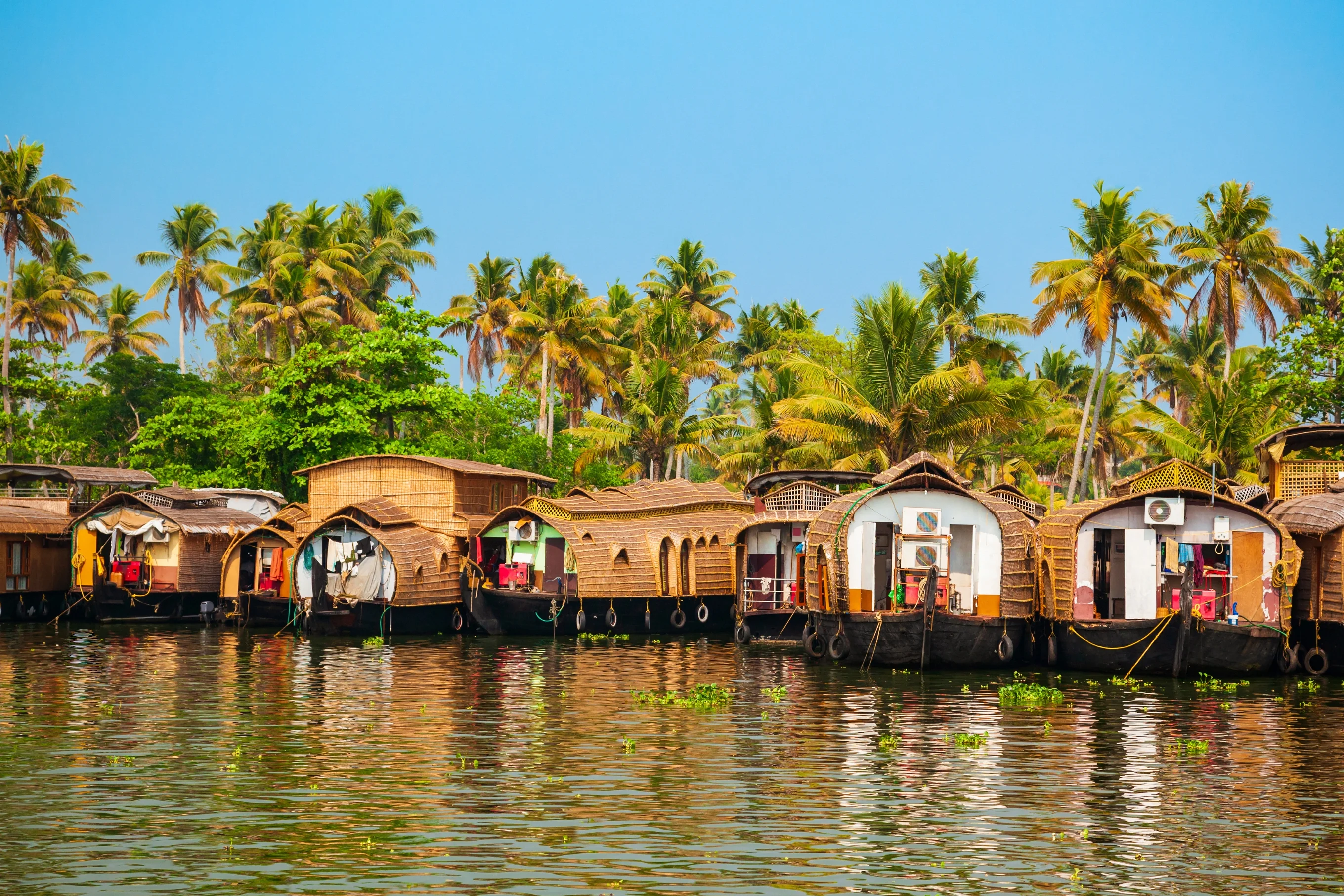
Booking a houseboat for two nights at Alleppey. The first is a delight, the second is spent moored in a side canal, engine off, with nothing to do: the rules forbid moving after sunset. One night is enough, and it is the right length.
Our itineraries in Kerala
| Length | Itinerary | What you see |
|---|---|---|
| 3 days | Kochi | Fort Kochi, Mattancherry, the spices |
| 1 week | Kochi › Alleppey › Varkala | The city, the canals, the cliff |
| 10 days | Kochi › Alleppey › Varkala › back via the hills | All three plus the tea plantations |
Kerala runs north to south along a single railway line, and the three stops are one to three hours apart. It is the part of India where you move least to see most.
Kochi needs two full days: the seven places listed below fit inside a two-kilometre square, but the heat forces you to write off the afternoon.
When to visit Kerala
| Rating | Season | Weather | Crowds and prices |
|---|---|---|---|
| December to February | 24 to 31 °C, dry and bright | High season, prices double at Christmas | |
| October and November | 26 to 31 °C, last of the rain | Moderate, good rates | |
| June to August | Monsoon, three metres of rain a season | Very light, half of it closes | |
| March to May | 32 to 36 °C, very humid | Light, low prices, real effort |
Our advice
The monsoon is not a dead season for everyone: it is when ayurvedic treatments are given, because the damp opens the pores, and the serious centres are full in July. For everything else, wait for November.
Getting to Kerala
-
1 By plane The way in
no non-stop service from Britain. It is one change, through a Gulf hub or through Delhi, then a two-hour domestic hop down to Kochi. Around fifteen hours in all.
-
2 By train On the ground
the coastal line links Kochi to Alleppey in 1 h 30 and to Varkala in 3 h, several times a day. Tickets go on sale weeks ahead online, and air-conditioned class costs three euros.
-
3 By boat Within Kochi
public ferries cross Kochi harbour between Fort Kochi and Ernakulam every twenty minutes, for a few cents. It is also the pleasantest journey in the city.
Kochi airport is 30 kilometres from the centre, and it is the first in the world to run entirely on solar power. The prepaid taxi takes an hour, the bus an hour and a half.
Getting around Kerala
Fort Kochi is walkable: five minutes from San Francesco Church to the fishing nets, and Mattancherry is twenty minutes on foot along the warehouses.
Worth knowing
The Paradesi Synagogue closes on Friday afternoons and Saturdays, and Mattancherry Palace on Fridays. A Tuesday or Wednesday in Mattancherry lets you see everything; a Friday leaves you half.
What to eat in Kerala
- Appam and stew: a fermented rice pancake, lacy at the edge and soft in the middle, with a vegetable or chicken stew in coconut milk. Kerala's breakfast.
- Karimeen pollichathu: the pearlspot fish of the backwaters, spice-marinated and cooked in a banana leaf. You open the leaf at the table, and the steam does the rest.
- Puttu and kadala: a steamed cylinder of rice flour with grated coconut, served with a black chickpea curry. Eaten with the fingers, and it holds you until lunch.
- Sadya: the feast served on a banana leaf, up to twenty-five preparations, no meat or fish, eaten by hand in a set order from left to right.
- Fish moilee: a pale yellow fish curry in coconut milk, turmeric and ginger, with no hot chilli. The dish of Kochi's Christians, milder than anything around it.
- Malabar parotta: a layered wheat flatbread, stretched by hand and crushed before serving, dipped into curry. Nothing wholesome about it, everything comforting.
- Toddy: fermented coconut sap, tapped in the morning and drunk the same day, sour and slightly fizzy. The places that serve it are called shaps and show a green sign.
Kerala eats more fish than anywhere else in India, and is one of the few states where beef is on the menu: most of the population is not Hindu, and Fort Kochi's restaurants serve it without ceremony.
Alcohol, on the other hand, is tightly controlled: few restaurants hold a licence, and those that do serve beer in an opaque teapot. It is not a local joke, it is the rule.
Where to stay in Kerala
| Area | What it is for | Worth knowing |
|---|---|---|
| Fort Kochi | Fishing nets, cathedral, waterfront | Colonial houses, quiet, the dearest |
| Mattancherry | Spice market, synagogue | A working district, noisy, unvarnished |
| Ernakulam | Station, flights, price | The modern city, half price, no charm |
| Alleppey | Backwaters, houseboat | One night aboard, not two |
| Varkala, north cliff | Beach, yoga, sunset | Everything closes through the monsoon |
In Fort Kochi the old merchants' houses have become hotels with character: high ceilings, inner courtyard, ceiling fans. It is the one district where sleeping is worth the price, because you step out of the room and you are in the scene.
At Varkala, the cliff-edge shacks are taken down each year before the monsoon and rebuilt in October: the same address is therefore never quite the same place.
How much does a trip in Kerala cost?
| Style | Length | Budget per person |
|---|---|---|
| Budget (guesthouse, trains, local restaurants) | 10 days | 250 to 400 € |
| Comfortable (hotel with character, houseboat, taxis) | 10 days | 700 to 1,000 € |
| High end (colonial hotel, ayurvedic course, driver) | 10 days | 2,000 to 3,000 € |
- The public ferry: crossing Kochi harbour costs a few cents, against several euros by private boat, for the same trip and a better view.
- Air-conditioned rail: three euros for Kochi to Varkala. The domestic flight over the same distance costs thirty, and saves one hour.
- The lunchtime thali: a full meal on a banana leaf, refilled as you go, for one to two euros in the local canteens.
- The shared houseboat: multi-cabin boats cost a third per person of the private charter, for the same canal and the same dinner.
- Avoid the last week of December: rates double everywhere, and houseboats triple.
Traditions and way of life in Kerala
Kerala has the highest literacy rate in India, close to 97 %, and it has regularly elected communist governments since 1957. The two facts are connected, and they explain why the state looks so little like the rest of the country.
Communities coexisted here long before it was an idea: Christians since the first century by local tradition, Jews since late antiquity, Muslims since the first Arab ships. The synagogue, the Jain temple and the cathedral all sit in the same neighbourhood.
Two useful habits. Shoes come off at temples, mosques and the synagogue, and often in people's homes too: slip-ons beat laces here.
And kathakali, the danced theatre with the green make-up, traditionally runs all night. The hour-long performances offered to visitors are openly extracts: arriving an hour early to watch the actors paint their faces is worth the show itself.