
Where to stay in Catalonia: the 8 areas to know in 2026
In Catalonia everything comes down to a question you face on the first evening: do you want to walk through an old town, sleep in front of a Gaudí, or have the beach at the end of the street? In Barcelona, those three answers are three different neighborhoods, and our sixteen reviews of the city all say the same thing in their own way: "in a few steps you go from downtown to the beach".
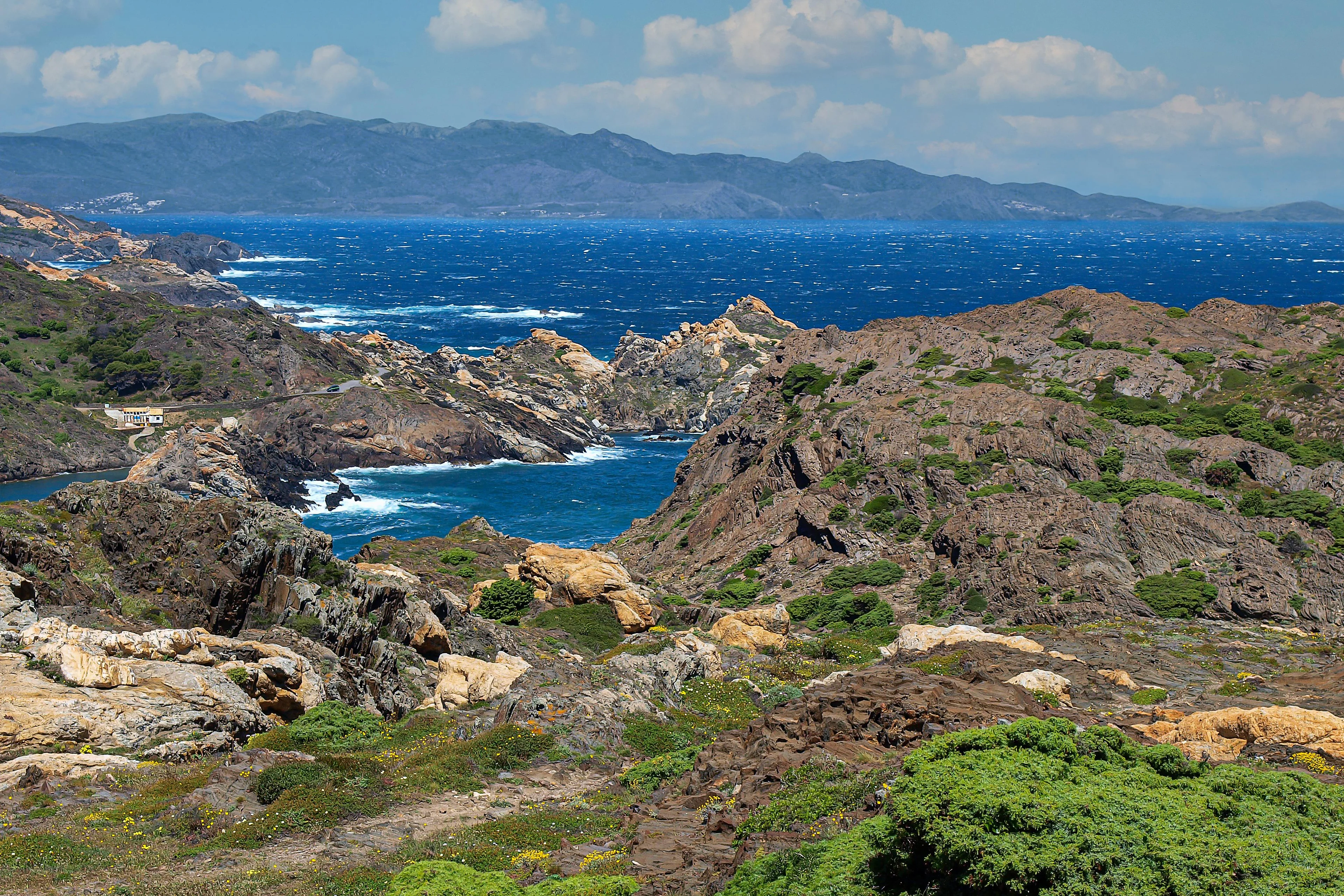
The rest of the region reads in one line: two coasts that are nothing alike, the Costa Brava to the north with its coves and its three Dalí museums, the Costa Daurada to the south with its flat sand and its parks. Eight areas below, and one monastery where you sleep for a single reason.
Compare hotel prices in Catalonia
In a hurry? Find the best accommodation deals in 3 clicks.
Compare live deals from Booking, Expedia, Agoda and other partners.
Barcelona is a city you learn to appreciate more every time you go. As soon as you get a little off the beaten path, you discover so many things.
One base or several?
Barcelona carries 90 of our 141 reviews of the region, and everything else is under two hours away. Here is what works, by length of stay.
- A long weekend, 3 nights: A single base, in Barcelona, and the neighborhood decides the trip: the Gòtic to go out on foot, the Eixample for the Gaudís and for sleep, Barceloneta for the beach.
- A week: Two bases: four nights in Barcelona, three on one coast. The northern Costa Brava if you come for the coves and Dalí, the Costa Daurada if you come with children.
- Ten days: Three bases, adding Girona or Figueres between the city and the coast: it is on the way, and it is a third cheaper than Barcelona.
- Two weeks: Four bases at most, and the fourth is a single night at Montserrat, for daybreak. Beyond that, you repack more than you visit.
How much driving between two bases?
By train where possible, and that is often: the Rodalies serve both coasts from Barcelona, and the high-speed line puts Girona forty minutes away.
| Route | Driving time | Good to know |
|---|---|---|
| Barcelone → Blanes | 1 hr 20 | R1 train, one every 30 min |
| Barcelone → Gérone | 40 min | High-speed, or 1 hr 30 on the regional line |
| Gérone → Figueras | 30 min | 25 miles, or 15 min by high-speed train |
| Figueras → Cadaqués | 45 min | Mountain road, no train |
| Barcelone → Salou | 1 hr 20 | Train, PortAventura stop |
| Barcelone → Tarragone | 1 hr | Or 35 min by high-speed train |
| Barcelone → Montserrat | 1 hr 30 | R5 train, then rack railway or cable car |
| Barcelone → Cadaqués | 2 hr 15 | 106 miles: the two ends of the region |
At a glance: our picks by traveller type
Pick the profile that fits you and go straight to the recommended area.
Map of the areas in Catalonia
See how the areas sit relative to one another before choosing your base. Click a name to jump to its description.
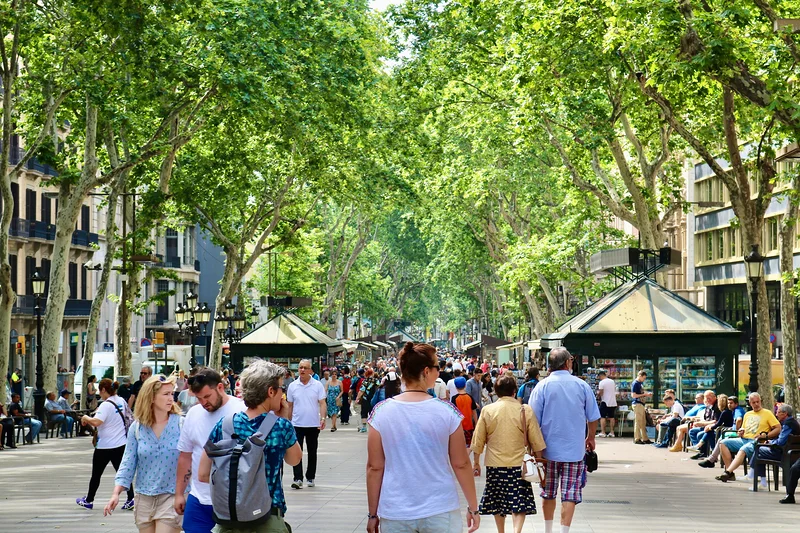
Barcelona: the Barri Gòtic and El Born The old town, between La Rambla and Ciutadella park
to do everything on foot, and to go out downstairs
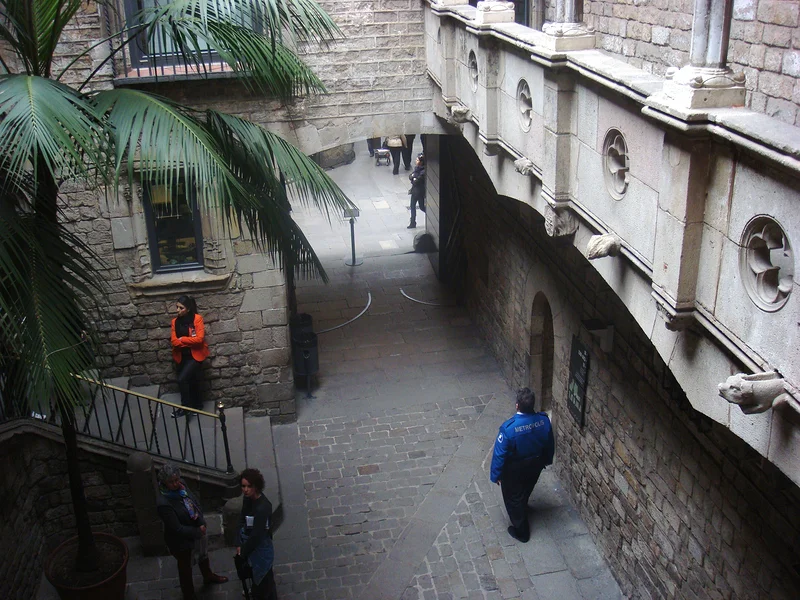
Two thousand years of history in a maze of car-free lanes: the Roman wall, the cathedral, and El Born right next door with its tapas bars and the Picasso Museum spread across five gothic palaces. This is the area where you do without transport most easily, and the one where you eat latest. The flip side: Las Ramblas concentrates the pickpockets and the tourist restaurants, and the nights are noisy all year, not only in summer.
The Barri Gòtic is full of charm, and the beaches are super lively. Not to mention the delicious Catalan food!
The towns in this area
What to see and do in this area
Where to stay in this area
Mercer Hotel Barcelona Luxury
Built on the Roman wall of the Barri Gòtic, with 12th-century frescoes and 14th-century arches kept in the lounges, and a rooftop pool. The hotel IS a sight.
Oriente Atiram Hotel Mid-range
On Las Ramblas, in a former convent whose cloister serves as the breakfast room. One of only two places to stay in the region that our database knows, and the most central.
Pros
- No transport needed, by day or by night
- The tapas and the bars of El Born at the hotel door
Cons
- Noisy at night, off-season included
- Las Ramblas is the most pickpocket-prone stretch in town
Barcelona: the Eixample and Gràcia The modernist center, above the old town
to sleep among the Gaudís, and to sleep at all
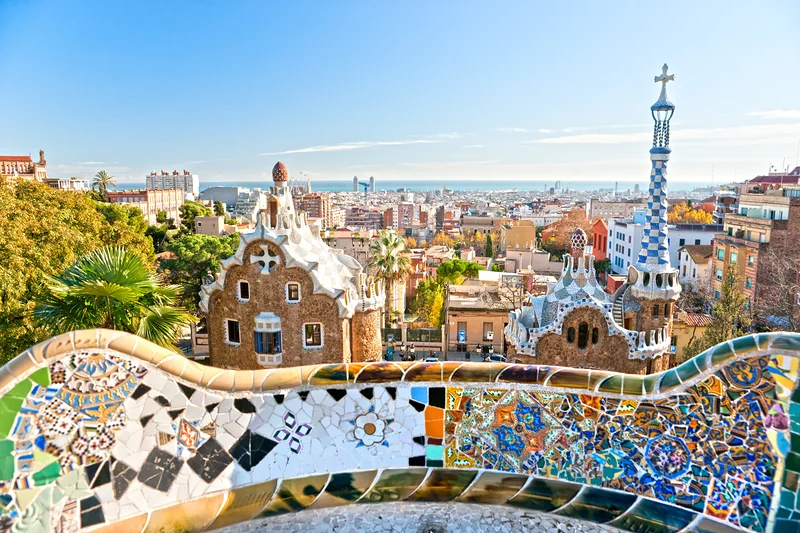
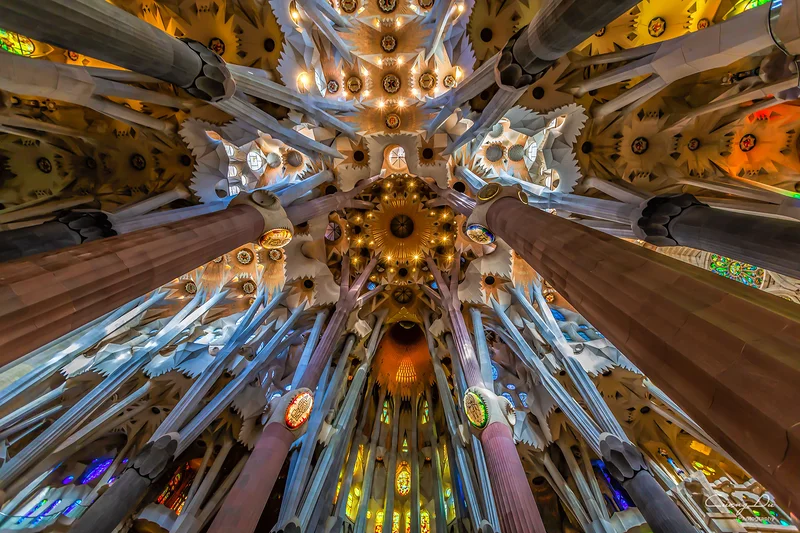
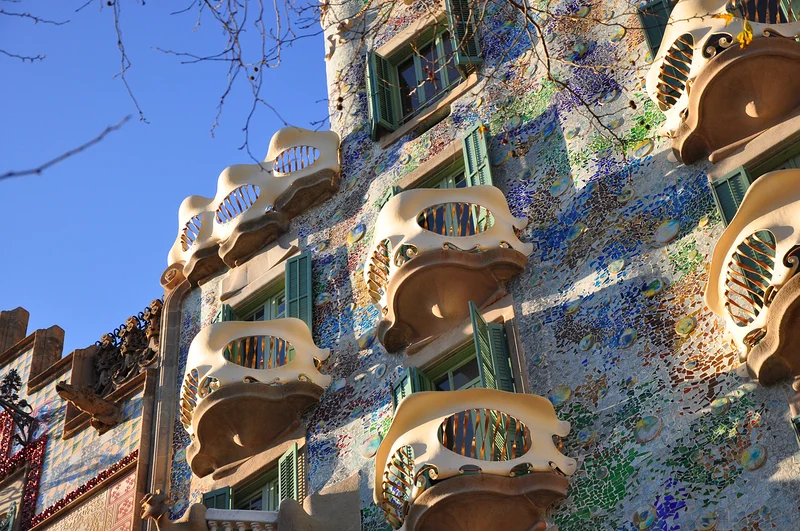
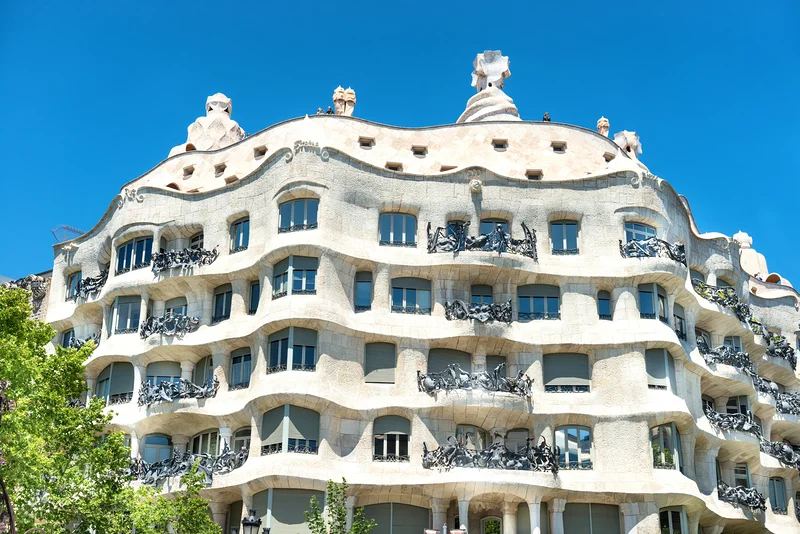
The Eixample grid, laid out by Cerdà in 1859, lines up blocks with cut corners along the Passeig de Gràcia, and that is where the Casa Batlló, the Casa Milà and, ten minutes away, the Sagrada Família are. Further up, Gràcia was a village until 1897 and kept its small squares. This is the quietest part of the center and the best served by the metro. What you give up: the sea, twenty-five minutes away, and the buzz of the old town.
Barcelona has an undeniable architectural appeal thanks to the fabulous legacy left behind by Antoni Gaudí, the architect of the famous Sagrada Familia and Parc Güell, among others.
The towns in this area
What to see and do in this area
Where to stay in this area
Hotel Casa Fuster Luxury
A 1908 building by Domènech i Montaner, Gaudí's mentor, at the top of the Passeig de Gràcia, with a pool and a rooftop terrace. You sleep inside modernism rather than next to it.
Casa Bonay Mid-range
An 1869 townhouse on the Gran Via, in the Dreta de l'Eixample, with a bookshop, a café and a restaurant on the ground floor. Sixty-seven rooms, and the neighborhood starts at the door.
Hotel HCC Regente Mid-range
On Rambla de Catalunya, with a rooftop pool and the Passeig de Gràcia metro two streets away. The second of the two places to stay in the region that our database knows.
Pros
- Three major Gaudís on foot, and the metro for the rest
- You actually sleep: it is the quietest part of the center
Cons
- The beach is twenty-five minutes away by metro
- The Passeig de Gràcia is the most expensive street in town
Barcelona: Barceloneta and the waterfront The southeast, between the port and Montjuïc
to have the beach at the end of the street, in town
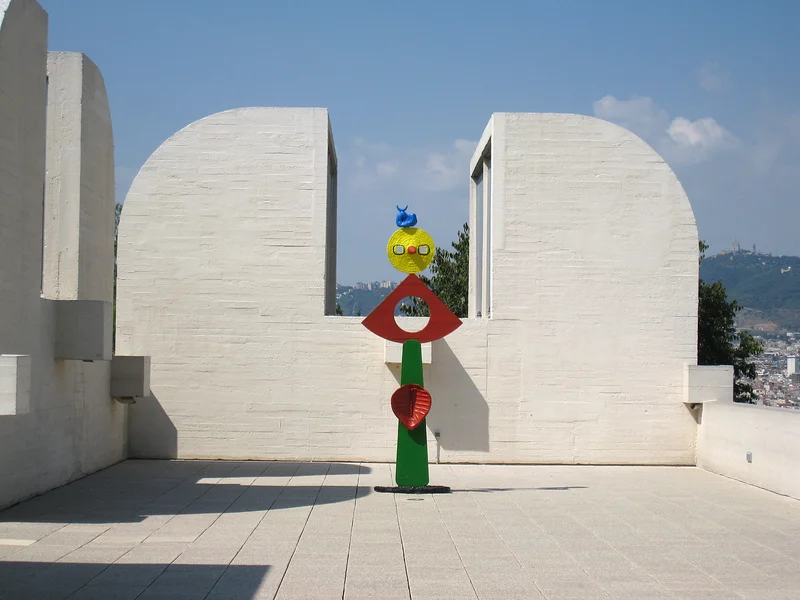
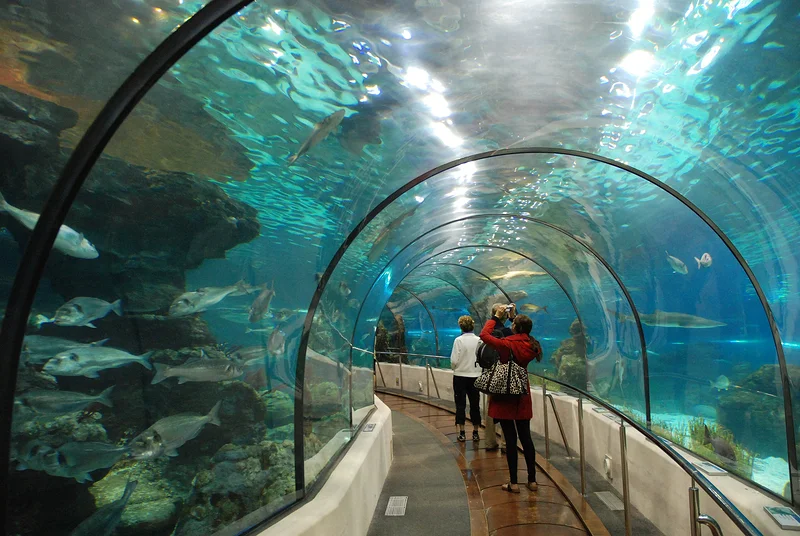
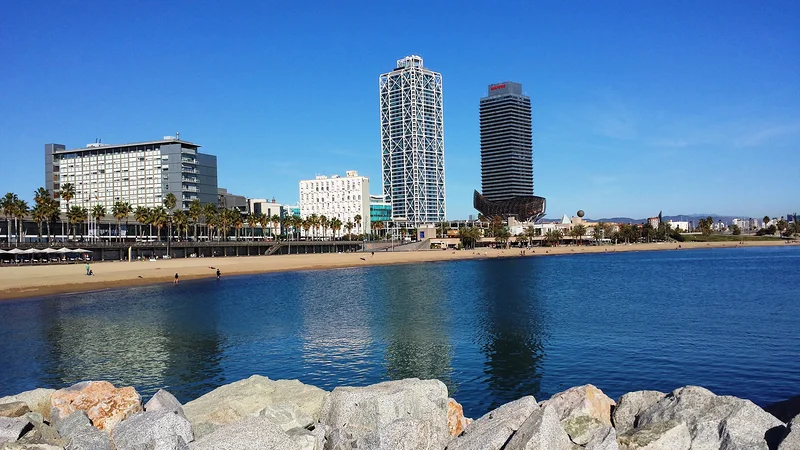
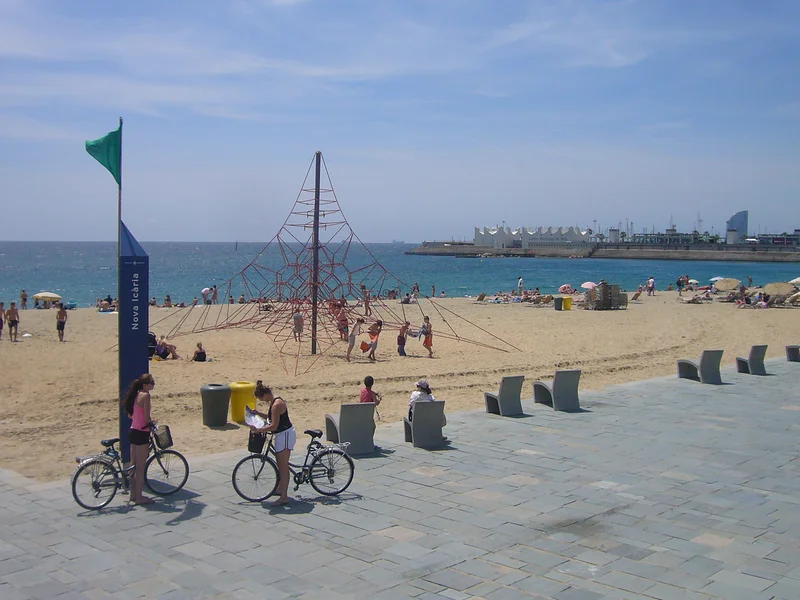
Nearly three miles of urban sand, from Barceloneta to Nova Icària, reclaimed from the port for the 1992 Games, and that is what makes Barcelona unique among Europe's big cities. Behind it, the old fishermen's quarter kept its narrow lanes and its paella bars. To the west, the hill of Montjuïc adds the Joan Miró Foundation, the castle and the magic fountain. Be warned: the sand is clean but very crowded, and the quarter lives in swimwear until evening, which one of our reviews notes without flattery.
The way people dress (they are practically in swimsuits and flip-flops in the city), the lively streets, the atmosphere at night, the beach..
The towns in this area
What to see and do in this area
Where to stay in this area
W Barcelona Luxury
Ricardo Bofill's sail set at the end of Sant Sebastià beach, four hundred and seventy-three rooms and a spa. It is the building you see from the whole coast, and you sleep inside it.
Hotel Arts Barcelona Luxury
A forty-four-story tower at the Port Olímpic, inherited from the 1992 Games, with two pools and a spa up high. Nova Icària beach is below.
Sofitel Barcelona Skipper Luxury
A hundred yards from the sand, facing the Port Olímpic, with two outdoor pools. The compromise between the beach and quiet that the other two do not offer.
Pros
- The beach on foot from your room, which is rare in a capital
- Montjuïc and its museums on the other side of the port
Cons
- Very crowded from June to September, sand included
- The Gaudís of the Eixample need the metro
Girona and Figueres The hinterland of the Costa Brava
for the Spain that is not a seaside resort
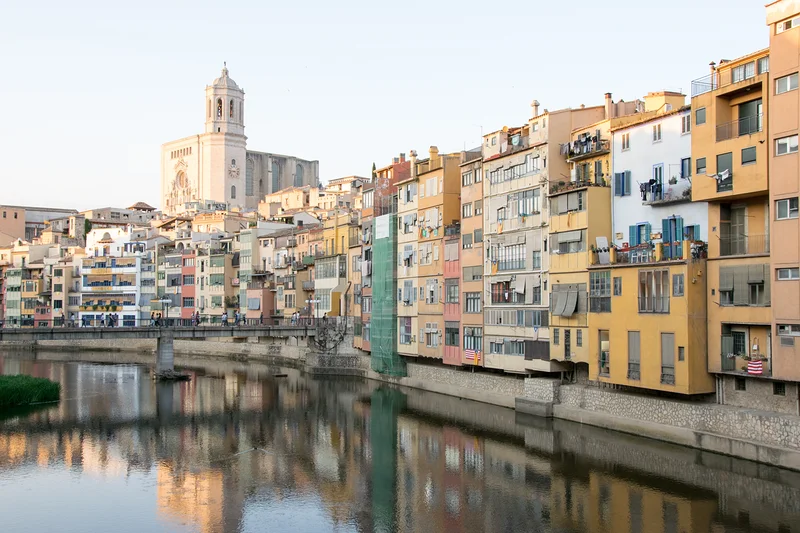
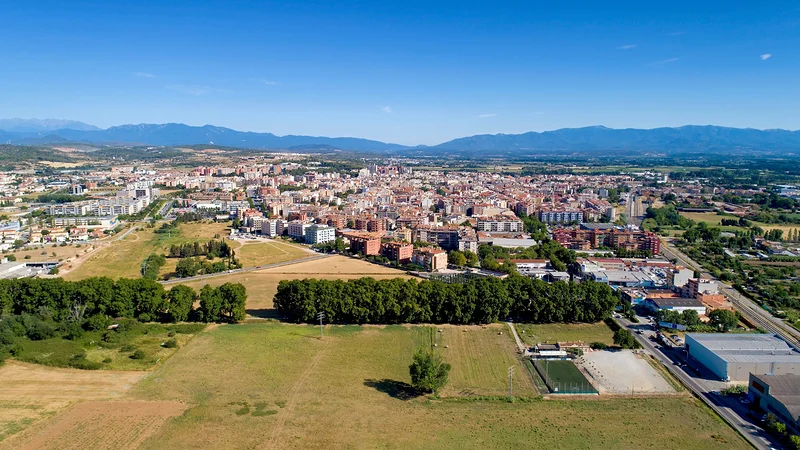
Two Catalan towns inland, and that is exactly the argument: three of our reviews say the coast has become a tourist factory and the interior has not. Girona layers an intact Jewish quarter, 12th-century Arab baths, a cathedral with the widest gothic nave in Europe and colored houses above the Onyar. Figueres holds the Dalí Theatre-Museum, which the artist designed himself and where he is buried. Further out, Besalú kept its 11th-century fortified bridge. The flip side: no sea, half an hour away by road.
There is a medieval old town that overlooks the river, the cobblestone alleys, the old houses, the ramparts, and the small tapas restaurants have an authentic feel that the many seaside resorts that have popped up on the coast do not have (or no longer have?).
What to see and do in this area

Where to stay in this area
Hotel Nord 1901 Mid-range
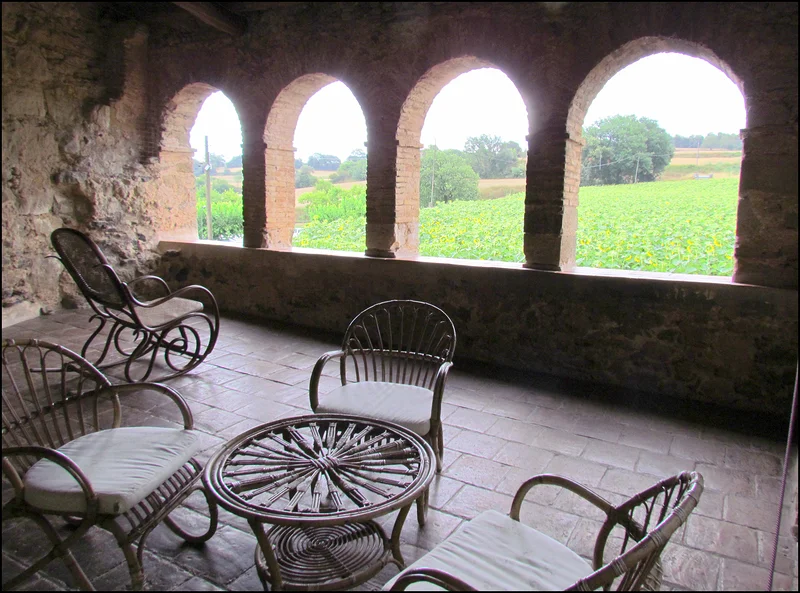
In the historic center of Girona, with a garden and a pool, three minutes from the cathedral. A family house, which shows at breakfast.
Hotel Duran Mid-range
A hundred yards from the Dalí museum, and its restaurant was the painter's own: the room has not changed. You step out of the hotel in front of the museum entrance.
Pros
- The cheapest area in the region, deep inland aside
- The high-speed train puts Girona forty minutes from Barcelona
Cons
- No beach at all: the coast is half an hour away by car
- The Dalí museum needs booking, places being limited in summer
Cadaqués and Cap de Creus The far north of the Costa Brava
for the coves, the white village, and Dalí's house
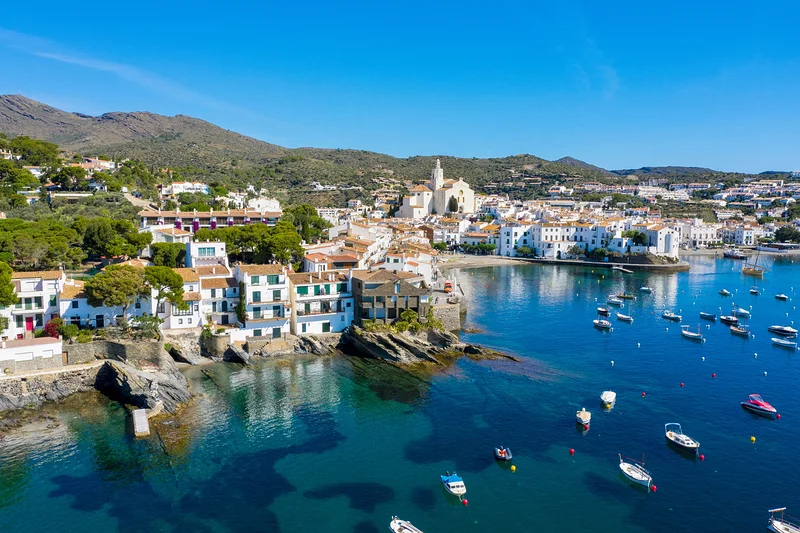
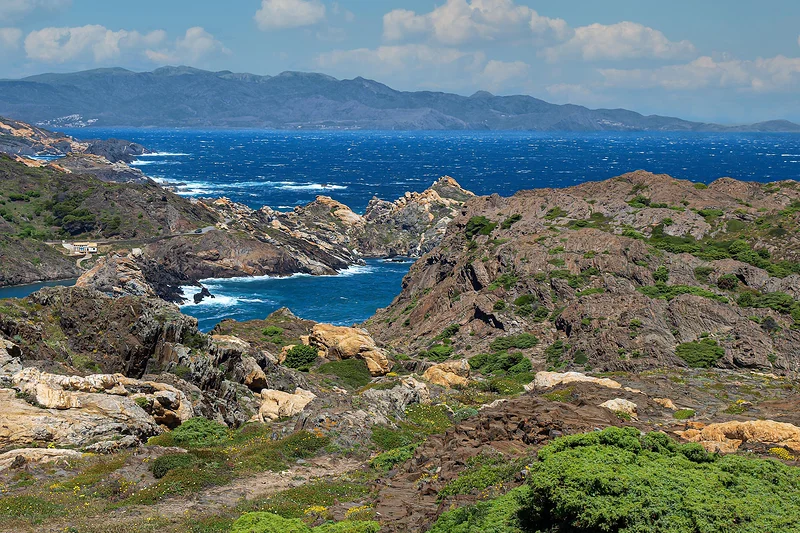
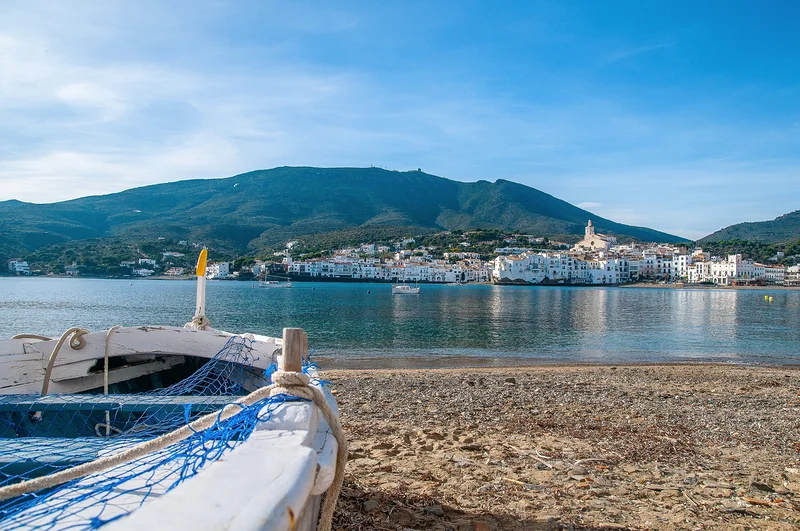
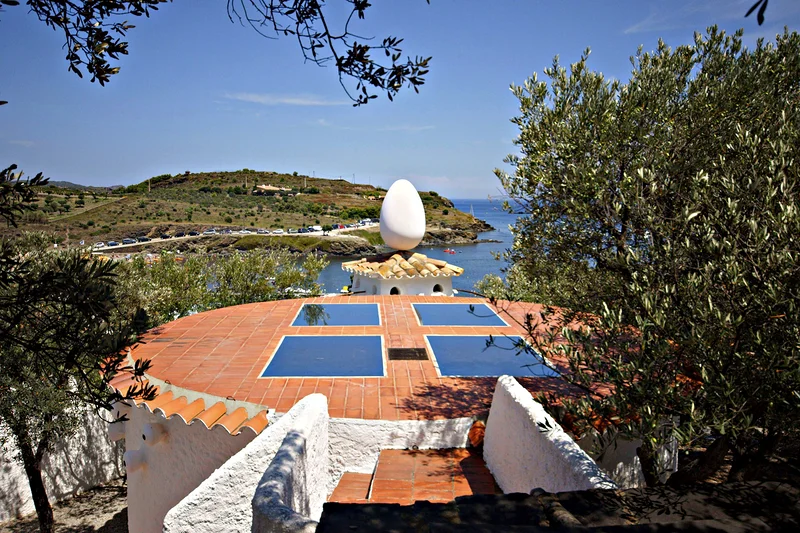
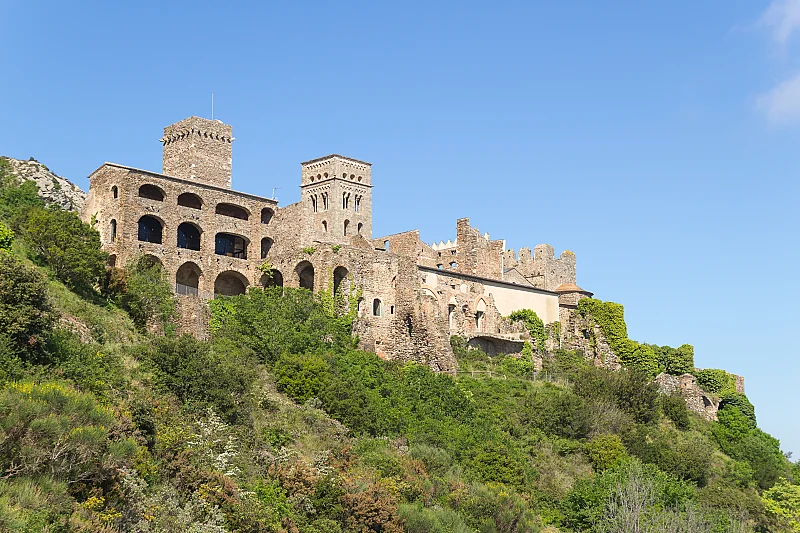
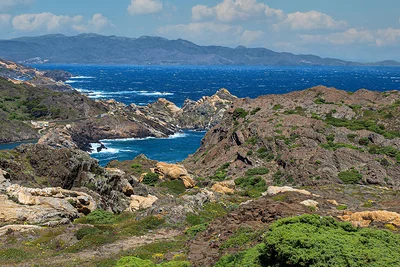
At the end of a single mountain road, Cadaqués is a village of white façades where Dalí lived for forty years, at Portlligat, in a fisherman's house turned museum. Around it, the Cap de Creus natural park is the easternmost point of mainland Spain: twisted schist, a lighthouse, and coves with no road. Twelve miles further south, Roses adds a closed bay and sandy beaches. The price to pay: the access road, narrow and slow, and a village that fills up in August.
Its white narrow streets and turquoise coves make it a place that feels frozen in time. You can still feel the soul of Dalí floating in the air, especially when visiting his house in Portlligat.
What to see and do in this area
Where to stay in this area
Hotel Playa Sol Mid-range
On the bay of Cadaqués, two hundred yards from the center, with a pool, a jacuzzi and a sauna. Forty-nine rooms, and the path to Portlligat starts at the door.
Pros
- Coves the crowd never reaches, for want of a road
- Dalí's house at Portlligat, twenty minutes' walk from the port
Cons
- A single access road, winding and slow
- The village beach is small, as one of our reviews notes
The southern Costa Brava From Blanes to Palafrugell
for the beach with children, and for the train to Barcelona
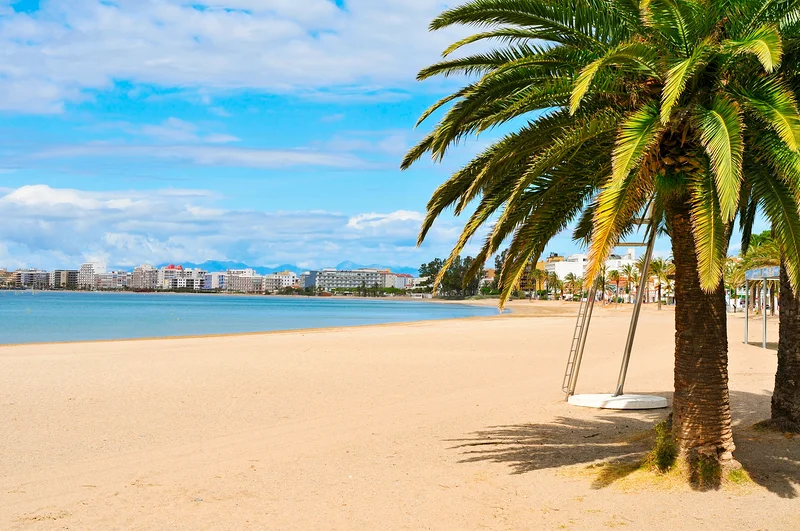
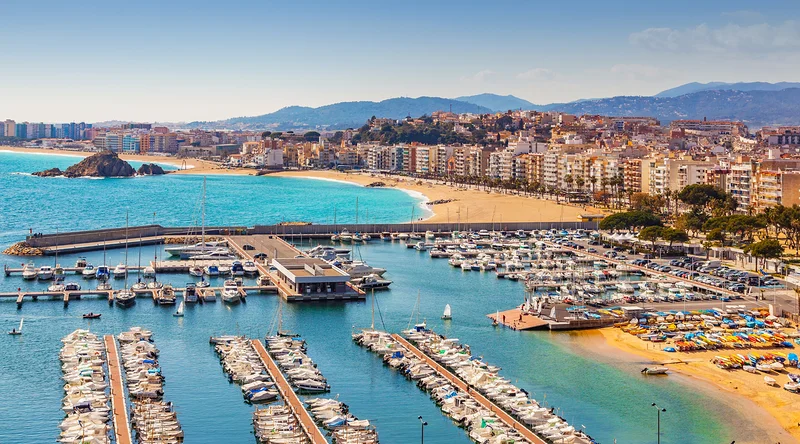
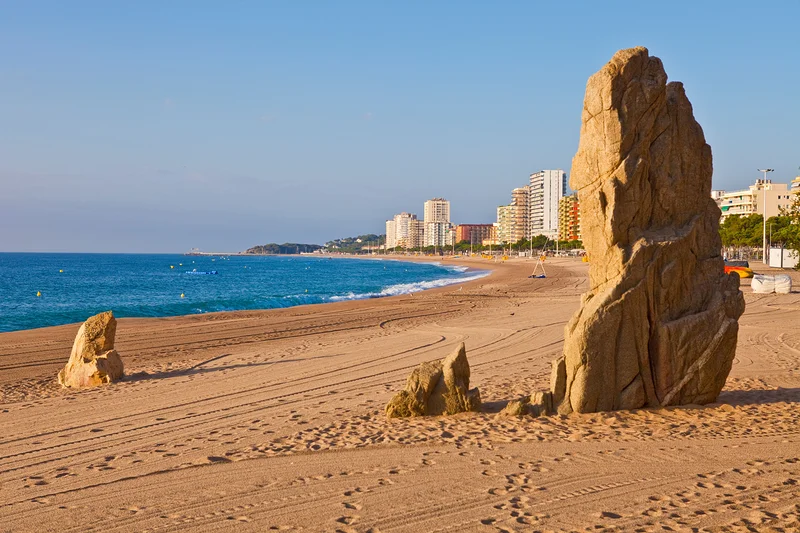
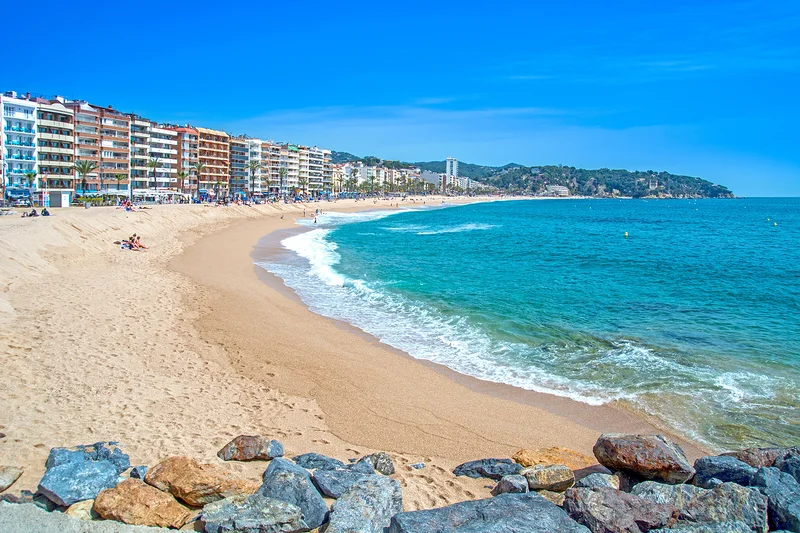
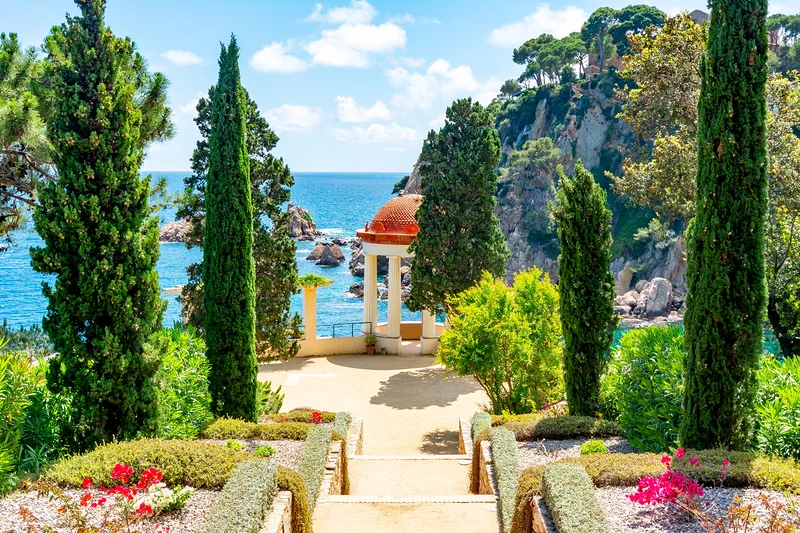
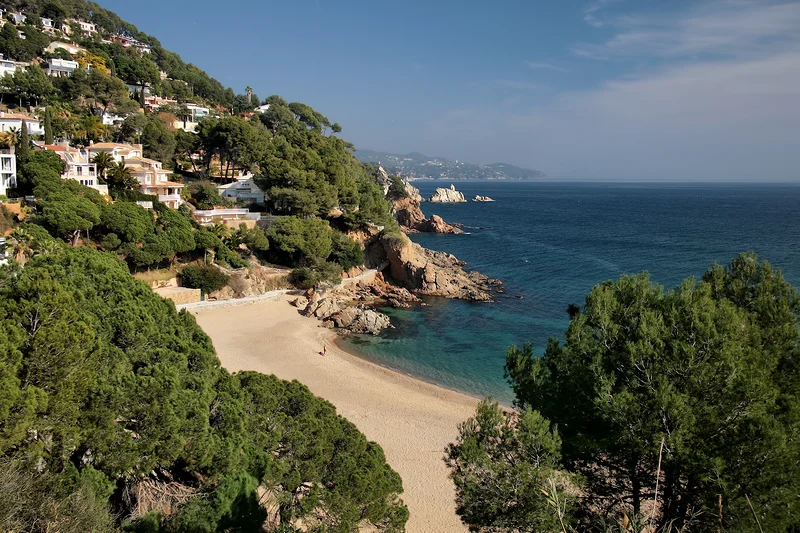
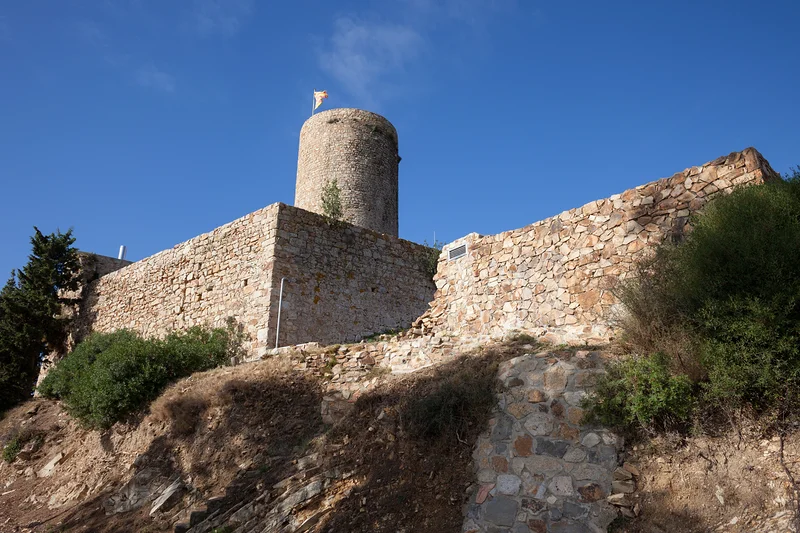
This is the coast of resorts: Lloret de Mar for the nights, Blanes for the quiet and its botanical garden, which our reviews call the finest spot in town, Platja d'Aro for the shops and the coastal cove path. One of our members gives the number that matters: from Blanes, the train reaches Barcelona every thirty minutes, twelve euros round trip, with no parking to find. The flip side: the resorts look alike, and one of our reviews says so bluntly.
The perk if you stay in this town is that you can get to Barcelona by train, which saves you from taking the car and looking for parking. There are trains every 30 minutes and a round trip ticket is 12 euros (about $13).
The towns in this area

What to see and do in this area
Where to stay in this area
Rigat Park & Spa Hotel Luxury
In a pine grove above Fenals beach, five minutes' walk from the sand and away from the center of Lloret. The only address of this rank on this stretch of coast.
Hotel Horitzó by Pierre & Vacances Mid-range
On the Blanes seafront, a hundred and ten rooms with balconies and a spa with an indoor pool. The station, the one with the Barcelona train, is ten minutes away.
Pros
- Barcelona by train every thirty minutes from Blanes
- Coves reachable on foot along the coastal path
Cons
- The resorts look alike, and our reviews do not hide it
- Lloret de Mar stays up late: avoid it if you want quiet
The Costa Daurada and PortAventura The south, around Tarragona
for flat sand, theme parks, and children
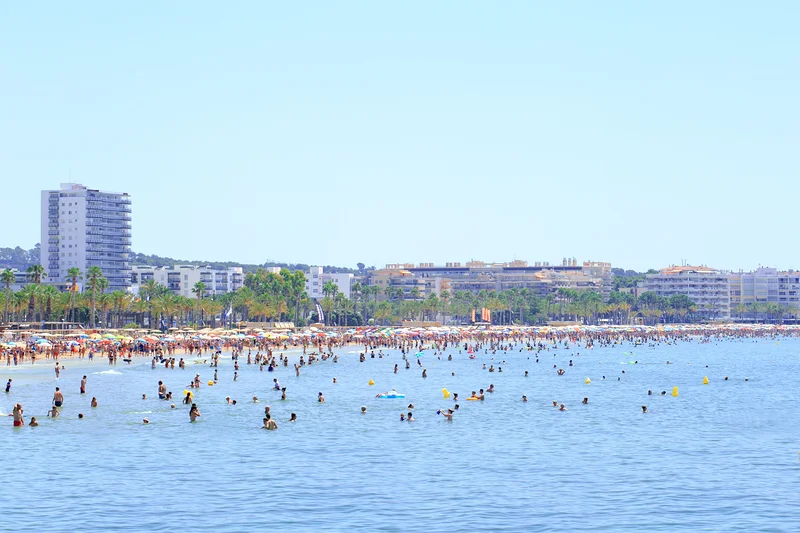
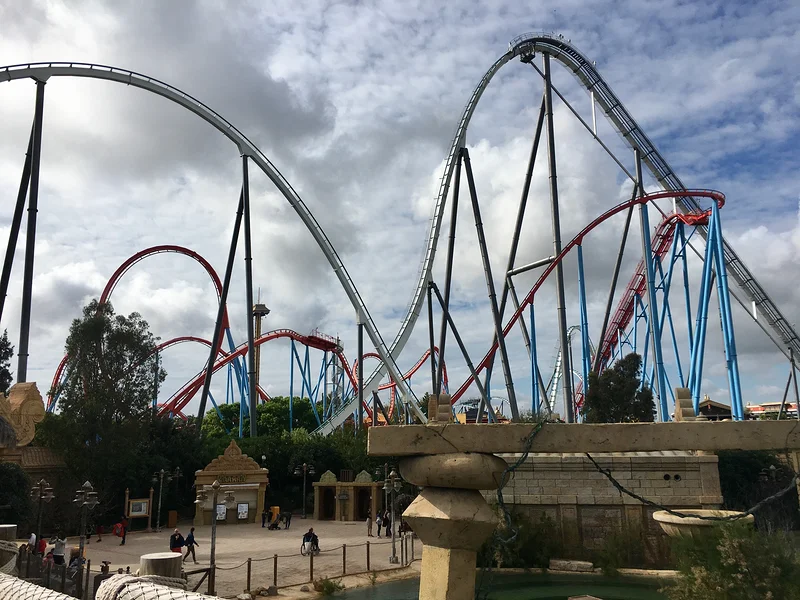
The sand changes south of Barcelona: it turns golden and flat, and the beaches run for miles instead of hiding in coves. Salou and Vila-Seca share PortAventura, the largest theme park in Spain, with its water park and its Ferrari circuit. Twenty minutes north, Tarragona keeps a Roman amphitheater at the water's edge and a wall from the 3rd century BC, all of it on the Unesco list. The flip side: outside the park and Tarragona, the area is built for mass tourism.
What to see and do in this area
Where to stay in this area
Hotel PortAventura Mid-range
A reconstructed fishing village around lakes, with direct access to the park through the Mediterrània area. Park admission is included in the night.
Hotel Colorado Creek Luxury
The newest of the park hotels, on a gold-rush theme, with direct access through the Far West area. An hour's drive from Barcelona.
Pros
- The largest park in Spain, with direct access from the hotels
- Tarragona and its Roman remains twenty minutes away
Cons
- No member quote for this area: the material is missing
- Built for mass tourism outside Tarragona
Montserrat To the west, an hour from Barcelona
for one reason only: being there once the coaches have left
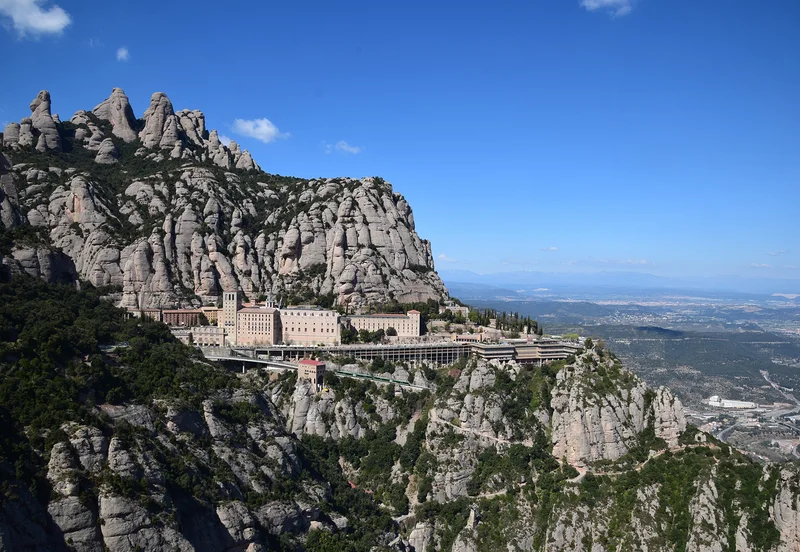
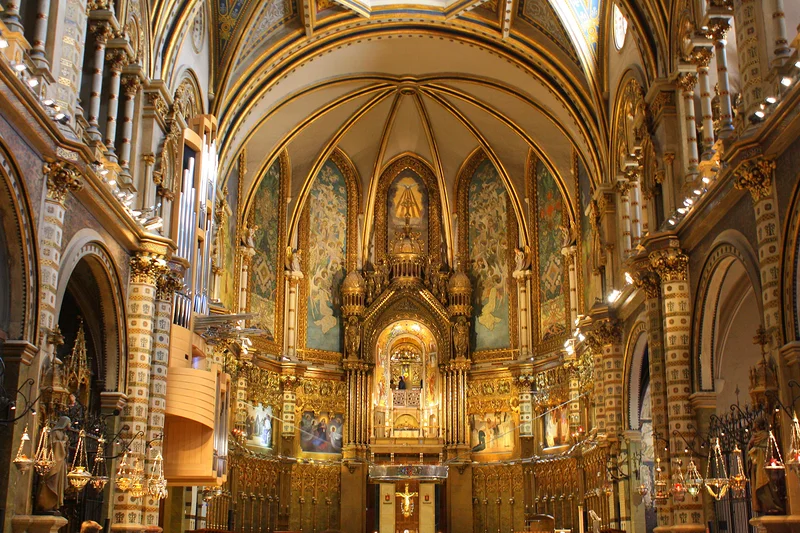
A Benedictine abbey clinging at three thousand feet to a conglomerate mountain shaped like fingers, founded in 1025, and the Black Madonna people have come to see for nine centuries. Almost everyone comes up from Barcelona for the morning: sleeping here gives you the site at daybreak, the ridge trails toward Sant Jeroni, and the singing of the Escolania, the oldest boys' choir in Europe, without the one o'clock crowd. Be warned: there is nothing else up there, and that is the point.
The towns in this area
What to see and do in this area
Where to stay in this area
Hotel Abat Cisneros Mid-range
On the monastery square, in a building that has housed pilgrims since 1563, eighty-two rooms overlooking the Llobregat valley. It is the only hotel in Montserrat, and that is the whole point.
Pros
- The site empty before nine and after five
- The ridge trails starting at the monastery
Cons
- A single hotel, so book months ahead
- Nothing else to do on site: this is a one-night stop
Our tips for booking the right place
- In Barcelona the neighborhood makes the trip: Our sixteen reviews of the city describe three different experiences, and they match three neighborhoods: "in a few steps you go from downtown to the beach" is Barceloneta, "the lively streets, the atmosphere at night" is the Gòtic, and Gaudí's legacy is the Eixample. Choosing the neighborhood before the hotel is the only trade-off that counts here.
- The interior is not a consolation, it is a choice: Three of our members write the same thing about Girona and Figueres: the coast has become "a tourist factory", and the hinterland kept "an authentic feel" the resorts no longer have. These two towns are also a third cheaper than Barcelona, and the high-speed train puts Girona forty minutes from the capital.
- The train spares you the car on both coasts: One of our reviews gives the exact figure from Blanes: "There are trains every 30 minutes and a round trip ticket is 12 euros". The same logic holds in the south, where the train stops at PortAventura. The two exceptions are Cadaqués and Cap de Creus, which have no rail service at all.
- June and September beat August, and cost less: The water is good from June to October on both coasts, but the first half of August doubles the rates and fills the coves. Two of our reviews advise going to the beaches of Cadaqués "early in the morning or in the evening": in June, that precaution becomes unnecessary.
- Taking a base on the coast to visit Barcelona: from Lloret or Salou the city is an hour and twenty minutes by train, which makes two hours forty per day of sightseeing.
- Sleeping on Las Ramblas and expecting quiet: it is the noisiest street in town, all year, and the one where our reviews report the most tourist restaurants.
- Choosing Montserrat for more than one night: there is nothing else on the site, and its interest lies precisely in the morning and the evening, once the coaches have gone.
- Counting on the train for Cadaqués: there is none. The only access road goes through the mountains and takes forty-five minutes from Figueres.
FAQ: where to stay in Catalonia
Where should you stay in Barcelona on a first visit?
How many bases should you plan for a week in Catalonia?
Do you need a car in Catalonia?
Where can you stay cheaply in Catalonia?
Costa Brava or Costa Daurada?
What is the best time to stay in Catalonia?
Our city guides in Catalonia
 Keep exploring
Things to do in Catalonia
Keep exploring
Things to do in Catalonia
Comments (0)
No comments yet. Be the first!