Visiting the French Alps
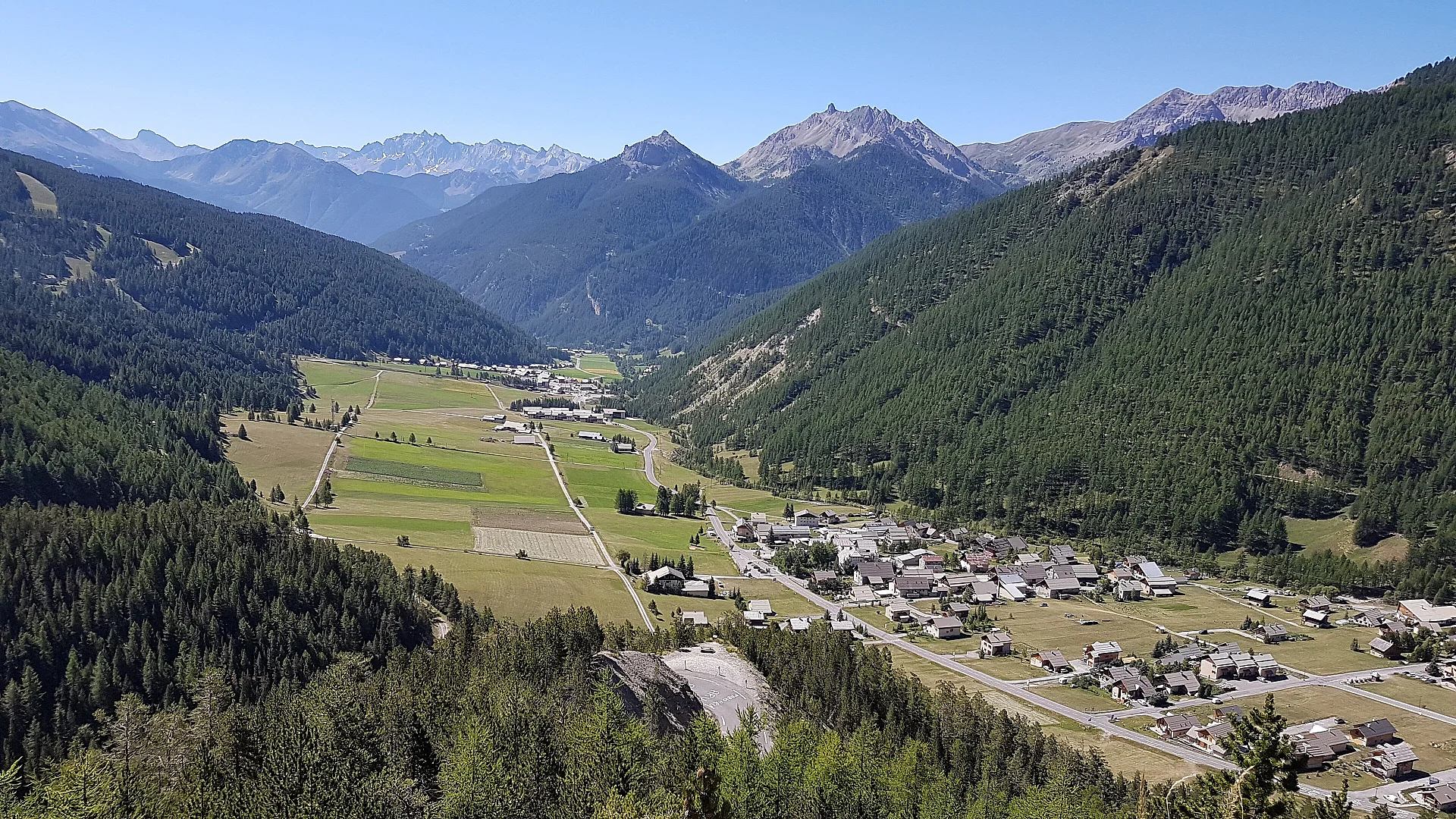
From Lake Geneva down to the valleys that drop towards Menton, the French Alps run for almost 400 kilometres. In the north, Haute-Savoie and Savoie: lakes of a postcard blue, Mont Blanc and its glaciers, ski resorts that live through winter like towns. In the south, the Hautes-Alpes and the Mercantour: light that already feels like Provence, larches that turn copper in October, villages where you meet more chamois than cars.
You may be coming for the skiing. Summer will show you something else: a swim in a 22 °C lake in the morning, a trail above 2,000 metres in the afternoon, and in the evening a melted reblochon on your wooden terrace.
You will love it if
- You like walking: from one-hour strolls to treks lasting several days, everything is done on foot
- You want mountains and water on the same day, around Annecy or Lac du Bourget
- You enjoy driving: the Route des Grandes Alpes strings the passes together from Lake Geneva to the Mediterranean
Give it a miss if
- You are after heat: even in August, evenings are cool above 1,500 metres
- You are coming in November or May: between seasons, resorts close and the passes stay under snow
- Traffic jams wear you down: on Saturdays in February, the roads up to the resorts clog from early morning
The must-sees
-
1 The Aiguille du Midi +4 recs
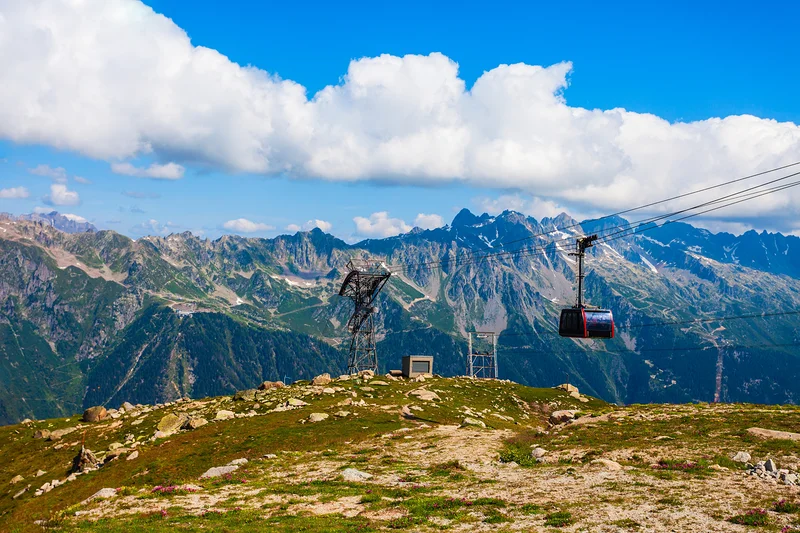
The cable car leaves from the centre of Chamonix and drops you at 3,842 metres, in two stages. Opposite, Mont Blanc seems within reach, and on a clear day your eye runs all the way to the Matterhorn. Take the first car of the morning, before the clouds settle on the summits, and bring a warm jacket even in August: it often freezes up there.
-
2 The Route des Grandes Alpes June to October
From Lake Geneva to Menton, about 700 kilometres and sixteen passes, including the Iseran at 2,770 metres, the Galibier and the Izoard. The highest close with the snow and reopen in June. Allow a week to drive it without rushing, sleeping in the valleys. Set off early: cyclists and camper vans fill the road from ten o'clock.
-

3 Lake Annecy +27 recs
Turquoise water clear enough to see your feet, between mountains that drop straight into the lake. Cycle round it on the greenway along the west shore, swim from a beach in Talloires, or fly over it by paraglider from the Col de la Forclaz. In July and August, come early: the lakeside car parks are full before noon.
-
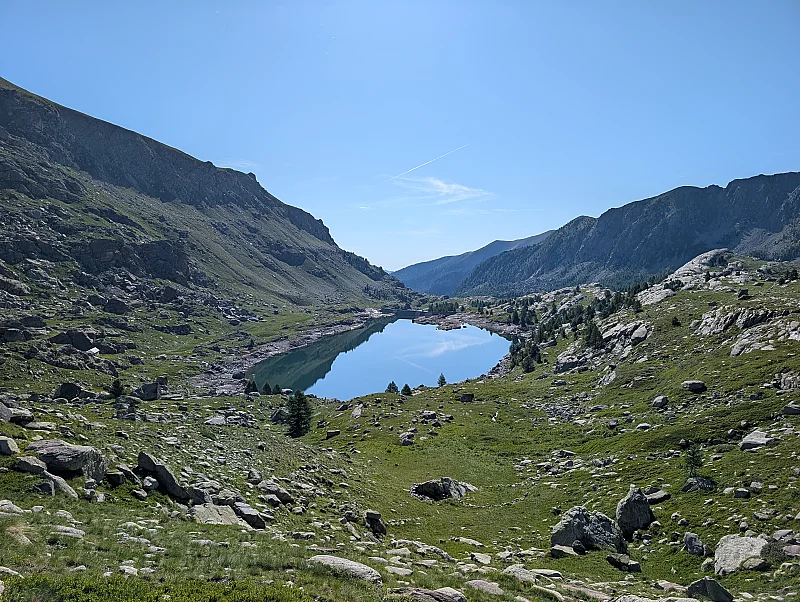 Photo posted by MorganeL
4 The Vallée des Merveilles +4 recs
Above Tende, in the Mercantour, tens of thousands of Bronze Age engravings cover the slabs of rock, between high-altitude lakes. You can only reach them on foot, after half a day's climb from Casterino or the Lac des Mesches. Come between July and September, once the snow has melted, and walk with a guide: some areas can only be visited accompanied.
-
5 The Vercors plateau Hiking
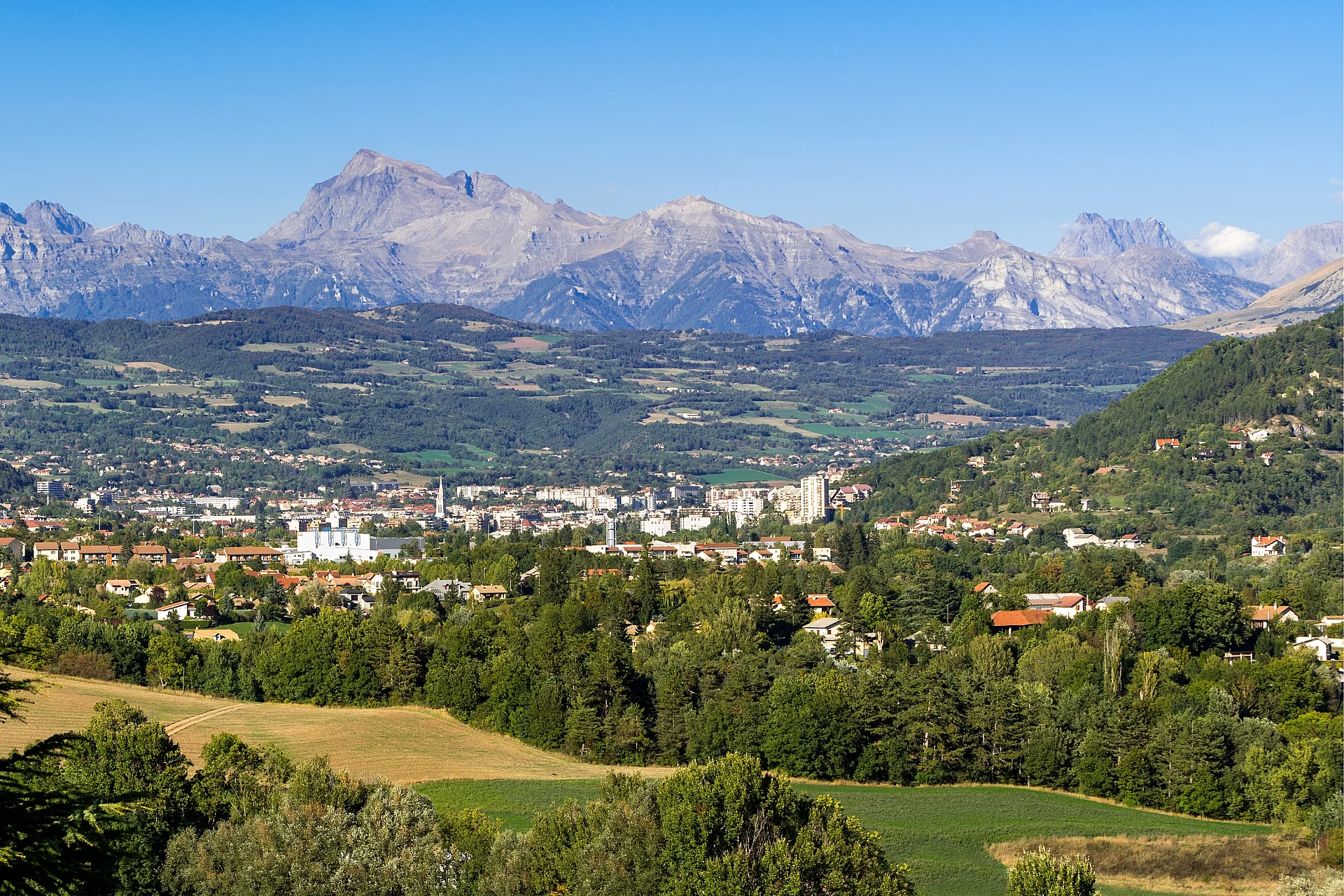
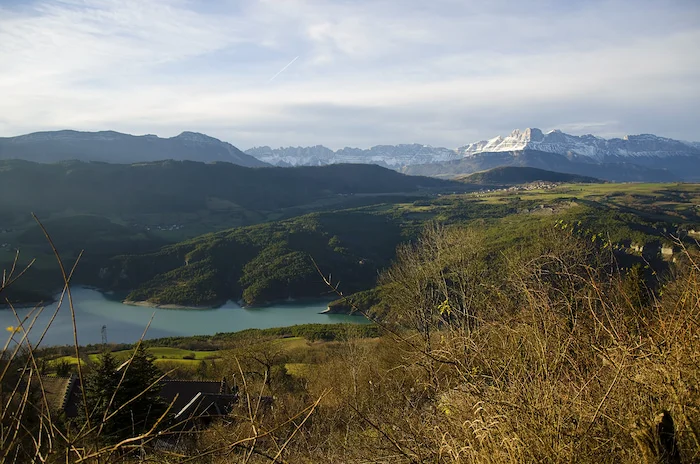
A limestone fortress above Grenoble, ringed by cliffs that roads carved into the rock cross through the Bourne gorges and the Combe Laval. At the top: meadows, forests and trails without crowds. In Pont-en-Royans, the houses cling to the cliff above the river. In Vassieux, the Resistance memorial tells the story of the summer of 1944.
The classic trap
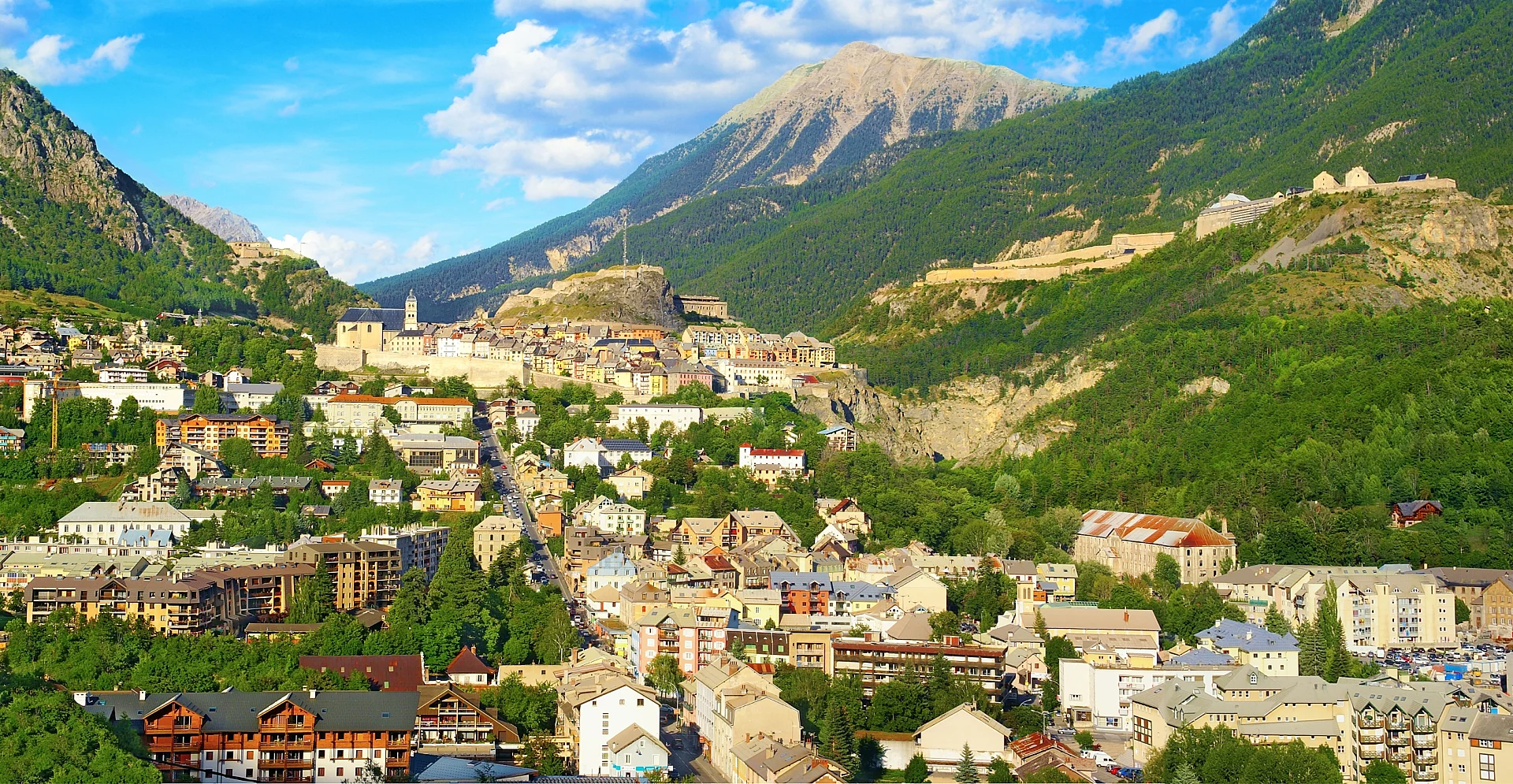
Do not book your summer in a resort built for skiing. In Tignes, Avoriaz or Val Thorens, half the buildings are shut in July, and so are the shops. For summer, pick a real town or a village that lives all year round: Annecy, Chamonix-Mont-Blanc, Le Grand-Bornand or Briançon.
Our itineraries in the French Alps
| Length | Itinerary | What you see |
|---|---|---|
| 3 days | Annecy › Talloires › Col de la Forclaz | Old town, lake, paragliding |
| 1 week | Annecy › Le Grand-Bornand › Chamonix | Lake, Aravis villages, glaciers |
| 2 weeks | Thonon › Beaufort › Val-d'Isère › Briançon › Queyras › Tende | The Alps from north to south, pass by pass |
Do not try to see everything: choose one massif. For a first visit, base yourself between Annecy and Chamonix-Mont-Blanc, an hour's drive apart. If you have two weeks and a car, drive the Route des Grandes Alpes and move base every two or three days.
When to visit the French Alps
| Appeal | Season | Valley temperatures | What is open | Crowds and prices |
|---|---|---|---|---|
| WinterDec to Mar | -8 to 5 °C | Slopes, lifts, resorts | High | |
| SpringApr to mid-June | 2 to 19 °C | Towns and lakes, passes closed | Low | |
| Summermid-June to Aug | 10 to 26 °C | Everything: passes, huts, cable cars | High | |
| AutumnSept to Nov | -2 to 18 °C | Trails until October | Medium |
Our advice
Aim for late June or September: the passes are open, so are the mountain huts, and the trails are half as busy as in August. In October, the golden larches of the Queyras and the Briançonnais are worth the trip, but many mountain hotels close in mid-October.
Getting to the French Alps
-
By plane The quickest
Geneva is the closest airport to Annecy and Chamonix, about an hour's drive away, with direct flights from across the UK and Ireland. Lyon-Saint-Exupéry serves Savoie and Grenoble, and Nice the Mercantour. In the ski season, shuttles link the airports to the resorts.
-
By train The greenest
Take the Eurostar to Paris, then a TGV to Annecy, Chambéry or Grenoble, a little over three hours from Paris for the last two. In winter, direct TGVs climb all the way to Bourg-Saint-Maurice, at the foot of the Tarentaise resorts.
-
By car The most flexible
The motorways run up to Annecy, Chamonix, Albertville and Grenoble, and valley roads take over beyond. A car becomes almost essential if you want to move from one massif to another or reach the villages of the south.
For a ski week or a stay in a single valley, fly to Geneva and take a transfer: you will not need a car. For the Route des Grandes Alpes or the southern Alps, hire one at the airport.
Getting around the French Alps
In the northern valleys, you can manage without a car: buses and free shuttles link the villages around Chamonix-Mont-Blanc and Lake Annecy, and the lifts do the rest. As soon as you change massif, or in the Hautes-Alpes and the Mercantour, a car becomes the rule again.
Good to know
From 1 November to 31 March, in mountain districts, your car must have winter tyres or carry snow chains in the boot. And the great passes, the Iseran, the Galibier, the Izoard, the Bonette, close with the first snow: check that they are open before planning your route.
What to eat in the French Alps
- Tartiflette: potatoes, bacon, onions and a whole reblochon melted on top, baked in the oven.
- Fondue savoyarde: beaufort, comté and emmental melted in white wine, for dipping your bread.
- Crozets and diots: small square buckwheat pasta, and sausages cooked in white wine.
- Cheeses: reblochon from the Aravis, alpine beaufort, tomme de Savoie, bleu du Vercors-Sassenage.
- Oreilles d'âne: the spinach and pasta bake of the Champsaur, in the Hautes-Alpes.
- Wine and génépi: red mondeuse, white apremont, and génépi served as a digestif.
Buy your cheese at the farm: in Le Grand-Bornand, reblochon makers sell on site. And do not order a fondue for lunch in the middle of August: mountain restaurants also serve salads and trout from the lake.
Where to stay in the French Alps
| Area | What for | Good to know |
|---|---|---|
| Annecy and its lake | Old town, swimming, cycling | Very popular in summer, book early |
| Chamonix and Mont Blanc | Glaciers, cable cars, mountaineering | A real town, open all year round |
| The Aravis | Villages, cheese, family skiing | Le Grand-Bornand and La Clusaz, 45 minutes from Annecy |
| The Tarentaise | Huge ski areas | Resorts partly closed in summer |
| Briançon and the Queyras | Sunshine, larches, stone villages | Far from the north: a base of its own |
How much does a trip in the French Alps cost?
| Trip | Length | Budget per person |
|---|---|---|
| Budget (gîte or mountain hut, picnics, hiking) | 1 week in summer | €350 to €600 |
| Comfort (3-star hotel, restaurants, one lift a day) | 1 week in summer | €900 to €1,600 |
| Ski (accommodation, lift pass, equipment, lessons) | 1 week in winter | €1,200 to €2,500 |
- The season: a room costs two to three times more during the February school holidays than in June.
- The lift pass: this is the item that will tip your winter budget, especially in the big Tarentaise ski areas.
- Lifts in summer: the Aiguille du Midi cable car is expensive; multi-lift passes are worth it if you take several.
- Mountain huts: half board in a hut is still the cheapest way to sleep at altitude, but you have to book.
- Hiking: the trails are free, so are the national parks, and you will spend whole days there.
Traditions and way of life in the French Alps
Savoie and Nice only became French in 1860; before that, they belonged to the Kingdom of Sardinia. What remains are baroque churches with onion-domed bell towers, Italian family names and a local pride you still feel in the valleys. In 1786, two men from Chamonix, Jacques Balmat and the doctor Michel Paccard, reached the summit of Mont Blanc: mountaineering was born here.
In 1924, Chamonix-Mont-Blanc hosted the first Winter Olympics. Twenty years later, the Vercors became a Resistance stronghold, crushed in July 1944. In the valleys, respect the rules of the alpine pastures: close the gates, keep your dog on a lead, and walk around the flocks guarded by patou sheepdogs.