Isola, the village facing two valleys at once
At 874 metres of altitude, where the Tinée and Guercha rivers meet, Isola pulls off a split personality. Down low, you get a stone village of 589 residents, narrow alleys, and an 11th-century Romanesque bell tower.
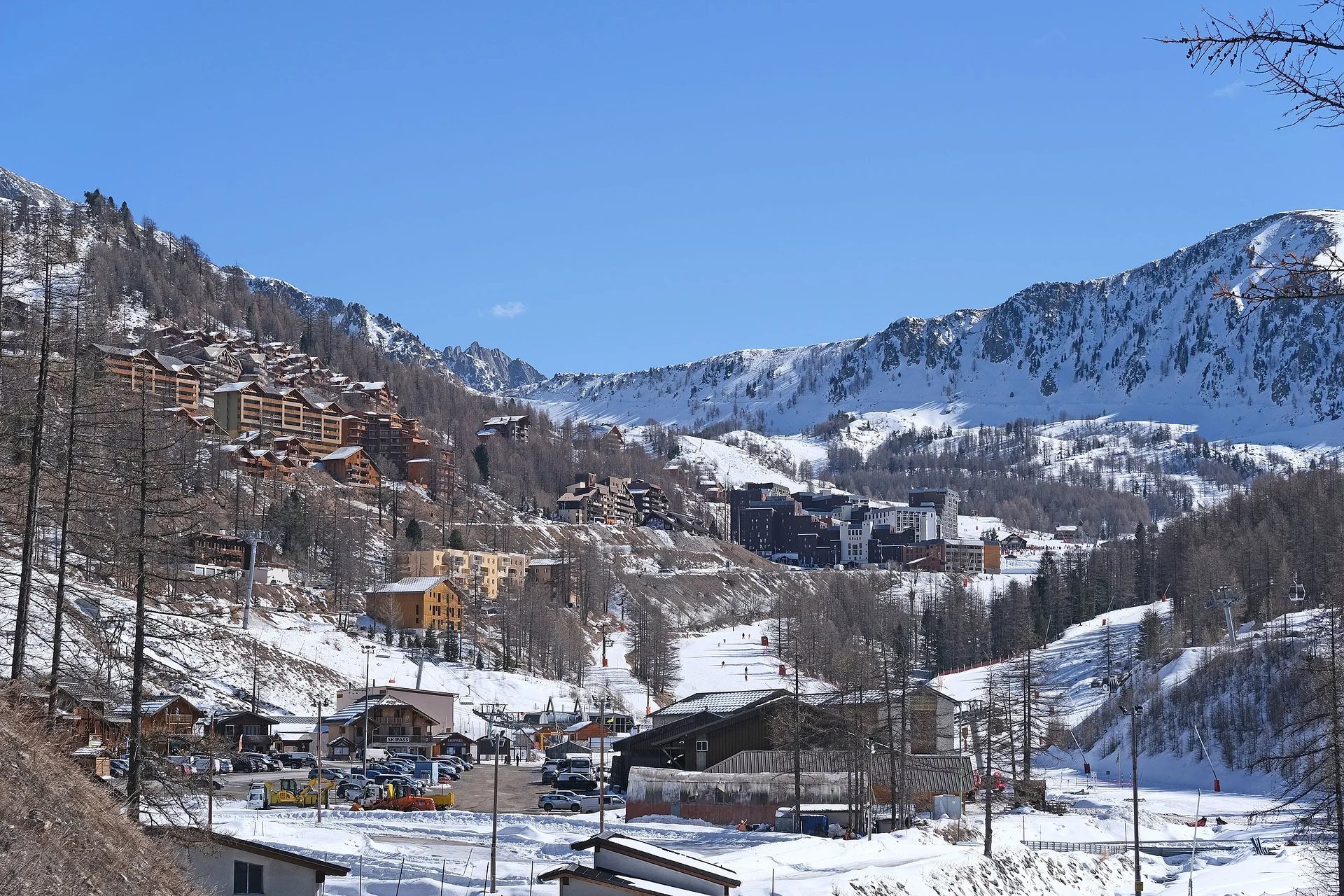
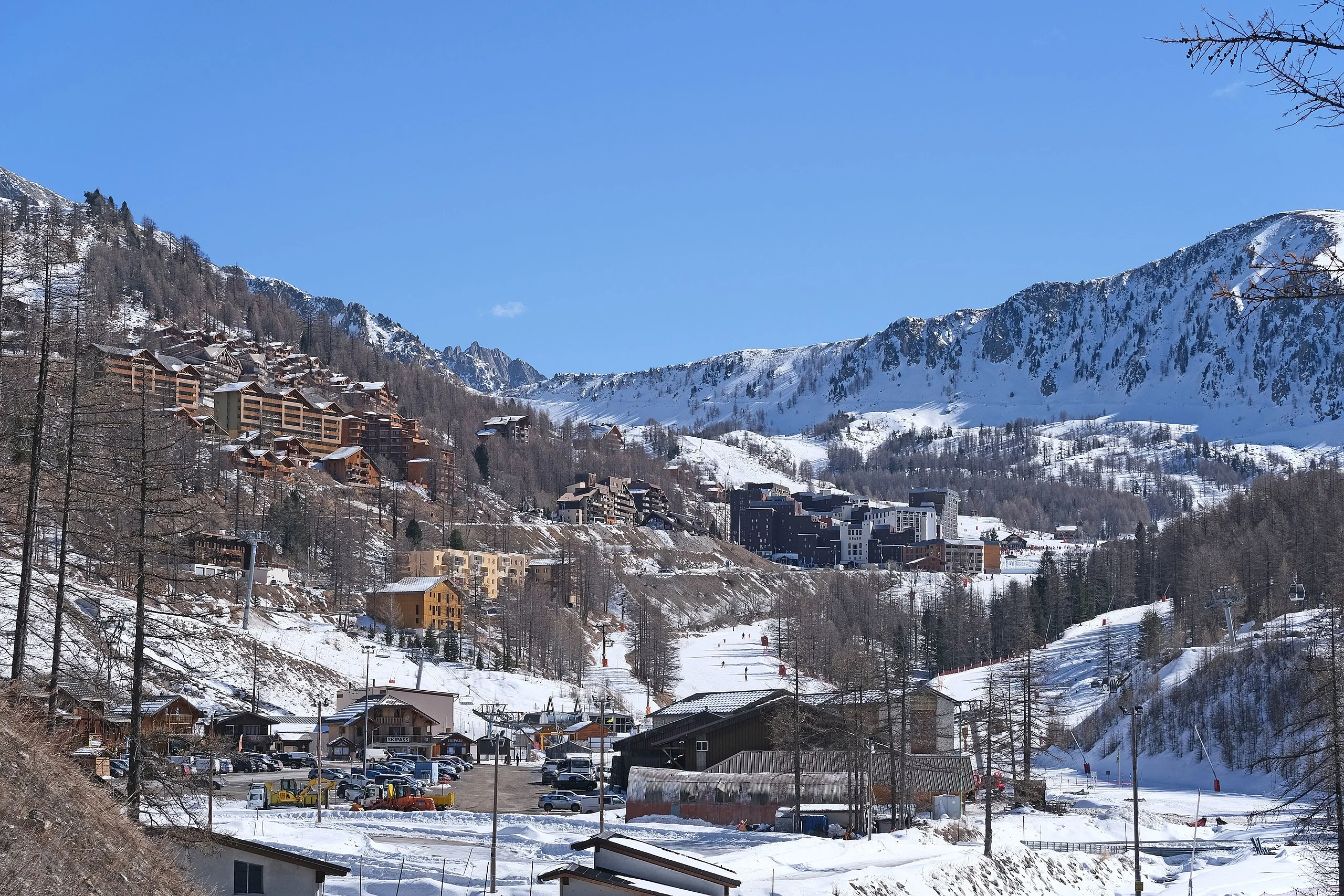
Up high, nearly 2000 metres up, sits Isola 2000, a purpose-built ski resort dating back to the 1970s. Two distinct vibes, two different paces, connected by a single winding road.
Is this destination right for you?
Isola works well for travelers chasing a ski trip without the massive crowds of the major resorts, or a summer of hiking and whitewater far from the packed beaches of the Côte d'Azur. The rugged Niçois hinterland operates on a dual track, feeling rocky and wild up top while staying Mediterranean and green down in the valley.
On the flip side, anyone expecting a high-end alpine hub like Courchevel or a lively tourist village year-round will likely be disappointed. The lower village slows to a crawl in the off-season, and the upper resort practically shuts down entirely during the summer months.
Best suited for:
- Skiers wanting a modern domain without the steep prices or lift lines of Val d'Isère
- Hiking and canyoning enthusiasts looking for an unspoiled natural setting
- Travelers hunting for an authentic Niçois village away from the coastal crowds
Not recommended for:
- Anyone looking for a bustling nightlife scene or extensive shopping
- Visitors traveling without a car, as public transit connections are quite limited
- Anyone visiting during the dead shoulder season between the end of skiing and the start of summer
A reasonable mountain budget
Prices here run noticeably lower than in Savoie or Haute-Savoie, especially down in the main village. The upper resort charges rates much closer to standard alpine averages during peak season.
| Expense | Range |
|---|---|
| Night in a gîte or B&B (lower village) | 45 to 70 € |
| Night in a residence or 3-star hotel (Isola 2000) | 90 to 160 € |
| Quick bite or lunch on the go | 10 to 15 € |
| Sit-down restaurant meal | 25 to 40 € |
| Daily lift ticket | 35 to 45 € |
Estimated rates subject to seasonal variation
Practical realities: a valley you have to earn
The road climbing from Isola village up to Isola 2000 covers roughly twenty kilometres of tight switchbacks. In winter, snow chains or winter tires are frequently mandatory, and local authorities may restrict traffic during heavy snowstorms. Come summer, that exact same route opens up into dramatic high-mountain landscapes that see a fraction of the foot traffic found in the neighboring Mercantour sector near Saint-Martin-Vésubie.
French is practically the only language spoken around here, as neither mass tourism nor English has taken root the way it has on the coast. Solo female travelers will find it entirely comfortable, as both the village and resort maintain a quiet, family-friendly atmosphere.
The lower village: stone, water, and a slower pace
You can walk through the historic heart of Isola in about an hour, though it begs you to linger. Saint-Pierre church, featuring a Lombard bell tower typical of alpine valleys, looms over ochre-fronted houses capped with slate roofs.
Just below, the Louch waterfall drops about thirty metres into a wooded ravine, reached via a short walk from the village. It ranks as one of the most photographed sights in the area, yet it rarely feels crowded even in the middle of summer.
Friendly tip: catch the Louch waterfall in the late morning when the sun hits the water directly, sending light through the spray and often creating a rainbow right against the rock face.
Isola 2000: the ski resort facing Italy
The upper resort tops out at 2610 metres and offers about a hundred kilometres of runs. It feels manageable compared to the massive Savoyard mega-resorts, but it provides plenty of terrain for a few days of varied skiing. Its standout feature is its proximity to Italy, with the border running right along the peaks nearby.
Thanks to the high elevation and northern exposure, snow cover stays reliable even during lean winters in the southern Alps. Off the slopes, the resort also marks out dedicated snowshoeing and cross-country ski trails.
Whitewater and hiking: summer in the Tinée Valley
As soon as the snow melts, the Tinée river and its tributaries draw whitewater sports fans. Canyoning in nearby gorges and rafting on the river rank among the valley's top warm-weather activities, organized by operators based in Isola and surrounding villages.
For hikers, the area opens up access to trails heading toward the Mercantour National Park, featuring high-altitude lakes and protected wildlife, including marmot colonies grazing on the slopes all summer long.
Where to eat and drink in Isola?
Local cooking leans heavily on alpine and Niçois traditions. Herbed vegetable tarts, mountain cured meats, and regional cheeses form the backbone of the menus in the village eateries. Up at the resort, the food focuses on classic heavy mountain fare, with fondues and raclettes taking centre stage all winter.
Where to stay in and around Isola?
The lower village mostly offers gîtes and bed-and-breakfasts, delivering quiet surroundings and gentle prices, which makes it ideal if you are prioritizing summer activities. Isola 2000 concentrates the vast majority of the tourist lodging, including holiday residences, hotels, and rental apartments geared toward ski trips.
How to get to Isola?
The closest major hub is Nice Côte d'Azur Airport, roughly a 90-minute drive to Isola village and closer to two hours to reach the upper resort.
From Nice, the route follows the Tinée valley via the D2205 and then the D97, making for a twisting but dramatic drive. No direct train line serves the area; trains stop in Nice or Saint-Martin-Vésubie for the closest transit connections, requiring you to finish the journey by car or shuttle bus.
How to get around Isola?
A car is essential for exploring the valley and getting up to the resort. Seasonal shuttle buses occasionally link the lower village to Isola 2000 during the winter season, but runs are infrequent. Once you arrive in the village itself, you can easily cover everything on foot in a few minutes.
When to go?
Winter, running from December to April, draws skiers thanks to reliable snow conditions. Summer, from June to September, opens the valley up to whitewater sports and hiking under comfortable high-altitude temperatures.
Avoid May and November, as these quiet shoulder months see the resort shut down entirely while mountain weather remains unpredictable.