
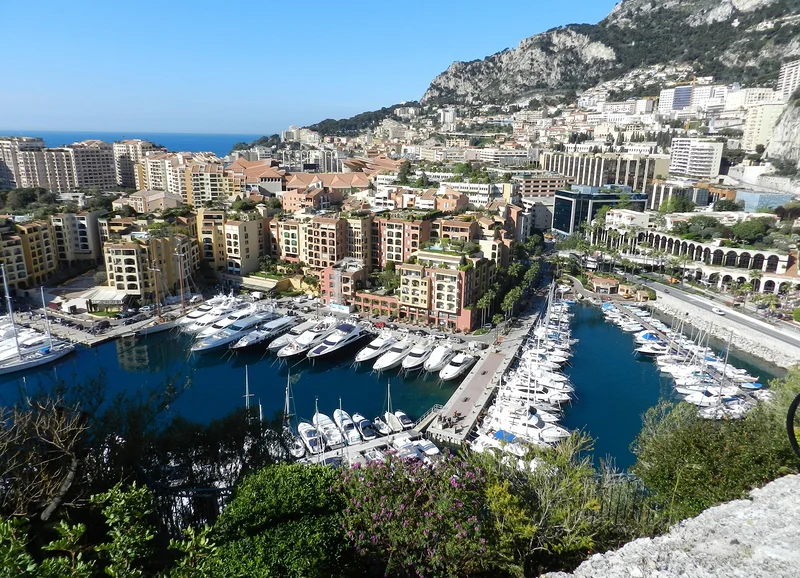


Monaco, the rock of dreams and excess
What does Monaco sound like? Is it the muffled thud of a Rolls-Royce door, the hum of international conversation at place du Casino, or the roar of a high-powered engine echoing through the famous tunnel? It is all of these things at once, a symphony of condensed luxury packed into two square kilometres, where every detail, from polished brass doorways to immaculate gardens, radiates an almost intimidating perfection.
Monaco, a luxury escape tailored for you?
The Principality is a destination unlike any other on earth, a waking dream for lovers of fine engineering, haute couture, Michelin-starred dining, and evenings where glamour is the baseline. If the thought of walking past yachts larger than houses and feeling the history of the Grimaldi family on every street corner appeals to you, you will be right at home here. It is an incredible playground for a romantic weekend or a getaway dedicated to the exceptional.
Let us be honest, this is not a destination for tight budgets. A simple café on a terrace can cost the price of a full meal elsewhere. If you shy away from density and ostentation and look for wide open natural spaces, you might feel a bit cramped. Monaco is an intense, vertical experience where the pace is fast and people come to see and be seen.
The heart of the experience: exploring a multi-faceted principality
Le Rocher (Monaco-Ville), the historic soul
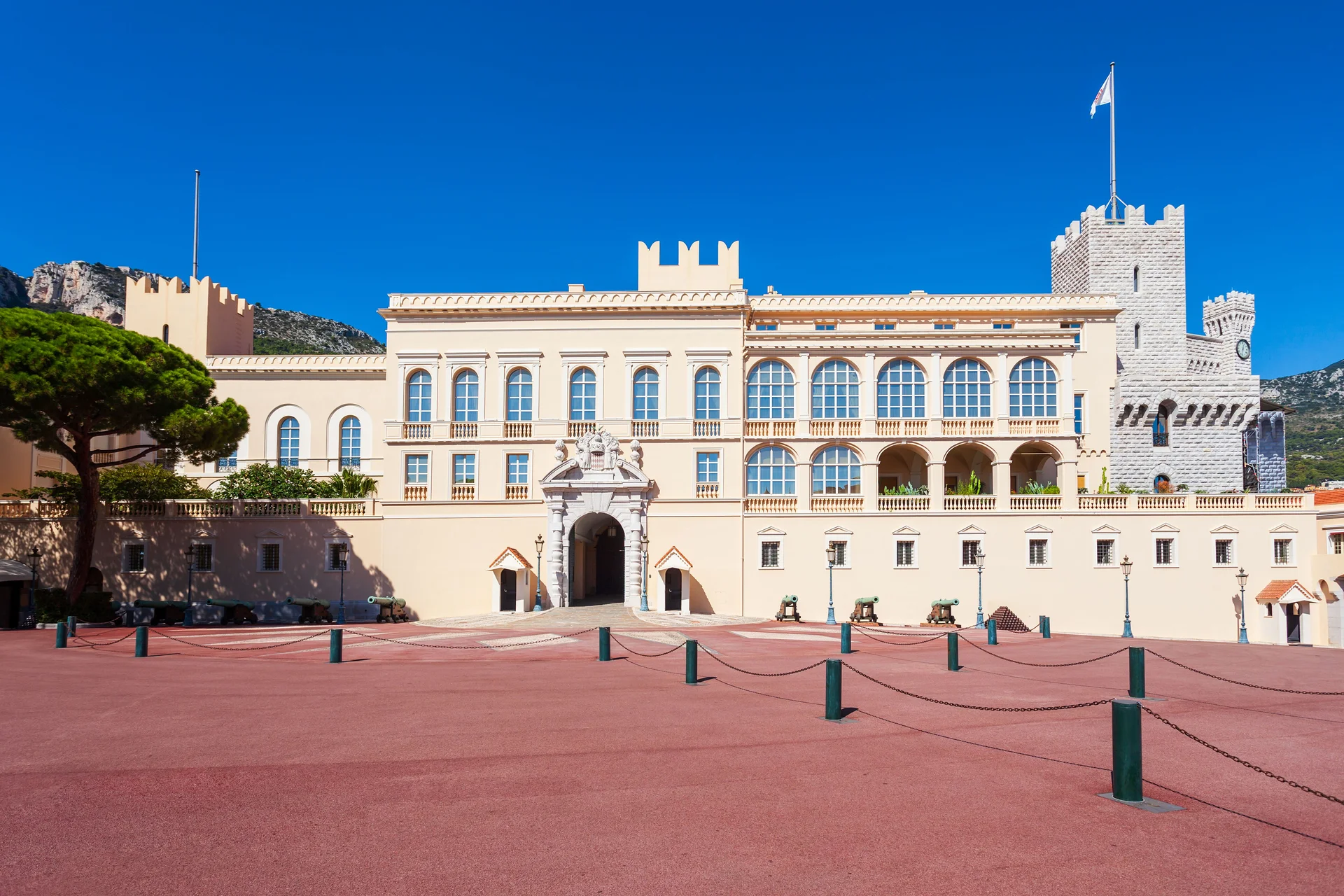
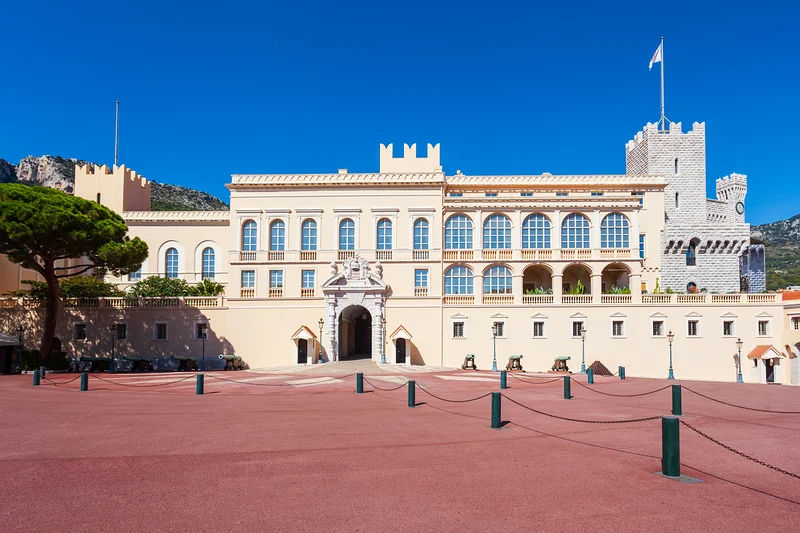
This is where it all started. Climbing up to this promontory leaves the hustle and bustle behind for a village of narrow, colorful streets. Place du Palais offers a striking panorama and the daily spectacle of the Changing of the Guard by the Compagnie des Carabiniers du Prince. This is also the domain of the Palais Princier, home to the Grimaldi family for over 700 years, with parts open to visitors during the season.
A short walk away, the Cathédrale de Monaco, an immaculate white Romano-Byzantine structure, holds the tombs of deceased princes, including Rainier III and Princess Grace. Finally, the Musée Océanographique, clinging directly to the cliffside, is remarkable. Founded by Prince Albert I, this temple of the sea pulls you into the deep with dramatic aquariums and a shark lagoon.
Friendly tip: the Changing of the Guard takes place every day at precisely 11:55 am. Arrive at least 20 minutes early to secure a good spot, especially in peak season when crowds get quite dense.
Monte-Carlo, the temple of glamour
The vibe shifts dramatically here. Monte-Carlo is the epicenter of luxury and gaming. Everything revolves around the legendary place du Casino, framed by the Hôtel de Paris, the Café de Paris, and of course the Casino de Monte-Carlo. Its Belle Époque architecture, designed by Charles Garnier, is as striking as the high-stakes games played inside.
Even if you do not plan on gambling, walking through the halls in the morning is well worth your time. The neighborhood is also a premier luxury shopping destination, lined with boutiques in the Carré d'Or. It is the ideal spot to grab a drink on a terrace and engage in some people watching, which is practically a local sport.
Friendly tip: proper attire is required to enter the casino (no shorts or flip-flops). Access to the atrium is free, but stepping into the gaming rooms requires a fee and a valid ID.
La Condamine and Port Hercule, the vibrant core
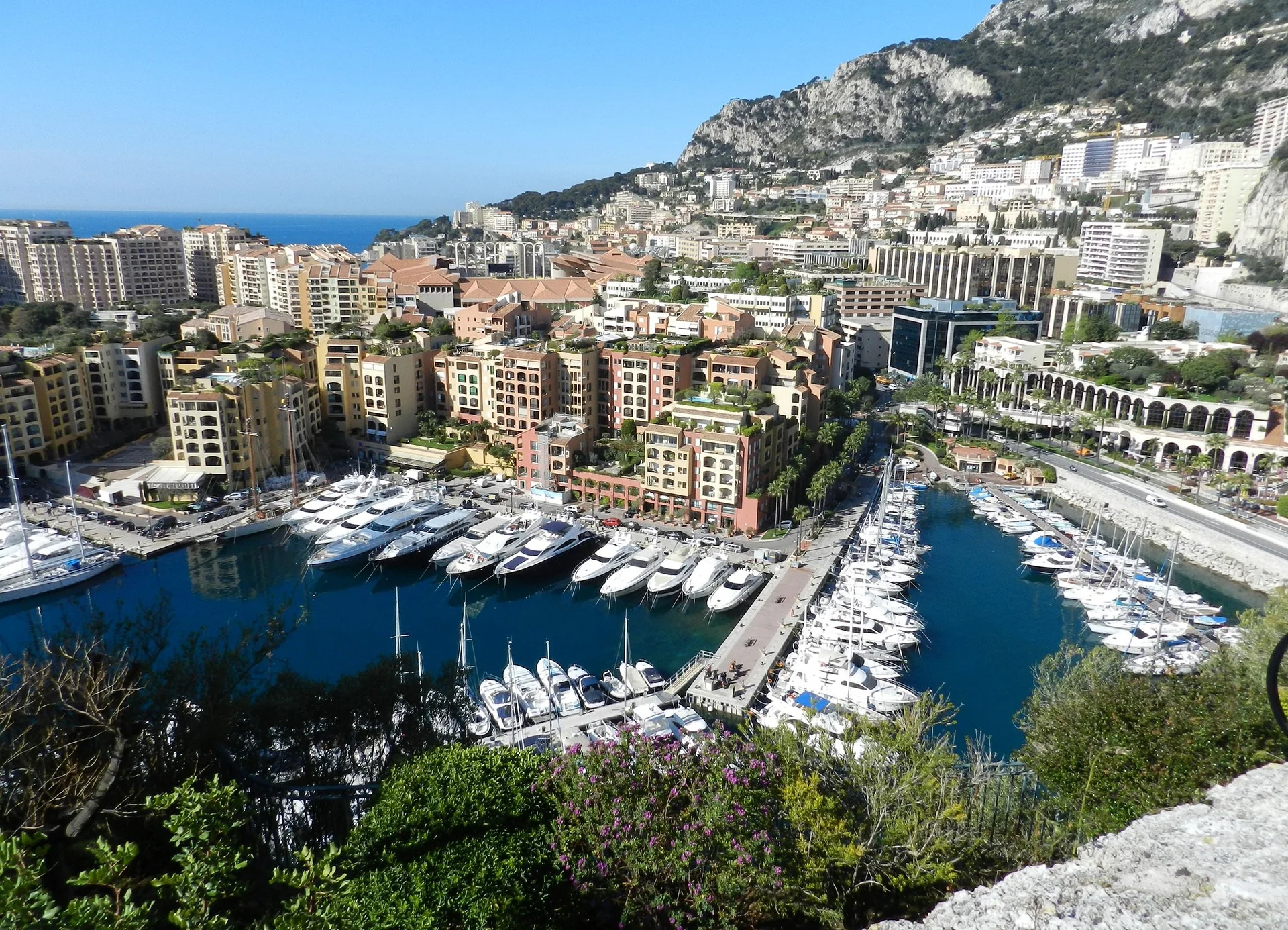
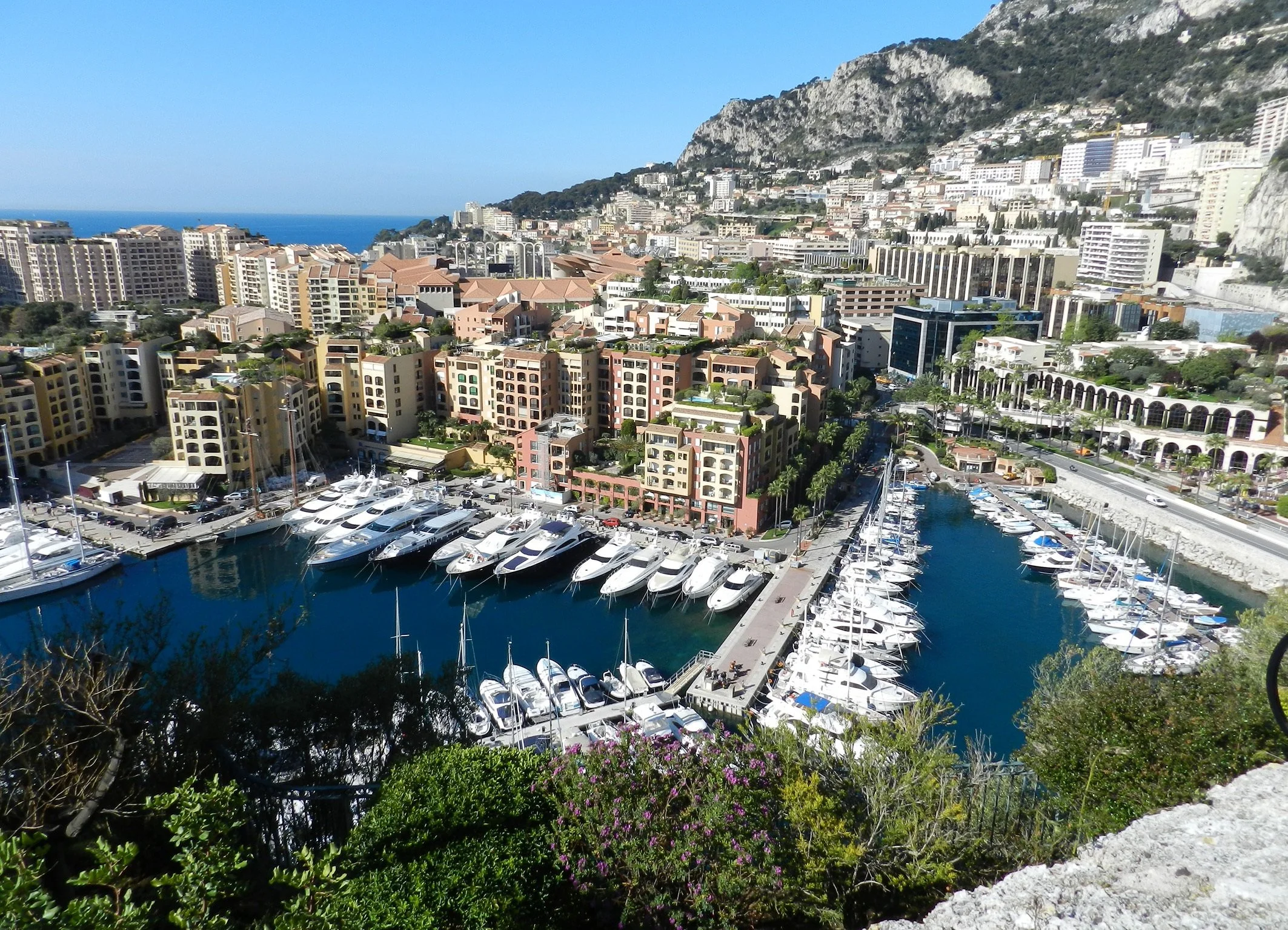
This is the more authentic side of the Principality. The Condamine district centers around Port Hercule, where mega-yachts rub shoulders with smaller local fishing boats. It makes for a pleasant stroll with constant views of the Rock.
Do not miss the Marché de la Condamine, a traditional Provençal market under a covered hall where you can grab a quick bite of local specialties at much lower prices than the rest of the city. It is the primary gathering spot for locals.
Suspended gardens and beaches
To escape the urban frenzy, Monaco offers some surprising pockets of greenery. The Jardin Exotique, perched high up, features thousands of succulent species and panoramic views. The Roseraie Princesse Grace in the Fontvieille district serves as a quiet sanctuary and a fragrant delight.
When it comes to swimming, the plage du Larvotto, which has been entirely redeveloped, serves as the principality's only public beach. It is a fine-gravel beach featuring both public zones and private beach clubs, perfect for cooling off.
Where to eat and drink in Monaco?
The culinary scene spans from simple bites to the wildly extravagant. The essential local specialty to try is the barbagiuan, a small fried pastry stuffed with Swiss chard, ricotta, onions, and rice. You can find excellent ones at the Condamine market. Otherwise, the city boasts multiple Michelin-starred restaurants, such as Louis XV - Alain Ducasse at the Hôtel de Paris, for an unforgettable fine dining experience.
Where to stay in and around Monaco?
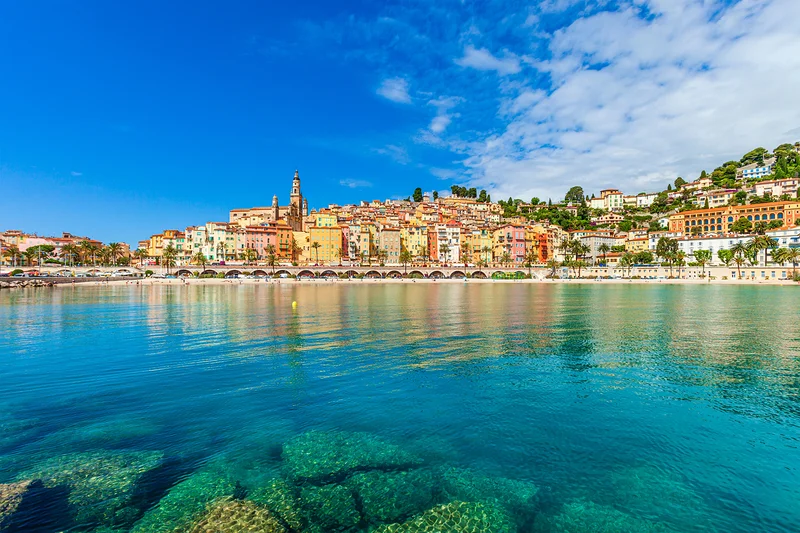
Staying directly in Monaco is a luxury. Hotels cluster around 4-star and 5-star properties, particularly in the Monte-Carlo district. For more reasonable rates, the best strategy is to stay in neighboring French towns like Beausoleil (situated directly up the stairways from Monaco), Cap-d'Ail, or Roquebrune-Cap-Martin. You can easily walk into the Principality or catch a bus for a quick ride.
How to get to and around Monaco?
The easiest approach is taking the train from Nice; the ride is short and scenic, and the Monaco station is carved directly into the cliff. Leave the car behind, as traffic is heavy and parking is scarce and expensive. The Principality is best explored on foot, but do not underestimate its steep terrain. Fortunately, an ingenious network of free public elevators and escalators makes getting between the city's different levels remarkably easy.
When to go?
Spring and early autumn (May, June, September, October) are ideal. The weather is pleasant, the light is stunning, and the crowds are less oppressive than in peak summer. Avoid the Monaco Grand Prix in late May unless that is the exact reason for your visit, as prices spike and getting around becomes nearly impossible.