Visiting Monaco: What to Expect from the World's Second-Smallest Country
A Sovereign State Built on Elegance
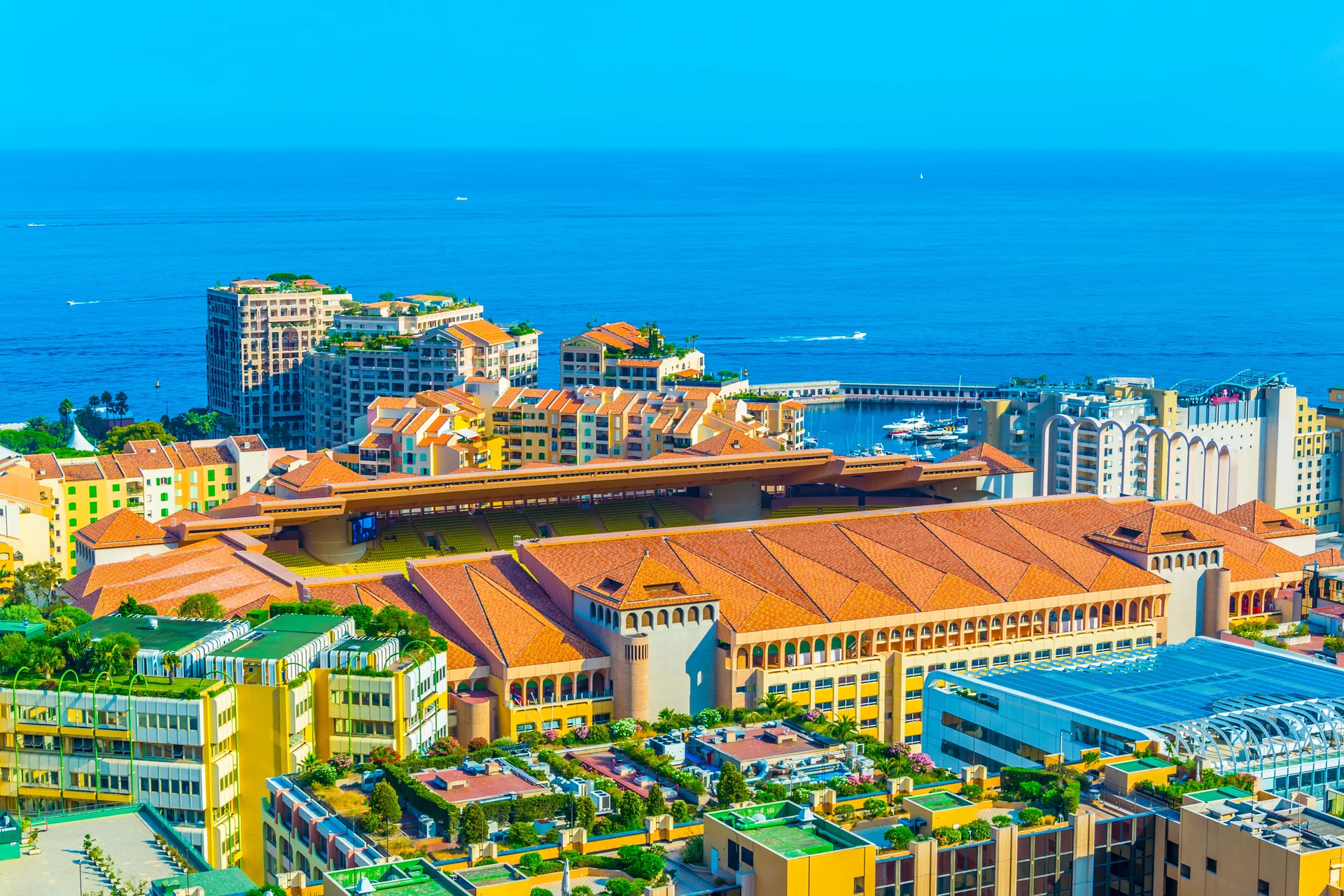
Monaco covers just 0.78 square miles of Mediterranean coastline squeezed between France and Italy, making it smaller than Central Park. That stat alone tells you something: everything here is compressed, concentrated, and deliberately over the top. This is a sovereign principality, not a French city or an Italian resort town, and it operates on its own terms. The Grimaldi royal family has ruled Monaco for over 700 years, which gives the place a sense of continuity that most purpose-built luxury destinations can't fake.
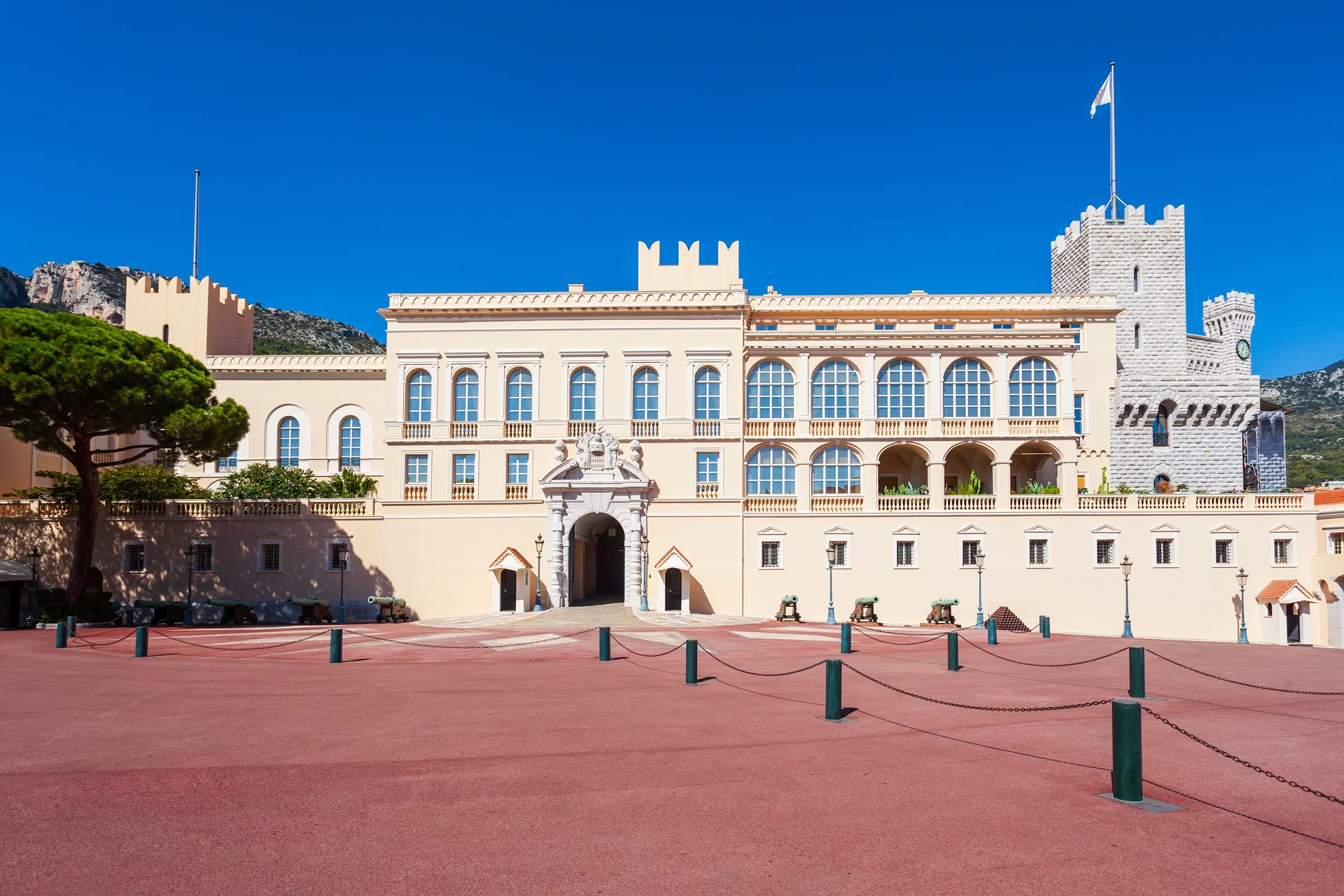
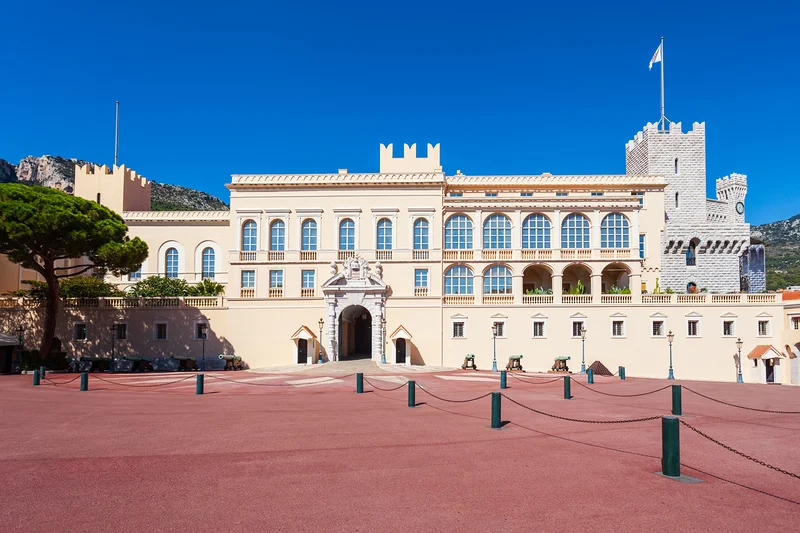
The Prince's Palace, the Grimaldis' official residence, sits on a rocky promontory called Le Rocher with sweeping views over the Mediterranean. Every day at noon, the changing of the guard takes place outside the palace gates, a short but genuinely old-world ceremony worth catching if you're in the area. Parts of the palace are open to the public, including the State Apartments, which give you a sense of how European royalty actually lived across the centuries.
The Highlights Worth Your Time
The Monte-Carlo Casino is the one everyone knows, and it earns its reputation. Designed by Charles Garnier, the same architect behind the Paris Opera House, it's a Belle Époque landmark surrounded by manicured gardens and fountains. You don't have to gamble to appreciate it. The architecture alone justifies a visit, and the Mediterranean light in the late afternoon hits the gilded details in a way that's genuinely hard to photograph well.
The Monte-Carlo neighborhood around the casino is where you'll find the serious luxury shopping. The Carré d'Or (Golden Square) is Monaco's answer to Rodeo Drive, with Chanel, Hermès, and Cartier within a short walk of each other. After a few hours of window shopping or the real thing, the Café de Paris right on Casino Square is a solid stop for a pastry or a cocktail while you watch the parade of supercars and well-dressed Europeans go by.
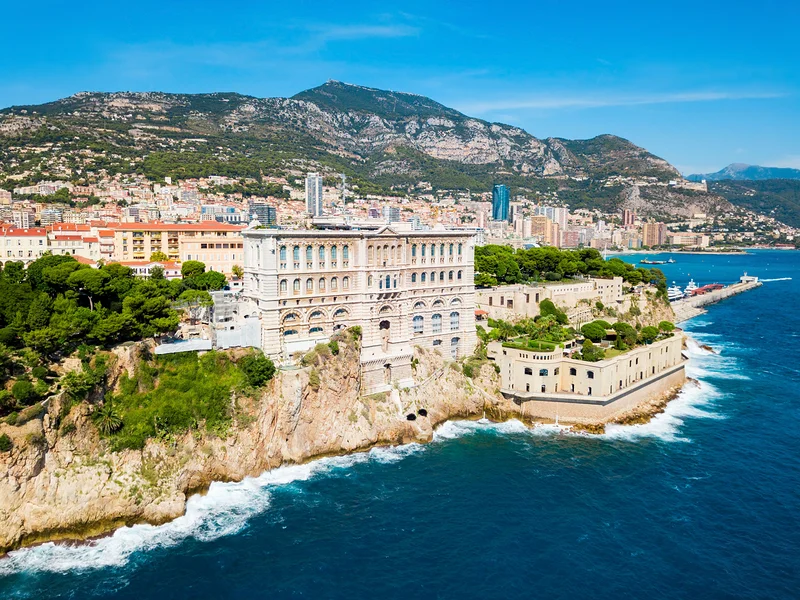
The Oceanographic Museum is one of Monaco's genuinely underrated stops. Perched on the cliff face above the sea, it was once directed by Jacques-Yves Cousteau, the French oceanographer who helped make underwater exploration mainstream. The museum has been around for over a century and houses an impressive collection of marine specimens alongside a serious aquarium with rare fish and coral species. The building itself, hanging over the Mediterranean, is a research institution with real scientific credibility, not just a tourist attraction dressed up as one.
The Outdoors and the Events
Monaco is almost entirely urban, but the Jardin Exotique offers a genuine change of pace. The garden sits on a steep hillside and is planted with an extensive collection of succulents and rare cacti from around the world. The views down to the sea are excellent, and there's a prehistoric cave on the grounds accessible by guided tour, which gives some geological context to the limestone cliffs the principality is built on.
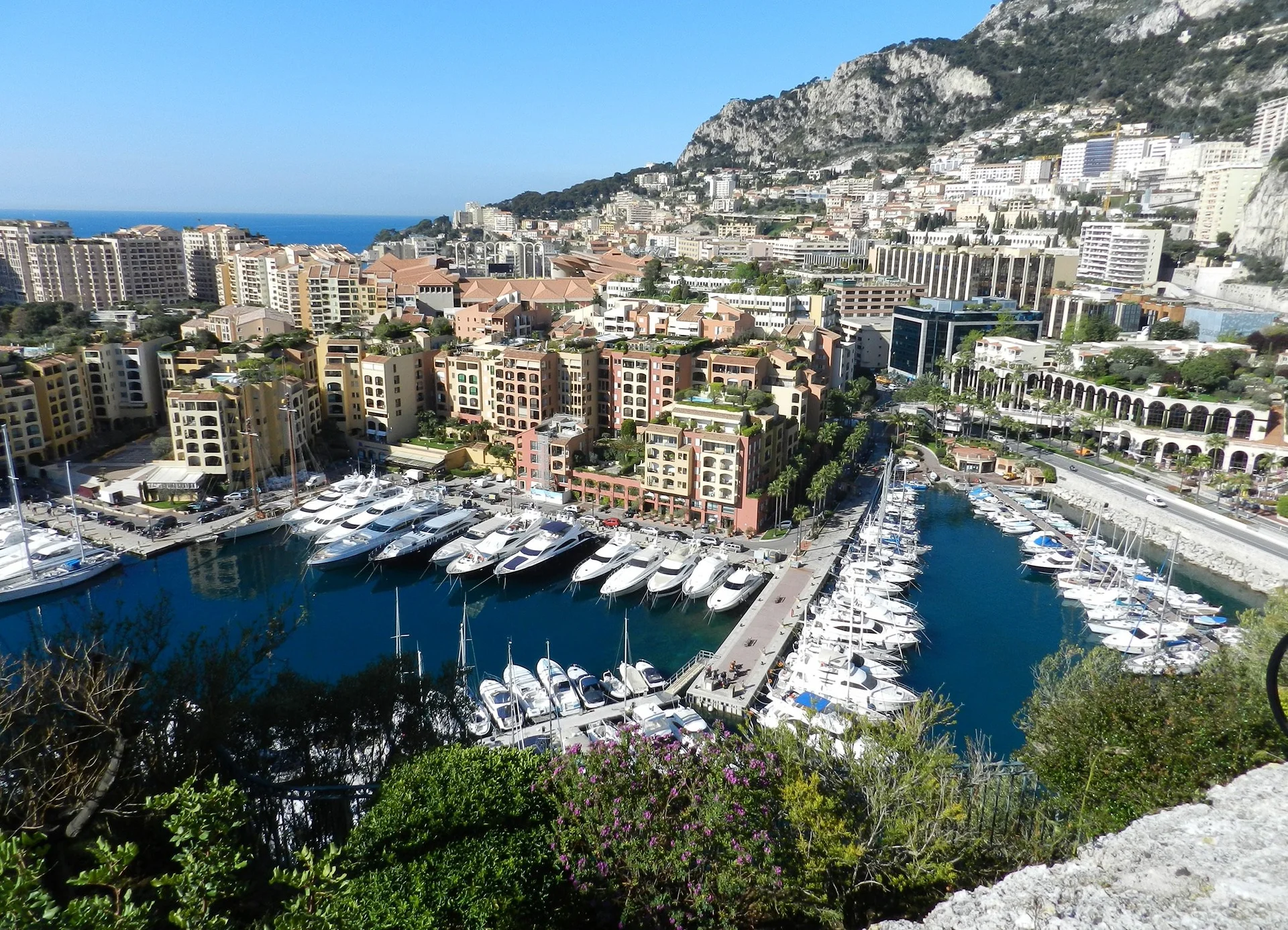
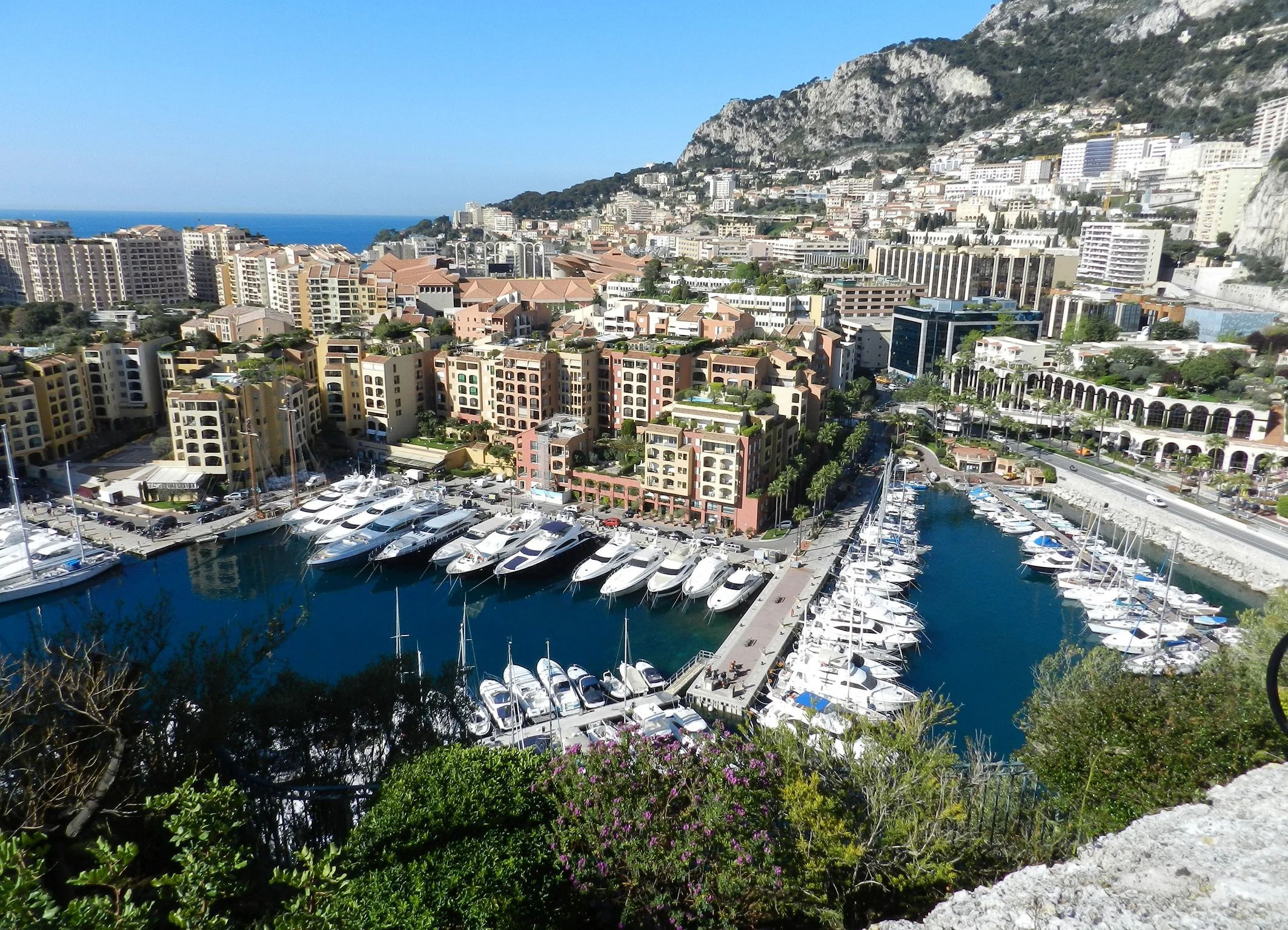
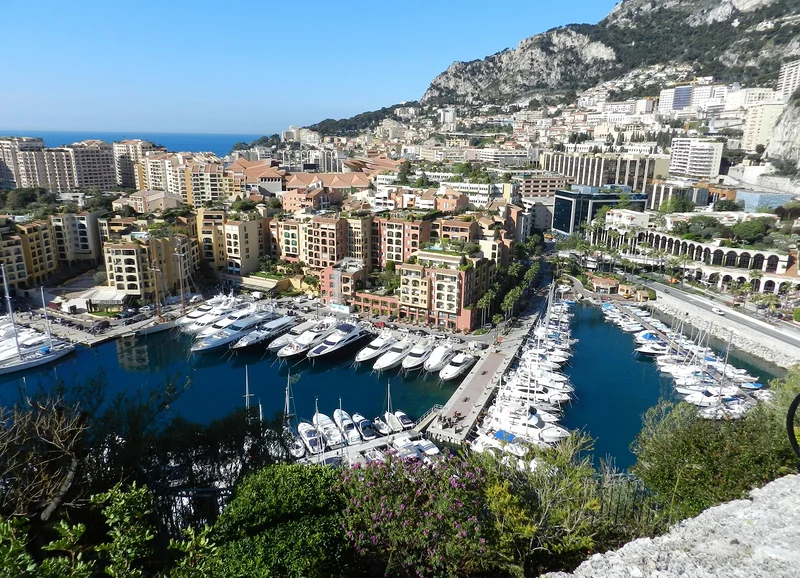
If you're a motorsports fan, the Monaco Formula 1 Grand Prix in May is one of the most iconic races on the F1 calendar. The city's actual streets become the circuit, which makes it unlike any other race venue in the world. Tickets and accommodation book out far in advance, so plan accordingly. Year-round, Port Hercule, Monaco's main harbor, is where some of the most impressive private yachts in the world tie up. You can also arrange sailing and jet-skiing from here if you'd rather be on the water than looking at it.
Monaco packs an unlikely amount into less than a square mile: royal history, serious architecture, Mediterranean scenery, and a level of luxury that's matter-of-fact rather than performative. It's worth at least a full day, and if you're already on the French or Italian Riviera, it's an easy add-on that genuinely feels like its own world.