
Visiting Nice: between the deep blue and the hum of city life
The sharp clatter of pebbles shifting under the tide, the scent of espresso drifting from a zinc bar counter, and the rise and fall of voices in a sun-drenched market: this is the welcome Nice serves up. Here, the Mediterranean is not just a backdrop. It is a constant presence, a rhythmic pulse that colors every street, every terrace, and every promenade.
Who is Nice for, really?
If you gravitate toward southern energy, lived-in alleyways, and the marriage of culture and the dolce vita, this destination will win you over. Museum lovers, foodies, and those who enjoy sun-soaked urban strolls will find plenty to do. Families will appreciate having the sea within arm’s reach and the green spaces tucked throughout the city.
On the flip side, those seeking absolute silence or raw wilderness might find the city too high-octane, especially in the summer. The cost of living is higher than in many other parts of France, and having a car can quickly become a liability due to heavy traffic and limited parking.
The Promenade des Anglais and the Baie des Anges
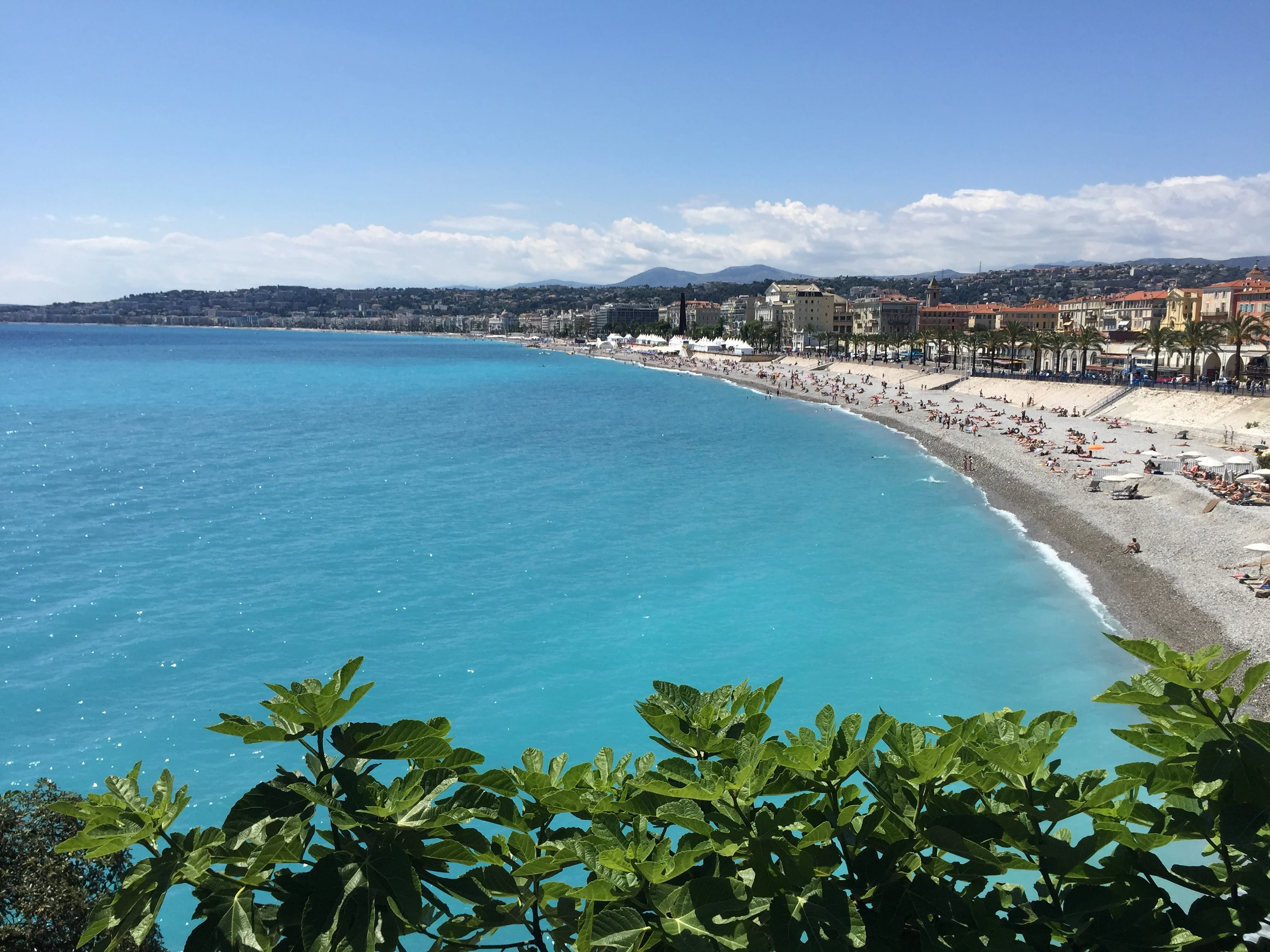
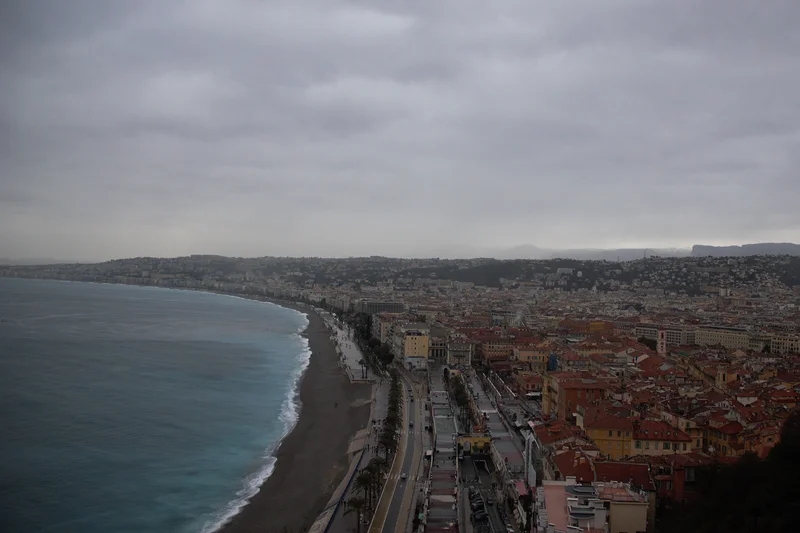
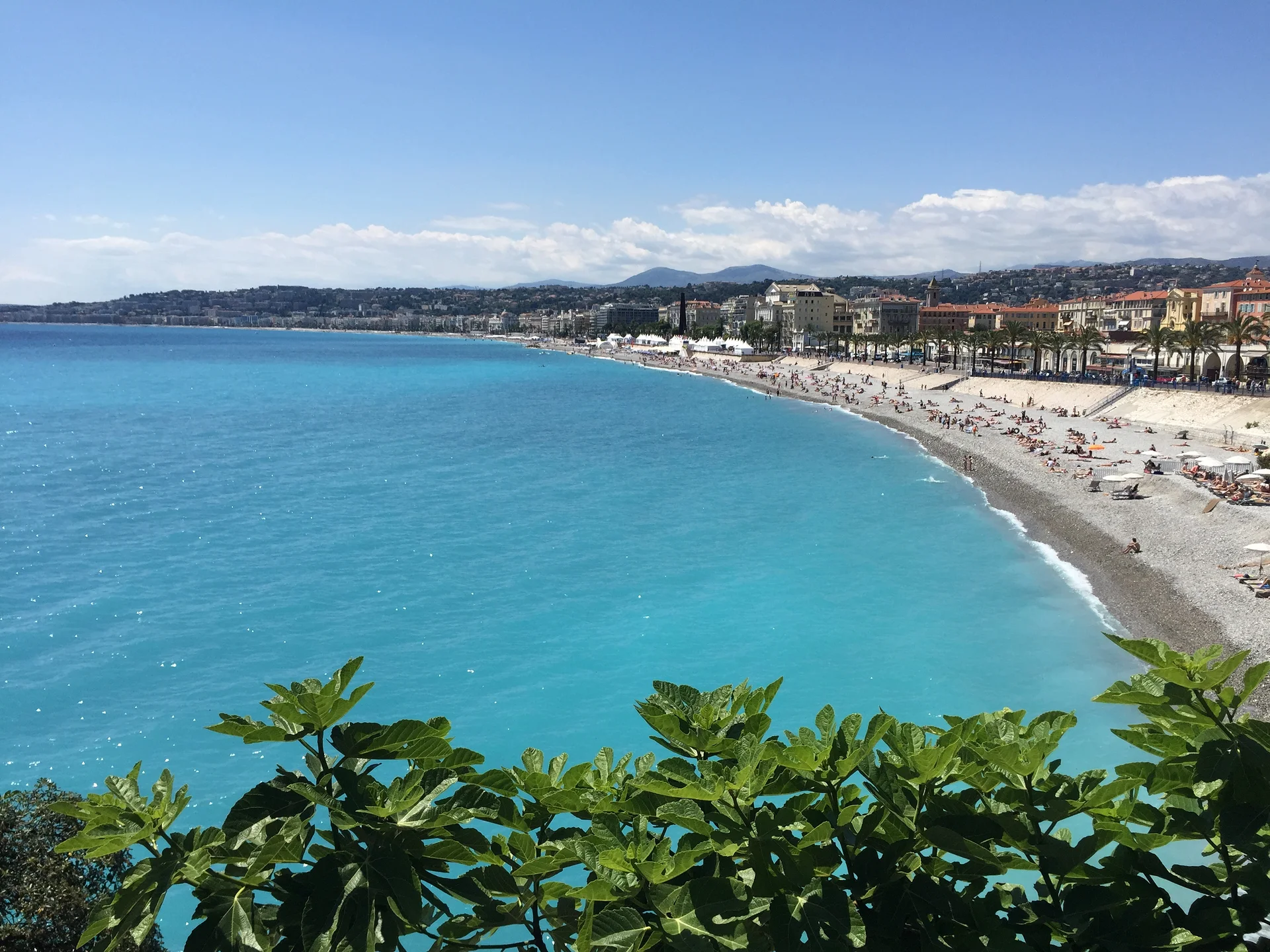
You cannot miss it: the long Promenade des Anglais stretches for miles along the turquoise sea. Morning joggers, families on bikes, and evening strollers cross paths here in a relaxed rhythm. The pebble beaches, whether public or private, draw those looking to dive straight into the Mediterranean.
The panorama of the Baie des Anges is worth a look at any hour, but the sunset light is particularly striking, washing the horizon in shades of orange and pink.
Friendly tip: Rent a city bike early in the morning to enjoy the Promenade when it is nearly empty and to breathe in the crisp, cool sea air.
Vieux-Nice and its flavors
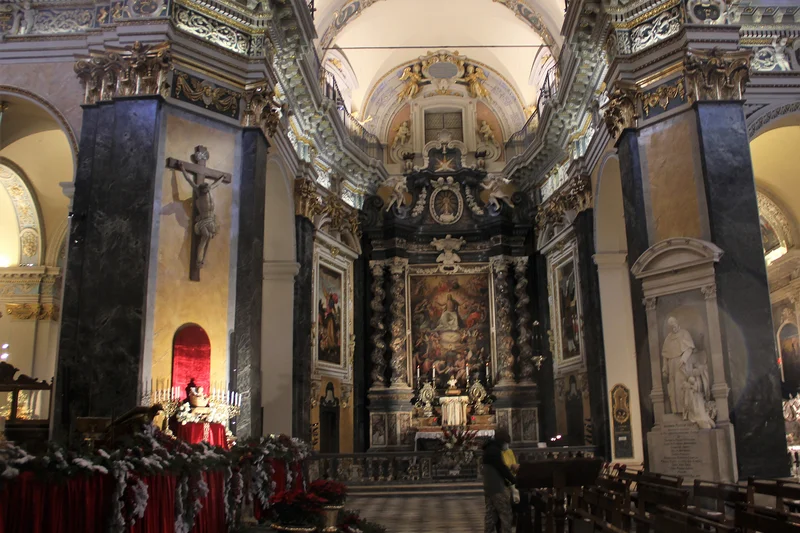
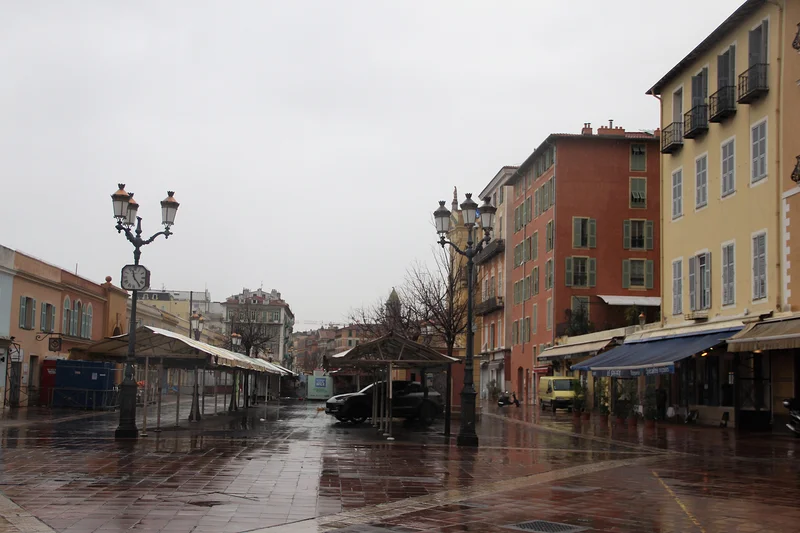
The narrow lanes of Vieux-Nice (Old Nice) offer a backdrop of ochre facades and colorful signs. Between the arches, you will find baroque churches, artisan galleries, and markets where the scents of herbs and flowers hang heavy in the air. The cours Saleya, with its daily market, is the best place to sample local ingredients.
There is no shortage of local specialties. From socca (a chickpea pancake) to pissaladière (an onion and anchovy tart), every stall invites a snack break. You will find the atmosphere typical of Mediterranean cities: loud, joyful, and warm.
Friendly tip: Hit the market early, before the crowds arrive, to talk to the producers and grab a piece of socca while it is still piping hot.
The Port district and a bohemian vibe
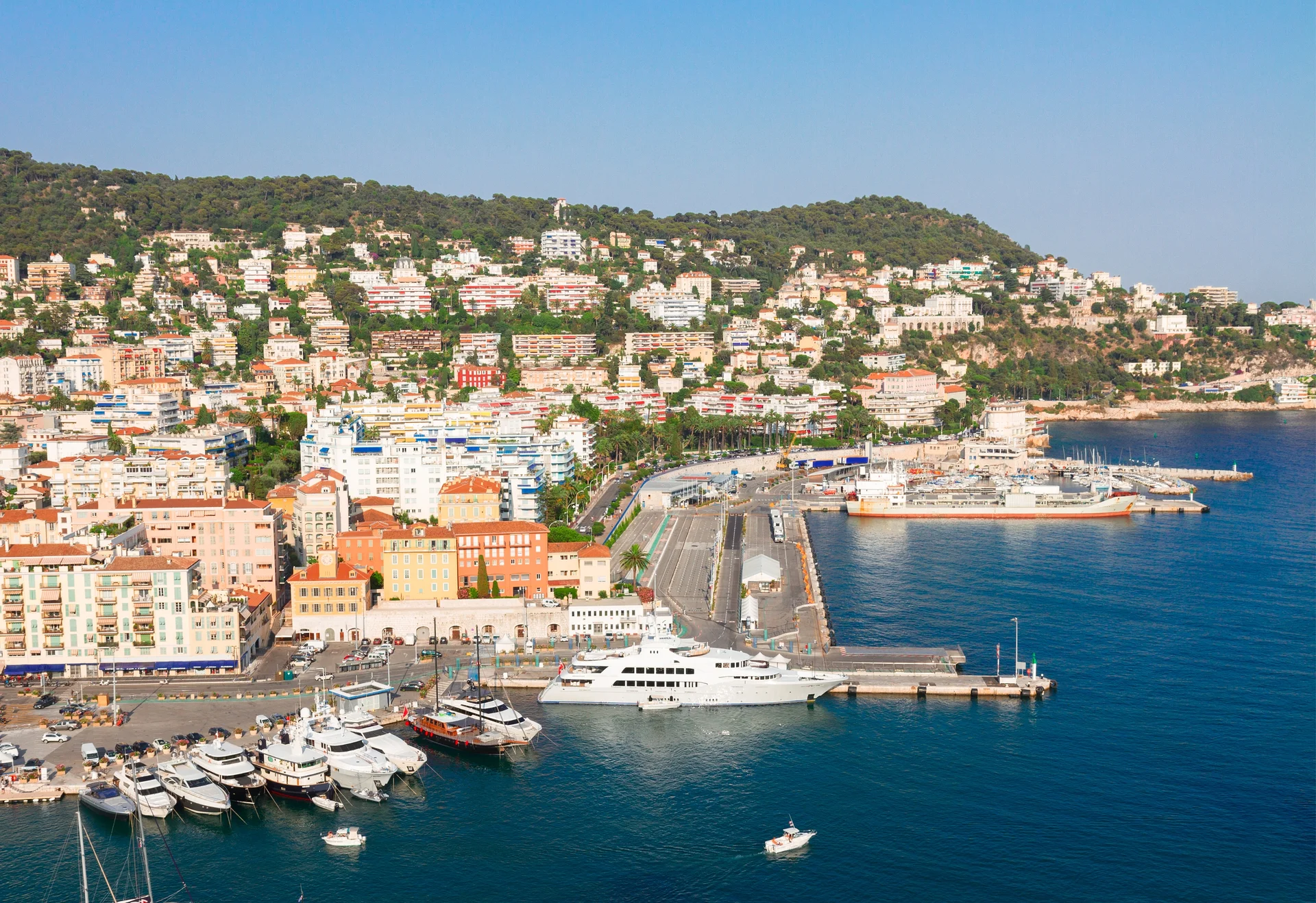
The port Lympia surprises with its red and yellow facades framing a marina full of contrasts, where gleaming yachts sit side-by-side with traditional wooden boats. It is the perfect spot for an afternoon walk before grabbing a seat at a bistro specializing in fresh seafood.
In the surrounding streets, the mood is more bohemian and alternative, featuring vintage shops, contemporary art galleries, and cafes buzzing with an eclectic crowd.
Friendly tip: Hike up to Mont Boron on foot or take the bus for a spectacular view over the port and the bay.
Hills and museums: a different side of the city
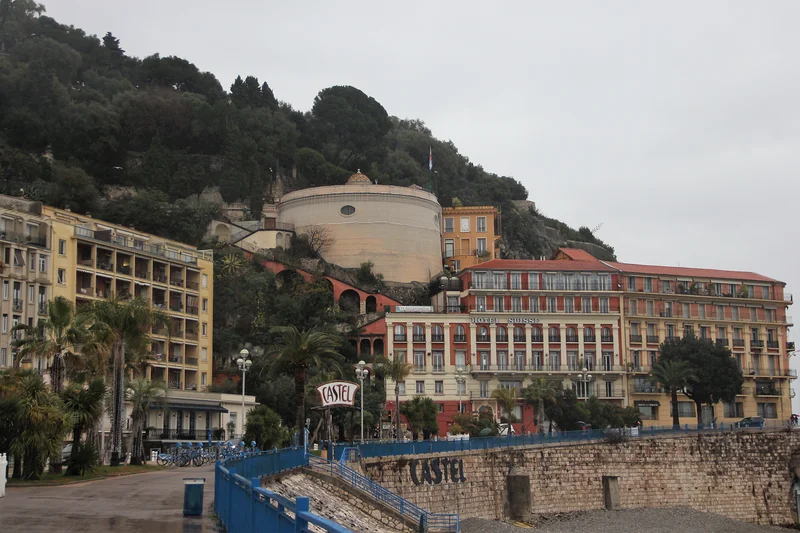
As you climb toward the colline du Château (Castle Hill), you almost forget the city's frenetic pace. There is no castle to see, but there is a lush park and an exceptional panorama over the sea and the red rooftops of Vieux-Nice. It is an ideal spot for a quiet picnic.
On the cultural front, the museums dedicated to Matisse and Chagall testify to the bond between the city and the great artists who made it their home, drawn by the incomparable light of the Côte d'Azur.
Friendly tip: Aim for the late afternoon on the colline du Château. You will find fewer crowds, golden light, and better photo opportunities.
Where to eat and drink in Nice?
Food here is a feast for the senses. Try a salade niçoise in a small canteen in Vieux-Nice, bite into a pan bagnat (a tuna and vegetable sandwich on crusty bread) picked up at the market, and finish with a scoop of artisan violet-scented ice cream on place Rossetti. Local cellars also offer a chance to discover wines from the hills of Bellet, which are rare and surprising.
How to get around Nice?
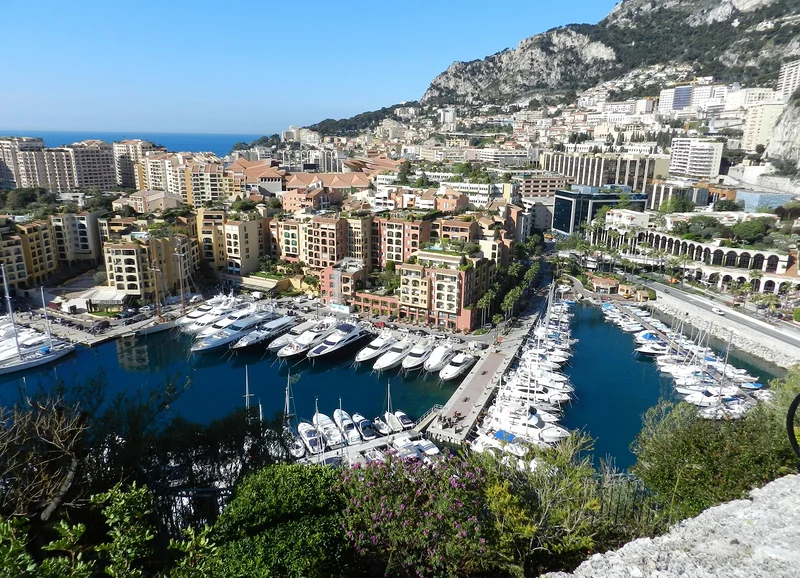
The airport is connected directly to the city center by tram, which is convenient for avoiding taxis. The train station provides easy access to nearby towns like Cannes or Monaco. Within the city, the tram and bus network is efficient, but walking remains the best way to discover the neighborhoods. A car quickly becomes a burden, especially during the high season.
When to go?
Spring and fall are ideal, offering generous sun, mild temperatures, and moderate crowds. Summer is alluring for its festive atmosphere, but the heat and the crush of people can be draining. In February, the colorful carnival brings the streets to life and adds another dimension to the trip.
La ville et Nice, et son Maire, un modèle d'ouverture... Faut pas exagérer ;)