
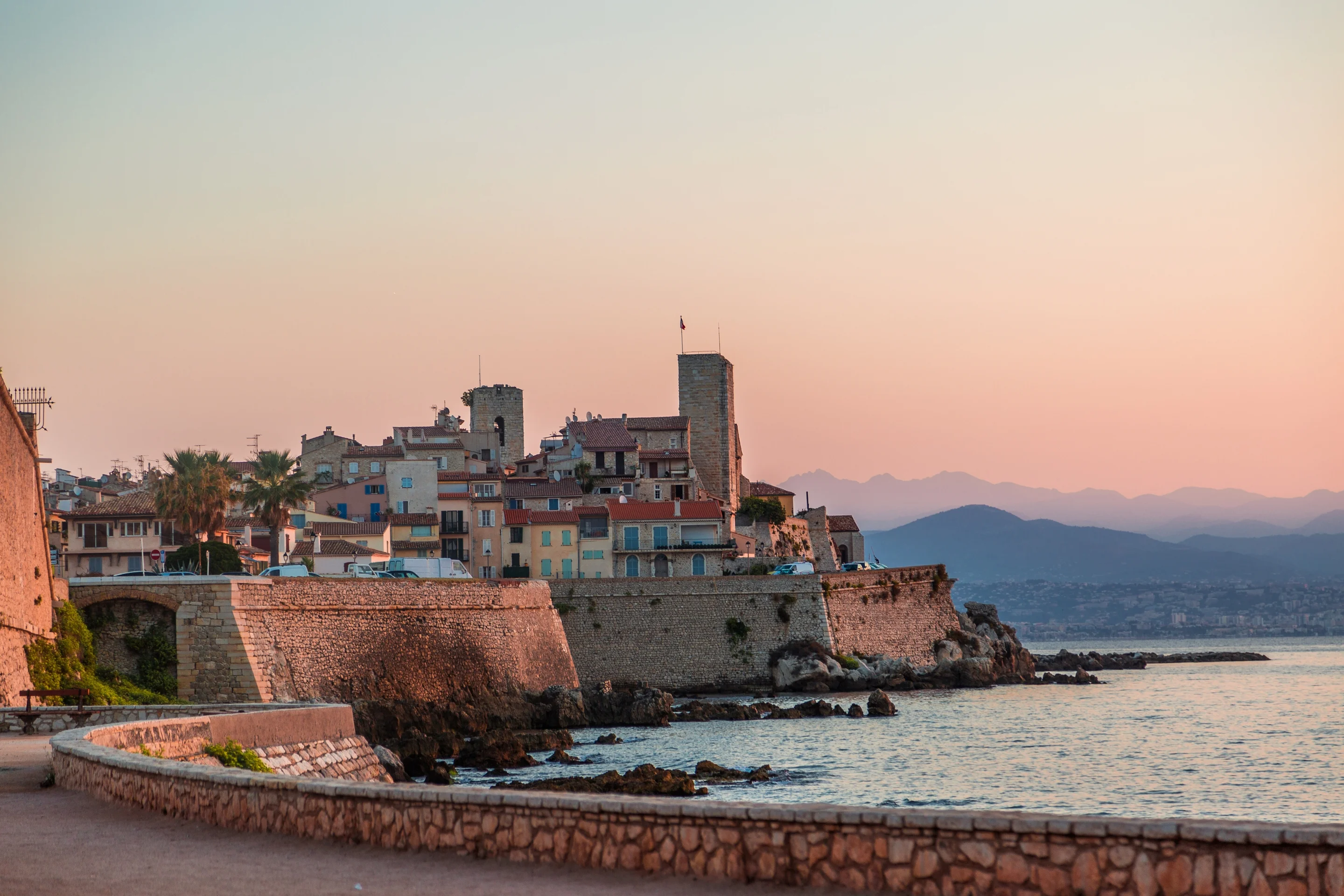
Antibes: The Riviera Without the Gloss
It is 7:00 in the morning, and the low Mediterranean sunlight hits the ochre ramparts of the old town. On the cours Masséna, market vendors are unloading crates of ribbed tomatoes while Denis the fisherman lays out his red mullet on crushed ice. The smell of coffee mixes with fresh basil.
Picasso knew this scene well. He spent six months here in 1946, so obsessed with the place that he set up his studio in the château Grimaldi. To this day, this small fortified town between Nice and Cannes keeps what its flashy neighbors often lack: a local daily life that does not shut down when the tourists leave.
A Destination for Those Who Want to Experience the French Riviera, Not Just Visit It
If you are dreaming of red carpets and luxury boutiques, Cannes is fifteen minutes away. If you are looking for a seaside Provençal town where locals still do their grocery shopping at the market, where you run into yacht crews at the bars in the evening, and where medieval alleys lead down to turquoise coves, you are in the right spot. Families will appreciate the sandy beaches within walking distance of downtown. Hikers have the coastal path around the Cape. Art lovers will find what they are looking for at the musée Picasso.
On the flip side, anyone who hates summer crowds should skip July and August, when the old town gets tough to navigate. If you plan to explore just the Cap d'Antibes, keep in mind that you will need a local bus to reach the coastal paths from downtown.
A Manageable Budget for the Riviera
Expect to pay between $90 and $169* a night for a decent hotel, $17 to $29* for a restaurant meal, and $6.80 to $9* for a regional train ride to Nice or Cannes. The Provençal market makes it easy to put together an exceptional picnic on the cheap.
Old Antibes: Alleys, Ramparts, and Neighborhood Life
The beating heart of the city sits inside a compact grid of cobblestone streets wrapped in fortifications. The cathédrale Notre-Dame and its frescoes are worth a stop, but the tiny chapelle Saint-Bernardin on rue du Docteur Rostan is the real surprise with its starry ceiling and trompe-l'œil details. Guidebooks almost never mention it.
The Safranier neighborhood, reached by a stairway from the ramparts, forms a tiny enclave of flower-filled houses. This pocket of town has its own symbolic mayor and hosts neighborhood block parties. Two alleys not to miss are rue du Haut Castelet and rue du Bas Castelet. The old washhouse under the ramparts at La Laverie provides a shaded bench for a breather.
Friendly tip: To dodge the morning rush at the Provençal market, show up before 9:00 AM. Stalls start packing up around 11:30 AM. A solid strategy is to arrive around 8:00 AM, do your shopping, and grab an outdoor table to watch the procession of wicker baskets.
Cap d'Antibes: Wild Trails and Secret Coves
This wooded peninsula holds billionaire villas and some of the finest beaches in the region. The sentier du Littoral, also called the smugglers' path, hugs the rocky coast for about 5 kilometers. Plan for two hours of easy walking, though you will encounter a few uneven rock scrambles. The trailhead starts near plage de la Garoupe.
At the far end of the trail, the Baie des Milliardaires lives up to its name, with superyachts regularly dropping anchor offshore. This crystal-clear cove remains accessible on foot via a small path from Hôtel Beau Site. There are no facilities on-site, so pack water, towels, and snacks.
Less known, the Anse de l'Argent Faux requires a rugged dirt track to reach. The rock formations create a genuine sense of isolation, making it prime territory for snorkeling.
Friendly tip: The Villa Eilenroc and its nine-hectare gardens are open to the public on limited days. Check the schedule before heading over. The detour is worth it for the rose gardens and centuries-old olive trees.
Juan-les-Pins: The Other Side of Antibes
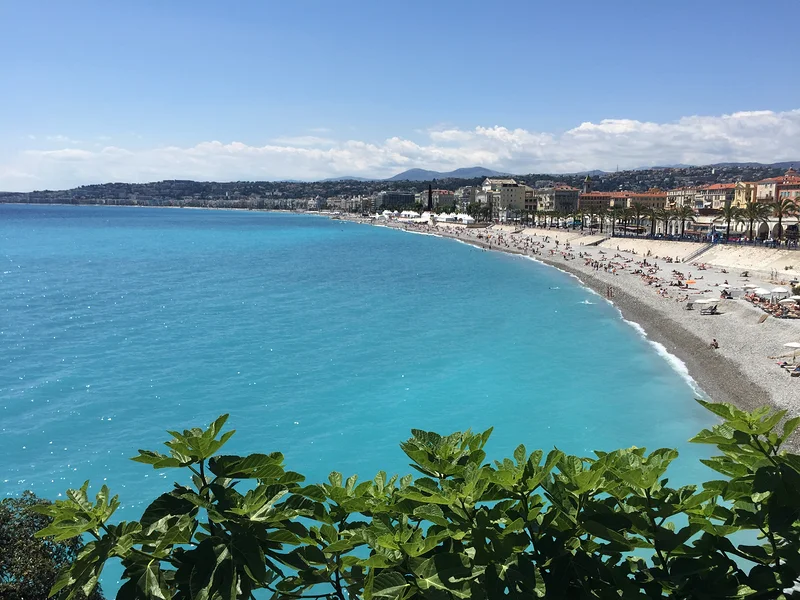
A resort town attached to the municipality, Juan-les-Pins delivers a totally different vibe. Bars, clubs, and private beach clubs set a high-energy tone, especially in July during the Jazz à Juan festival. Fine sand beaches line the bay, backed by restaurants with rows of loungers.
For free access to the sea, plage de la Gravette right beneath the old town ramparts is the most practical choice. Plage du Ponteil and plage de la Salis give you more room to breathe, paired with views of the Esterel mountains.
Port Vauban and Fort Carré
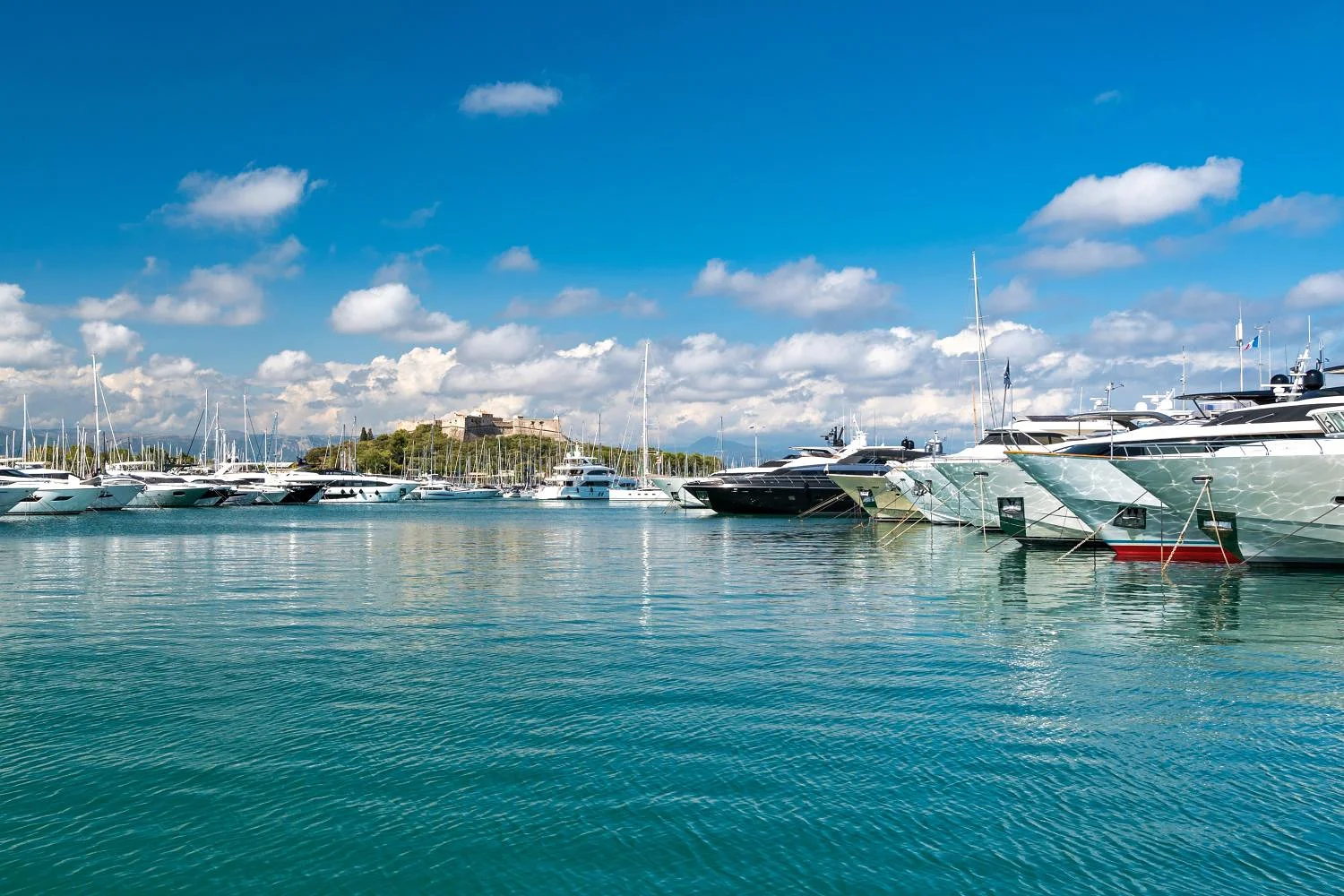
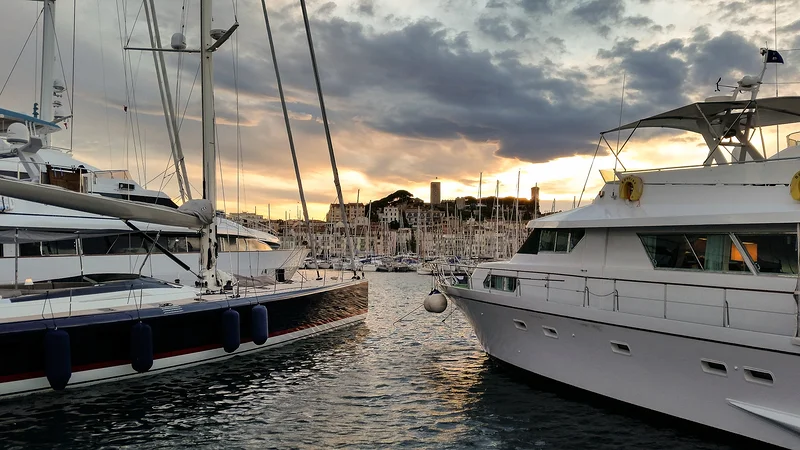
As the largest marina in the Mediterranean, port Vauban welcomes yachts stretching past a hundred meters. Walking the docks lets you gawk at these floating mansions. The Le Nomade sculpture by Jaume Plensa, eight meters tall and built from interlocking steel letters, marks the harbor entrance.
Up on the hill across the way, Fort Carré dates back to the Renaissance. Going inside is optional, but the path looping around the outer walls delivers a 360-degree panorama over the bay and the old town.
Where to Eat and Drink in Antibes
The food scene mixes Provençal traditions with Italian influences. Socca, a wood-fired chickpea flour pancake, is best eaten at the covered market. The pan bagnat, a round tuna and raw vegetable sandwich soaked in olive oil, is the ultimate beach lunch.
L'Atelier des Gourmands serves French-Thai fusion on a sunny patio. Their cilantro beef tartare splits opinions, but the raclette burger is universally loved. Mains run $17 to $23*. La Trattoria, slightly off the tourist track, dishes out pasta that rivals what you get in Liguria. For a memorable drink, the piano bar La Blue Lady hides inside a vaulted cellar entered through an unassuming door down an alley. Think jazz tunes, hats pinned to the wall, and the feeling that you are in on a local secret.
For fine dining, Le Figuier de Saint-Esprit and Les Pêcheurs at the Cap d'Antibes Beach Hotel put a modern spin on Mediterranean cuisine. Reservations are mandatory, and the bill will be steep.
Getting There and Around
Nice Côte d'Azur Airport sits 13 kilometers away. The TER commuter train connects the airport to Antibes station in 15 to 20 minutes for around $6.80*. Trains run every twenty minutes. From the station, plan for a ten-minute walk into the old town.
Taking the TGV high-speed train from Paris takes about 5 hours direct. From Lyon, count on 3.5 hours. Rail connections coming from Italy run through Ventimiglia.
Once you arrive, the historic center is strictly pedestrian. For the Cap d'Antibes, catching a local bus or renting a bike is essential. Parking in town gets tough and expensive in the summer, so the Port Vauban garage or Pré-des-Pêcheurs lot are your best bets.
When to go
May, June, and September hit the sweet spot: mild temperatures, swimmable water, and manageable crowds. July and August guarantee sunshine, but bring heavy crowds and higher prices. Winter is pleasant for wandering through a nearly empty old town with snow-dusted Alps framing the background. The Jazz à Juan festival in July draws music fans from all over the world.
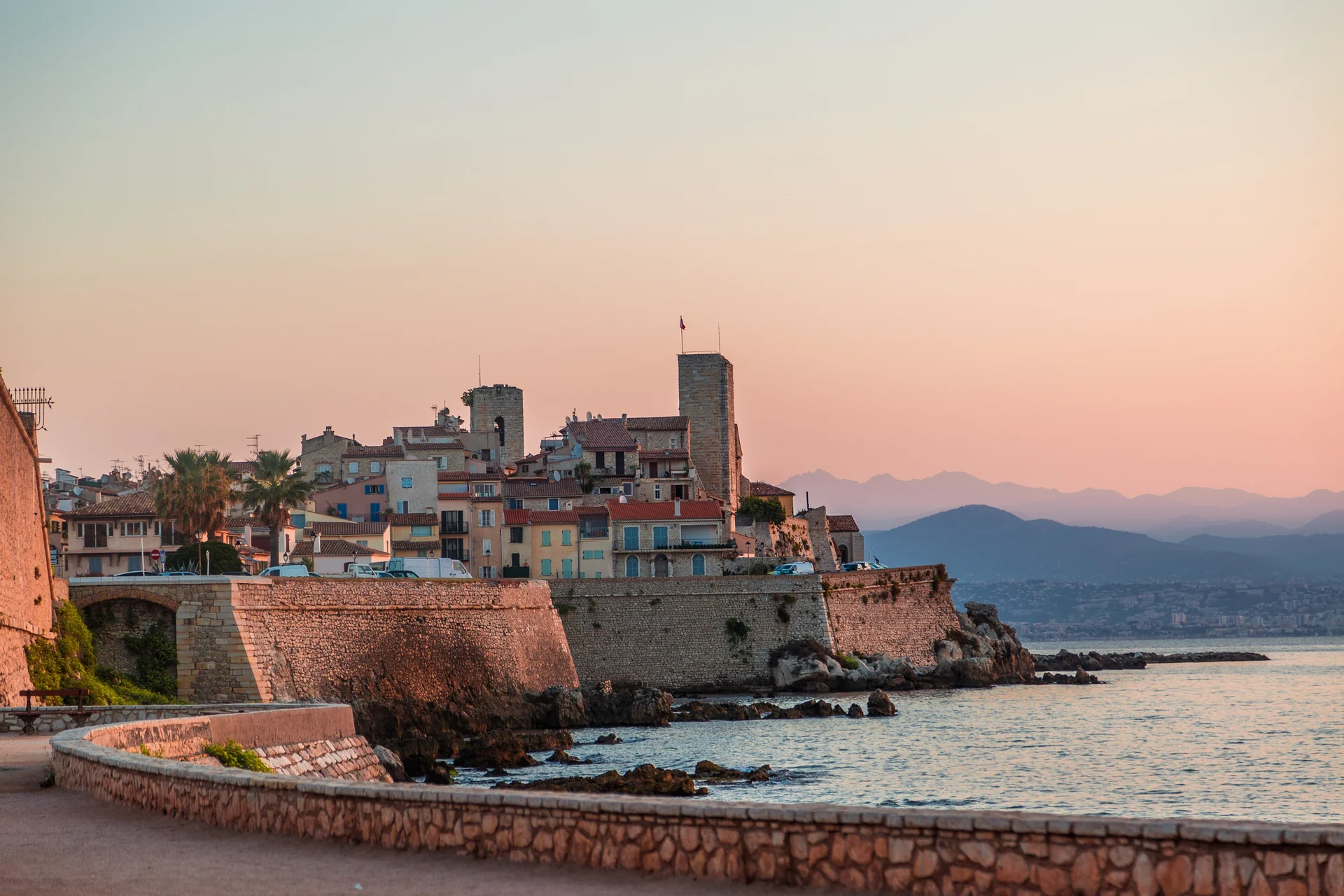
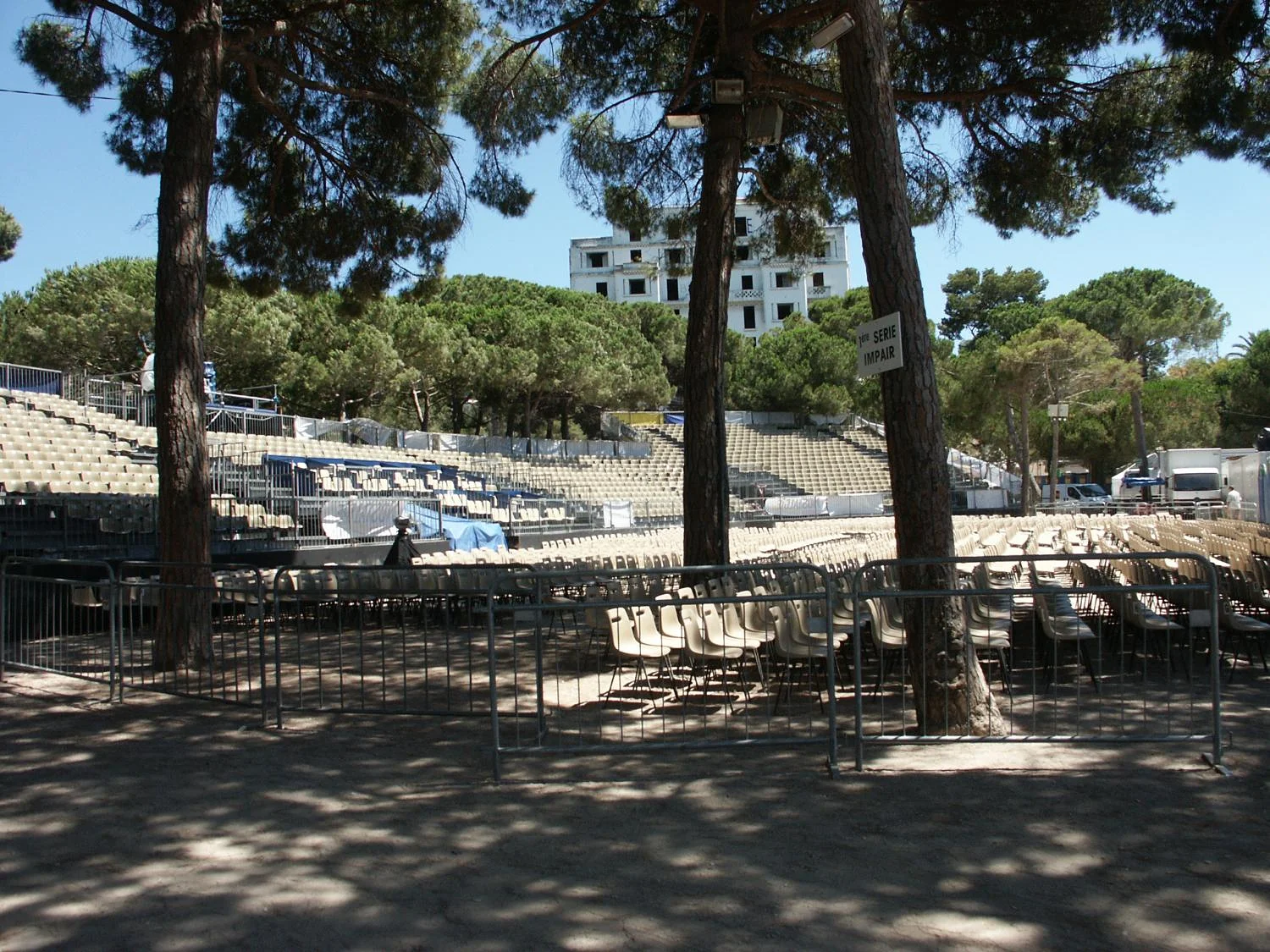
I agree with the previous reviews! Antibes offers a destination that is calmer and more authentic, perfect for really feeling the art of living in the South. It is lively without being stifling. A beautiful market, a beautiful port... Perfect for relaxing and taking a stroll! The Cap d’Antibes also offers superb walks and Mediterranean landscapes, with the beautiful Garoupe lighthouse!