Visiting the French Riviera
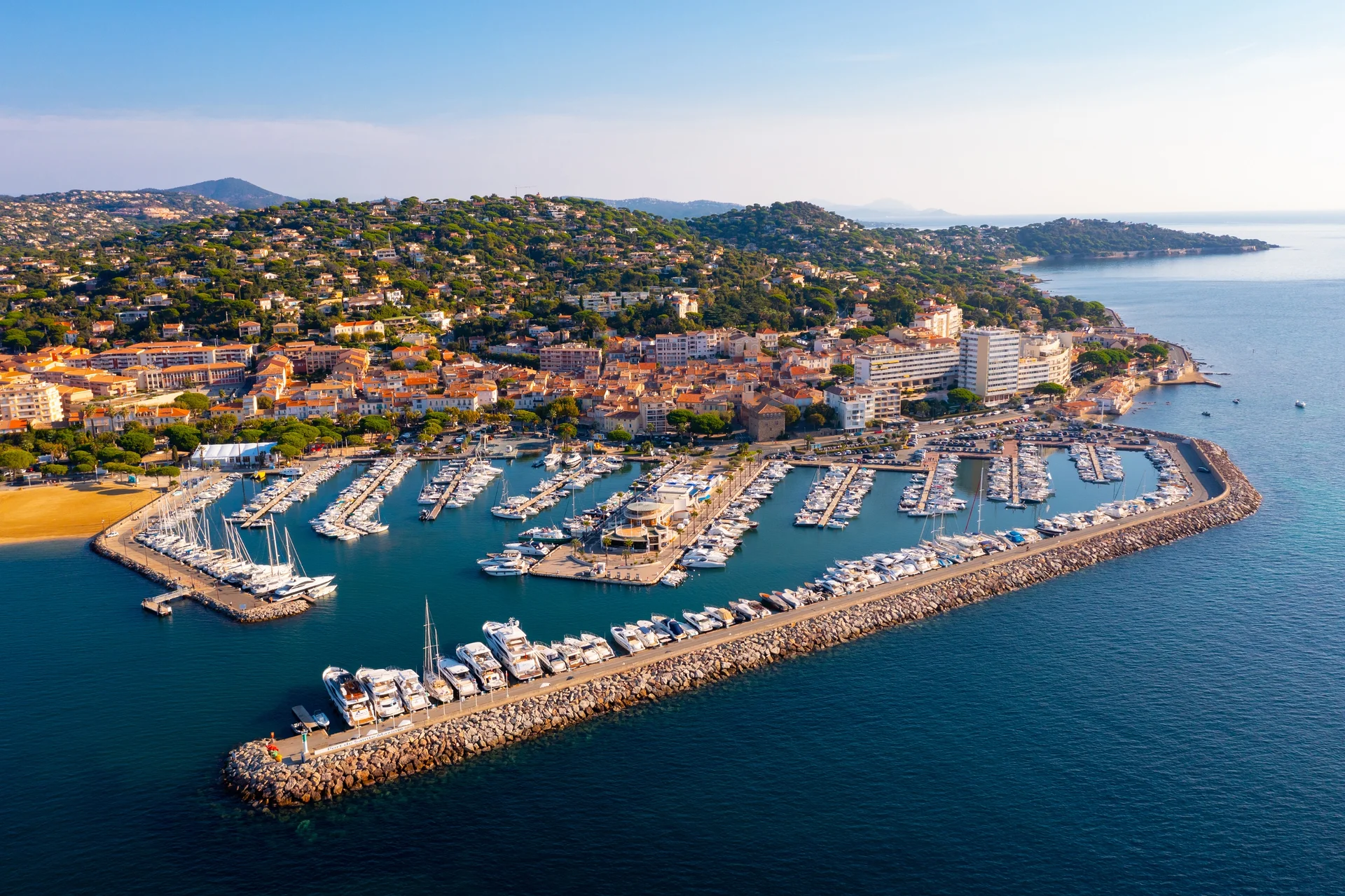
Nice sits in a bay closed off by a hill, its Italian old town at the foot and its ochre blocks above. Fifteen kilometres west, Antibes keeps its Vauban ramparts and its covered market. Further still, Saint-Tropez holds to a fishing harbour that fame never enlarged.
What makes this coast singular is the mountain right behind it. You go from the beach to a hilltop village in twenty minutes, and the back country starts where the buildings stop, with no transition and no suburbs.
You will love it if
- You want the sea and hilltop villages on the same day
- Walking suits you: Nice and Antibes are done on foot
- You come in May, June or September, when the water is warm and the road is clear
Look elsewhere if
- Your budget is tight: this is the most expensive coast in France
- You are after sandy beaches: the eastern end is shingle
- You plan to drive around on an August weekend
The must-sees
The highlights
-
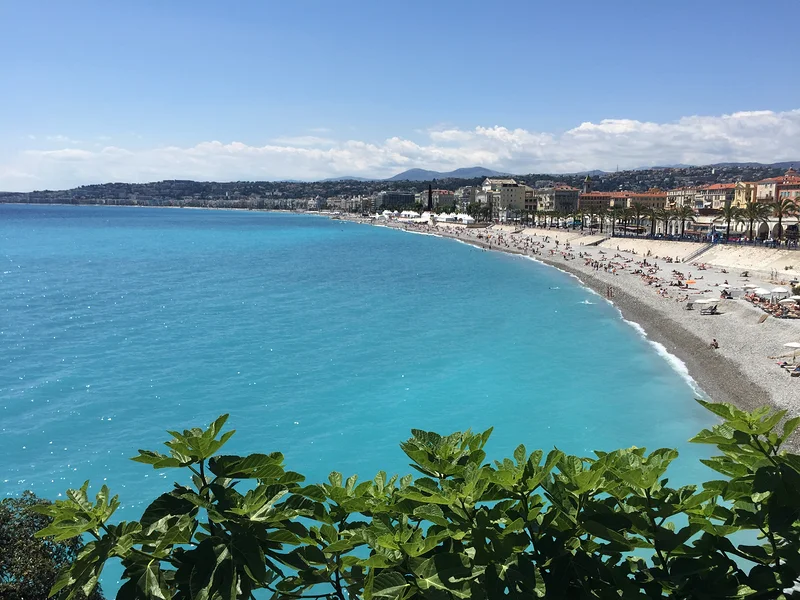
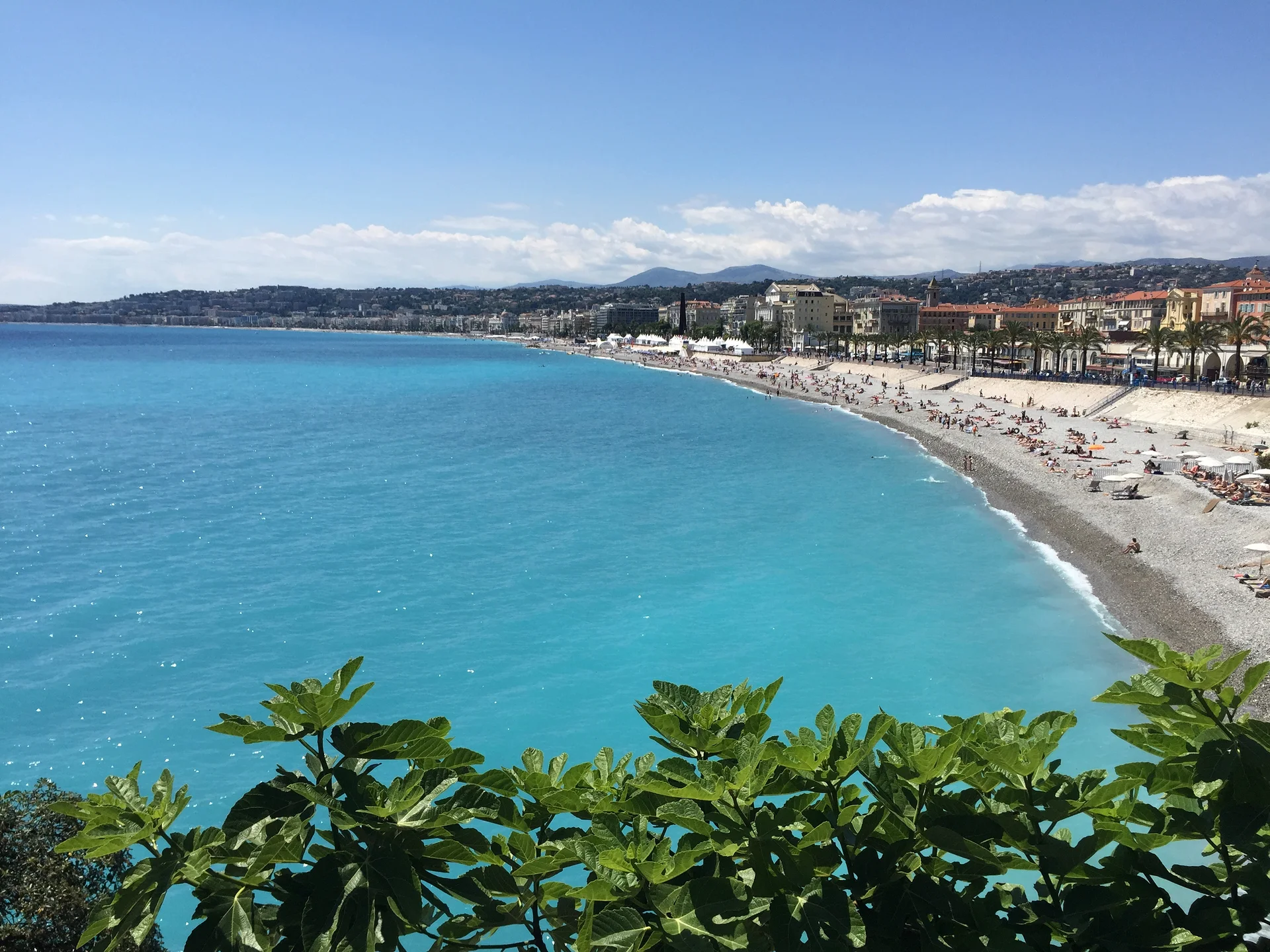
1 The Promenade des Anglais +11 recs
Seven kilometres along the Baie des Anges, paid for in 1820 by the British colony that wintered here. Walk it or cycle it, and the best moment is before eight, while it still belongs to the runners.
-
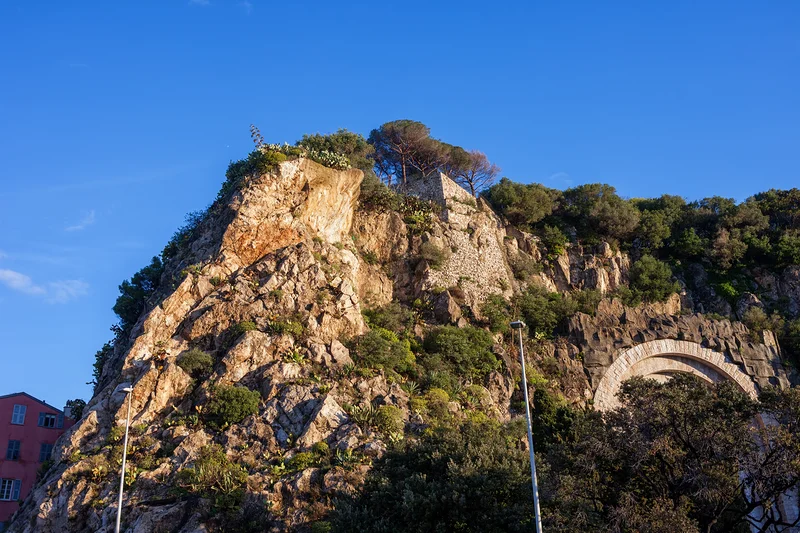
2 Castle Hill Park +16 recs
The viewpoint that explains Nice in one glance: the old town, the harbour, the whole bay. A free lift climbs from the seafront, and the artificial waterfall at the top cools the summer.
-
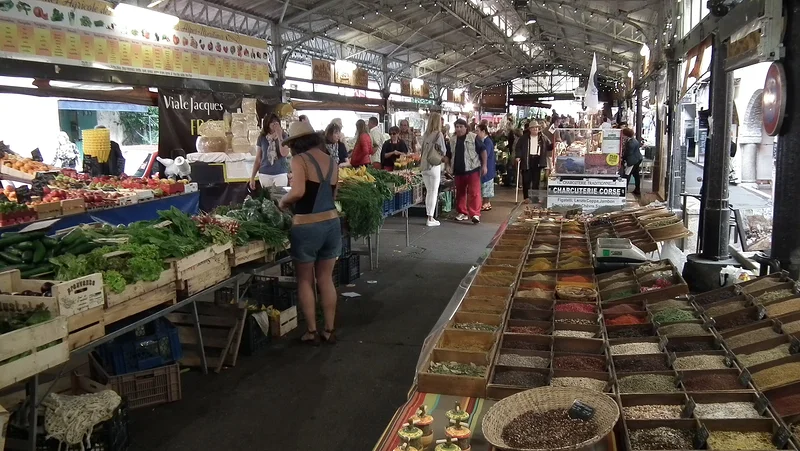
3 The Antibes Provençal Market +18 recs
Under an iron hall from 1894, every morning except Monday out of season. This is a growers' market, not a souvenir market, and local market gardeners still sell there.
-
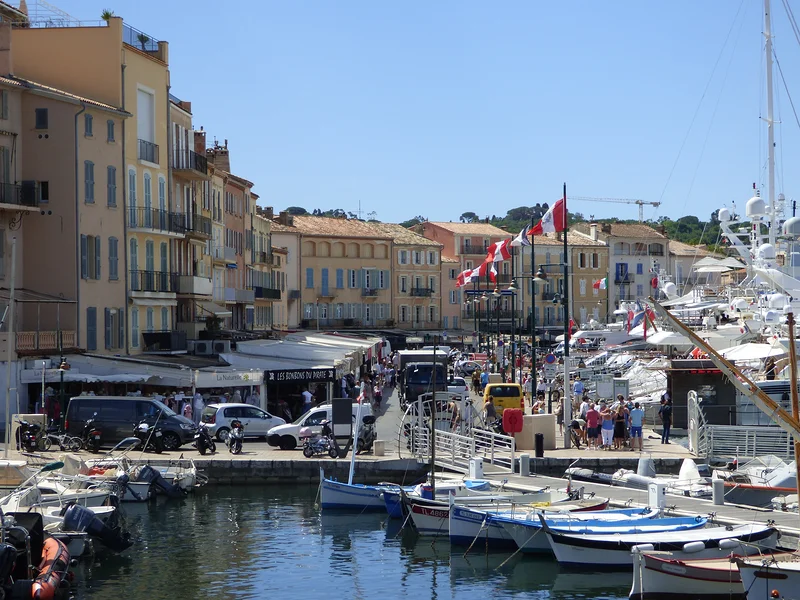
4 The Port of Saint-Tropez +20 recs
Coloured houses along the quay and yachts lined up in front, a few metres from the fishing boats. The whole village is crossed in twenty minutes, and La Ponche, behind the harbour, keeps its lanes.
-
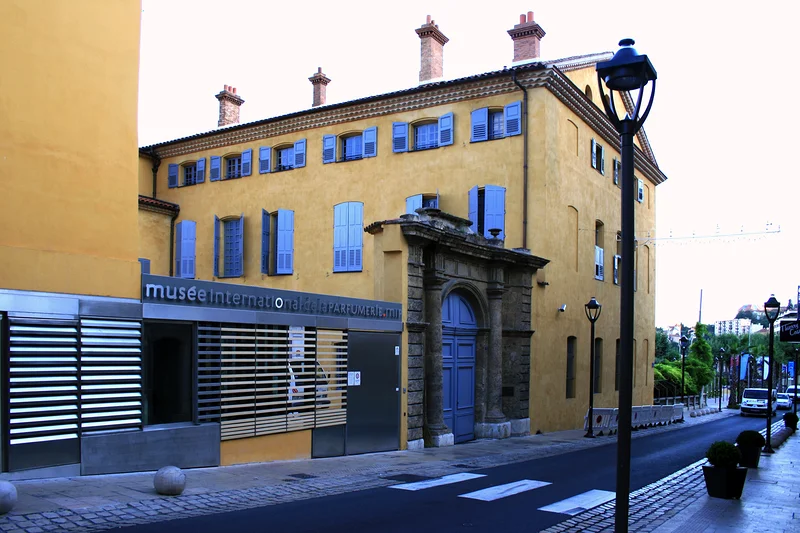
5 Grasse and its perfume houses +42 recs
Perfume capital since the eighteenth century, when the glovemakers began scenting leather. Three historic houses open to visitors, and the jasmine fields are picked in August, at dawn.
The classic mistake
Staying in Saint-Tropez and expecting to tour the coast from there. The peninsula has a single access road, jammed in summer, and reaching Nice then takes two and a half hours for a hundred kilometres.
Our itineraries in the French Riviera
| Length | Itinerary | What you see |
|---|---|---|
| Long weekend (3 days) | Nice › Menton | Old town, corniches, gardens |
| 1 week | Nice › Antibes › Saint-Paul-de-Vence › Grasse | Coast, hilltop villages, perfume |
| 10 days | Nice › Antibes › Cannes › Fréjus › Saint-Tropez | The whole coast, east to west |
The train runs along the shore from Menton to Saint-Raphaël, stopping in almost every town, and in summer it is by far the fastest way. The car only wins back for the back country and the Saint-Tropez peninsula, which the railway does not serve.
One base covers the whole eastern coast. Beyond Cannes, a second base saves two hours of driving a day.
When to visit the French Riviera
| Rating | Season | Weather | Crowds and prices |
|---|---|---|---|
| May, June and September | 20 to 27 °C, sea at 22 | Busy, mid-range prices | |
| April and October | 16 to 22 °C, mild | Moderate, good prices | |
| July and August | 26 to 31 °C, sea at 25 | Peak, very high prices | |
| November to March | 9 to 16 °C, mild but wet | Quiet, many closures |
Our advice
Aim for the second half of September: the sea reaches its warmest of the year, the beaches empty out and accommodation drops a notch. It is the best balance of weather and price anywhere in the region.
Getting to the French Riviera
-
1 By plane Fastest
Nice Côte d'Azur is France's second airport, built out over the sea seven kilometres from the centre and linked by tram in thirty minutes. easyJet is the main operator from British airports, and most European capitals have a direct flight.
-
2 By train Simplest
Eurostar to Paris, then the high-speed line puts Nice six hours from the capital, and the coastal line links every town after that. Stations are in the town centres, which the airport is not.
-
3 By car Most flexible
the motorway follows the coast at a distance, and the three corniches run along above it. Essential for the back country, expensive to park everywhere else.
Getting around the French Riviera
The coastal train is the region's backbone, running every twenty minutes during the day. Intercity buses complete the picture towards the back country at a single flat fare, and they climb to the hilltop villages where a car struggles to park.
Worth knowing
The three corniches between Nice and Menton are not interchangeable: the lower one threads through the villages and clogs up in summer, the middle one gives the viewpoints, the upper one passes above and goes faster. Choose according to whether you want to look or to arrive.
What to eat in the French Riviera
- Socca: a chickpea flour pancake baked over wood, served scalding and peppered, cut with a spatula. You eat it standing, at the market, and it will not wait.
- Pissaladière: bread dough under slow-cooked onions, anchovies and olives. The name comes from pissalat, the anchovy paste that originally flavoured it.
- Salade niçoise: raw, with no potato and no green bean in the local version. The disagreement with the rest of France is real and fully owned.
- Petits farcis: courgettes, tomatoes and onions filled with meat and breadcrumbs, baked. A leftovers dish that became a family speciality.
- Lemons from Menton: less sharp than others, with a thick, fragrant skin. The February festival devoted to them uses tonnes of citrus as decoration.
- Tourte de blettes: sweet, with apple, pine nuts and raisins, chard notwithstanding. A Nice pastry that surprises on the first mouthful.
- Bellet: the vineyard of Nice, inside the city limits, one of the smallest in France. Only about ten estates, visited by appointment.
The cours Saleya in Nice holds the flower and produce market every morning except Monday, which is antiques day. Old town kitchens close between services, and many do not open on Sunday evening.
Where to stay in the French Riviera
| Area | What it is for | Worth knowing |
|---|---|---|
| Nice, old town | Market, lanes, beach on foot | Lively at night, the most central on the coast |
| Nice, harbour district | Restaurants, start of the corniches | Quieter, ten minutes from the centre |
| Antibes | Ramparts, market, cape | Good balance of price and charm |
| Menton | Gardens, Italy ten minutes away | The cheapest on the eastern coast |
| Saint-Tropez or Sainte-Maxime | Peninsula, sandy beaches | Expensive and jammed in summer, keep it separate |
Nice as a single base covers the whole eastern coast, the back country and even Italy, thanks to the train. It is the choice that wastes the least time.
The Saint-Tropez peninsula is best treated on its own, over two or three nights, rather than as a day trip: the access road cancels out any gain.
How much does a trip in the French Riviera cost?
| Style | Length | Budget per person |
|---|---|---|
| Budget (hostel, markets, public beaches) | 7 days | 450 to 650 € |
| Comfortable (hotel, restaurants, museums) | 7 days | 1,100 to 1,600 € |
| High end (seafront hotel, well-known tables) | 7 days | 3,000 to 5,000 € |
- The season: a room costs twice as much in July and August as in May, and private beaches double their rates too.
- Public beaches: they alternate with private ones all along the coast and are free, with showers and lifeguards in season.
- The regional train: cheap along the whole coastal line, it makes a car unnecessary and removes parking, which is the region's hidden cost.
- Nice's municipal museums: one ticket covers them all for several days, which cuts the cost by three from the second museum onwards.
- Lunch: the midday set menu is half the price of the evening card in the same kitchens, harbourside included.
Traditions and way of life in the French Riviera
The county of Nice only joined France in 1860, after four Savoyard centuries, and you can still hear it. Nissart is spoken in local societies and read on the old town street signs, which are bilingual. The cooking, for its part, keeps its Ligurian trace right down to the names.
The Côte d'Azur owes its name to a writer, Stéphen Liégeard, who published it in 1887. The British and Russian winter visitors who built the seafront palaces came for the climate, not for swimming: the warm season only began to sell itself half a century later.
Two local habits. On shingle beaches, plastic sandals are not an affectation but a necessity, and everyone wears them. And in hilltop villages you park at the entrance car park: the lanes are not closed off by accident, some are two metres wide.