Le Grand-Bornand, authentic mountain life in the Chinaillon valley
A tractor delivering milk to the village dairy, the bells of Abondance cows echoing across the high pastures, the smell of burning wood drifting from the chalets at dusk.
Le Grand-Bornand does not pretend to be a glamorous resort: here, agriculture and tourism have shared the same landscape for generations, and you can feel it on every street corner.
Is this destination right for you?
You will appreciate this valley if you are looking for an authentic mountain setting, where farms sit right next to the ski runs and you can ski in the morning while passing a herd on your way back down. It is a family-friendly, relatively quiet destination designed just as much for nature lovers as for skiers.
On the other hand, if you dream of a flashy resort with intense nightlife and luxury boutiques, you will likely get bored. Le Grand-Bornand remains modest in its infrastructure compared to major Savoyard resorts like Chamonix or Courchevel.
Best suited for:
- Families looking for a welcoming and secure mountain setting
- Fans of hiking and preserved nature
- Those curious about farming traditions and traditional Savoyard gastronomy
Not recommended for:
- Partygoers looking for a lively nightlife scene
- Skiers looking for a massive ski area like the Trois Vallées
- Anyone wanting upscale shopping and luxury boutiques
A relatively reasonable budget for Haute-Savoie
Compared to neighbors like La Clusaz or Megève, the valley remains generally more accessible, especially regarding dining and lodging outside of school vacation periods.
| Expense | Range |
|---|---|
| Night in a guesthouse or shared chalet | 30 to 50 € |
| Night in a comfortable hotel | 90 to 150 € |
| Quick bite (croziflette, takeout tartiflette) | 10 to 15 € |
| Restaurant meal | 25 to 40 € |
| Daily lift ticket | 35 to 45 € |
Estimated rates subject to change
Practical realities of the valley
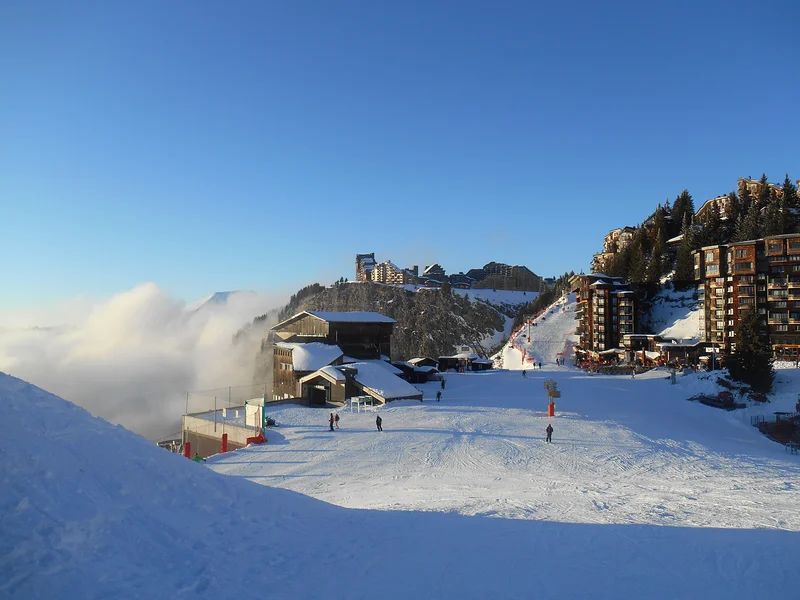
The village is split into two hubs: Le Grand-Bornand village, which is more historic and lively year-round, and Le Chinaillon, a high-altitude hamlet closer to the slopes. The two are connected by a free winter shuttle, making it easy to skip driving.
The welcome is warm and English will get you by, though few foreign tourists wander here outside the peak season, making it a great place to chat with locals at the market.
The village and its high pastures, between traditions and wide open spaces
The heart of the village
The bulbous steeple of the Saint-Jean-Baptiste church overlooks the central square, where a lively market is held every Tuesday and Friday morning. You will find regional cheeses there, including tomme des Bornes and farmhouse reblochon, produced directly by surrounding farms.
Friendly tip: arrive at the Friday market around 8:30am before the holiday crowds show up, so you can chat easily with the producers and leave with the best selection of cheese.
The high pastures and the Bouchet valley
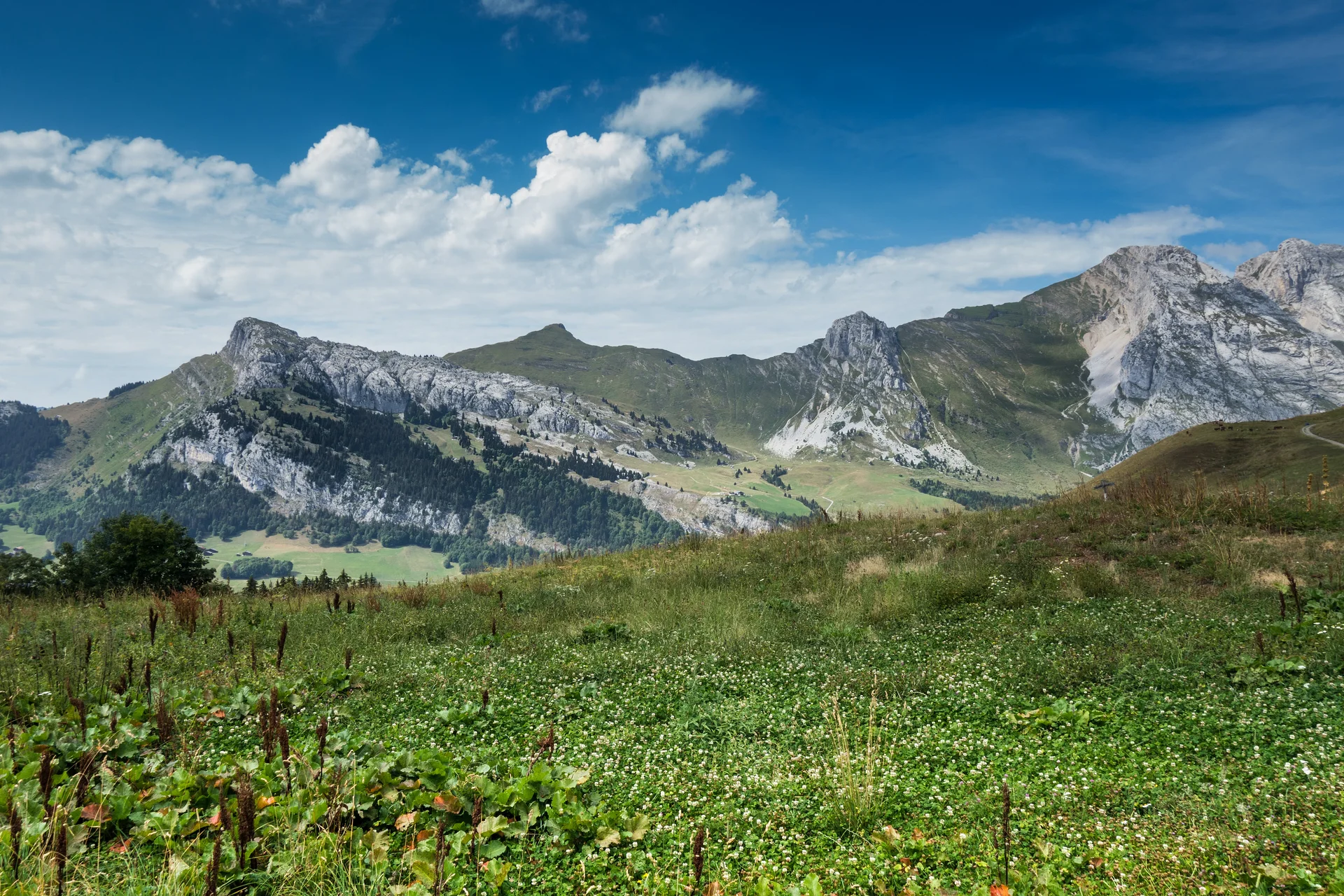
The Bouchet valley, just upstream from the village, offers some of the best hiking terrain in the area, dotted with alpine chalets that still operate during the summer. You will easily cross paths with herds and can buy cheese straight from the farm.
In winter, this same valley transforms into a playground for cross-country skiing and snowshoeing, far away from the hustle and bustle of the downhill ski runs.
The ski area
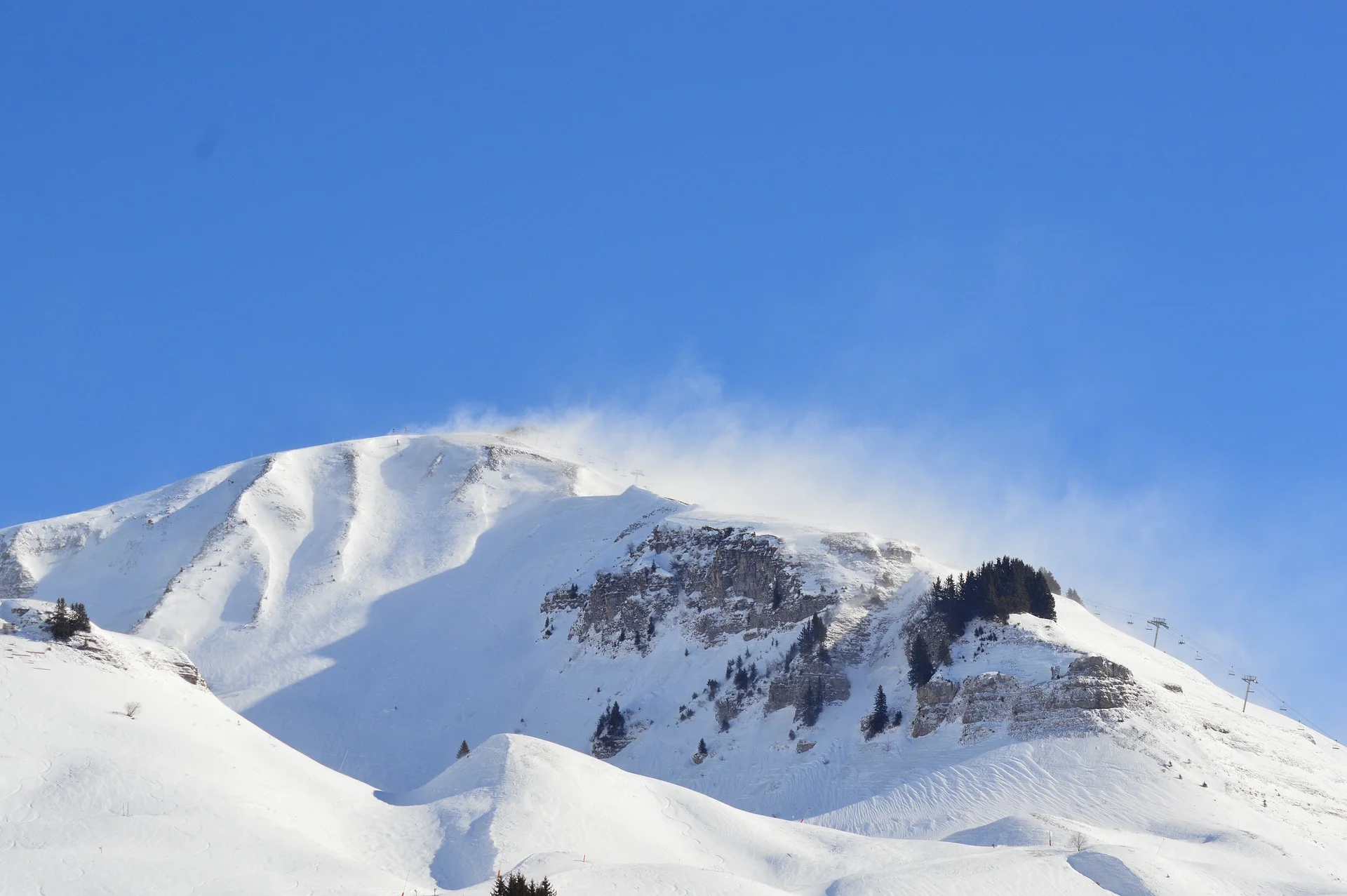
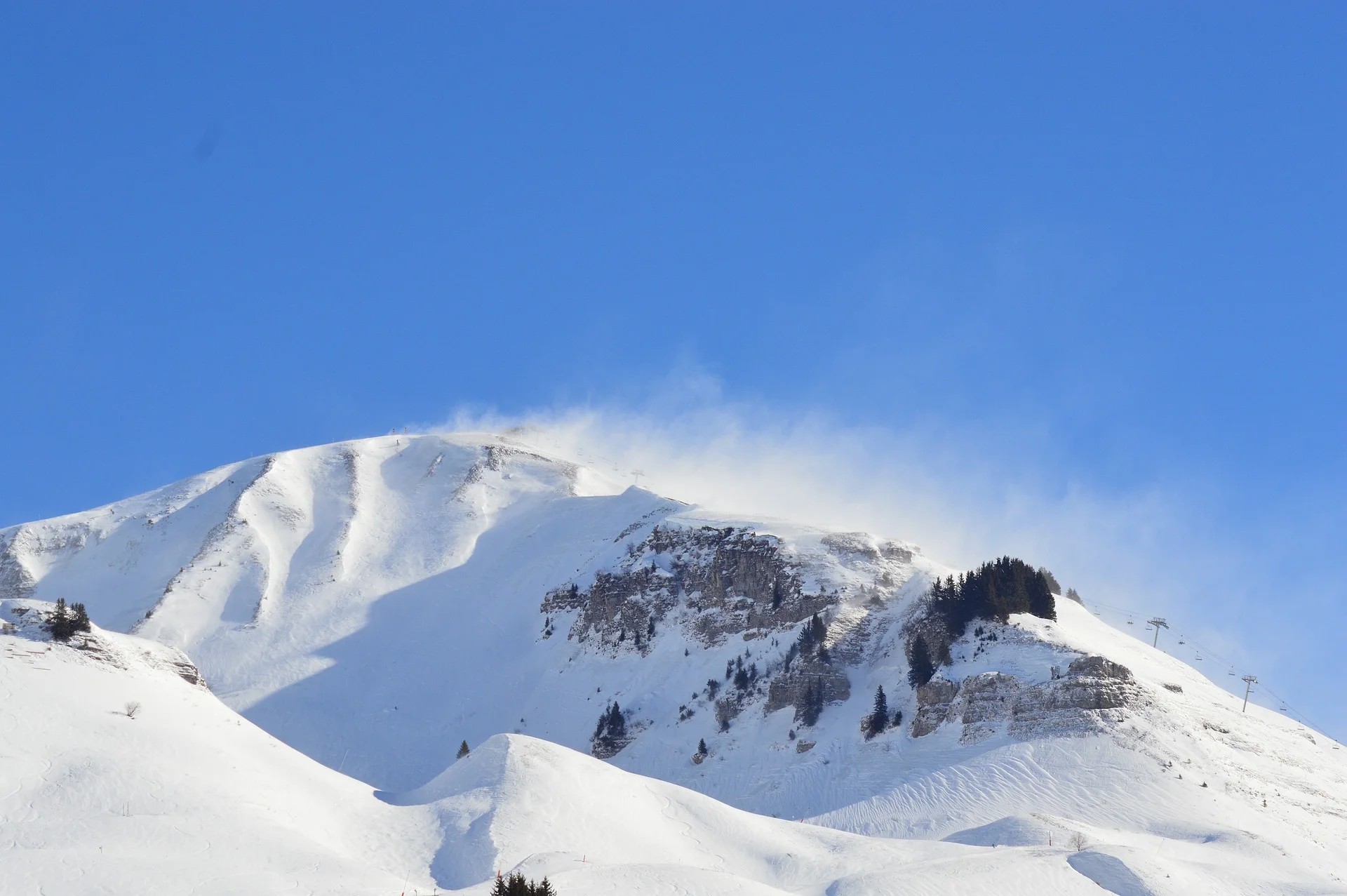
The Grand-Bornand/La Clusaz ski area, connected via the col des Aravis, offers about 130 km of runs geared toward families. The slopes around Le Chinaillon are particularly well suited for beginners and children, featuring several fun zones.
Traditions and local life
Le Grand-Bornand maintains a strong rural heritage: the fête de l'alpage, held every summer, celebrates the herds moving up to the high pastures and traditional reblochon making. It is one of the most endearing moments for understanding the agricultural soul of the valley.
Not to miss:
- Twice-weekly producer markets
- Cooperative cheese dairy open to visitors
- Marked hiking trails in the Bouchet valley
Where to eat and drink in Le Grand-Bornand?
Croziflette, made with local crozets pasta and melted reblochon cheese, remains the signature dish of the region, and it often tastes more authentic here than in the larger tourist resorts. Several farmhouse inns around Le Chinaillon serve simple but hearty country cooking.
For cheese, head straight to the village dairy cooperative, where you can taste farmhouse reblochon on-site or pick some up for an alpine picnic.
Where to stay in Le Grand-Bornand and nearby?
The central village suits anyone who wants the atmosphere, shops, and market right at their doorstep. Le Chinaillon, higher up, appeals to skiers who want direct access to the slopes without needing transport.
The surrounding area, particularly toward Saint-Jean-de-Sixt, often offers lower rates with quick access to both connected resorts.
How to get to Le Grand-Bornand?
Geneva Airport, about an hour away by drive, is the most convenient air gateway from Europe. Lyon-Saint-Exupéry Airport is another alternative, roughly 1 hour and 45 minutes away.
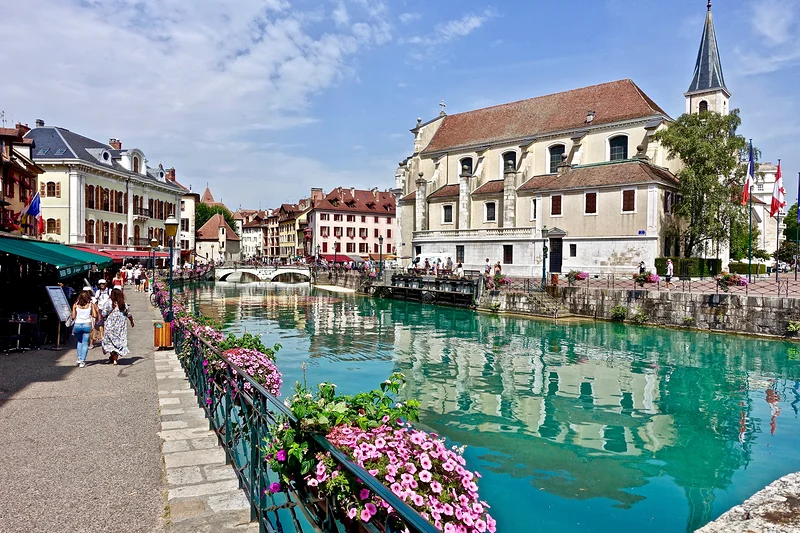
If you are driving from Annecy, plan for about 30 minutes. Seasonal shuttles and bus lines also connect the valley to the TGV train stations in Annecy and La Roche-sur-Foron.
How to get around Le Grand-Bornand?
A free shuttle runs in winter between the village and Le Chinaillon, which is a huge help for cutting down on car use. In summer, service is more limited, so it is best to check the schedule ahead of time.
Having a car remains useful for exploring neighboring valleys and reaching more isolated hiking trails, particularly toward the col des Aravis.
When to go?
Winter, from December to March, is the busiest season for skiing. Summer, between June and September, offers a quieter atmosphere that is ideal for hiking and traditional festivals. Skip the French school holidays if you are looking for peace and quieter pricing.