
Geneva, Between Lake and Mountains: The Other Face of Switzerland
A sign tells you that you're in Switzerland, but the language, the accent and the busy café terraces whisper that you never really left France.
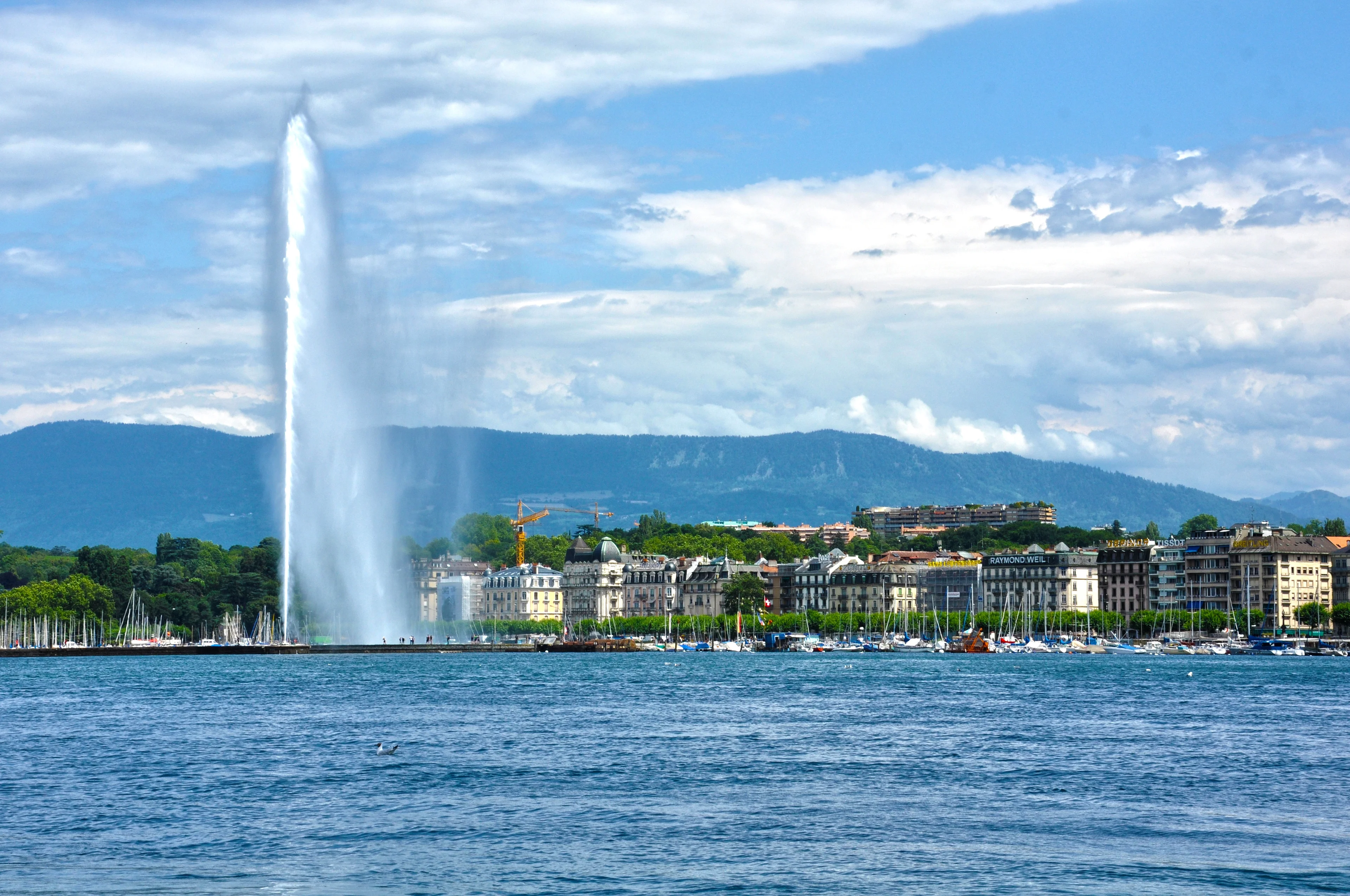
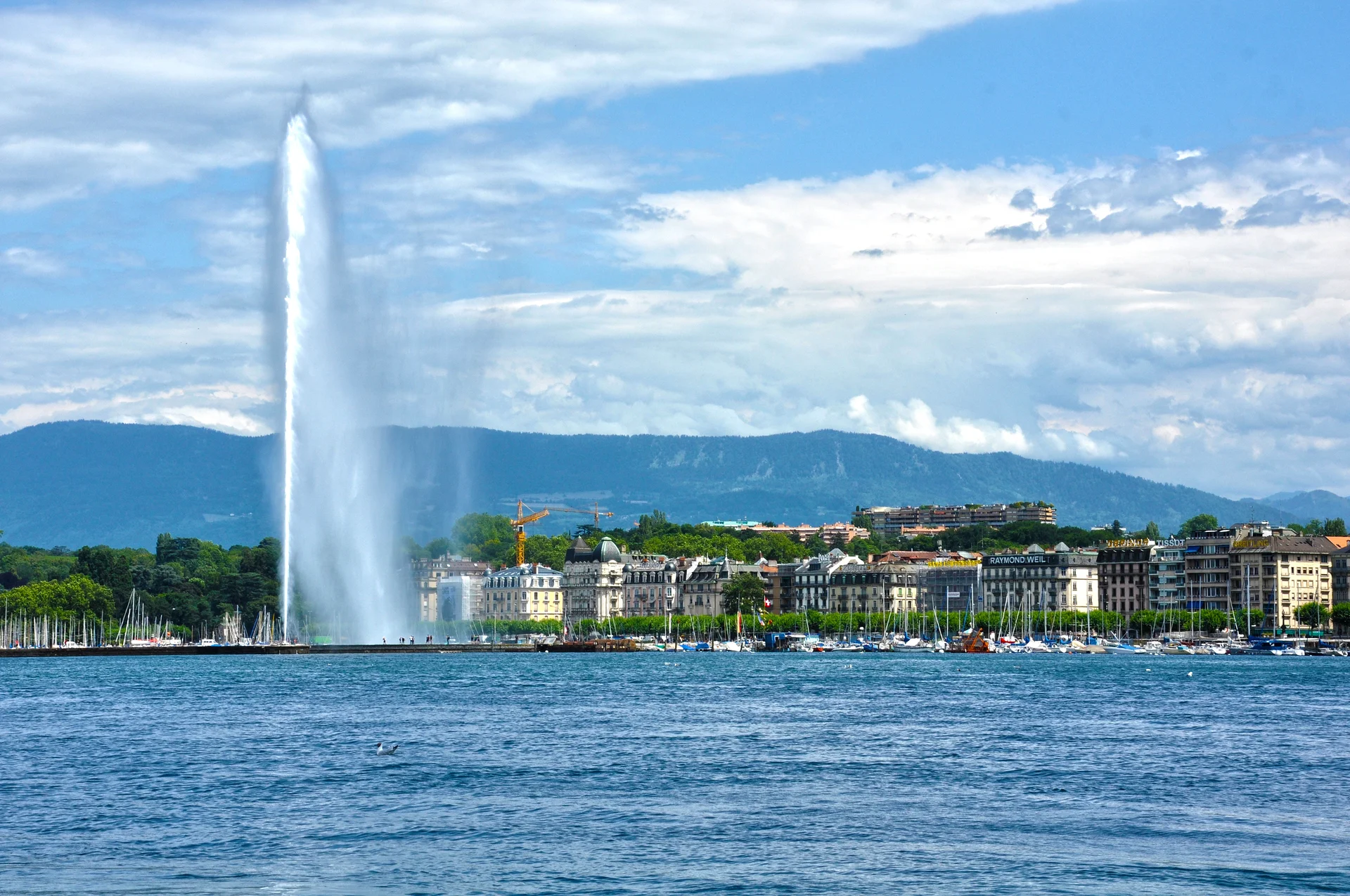
Geneva plays on that ambiguity with disarming elegance. The Rhône leaves Lake Geneva here in an almost unreal shade of blue, while on a clear day the snow-capped silhouette of Mont Blanc looms in the background. The famous Jet d'Eau shoots its plume 140 meters into the air, a former industrial safety valve that became the symbol of a city that knows how to turn the practical into the spectacular.
The World's City, Open to Every Curious Traveler
This small, cosmopolitan capital appeals to culture lovers and to families looking for a calm setting alike. With its often-free museums, lakeside parks and human scale, Geneva is easy to explore on foot or by bike. History buffs will find traces of Calvin and the Protestant Reformation, diplomacy fans can step inside the Palais des Nations, and the more contemplative will be content with a bench facing the lake.
On the other hand, if you're after wild nightlife or low prices, look elsewhere. Geneva remains an expensive destination, and its slightly buttoned-up character can throw off anyone hoping for Mediterranean spontaneity. The city makes up for it with an impeccable quality of life and a surprising alternative scene, especially in the Grottes neighborhood.
A Budget to Watch Closely
Plan on 150 to 250 CHF (about $179-$300*) per day for two people at mid-range, including lodging, meals and transportation. A daily lunch special costs 20 to 30 CHF, and a night in a 3-star hotel starts at 120 CHF. The good news: public transportation is free with the Geneva Transport Card that your hotel hands you.
Left Bank: The City's Medieval Origins
This is where Geneva's historic heart beats. Climb up to Saint-Pierre Cathedral and treat yourself to the tower climb: the panorama over the Old Town rooftops, the lake and the Alps is worth every step. The audio-guided tour of the underground archaeological site reveals remains dating back to Roman times, a fascinating dive beneath the paving stones.
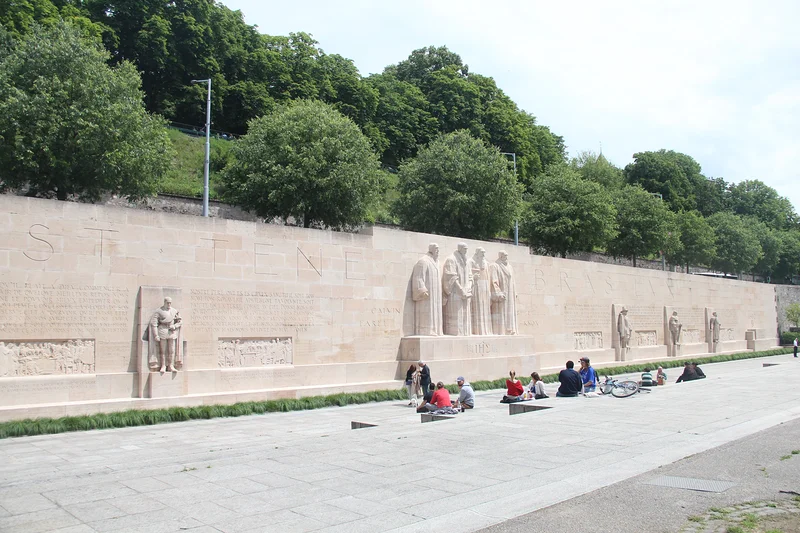
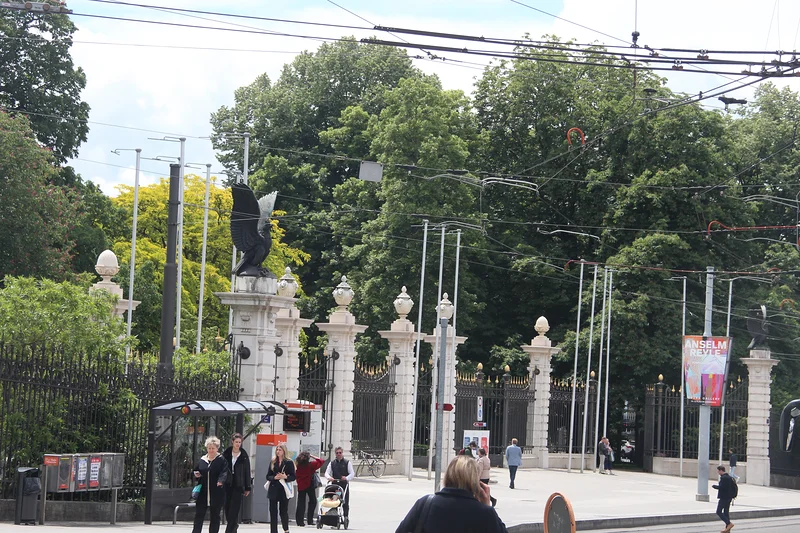
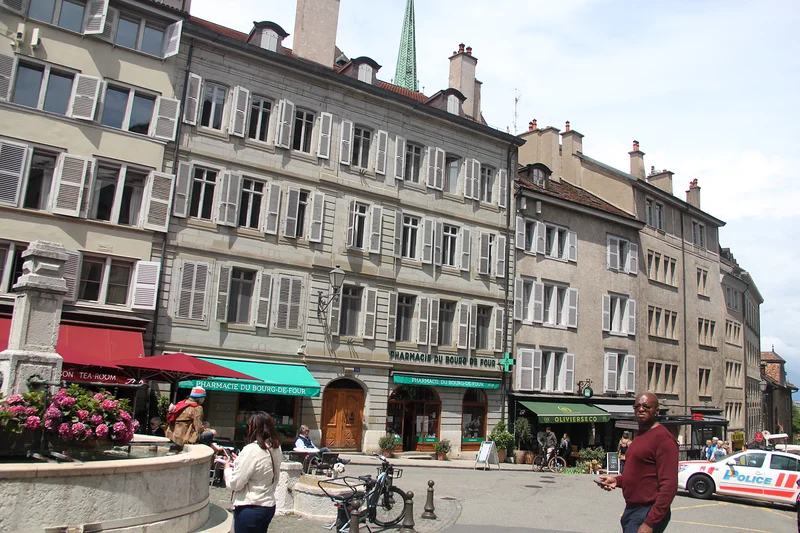
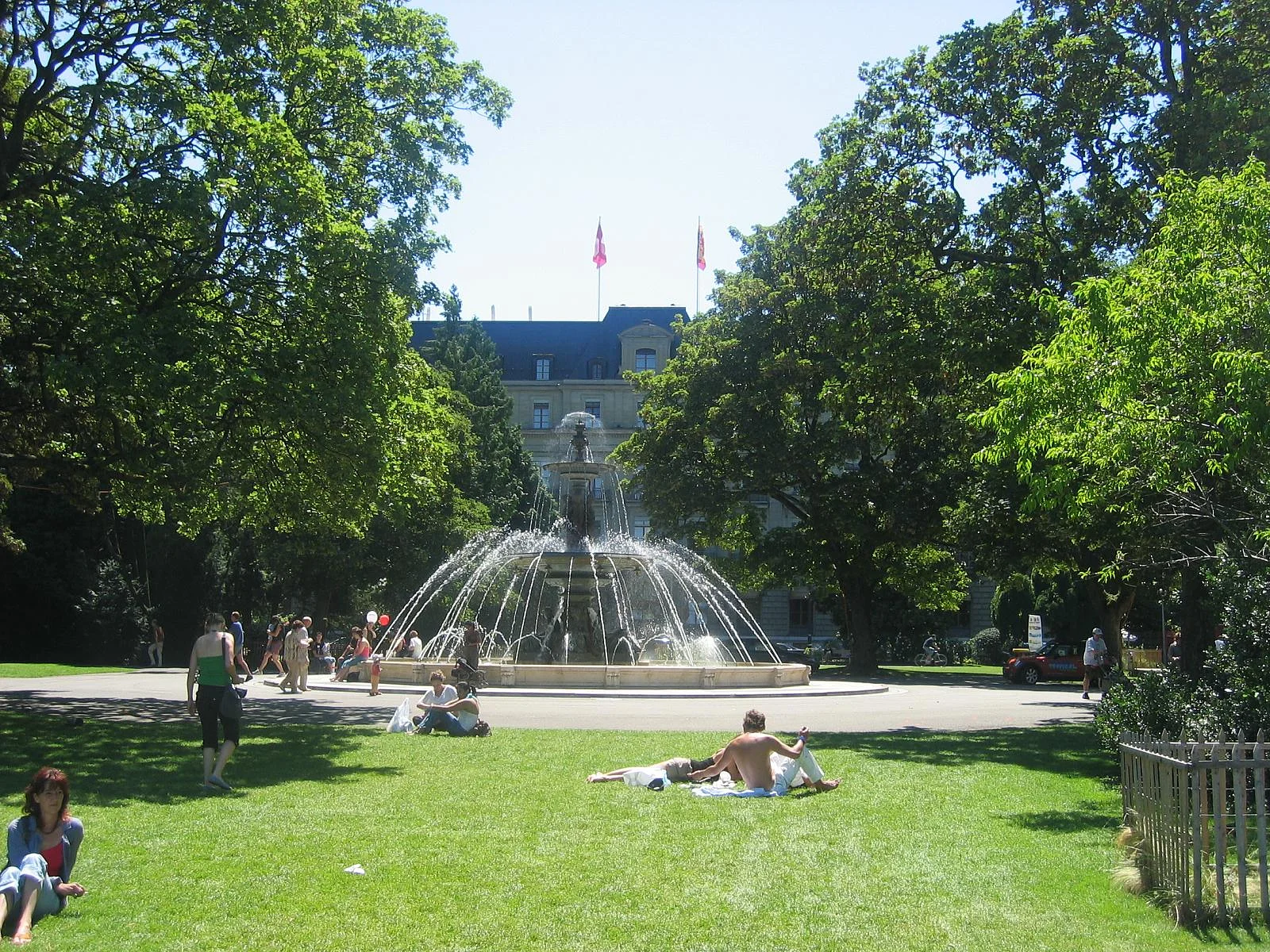
Then head back down to the charming Place du Bourg-de-Four, the oldest square in the city. Its sunny terraces invite a coffee break before you continue to the imposing Hôtel de Ville and the Parc des Bastions. This green lung is home to the famous Reformation Wall, but also to giant chess tables where improvised games draw curious onlookers.
Friendly tip: Don't miss the Maison Tavel, the oldest private residence in the city, now a free museum. Its zinc relief model of 19th-century Geneva is a marvel.
Right Bank: Where International and Alternative Geneva Come Alive
Cross the Mont-Blanc Bridge and follow the quay to the legendary Bains des Pâquis. This popular lakeside pier captures Geneva at its most relaxed: swimming in the middle of the city in summer, sauna and hammam in winter, fondue with your feet near the water all year long. Entry costs only 2 CHF, a rarity in this city.
Farther north, the international organizations district impresses with its sheer scale. The Palais des Nations opens its doors for guided tours of about an hour. Outside the entrance, the monumental sculpture Broken Chair by Daniel Berset speaks to the devastation caused by landmines. A short walk away, the International Red Cross and Red Crescent Museum offers a particularly moving museum experience.
Friendly tip: Push on to the Grottes neighborhood to see the "Smurf" buildings, a colorful, whimsical style of architecture that earned the nickname, borrowed from Peyo's characters. A corner of Geneva you wouldn't expect.
Along the Water: Parks, Gardens and Lake Escapes
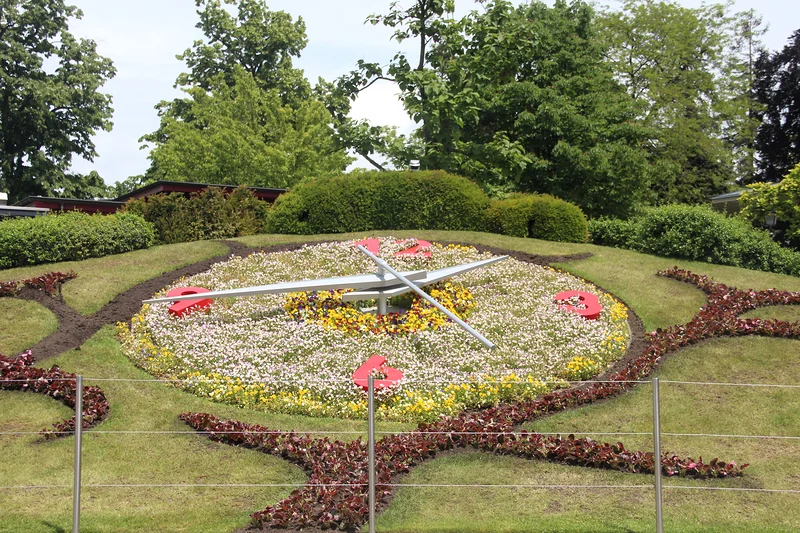
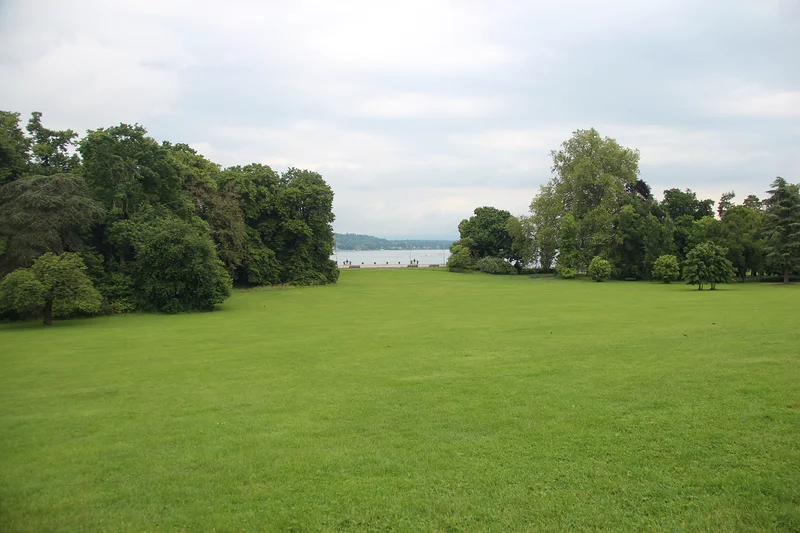
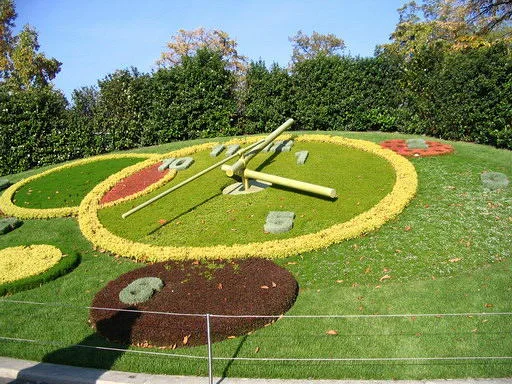
The English Garden rolls out its lawns along the lake, starring the flower clock, a living tribute to Swiss watchmaking expertise. Families will enjoy the Parc de la Grange, a bit farther up the left bank, for its picnic areas with the best view of the Jet d'Eau. Free concerts are held there in summer.
For a different perspective, hop aboard the Mouettes Genevoises, the little yellow boats that shuttle from one shore to the other and are part of the public transit network. Steamboat cruises, meanwhile, let you explore Lake Geneva all the way to Montreux or to Évian on the French side.
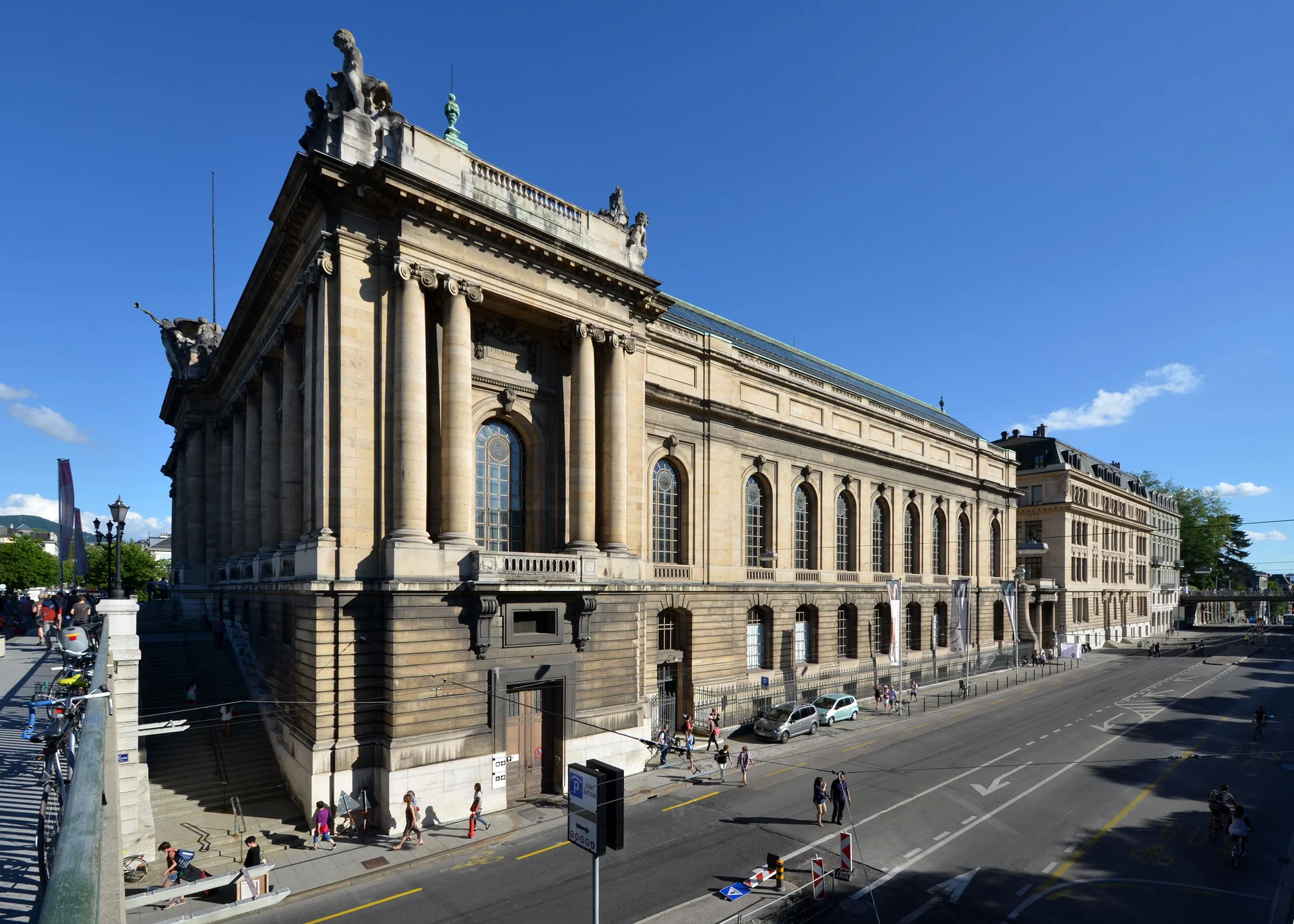
Friendly tip: On the first Sunday of every month, all municipal museums are free. A great chance to visit the Museum of Art and History or the fascinating Ariana Museum of ceramics without spending a cent.
For Curious Minds: Science and Watchmaking
Science fans won't want to miss CERN, right on the French-Swiss border. The new Science Gateway offers interactive exhibits on particle physics. The Large Hadron Collider runs about a hundred meters beneath your feet. Reservations are required for more in-depth visits.
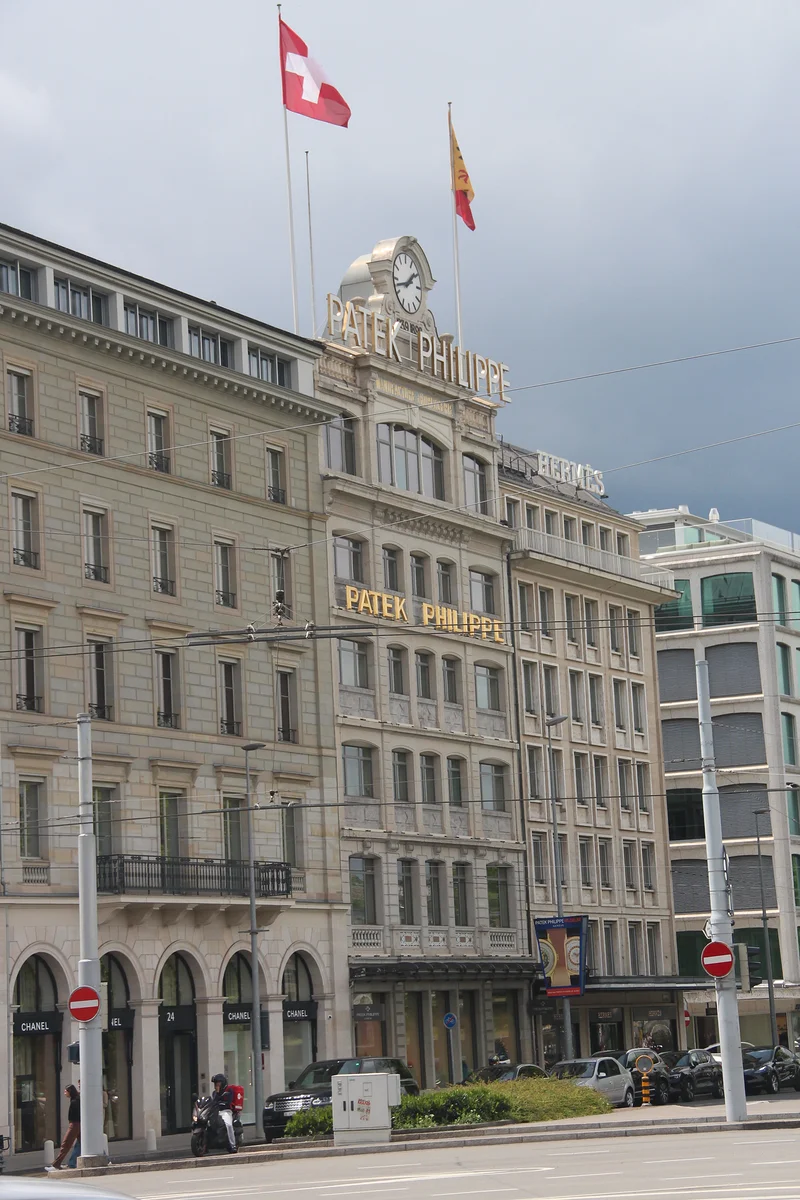
On the watchmaking side, the Patek Philippe Museum traces five centuries of timekeeping through an exceptional collection of watches and enamel work. The rue du Rhône and its glittering shop windows are a reminder that Geneva remains the world capital of luxury watchmaking.
Where to Eat and Drink in Geneva
Geneva's table draws on a double heritage: Swiss mountain traditions and the influence of Lyon's bistros. The longeole, a pork sausage flavored with fennel and protected by a PGI designation, is eaten with lentils or potatoes, a rustic, hearty dish. The perch fillets from Lake Geneva, delicately pan-fried meunière-style, are the other must-try specialty, even though many now come from Baltic lakes.
For an authentic fondue, head to the Café du Soleil in Corsier or Restaurant Les Armures in the Old Town. The Bains des Pâquis serves a fondue made with crémant at easy-on-the-wallet prices in a casual, neighborhood atmosphere. For something sweet, the chocolatiers Auer and Favarger carry on the tradition of handmade pralines, and in December the Escalade festival is the occasion to smash the famous chocolate cauldrons.
How to Get to Geneva and Get Around
Geneva Airport is 4 km from the city center and is served by Easyjet, Hop and Air France from many French cities. A valuable tip: keep your boarding pass, which entitles you to a free 80-minute transit ticket on arrival through the UNIRESO system. By train, the TGV Lyria connects Paris to Geneva in 3 hours 10 minutes.
Once there, the Geneva Transport Card, provided by your accommodation, gives you unlimited access to trams, buses and Mouettes for the length of your stay. The city is best explored on foot or by bike, with bike-share stations scattered everywhere. For excursions around the lake, the CGN boats offer panoramic crossings to France and the canton of Vaud.
When to go
The ideal period runs from June to September, when temperatures let you enjoy the lake, the parks and the terraces. Spring and fall bring beautiful light and lower rates. In December, the Escalade festival and the Christmas markets warm up the winter atmosphere.
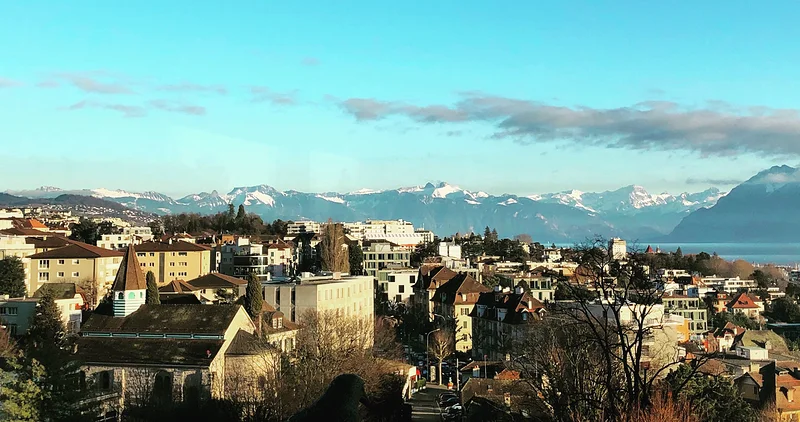
Geneva is night and day depending on the weather. When it is nice out, it is a real joy to walk around Lake Geneva. The water sparkles on the surface and it is such a pleasure to stroll there. While heading into the Old Town, I enjoyed some really great Swiss specialties like fondue or rosti. On the Promenade de la Treille, that is where you will see the longest bench in the world at 120 meters long!