
Visiting Lausanne
As the capital of the canton of Vaud, Lausanne is the fourth-largest city in Switzerland, perched on the northern shore of Lake Geneva. Built across steep hills and carved by several streams, the city balances a well-preserved medieval old town with the expansive waterfront of the lake. Throughout the 20th century, Lausanne became a hub for international sports governance, notably becoming the home of the International Olympic Committee in 1915. Today, you can visit the Olympic Museum to explore the origins, history, and values of the Games. Serving as both a major rail hub and a university town, Lausanne maintains a steady pace of cultural activity and outdoor recreation.
Lausanne's landscapes
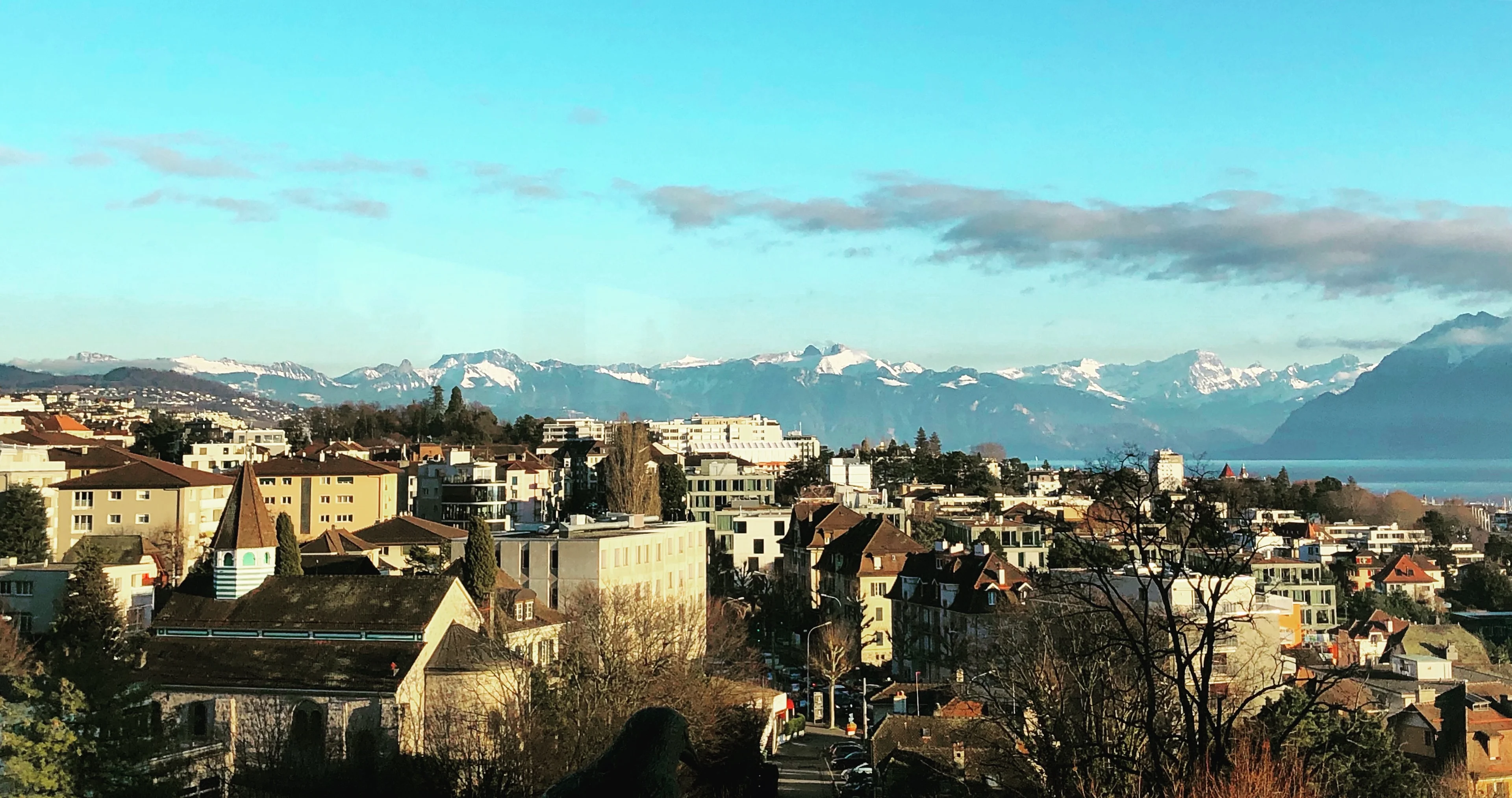
Lausanne is a city defined by its elevation, offering frequent lookouts over Lake Geneva with the Alps serving as a backdrop. Head to the esplanade de Montbenon for a perspective that ranks among the most impressive in the city.
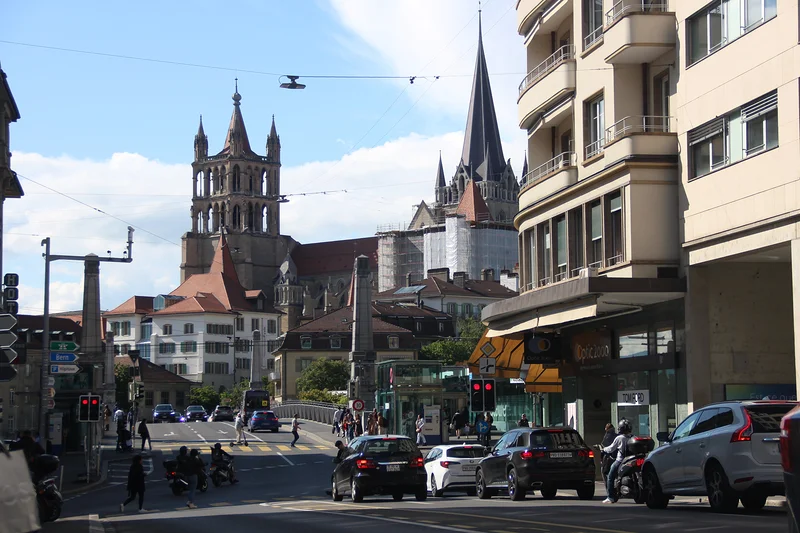
The medieval old town is centered around the grand Notre-Dame Cathedral, which has served as a Protestant church since 1536. Inside, look for the 13th-century frescoes and polychrome details. If you are around after 10:00 PM, you might hear the night watchman calling out the hour, a tradition that has survived for centuries. Nearby, visit the place de la Palud, a square surrounded by historic buildings and marked by the Justice fountain. This is the site where the city's independence from Bern was declared in 1798. The Palais de Rumine is also located just a short walk away.
Head down to the waterfront for a different pace. The quais d’Ouchy, dating back to 1901, provide a path along the water that links beaches, boat docks, and green spaces, including the roseraie de la place du général Guisan and Parc du Denantou.
Cultural activities in Lausanne
Lausanne’s cultural scene covers a wide range of interests, from outsider art and local cheese production to contemporary architecture and science. Plan time for the Plateforme 10 arts district. This complex houses several foundations, including the Fine Arts Museum, the Museum of Design and Contemporary Applied Arts, and the Photo Elysée museum, which focuses on photography. A single ticket typically allows access to these collections, letting you move between different art forms at your own pace.
When to go
Aim for the warmer months to visit Lausanne. Winter weather here can be gray and damp, which often limits outdoor activities.
How to get there
The train is the most efficient option. The TGV Lyria service connects Paris to Lausanne in about four hours. Alternatively, you can fly into Geneva and take a connecting train to the city. Once you arrive, the local two-line metro system makes getting around the hilly terrain straightforward.
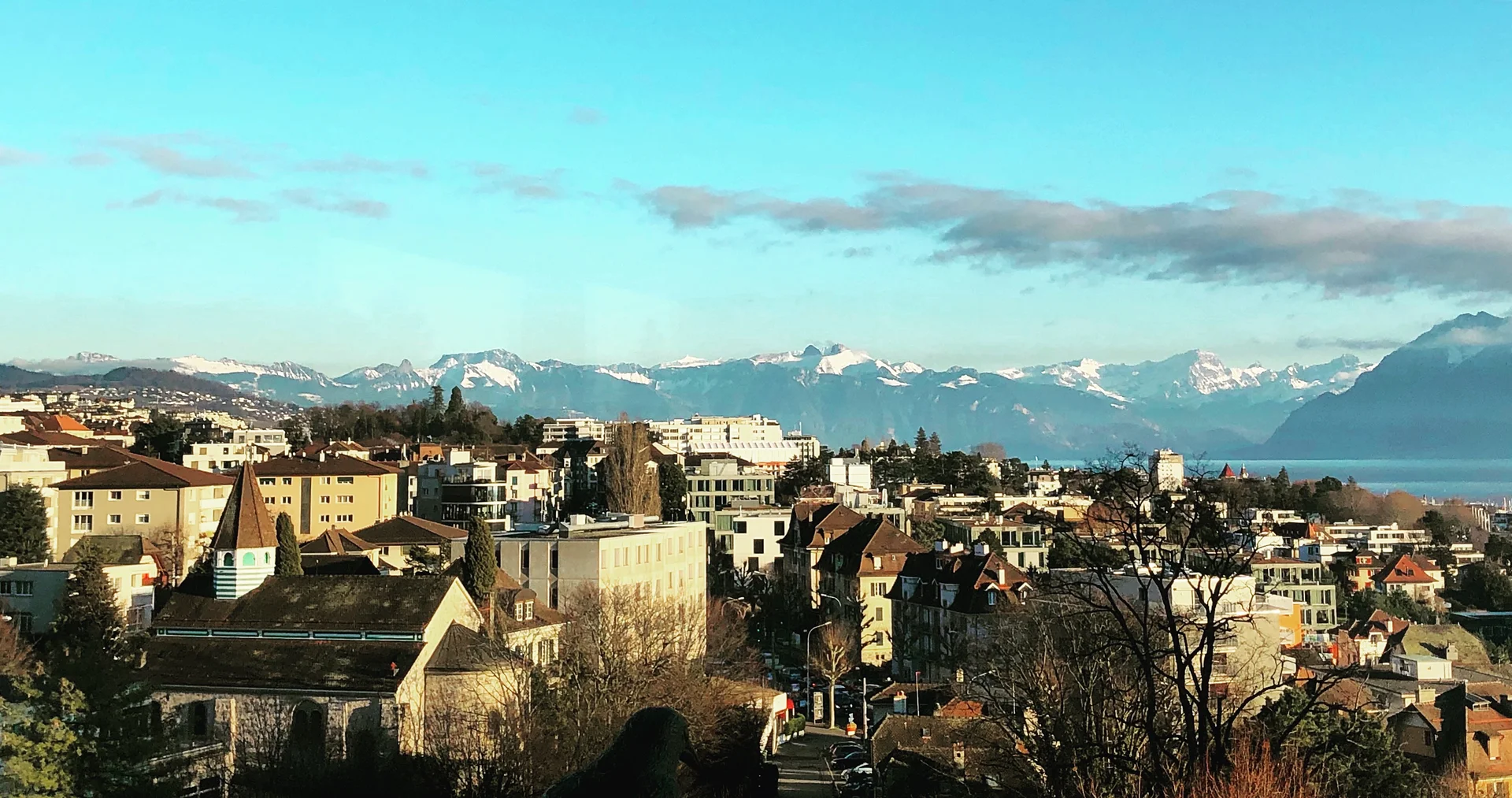
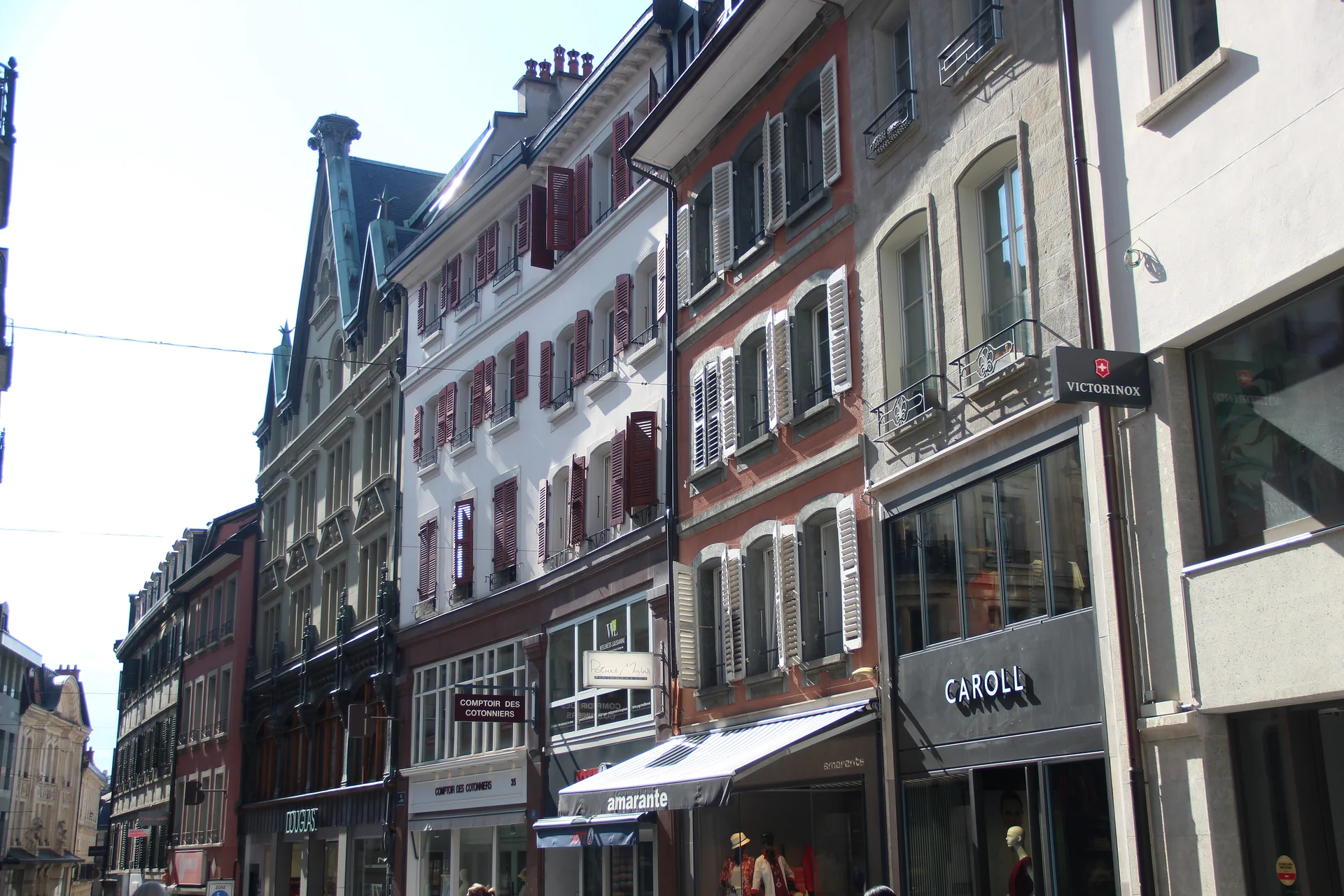
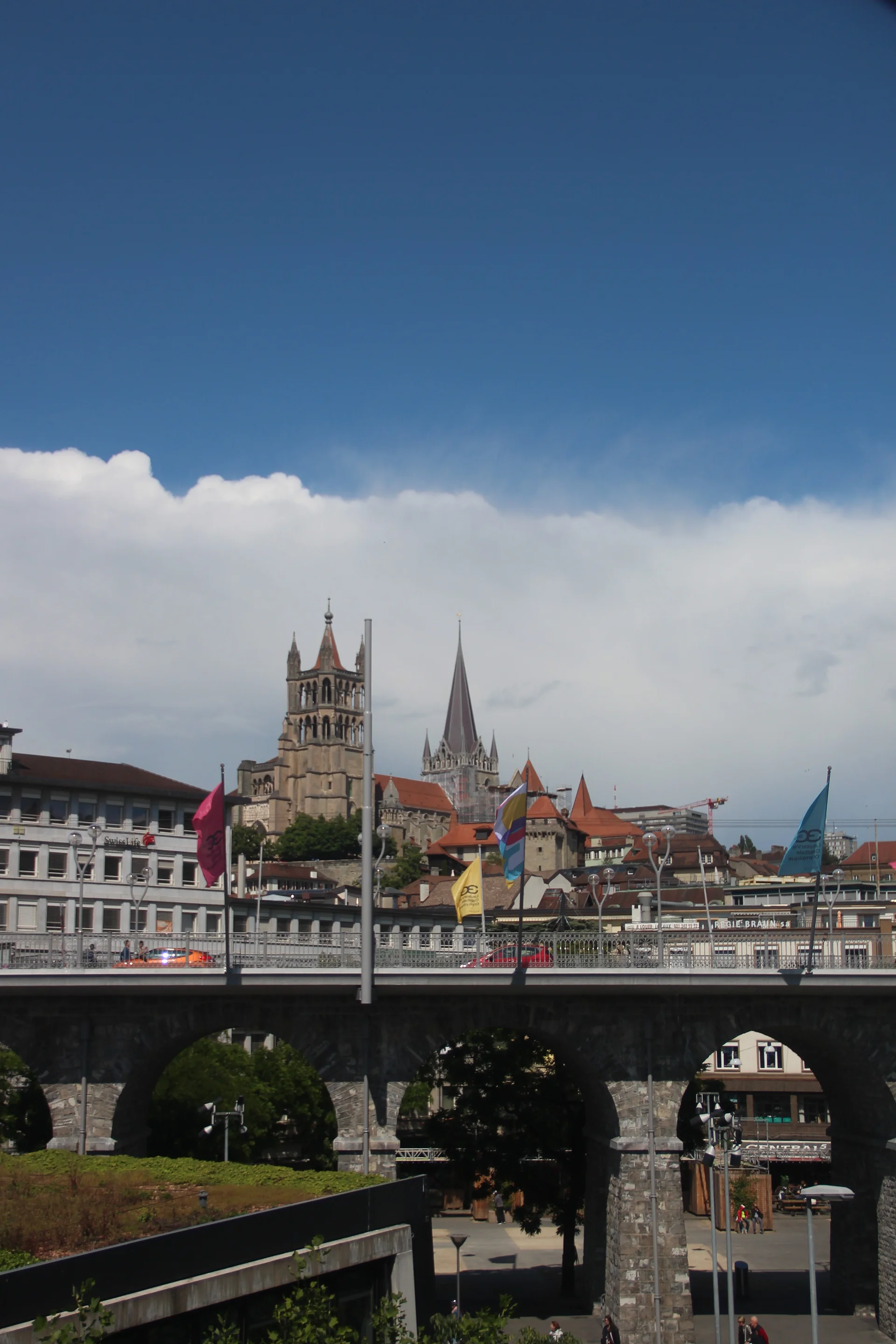
I spent a full day in Lausanne to visit a Swiss friend. At first, I found the city pretty average, especially around the train station. Fortunately, the historic part made up for it. The cathedral and the surrounding area are magnificent, and for that alone, I do not regret going. It is hard to recommend the city though, as I think there are better things to do in this beautiful country of Switzerland.