
Geneva, where the lake meets the mountains
A sign tells you that you have arrived in Switzerland, but the language, the accent, and the lively sidewalk cafes might make you feel as if you never actually left France.
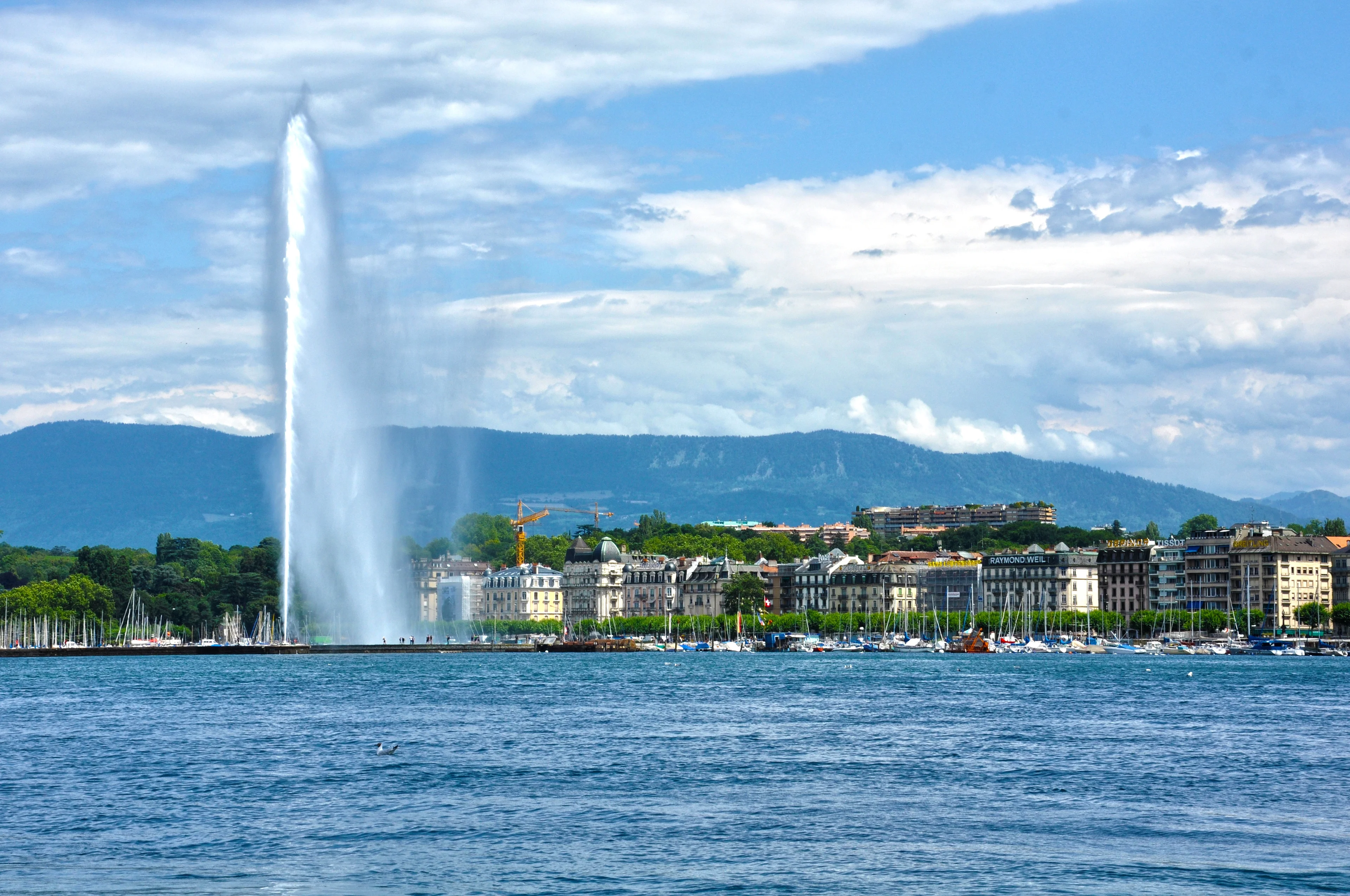
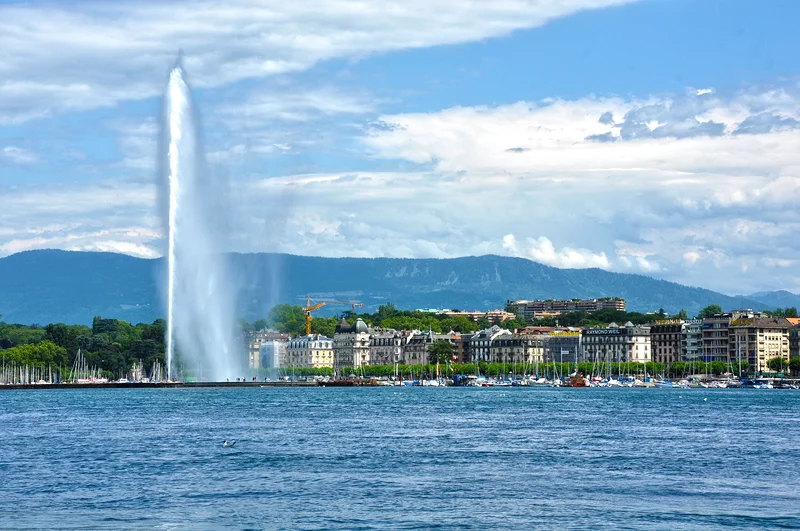
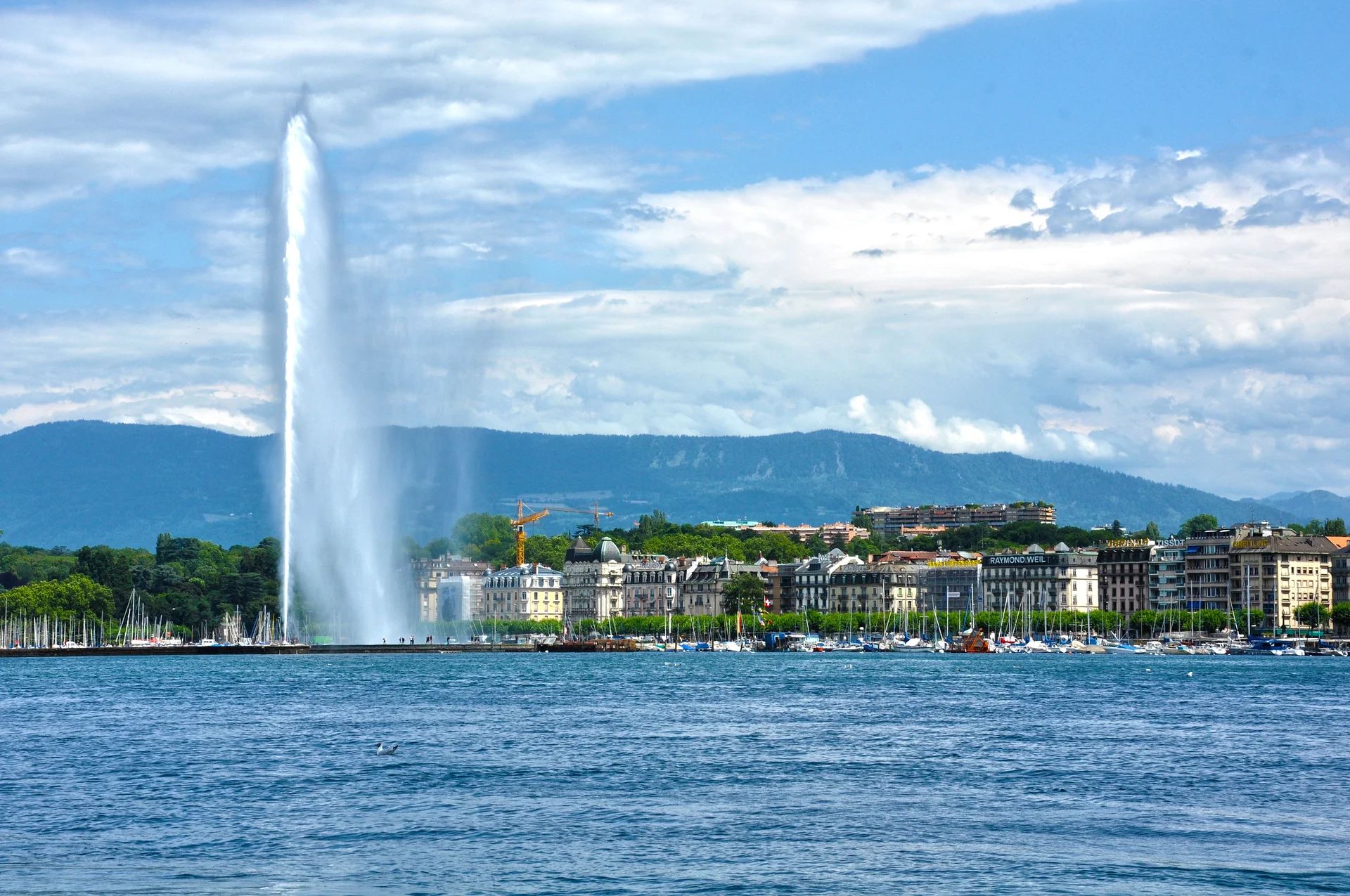
Geneva leans into this ambiguity with charm. The Rhône flows out of Lake Geneva in a shade of blue that looks almost unreal, while on clear days, the Mont-Blanc massif dominates the horizon with its snow-capped peaks. The famous jet d'eau shoots its plume 140 meters into the air, a former industrial pressure-relief valve that has become the symbol of a city that knows how to turn utility into a spectacle.
A global city for the curious traveler
This compact, cosmopolitan capital appeals to culture seekers and families looking for a calm setting alike. With its many free museums, waterfront parks, and manageable size, Geneva is best explored on foot or by bike. History buffs can track the influence of Calvin and the Protestant Reformation, diplomats can step inside the Palais des Nations, and those looking for a quiet moment can simply grab a bench facing the lake.
If you are looking for wild nightlife or budget pricing, however, look elsewhere. Geneva is an expensive destination, and its slightly formal air can be a surprise to those expecting a laid-back Mediterranean vibe. The city compensates with an excellent quality of life and a surprising alternative scene, particularly in the quartier des Grottes.
Keeping an eye on your budget
Expect to spend between 150 and 250 CHF (about $170-285) per day for two people for a mid-range trip, including lodging, meals, and transit. A daily special at a restaurant runs 20 to 30 CHF (about $23-34), and a night in a 3-star hotel starts at around 120 CHF (about $135). The good news is that public transport is free with the Geneva Transport Card provided by your hotel.
The Left Bank: medieval roots
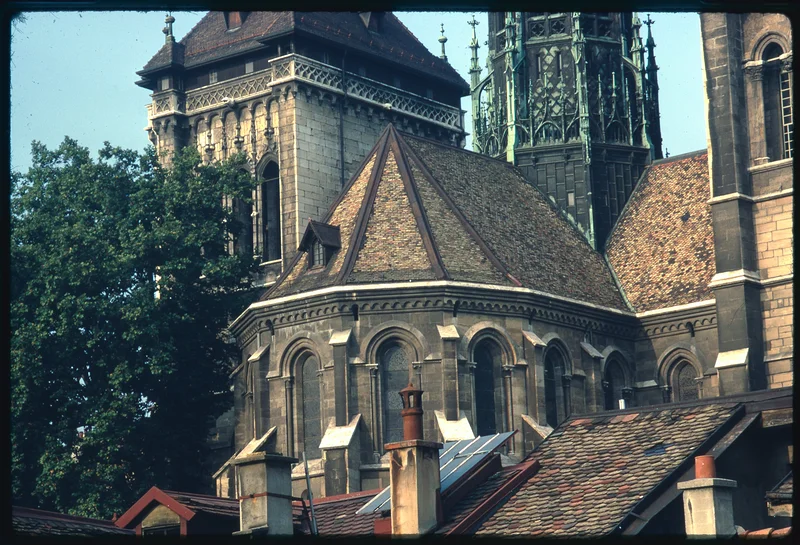
This is the historic heart of Geneva. Climb up to the cathédrale Saint-Pierre and head to the top of the tower. The panorama over the old town rooftops, the lake, and the Alps is worth every step. The audio-guided tour of the underground archaeological site reveals ruins dating back to the Roman era, offering a look beneath the city streets.
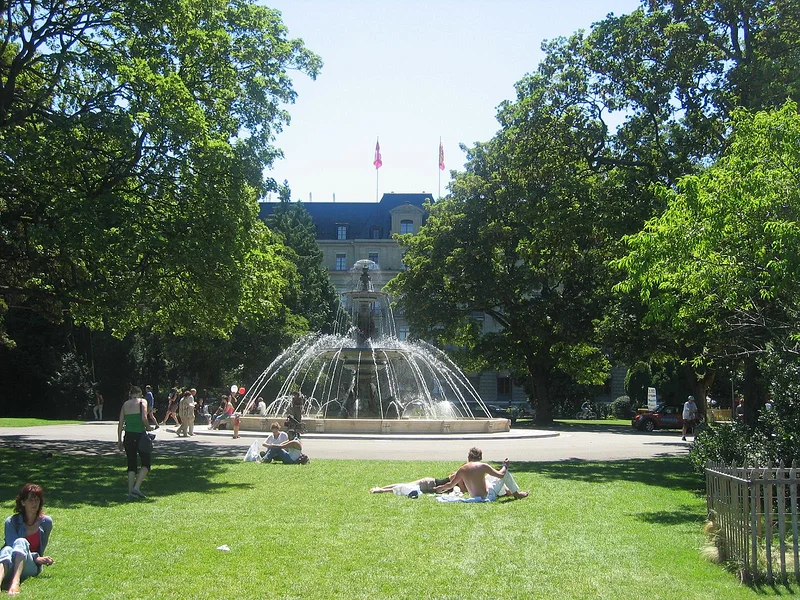
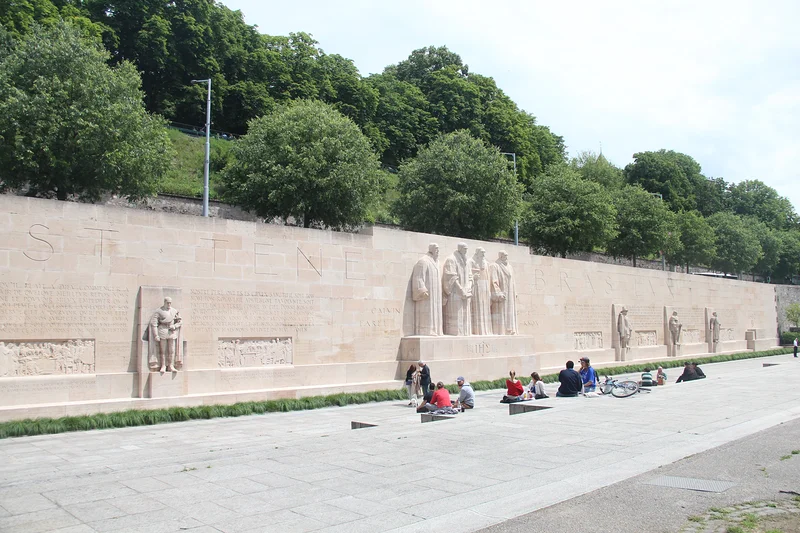
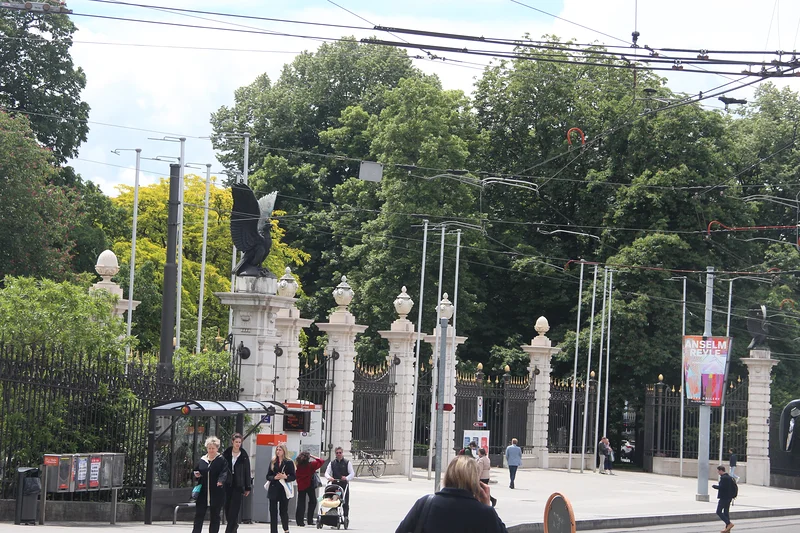
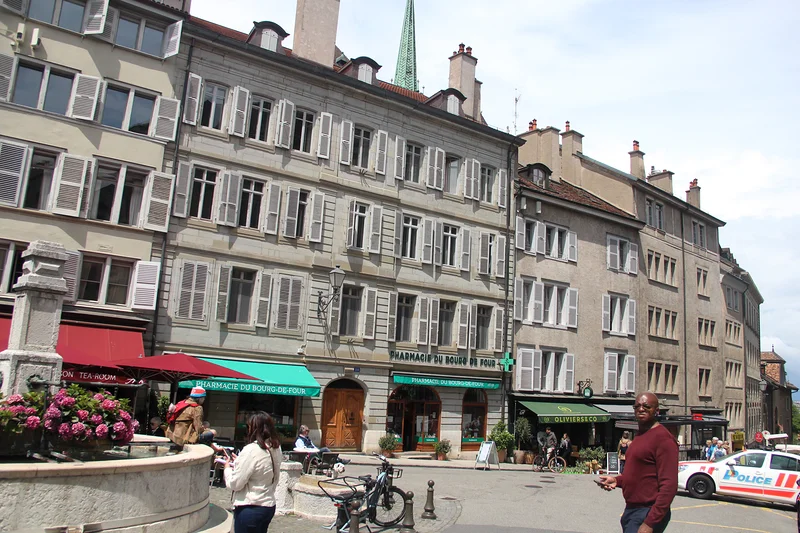
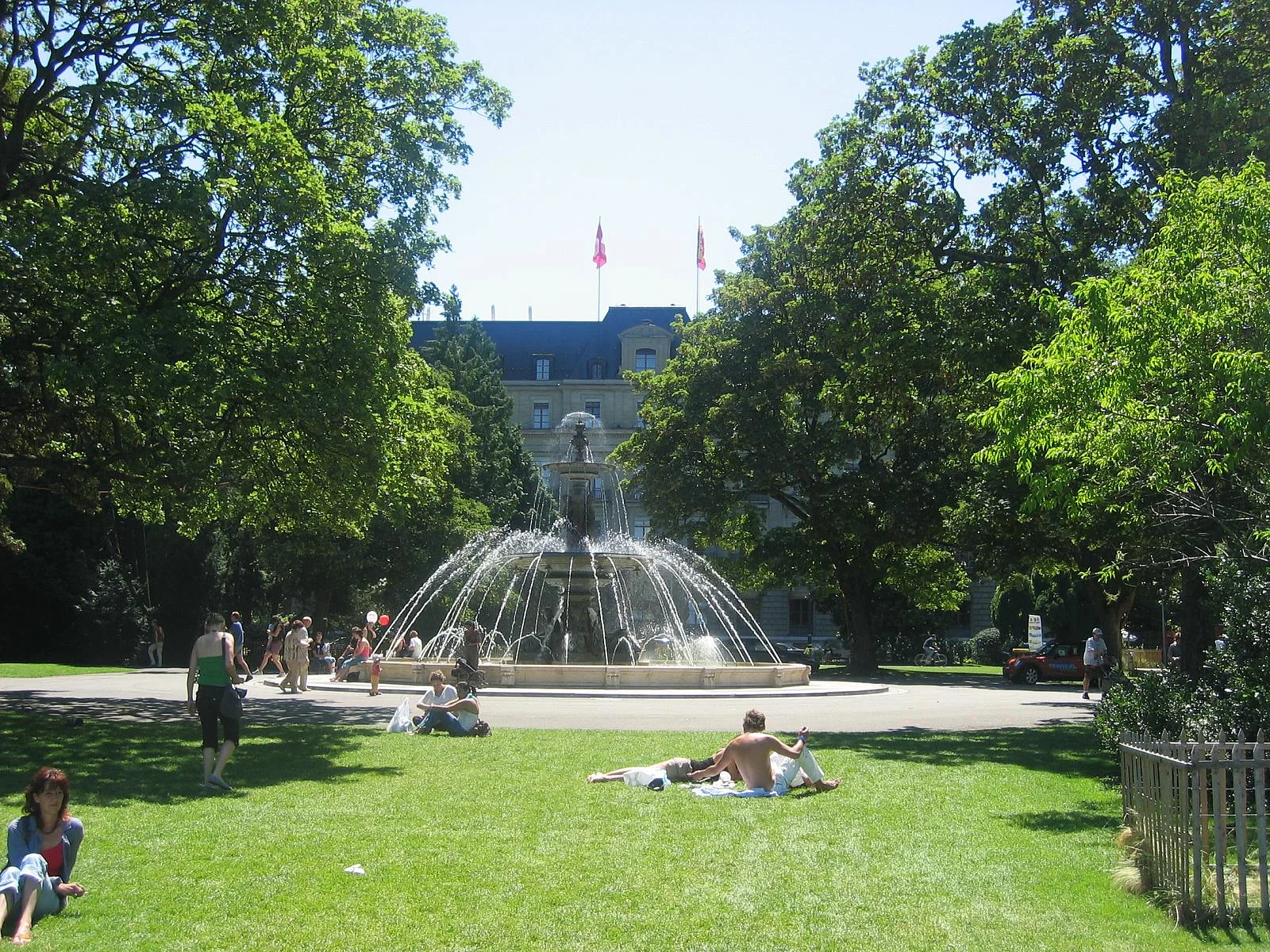
Head back down to the charming place du Bourg-de-Four, the city's oldest square. Its sunny terraces are perfect for a coffee break before continuing toward the imposing Hôtel de Ville and the Parc des Bastions. This green space houses the famous Mur des Réformateurs, along with giant chess sets where locals play intense, impromptu matches.
Friendly tip: Don't miss the Maison Tavel, the oldest private house in the city, which is now a free museum. Its zinc relief map of 19th-century Geneva is a masterpiece.
The Right Bank: international and alternative vibes
Cross the pont du Mont-Blanc and follow the quay to the legendary Bains des Pâquis. This popular pier embodies the relaxed side of Geneva, offering swimming in the city center during the summer, saunas and hammams in the winter, and fondue right by the water year-round. Admission is only 2 CHF (about $2.30), a rarity in this city.
Further north, the international district is impressive in scale. The Palais des Nations offers guided tours lasting about an hour. In front of the entrance, the massive Broken Chair sculpture by Daniel Berset stands as a reminder of the impact of landmines. Nearby, the Musée international de la Croix-Rouge offers a moving museum experience.
Friendly tip: Walk over to the quartier des Grottes to see the "Schtroumpf" buildings, known for the whimsical, colorful architecture that inspired the cartoonist Peyo. It is an unexpected side of Geneva.
By the water: parks and lake escapes
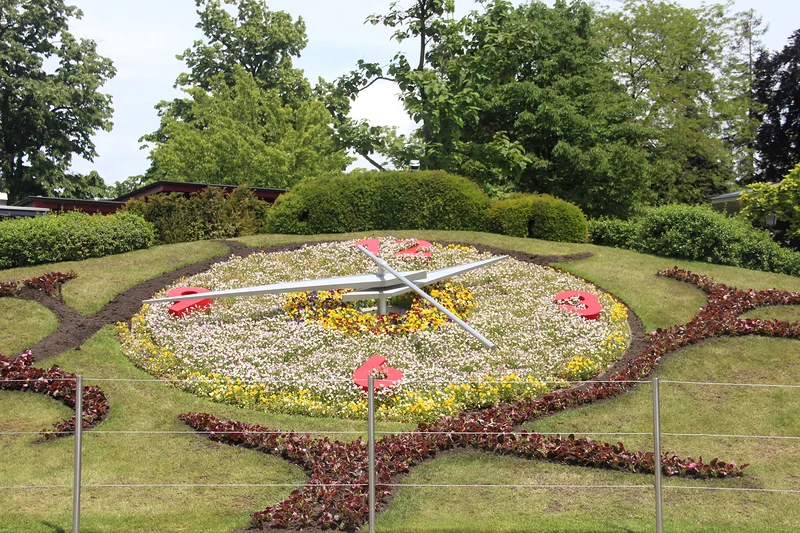
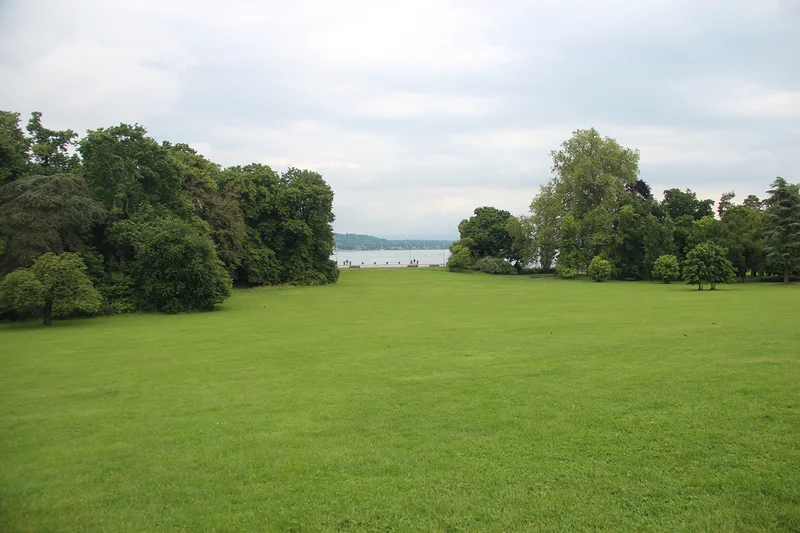
The Jardin anglais spreads its lawns along the lake, featuring the horloge fleurie, a living tribute to Swiss watchmaking expertise. Families will enjoy the parc de la Grange, slightly further up on the left bank, for its picnic areas with the best views of the jet d'eau. Free concerts are held there in the summer.
For a different perspective, hop on the Mouettes genevoises, the small yellow boats that shuttle passengers between banks as part of the public transit network. Steam-powered boat cruises allow you to explore the lake as far as Montreux or Évian on the French side.
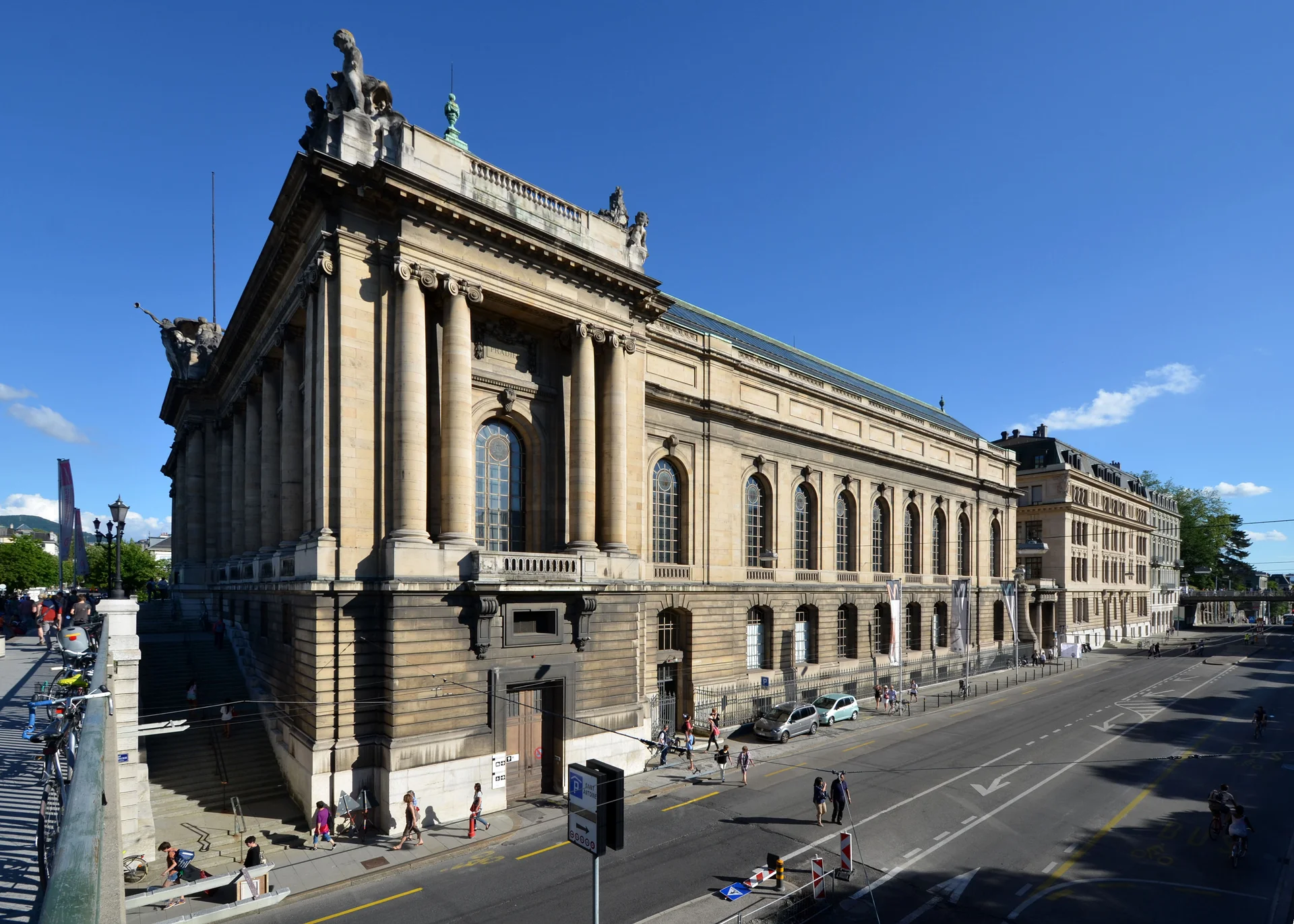
Friendly tip: On the first Sunday of every month, all municipal museums are free. Take advantage of this to visit the Musée d'Art et d'Histoire or the fascinating Musée Ariana, which is dedicated to ceramics, without spending a dime.
For the curious: science and watchmaking
Science enthusiasts should visit CERN, located on the French-Swiss border. The new Science Gateway features interactive exhibits on particle physics, with the Large Hadron Collider sitting just a few hundred meters beneath your feet. Note that reservations are required for in-depth tours.
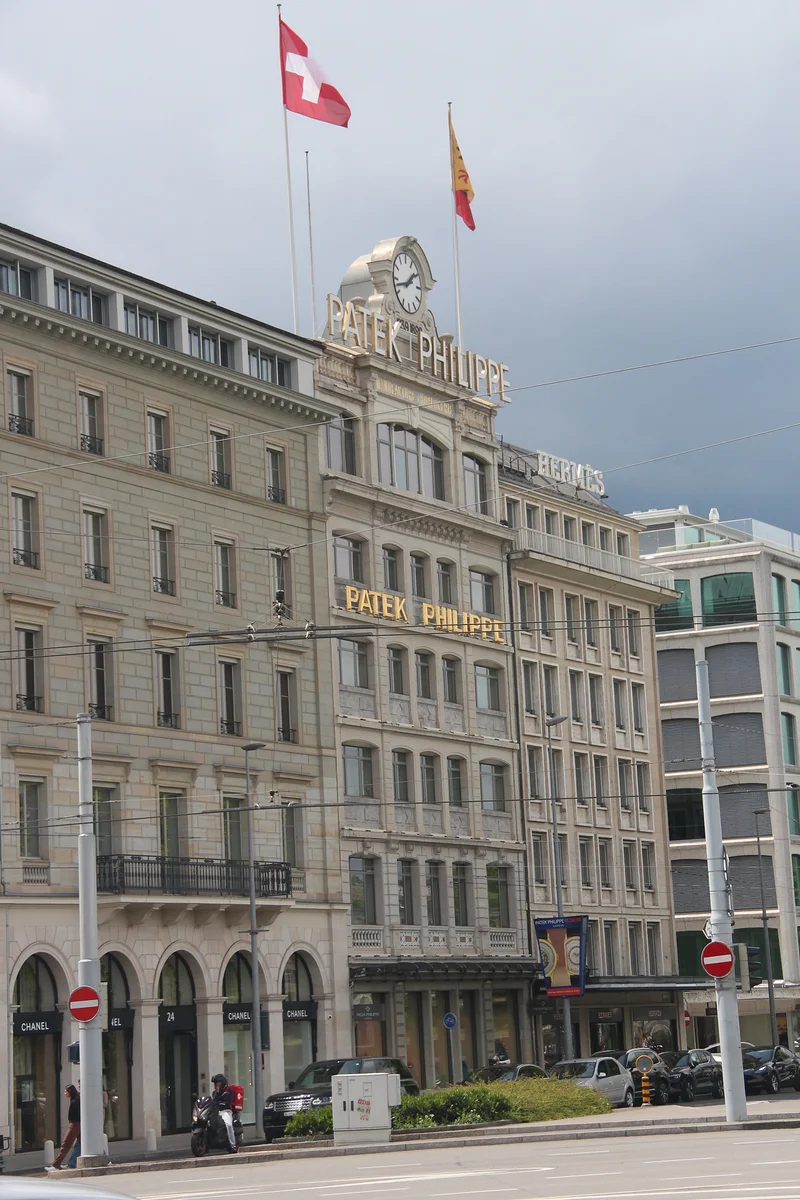
When it comes to watchmaking, the Musée Patek Philippe traces five centuries of timekeeping through an exceptional collection of watches and enamels. The rue du Rhône and its sparkling storefronts serve as a reminder that Geneva remains the world capital of luxury watchmaking.
Where to eat and drink in Geneva?
Genevan cuisine draws from a dual heritage, including Swiss mountain traditions and the influence of Lyonnais bistros. longeole, a pork sausage flavored with fennel and protected by an IGP designation, is often served with lentils or potatoes, making for a rustic, hearty meal. filets de perche (perch fillets) from Lake Geneva, delicately pan-fried meunière-style, are another essential specialty, even if many are now sourced from Baltic lakes.
For an authentic fondue, head to the Café du Soleil in Le Petit-Saconnex or the Restaurant Les Armures in the old town. The Bains des Pâquis serve a fondue made with Crémant at a lower price in a casual atmosphere. For dessert, chocolatiers like Auer and Favarger carry on the tradition of handmade pralines, and in December, the Escalade festival is the time to break open the famous chocolate marmites.
Where to sleep in and around Geneva?
The Pâquis district (right bank) has a wide range of options, from design hotels to more budget-friendly establishments, all within walking distance of the lake and the train station. The vieille ville (old town, left bank) is charming, but prices are higher. For a more controlled budget, the area around gare Cornavin offers good value with easy access to transit.
A smart alternative is to stay on the French side in Ferney-Voltaire or the Pays de Gex. Hotels are significantly cheaper, and buses connect quickly to the center of Geneva. The Geneva Transport Card, provided by hotels in Geneva, covers all public transport in the zone, which is a major incentive to stay on the Swiss side.
How to get to and around Geneva?
Geneva airport is 4 km from the center and served by Easyjet, Hop, and Air France. A valuable tip: keep your boarding pass, as it entitles you to a free 80-minute transport pass upon arrival via the UNIRESO system. By train, the TGV Lyria connects Paris to Geneva in 3 hours and 10 minutes.
Once you arrive, the Geneva Transport Card, offered by your hotel, provides unlimited access to trams, buses, and the Mouettes for the duration of your stay. The city is best explored on foot or by bike, with rental stations located throughout town. For excursions around the lake, CGN boats offer scenic crossings toward France and the canton of Vaud.
When to go?
The ideal time to visit is from June to September, when temperatures are perfect for enjoying the lake, parks, and terraces. Spring and autumn offer beautiful light and lower prices. In December, the fête de l'Escalade and the Christmas markets warm up the winter atmosphere.
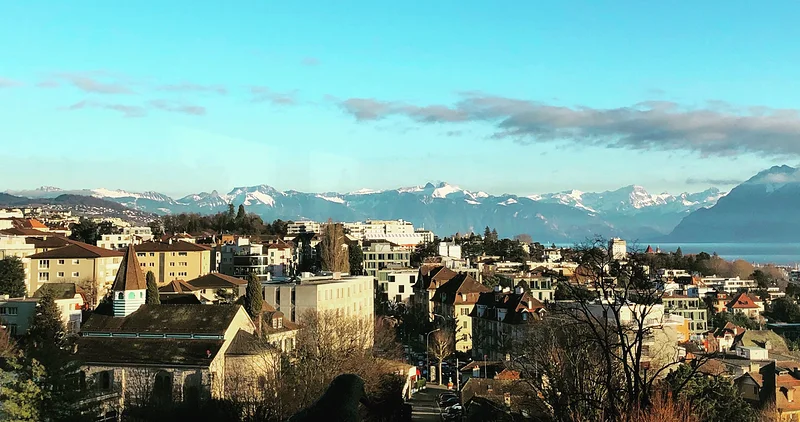
Geneva is night and day depending on the weather. When it is nice out, it is a real joy to walk around Lake Geneva. The water sparkles on the surface and it is such a pleasure to stroll there. While heading into the Old Town, I enjoyed some really great Swiss specialties like fondue or rosti. On the Promenade de la Treille, that is where you will see the longest bench in the world at 120 meters long!