
Visiting Chamonix, a gateway to the authentic Alps
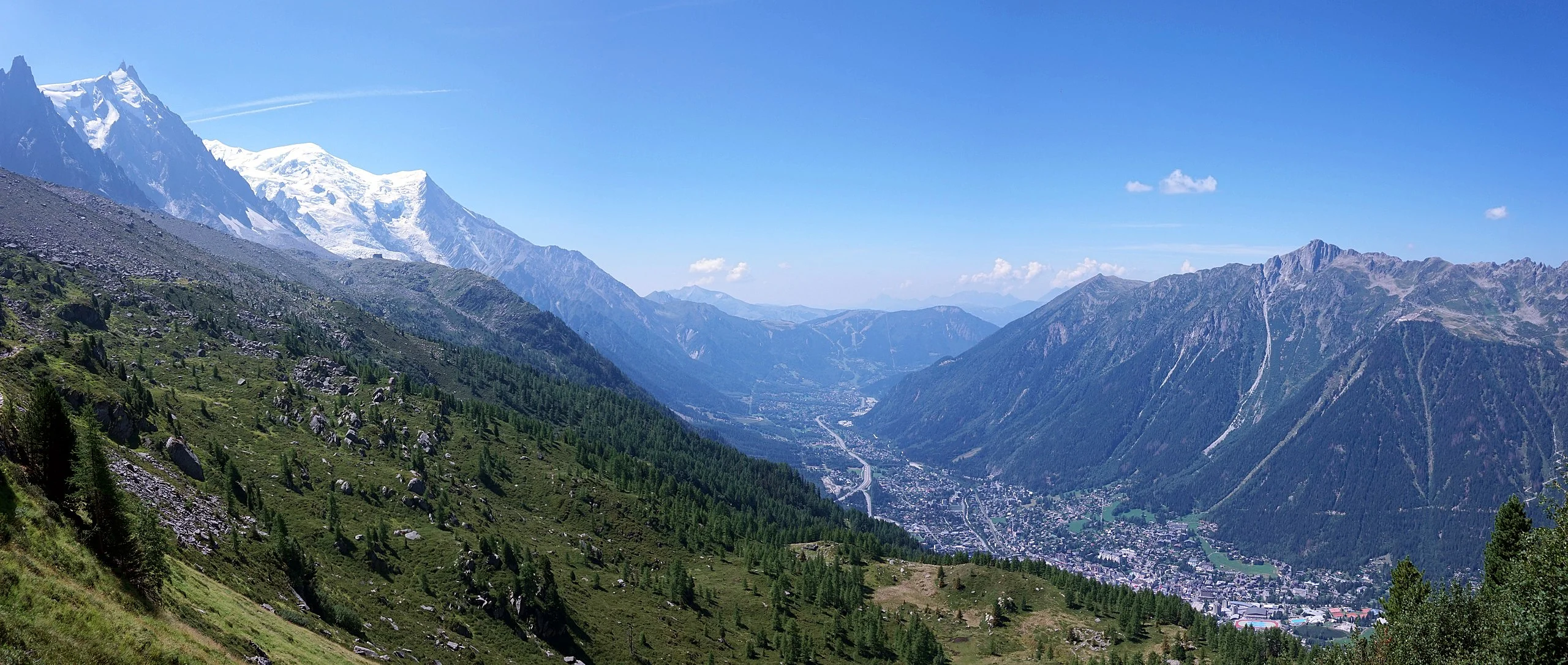
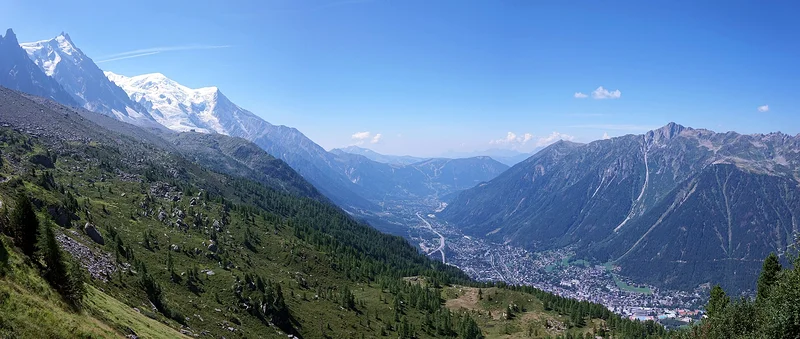
Tucked at the foot of the Mont-Blanc, Chamonix draws travelers looking for dramatic alpine scenery and a wide range of mountain pursuits. Whether you are into hiking, winter sports, or just curious about exploring a mountain town with real history, Chamonix provides plenty to do without feeling like a tourist trap.
Breathtaking nature
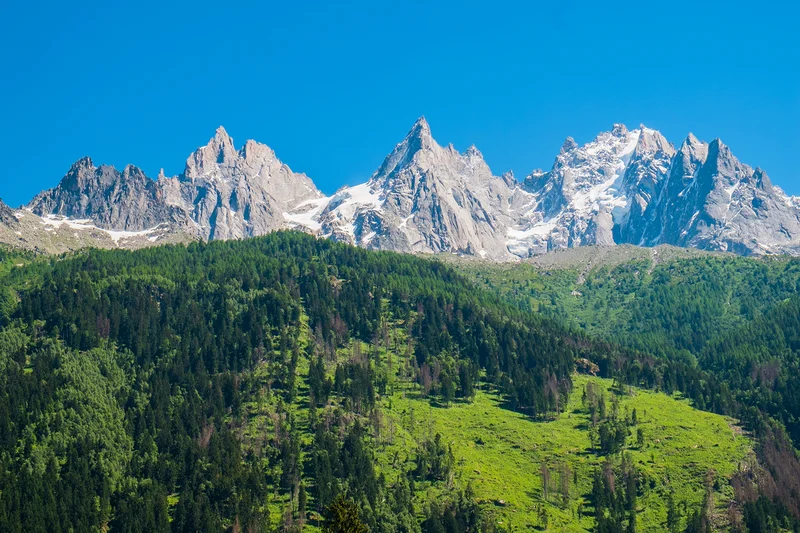
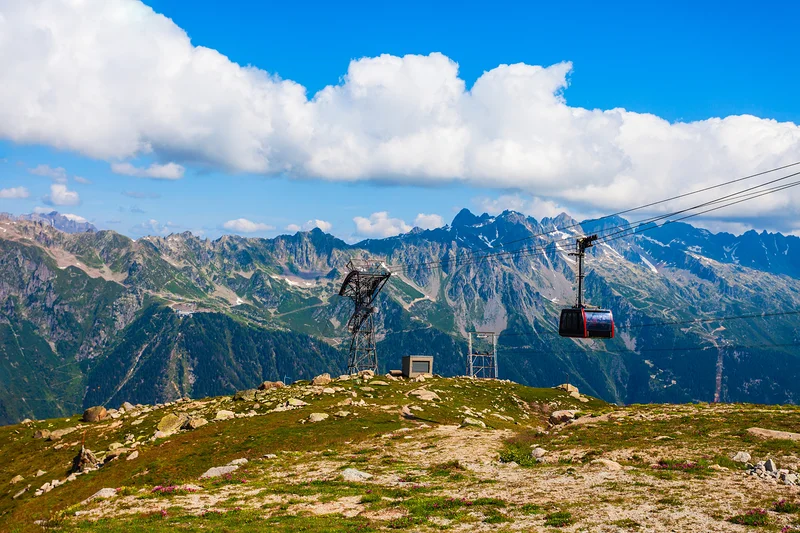
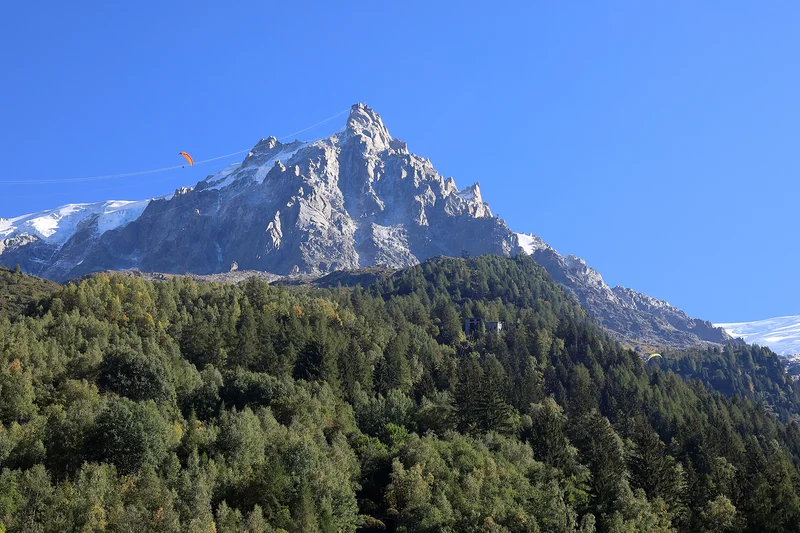
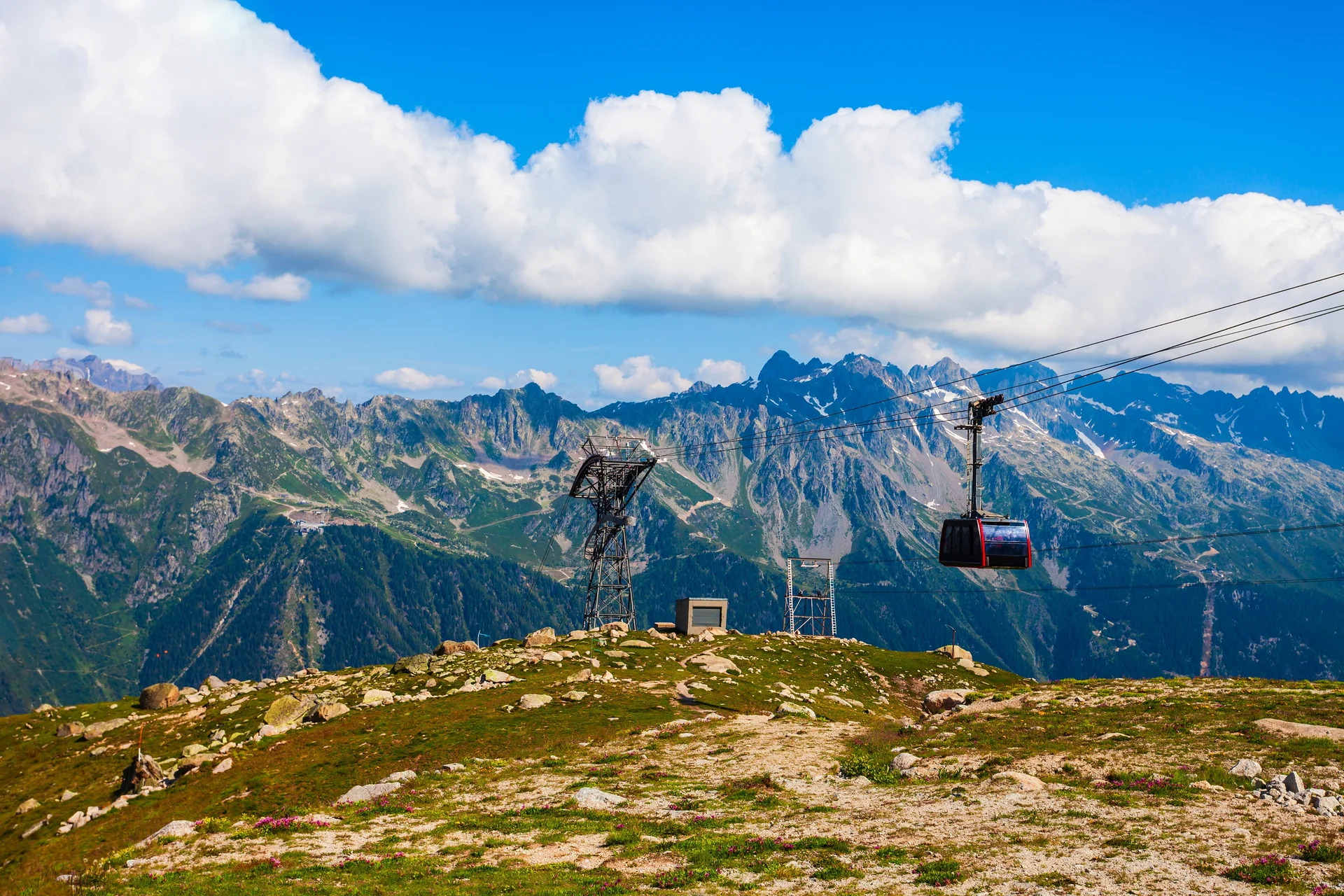
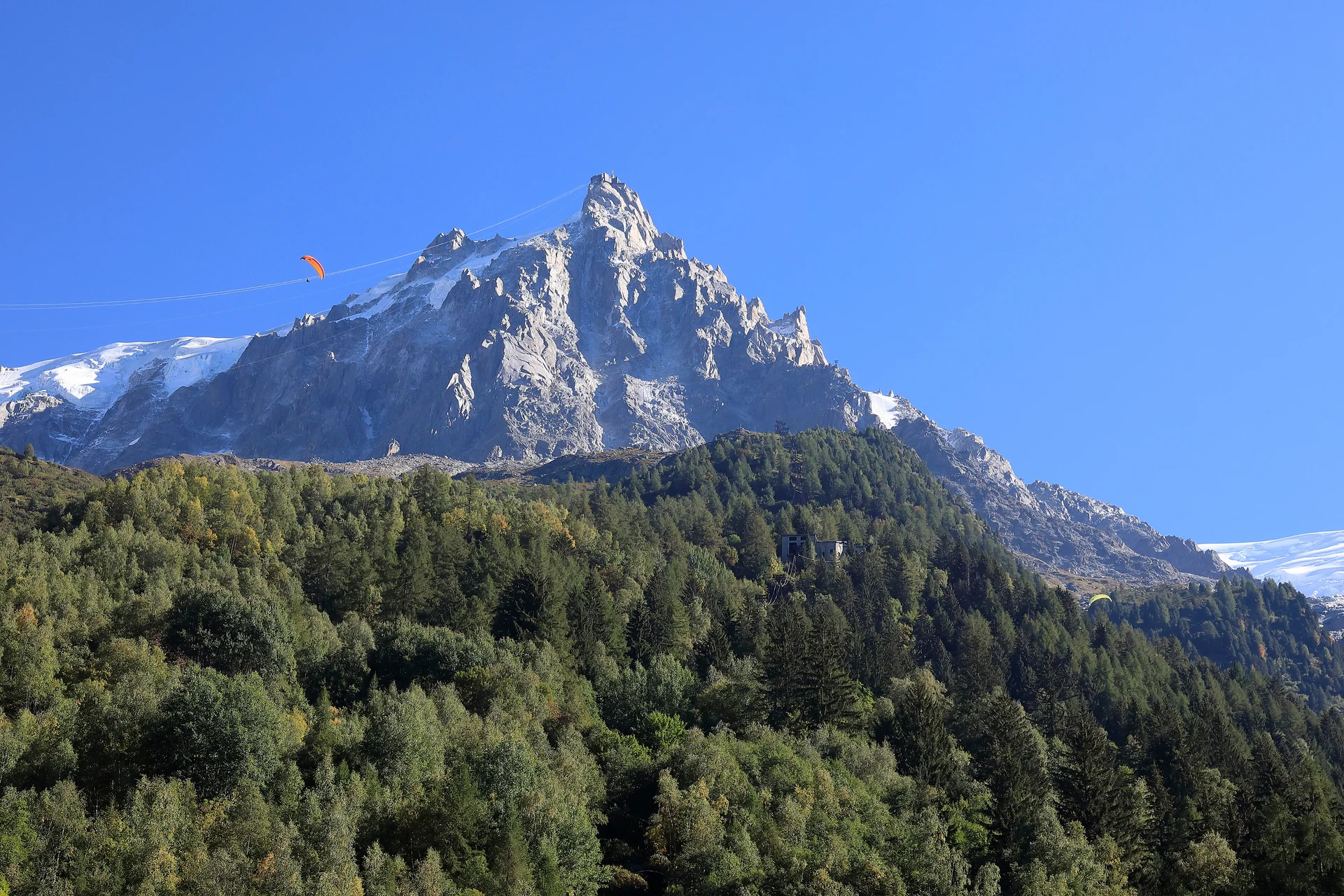
Chamonix is surrounded by iconic peaks, including the Aiguille du Midi, accessible via a cable car that whisks you up to 3,842 meters (12,605 feet). The view of the Mont-Blanc massif from the top is sharp and immediate. Nearby, the Mer de Glace, the largest glacier in France, can be reached by the Montenvers train. While the glacier is retreating, visiting it remains an impactful way to see the effects of climate change firsthand.
Activities for every pace
Beyond winter skiing, Chamonix is a major hub in summer for hiking, rock climbing, paragliding, and mountain biking. The marked trails around lac Blanc or the Brévent offer massive panoramic views of the Alps. If you prefer a slower pace, the pedestrian-only town center is perfect for wandering between shops, art galleries, and cafe terraces.
A quiet cultural side
While the scenery is the main draw, Chamonix has a solid cultural history. The musée Alpin documents the evolution of mountaineering and tourism in the valley. Throughout the year, temporary exhibits and cultural events offer different ways to engage with the region.
Authentic mountain atmosphere
Unlike some of the purpose-built, ultra-modern alpine resorts, Chamonix has held onto its original character. Wood-clad chalets, local markets, and traditional festivals keep the vibe grounded. The town draws an international crowd, yet it maintains an identity rooted in its specific high-altitude environment.
Mountain flavors: traditional and hearty
Chamonix dining is defined by heavy, savory dishes meant to refuel you after a day in the mountains. Local staples include tartiflette, a baked dish of potatoes, bacon, and melted reblochon cheese; fondue savoyarde, a mix of melted cheeses and white wine; and raclette, melted cheese served with potatoes and charcuterie. For dessert, the tarte aux myrtilles (blueberry tart) is the local standard.
Where to eat?
- La Maison Carrier (town center): A traditional restaurant serving Savoyard classics in a rustic, wood-paneled setting.
- Le Monchu (town center): A lively spot with a broad menu of mountain specialties.
- La Crèmerie du Glacier (Argentière): A classic chalet known for its generous portions of fondue and raclette.
- Le Matafan (town center): Elevated, refined cuisine that highlights local ingredients in a polished dining room.
Where to stay?
- Hôtel Mont-Blanc Chamonix (town center): A 5-star hotel mixing luxury and tradition, featuring a spa and views of Mont-Blanc.
- Heliopic Hotel & Spa (town center): A modern hotel with direct access to the Aiguille du Midi cable car and a comprehensive wellness area.
- Hôtel de L'Arve by HappyCulture (town center): A comfortable, mid-range option that is well-positioned for exploring the city.
- Big Sky Hotel & Spa (Les Bossons): A quiet hotel with an indoor pool, ideal for relaxing after mountain excursions.
When to go?
The best time for Chamonix depends on your goals. Winter, from December to March, is for skiing and snow sports. Summer, from June to September, provides perfect conditions for hiking and climbing. Events like the Marathon du Mont-Blanc in June also bring in a significant number of visitors.
How to get there?
Chamonix is reachable by train from Paris (about 6 hours with a connection in Saint-Gervais-les-Bains) or by car via the A40 highway. Geneva International Airport is 88 km (about 55 miles) away and offers regular shuttle services to Chamonix, taking about 1 hour and 15 minutes.
How to get around?
The town is very walkable, especially the pedestrian-only center. Free shuttles connect the various neighborhoods and main tourist sites, making it easy to get around without a car.
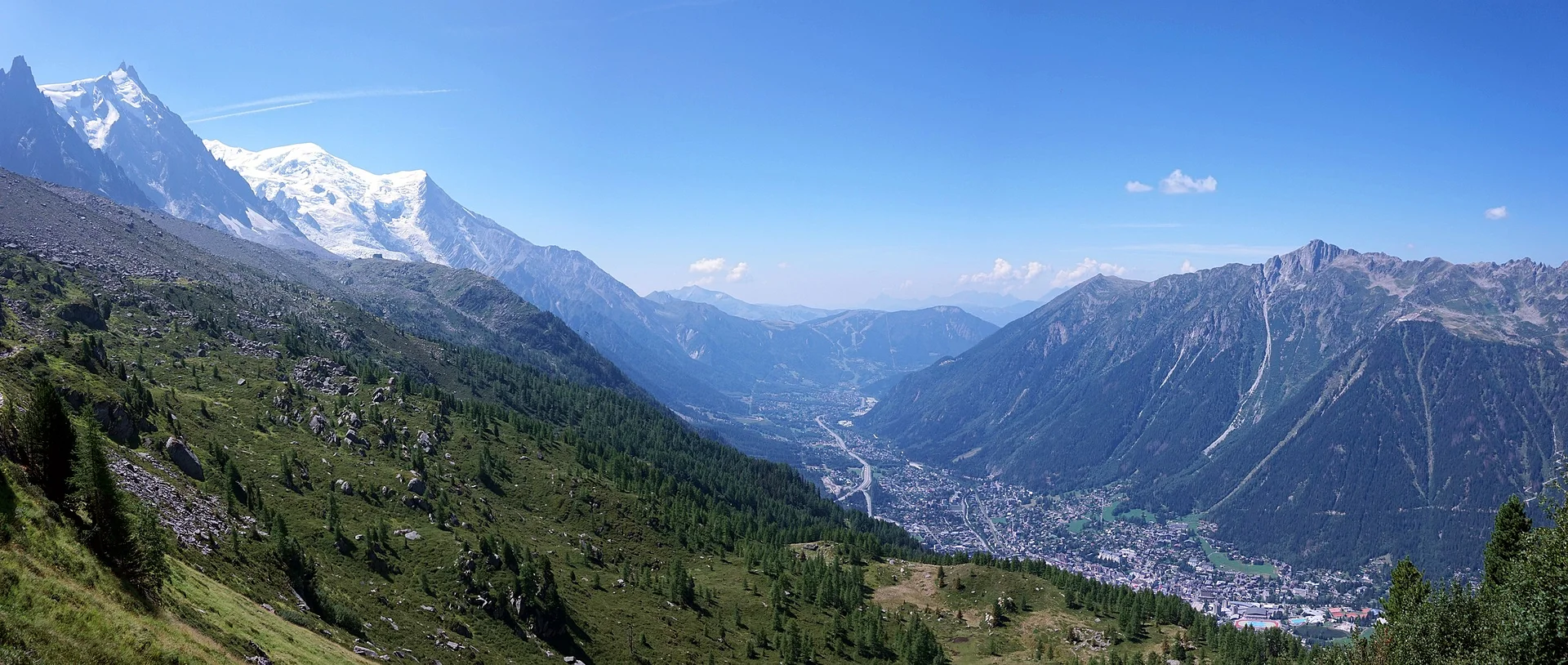
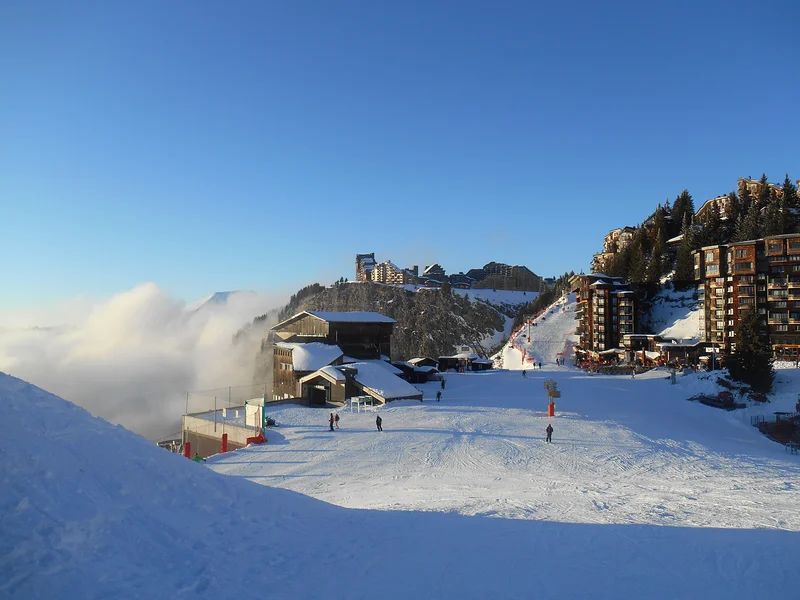
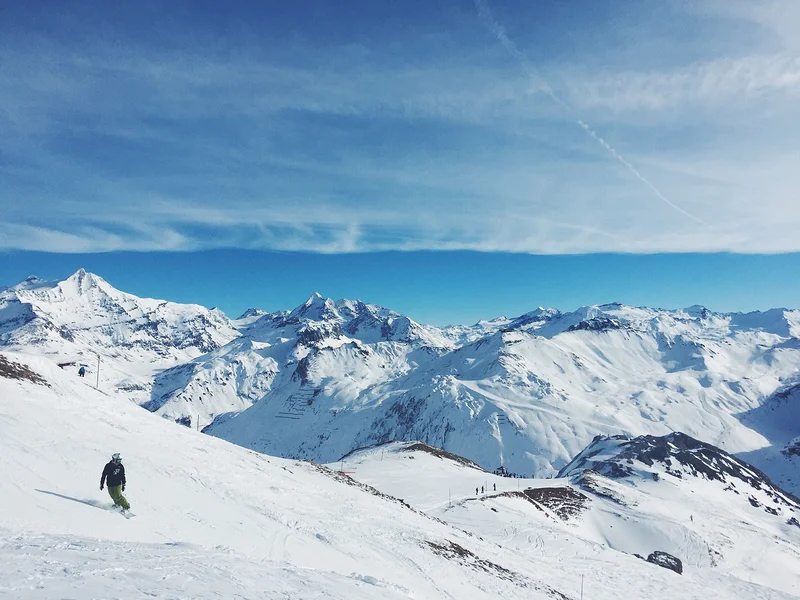
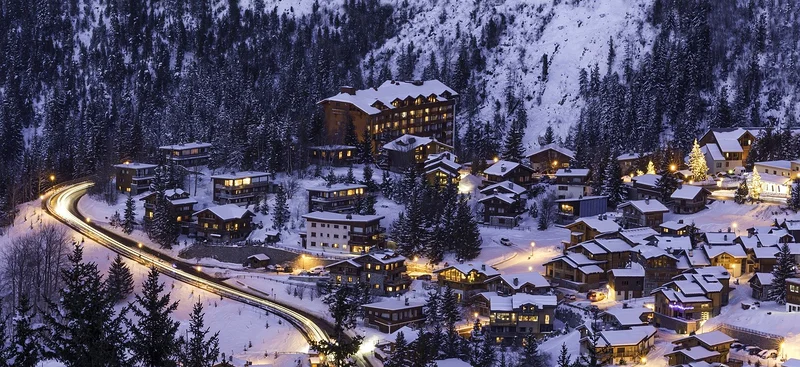
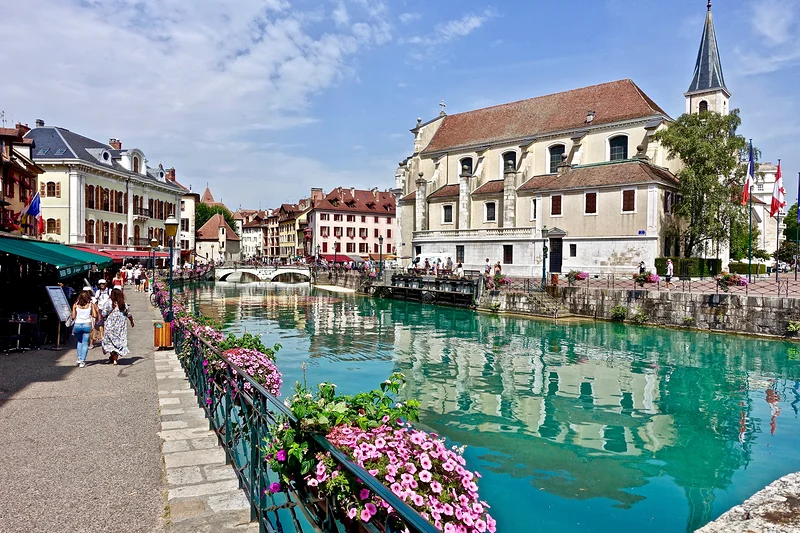
Big village or small town, Chamonix-Mont-Blanc, besides being at the foot of the white giant, has a special, magical atmosphere. You run into hikers and mountaineers there, but you can also go shopping (some very beautiful stores), visit the mineral museum, grab a drink facing Mont-Blanc, or eat an ice cream or a chestnut waffle.
It is also where you board for the Mer de Glace or the Aiguille du Midi... such a dream...